
San Antonio Wedding Photographer
Begin with the part of downtown that matters to the day
A downtown San Antonio wedding can make portrait timing feel inseparable from guest flow. The River Walk is not one undifferentiated backdrop, and a route that feels easy to describe may involve several decisions once ceremony, reception, portraits, family members, and public-space rules all enter the same day. A good inquiry surfaces those decisions early. It does not assume a particular River Walk setting, activity, or travel mode is confirmed.
Instead of treating every river-adjacent idea as the same, start by describing the area your plans touch and why. Visit San Antonio distinguishes Downtown, Museum Reach, and Mission Reach as River Walk areas. That distinction gives a couple a better vocabulary for discussing a portrait window, a guest meeting point, or a transition that happens near the water without pretending that any one segment is an Aster location or a recommended wedding route. If the fixed venue is in New Braunfels rather than San Antonio, use our New Braunfels wedding planning guide before carrying this city’s River Walk context into another market. If the ceremony and reception are in Fredericksburg rather than San Antonio, use our Fredericksburg wedding planning guide before applying River Walk planning questions to another city.
The next question is practical: who needs to be present for the image-making, and who can remain comfortably at the ceremony or reception while portraits happen? A couple’s answer may point toward a short, contained interval or toward a simpler plan with fewer handoffs. The useful goal is not to collect more stops. It is to decide how the day should feel and which movements could disrupt that feeling.
Put that answer in the same working outline as the portrait priority. Record the general area, the people who would make the transition, the decision-maker for each location, and the fallback if the chosen stop is no longer workable. The aim is not to select a route from a guide. It is to keep the portrait conversation connected to the people who would actually be affected by any change.
People first, even in a memorable setting
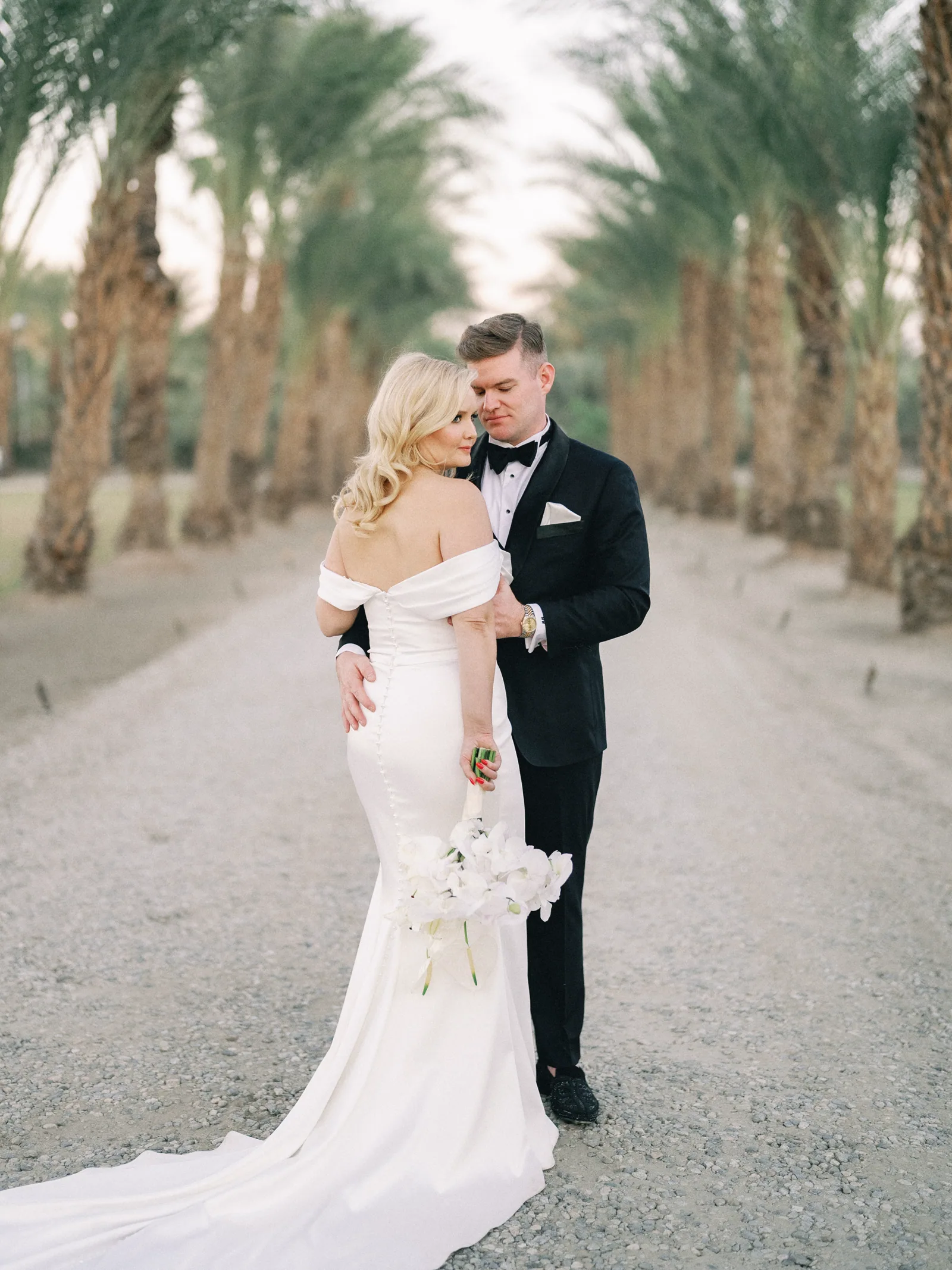
When choosing a San Antonio wedding photographer, notice which pictures you return to after the first look through a portfolio. They may be the wide views, but they may also be a small gesture or a close portrait. John and Susan’s Sirmione, Italy wedding gallery gives you both people and place to consider.
The portrait here keeps the couple close in the frame, with a white bouquet and greenery around them. The surrounding gallery also includes architecture, garden views and water. Compare what each kind of photograph adds: a wide view can help you remember the setting, while a closer frame can bring your attention back to an expression or the way two people hold each other.

Decide what deserves time in your day
Share the people and moments you want to remember alongside any portrait locations you like. Family together, a greeting after the ceremony or time with friends may matter more to you than an extra stop for photographs. Ask how the photographer would make room for those priorities within your ceremony and reception plans.
If you are also considering film, look through Aster’s cinematography and discuss that coverage separately. A still gallery cannot demonstrate how vows or toasts will sound. Bring the same priorities to both conversations so your San Antonio wedding is planned around the people and events you care about, with clear expectations for photography and film.
Keep portrait stops and guest movement in separate lanes
Guest movement needs its own plan because the people moving may have different needs from the people making portraits. Visit San Antonio’s planning information offers downtown car-free context and references river shuttle, bike, and VIA options. Treat this as a cue to ask how guests will be guided and supported, not as a promise that a specific service, route, or timetable will be suitable on the wedding day.
The city also describes a wider waterway and travel-mode context in its San Antonio experience overview. That can help a couple decide whether a river-adjacent portrait idea belongs before the ceremony, during a contained portrait interval, or not in the guest schedule at all. Confirm current operating conditions independently, then share a clear decision with the wedding party rather than leaving the movement plan implicit.
Once those questions are visible, assign one person to relay an operator update to the relevant guests or family members. That small handoff prevents a transportation assumption from becoming an avoidable surprise. It also leaves room for a simpler, contained portrait interval when that better serves the day. Keep the public-space confirmation, area choice, and guest-flow decision dated in the planning outline because each can change independently.
Check the appropriate City category for park activity
If a plan involves City parks, verify the current municipal category before treating photography or video activity as a settled detail. The City of San Antonio permit guide identifies a category to check for video, film production, and still photography in city parks. The source supports a permit-check question; it does not say that every activity needs the same approval, that a permit grants exclusive use, or that anyone has an existing City authorization.
Give the relevant operator a complete description of the proposed activity and preserve the answer with your planning materials. If a stop is venue-controlled rather than City-managed, ask the venue instead. This separation matters because the art direction for a portrait and the permission to use a setting are not interchangeable. A flexible sequence leaves room to respond honestly to what the correct operator says.
Choose a photo-and-film rhythm that protects the day
Once the area, movement, and public-space questions have been identified, let the wedding’s priorities shape the coverage rhythm. Some couples want a short retreat for portraits; others want to stay close to guests and reserve only a small period for the two of them. Either choice benefits from clarity about who needs to be present, where the transition begins and ends, and which moments cannot be compressed.
For a central view of film storytelling, use Aster’s cinematography page. If the focus is photography, Aster’s wedding photography page is the related internal resource. Those pages are useful for understanding service conversations at the proper level; they do not represent a San Antonio office, a River Walk project, or a local package.
Build an inquiry brief around the parts still in motion
You do not need a finished schedule to make an informed inquiry. Include the date, broad event location, the River Walk area or downtown context under consideration, and the place in the day where portraits might occur. Mention any City or venue question that remains open, the guests who would need to move, and any mobility or family considerations that make a simpler transition valuable.
Then describe the images and film moments you care about most. That helps distinguish a creative priority from a logistical assumption. Questions about scope and buyer choices can be explored on services and pricing, keeping those details centralized rather than inventing them in a city-planning article. The result is a more useful starting point, not an assurance about access, timing, or availability.
San Antonio timeline questions
How should we distinguish Downtown, Museum Reach, and Mission Reach when discussing portrait stops?
Use the areas as planning context, then confirm the details of any chosen setting with its operator. Visit San Antonio’s River Walk guide identifies Downtown, Museum Reach, and Mission Reach as distinct areas; it does not establish a wedding-day route or access.
What guest-movement questions should we settle before building a downtown San Antonio timeline?
Decide who needs to move, whether portraits can happen while guests remain at the main event, and what current conditions need confirmation. Visit San Antonio’s trip-planning page supplies planning context, while the wedding-day plan must be specific to your people and schedule.
When should we check the City permit category for photography or video activity in a park?
Check before a City-park activity is placed firmly in the timeline. The City permit guide identifies a category for still photography and video or film production in city parks; ask the current operator what applies to the proposed use.
Which San Antonio details make a photo-and-film discussion more useful?
Bring the date, broad areas, expected transitions, guest needs, open operator questions, and the moments you want protected. State how still photography and film should support those moments without assuming a fixed route or setting.
Move from a city idea to a considered inquiry
San Antonio planning is most useful when it distinguishes the River Walk context, the guest-flow plan, and the source of any public-space confirmation. That leaves the creative conversation free to focus on the pace and meaning of the day. When you have a working outline, contact Aster to share it. The inquiry should start with your priorities and open questions, not a claim that a location, permit, or transit choice is already resolved.
Planning a celebration here?
Share the date, the place, and the atmosphere you are hoping to protect.