
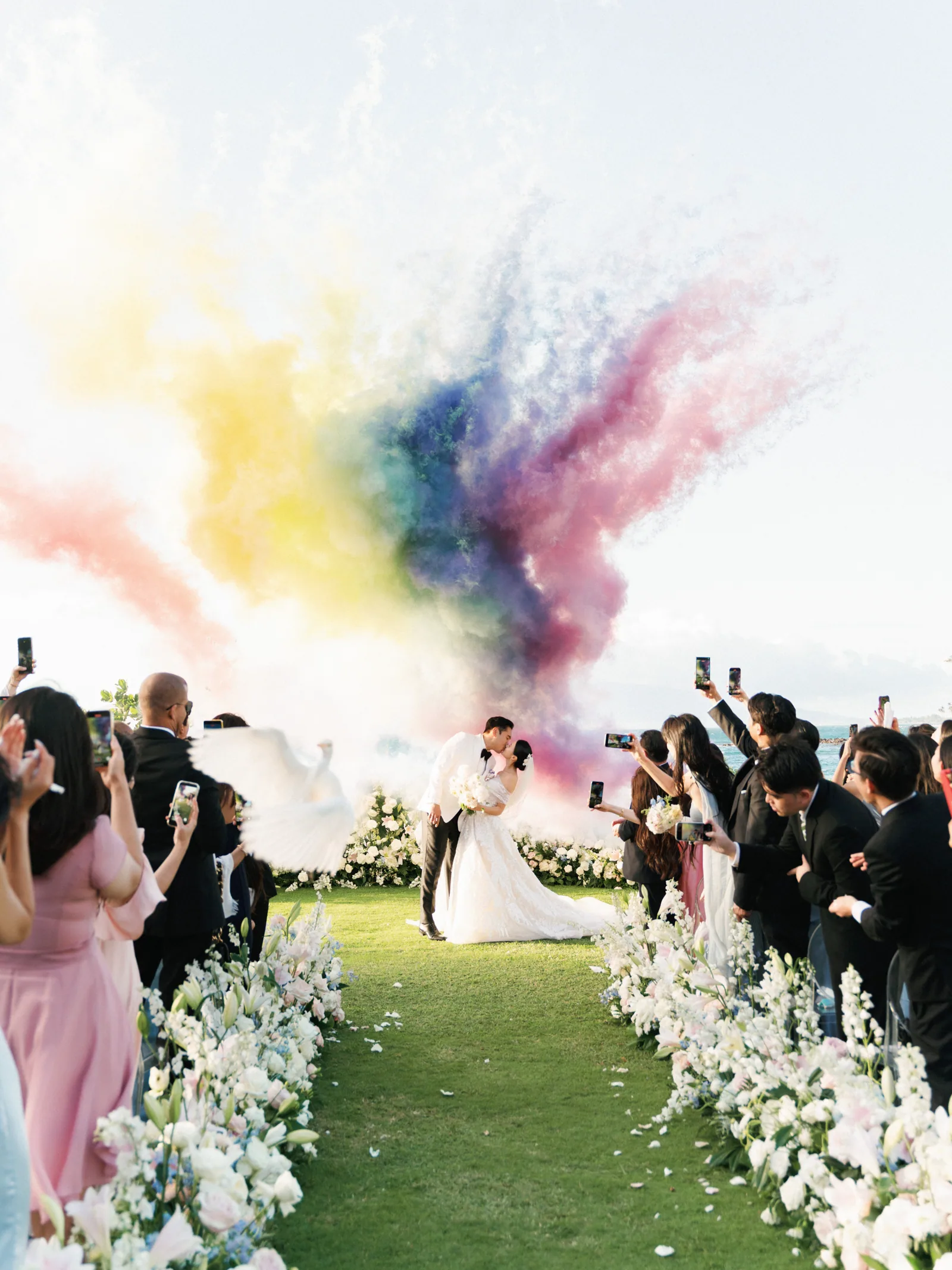
New Braunfels Wedding Photographer
Identify the setting before you build the visual plan
New Braunfels wedding photography planning begins with the actual setting, not a borrowed city narrative. A day that moves between indoor and outdoor spaces, includes a park or rental question, or needs family photos to happen before guests settle into the reception benefits from a timeline that names those decisions early. The goal is not to make assumptions about a particular property. It is to give each part of the day a clear purpose and leave room for the operator’s current instructions.
For a San Antonio celebration rather than a New Braunfels one, use our San Antonio wedding planning guide for the city-wide guest-flow context.
Portraits that keep the setting in the story
For a New Braunfels wedding, think about how much of the setting you want in your photographs. You might want to remember the architecture and flowers as clearly as the expressions, or prefer closer portraits with less background. Cole and Melika’s Aliso Viejo, California wedding gallery offers a way to compare those choices.
In the photograph shown here, the couple sit in front of a stone fountain, with white flowers and the table in the foreground. The setting is recognizable, but the people remain central. Elsewhere in the gallery, details, outdoor portraits and an evening photograph beside a vintage car give you more than one kind of frame to consider.

Choose references that explain your priorities
Pick a few examples and explain what draws you to them: the space around the couple, an expression, the light or the attention to details. Then discuss what those preferences would mean at your own venue. A photograph with a wide view and a close portrait can both belong in the same wedding story; you do not have to choose one look for every moment.
Bring family groupings and the parts of the celebration you do not want to miss into that conversation. Ask where planned portraits could fit without turning every transition into a photo stop. If you are also considering film, discuss those priorities separately so the gallery remains a reference for photographs, not a promise about a particular film.
Distinguish a simple session from a park or rental question
Where a plan involves a City park, use the current official information before assuming that an activity is treated like an ordinary visit. New Braunfels provides commercial-photography permit guidance and a separate park rentals and rules page. Together, those sources give a couple a practical reason to identify the activity and ask whether the relevant question is a photography session, a rental, or another use that needs current City confirmation.
The page titles do not settle the answer for a specific wedding, and neither link is an approval. Describe the real plan to the City or operator: the setting, the expected people, the desired timing, and whether the activity is tied to a ceremony, reception, or portrait interval. If the space is privately managed, follow the property’s own current process. Keeping this check separate from creative coverage prevents a location question from becoming an implied promise about permission or access.
Design the indoor-to-outdoor transition deliberately
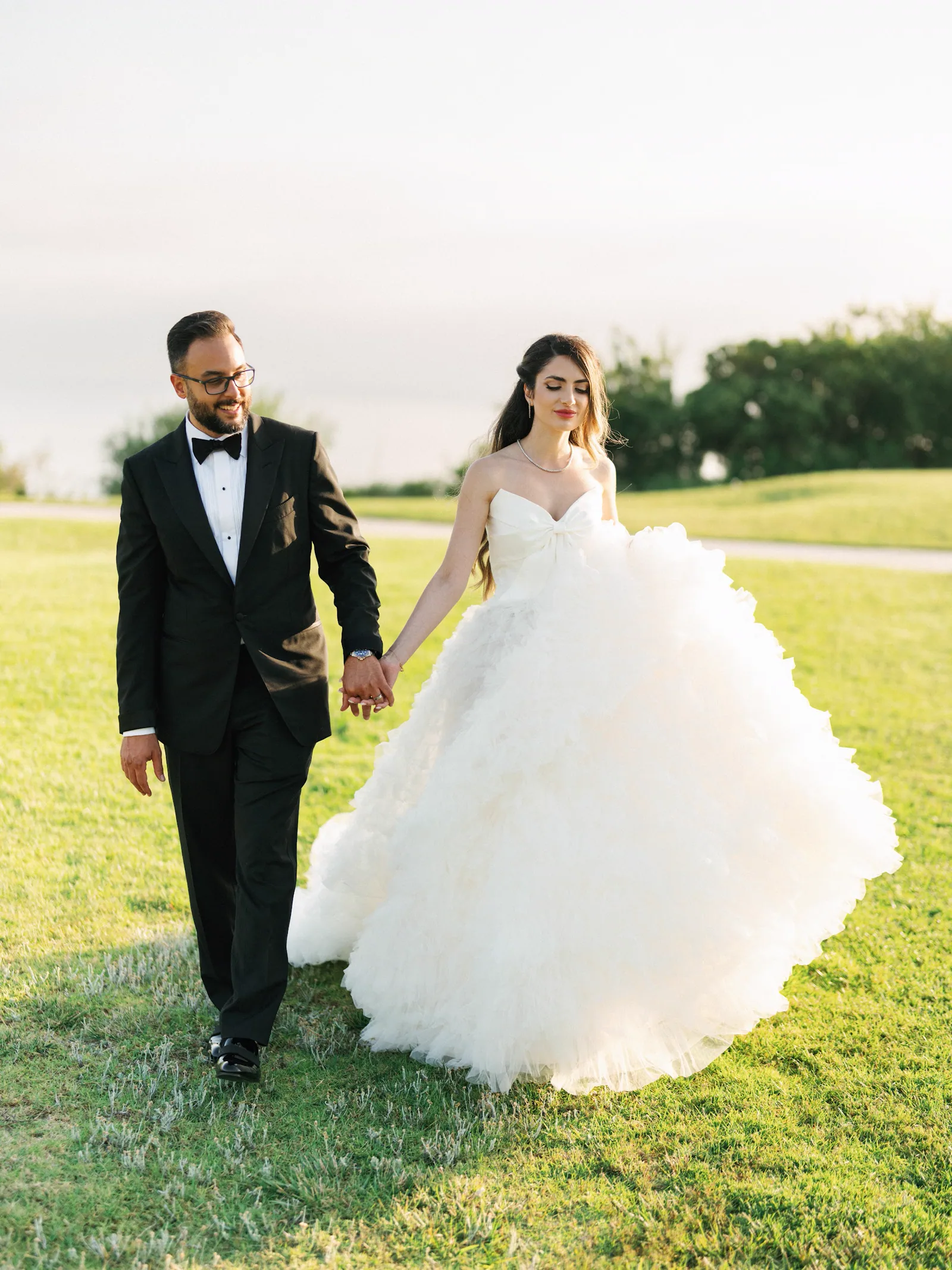
An indoor-outdoor day becomes easier when the transition is treated as one decision rather than a string of small interruptions. Decide what has to happen outside, what could happen inside if the plan changes, and which people need to be present for each version. This might be as simple as choosing whether family portraits occur before guests arrive, whether the couple has a short portrait block after the ceremony, or whether the wedding party remains together through a move.
The useful fallback is not a generic weather promise. It is a practical sequence: choose the moments that matter most, identify the space that can support them, and give the timeline a point at which the decision can be made. When the plan is clear, photography and film can respond to the day as it is without pretending that a particular outdoor arrangement is certain.
Let photography and film work from the same priorities
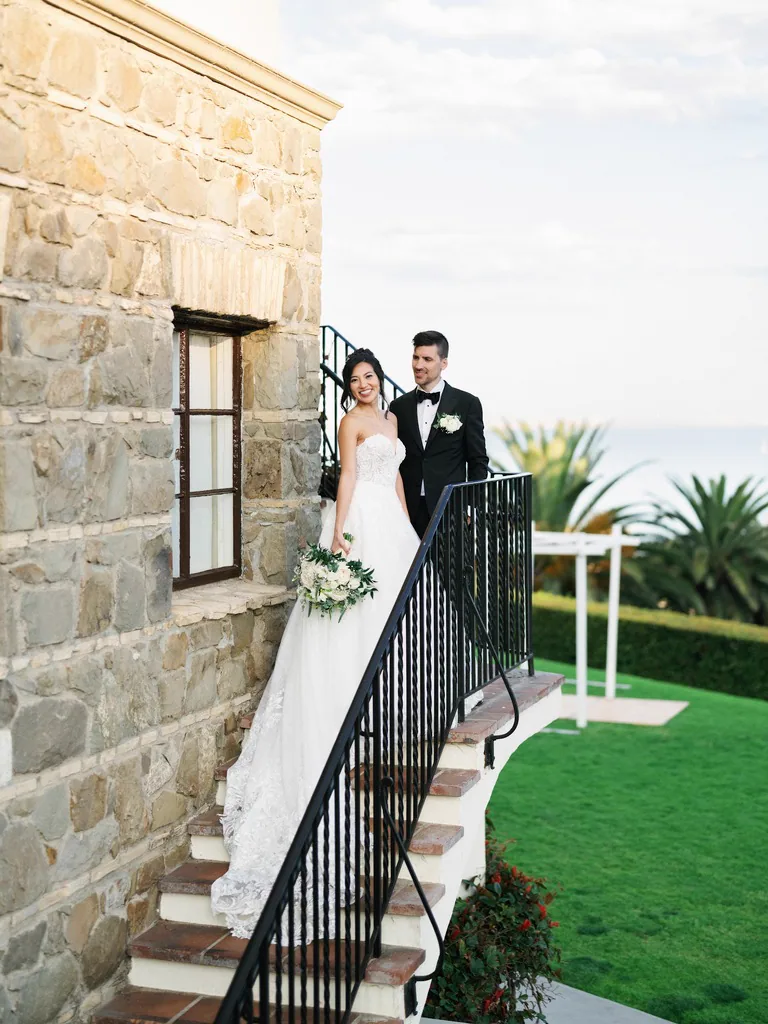
The strongest shared plan starts with the feeling you want to preserve and the people who need to be close. A quiet first look, a broad family grouping, an arrival with a lot of movement, and a private portrait interval do not require the same setup or amount of time. Put them in order of importance, then build the day around the handoffs that protect them. That approach is more useful than asking photography and film to chase separate versions of the schedule.
Aster’s cinematography page is the right central place to consider moving-image storytelling. Aster’s wedding photography page provides the related still-photography reference. This guide uses those owner links to support a combined conversation without turning the page into a New Braunfels videographer page or suggesting city-specific work that has not been established.
Keep the location decision current and specific
A park page, rental page, or operator conversation should be used for the precise plan you are considering, not as a rule copied from another place. If the event includes a public space, ask who manages it, what current process applies, and whether there is a deadline or condition that should affect the timeline. If it does not, keep the check with the venue or property instead. The answer belongs in the working plan only after it comes from the relevant current source.
That discipline can make a schedule calmer. It separates the question of whether a space may be used from the question of how you want the day photographed. It also leaves room to simplify a transition if the final setting or timing changes, rather than building the entire day around an assumption.
- Write down the confirmed setting types and who manages each one.
- Identify the indoor-outdoor moments that need a clear handoff.
- Ask the City or operator about the actual activity before fixing a park or rental plan.
- Keep the working schedule tied to the current answer for the specific setting.
Bring the actual day—not a template—to your inquiry
A helpful New Braunfels inquiry includes the date, confirmed setting types, the indoor-outdoor moments you care about, and any park, rental, or operator question still awaiting a current answer. Mention whether the wedding party or family needs to move, which moments should be unhurried, and whether photography, film, or both are part of the priority. That gives the conversation useful context without turning it into a statement about commercial terms or access.
For questions about scope and central service options, visit services and pricing. This page is for a setting-and-timeline conversation, not a substitute for the City’s or property’s current requirements.
Start the conversation with a workable outline
The right next step is a conversation based on your actual settings, transitions, and open questions. Bring that outline together, then contact Aster to begin an inquiry. A current City or property response still governs the location; this guide helps make sure the creative discussion begins with the right details.
New Braunfels inquiry questions
Does a New Braunfels park portrait plan require a commercial-photography permit?
It depends on the actual activity and setting. Review the City’s current commercial-photography permit guidance and confirm the relevant requirement before fixing the portrait plan.
Is a park rental the same question as a photography session?
Treat them as separate questions until the City or operator confirms how the specific plan is handled. The park rentals and rules page is a useful official starting point for the rental side of the discussion.
How can we plan an indoor-outdoor portrait transition?
Choose the moments that matter most, decide which setting can support them, and identify a practical alternative. Keep the timeline flexible until the actual location details are confirmed.
What should we send with a New Braunfels photo-and-film inquiry?
Share the date, setting types, possible transitions, family or guest movement needs, open operator checks, and the parts of the day you want photography, film, or both to protect.
Planning a celebration here?
Share the date, the place, and the atmosphere you are hoping to protect.