
Fredericksburg, Texas Wedding Photographer
Start with the settings that are actually fixed
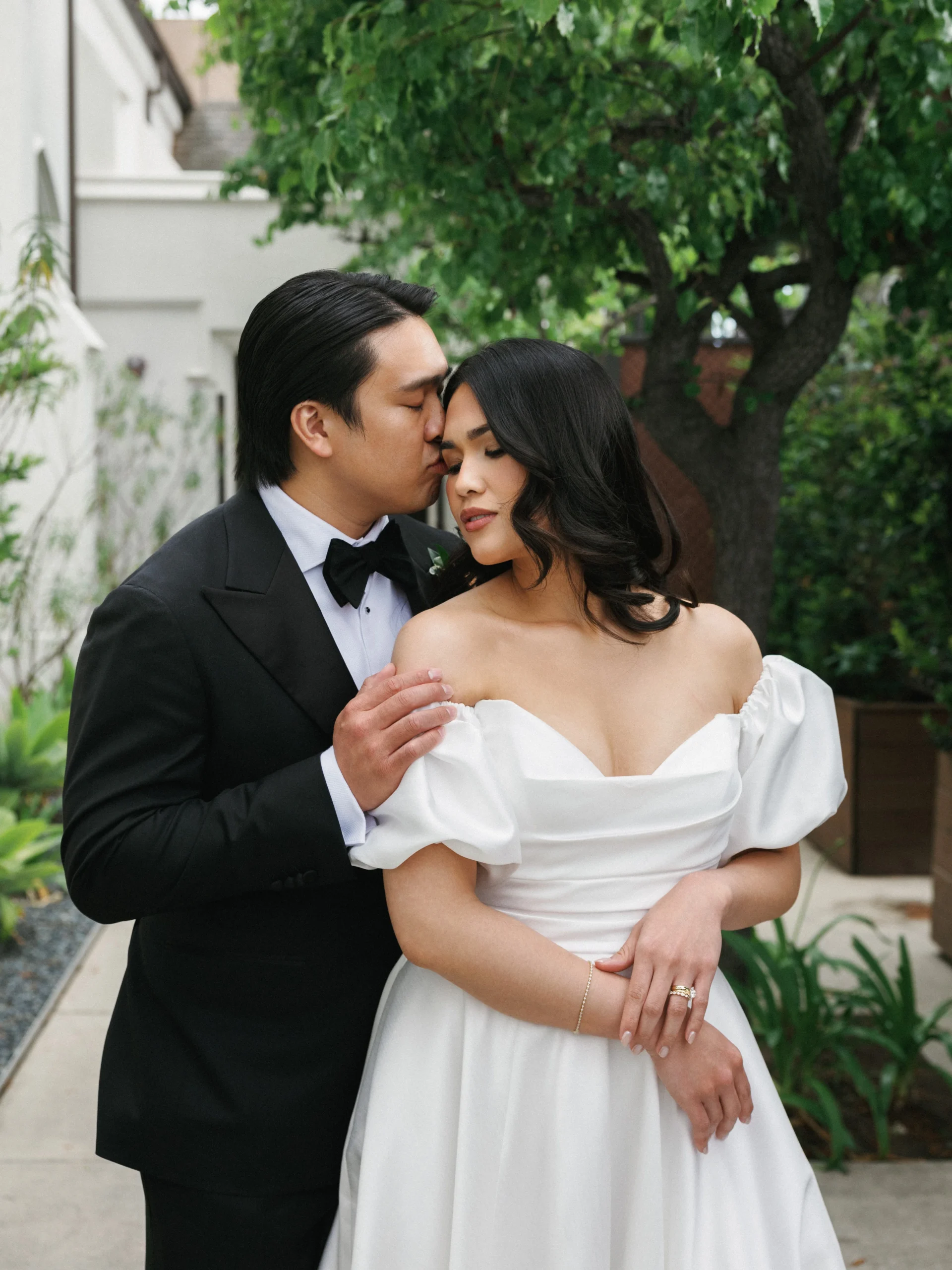
A Fredericksburg, Texas wedding can involve more than one meaningful setting: the ceremony, reception, a getting-ready space, and perhaps a portrait idea that sits outside the main flow of guests. The useful first step is to turn those ideas into a shared outline of what is fixed, who controls each setting, and which decisions still need a current answer. That gives photography and film a realistic sequence to work from without presenting an unconfirmed place as part of the plan.
Visit Fredericksburg’s Photographers & Videographers directory describes specialists for wedding, rehearsal, and engagement photography and says the area has more than 60 wedding venues. That is a helpful reason to make the exact setting and transition plan explicit; it does not establish an Aster-specific local experience or an outcome for a future inquiry.
If the ceremony and reception are in San Antonio rather than Fredericksburg, Texas, use our San Antonio wedding planning guide before applying this page’s setting-and-transition questions to another city.
Make room for the portraits you care about
When choosing a Fredericksburg wedding photographer, consider how you want the portrait part of the day to feel. Some couples enjoy a little direction and time for the dress, light and setting; others want to keep that interval short. A portfolio can help you explain your preference before you build it into the schedule.
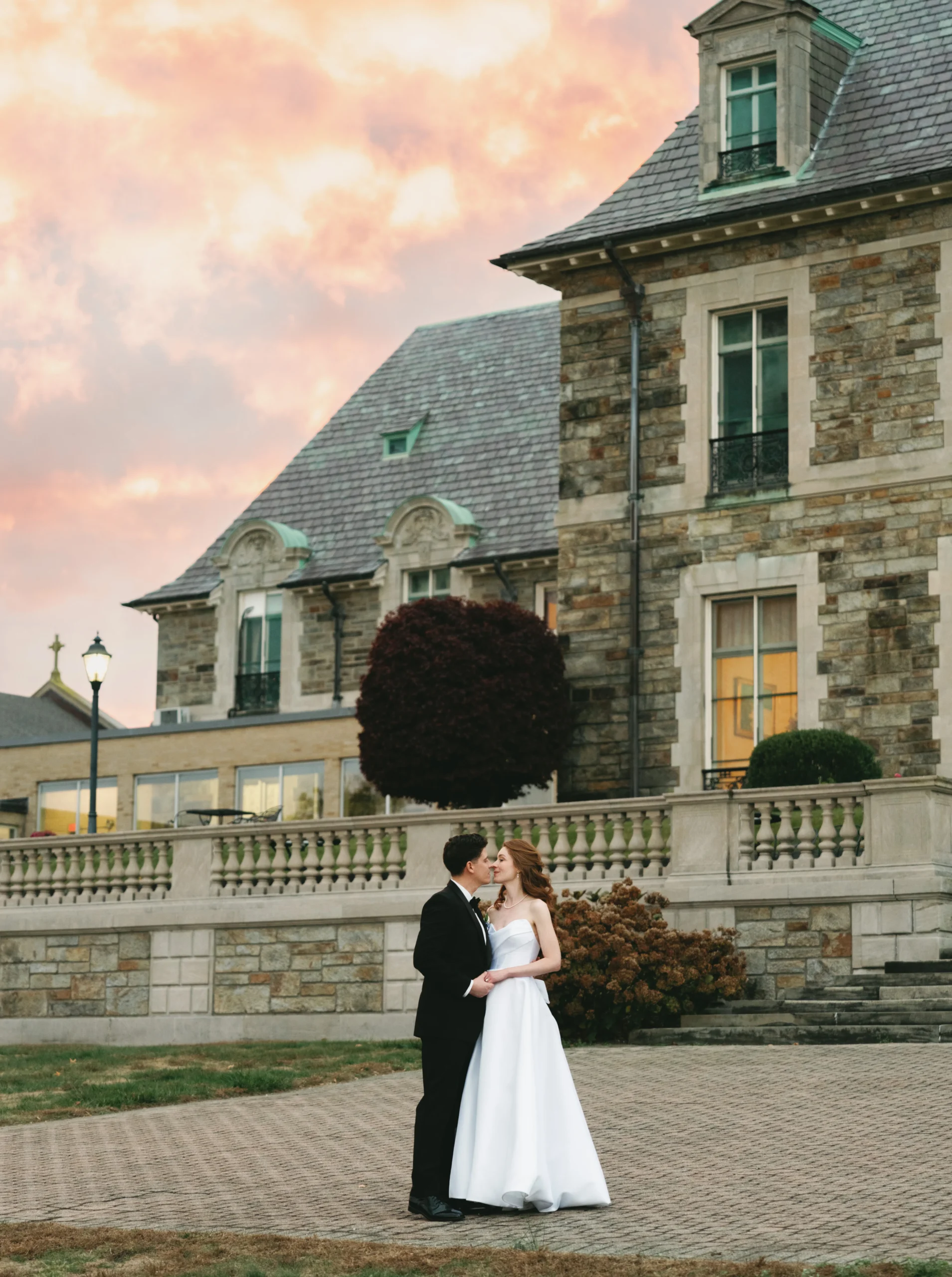
Pascal and Mary’s Paris, France wedding gallery includes portraits that give both the person and the surroundings room in the frame. In the photograph here, the dress leads through the foreground while a grand stone building remains behind the bride. Use it as an example of composition and atmosphere, then decide what you would want to emphasize at your own wedding.

Show the look, then discuss the experience
Share the images you like alongside the parts of the day you want to enjoy without interruption. Would you like a few composed portraits on your own, more time together as a couple, or an emphasis on photographs with family? Those preferences help a photographer explain how portrait direction would fit around your ceremony and reception.
Ask how the team would balance planned portraits with photographs made as the celebration unfolds. You can appreciate an editorial-looking image without wanting to spend the whole day posing. For your Fredericksburg plans, the useful decision is how much direction feels comfortable and where it belongs in the day, not whether another wedding has the same backdrop.
Give guest and family movement a clear owner
When part of the wedding moves from one setting to another, decide who is moving, who remains with guests, and who communicates the handoff. The couple and wedding party may need a short interval apart from the wider group; immediate family may need a defined place to be; guests may need an arrival cue before the next event begins. Assigning one person to keep that handoff visible helps avoid competing assumptions on the day.
Write the transition in plain terms: what ends, where people go next, what must be ready there, and which people cannot be missing. This is just as useful when everything is on one property as when settings differ. It gives the visual plan room for an exit, a quiet portrait moment, or a reception arrival without turning the schedule into a rush between loosely defined stops.
Build photography and film from one shared outline
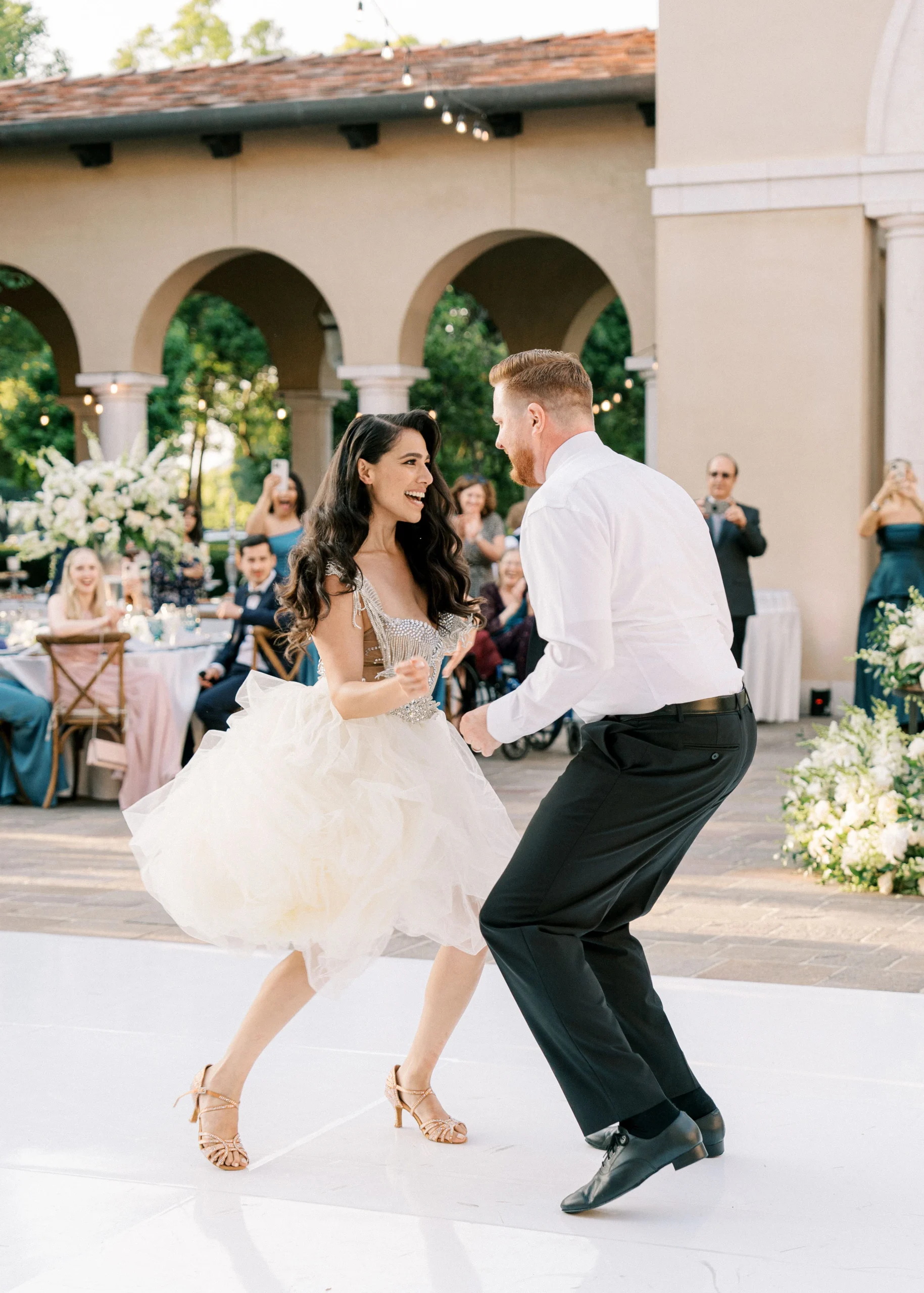
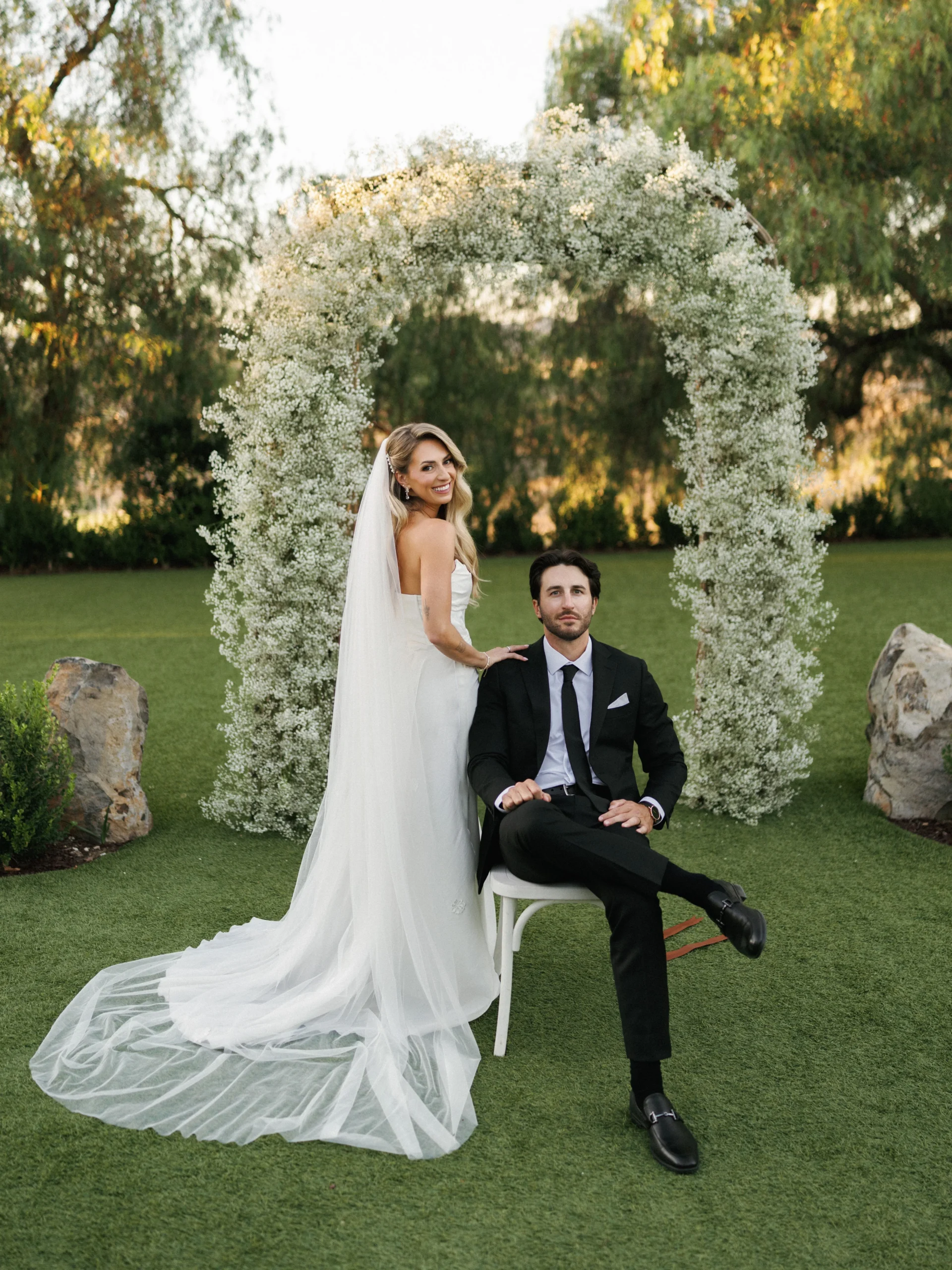
Photography and film work best when they are responding to the same priorities. Put the non-negotiable moments in order: perhaps a first look, family groupings, the ceremony, a private interval together, or the reception entrance. Then identify the people and time each moment requires. That shared list is more dependable than asking each coverage stream to solve separate versions of the day.
For an overview of stills coverage, see Aster’s wedding photography; for moving-image work, see Aster’s cinematography. Those pages explain the services, while this page stays focused on the practical sequence that lets those services follow the real wedding plan.
Treat every portrait idea as a confirmation task
A portrait idea can be creatively important before it is operationally settled. Classify it by where it sits: at the event setting, at another operator-managed setting, or somewhere that still needs a current access answer. Share the exact activity, group size, timing, and any equipment considerations with the responsible party instead of relying on a general impression of the place.
Keep one alternative that protects the purpose of the portraits if the original idea changes. The alternative might preserve a private interval, close-family photographs, or a small pause before the reception; it does not need to reproduce the same backdrop. A flexible backup is a planning tool, not an admission that anything will go wrong.
Make the venue conversation specific and current
Once the core outline exists, ask the relevant setting operator about the details that affect the day: where preparation happens, which spaces are used at each point, how the wedding party and family move, and when a room changes function. If there is a separate portrait plan, keep its confirmation separate from the event-setting conversation. Each operator should be answering for the space they control.
Avoid filling gaps with assumptions. A preliminary answer, an online image, or another couple’s timeline does not establish the process for this wedding. A current, specific response gives the couple, coordinator, and visual team a more accurate basis for the final sequence.
Use the inquiry to identify what is unresolved
An inquiry is most useful when it says both what is decided and what needs confirmation. Include the date, ceremony and reception setting types, the current transition plan, people who move during the day, and any separate portrait idea. Name the moments you want protected, along with the person handling each outstanding setting question. That lets the first conversation begin with the actual shape of the celebration.
For service options and buyer decisions, visit services and pricing. Keeping those choices in their own place makes this Fredericksburg, Texas guide a planning resource rather than a promise about a specific booking or result.
Fredericksburg, Texas inquiry questions
How should we begin a Fredericksburg, Texas wedding photo-and-film plan?
Start with the ceremony and reception settings, identify the person who controls each one, and map who moves between moments. Mark portrait ideas and venue questions that still need a current answer.
Why should guest movement be part of the visual outline?
It shows whether the couple, wedding party, family, or guests need different instructions during a handoff. That clarity protects important moments without assuming extra time or access.
Can we plan a portrait stop before its details are confirmed?
You can include it as a proposed idea, then ask the responsible operator about the exact activity and timing. Keep an alternative that serves the same purpose if the original plan changes.
What should we include in an Aster inquiry?
Share the date, setting types, current transition sequence, people who move, unresolved setting questions, and the moments you want photography, film, or both to prioritize.
Begin with the real shape of the celebration
The strongest starting point is not a long list of location ideas. It is a concise outline of the confirmed settings, the people moving through them, the moments that matter, and the questions still owned by the right operator. With that in hand, contact Aster to start a conversation about your Fredericksburg, Texas wedding. This guide organizes planning; it does not turn an unconfirmed setting into a commitment or a specified outcome.
Planning a celebration here?
Share the date, the place, and the atmosphere you are hoping to protect.