
Waco Wedding Photographer
Identify the property and the guest-arrival sequence first
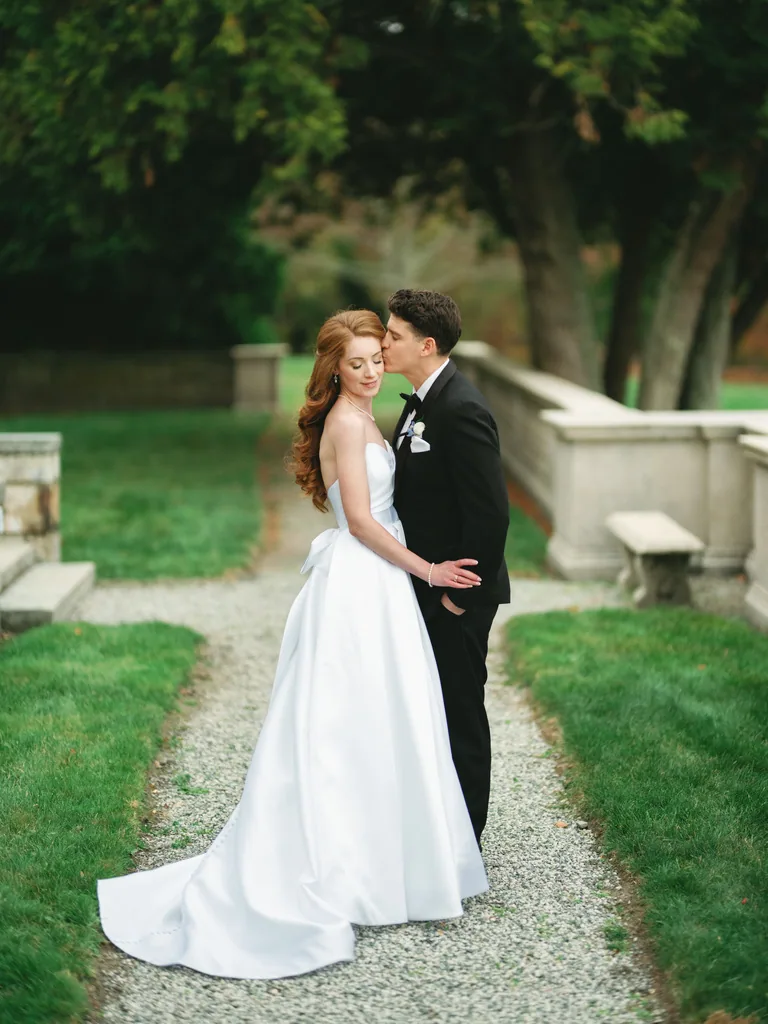
A Waco wedding photography plan should begin with the event setting and the way people arrive, gather, and move through it. A ceremony, reception, and portrait interval may happen at one property or ask the wedding party to make a purposeful transition. Either way, it is worth deciding which parts of the day are fixed, which people need the simplest route, and whether a City-property question belongs in the planning process. This guide helps frame those choices without claiming a local Aster project, office, or approval.
Ask the City-property question only where it applies
Waco’s Parks & Recreation department page is a useful starting point when a plan may involve a City park, facility, or other department-managed setting. The City’s activity-permit document provides an additional official route to review when an activity may involve City property, a street, or a City service. Use the current source to determine which party should answer the question for the specific plan.
Those resources do not mean that every wedding needs a City approval or that a request will be granted. A private venue or property has its own current rules, and an event plan may not involve City property at all. The useful distinction is to recognize the question early: what is being used, who operates it, and what part of the day depends on that answer? That keeps a creative timeline from being treated as an authorization.
Make the open question visible to the people building the schedule. A note such as “confirm City-property route” is more useful than leaving a proposed location on the itinerary without an owner. It gives the couple time to choose a simpler on-site option if needed, and it helps the rest of the wedding-day sequence stay anchored in the setting that is actually confirmed.
Give portraits a job in the day rather than a vague window
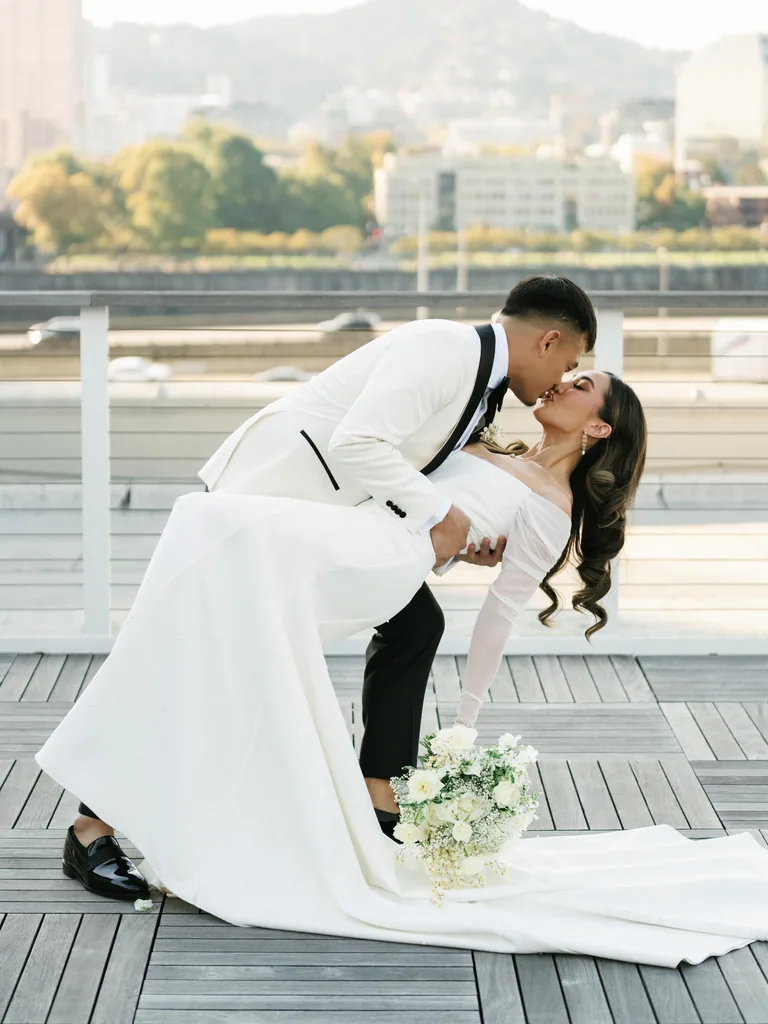
Portrait time can support the day when it is attached to a clear purpose. Perhaps the couple wants a quiet interval before guests arrive, a few photographs with family after the ceremony, or a moment together between ceremony and reception. Decide which of those is essential, who needs to be present, and how long a transition can realistically take. A title like “portrait time” is not enough if no one knows who is moving or what happens when it ends.
Once the purpose is clear, identify a primary setting and a practical alternative. The alternative should preserve the feeling or people involved, rather than pretending it will replicate every detail of the first idea. This approach helps a schedule remain usable if an operator’s current instruction, a delayed arrival, or an event-day change affects the original plan. It is planning flexibility, not a promise about access or a specific visual result.
Coordinate the photography-and-film priorities
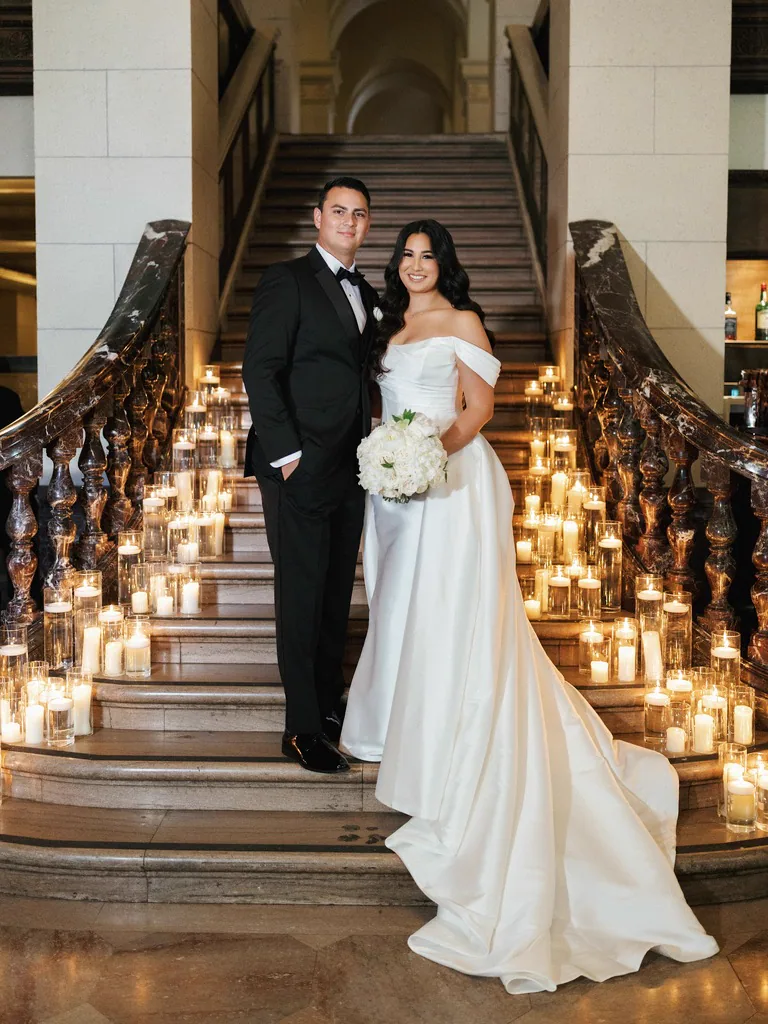
Photography and film benefit from a shared order of priorities. Start by naming the moments you would regret rushing: a first look, family time, a ceremony entrance, a reception toast, or a few minutes without a crowd. Then map those moments against the actual setting and any guest movement. This lets the team understand where continuity is important and where a brief transition is acceptable.
For a fuller look at moving-image storytelling, visit Aster’s cinematography page. For the related still-photography approach, visit Aster’s wedding photography page. These central links describe the service conversation; they do not make a claim that Aster has photographed a particular Waco setting or that coverage will include a particular outcome.
Keep City questions separate from Austin planning
Waco has its own setting and operator decisions. An Austin park or rental question should not be carried into a Waco plan merely because both days might include an outdoor idea. For an Austin celebration, park-permit and rental questions belong in the Austin wedding planning guide rather than being transferred from a Waco setting.
This city-selection distinction is useful for couples considering more than one market as well. Set the page and operator questions aside until the location is fixed, then use the source that governs the actual property. It keeps a planning guide focused on the reader’s chosen city instead of turning it into a Texas-wide set of assumptions.
- Name the setting for each portion of the day and who operates it.
- Separate guest arrival from the wedding party movement.
- Identify any City-property question without assuming the answer.
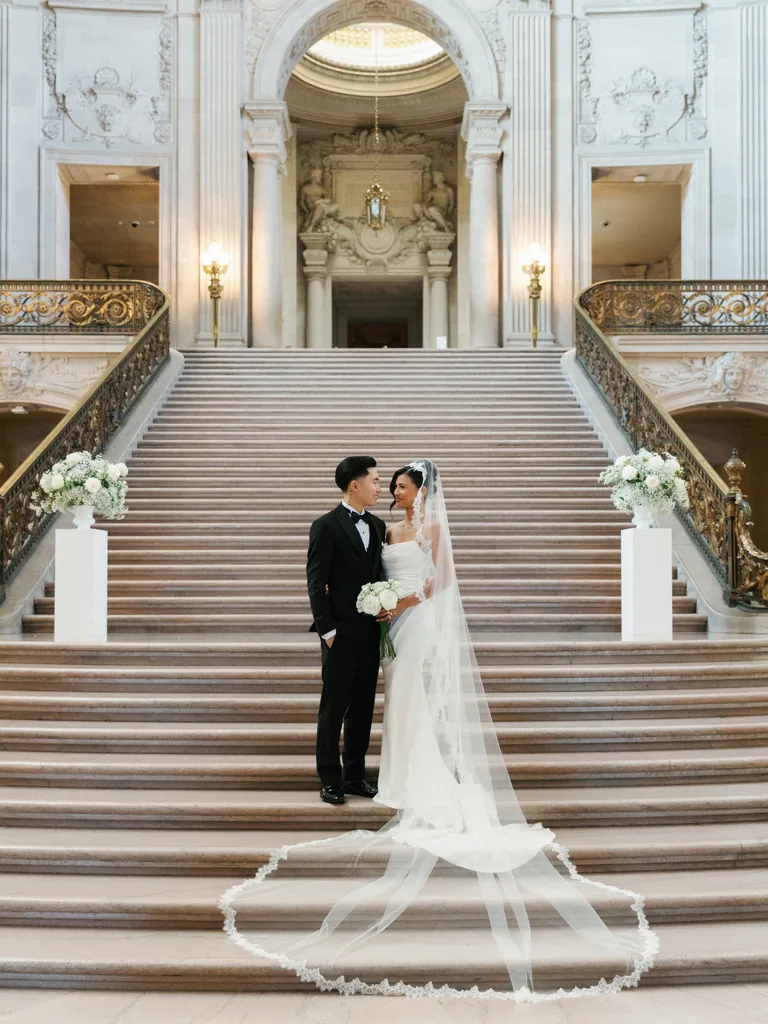
- Choose a primary portrait setting and a practical alternative.
Prepare an inquiry around what is fixed and what is open
Bring the practical outline into the inquiry: the date, ceremony and reception setting types, the arrival plan, any planned portrait transition, and the people who need to move. If a City-property or operator question is open, identify it without suggesting the answer. Then name the moments that need the most attention from photography, film, or a combined plan. That information gives the conversation a clear starting point while preserving space for current confirmation.
For service scope and buyer questions, use services and pricing. The purpose of this page is to help you frame a Waco day, not to provide a commercial, permit, or location assurance.
Continue with a Waco-specific working plan
The best next step is a conversation grounded in your actual setting, arrival sequence, and unresolved questions. Once you have that outline, contact Aster to begin an inquiry. The relevant City or property still controls its own current requirements; this guide is simply a way to bring the right planning details to the conversation.
Waco inquiry questions
When should we ask about a Waco City-property or activity-permit question?
Ask when part of the specific plan may involve City property, a facility, a street, or a City service. Start with Waco Parks & Recreation or the current activity-permit document, then confirm the details with the responsible party.
Does the activity-permit document mean our wedding is approved?
No. It is an official information source for a current check, not evidence that a particular plan has been approved, reserved, or cleared for use.
How should we plan guest arrival and a couple portrait interval?
Decide who needs the direct arrival route, when the couple can step away, who handles family groupings, and how the next transition is communicated. Build a primary plan and a practical alternative.
What should a Waco photo-and-film inquiry include?
Share the date, setting types, arrival and transition plan, people who need to move, any open operator question, and the moments you want photography, film, or both to prioritize.
Planning a celebration here?
Share the date, the place, and the atmosphere you are hoping to protect.