
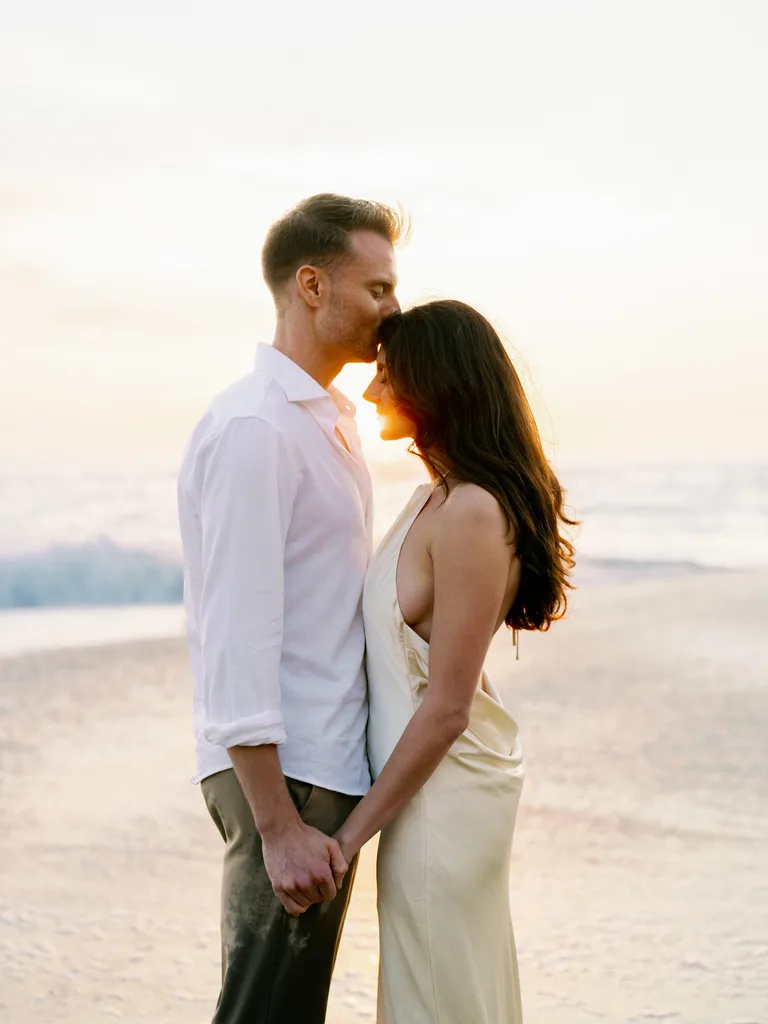
The Woodlands, Texas Wedding Photographer
Map the connected settings before you map the portraits
The Woodlands wedding photography plan should be built around the connected locations that make up your actual day: where the ceremony happens, where guests arrive, where the reception begins, and whether portraits ask anyone to move in between. The useful work is to decide which transitions support the experience you want and which need a current operator or Township answer before they are treated as fixed. This page is a planning guide, not a claim of local Aster work, a Township approval, or a venue arrangement.
If the ceremony, reception, or portrait plan is actually in Houston rather than The Woodlands, use our Houston wedding planning guide for city-core movement and public-space questions.
Check Township coordination only for the precise use you are considering
When a plan may use a Township-managed public setting or involve an event activity that needs local coordination, begin with the current Township permitting information. The Township’s special-events policies and procedures are an additional official source for checking the current route for a specific special-event question.
Those resources do not show that every wedding, portrait plan, or park use needs approval. They also do not make an inquiry an approval or establish access to a particular location. Describe the actual activity, setting, people involved, and timing to the party that manages it. If the setting is private, use the venue or property’s current instructions. Keeping a Township question in its own lane lets the photography-and-film plan remain honest about what is confirmed.
Add that open coordination question to the working timeline rather than letting it sit only in an email thread. State the setting, the activity, the person responsible for the follow-up, and the point in the day it affects. Doing so helps the couple decide whether the primary plan can remain contained on the confirmed property while a current answer is pending.
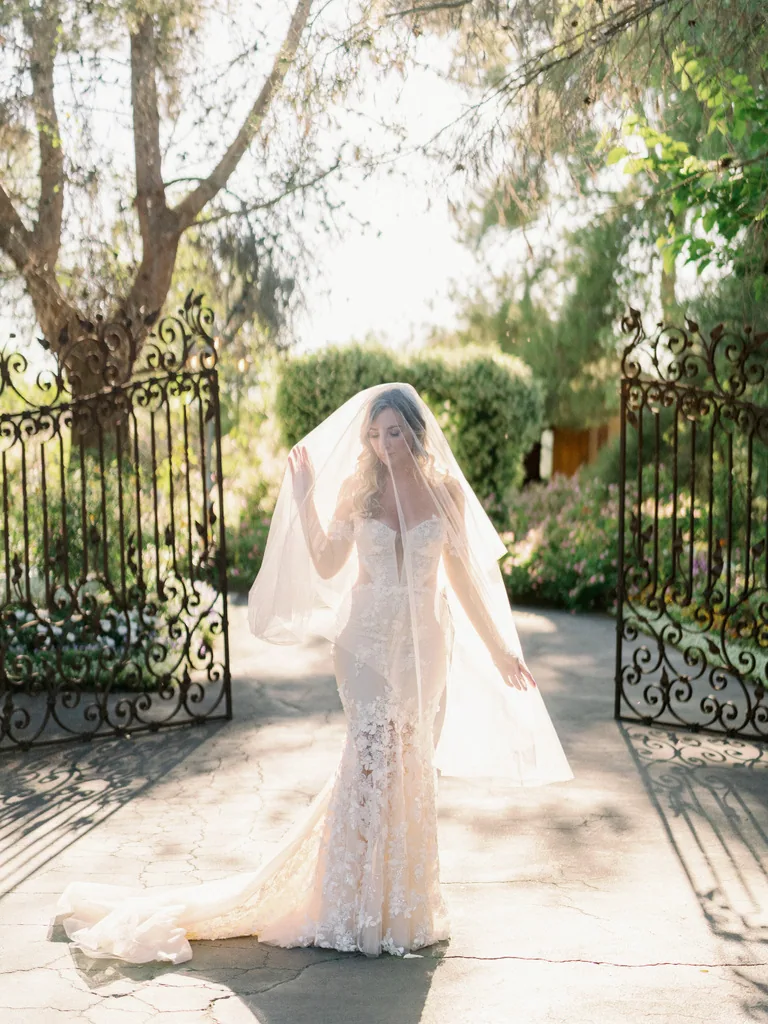
Plan guest movement as part of the welcome
Guest movement affects the feel of a wedding day as much as it affects a timeline. Decide where guests first arrive, whether they stay in one place while portraits happen, and who can answer questions during a transition. If close family needs to join the couple for photographs, create a clear gathering point and a handoff back to the event. If most guests remain at the reception setting, protect the couple’s short portrait window without asking everyone else to wait without direction.
This kind of planning does not require a claim about a particular local waterway, park, hotel, or venue. It simply recognizes that connected settings can become confusing when nobody owns the movement between them. A useful outline names the people, the handoff, and the moment that needs protection, then allows the current location answer to shape the final details.
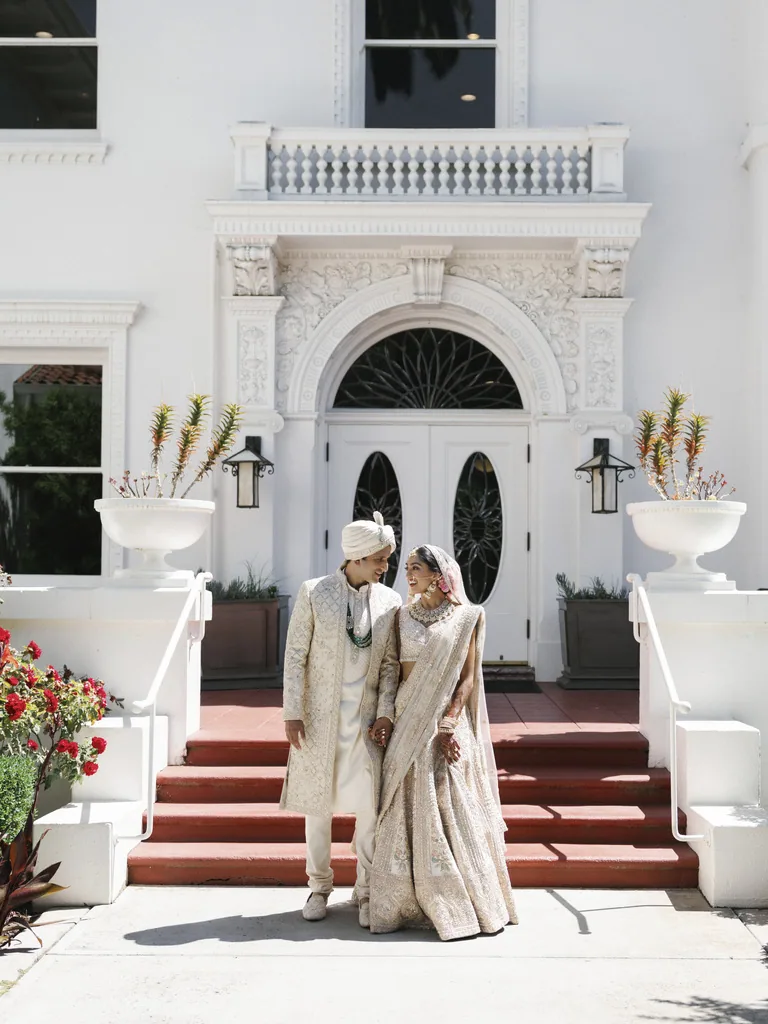
Build a contained photo-and-film sequence
Photography and film are easier to coordinate when the day has a shared sequence. Start with the moments that need presence and continuity: perhaps a first look, close-family portraits, the ceremony, an arrival, or a quiet interval for the couple. Then decide how much time and movement each one can tolerate. This keeps the creative plan tied to the people in it, rather than to an unverified idea about access or a borrowed Houston-style route.
For moving-image storytelling, Aster’s cinematography page is the central owner resource. For the still-image perspective, Aster’s wedding photography page is the related reference. These links support a complete service conversation without turning this page into a Houston-area claim or a The Woodlands-specific project story.
Protect the important moment with a practical alternative
Every plan benefits from knowing what changes if a preferred portrait setting is no longer usable. Identify the visual or emotional priority first: time together, photographs with close family, a quieter backdrop, or a prompt return to guests. Then choose an alternative that protects that priority without needing the same route or access condition. The alternative is a planning tool, not an assertion that a second setting is reserved.
Share outstanding location questions early with the person who manages the relevant space. Keep the final schedule flexible until the answer is current and specific to the activity. A plan that can adjust honestly is stronger than one that promises a particular setting, timing, or outcome before the operator has confirmed it.
- Identify the ceremony, reception, and portrait settings and their operators.
- State which people move together and where family gathers.
- Keep any Township coordination question visible in the working timeline.
- Choose an alternative that protects the important moment if the preferred setting changes.
Bring the real locations and open questions to the inquiry
An inquiry is most helpful when it shows the day as it is. Include the date, ceremony and reception setting types, the transitions you expect, and which people need to move. Note any Township or operator question still open, along with the photo and film moments you want to protect. That gives the discussion a useful creative and logistical starting point without representing the page as a booking or access confirmation.
For packages, scope, and other buyer decisions, use services and pricing. This guide stays focused on a The Woodlands-specific setting and guest-movement conversation.
Continue with a plan that fits the chosen setting
The strongest next step is a conversation based on your actual locations, guest flow, and outstanding coordination questions. Bring that outline together, then contact Aster to begin an inquiry. This page helps organize the plan; it does not replace a Township, property, or venue’s current answer.
The Woodlands inquiry questions
When should we review The Woodlands Township permitting information?
Review it when the specific plan may involve a Township-managed public setting or a local activity needing coordination. Start with current Township permitting information and confirm the actual plan with the responsible manager.
Do the Township special-events policies approve a wedding or portrait plan?
No. The special-events policies and procedures are a current information source; they are not evidence that an individual event has approval, access, or a reserved setting.
How should we plan guest movement between connected settings?
Decide who moves, who remains with guests, where family gathers, who owns the handoff, and which moment needs protected time. Keep the final route dependent on the actual location and current operator details.
What should a The Woodlands photo-and-film inquiry include?
Share the date, setting types, planned transitions, people who need to move, open Township or operator checks, and the moments you want photography, film, or both to prioritize.
Planning a celebration here?
Share the date, the place, and the atmosphere you are hoping to protect.