
Galveston Wedding Photographer
Start by naming the ceremony, reception, and portrait operators
A Galveston wedding photography plan works best when the ceremony, reception, and portrait ideas are mapped as real event settings with a clear operator for each one. A change from ceremony to reception, a public-space question, or a portrait interval away from guests can add complexity even when the locations feel close. This guide is a practical place to sort out those decisions before the day is timed in detail. It does not treat a location idea as confirmed or turn it into a local-case-study assertion.
If the wedding is in Houston rather than on Galveston Island, use our Houston wedding planning guide for city-core movement and public-space questions.
Check the public-space or special-event route for the actual plan
Galveston provides a Special Events page and special-event application guidelines. Those official resources are useful when a couple needs to determine whether an exact event or public-space plan should be discussed with the City or the relevant Park Board or operator before the transition map is final.
They are not evidence that any particular wedding requires a permit, will receive approval, or has a particular timing rule. Share the specific activity, location type, number of people, and expected time with the responsible party. If the day is entirely on a privately operated property, use that property’s own current process. This is a location-and-event check; it should remain distinct from the conversation about the creative coverage you want.
Give the ceremony-to-reception transition one owner
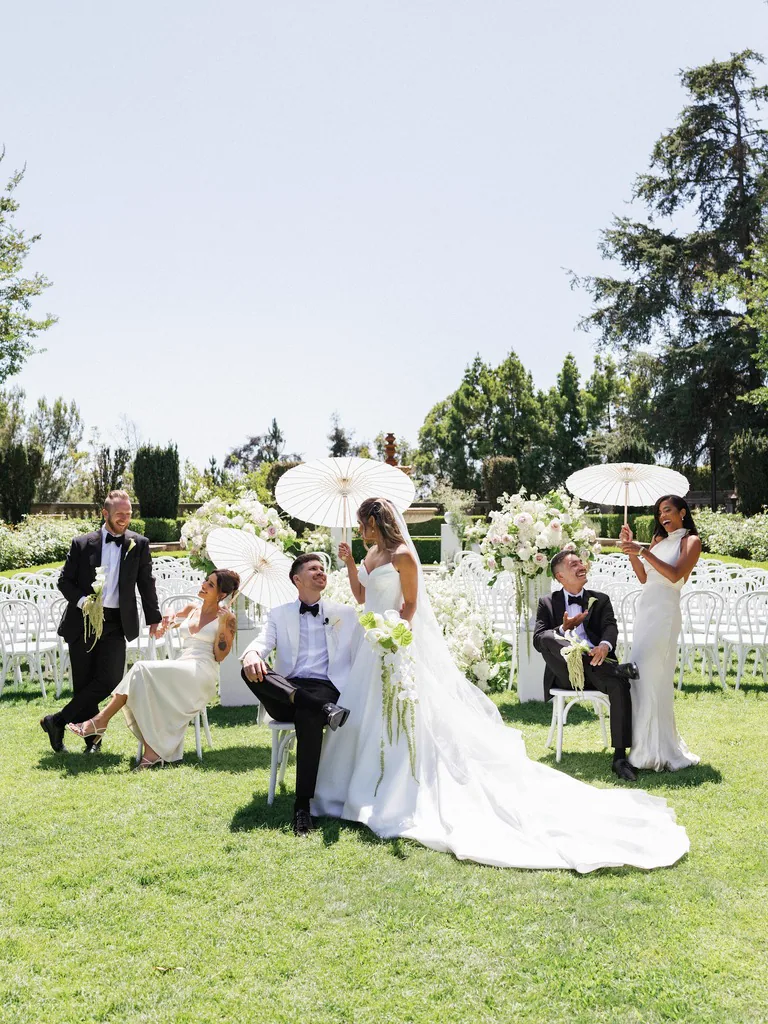
Many wedding days become rushed because everyone assumes somebody else is managing the handoff. Assign one person to confirm when the wedding party leaves, where immediate family goes, and what needs to be ready at the next setting. The person may be a coordinator, a designated family member, or someone else chosen for the day; the important part is that the transition is visible in the plan.
For photography and film, that clarity makes it easier to protect the moments around the move. A couple may want a short private portrait interval, an arrival sequence, or a few minutes with family before the reception begins. Decide which of those needs the most room, and do not overload that window with an unconfirmed location change. A smaller, deliberate plan is often more useful than a long route that asks everyone to hurry.
Separate the visual wish list from the access decision
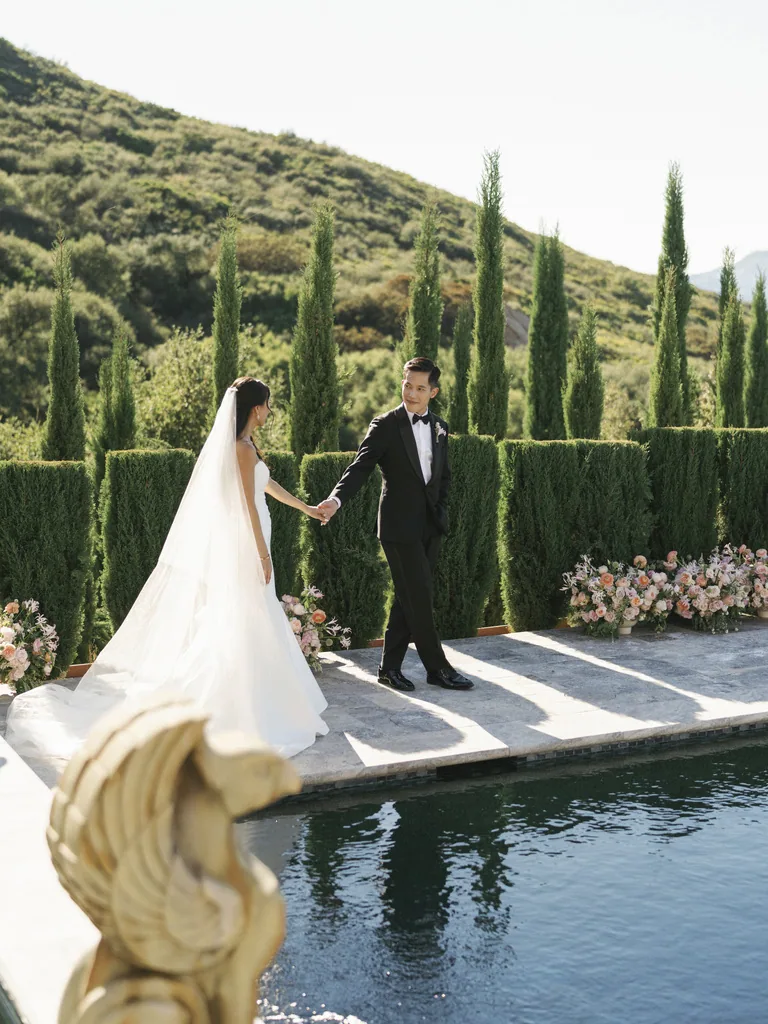
It is reasonable to have a visual idea for portraits. The practical next step is to classify it: is it on the event property, on a public setting, or at another operator-managed location? The answer determines where the current access question belongs. Do not let an attractive image or a preliminary conversation turn into an assumption that the couple can use a space at a specific time or with a particular setup.
Create a primary portrait plan and one alternative that still serves the emotional priority of the day. For example, the priority may be a quiet interval together, photographs with a close group, or a transition that does not pull guests away from the reception. The alternative does not need to reproduce a location exactly. It needs to keep the day coherent if the current operator answer changes the original choice.
Plan photography and film around the same handoffs
Still images and film can each do their best work when the couple has identified what must happen without interruption. A first look, family grouping, ceremony exit, or reception arrival may call for different people to be nearby and different amounts of time in the schedule. Put those priorities in order before adding optional moves or portrait stops.
For broader moving-image considerations, visit Aster’s cinematography page. For the stills side, Aster’s wedding photography page is the relevant owner resource. These links keep the service discussion in its proper place while this Galveston page stays focused on planning the actual setting and transition choices.
- Name the ceremony, reception, and portrait operators for the actual day.
- Separate a public-space or special-event question from the visual wish list.
- Give the ceremony-to-reception transition one owner.
- Keep a practical alternative if a location or access decision changes.
Use the inquiry to surface the unresolved details
An effective inquiry names what is fixed and what remains to be confirmed. Include the date, ceremony and reception setting types, any separate portrait idea, and whether guests move during the day. If an event or public-space question is still open, say that plainly and identify who is checking it. Also share the moments you want photography and film to prioritize, so the conversation begins with the day rather than a generic location list.
Questions about service options and buyer decisions belong on services and pricing. Keeping them there avoids turning a local planning guide into a commercial or permit assurance.
Take the next step with the real sequence in hand
A useful Galveston inquiry is built around the locations you have, the transition you can support, and the questions that still need a current operator answer. When that outline is ready, contact Aster to begin the conversation. This guide helps organize your planning; it does not create a public-space approval, venue arrangement, or specified outcome.
Galveston inquiry questions
How do we know whether a Galveston event or public-space plan needs a City check?
Start with the City’s current Special Events page and describe the actual activity and setting to the responsible operator. The answer depends on the specific plan.
Do the special-event application guidelines approve a wedding plan?
No. The application guidelines are a current information source, not proof of approval or access for an individual event.
How should we handle a ceremony-to-reception portrait transition?
Decide who moves, who stays with guests, who owns the handoff, and which moments need protected time. Keep a practical alternative if a location or access decision changes.
What details help start a Galveston photo-and-film inquiry?
Share the date, setting types, transition plan, people who move, any unresolved operator check, and the moments that should receive the most attention from photography, film, or both.
Planning a celebration here?
Share the date, the place, and the atmosphere you are hoping to protect.