
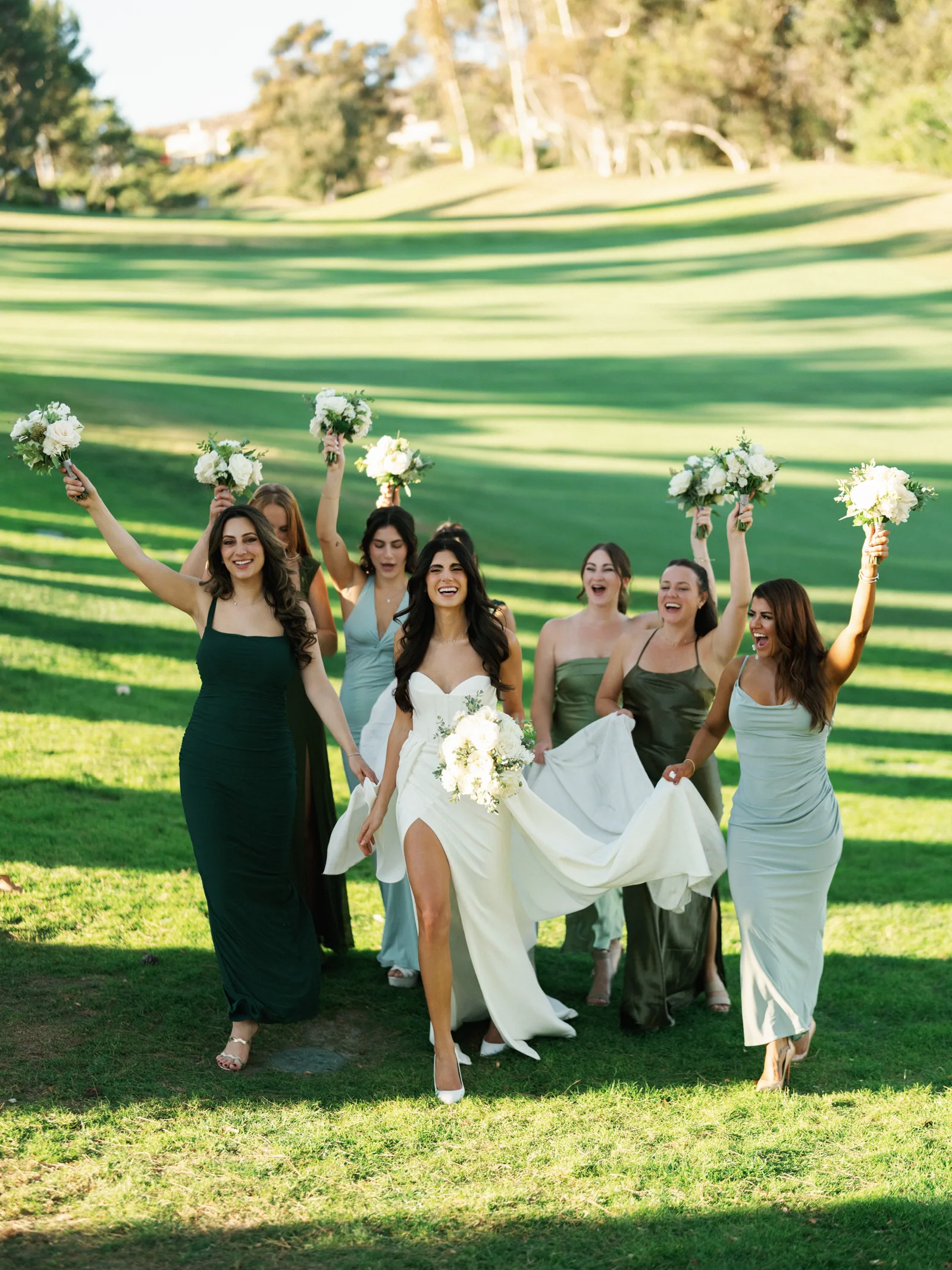
Fort Worth Wedding Photographer
Use a three-part check for parks, reservations, and operators
Fort Worth wedding planning benefits from a clear location-check sequence. A public park portrait idea, a reserved event space, and a garden’s operating rules may each require separate confirmation. Add guest movement and a shared photo-and-film plan, and it becomes easy to carry an assumption from one decision into another. This draft offers a Fort Worth-specific way to sort those questions before a schedule is treated as final.
Begin by identifying the kind of place under consideration: City park, independently operated garden, private venue, or another setting. Then separate the questions. Is photography permission required? Is there a reservation process? What operating rules are controlled by the location itself? Keeping those questions apart makes a schedule more durable because one answer does not stand in for another. If the event is in Dallas rather than Fort Worth, use our Dallas wedding planning guide so Dallas operator questions remain separate.
It also creates a cleaner inquiry. Rather than saying a location is set, describe what is known and what is still being confirmed. Mention whether portraits involve a staged group, how much time is needed before and after them, and which people have to move. This keeps the conversation grounded in the actual day without implying that the firm has ties to a Fort Worth property.
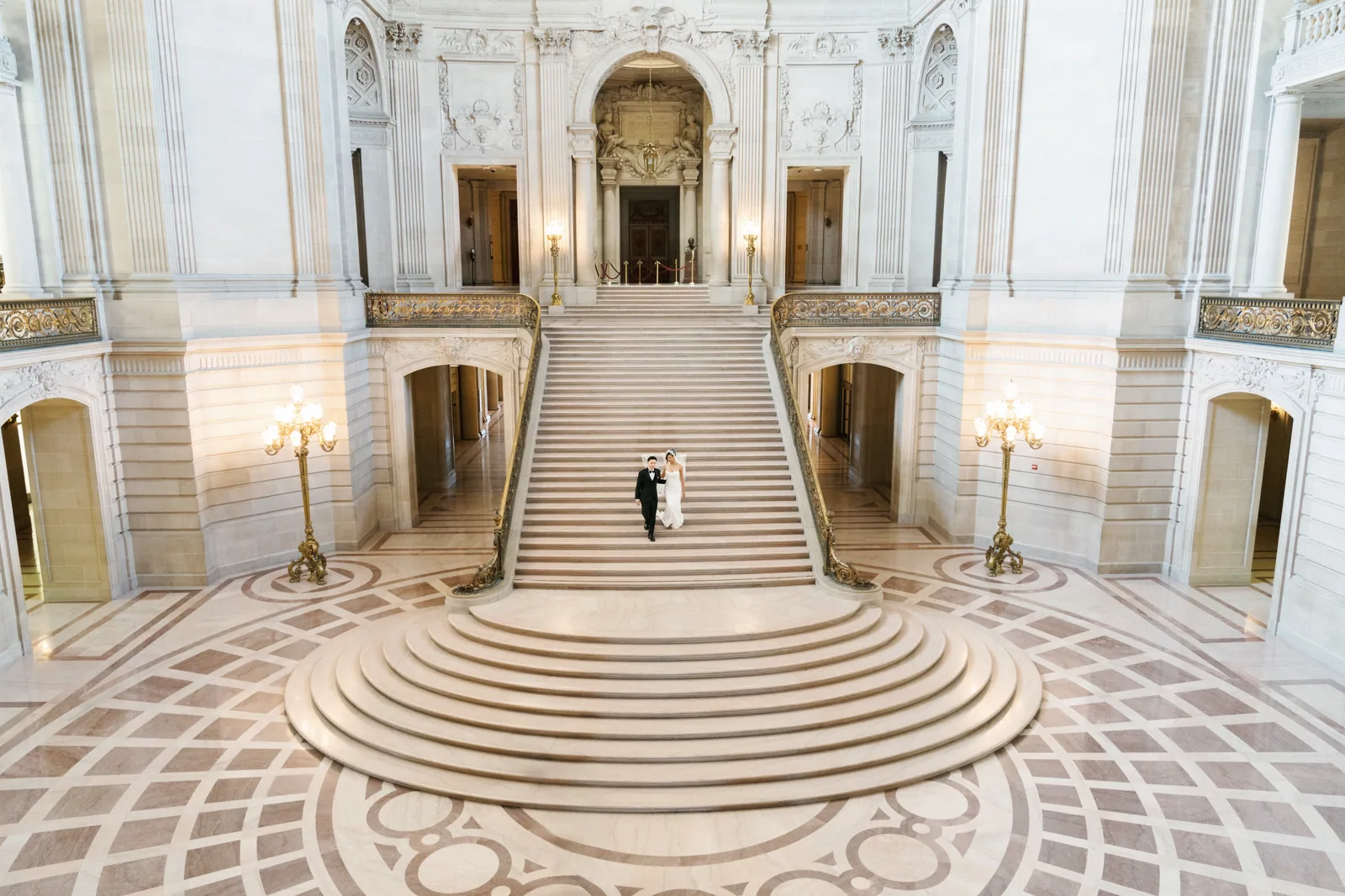
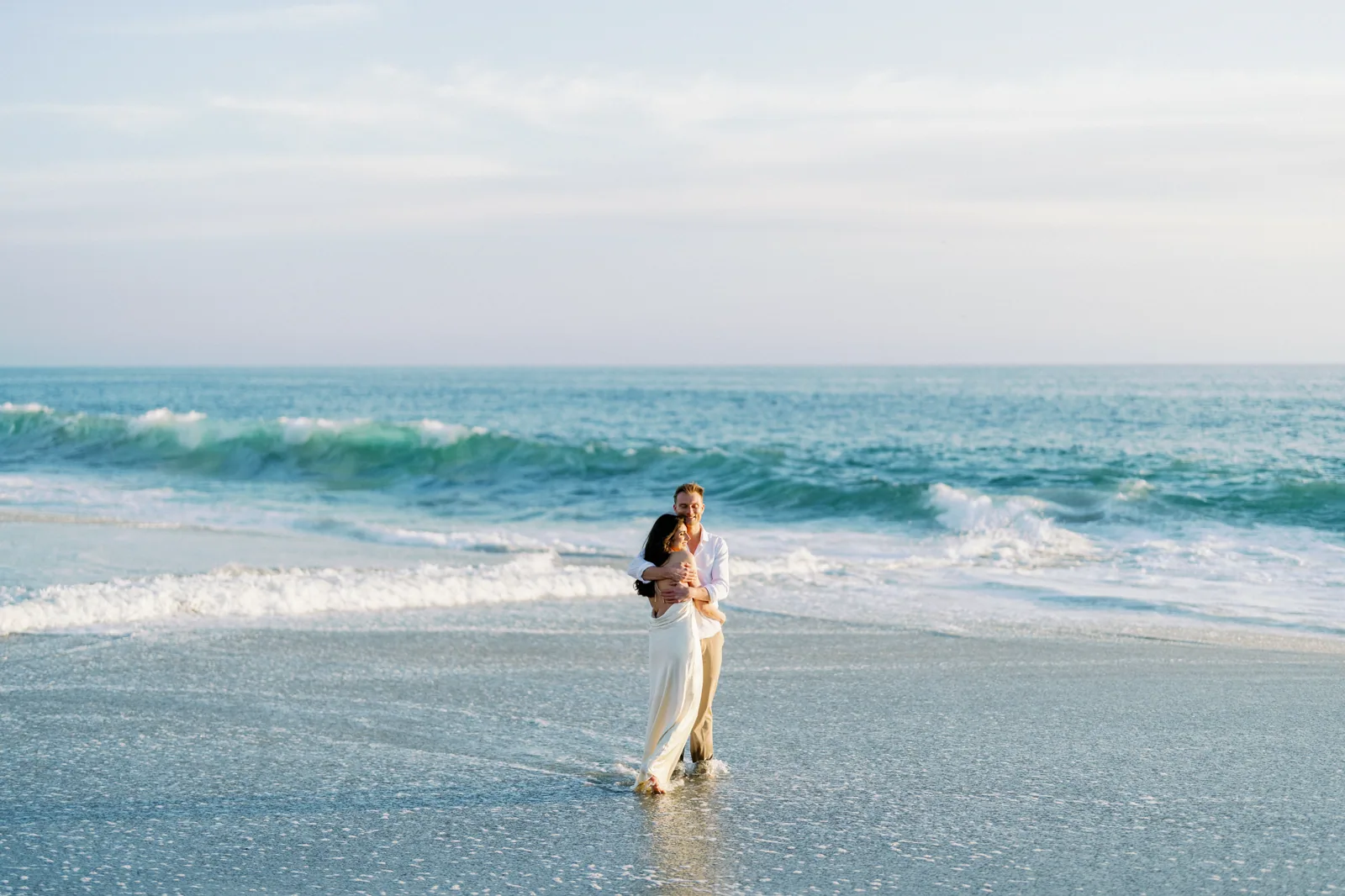
How do you want your couple portraits to feel?
For a Fort Worth wedding, a useful portfolio question is whether the couple look comfortable together, not simply whether the background is impressive. Compare formal portraits with closer photographs and images that leave room for movement. Think about which of those you would enjoy making on your own day.
In Max and Christina’s Lake Garda, Italy wedding gallery, garden portraits sit alongside photographs of the water, preparation and wedding details. The image here keeps the couple close together while trees and stone statues give the setting context. It is one way to show a place without making it the main subject of every portrait.

Discuss direction and time together
Show a photographer which images feel most like you and ask how they were approached: with a specific pose, a simple prompt or space for the couple to interact. The photograph alone cannot tell you how much direction was given. That conversation can help you decide whether you would feel at ease with the same approach.
Then place portraits alongside the other things you value, such as being with guests after the ceremony or joining the reception from the start. Ask how the team would plan for those priorities at your Fort Worth venue. A shorter portrait interval and a more involved session call for different expectations; agree on the experience you want before treating a favorite image as the whole plan.
Verify public-park photography permission with the City
The Fort Worth park photo-permits page states that commercial or staged portrait photography in City parks may require a permit and that natural-area restrictions need to be checked. That makes operator confirmation an early planning task when a public-park portrait plan is important to the day. It does not establish that every setting needs a permit or that a permit is already in place.
Ask the City about the current requirements for the actual activity, setting, and timing you are considering. If the portrait plan depends on a natural area, keep the relevant restrictions in the same planning file as the visual ideas. A design concept is more useful when it can respond to the real conditions of the setting instead of assuming that any attractive public area is available for the intended use.
Include setup and cleanup in the reservation conversation
A reservation window is not only about the visible part of an event. The Fort Worth park reservation FAQ directs planners to account for setup and cleanup time as part of the reservation discussion. That is an important timeline prompt: if portraits, ceremony elements, or vendor activity touch a reserved space, include the time before and after the main moment when asking the current operator what is required.
Do not copy a lead-time, fee, or approval expectation into the schedule. Recheck the current page and ask the operator for the event-specific answer. Building a buffer is simply a way to keep the wedding-day sequence honest; it is not a claim that a reservation will be approved or that the schedule controls the property.
Ask garden and event operators the questions they own
Venue rules are independent from City-park guidance. The Fort Worth Botanic Garden private-events page identifies indoor and outdoor choices, covered outdoor rain-backup information, onsite catering, and planner or coordinator requirements where the current page states them. Use those topics as questions to take to the operator, not as an endorsement, a preferred-vendor assertion, or a statement that a particular arrangement fits your event.
For any garden or operator-managed setting, ask who confirms the event timeline, which portions of the property are included, what vendor or coordinator expectations apply, and how the plan changes if conditions require an adjustment. This keeps the portrait schedule in its proper role: it supports the day, but it does not override the current rules of the place.
Write the operator’s answer next to the decision it affects. A restriction on the event window, vendor access, or the part of a property that is available can change the transition plan even if the visual preference stays the same. Keeping the setup, cleanup, and operator questions visible helps the couple decide what needs a contingency. It does not make a general garden policy an assurance for a particular Fort Worth celebration.
That record can also distinguish facts confirmed by the City from questions owned by a private venue or garden. Treating them as separate records avoids using one answer in place of another.
Keep guest movement and coverage priorities visible
Guest movement belongs in the planning discussion even when portraits are close to the main event. Visit Fort Worth’s transportation information describes transit connections among downtown, the Cultural District, and the Stockyards. That is context for deciding which movements need a clear wedding-day plan; it is not an assurance of a route, service level, timing, or accessibility.
Then return to what the images and film need to preserve. A couple may value a focused portrait interval, a day that stays near family, or a thoughtful balance of both. Aster’s wedding photography page is the central reference for the photography conversation, and Aster’s cinematography page is the appropriate internal path for film storytelling. Neither link makes a claim about Fort Worth work, local access, or a particular event outcome.
Bring a practical brief to the inquiry
Share the date, broad location type, City permit or reservation status, venue questions still outstanding, and any guest movements that affect timing. Say whether a public park, garden, or other setting is simply being considered or has current operator confirmation. Add the people who must be present for portraits and the moments you want photography and film to protect.
If you are weighing commercial scope, inclusions, or buyer questions, use services and pricing for the central information. The Fort Worth page should stay a planning utility, not become a package page. A detailed outline is valuable because it surfaces the decisions that still need answers without framing early ideas as an approved arrangement.
Fort Worth operator questions
When should we check Fort Worth park photography permission and natural-area rules?
Check before a City-park portrait idea becomes a fixed schedule item. The Fort Worth photo-permits page describes commercial or staged portrait permits and natural-area restrictions; confirm what applies to the proposed activity with the current operator.
Does a park reservation timeline need to include setup and cleanup time?
It is an important question to ask. The Fort Worth park reservation FAQ says setup and cleanup time should be included in the reservation discussion, so incorporate those periods when confirming the current event requirements.
Which venue or operator rules should we confirm before fixing a garden or outdoor schedule?
Confirm the current rules with the property that controls the setting. The Fort Worth Botanic Garden private-events page is an example of why indoor or outdoor choices, planning support, and other operational details should be checked directly rather than assumed.
What should a Fort Worth inquiry identify about photo-and-film priorities?
Share the date, broad location type, current permit or reservation status, open operator questions, guest movement needs, and the parts of the day that matter most. State how still photography and motion should support the parts of the day you want protected.
Begin with the Fort Worth facts that still need answers
The next step is not to treat a public-space idea as settled. It is to gather the location, operator, movement, and coverage questions in one clear outline. When you are ready, contact Aster to discuss that outline. The inquiry can be shaped around your day while operator requirements, schedules, and service details receive their appropriate confirmation.
Planning a celebration here?
Share the date, the place, and the atmosphere you are hoping to protect.