Wedding group photos give couples a way to remember the people who have shared different parts of their lives: college friends, colleagues, longtime neighbors, or a circle that rarely gathers in one place. These photographs can be meaningful, but organizing them during a wedding requires some thought. Guests are moving between conversations, dinner, and the dance floor, and the couple has a celebration to enjoy.
A simple plan makes the process easier. A short list of priority groups, a suitable time, and one contact in each circle can help everyone gather without repeated announcements or long interruptions. The aim is to create a few photographs the couple will value while keeping the reception comfortable for everyone.
If you are coordinating the photo schedule around the beginning of the reception, our reception entrance planning guide may help.
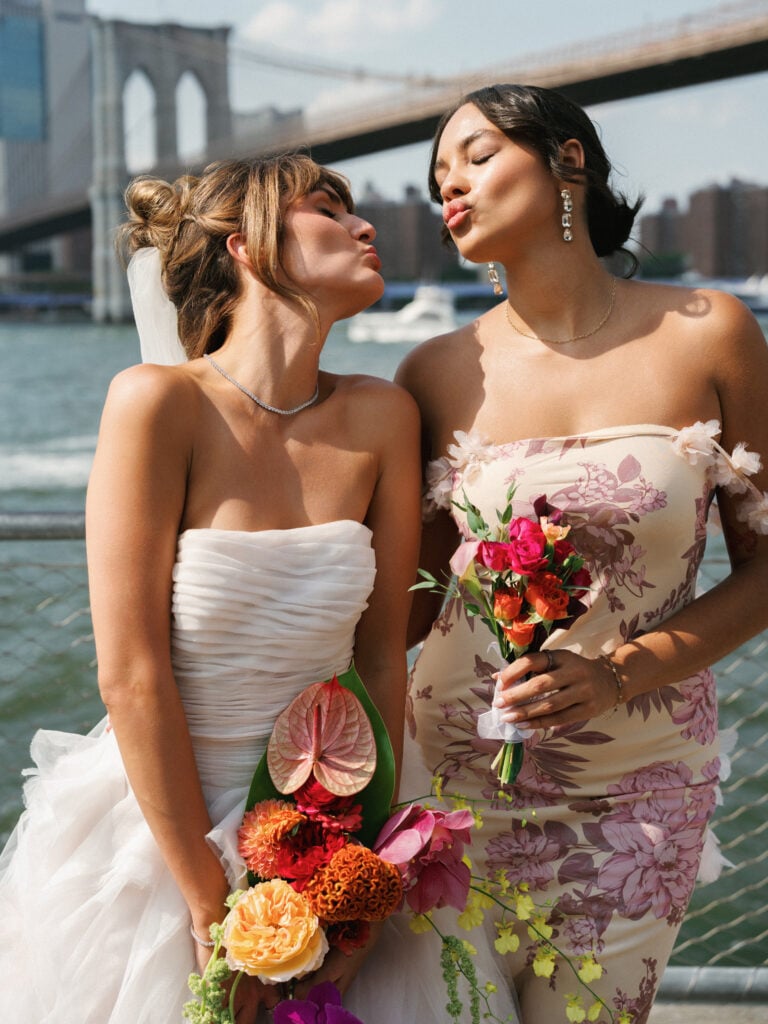
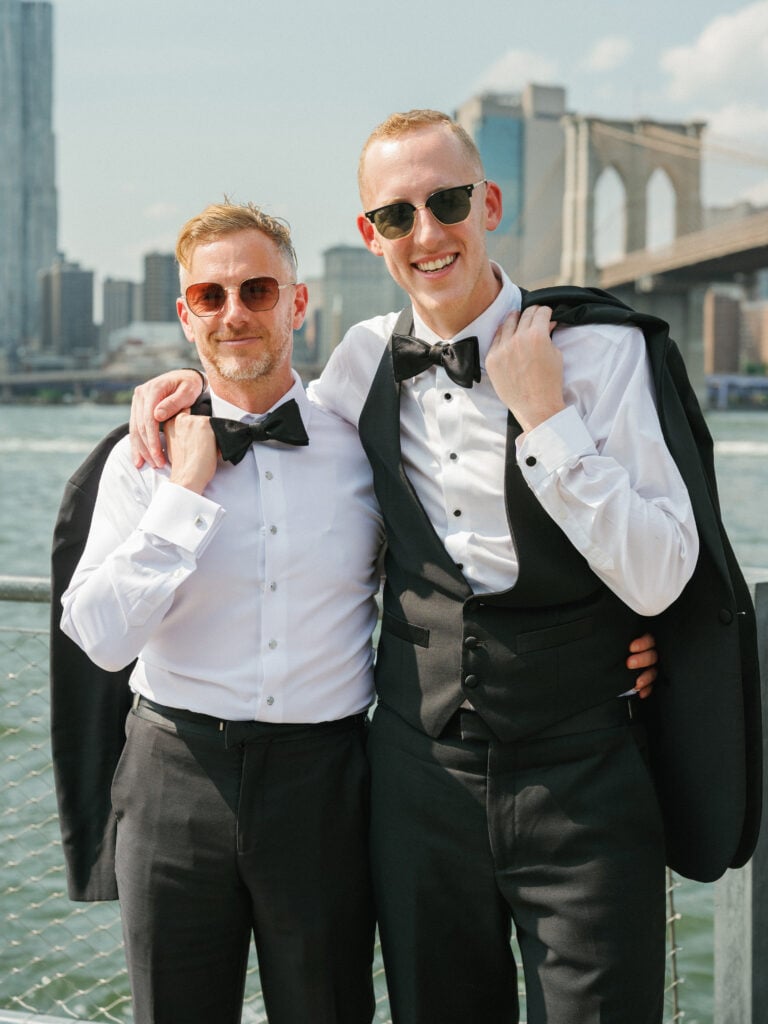
Which Guest Circles Get a Photograph
Many couples have a handful of circles in mind: college friends who traveled in together, colleagues from work, neighbors from their first apartment, or cousins who rarely meet. These are different requests from family formals and wedding-party portraits.
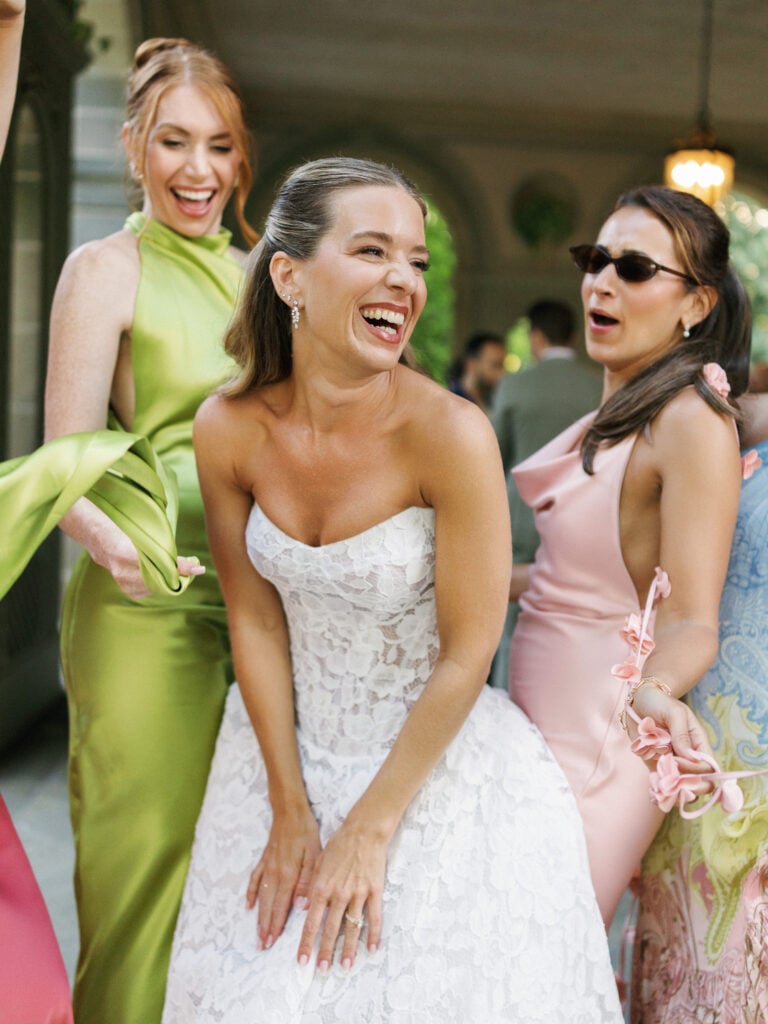
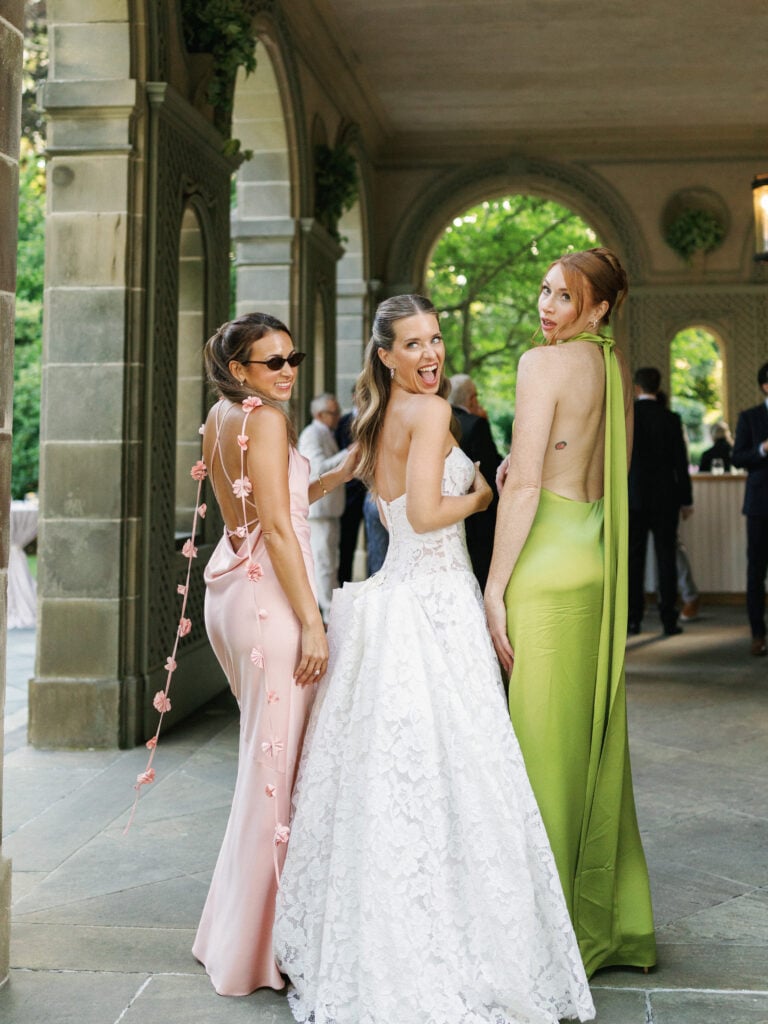
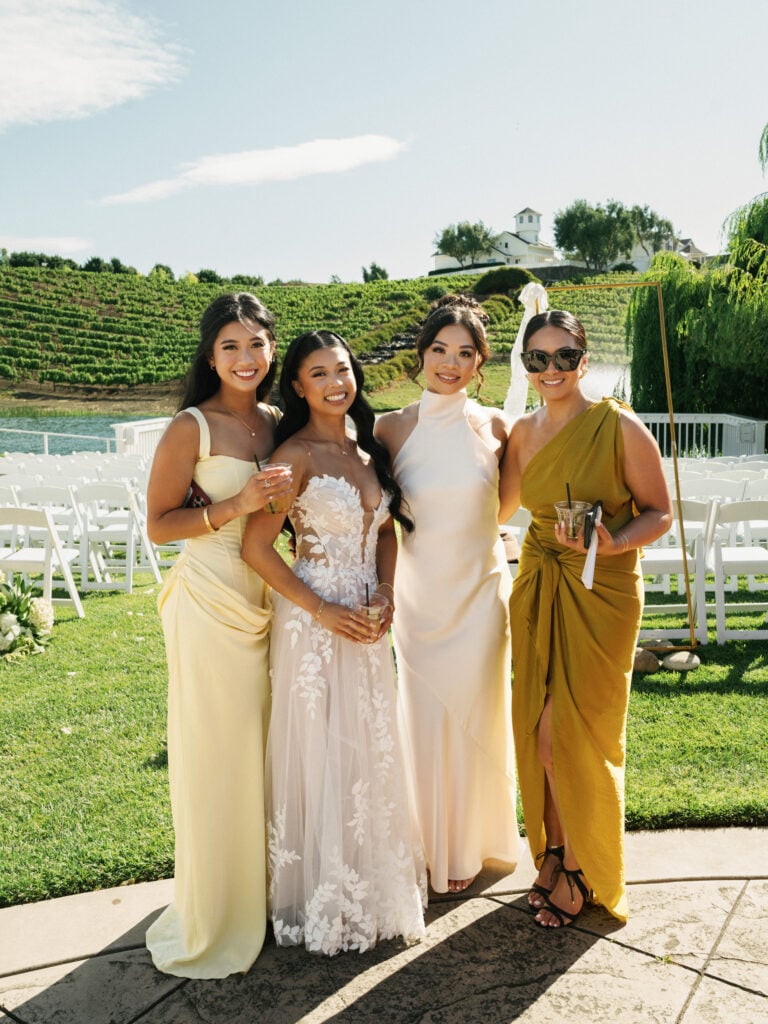
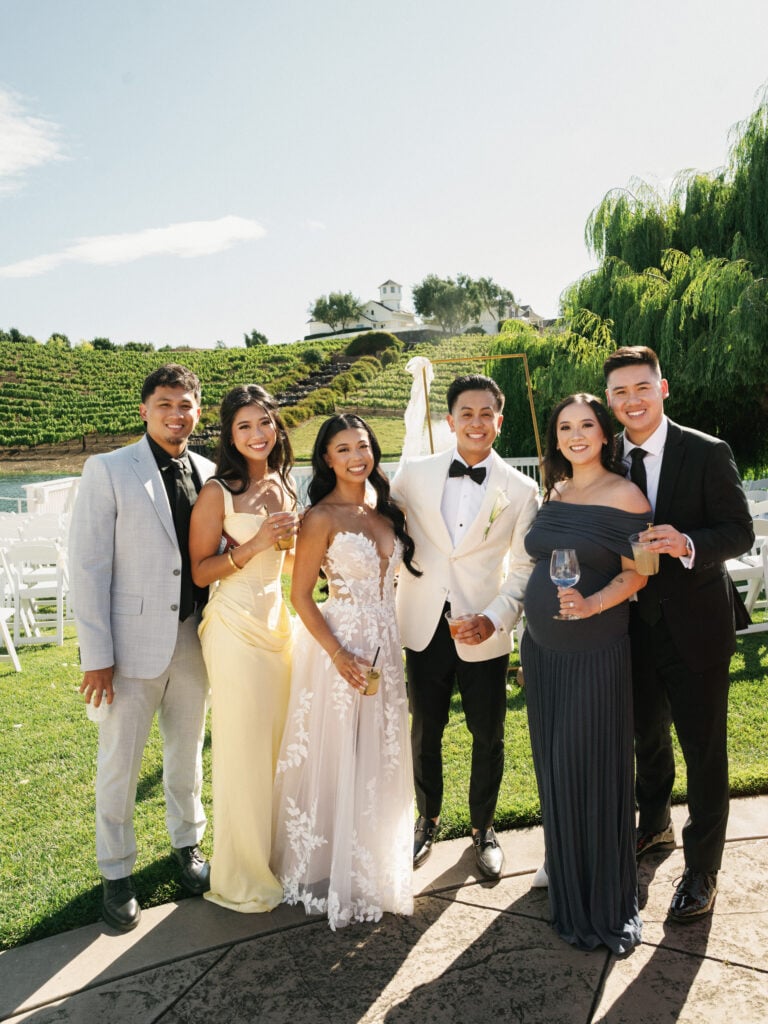
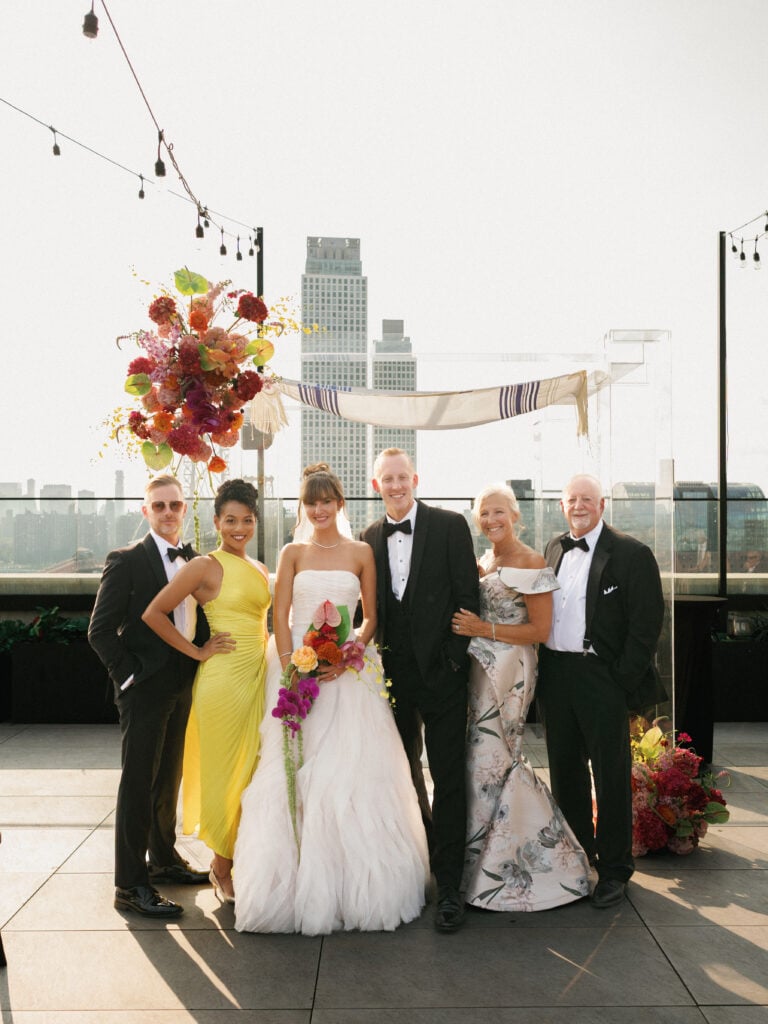
Family formals usually follow an agreed list of relatives and take place soon after the ceremony. Wedding-party portraits bring together the attendants who have a specific role in the celebration and are generally planned as part of the couple’s portrait schedule. Guest group photos are more informal. They bring together friends, colleagues, or other invited guests during the reception.
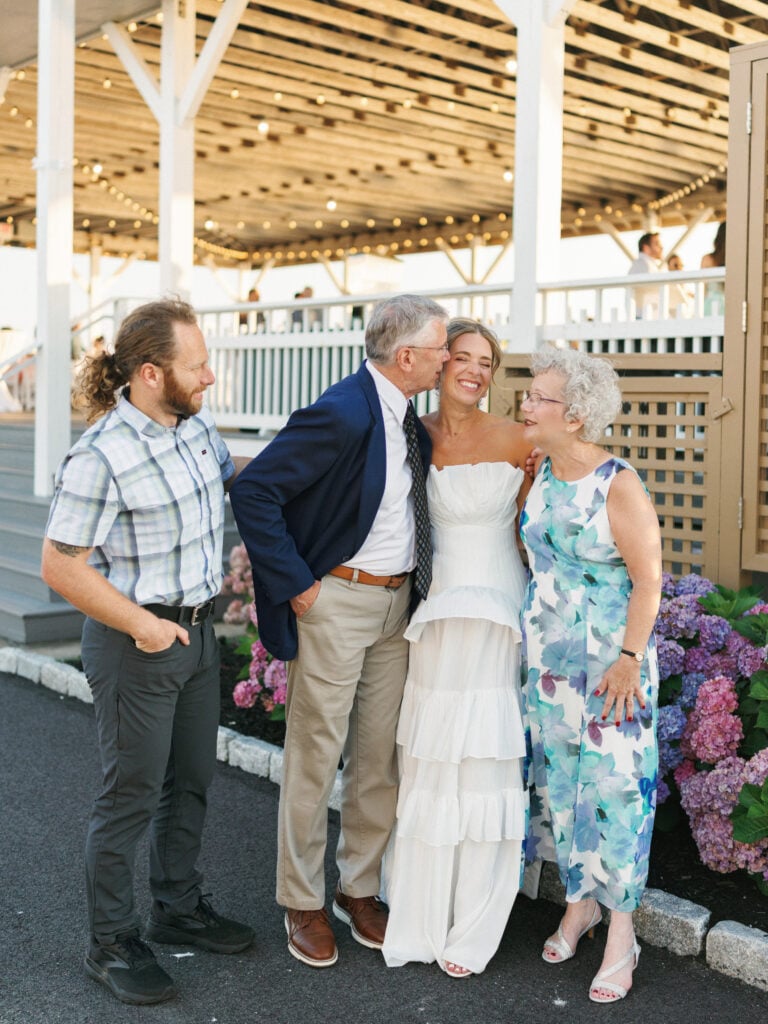
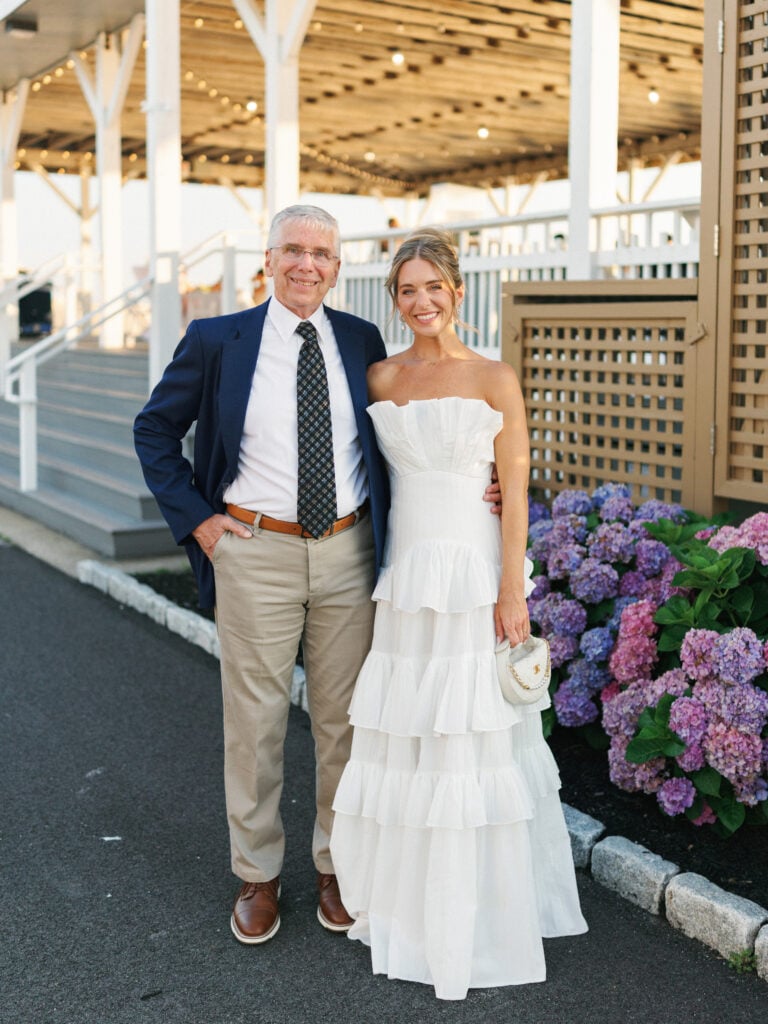
Naming the circles keeps the list manageable. Three to five groups can be a useful starting point, with each described by a name or a clear phrase, such as “college friends” or “colleagues from the design team.” This gives the photographer enough information to understand the request without creating a second extensive shot list alongside the family portraits.
Not every circle needs an organized photograph. Candid coverage during cocktail hour, dinner, and dancing may already capture friends spending time together. An arranged group photograph is especially useful for people who have traveled from different places or rarely get the chance to meet. The couple can discuss the list with the photographer and decide which groups are worth gathering intentionally.
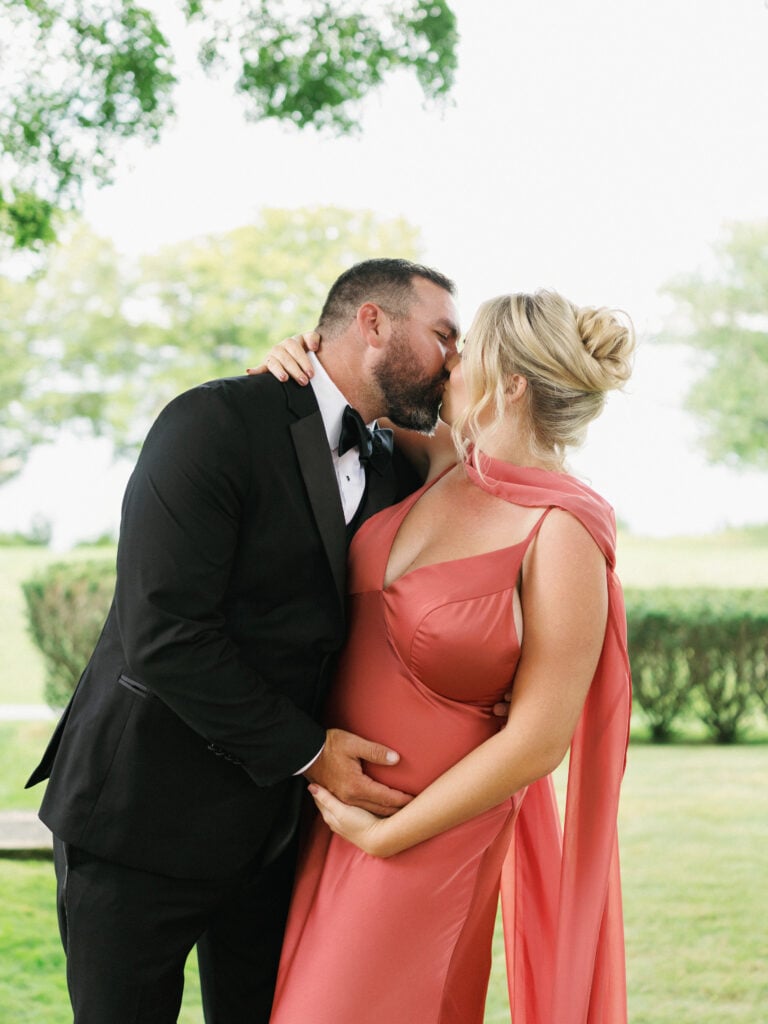
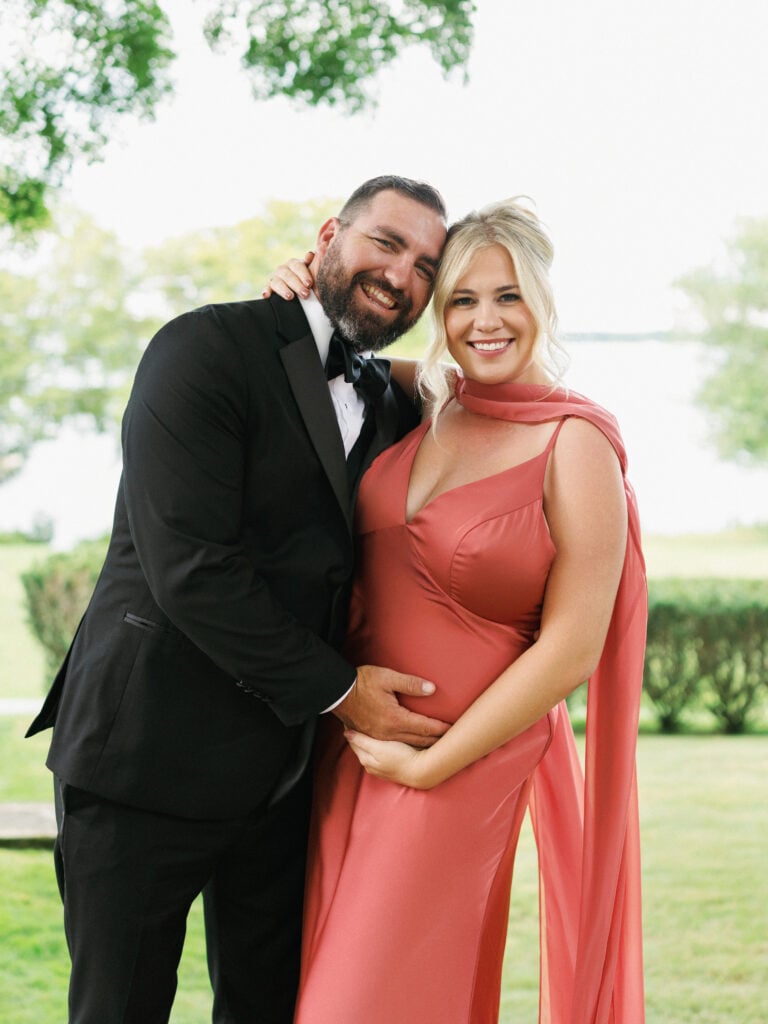
The couple’s own priorities matter too. A circle they see every week may be well represented in candid photographs, while a group that reunites only every few years may deserve a place on the organized list. Some photographers also offer quick photographs with guests at their tables during dinner. This can be useful for couples who want a record of more of their guests, provided it fits the room layout and schedule.
Expert Note
The location can influence both the quality of the photograph and how easily the group gathers. A shaded outdoor area may work well in daylight, while a nearby room or well-lit section of the reception space may be more suitable after sunset. During a venue visit, the photographer can identify one or two locations that offer enough room, suitable light, and a convenient route from the reception.
Aster Films planning note
When the People Are Already Together
There is no single ideal time for every wedding. The best opportunity depends on the day’s schedule, the couple’s availability, and when the people in each group are likely to be present.
Cocktail hour can be convenient because guests are already gathered in one area and have some freedom to move around. It may also be a busy part of the day for the couple, especially if they are taking portraits or greeting guests. Early and late arrivals, as well as guests with limited time at the reception, can affect who is available.
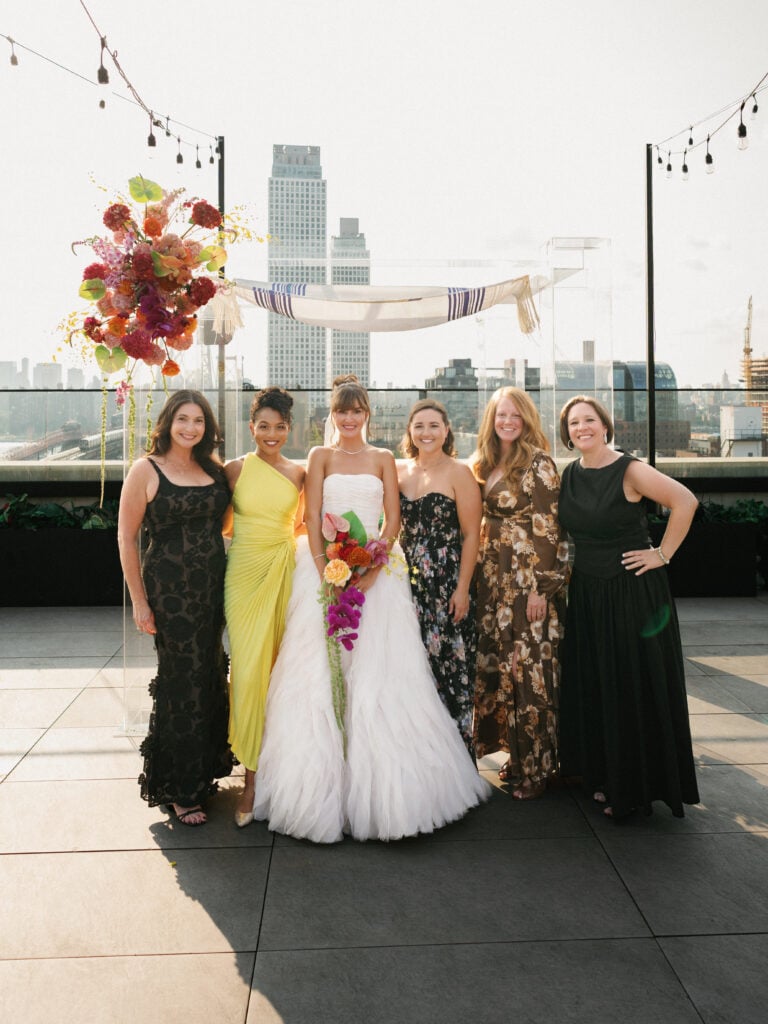
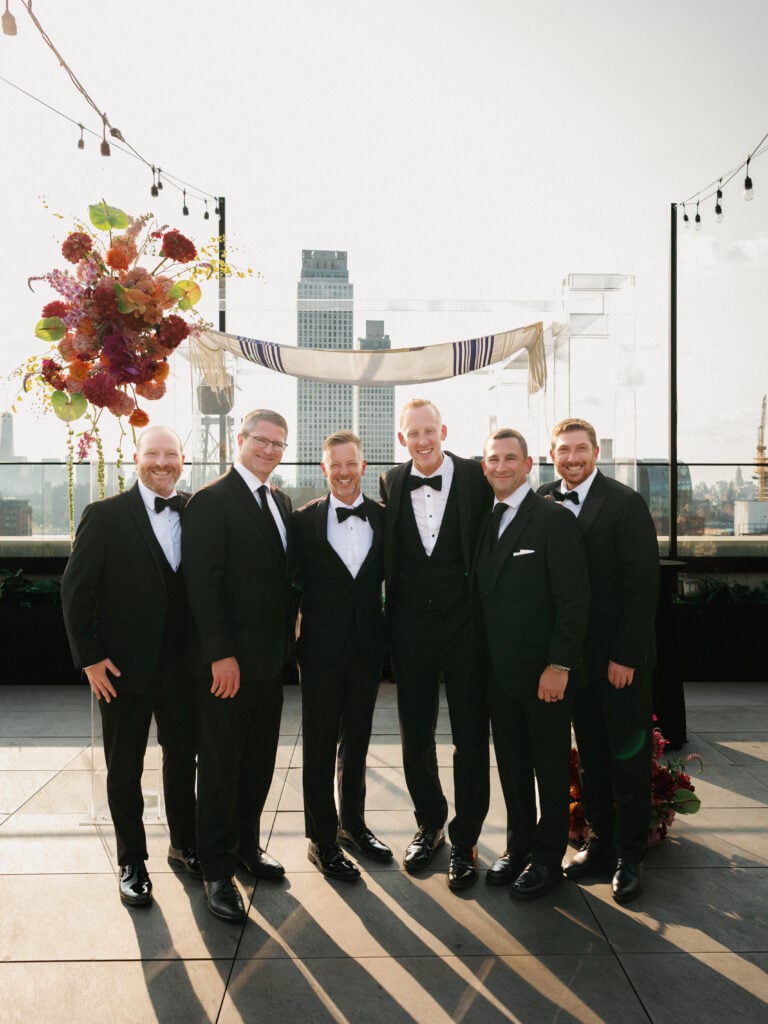
A short window during the reception may work better. The period after the couple’s entrance, before dinner, or after the meal can provide an opportunity to gather a few groups without interrupting a toast, the first dance, or another important part of the evening. If the reception has several courses or a tightly timed programme, the photographer and couple can identify a suitable gap in advance.
Guests who may leave early deserve particular consideration. Older relatives, parents with young children, and people facing a long journey home may not stay until the end of the reception. If they belong to a priority group, an earlier opportunity is more practical. Outdoor celebrations also involve changing daylight, so a group photograph on a terrace or lawn may be best scheduled while there is still enough natural light.
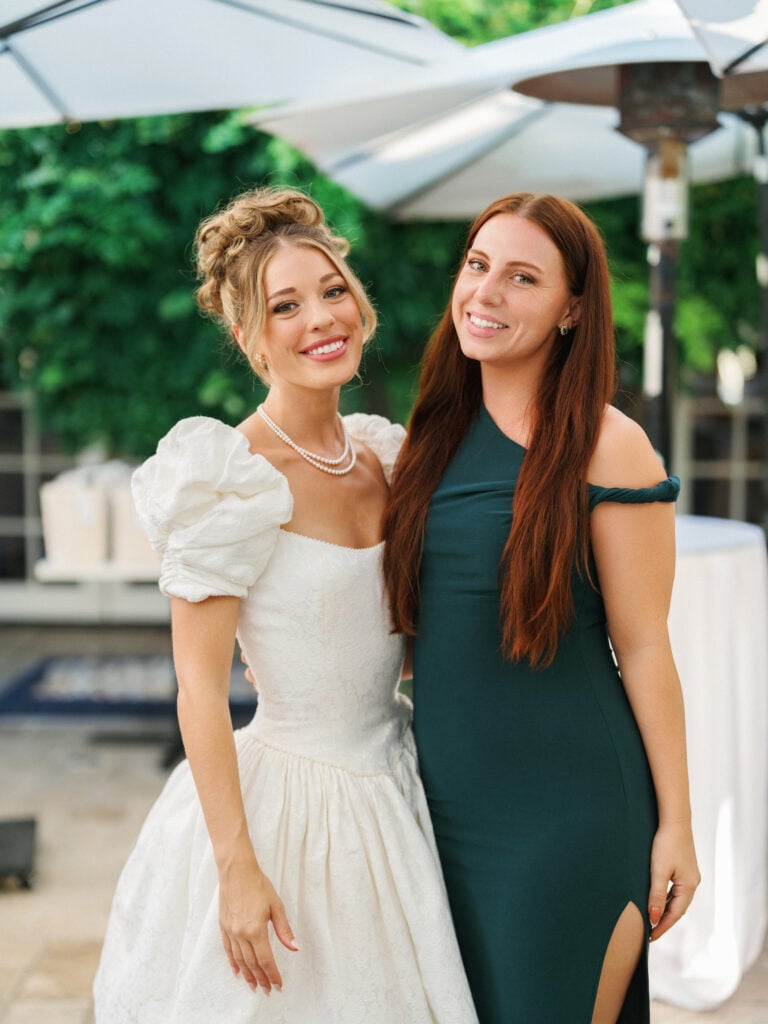
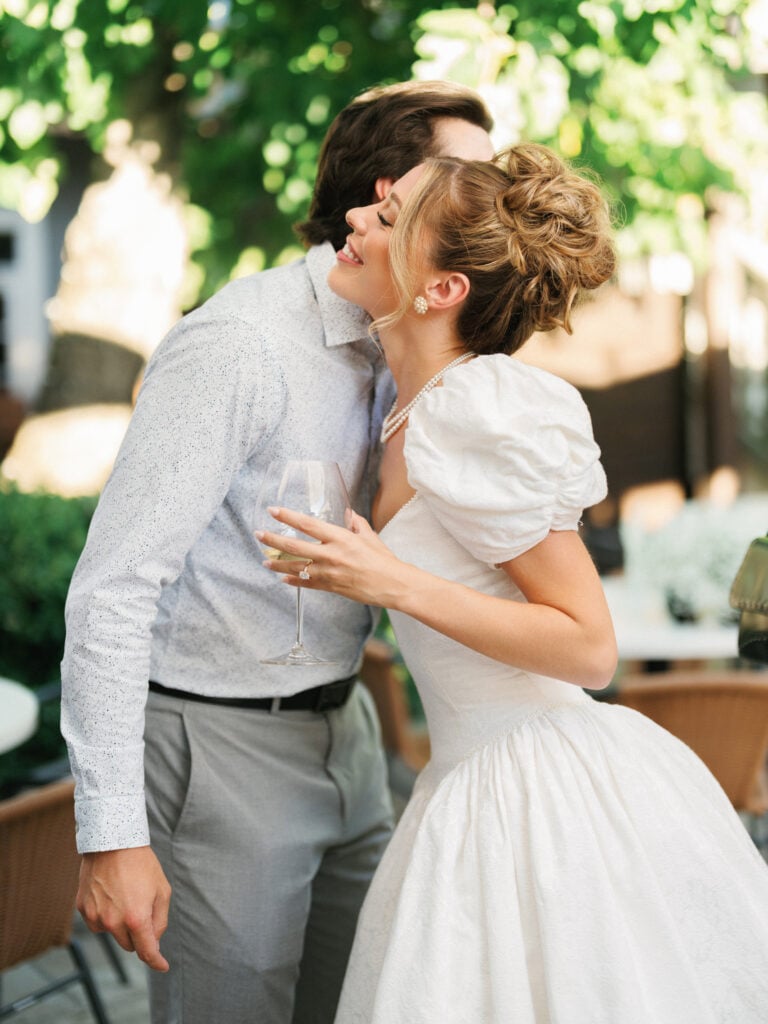
The couple’s availability is just as important as the guests’ schedules. A photograph that requires the couple to leave the reception should not coincide with a moment they especially want to experience. Several small groups can be photographed in one short block if everyone knows where to go and when. A sequence of three or four ready-to-gather groups may take around ten to fifteen minutes, although larger groups and longer walking distances require more time.
A Contact in Each Circle
A willing contact in each group can make gathering people much easier. This might be a friend, colleague, or relative who knows the other guests and can invite them to the agreed location. The photographer may recognize the couple and wedding party but is unlikely to know every guest by sight. A familiar contact helps connect the names on the list with the people in the room.
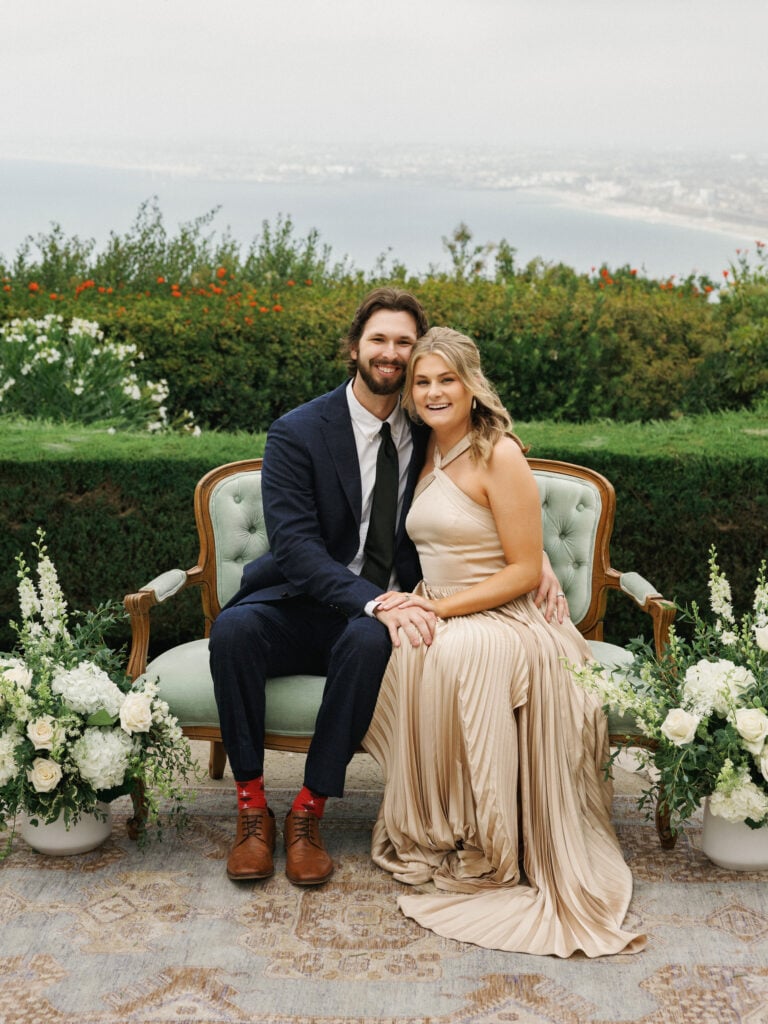
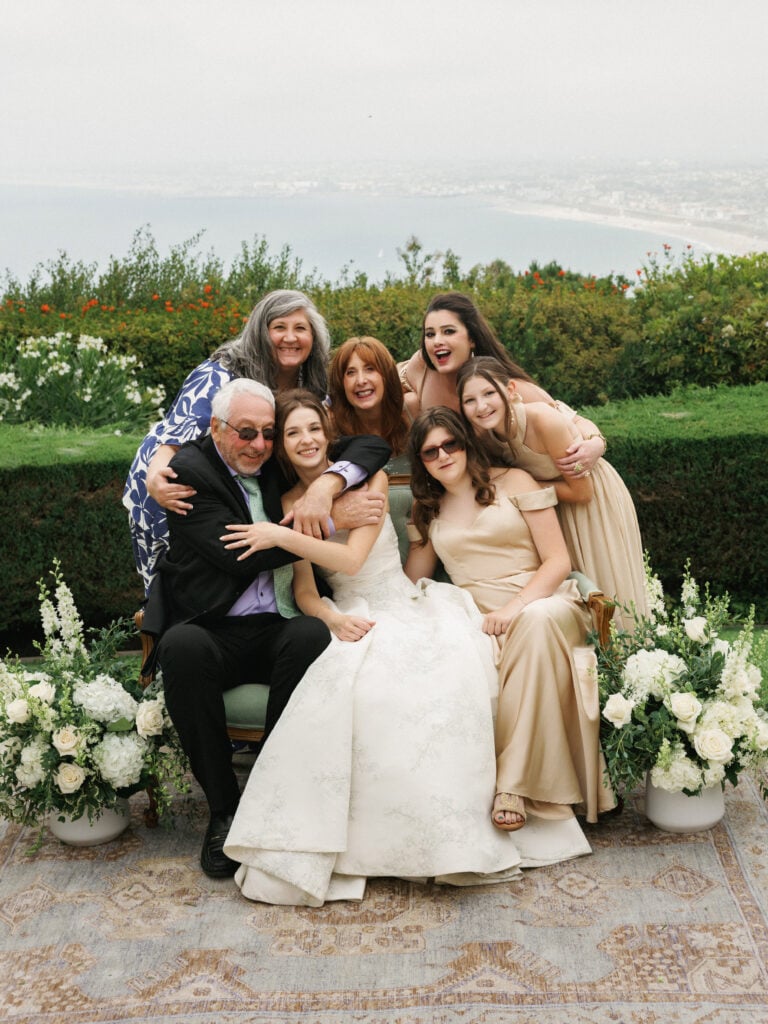
Each contact needs three practical details: who is included, when the group should gather, and where the photograph will take place. A short message shared before the wedding is usually enough. The couple can pass this information along in advance or ask a trusted person to coordinate it on the day.
A contact should ideally be someone who is comfortable approaching the group and does not have several other responsibilities during the reception. A wedding-party member may already be occupied with portraits, speeches, or other duties, so a guest outside the formal wedding party can sometimes be a better choice.
The contact’s role is to make the invitation and help guests find the location. They are not responsible for ensuring that every person attends. Someone may be having dinner, speaking with another guest, looking after a child, or simply prefer not to be photographed. Participation should remain optional, and a missed photograph should not become a source of pressure.
A reminder shortly before the agreed time can help guests stay nearby without asking them to wait around for too long. The contact can also help anyone who needs assistance reaching the location, allowing them to move at a comfortable pace.
Expert Note
A clear list helps the photographer work efficiently in a busy reception space. Each entry can include the group’s name, approximate number of people, contact’s name, and useful identifying details. If the guest list is large or several people share similar names, a reference photograph of the contact can also help the photographer recognize them.
Aster Films planning note
The Spot, the Grouping, and the Pace
The location should be convenient for guests and suitable for the size of the group. A nearby garden, terrace, spacious hallway, or quiet section of the reception venue may work well, depending on the setting. The route should be easy to understand and should not interfere with the movement of staff or other attendees.
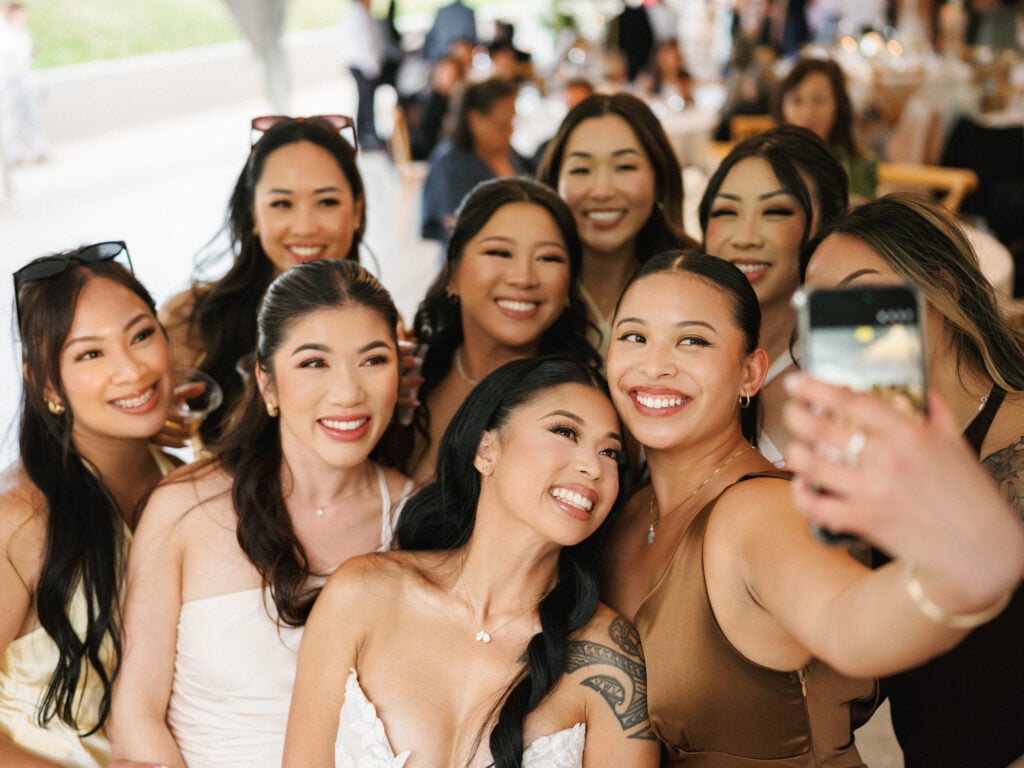
Accessibility is part of choosing the location. A step-free route, enough space for a wheelchair or mobility aid, and a short distance from the reception area can make the photograph more comfortable for everyone. Nearby chairs or a bench can also help guests who need to rest. The photographer can advise on the available space and how many people it can accommodate comfortably.
The couple should consider how the location will work if the weather changes. An outdoor spot may be attractive in good conditions, but an indoor alternative is useful if rain, wind, or temperature makes it uncomfortable. It is also worth checking whether the venue requires permission to use a particular room, garden, or terrace.
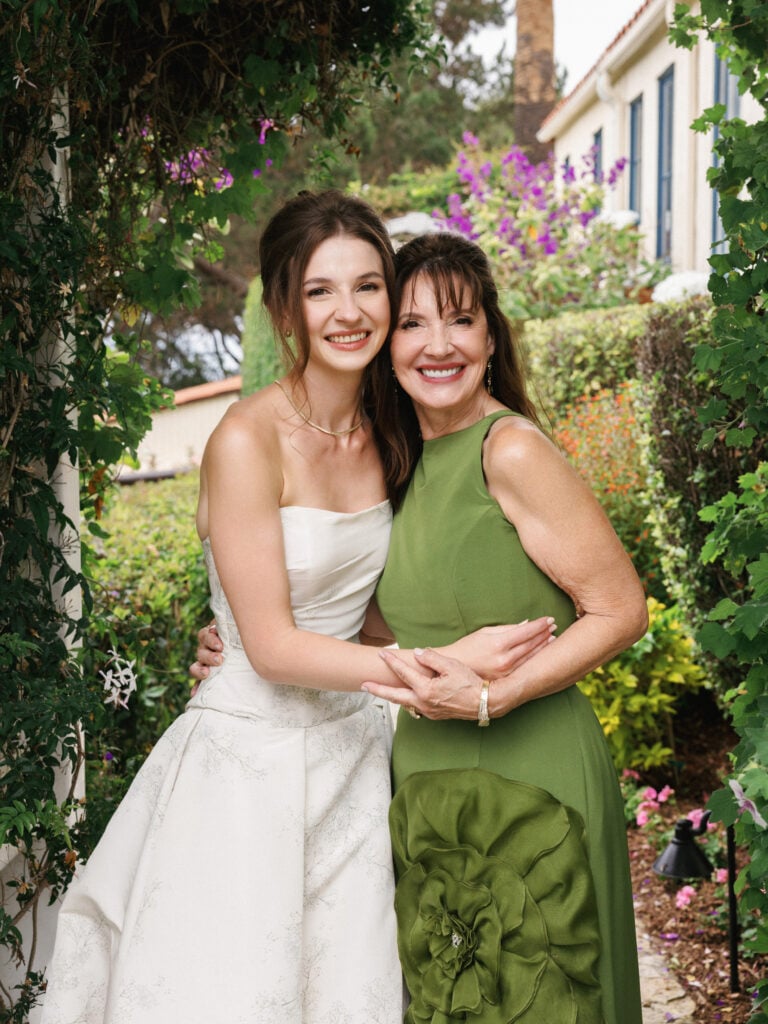
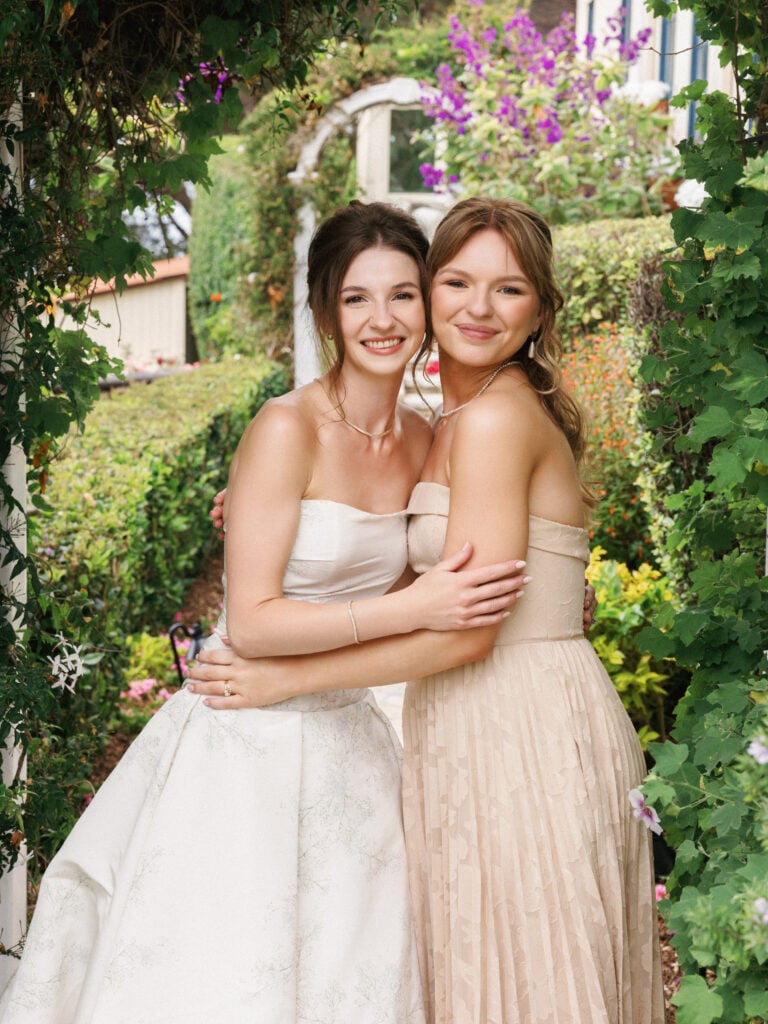
Simple directions reduce confusion. The contact brings the group to the agreed place, and the photographer arranges the guests so everyone can be seen. The couple does not need to plan specific poses or complicated groupings. A natural arrangement is usually enough.
If several groups are using the same location, the photographer can work through them in the agreed order while contacts bring people forward. Guests should not have to cross the venue repeatedly or wait while another group is being assembled. Agreeing on the location, group size, and sequence in advance makes the process more straightforward.
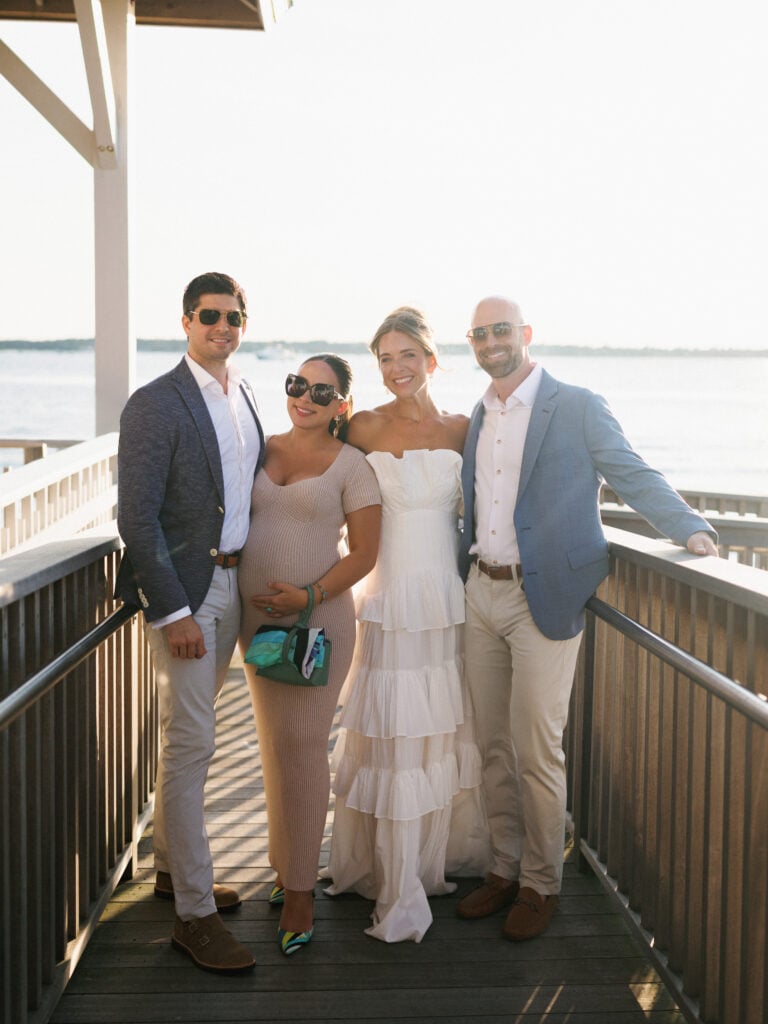
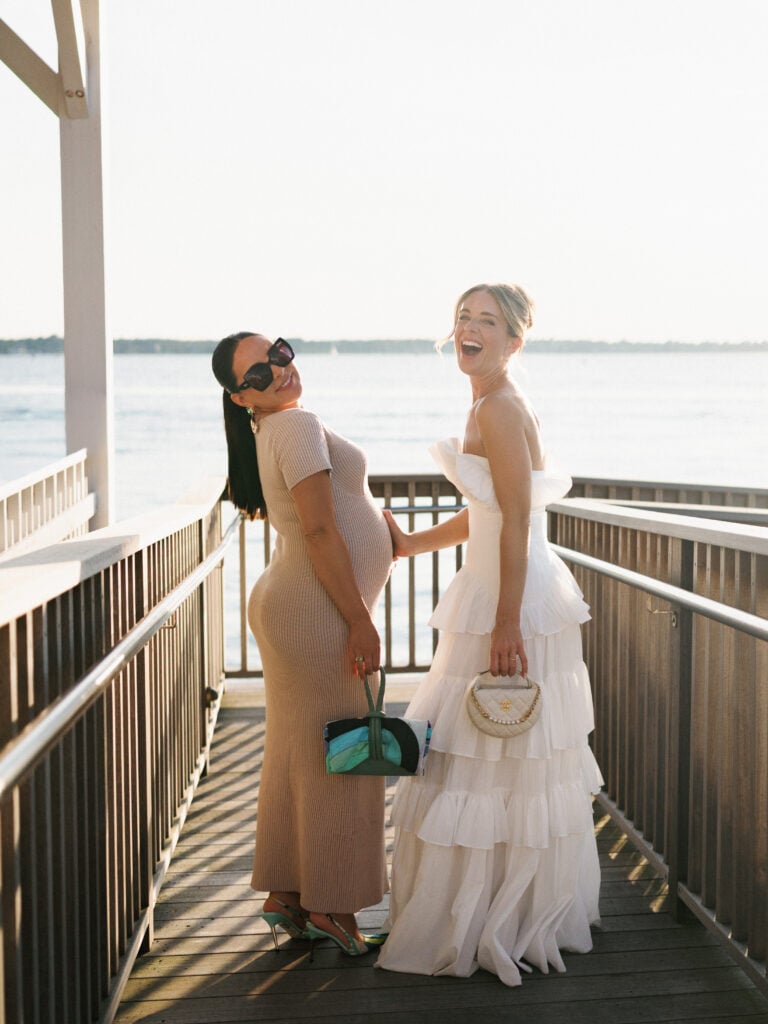
The photographer can assess the lighting and make any necessary adjustments before the group is ready. Candid photographs throughout the evening continue to record conversations and interactions between people who may not appear on the organized list. The couple does not need to gather every guest for a formal picture to have a meaningful record of the reception.
When the Reception Runs Differently
Wedding schedules rarely unfold to the minute. Dinner may be delayed, a group may be difficult to assemble, or someone the couple hoped to include may be elsewhere when the agreed time arrives. A short priority list makes these changes easier to handle.
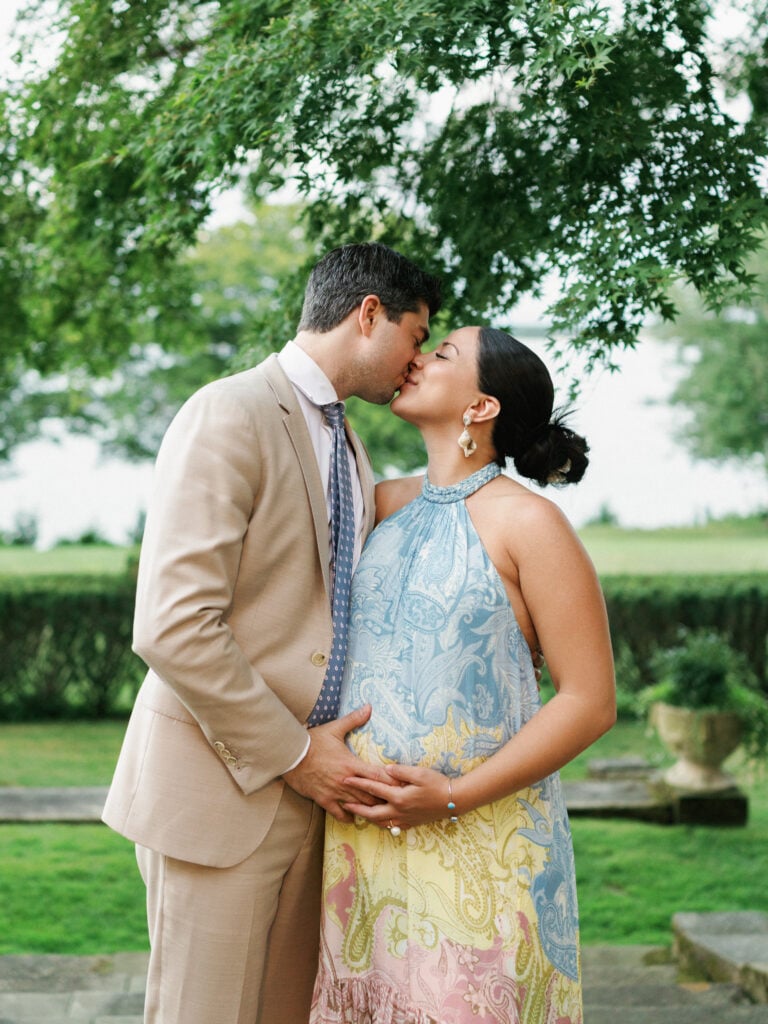
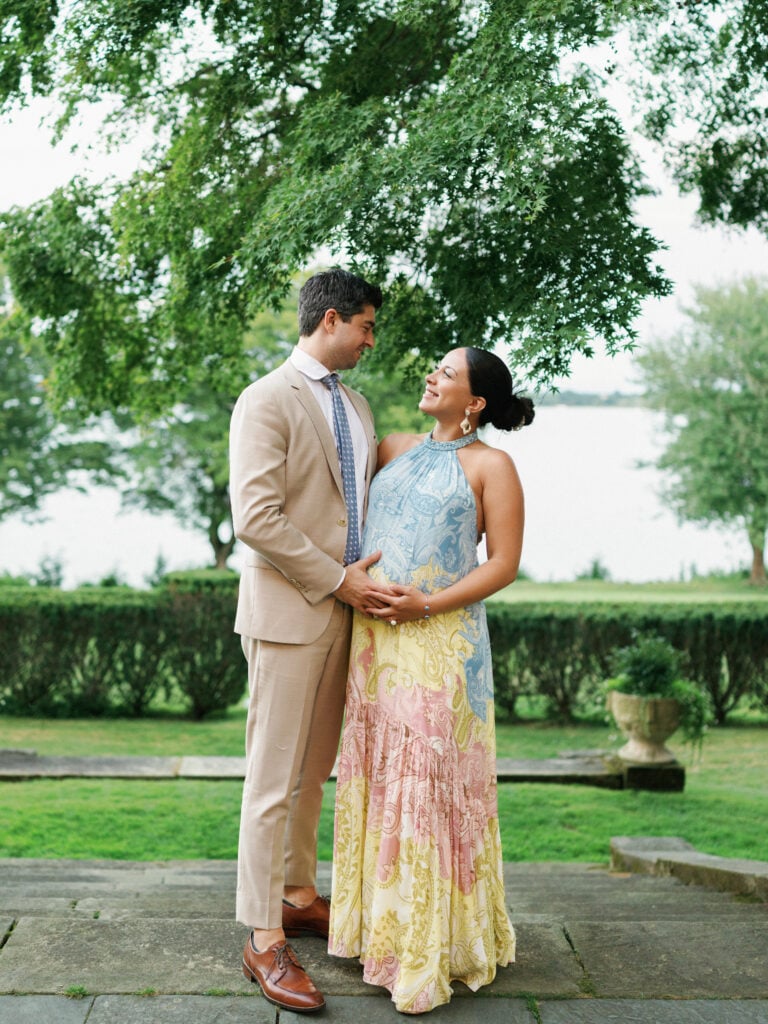
The couple can identify which groups matter most and which photographs are optional. If a priority group is missing one or two people, the photographer and contact can decide whether a brief wait is practical. If the group cannot assemble, there may be another convenient opportunity later in the evening. A less important group can be skipped if gathering everyone would interrupt the celebration.
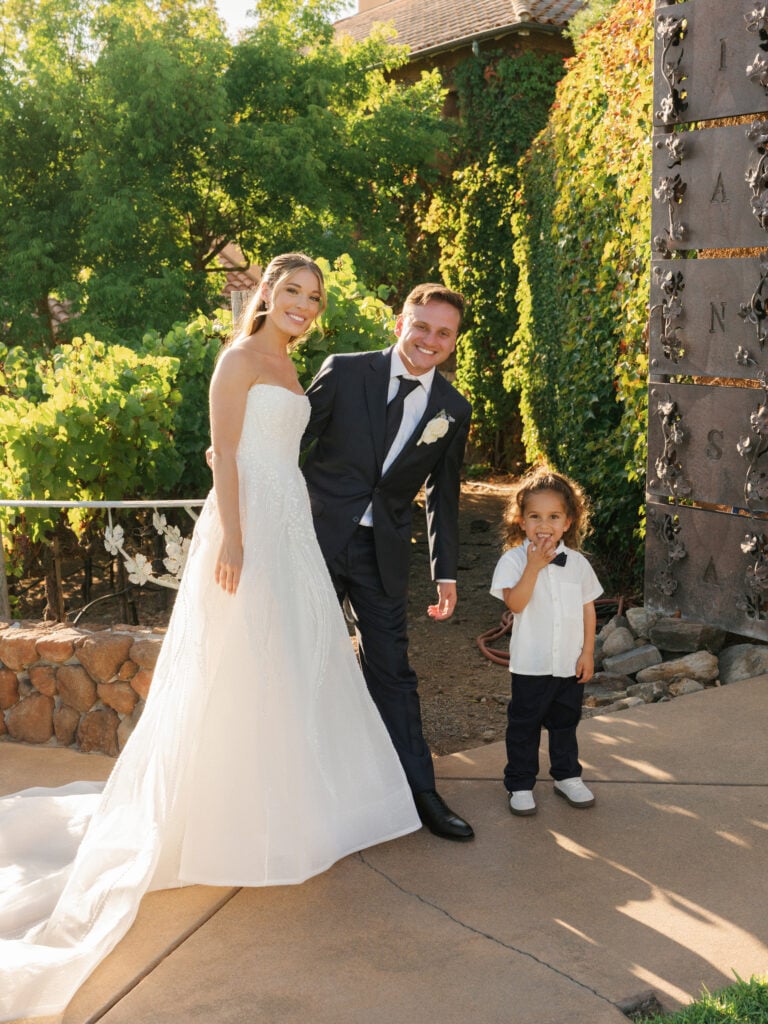
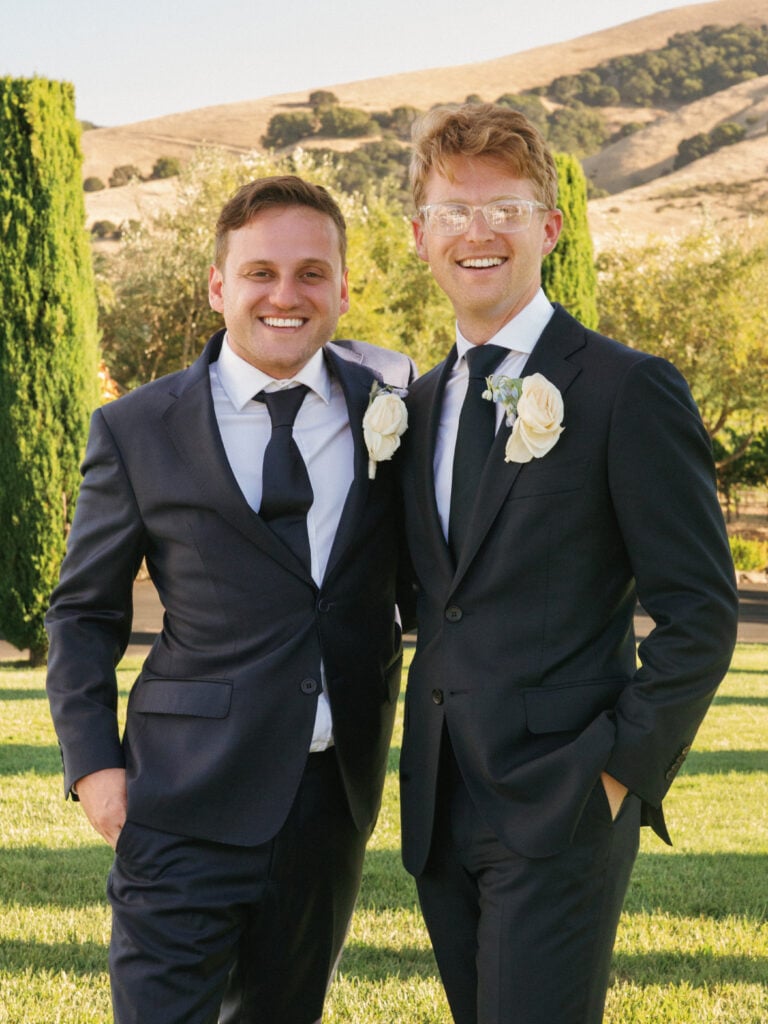
A missing person does not always mean the entire photograph needs to be postponed. The group can be photographed with the guests who are present, with another frame taken later if the missing person returns and the opportunity arises. Candid photographs from earlier in the day may also include that person.
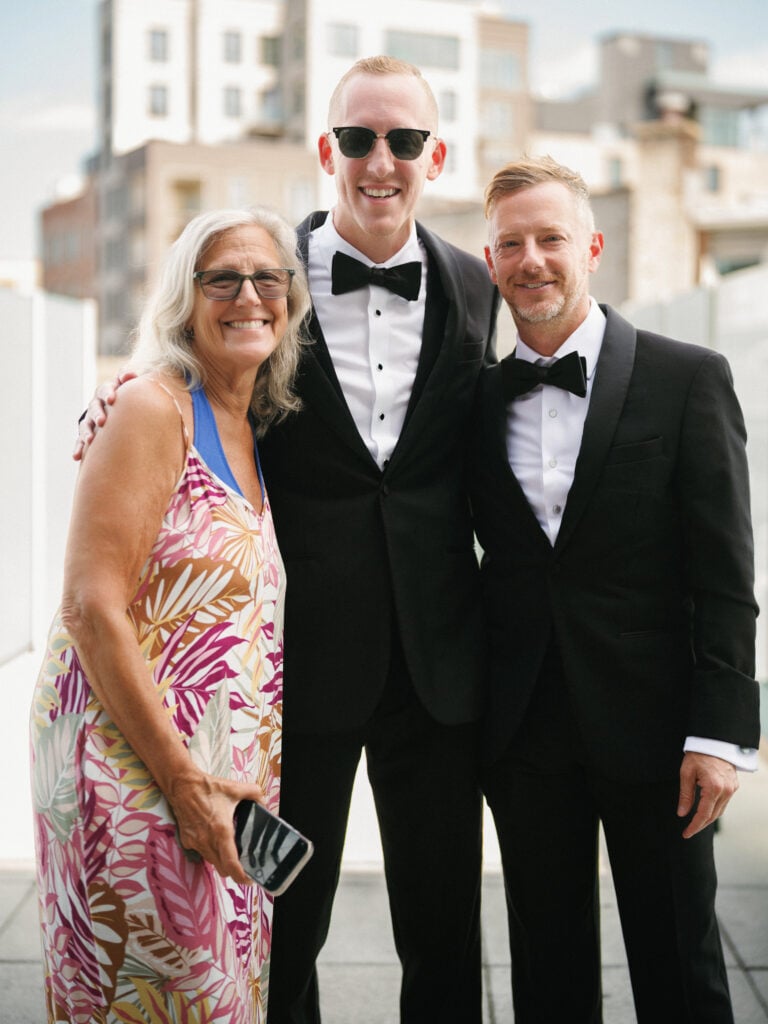
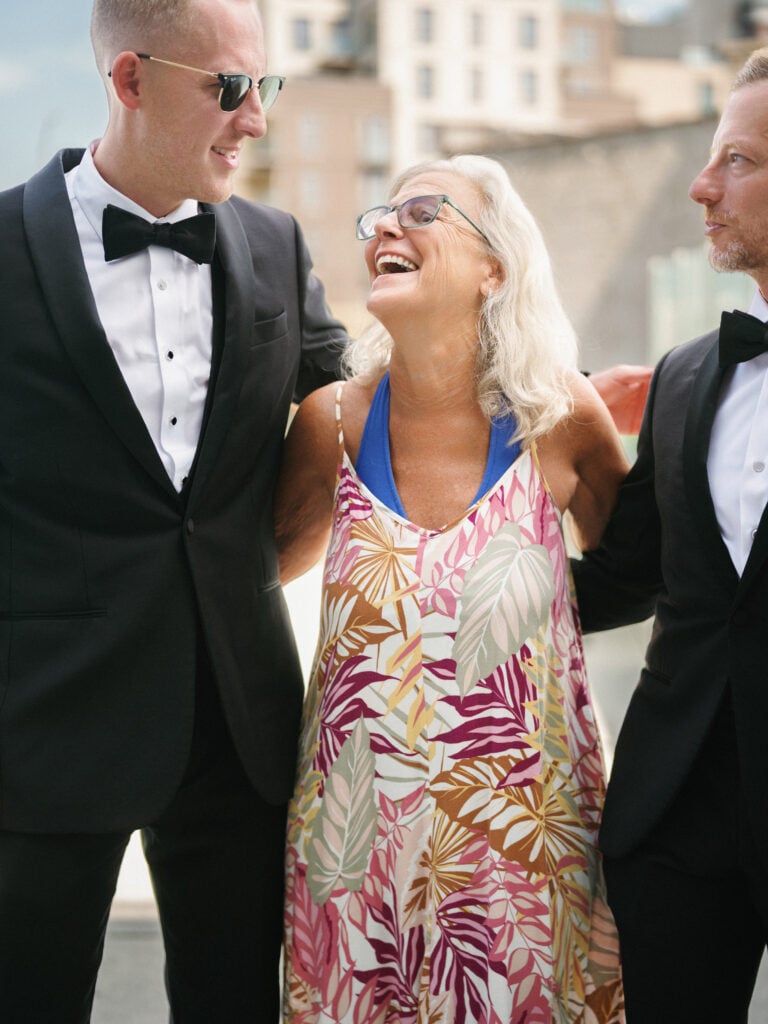
A reserve window can be useful, but it does not need to become another fixed appointment. The photographer can look for a natural opportunity after dinner or during a quieter part of the reception. If the group is still unavailable, the couple can let the request go. This keeps the plan flexible and prevents a small photograph list from taking over the evening.
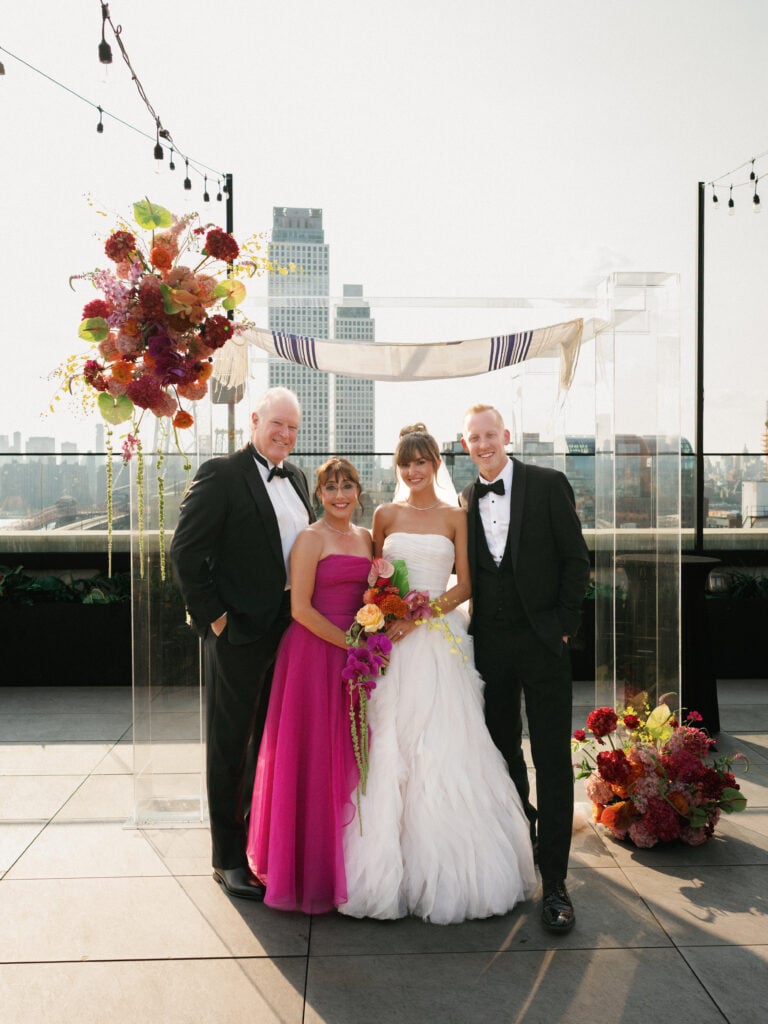
The final plan can be very simple: each group, its contact, and a preferred window, along with the agreed location. The couple shares the details with the photographer and the contacts, then returns their attention to the guests and the celebration.
Frequently asked questions
Do we need an organized photograph with every guest?
No. Candid coverage during cocktail hour, dinner, and dancing can record many guests naturally. Organized group photographs are useful for particular circles the couple wants to remember together, especially people who have traveled from different places or rarely meet. A short list of three to five groups is a practical starting point.
How are guest-group photos different from family formals?
Family formals are planned photographs of relatives, usually arranged around a list of family combinations and taken soon after the ceremony. Guest group photos bring together friends, colleagues, or other circles during the reception. Wedding-party portraits are another separate category, featuring the attendants who have a role in the wedding.
Can we ask for a photograph of everyone at the wedding?
Yes, if the venue and schedule allow everyone to gather in one place. A full guest photograph is a separate arrangement from smaller guest group photos and needs a suitable location, enough space, and a moment when most guests are present. The photographer can assess possible viewpoints and accessibility with the couple in advance. The timing may be near the end of the ceremony or at another agreed point before the reception becomes too dispersed.
What if someone has already left when their group gathers?
The group can still be photographed with the people who are present. If the missing guest returns later and there is a convenient opportunity, the photographer may be able to take another frame. Candid photographs from earlier in the day may also include that person. The rest of the sequence can continue without making the entire group wait.
Should we give the photographer a list of guests’ names?
Yes. A short list with group descriptions, approximate numbers, and the contact’s name helps the photographer identify each group. It is especially useful when the photographer has not met the guests before the wedding. A reference photograph of the contact can help in a large reception, but clear names and descriptions are usually the most important details.
How long does each group photograph take?
A small, ready-to-gather group may take only a few minutes to arrange and photograph. Larger groups or guests who need more time to reach the location may take longer. The overall schedule should account for gathering people as well as taking the photograph itself.
CONTACT ASTER FILMS
Tell us about your wedding
We would be happy to review the guest circles, preferred timing, and available locations with you, then coordinate with the contacts so the photographs fit naturally into the reception.
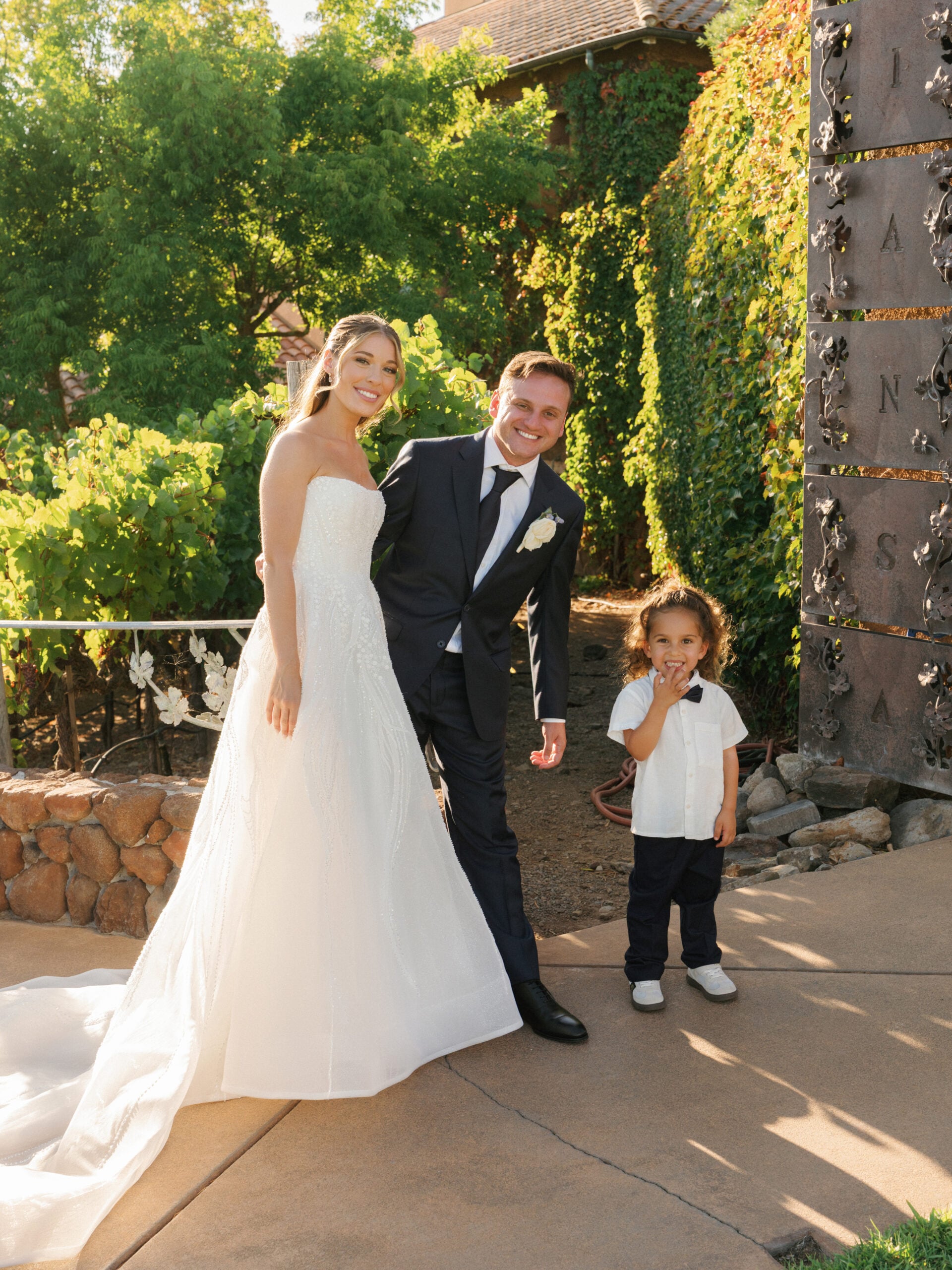
Leal Vineyards and Winery, Hollister, CA.