What the Tradition Means in Different Families
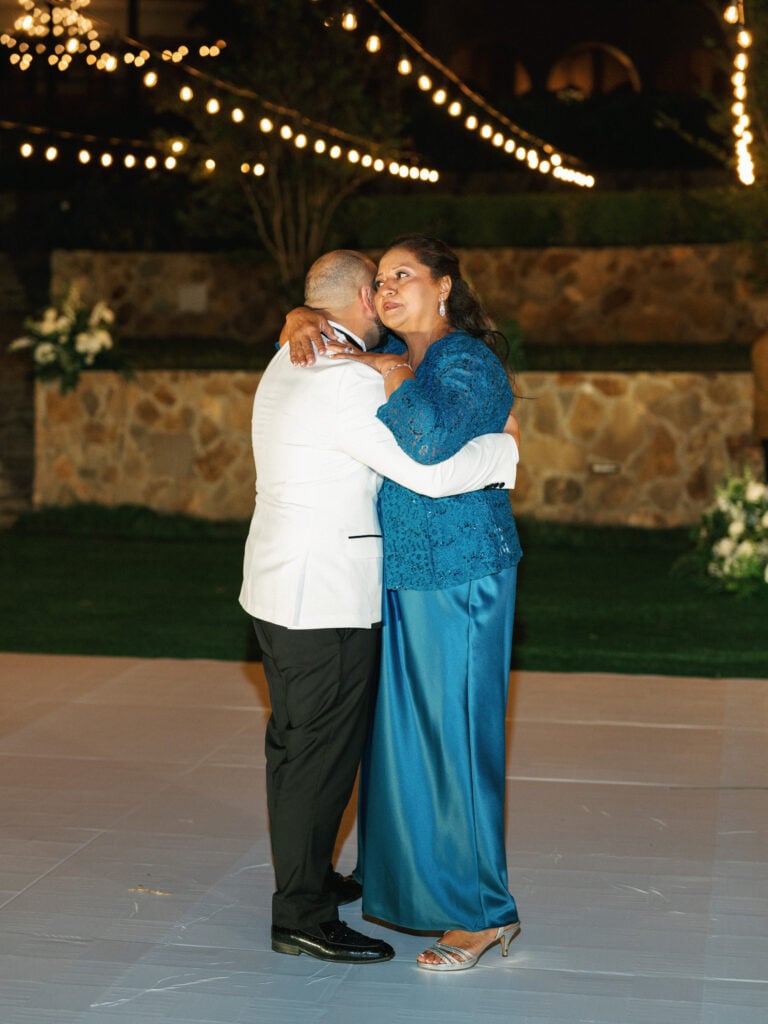
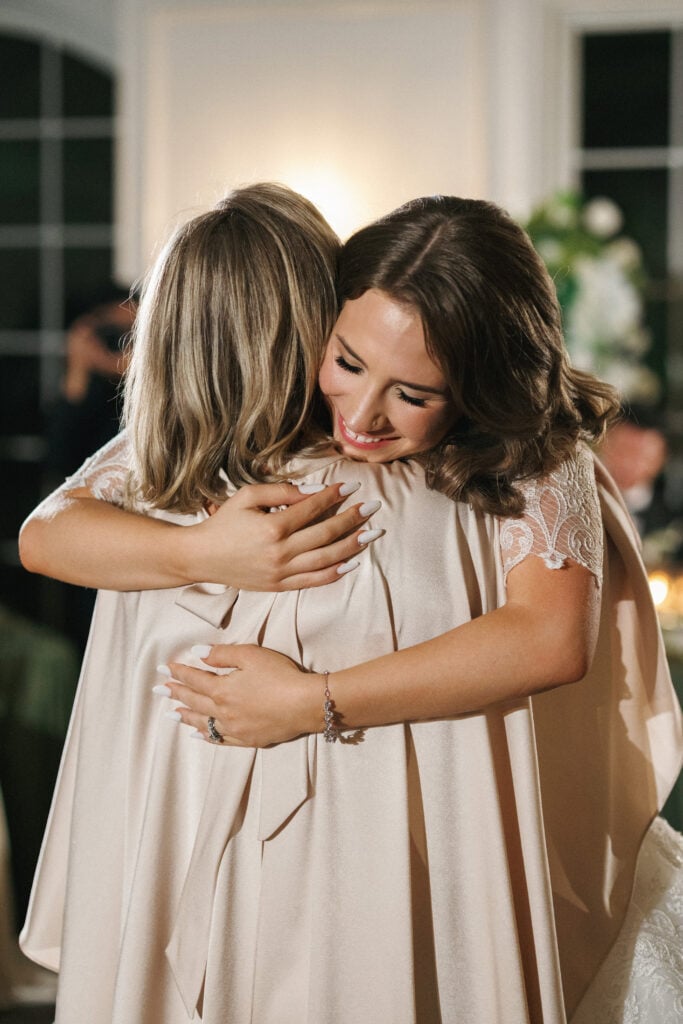
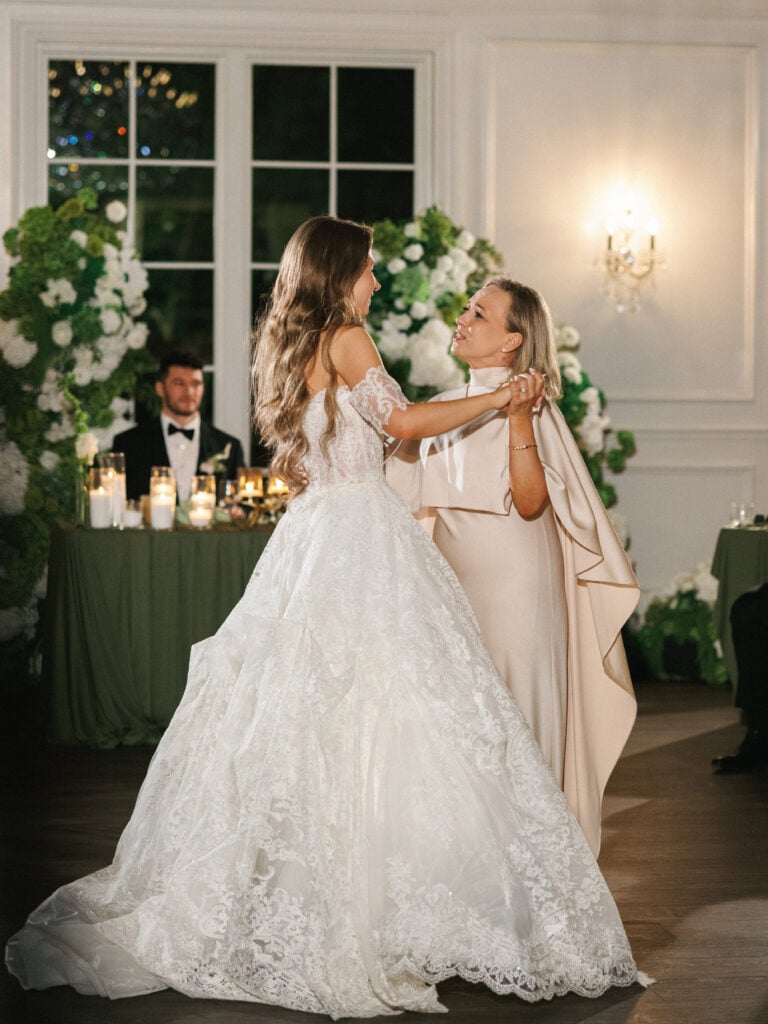
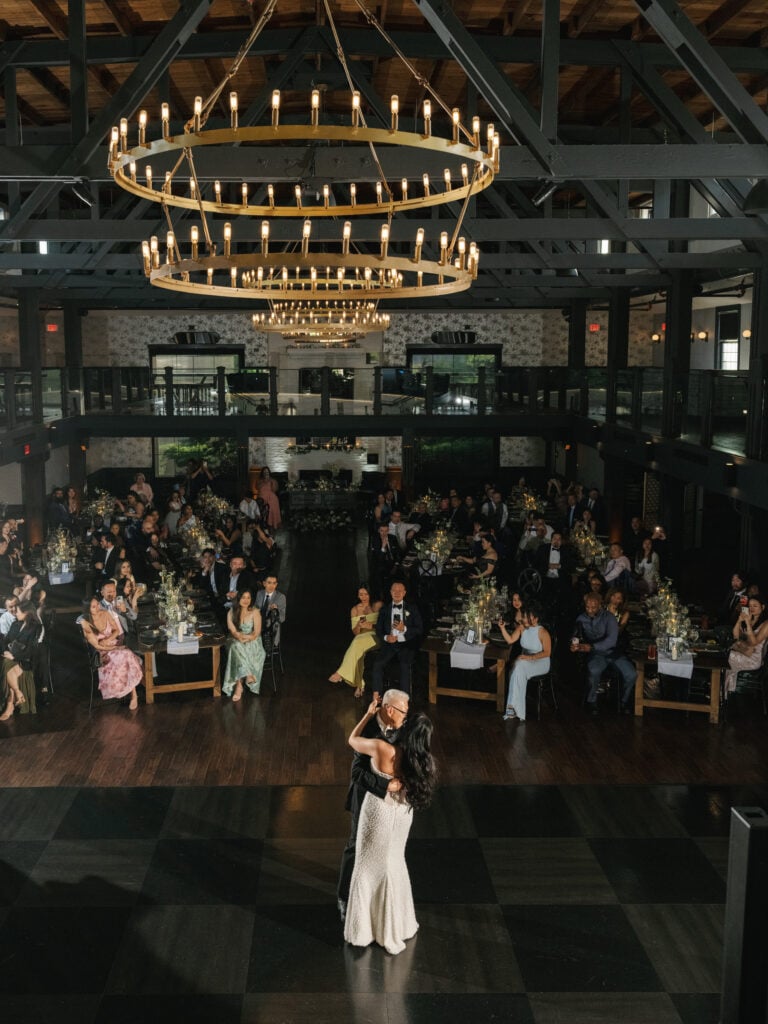
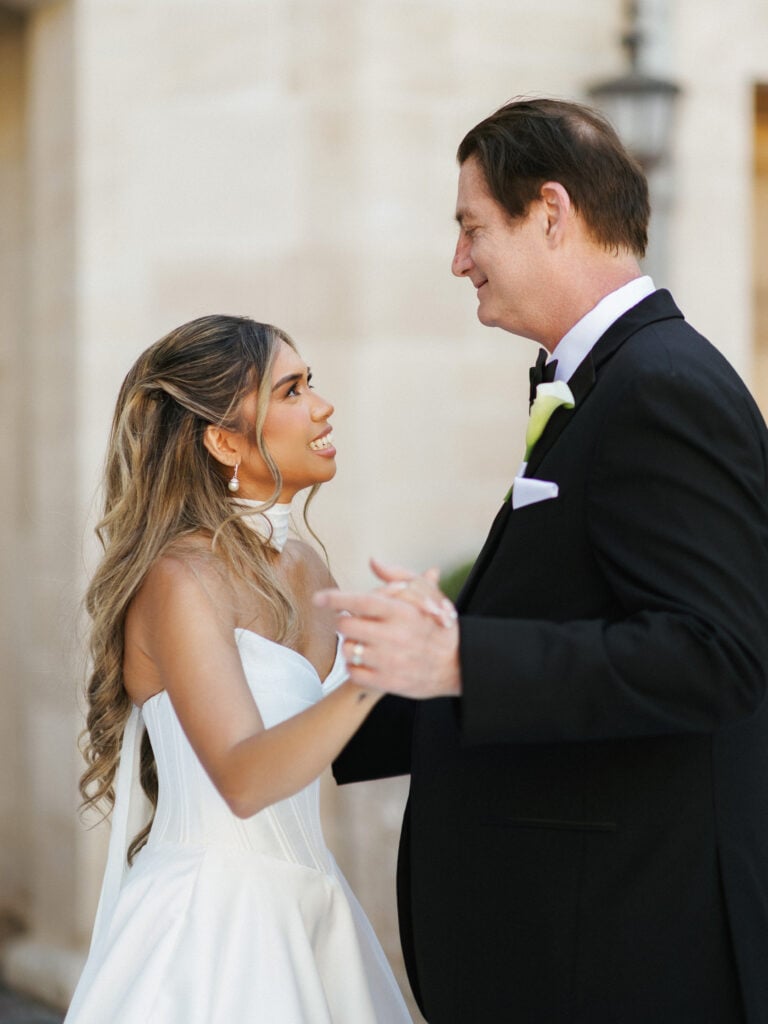
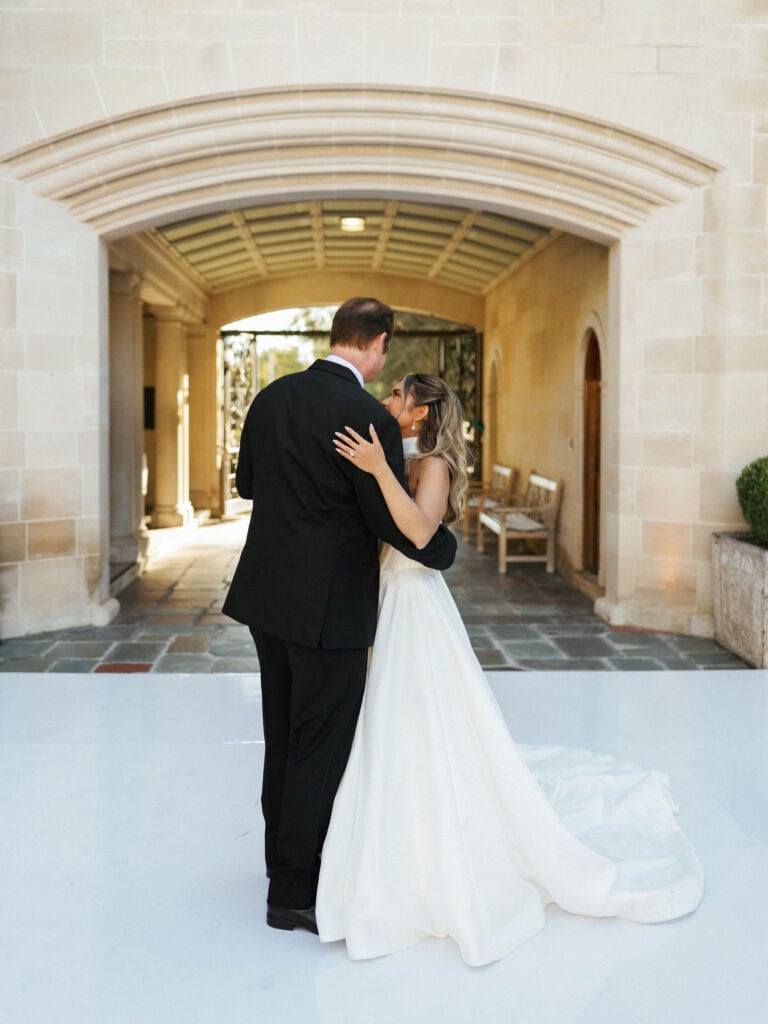
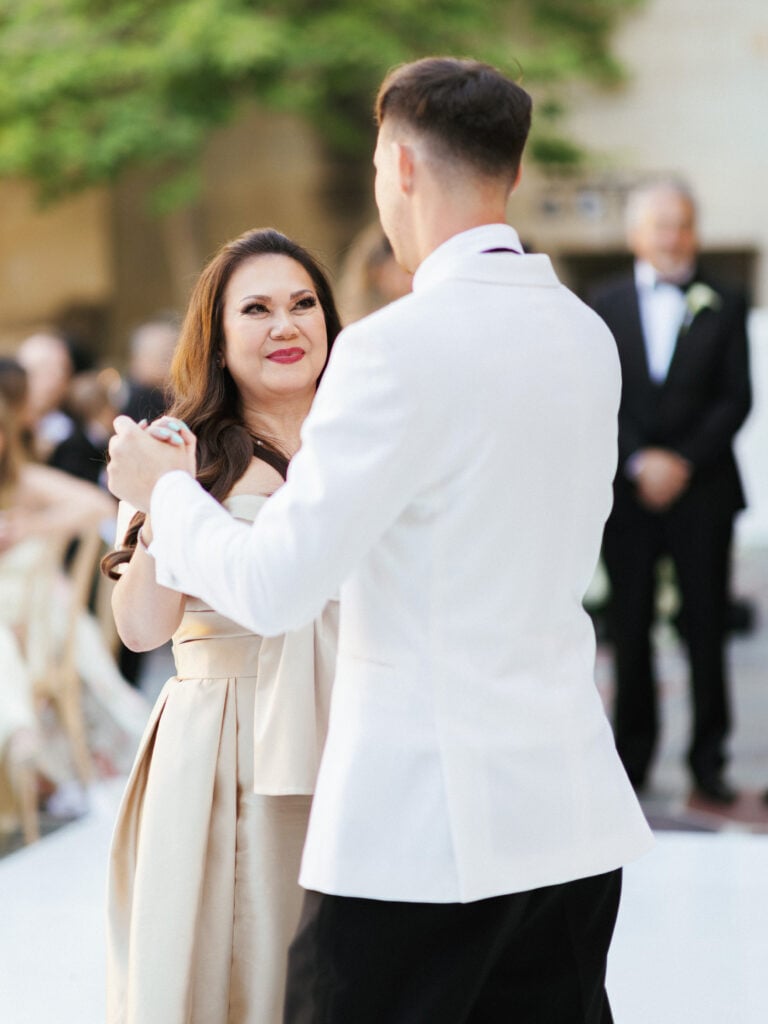
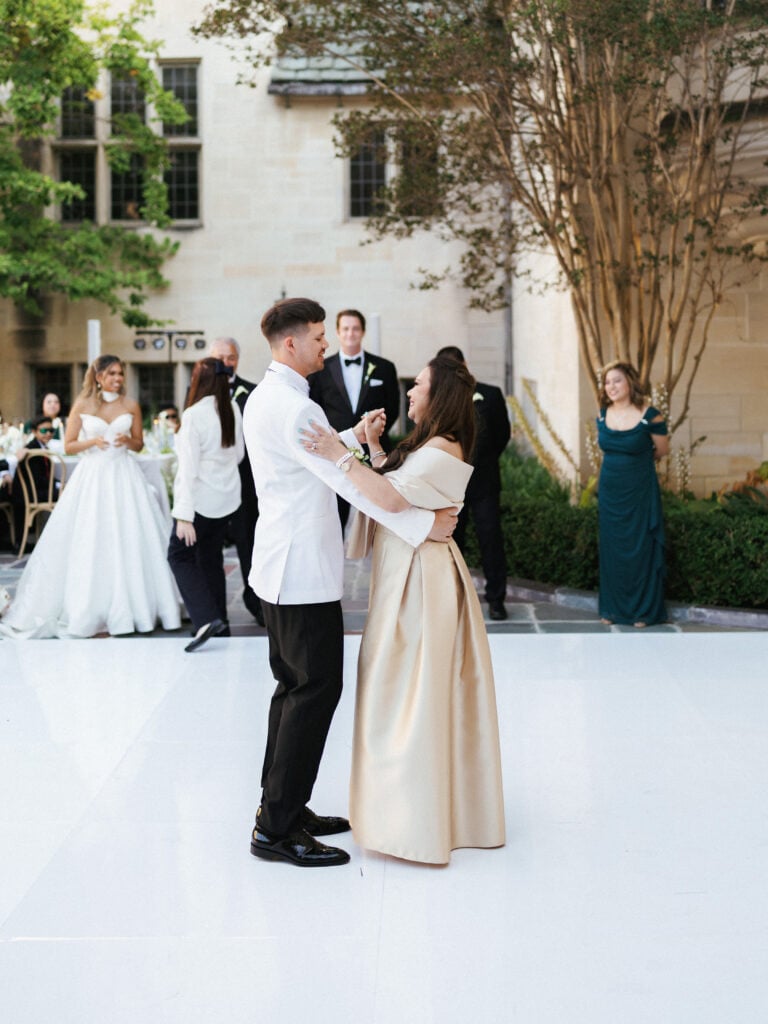
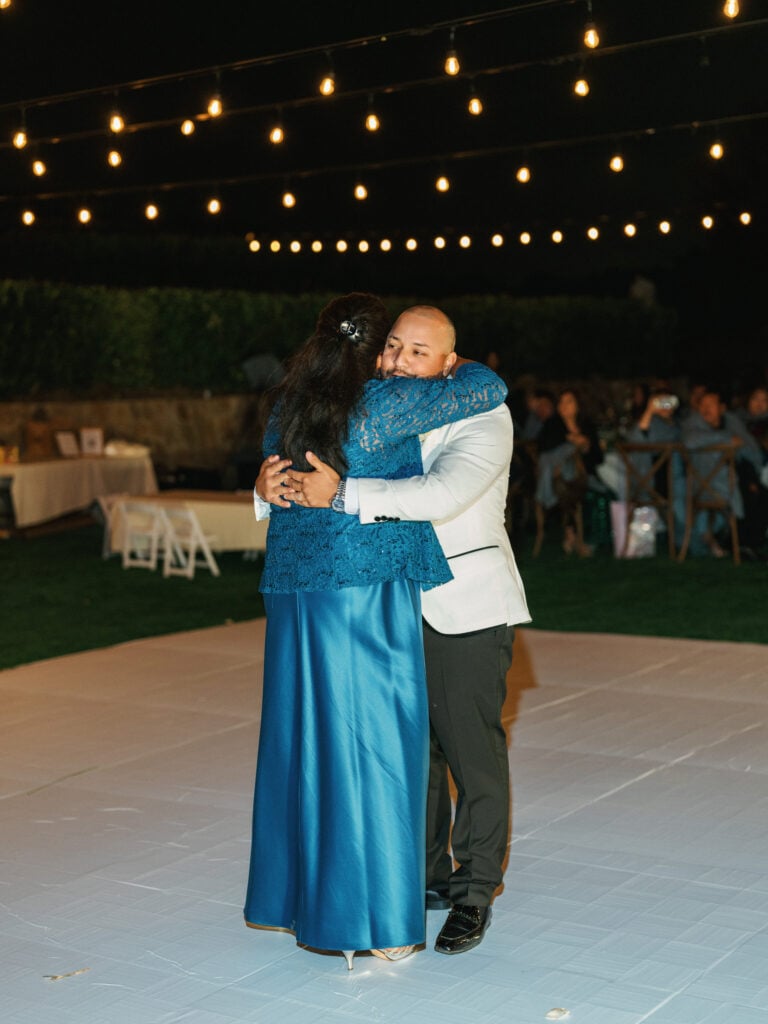
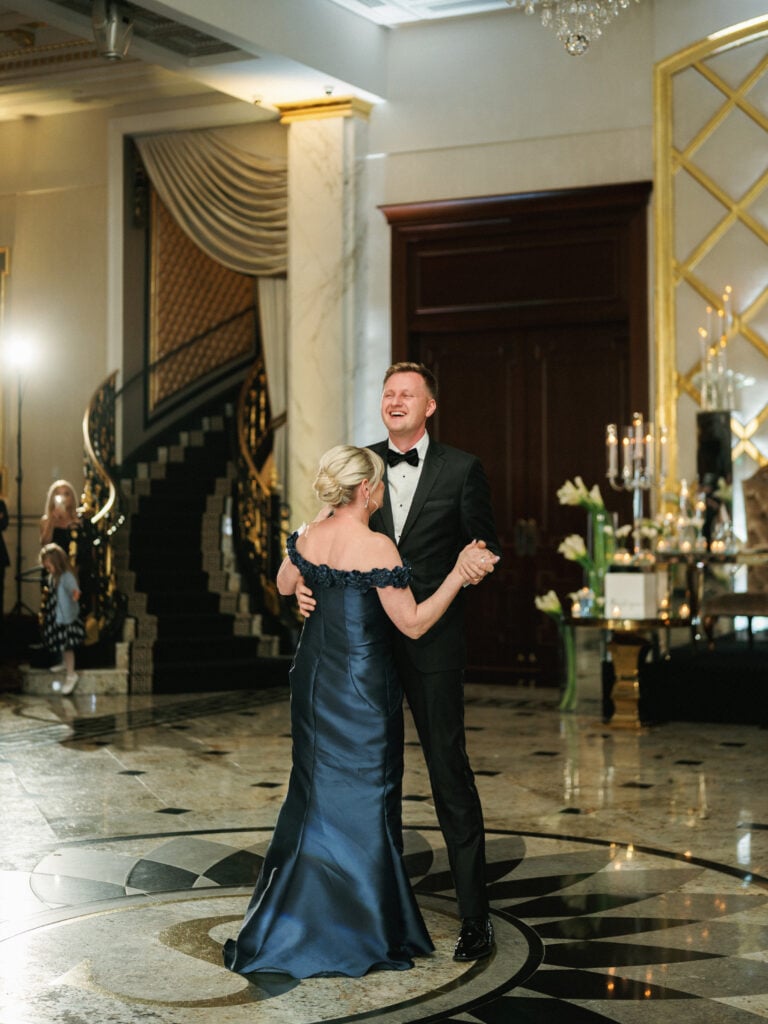
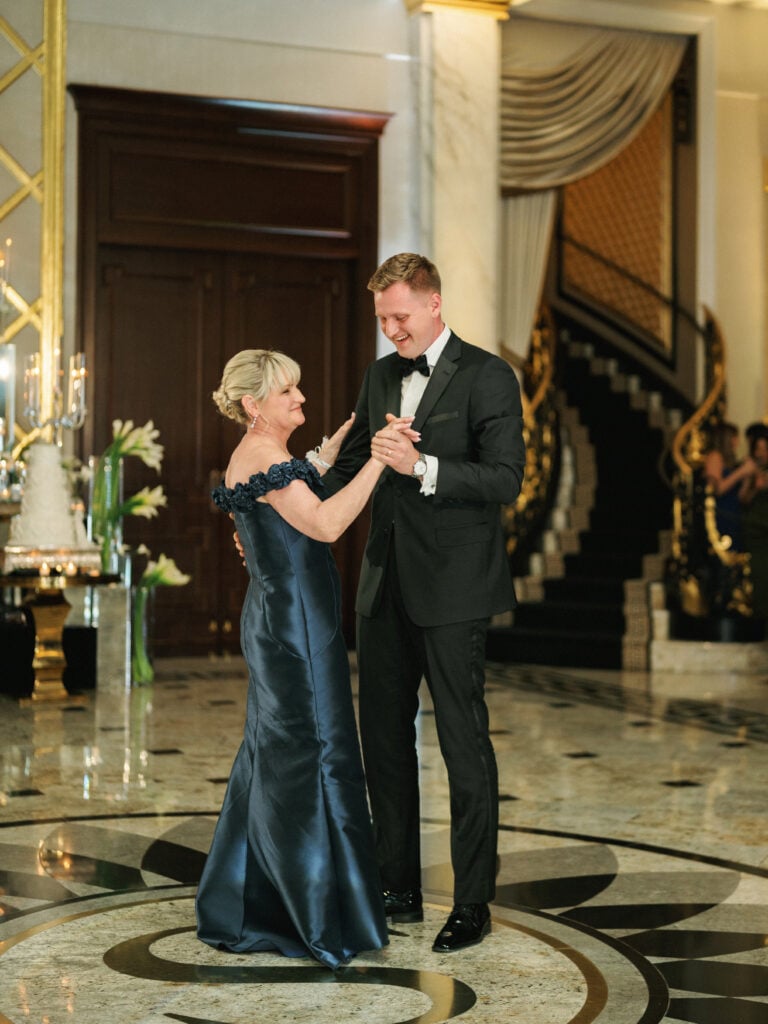
Parent dances are a long-standing part of many wedding receptions, traditionally marking the bond between a newly married person and a parent. They offer a brief moment during the celebration to acknowledge the family relationships that have shaped the couple’s lives. Over time, the tradition has become more flexible, with couples choosing who takes part and what the moment means to them.
To consider how the evening begins before these dances, see our reception entrance planning guide.
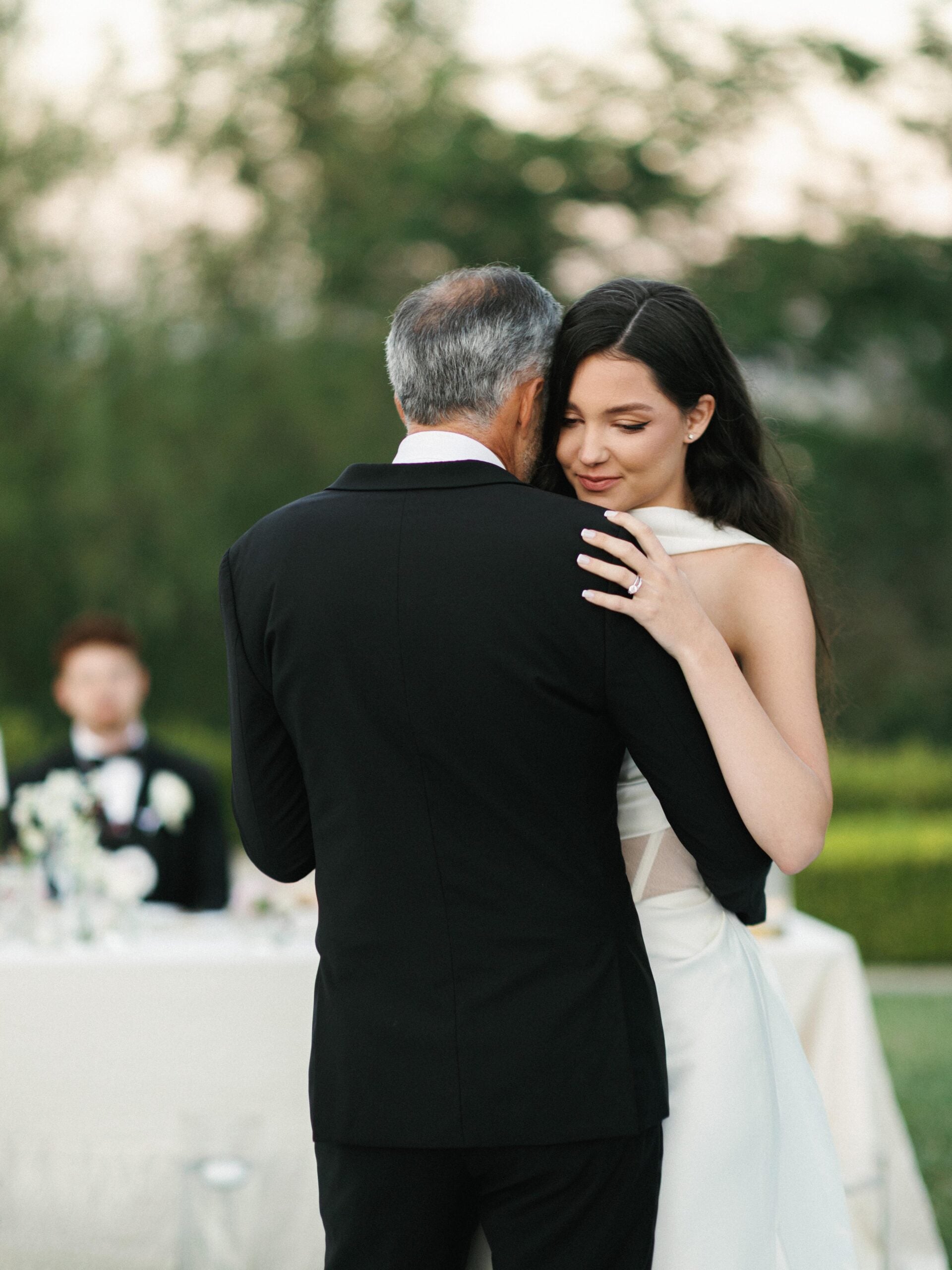
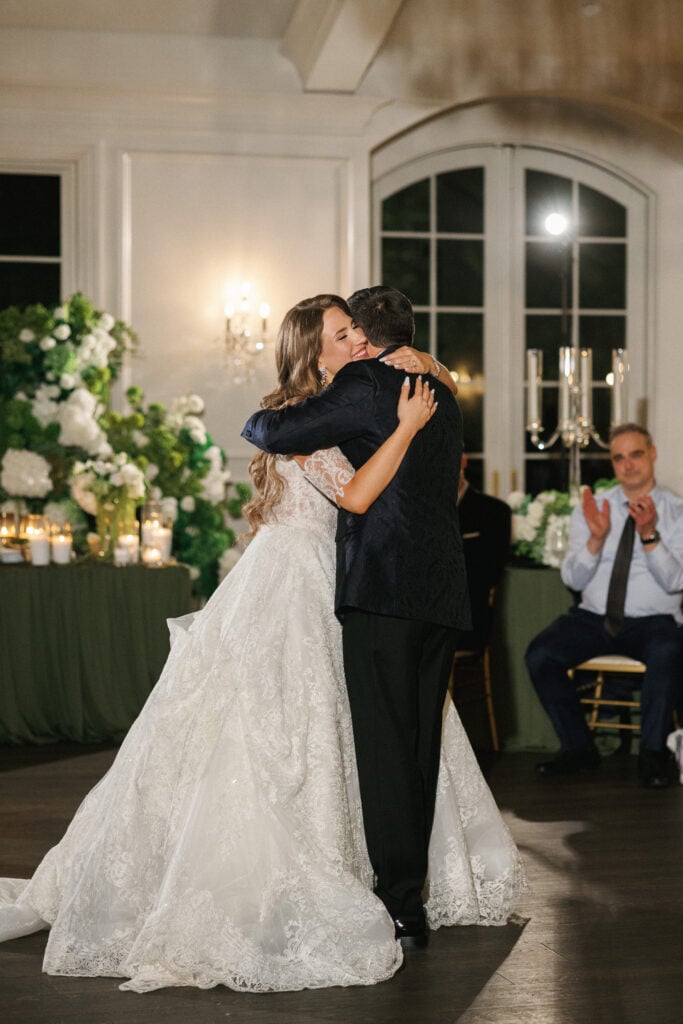
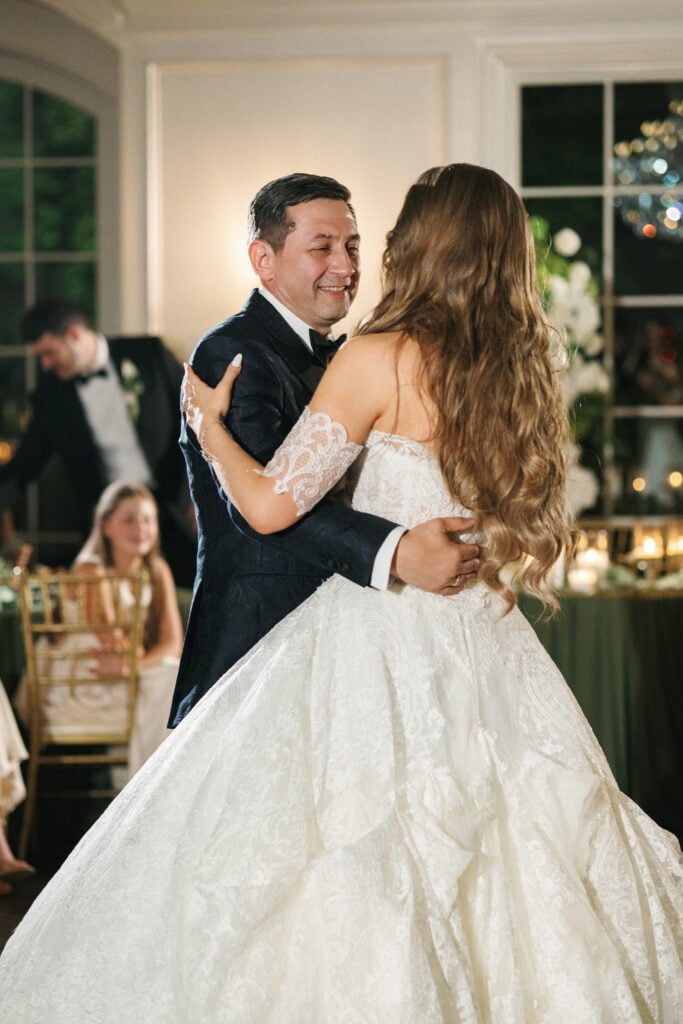
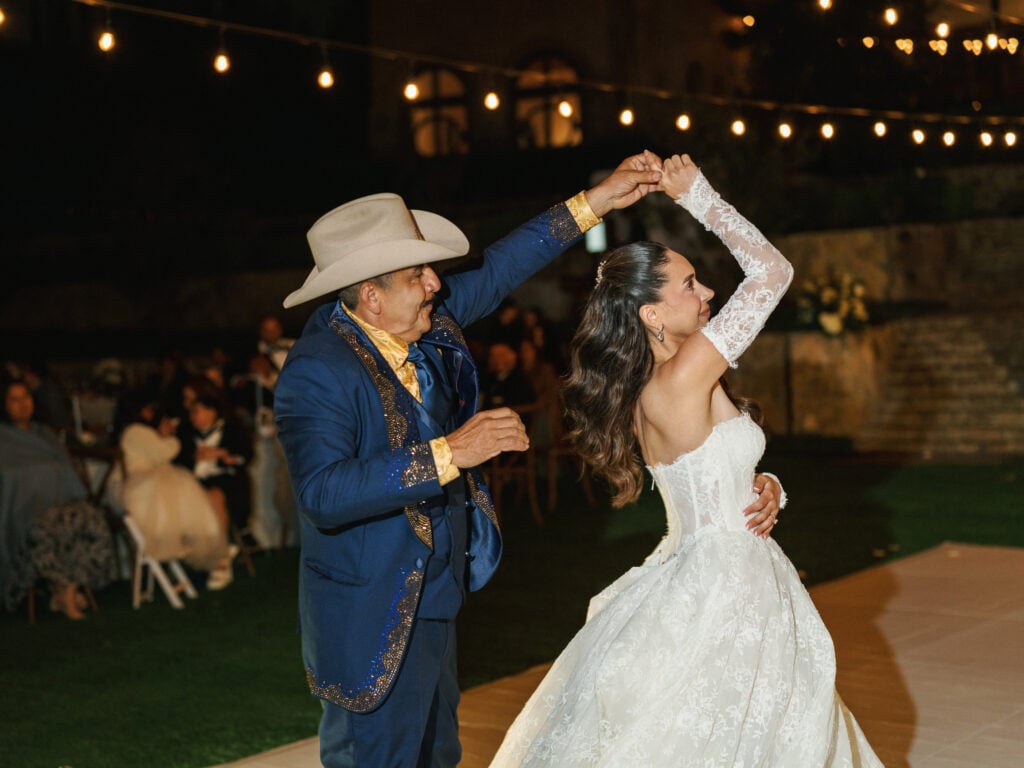
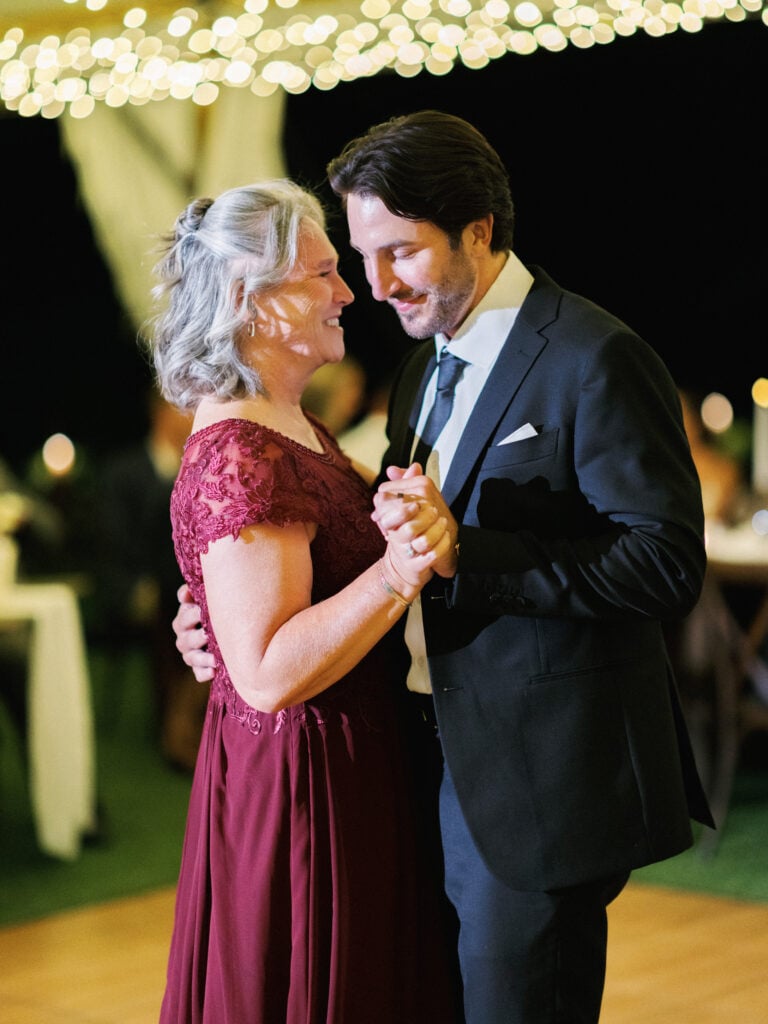
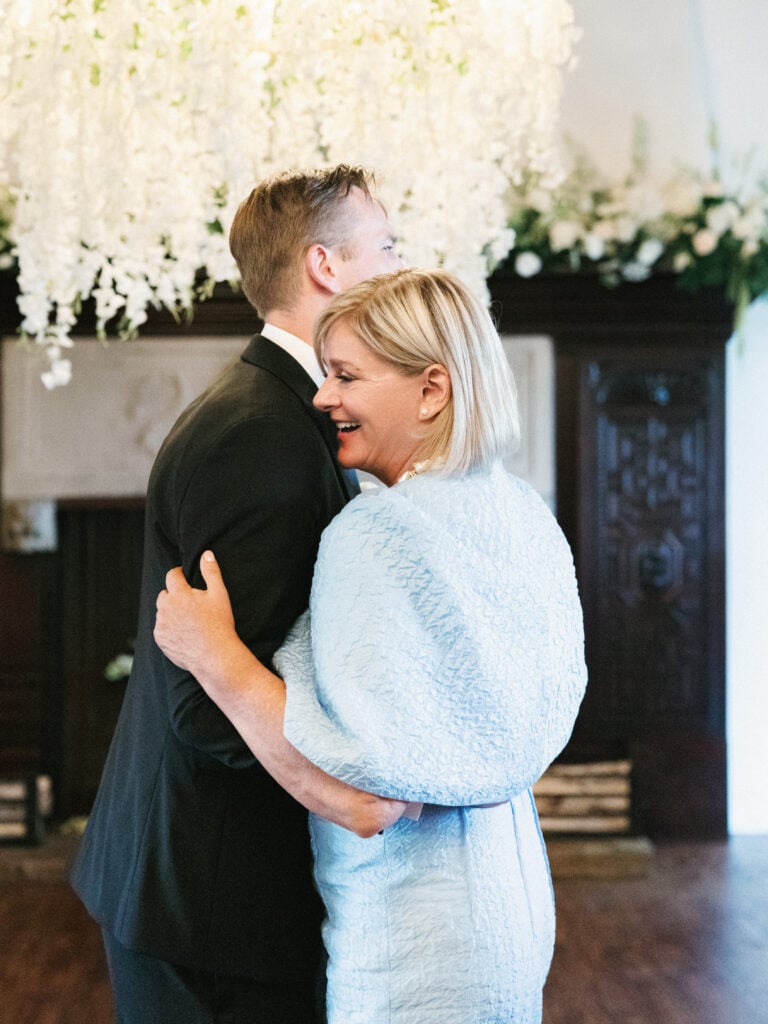
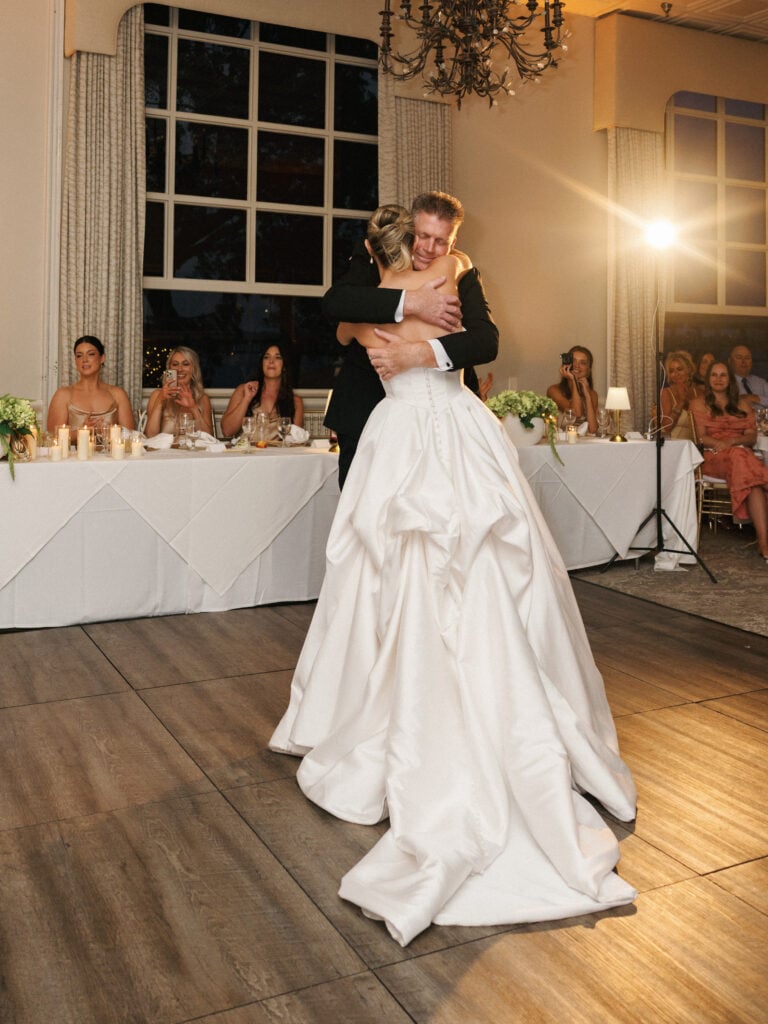
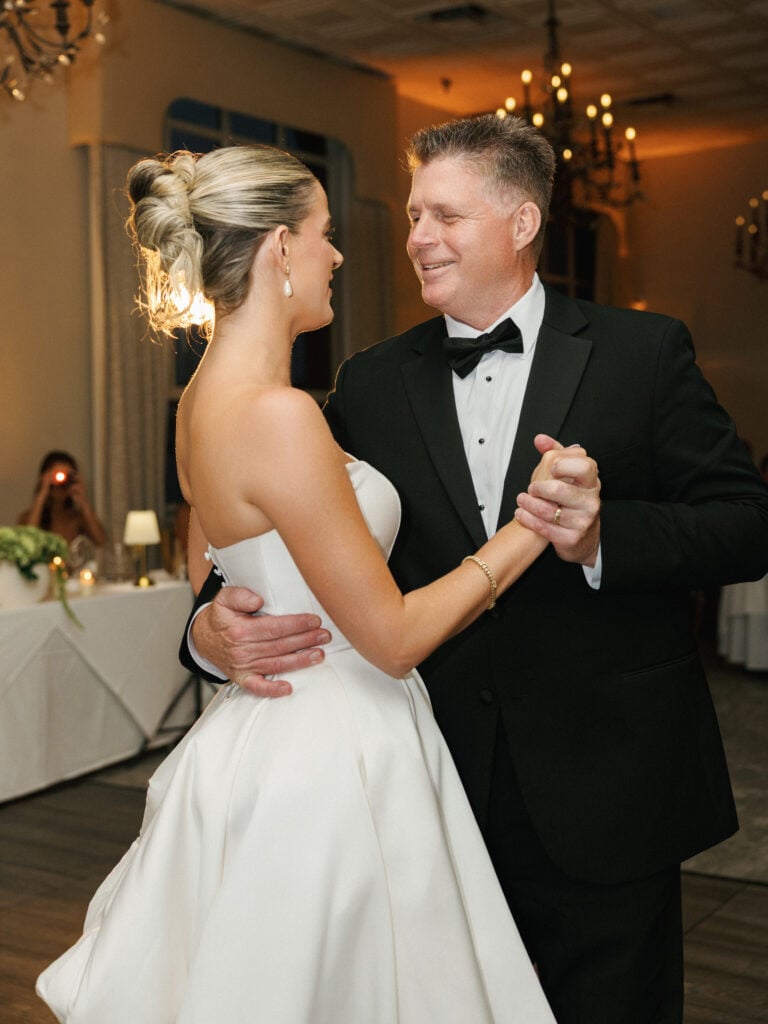
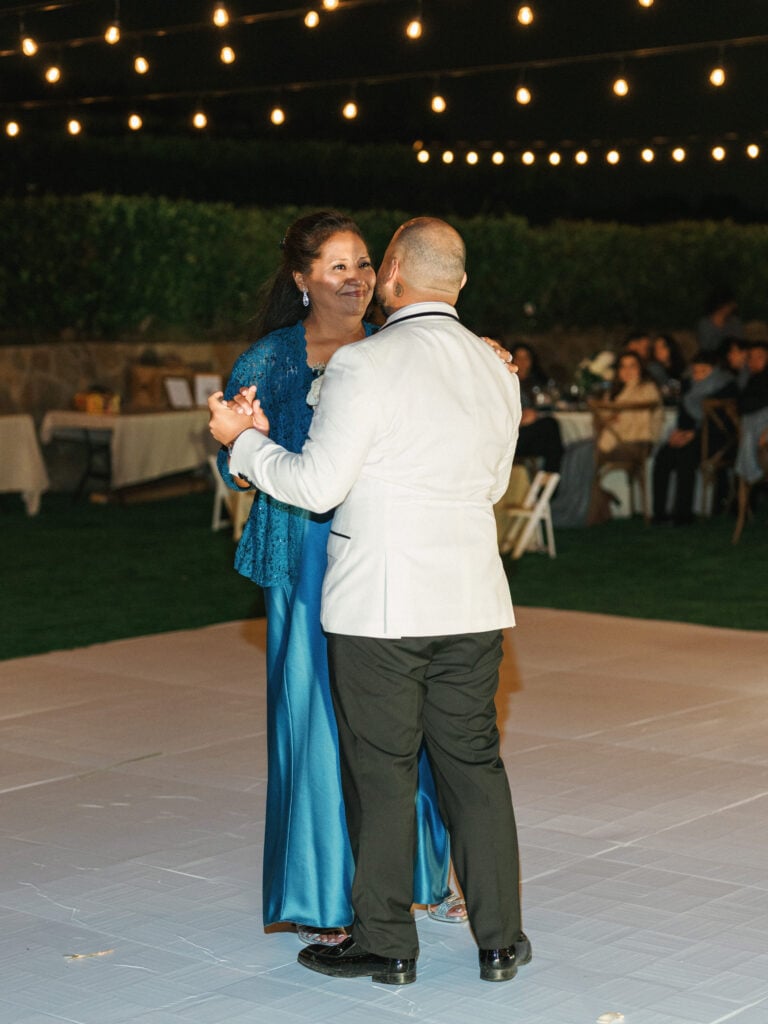
The familiar format includes a father-daughter dance and a mother-son dance, each set to a song and announced by the DJ. Often placed after the couple’s first dance, these moments give newlyweds and their parents an opportunity to recognize their relationship in front of family and friends. Many couples keep this format, especially when everyone involved looks forward to it.
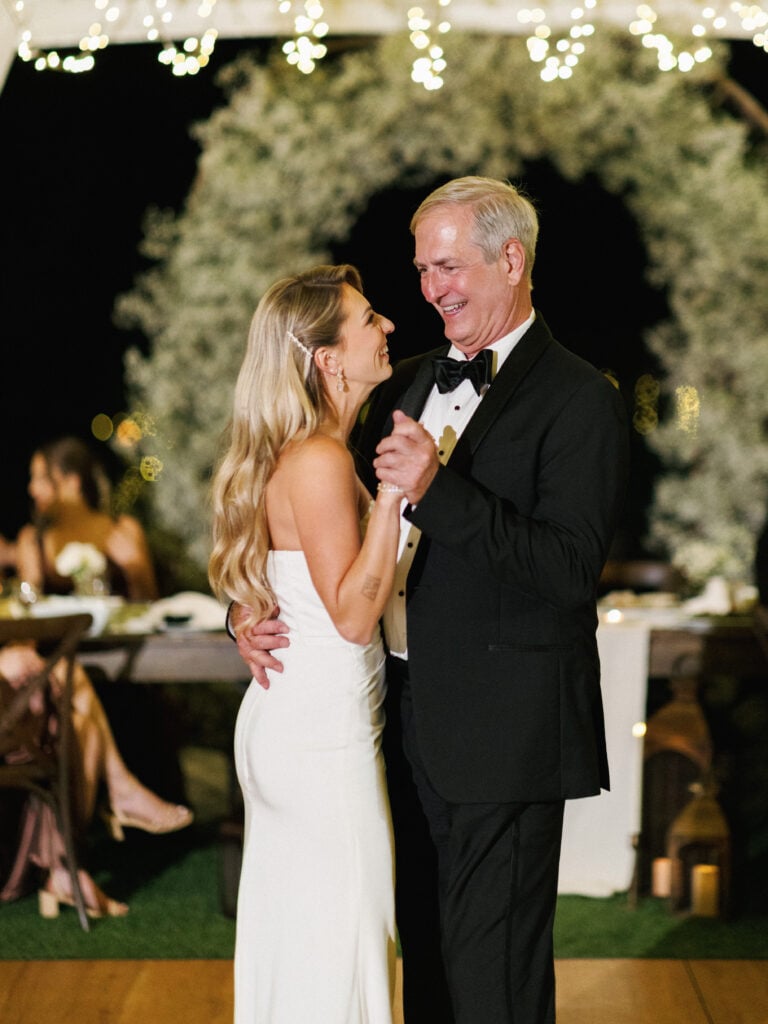
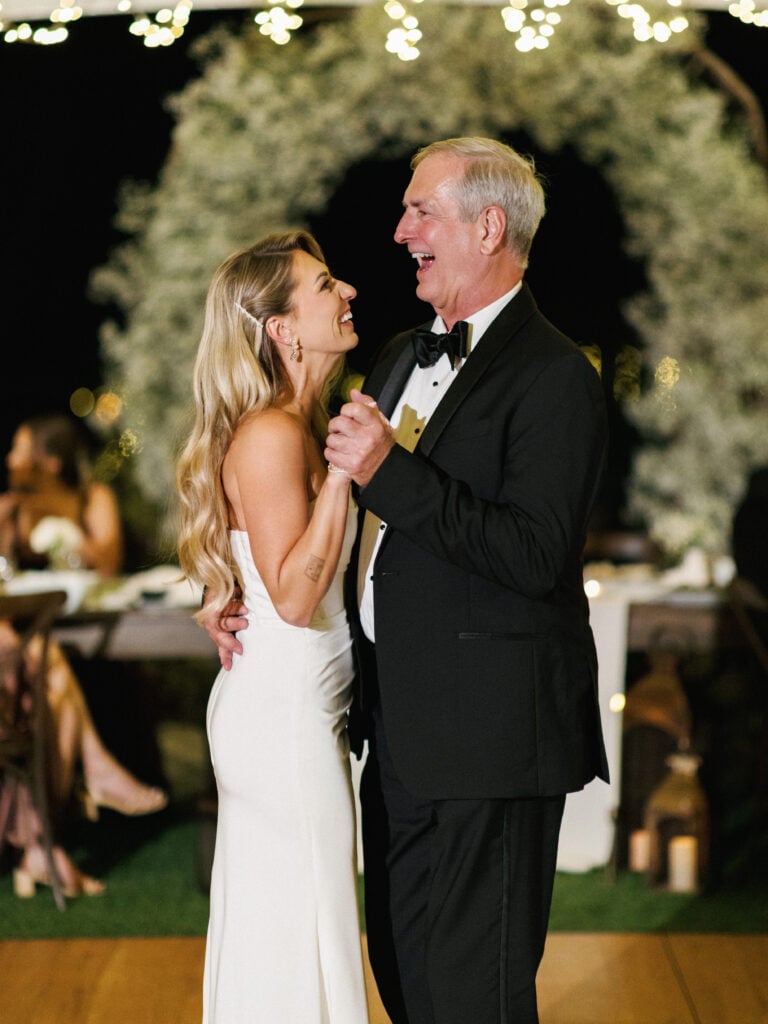
The tradition also leaves plenty of room for personal choices. Both partners can dance with their parents during the same song, trading partners partway through. A parent and stepparent can share one dance, or each can have a separate moment. A grandparent, aunt, sibling, or mentor can take part in place of a parent. Some couples choose a toast or a song played during dinner, while others leave parent dances out of the reception altogether.
The starting point is a conversation about which relationships the couple would like to recognize and what the people involved would enjoy. Traditional roles do not have to determine who participates, and the format does not need to be identical for both partners.
The People Invited and the Private Conversation
An invitation can go to a parent, stepparent, grandparent, or another person who has played an important role in the couple’s life. More than one dance can also fit into the evening. A couple might dance with a parent and then a stepparent, or invite both to join them for one song. Each arrangement is easier to plan when the people involved hear about it directly, before their names appear on the reception schedule.
A phone call or conversation in person gives each person an opportunity to accept, suggest a different song, or discuss another format. It also avoids an unexpected announcement that might put someone in an uncomfortable position.
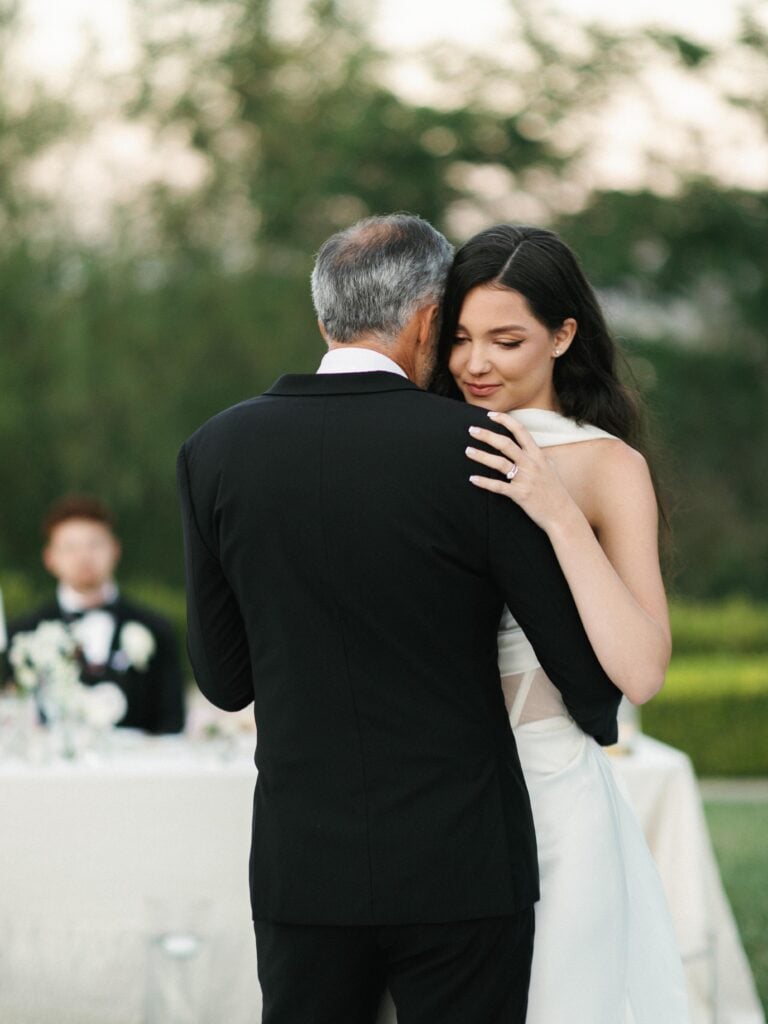
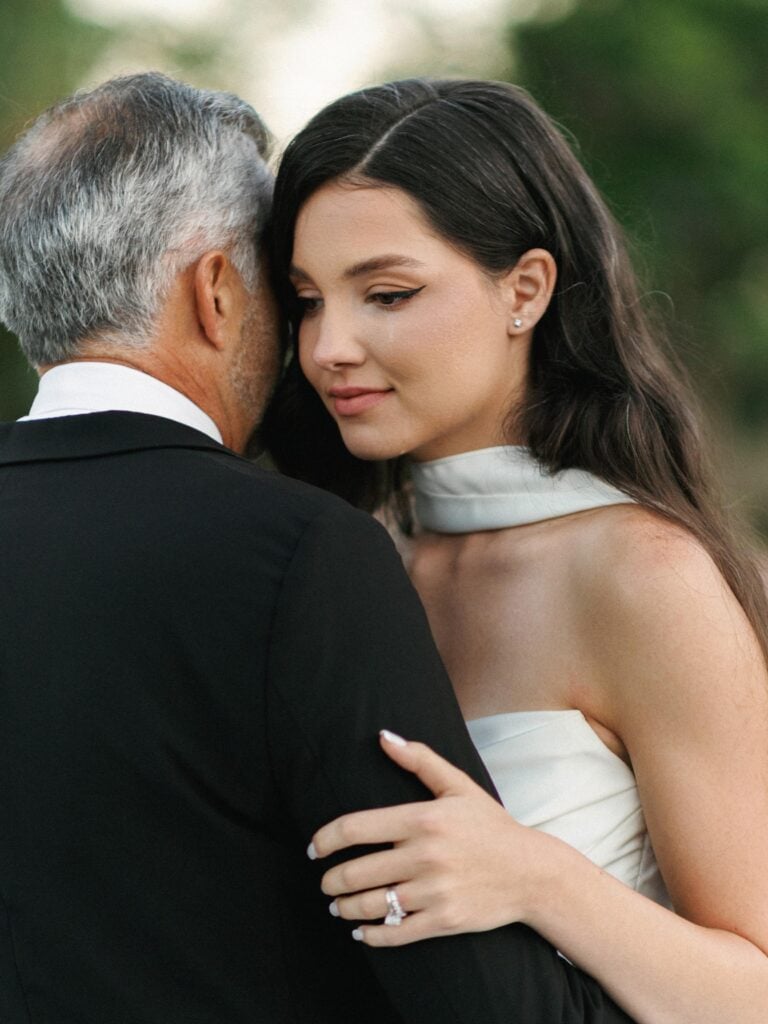
Family circumstances vary. A parent who has passed away can be remembered through a song played during dinner, a toast, a photograph at the family table, or a dance with another loved one. A relationship that is distant or complicated can simply remain outside the reception program. The couple does not owe guests an explanation for the absence of a particular dance, and they can choose another person or no formal moment at all.
When one partner has several family members they would like to include, while the other prefers a single dance or none, the sequence does not need to be symmetrical. A shared dance is one possible arrangement if both partners enjoy the idea, but each person can choose a format that feels right to them.
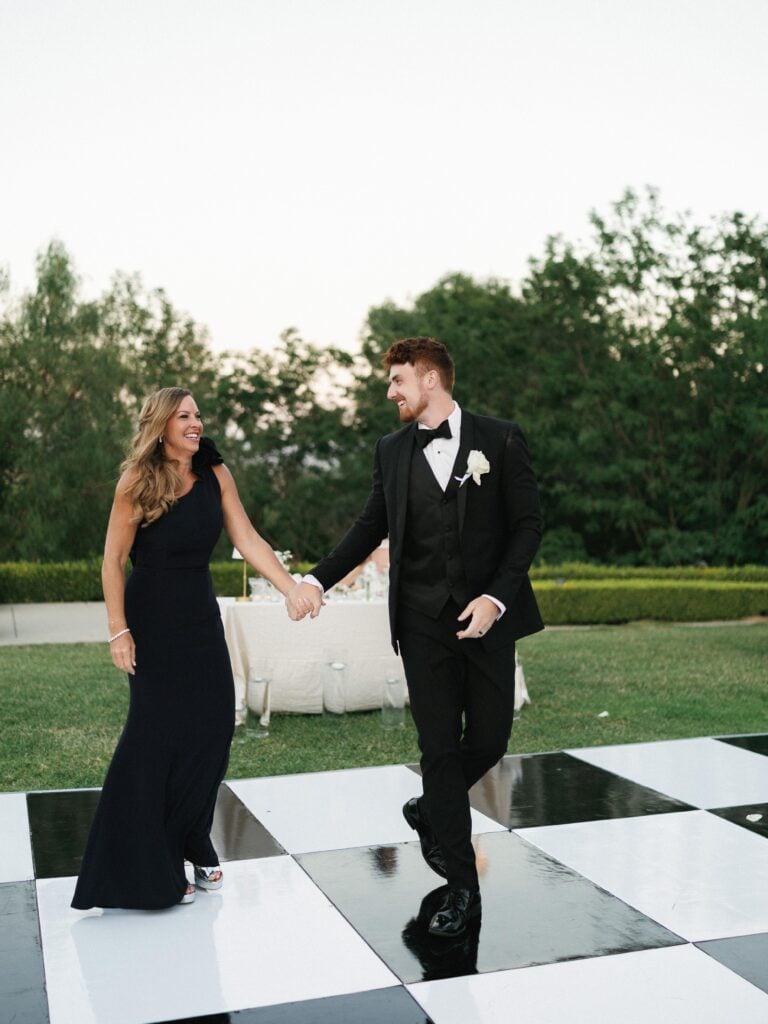
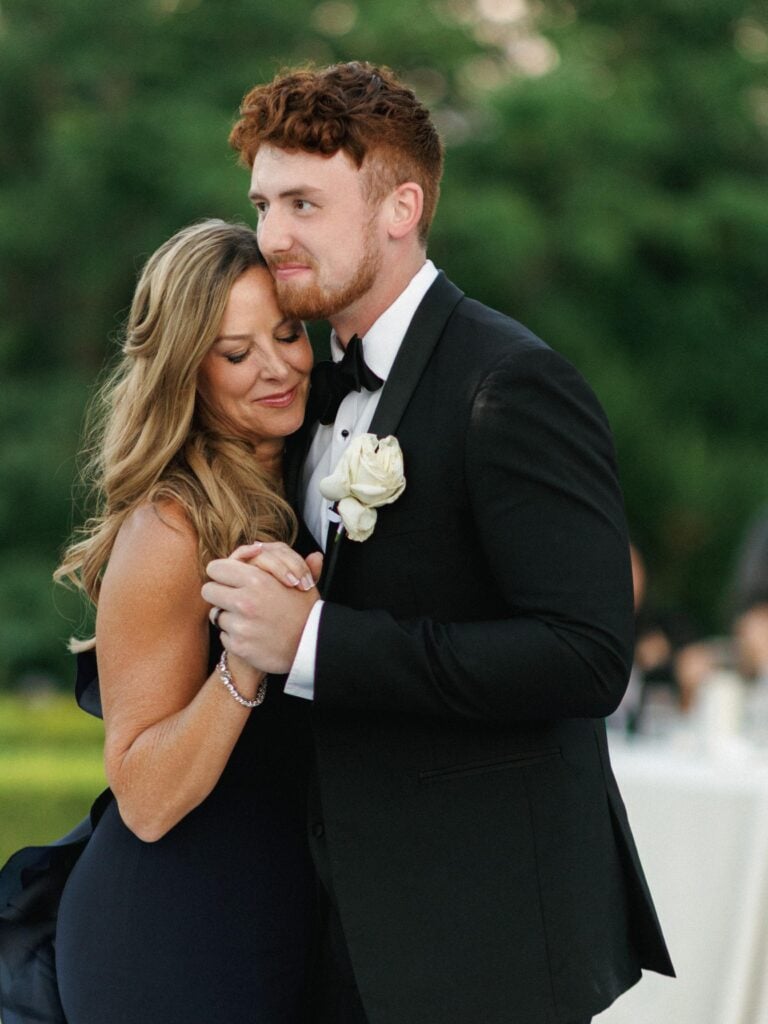
The invitation itself can include some flexibility. A participant might prefer a full song, a shorter excerpt, a seated acknowledgement, or no formal dance. These choices are easier to accommodate when the plan remains open and the conversation happens well before the wedding day.
Songs, Lyrics, and Length
The song is often most meaningful when the couple and the person they are dancing with choose it together. A parent may have a song connected to the couple’s childhood in mind, or the couple may suggest one and ask for a reaction. Checking the lyrics is a useful part of the conversation. Some songs carry a romantic meaning in a later verse, refer to separation, or express a sentiment that does not quite suit the relationship being recognized.
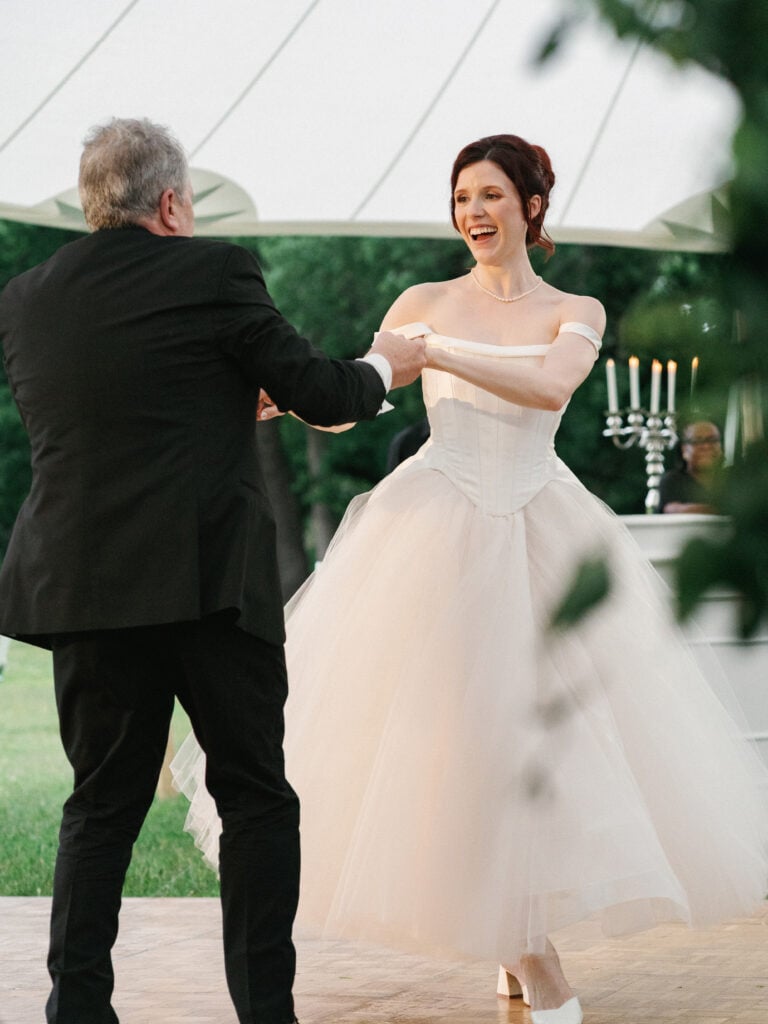
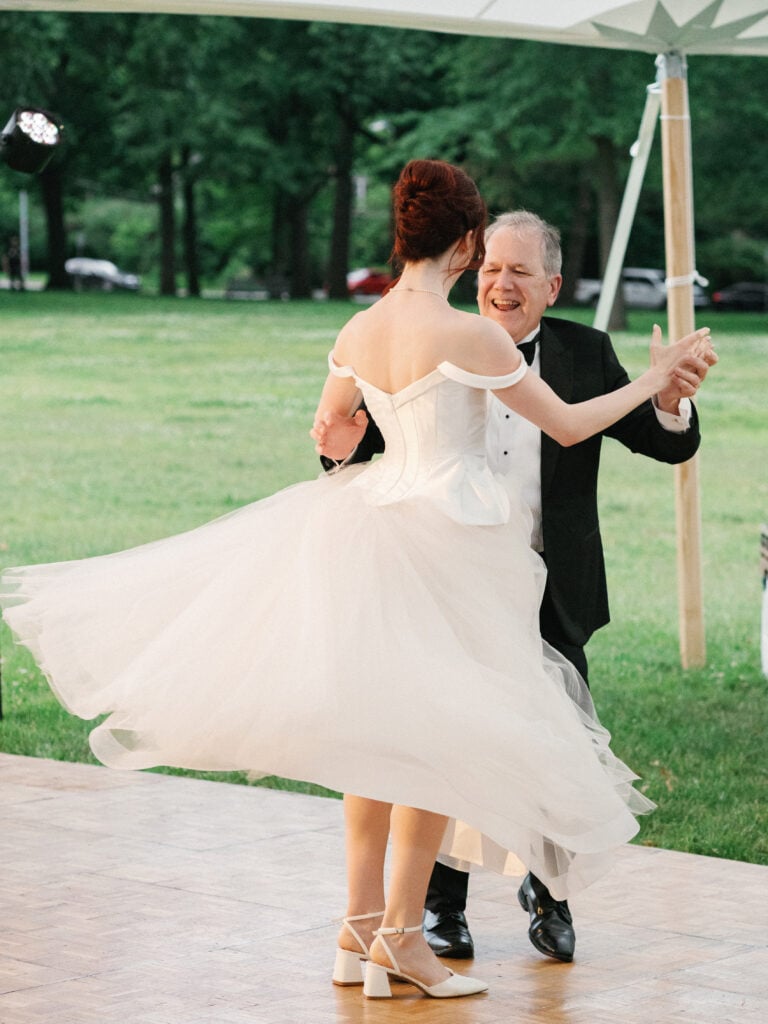
The length depends on the participants and the reception schedule. A full song often runs three to four minutes, while an excerpt of around ninety seconds to two minutes can preserve the moment without keeping guests on the dance floor for too long. The DJ can prepare a shorter edit or fade the track at an agreed point. Couples and parents who prefer the full song can keep it; there is no single duration that every family needs to follow.
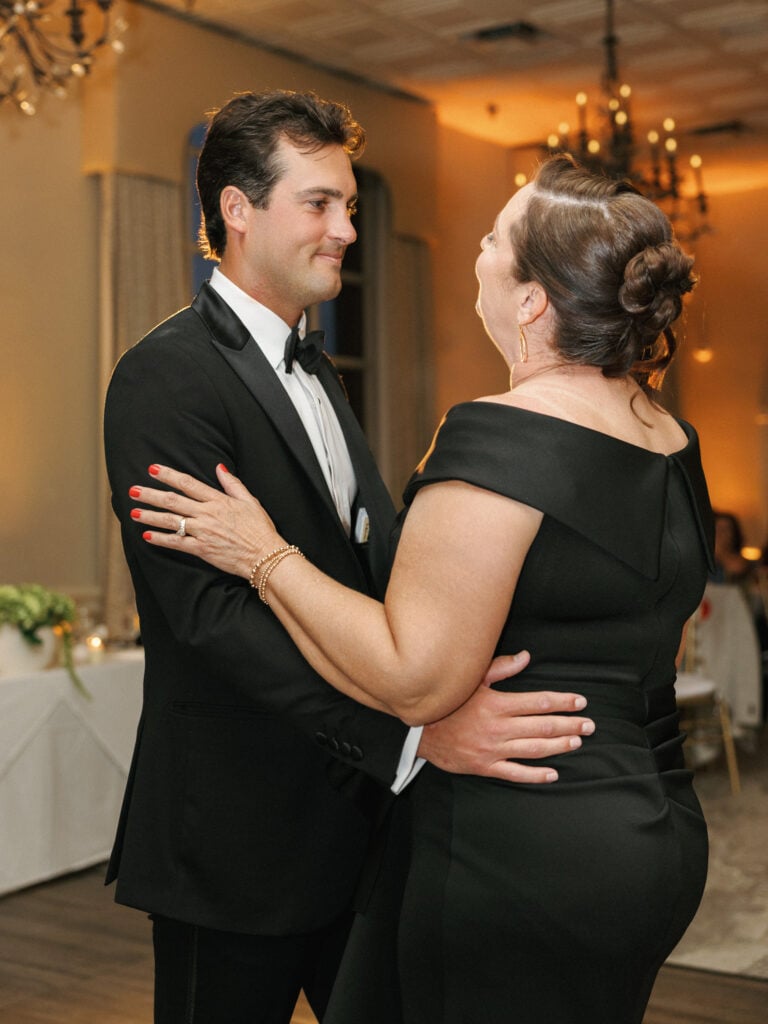
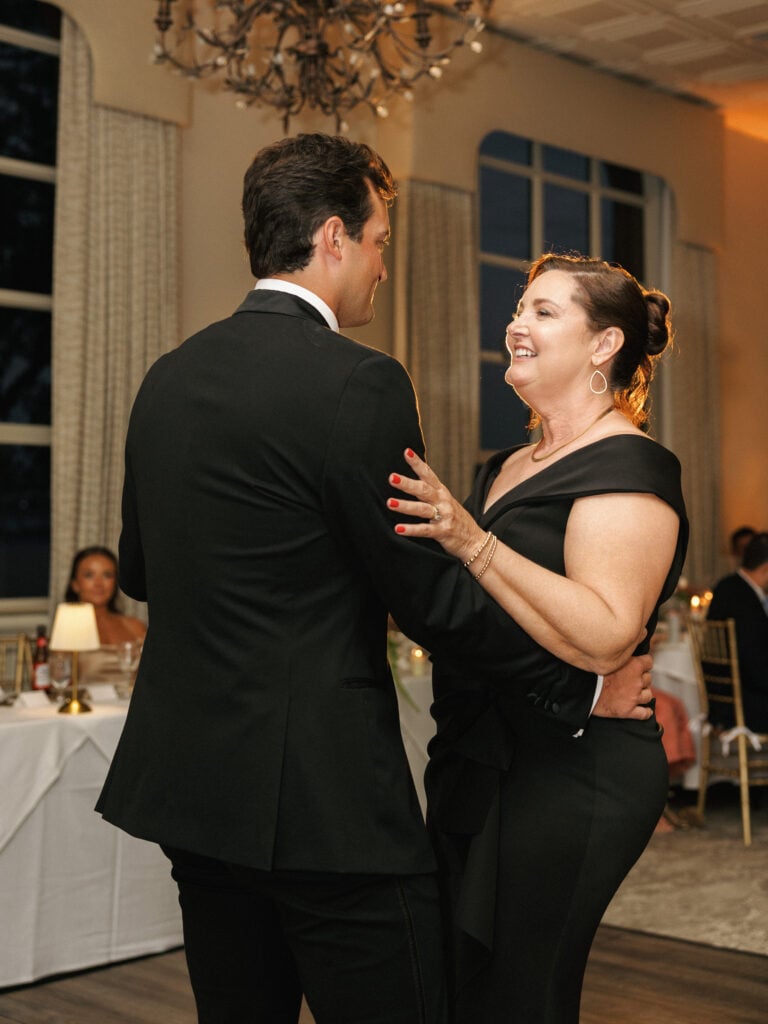
Choreography is not necessary. A slow sway, a few simple steps, or a quiet conversation on the dance floor can make the moment feel natural. The song should give both people room to enjoy the experience without feeling expected to perform.
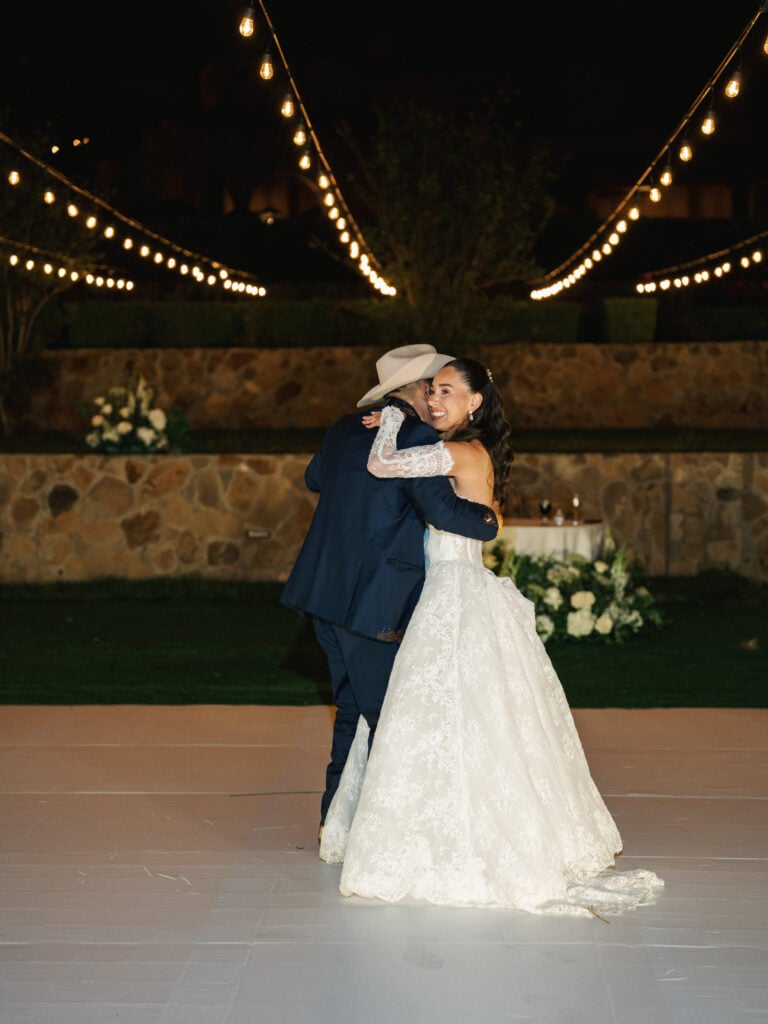
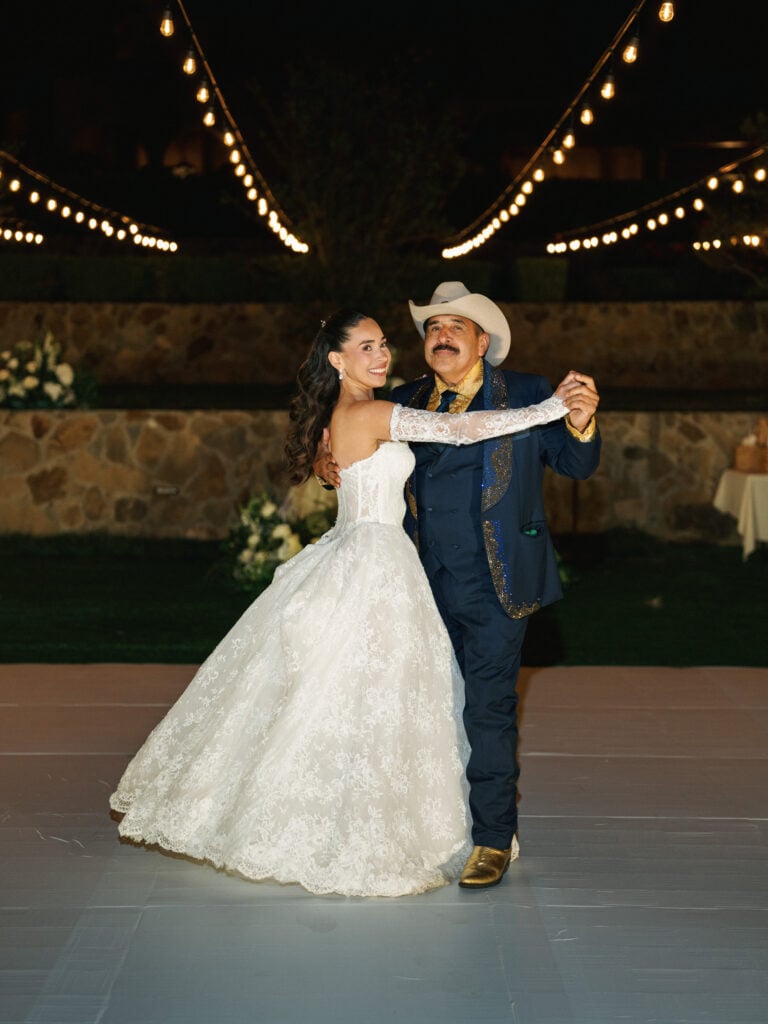
For participants with mobility needs, the format can be adapted to their comfort. Options include a seated dance with a chair brought to the floor, a standing dance with support, or a brief acknowledgement at the person’s table. The couple can ask what feels comfortable and make arrangements accordingly. Each version can be a complete tribute, without requiring a traditional dance performance.
Expert Note
A seated dance changes the photographer’s and videographer’s position in relation to the participants. Knowing about the arrangement in advance allows the team to choose an appropriate camera angle and remain at eye level, keeping the person in the photograph without making the moment feel staged.
Aster Films planning note
Where the Dances Fit Into the Reception
Parent dances placed immediately after the first dance keep the formal moments together. The floor is already clear, guests are paying attention, and the photo and film team can continue working within the same sequence. This arrangement often suits couples who prefer to complete the family dances before dinner or the open dance floor.
Another option is to schedule the dances after dinner, just before open dancing begins. Guests have finished their meal, the room is ready for the next part of the celebration, and the final parent dance can lead naturally into the evening’s dancing.
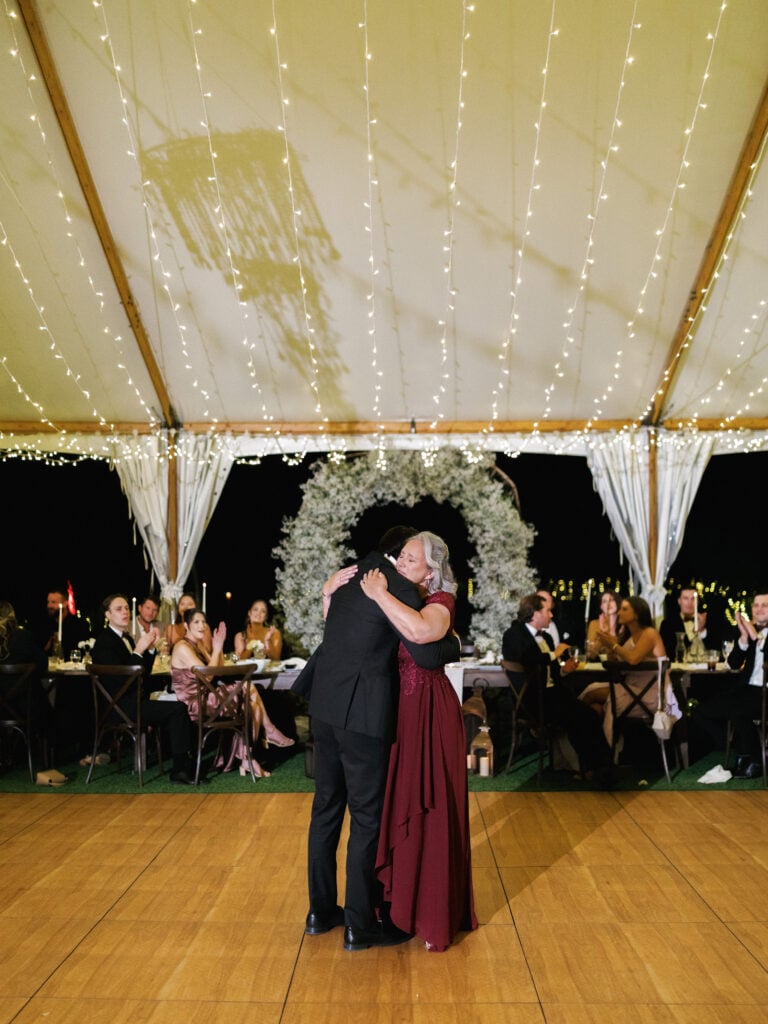
The timing also depends on meal service. A dance during dinner can draw guests away from their tables and interrupt the venue’s service rhythm. If the couple prefers an earlier moment, the planner and catering team can account for it in the schedule, taking the planned meal service into consideration.
The number and length of dances affect the overall sequence. A first dance followed by two full parent dances can create ten minutes or more of formal activity. A combined dance, with both partners changing dance partners partway through one song, can include several family members in a shorter block. Edited songs offer another way to keep the sequence comfortable.
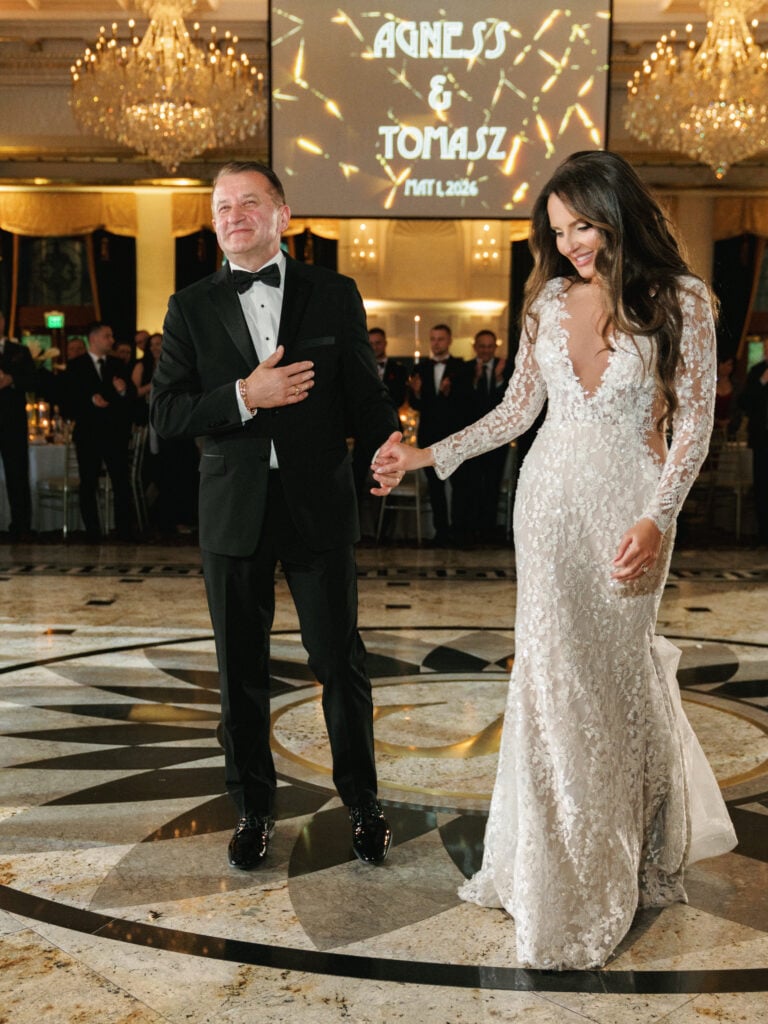
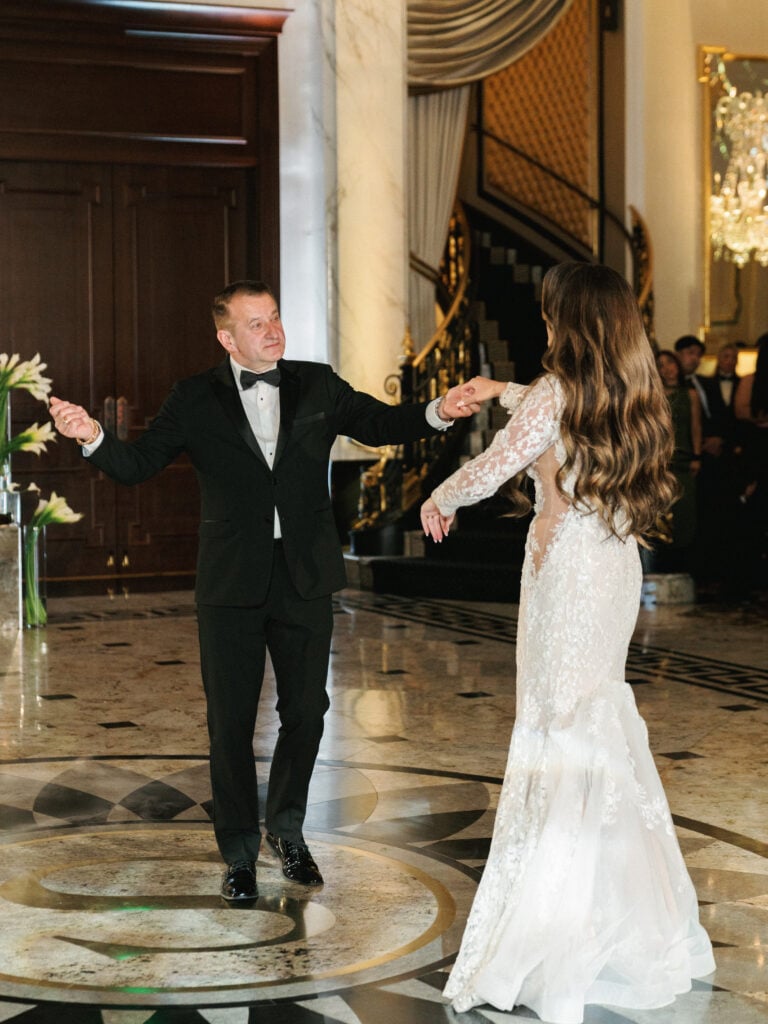
Keeping the dances together also helps distinguish them from the open dance floor. A brief announcement, a clear beginning, and an agreed transition let guests know when the formal moments have ended and when they are welcome to join. The first dance, parent dances, and any related toast can form one continuous part of the reception program.
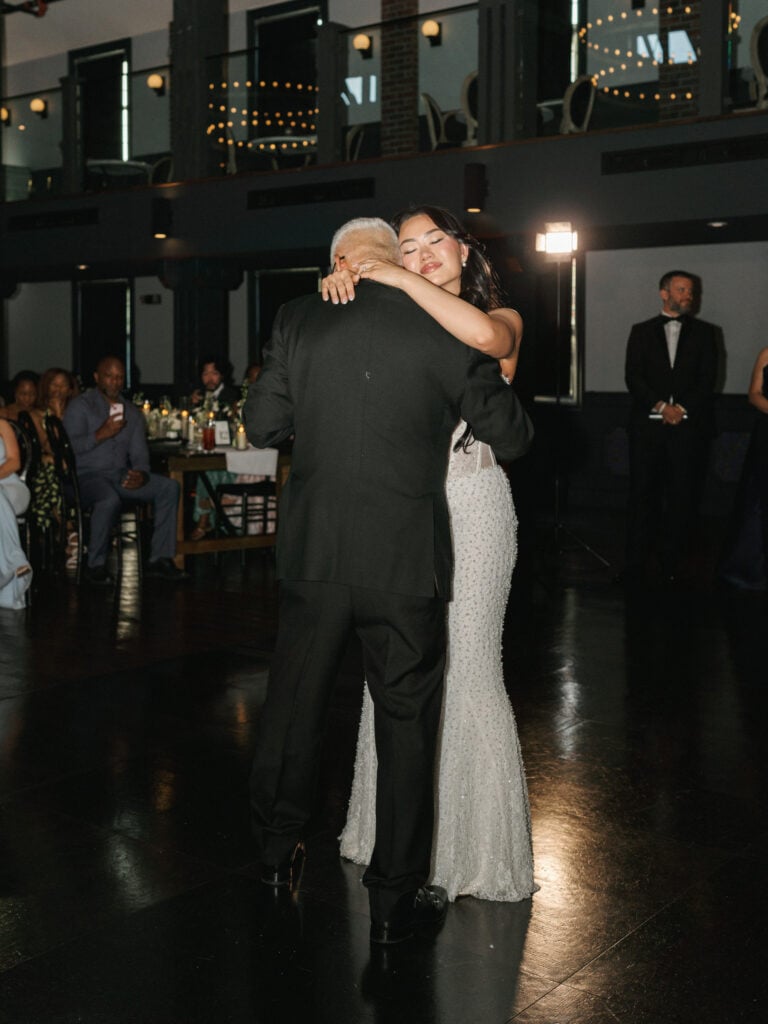
Expert Note
When parent dances follow the first dance, the photo and film team can prepare for the full sequence in advance, including the lighting and camera positions. If the dances take place later, the team may need to check the lighting and floor setup again. Sharing the planned order helps the coverage remain consistent throughout the evening.
Aster Films planning note
The Handoff to the Wedding Team
A short planning note gives the DJ, planner, and photo and film team the information they need to prepare. It can include the participants’ names and pronunciations, who dances with whom, the order of the dances, song titles and edits, and the transition that follows.
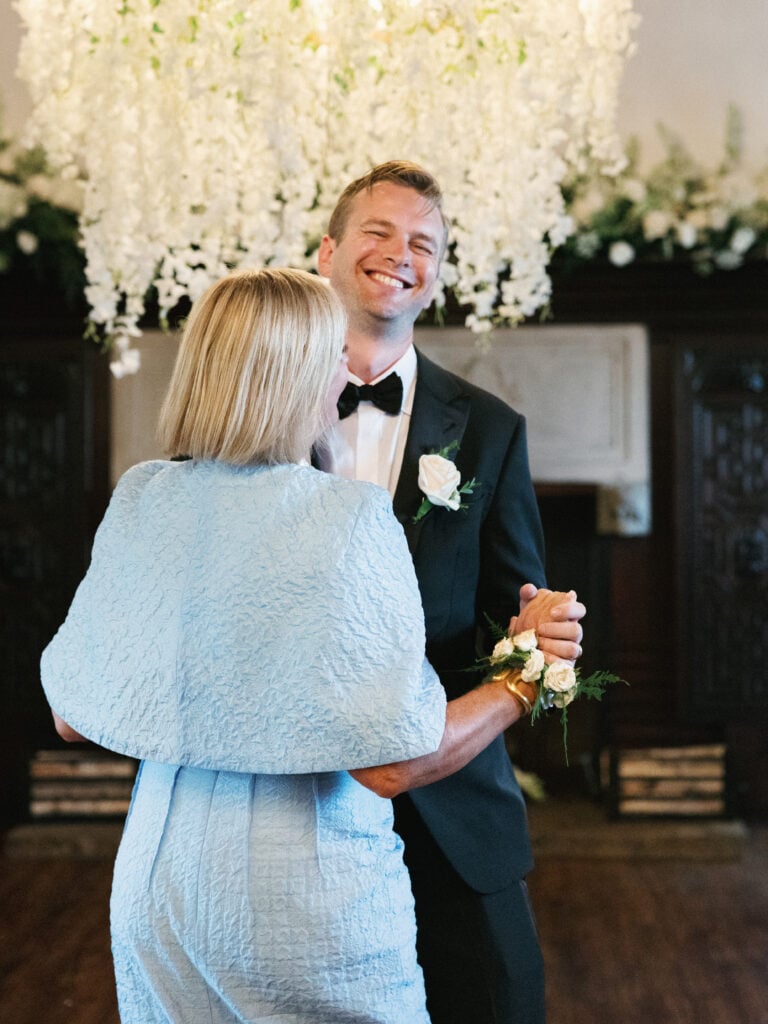
The note can also explain how each moment should be introduced. A participant might be announced by name and relationship to the couple, or the song might begin without an introduction. If a parent is being remembered through a photograph or a song, the couple can specify whether the DJ should mention the tribute or allow it to remain private. Personal family circumstances should not be announced without the couple’s consent.
The planner can help participants reach the dance floor at the right time, while the DJ manages the announcement, music, and agreed transition. The photo and film team should also know whether the participants are comfortable being photographed and filmed. If someone prefers to remain outside the coverage, that preference can be communicated in advance.
Plans can still change on the wedding day. A participant may prefer a shorter song, decide not to dance, or choose a seated acknowledgement instead. The couple can agree on a discreet signal with the planner or DJ so the moment can be adjusted without a public explanation. The rest of the reception schedule can then continue as planned.
Frequently asked questions
Can another family member join partway through the song?
Yes. A stepparent, sibling, grandparent, or another relative can join at a point agreed on in advance. The DJ or planner can coordinate the transition, and the invited family member should know about the arrangement before the wedding day. The photo and film team can then anticipate the change in participants.
What if one partner wants a parent dance and the other does not?
The reception program does not have to include matching moments for both partners. One person can have a parent dance while the other chooses a toast, a different tribute, or no formal moment. The important part is agreeing on an arrangement that feels comfortable to both people.
Can a parent choose the song as a surprise?
Yes, provided the couple is comfortable with the idea. A parent can send the song to the couple or DJ ahead of time, allowing the couple to check the lyrics and agree on the length. The DJ should have the track ready before the reception, even if the song itself remains a surprise until the dance.
Can we keep the tribute private or leave it unannounced?
Yes. The DJ can start the song without an announcement, or the couple can choose a quieter moment during dinner or cocktail hour. They can also ask the photo and film team to leave the moment undocumented. The level of privacy should be agreed on in advance with everyone involved.
How long should a parent dance last?
A full song often runs three to four minutes, while an excerpt of around ninety seconds to two minutes can feel complete. The participants’ preferences and the reception schedule are the best guides. The DJ can prepare an edit that ends naturally at the agreed point.
Can both partners dance with their parents during the same song?
Yes. Both partners can begin dancing with their chosen family members and then trade partners or invite others onto the floor partway through. This arrangement brings several people into one shared moment and can keep the formal sequence shorter.
Do parent dances have to follow the traditional father-daughter and mother-son format?
No. Couples can choose participants based on their relationships and family circumstances. A stepparent, grandparent, sibling, mentor, or another important person can take part, and the couple can combine dances, change the format, or leave the tradition out of the reception.
CONTACT ASTER FILMS
Tell us about your wedding
We would be happy to talk through the planned participants, songs, timing, and any preferences around privacy, so the our photo and film team can prepare for the family moments with care and discretion.