Details That Matter to the Couple
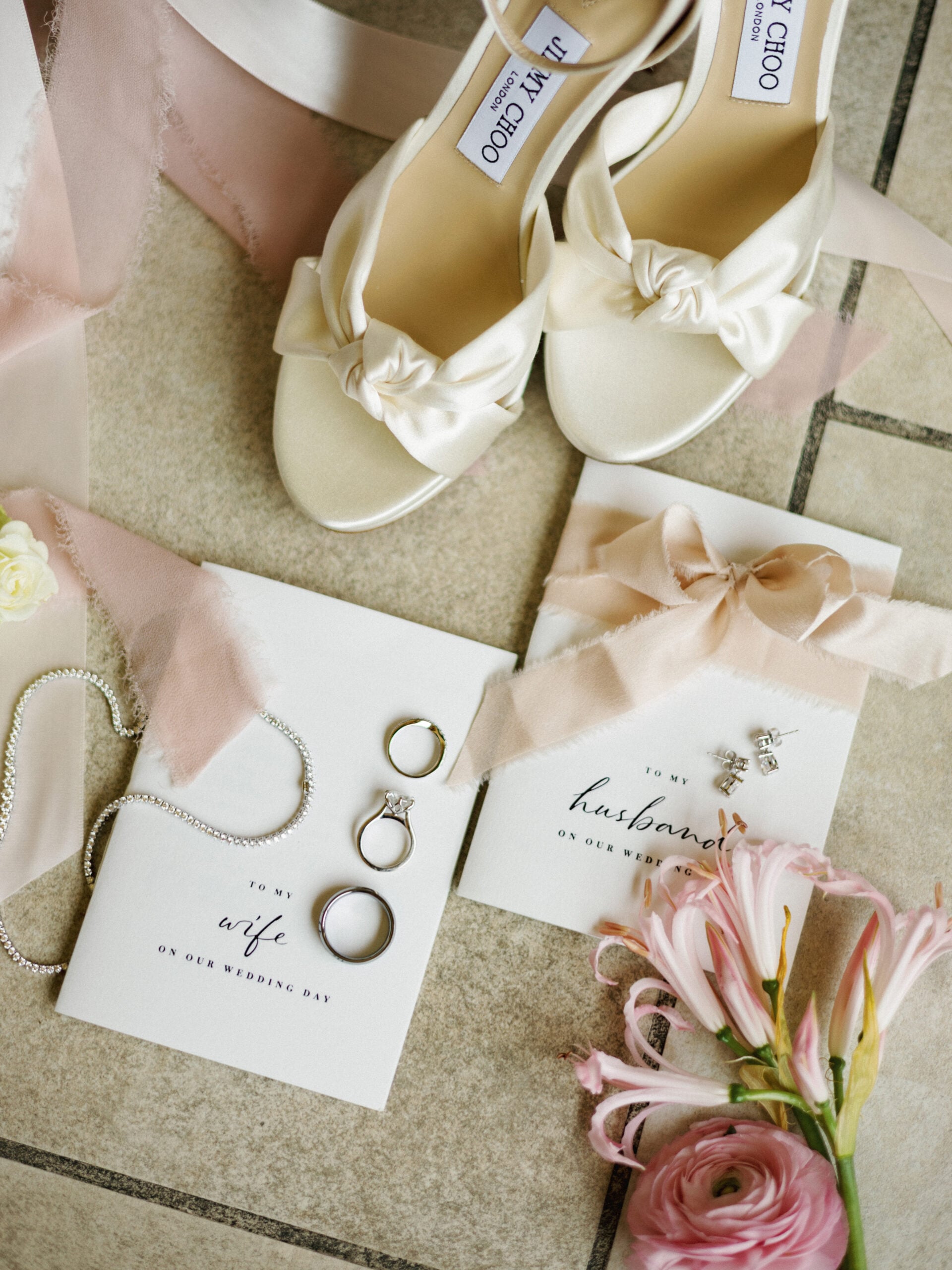
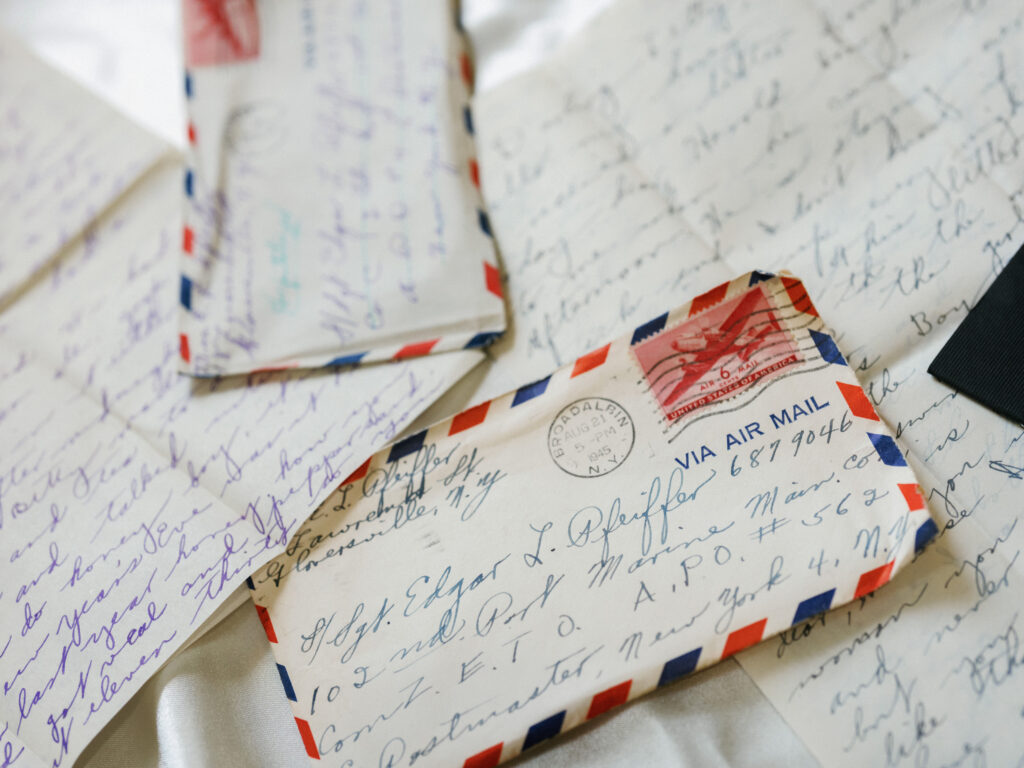
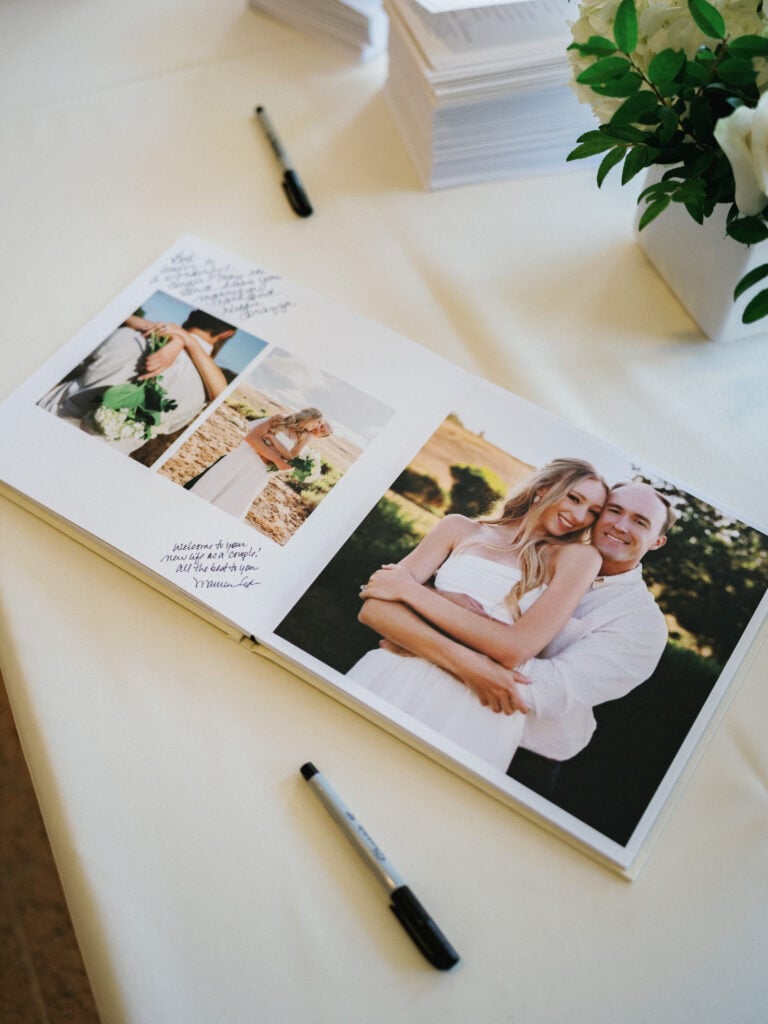
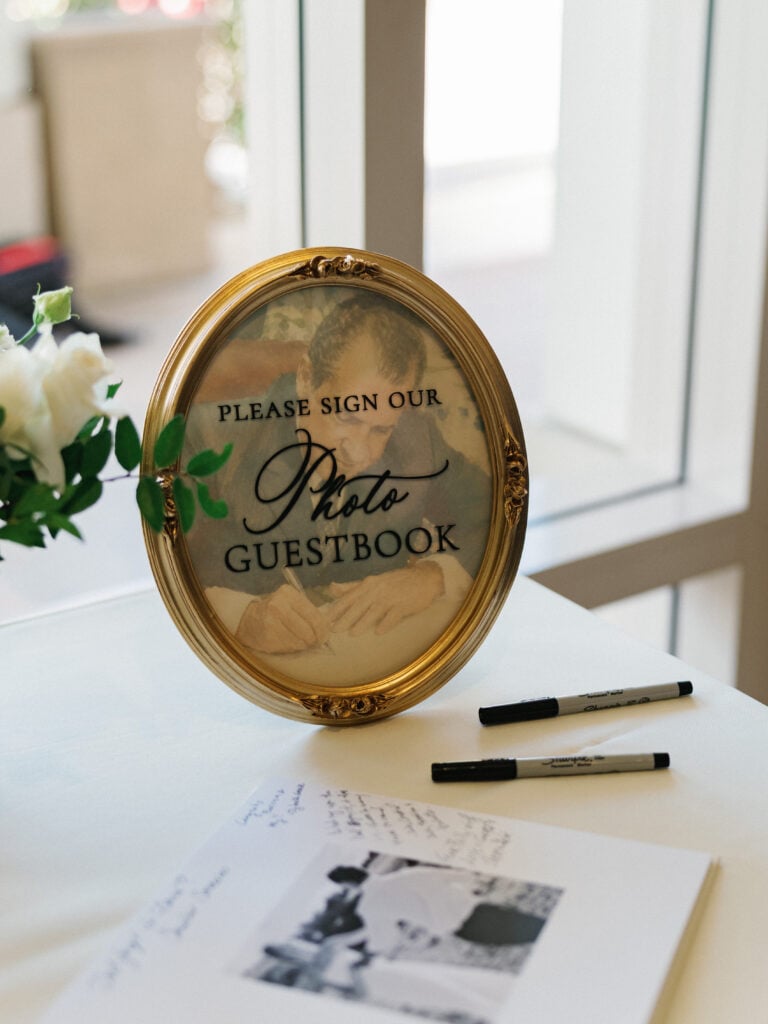
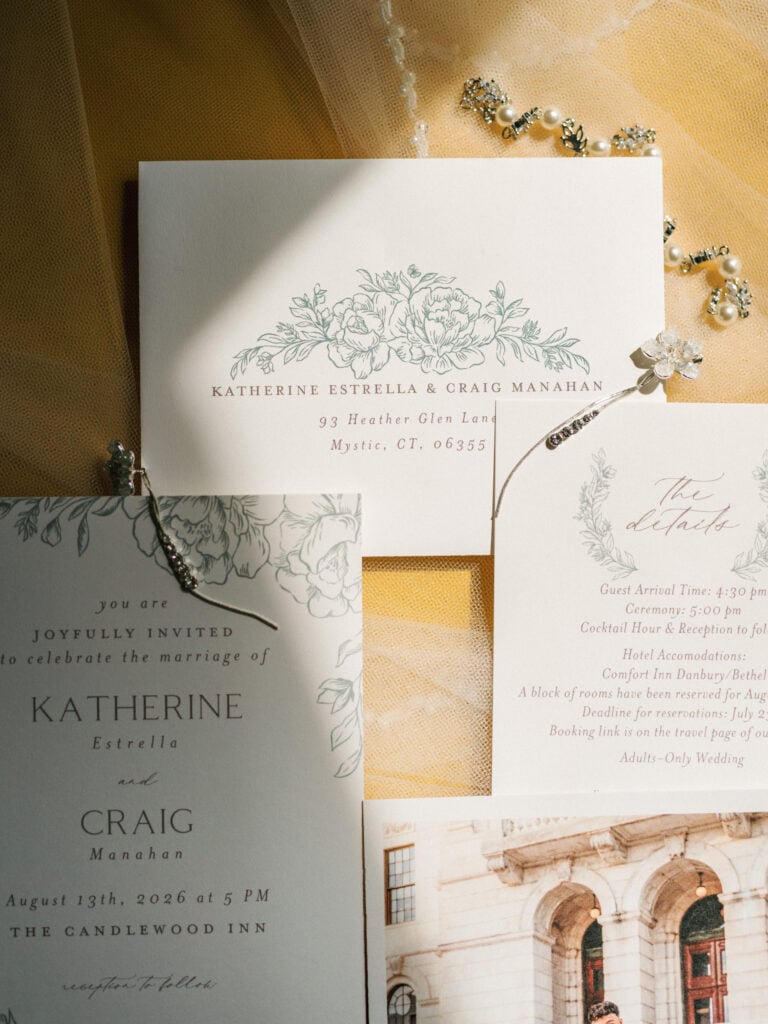
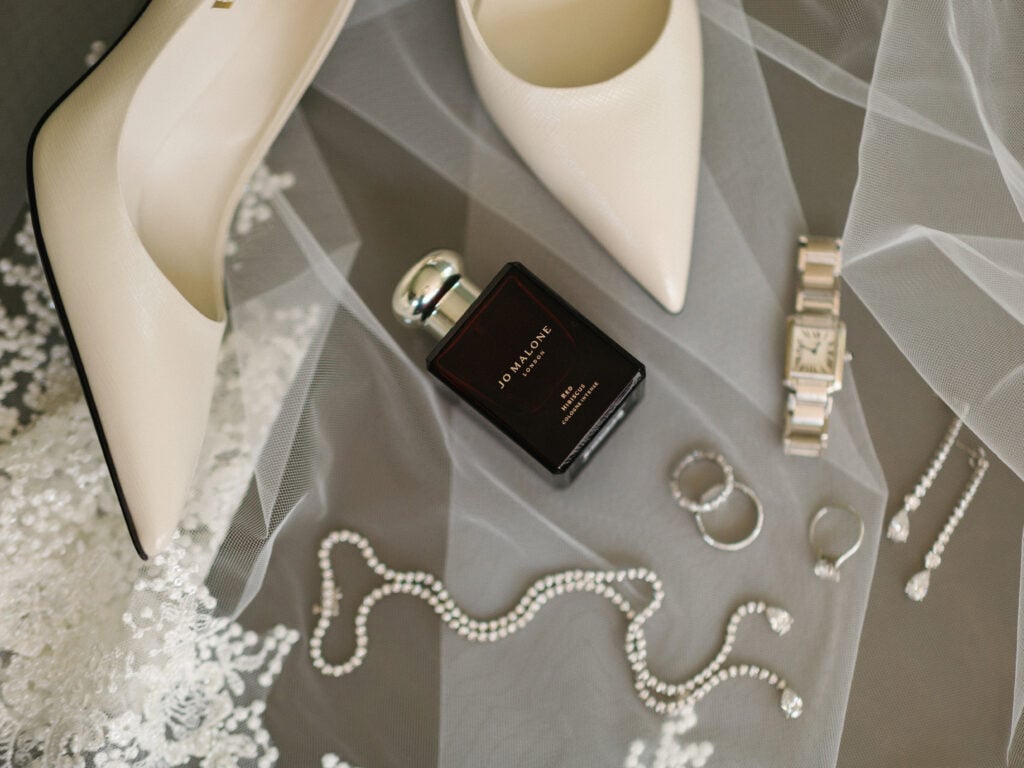
Wedding detail photos preserve the objects connected to the day: attire, jewelry, stationery, and personal belongings that carry meaning. A pair of shoes, wedding rings, an invitation, a watch, a handwritten letter, a vow book, or a bottle of perfume worn for years can all become part of this visual record. These are examples, not a compulsory checklist. A complete wedding story does not depend on photographing every accessory.
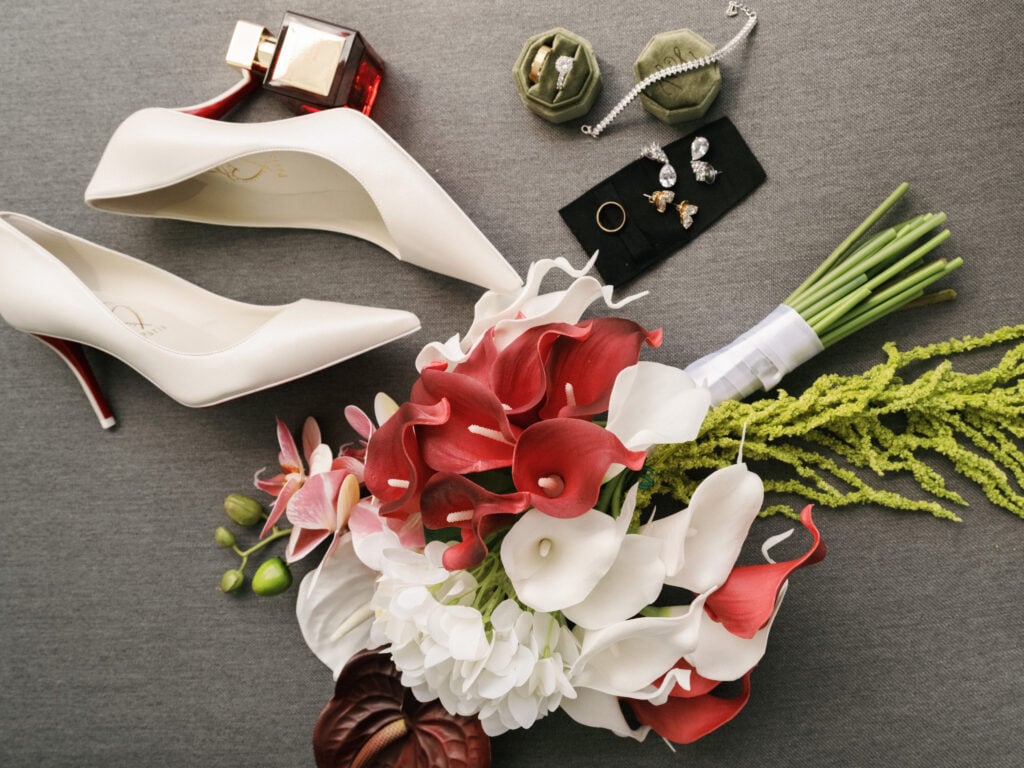
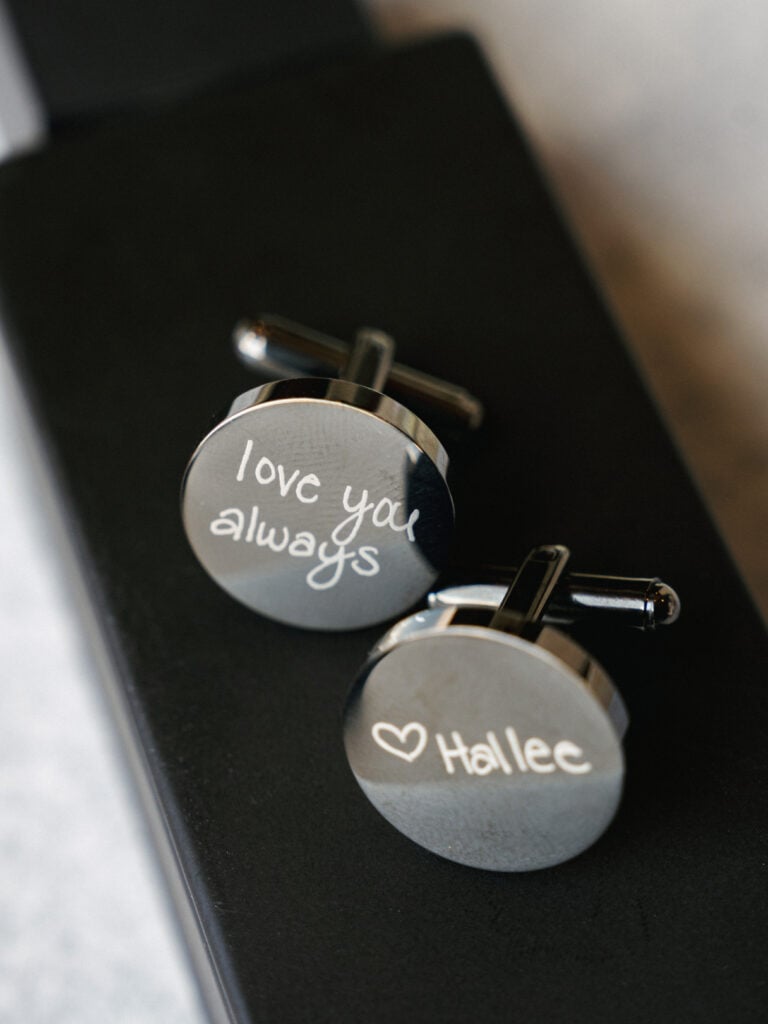
A useful starting point is to think about which objects the couple would want to see again in ten years. Two or three meaningful items can add more personal context to a gallery than a large collection assembled because everything looks good together. A grandmother’s brooch, a father’s cufflinks, a note written the night before, or a family medal each has a story worth sharing with the photographer.
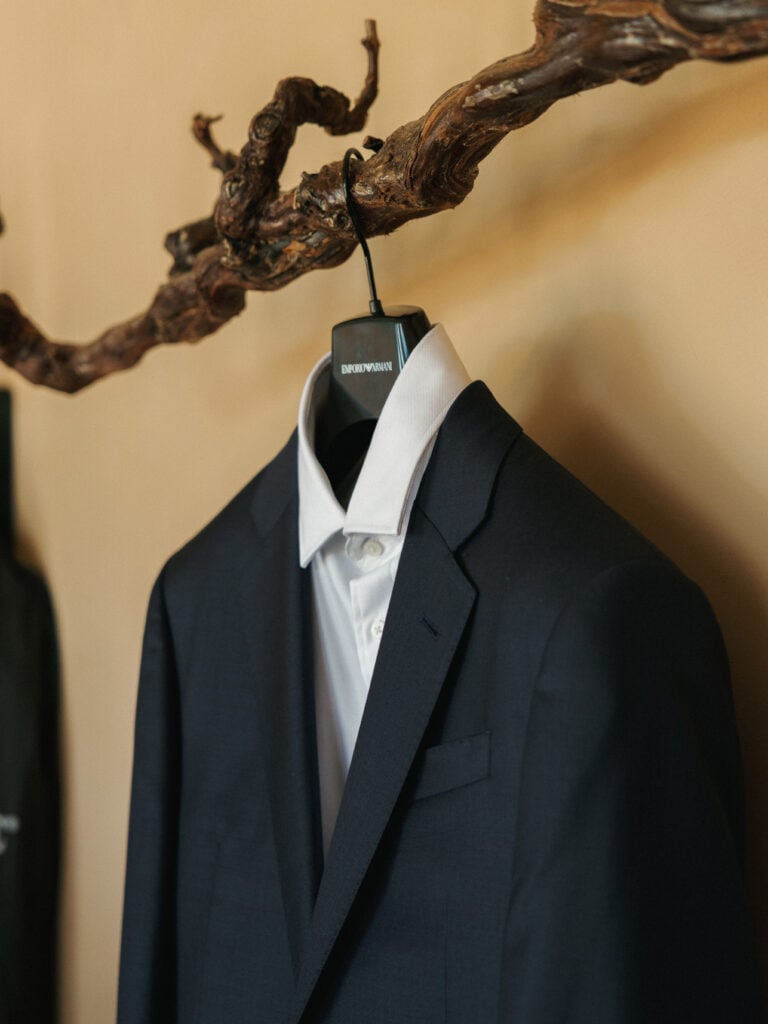
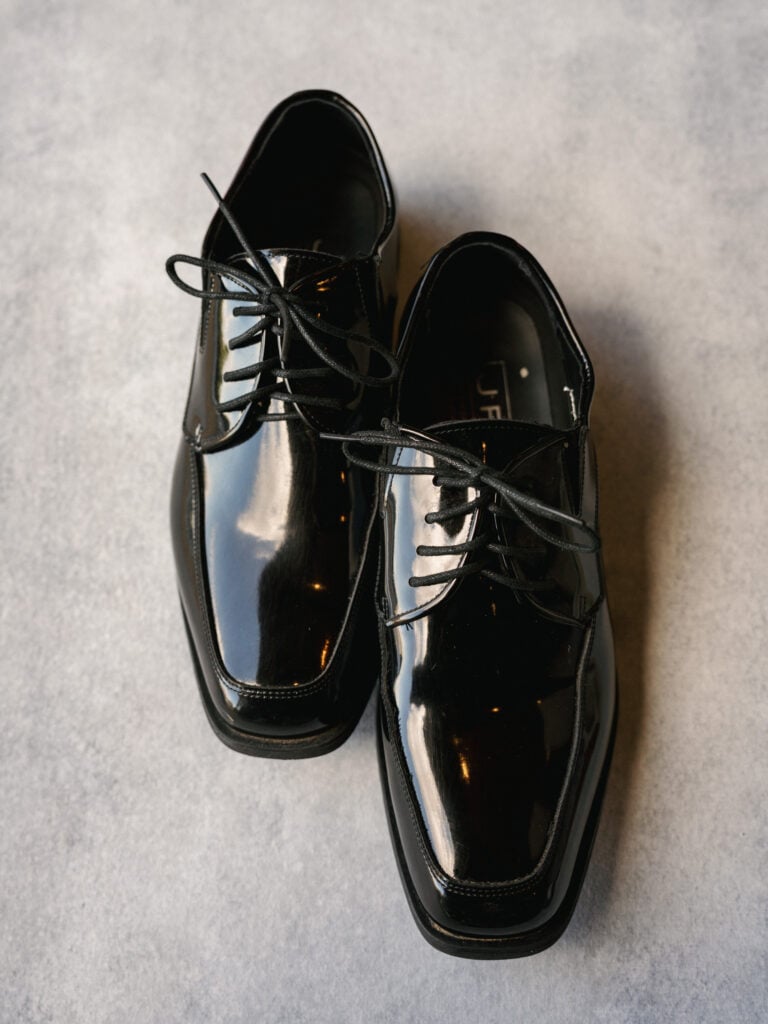
Both partners’ belongings deserve attention. Wedding detail photos are often associated with bridal accessories, although a groom’s watch, a family tie clip, a pocket square, a letter, or a pair of well-worn leather shoes can be just as significant. A brief note explaining why an object matters helps the photography and film team recognize its place in the story.
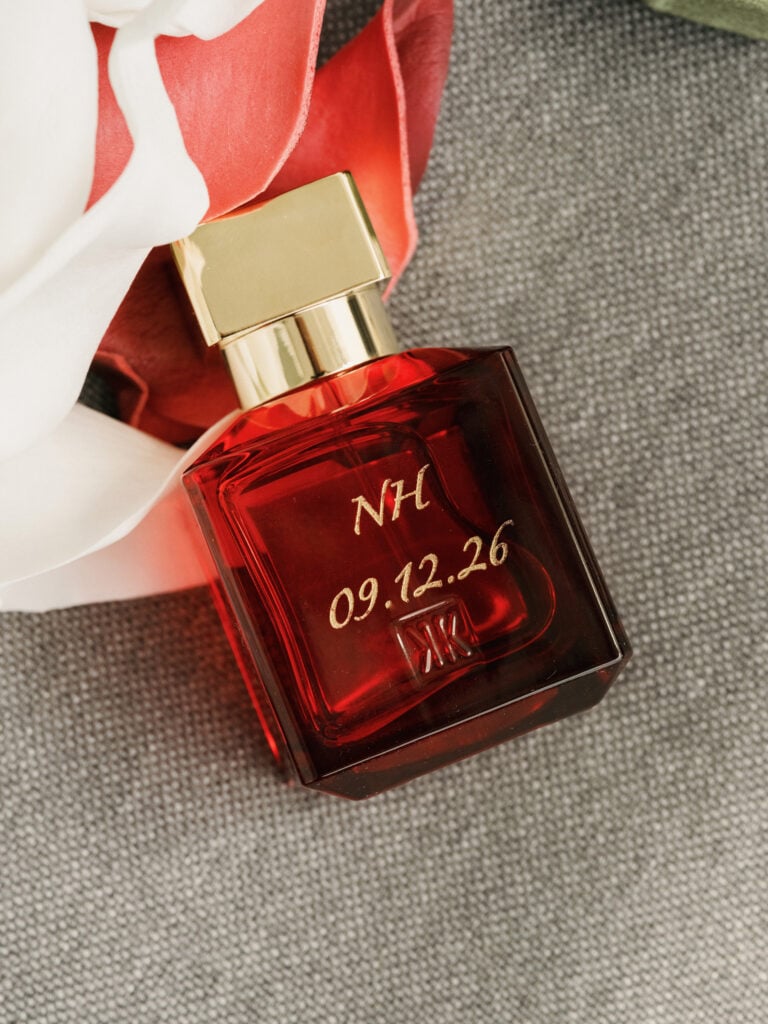
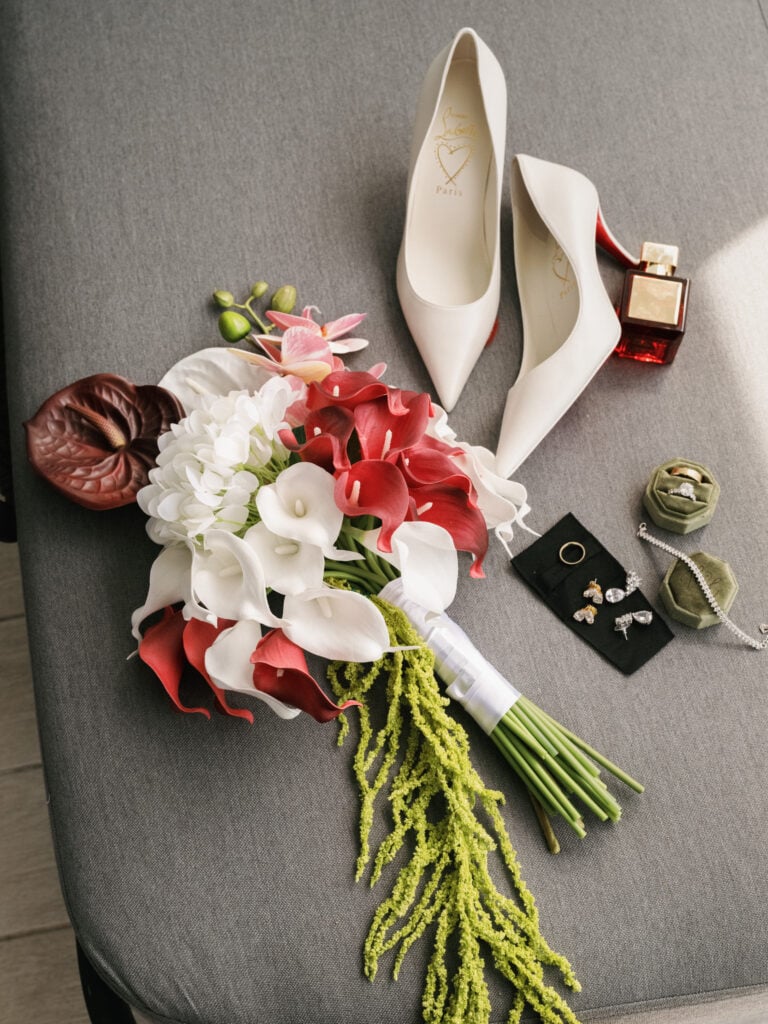
For wedding film, these objects can also provide visual transitions between larger moments. A ring, a handwritten page, or a watch being fastened can add personal context to the finished edit. Knowing which details matter helps the team understand what deserves attention during preparation.
Gathering What Already Exists
The collection can come entirely from things the couple already own or have chosen for the wedding. Depending on personal preferences, it might include the invitation or printed program, rings, shoes, a vow book, letters, jewelry, watches, or one family heirloom. There is no need to bring every item from the preparation space.
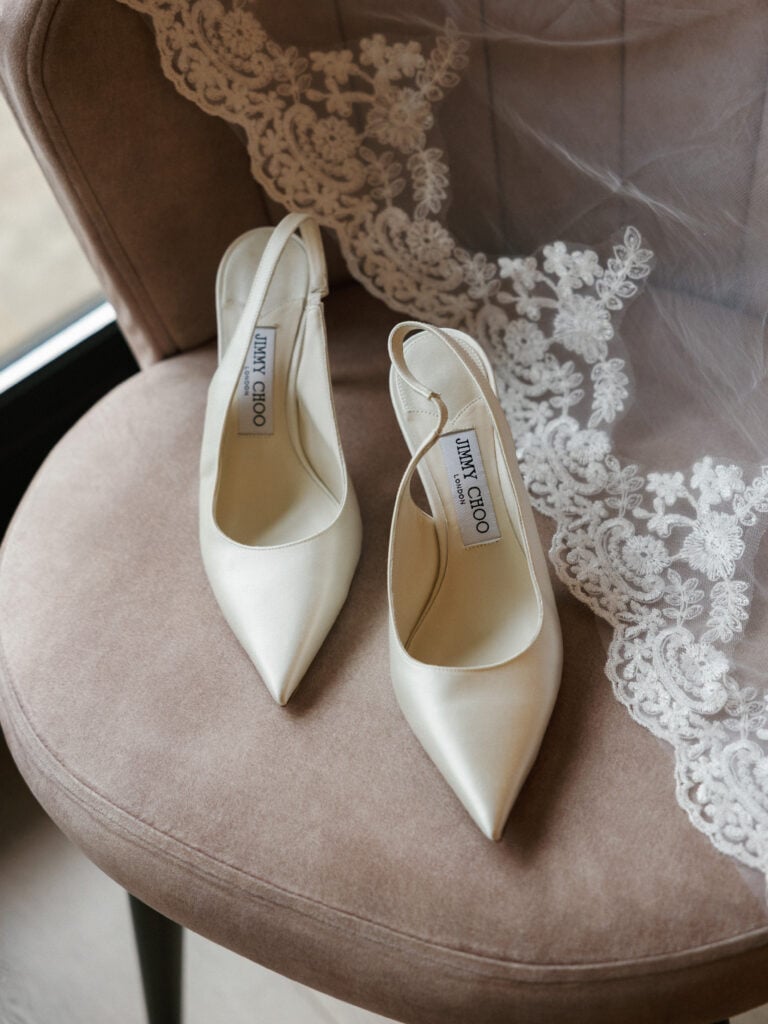
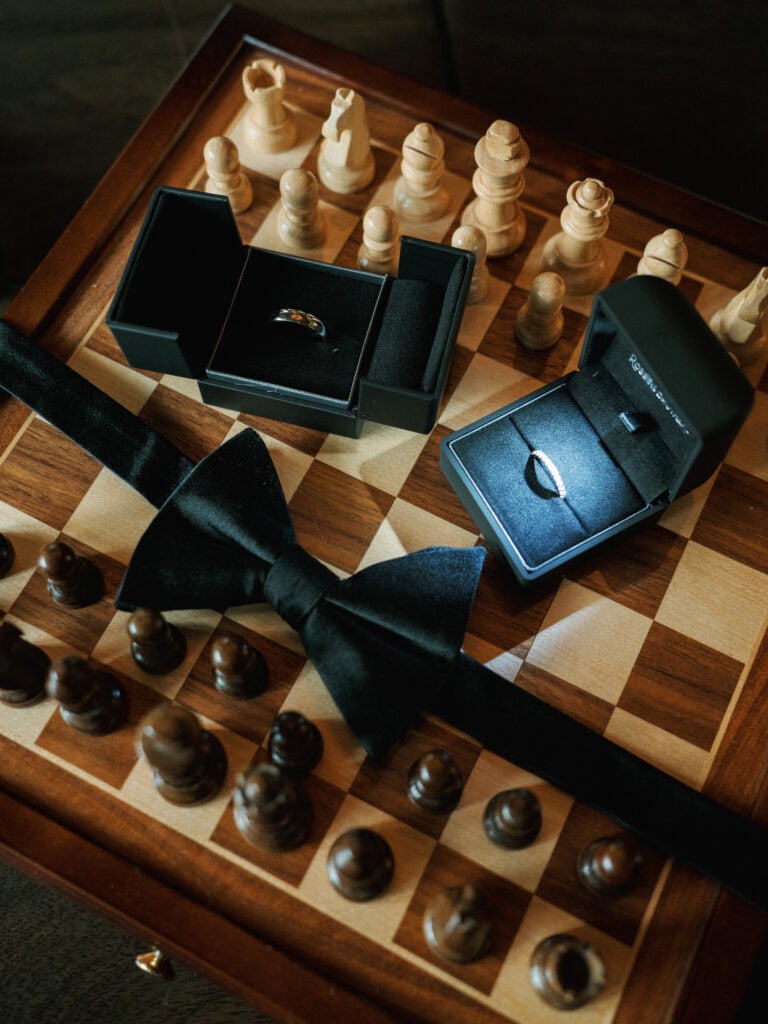
Additional props are optional. Decorative boxes, matching ribbons, special hangers, and other accessories purchased specifically for photographs are not necessary for meaningful detail coverage. The objects themselves carry the personal significance, and the photographer can work with the available setting.
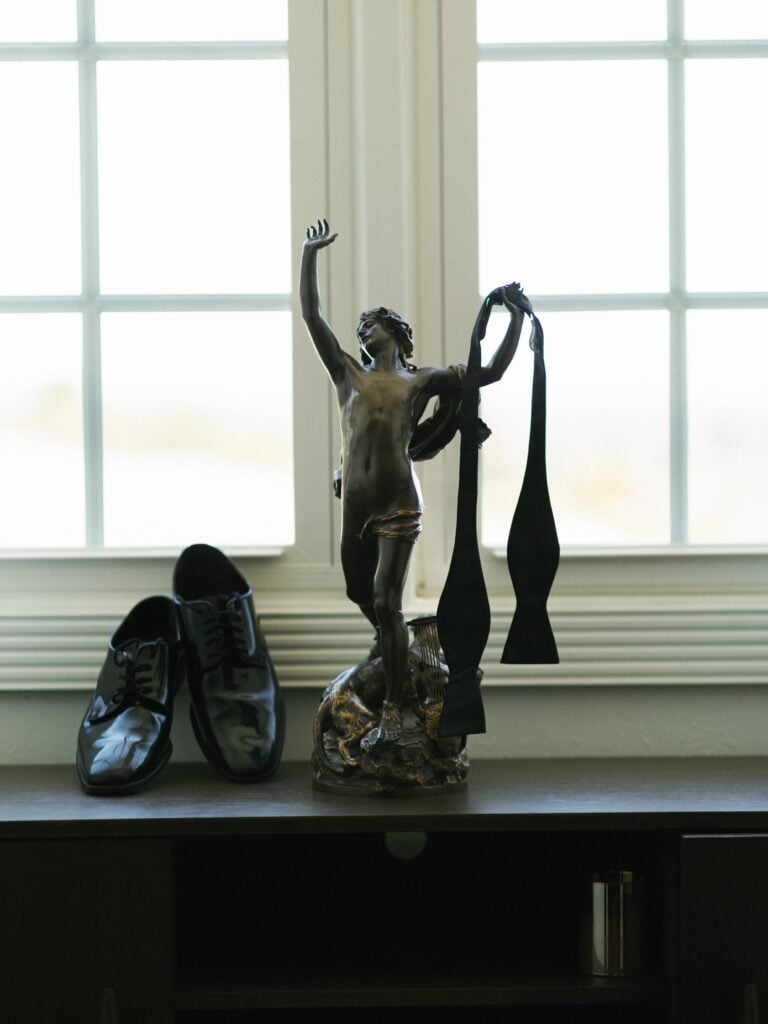
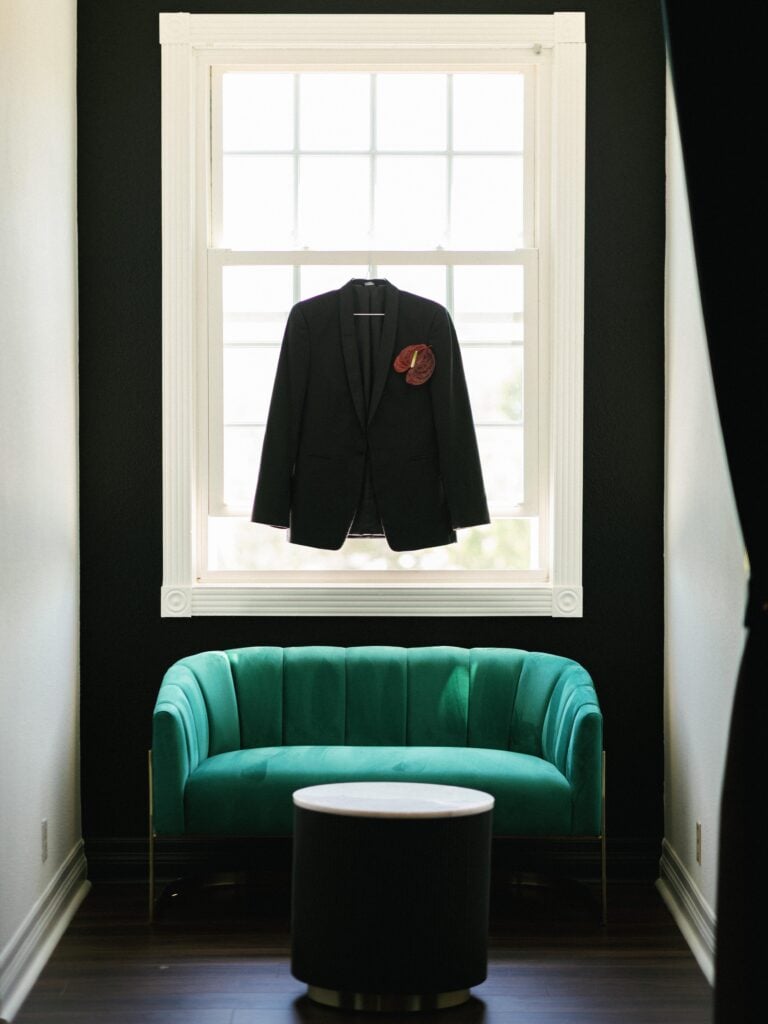
Some items are better left out of the collection. Duplicates, unfinished decorative pieces, rented accessories that must remain untouched, and belongings needed immediately for dressing can stay where they are. Items worn throughout preparation can also be photographed on the person later, when they naturally become part of the day.
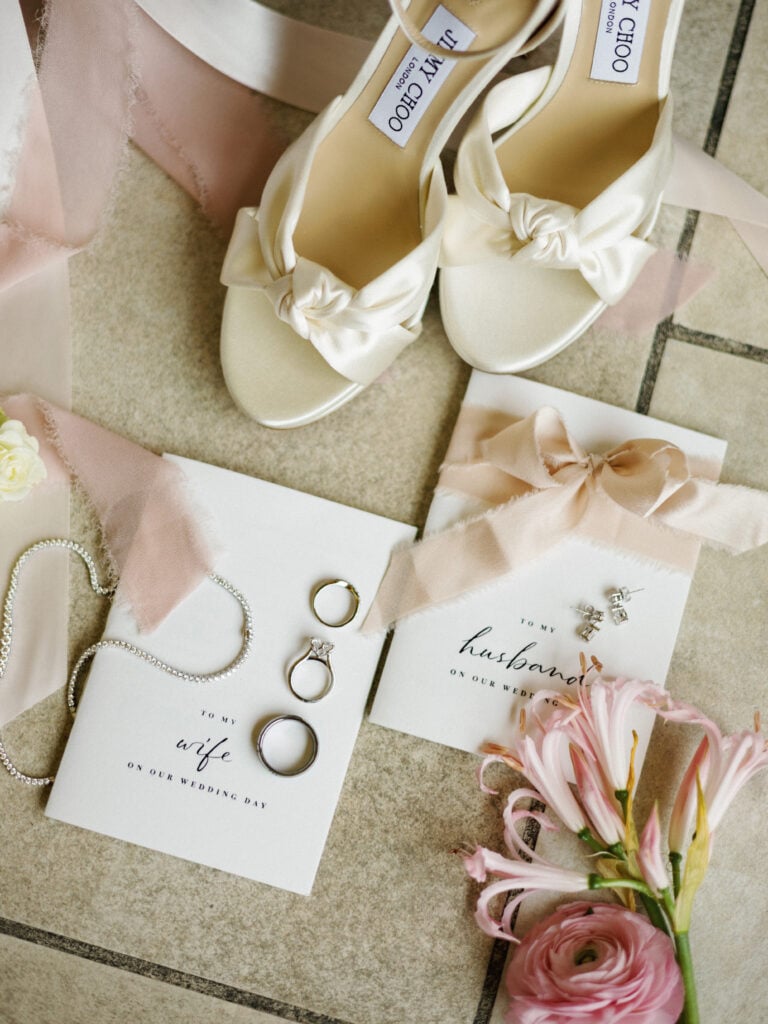
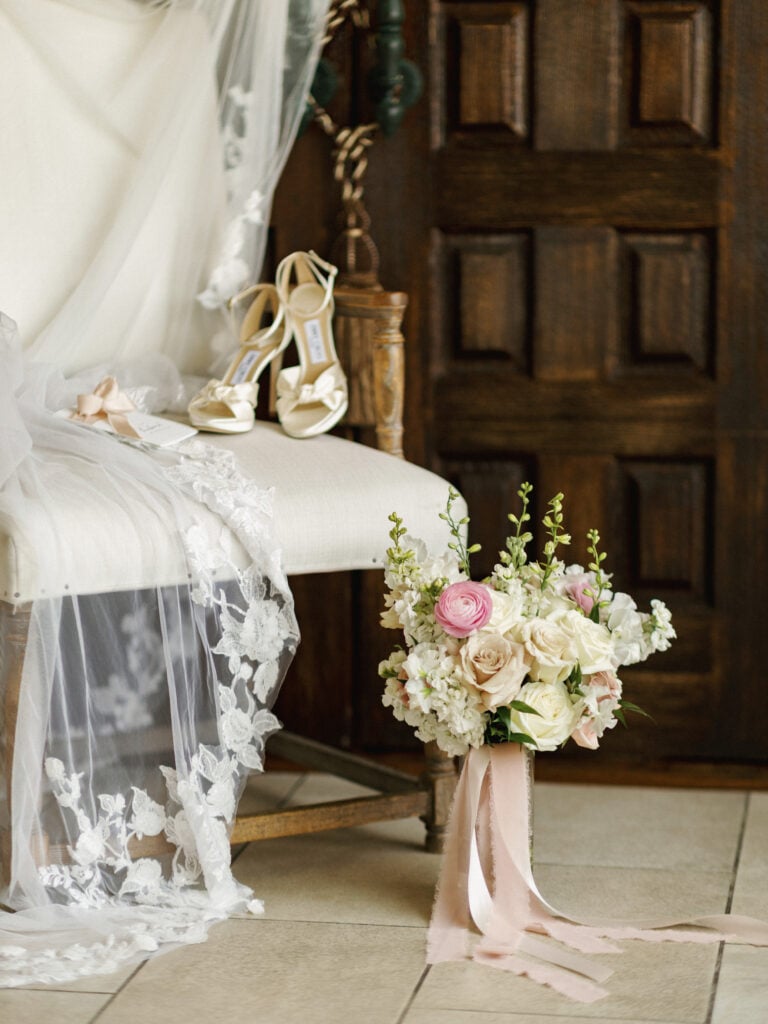
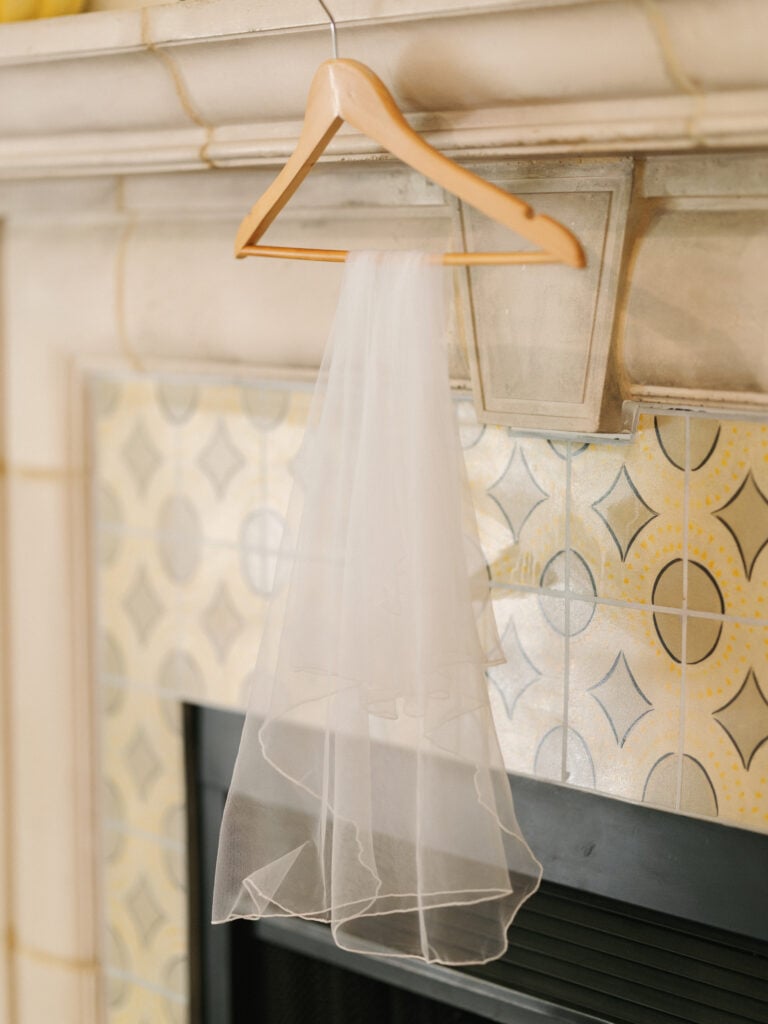
A simple grouping makes the handoff easier. The selected items can be placed together in one bag or tray at each preparation location, with a short list identifying what is included. Beforehand, it helps to establish whether anything needs to remain with its owner until a particular moment. A veil that will be pinned in shortly, a bouquet that needs to stay in water, or shoes required early in the morning may need a different arrangement.
Expert Note
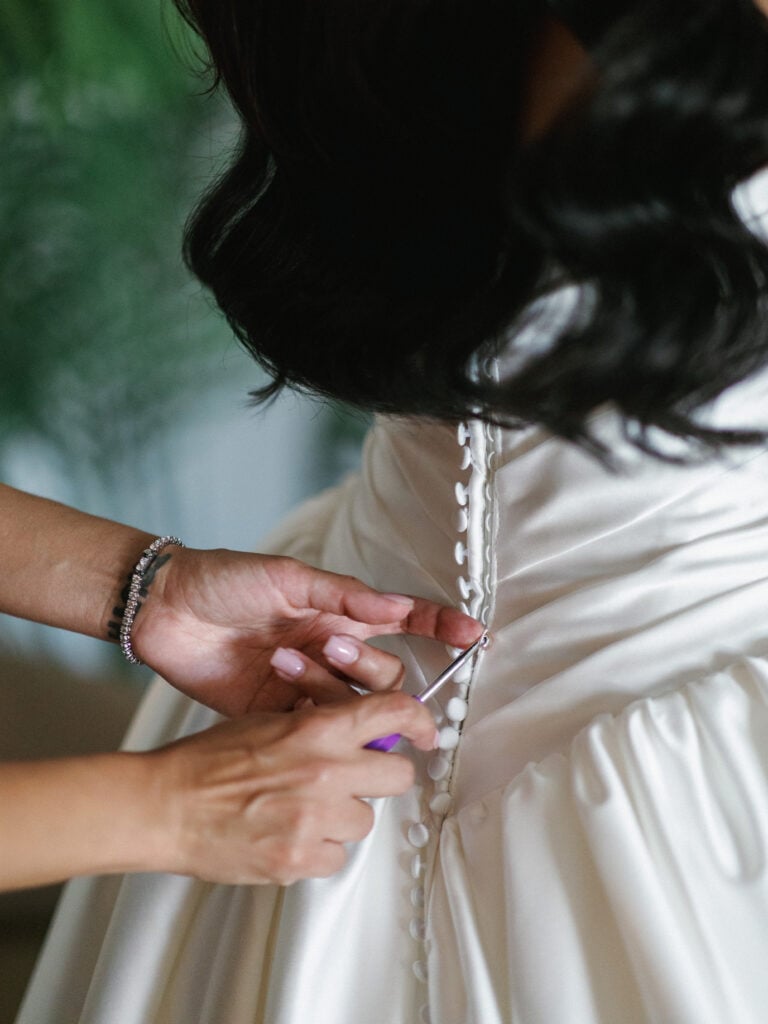
Some details are especially meaningful when photographed in use. A watch being fastened, a bracelet clasped, a ring placed on a finger, or a vow book opened to a marked page connects the object with the person wearing or holding it. These moments also give wedding film natural movement and context. A short explanation of which details matter helps the team recognize opportunities during the preparations.
Aster Films planning note
One Clear Handoff During Preparation
A clear handoff prevents the morning from turning into a search for missing accessories. The couple can agree where the selected items will be placed, who will make them available, and when anything needs to be returned. The photography and film team then knows where to find the collection without interrupting hair, makeup, or dressing to locate individual belongings.
When the partners prepare at separate addresses, each location can have its own collection. Items belonging to one partner stay with that preparation group, while shared belongings such as the wedding rings have a designated person responsible for bringing them to the agreed location. The arrangements can be communicated to the team in advance, including any travel between the two preparation locations.
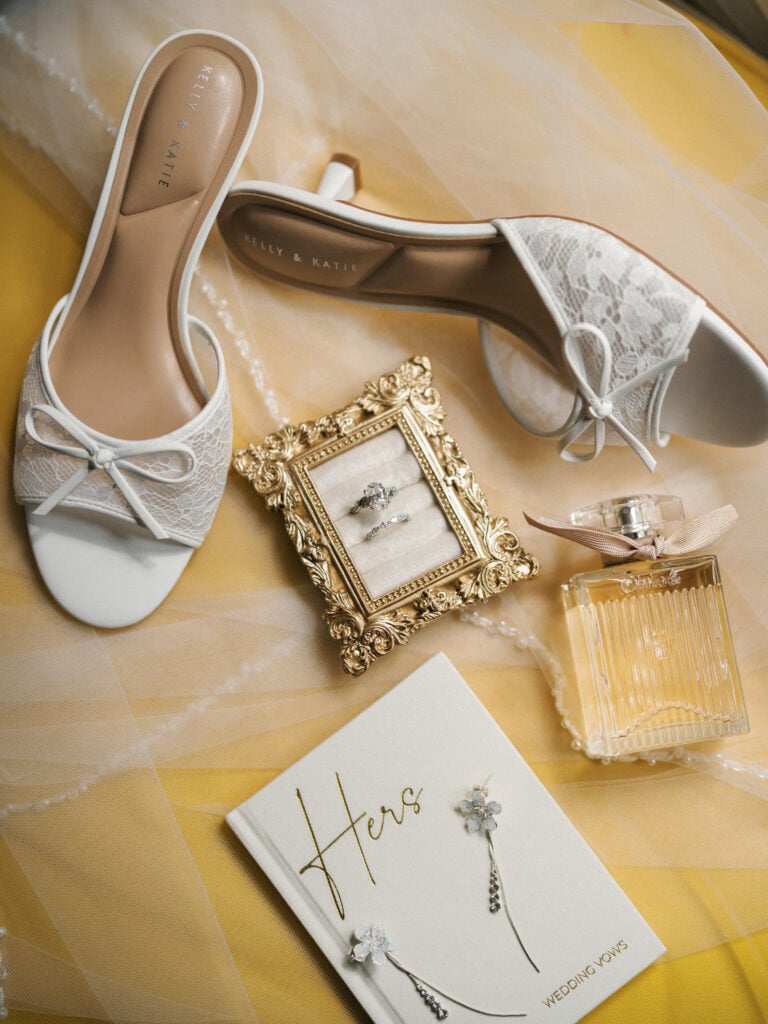
The handoff should fit the actual morning schedule. There is no universal amount of time required for detail photos: the number of selected items and the preparation timeline both influence how the coverage fits into the day. A defined place for the collection and one person who knows where everything is kept help avoid repeated searches and unnecessary interruptions.
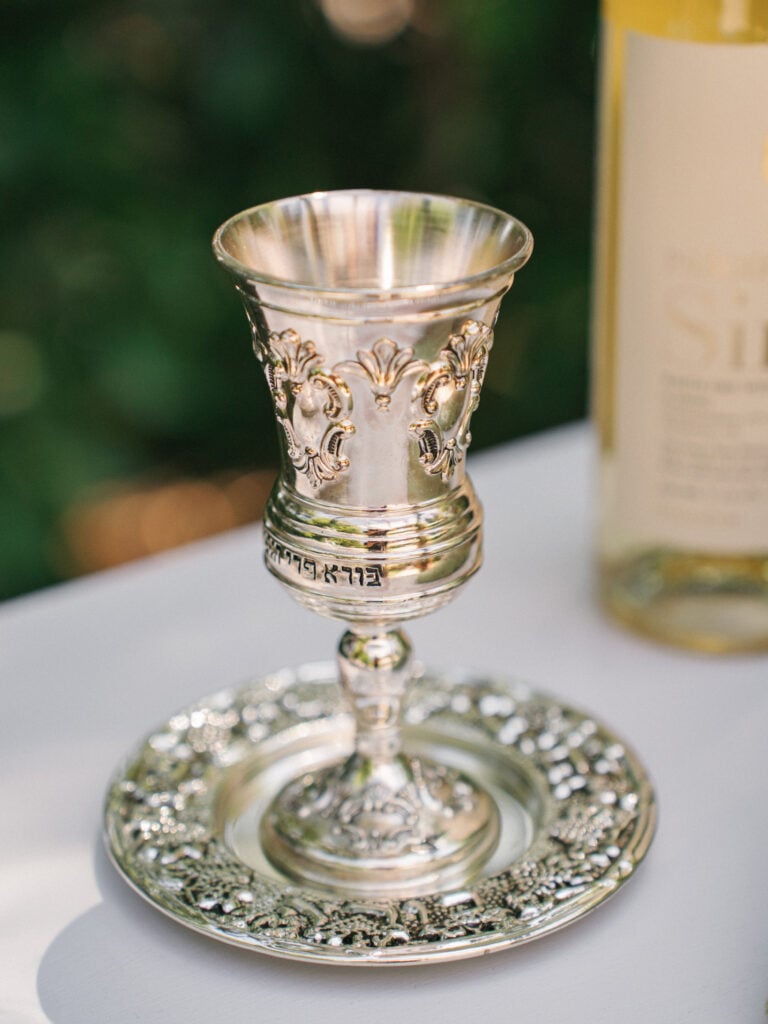
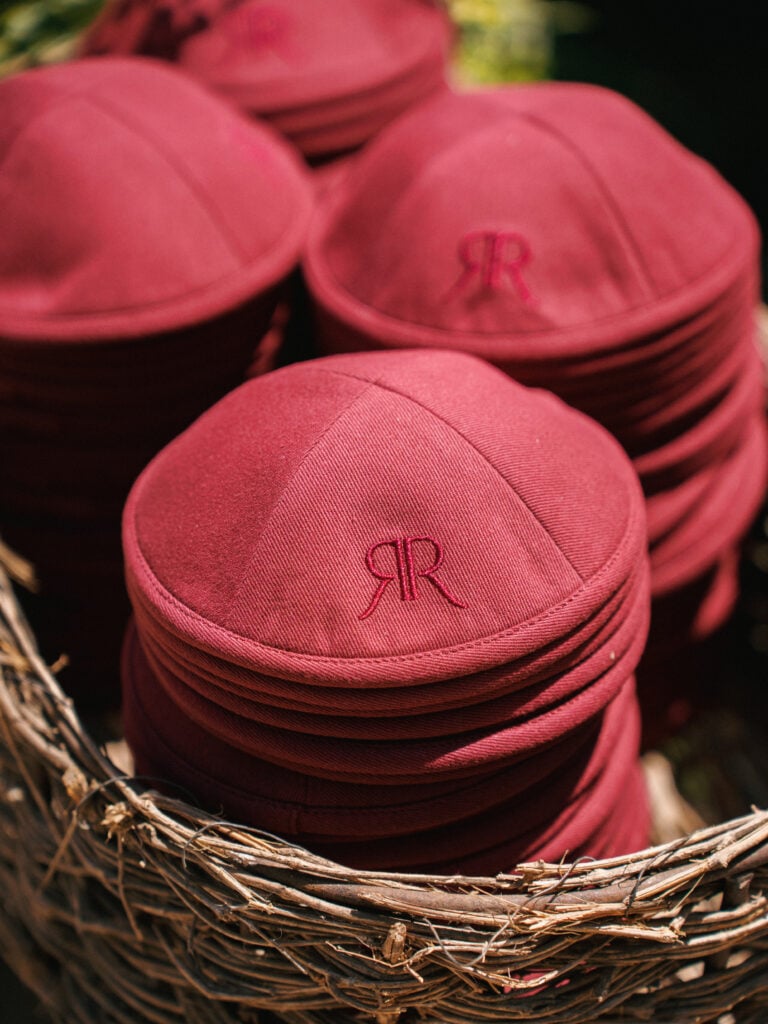
It is also useful to tell the photographer about any particularly important object before the wedding. A family heirloom, a handwritten letter, or a detail with a personal story may deserve specific attention. The same applies to handling instructions or items that must be returned before dressing or the ceremony continues.
A Return Plan for Fragile and Sentimental Items
Rings, heirlooms, and delicate accessories need a named person responsible for their return. A general instruction to put everything back in the bag can leave valuable items among makeup supplies, clothing, or other preparation belongings. A designated person, such as a best man, maid of honor, or family member, provides a clear point of responsibility.
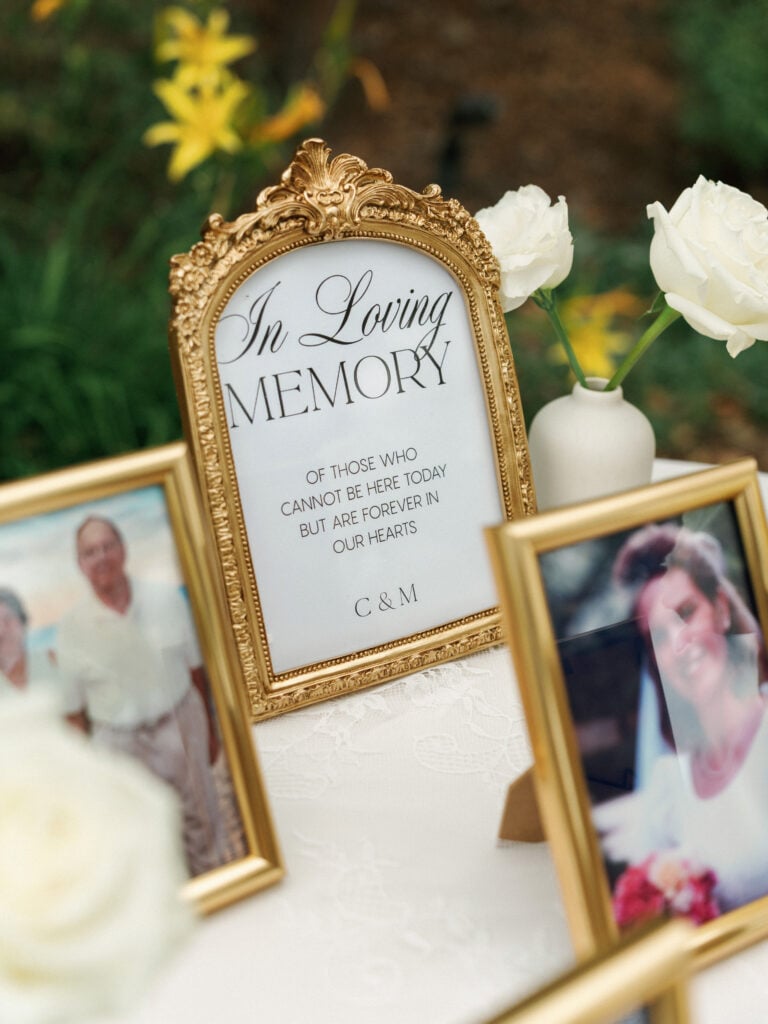
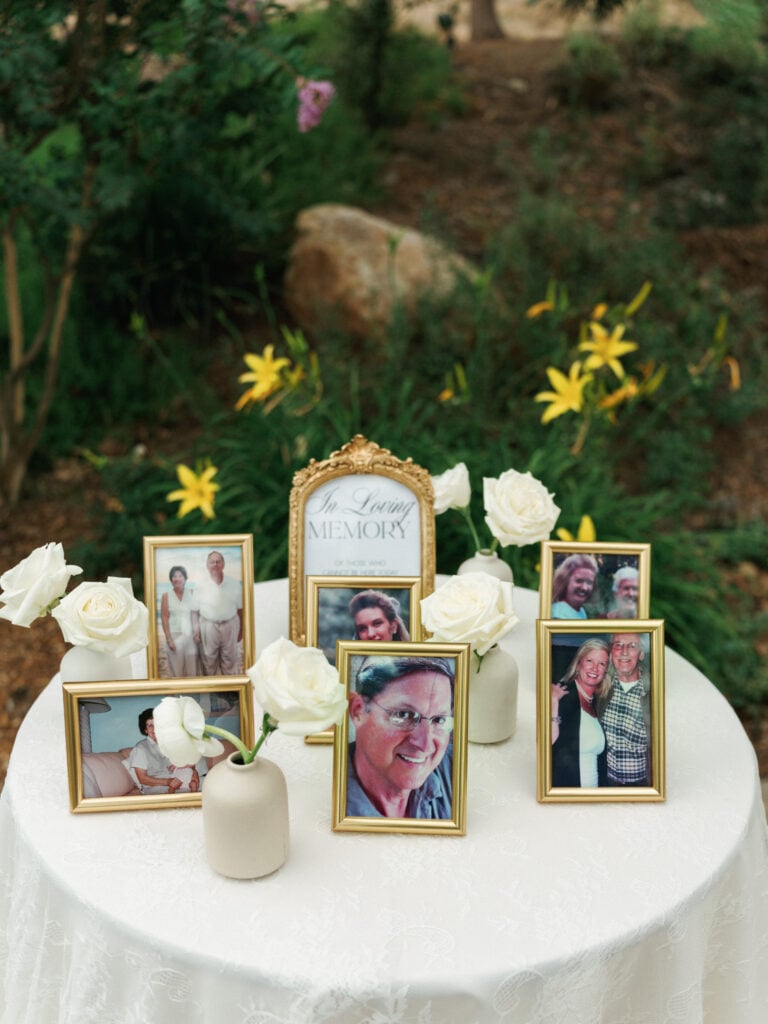
Handling concerns should be communicated in advance. A vintage brooch that should not be pinned into fabric, a watch that requires careful handling, or a fragile page in a family document may need particular attention. The photographer can then account for those requirements when planning the coverage.
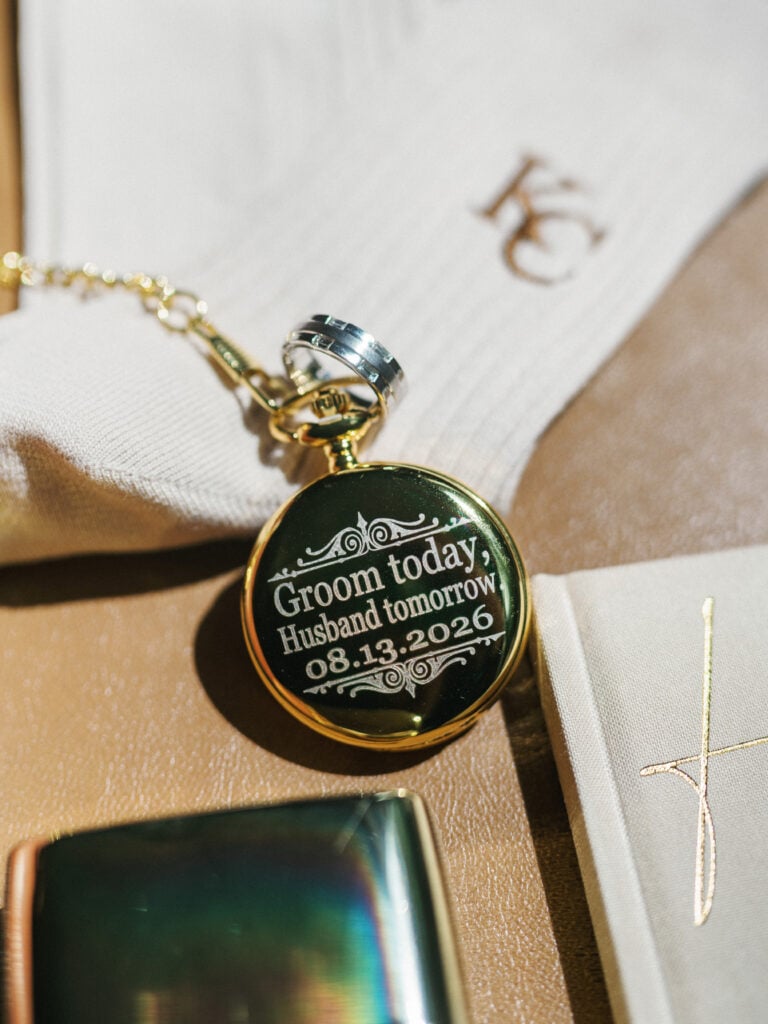
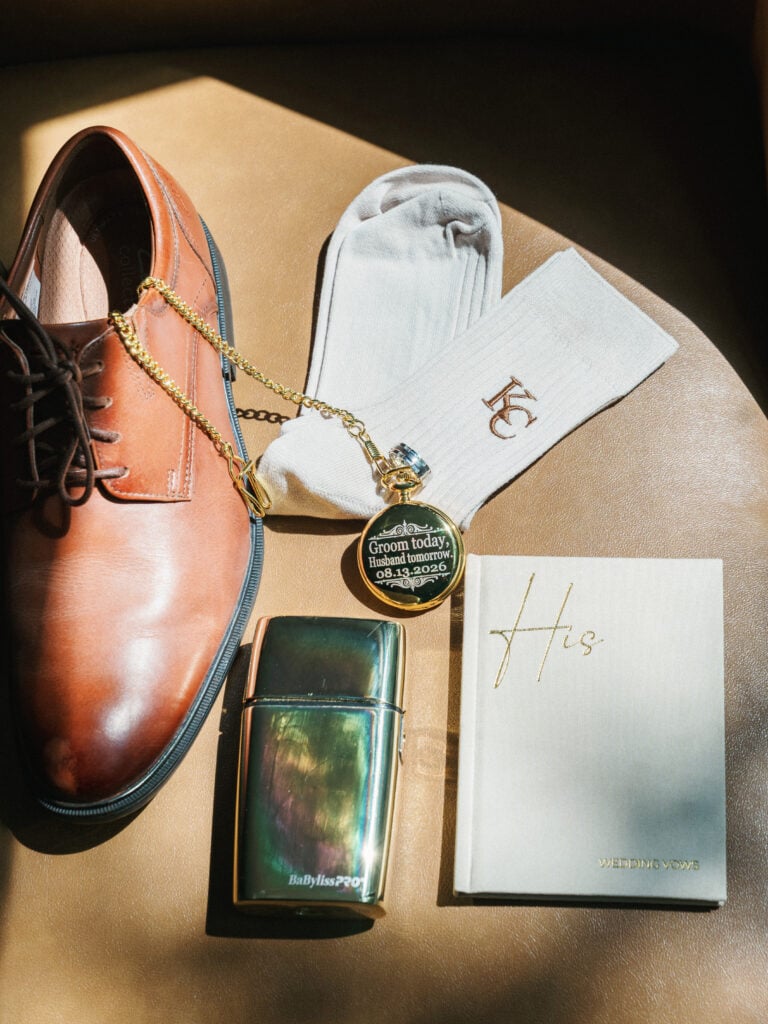
The next use of each item is equally important. A veil may need to be worn shortly after photographs, jewelry may need to be returned to its owner before dressing is complete, and the rings must reach the person carrying them to the ceremony. Knowing these details helps the team work around the actual preparation schedule.
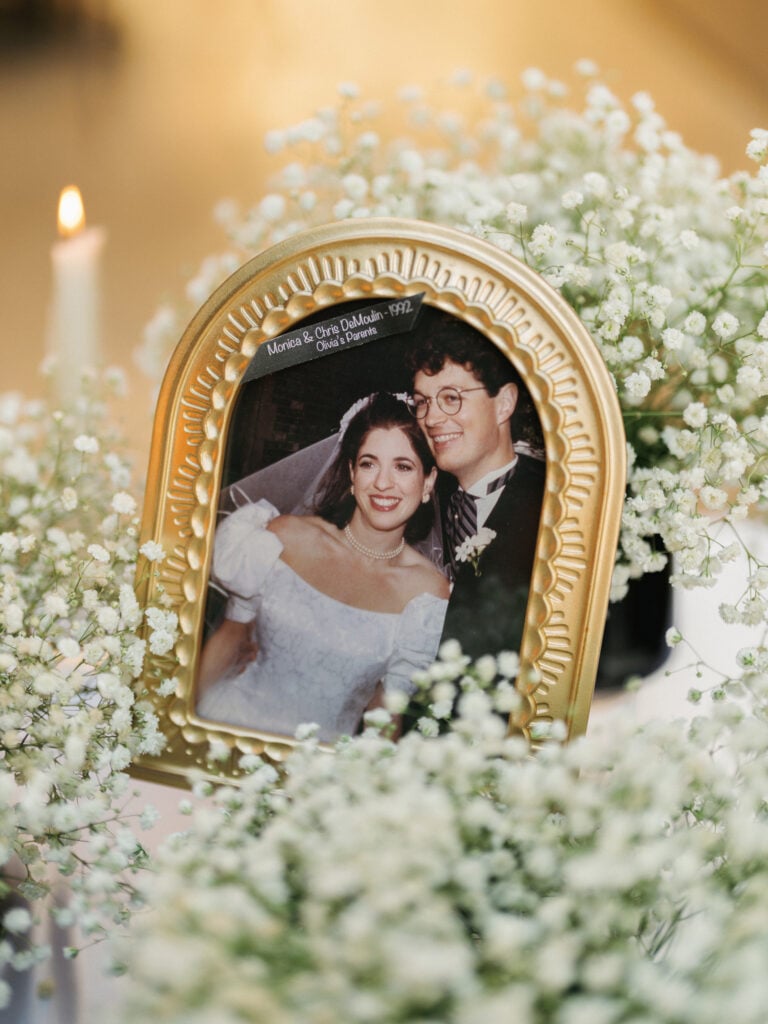
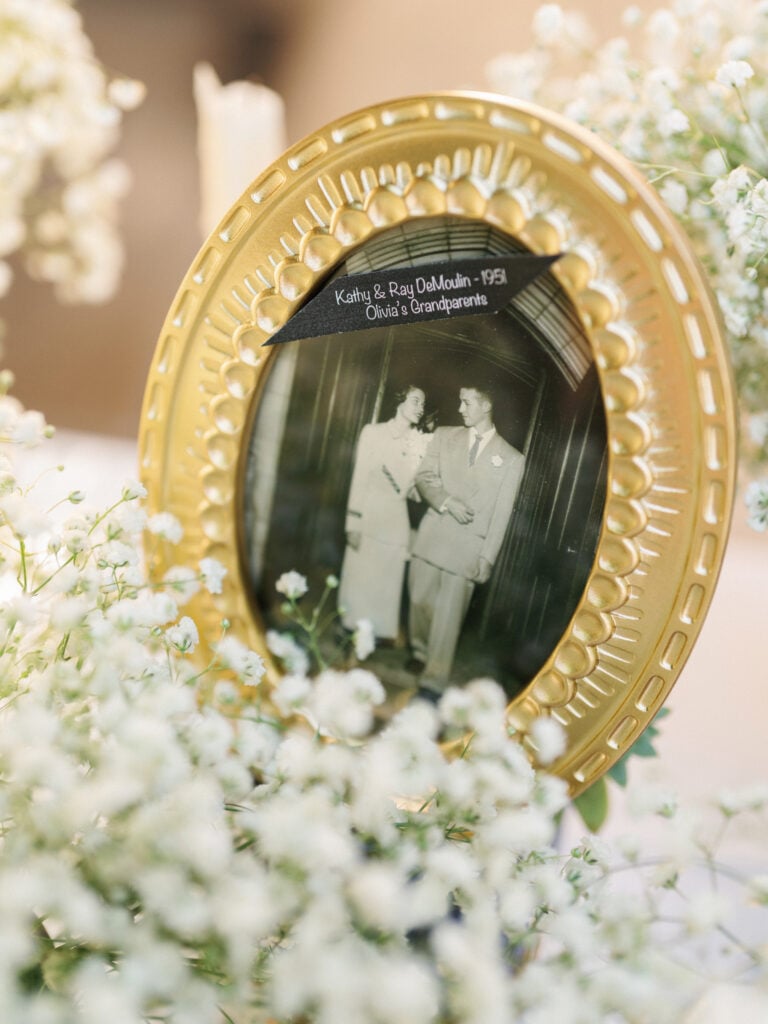
Wedding rings deserve a particularly clear arrangement. They can remain in a secure box or pouch with the designated person, who brings them to the photographer at the agreed time and takes responsibility for them immediately after the photographs. The return should be acknowledged directly so there is no uncertainty about who has them before the ceremony.
A Short Priority List
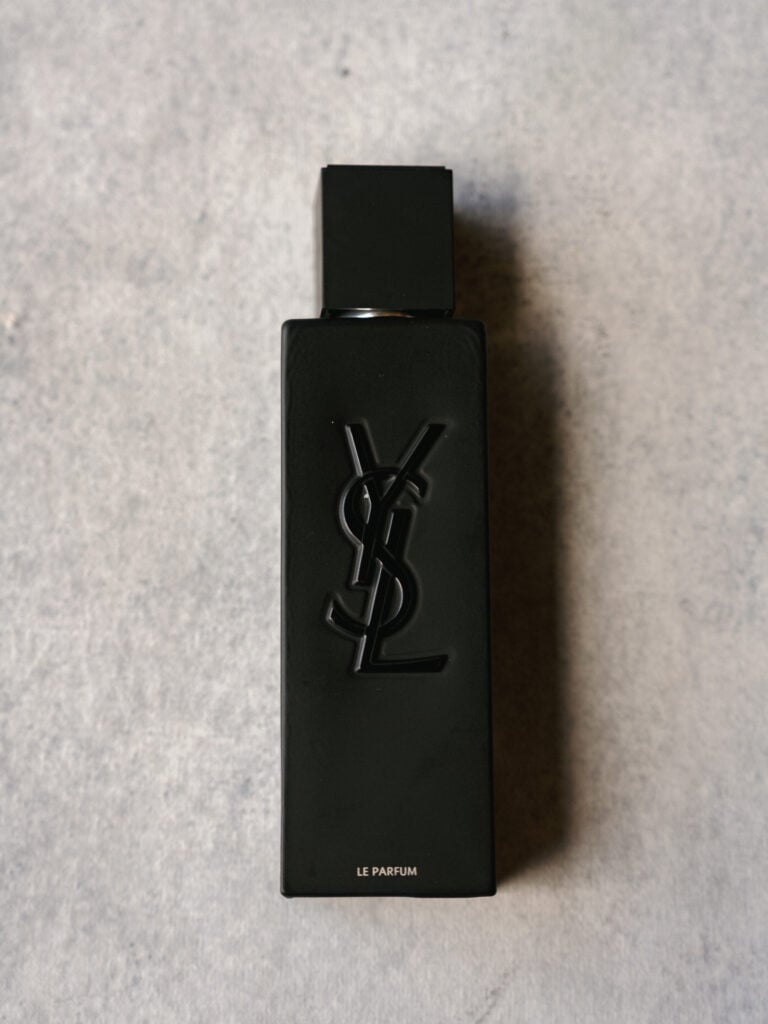
A short priority list keeps detail photos in proportion to the rest of the wedding morning. The couple can separate essential items from optional ones. Rings, an invitation, and a personal heirloom might be priorities, while a perfume bottle or a second pair of shoes may be included if time allows.
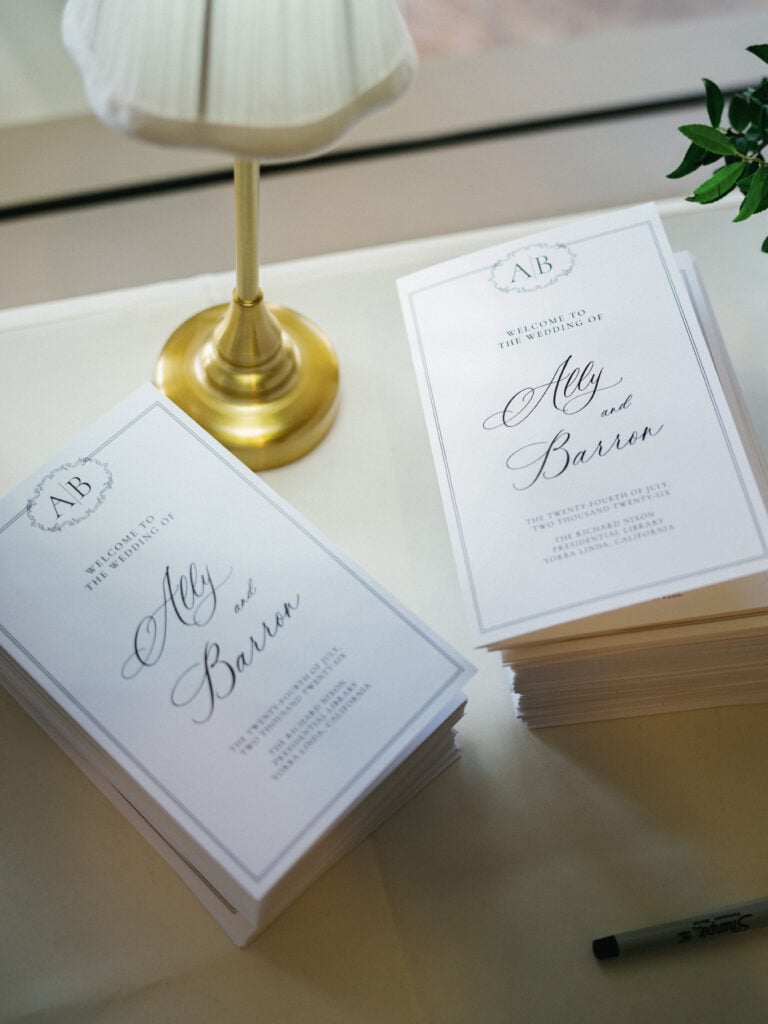
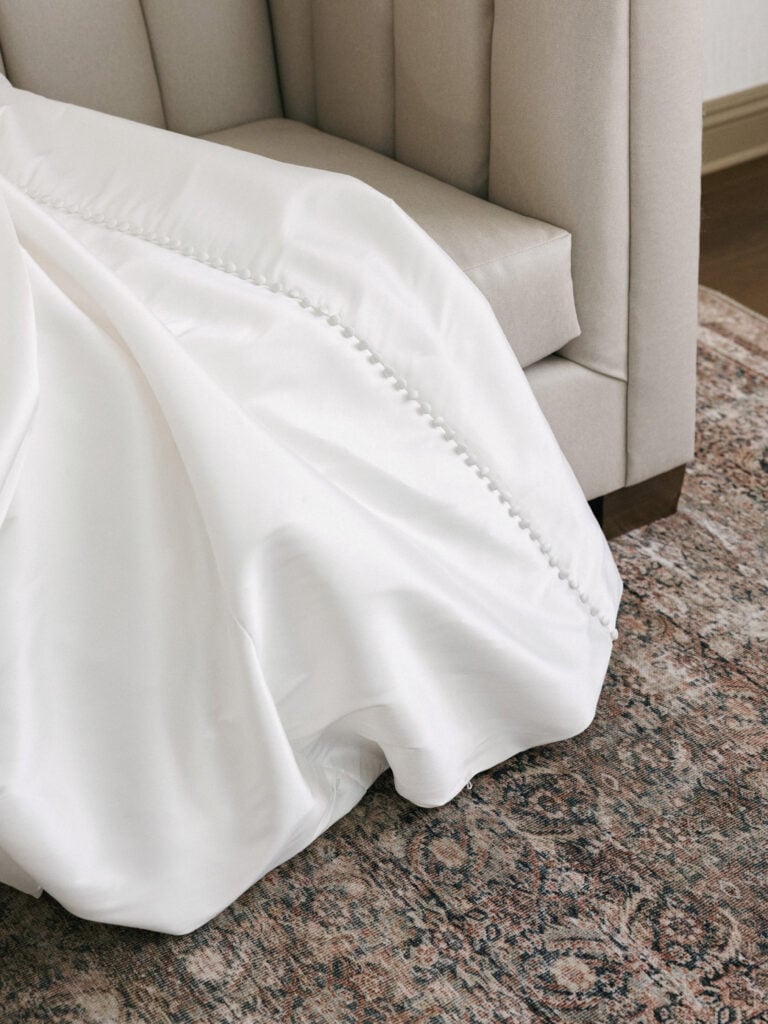
If preparation runs late or an item is unavailable, the priority list provides a straightforward reference. Essential details remain at the center of the handoff, while optional objects can be skipped or photographed later if they become available. The morning schedule does not need to be reorganized around a missing accessory.
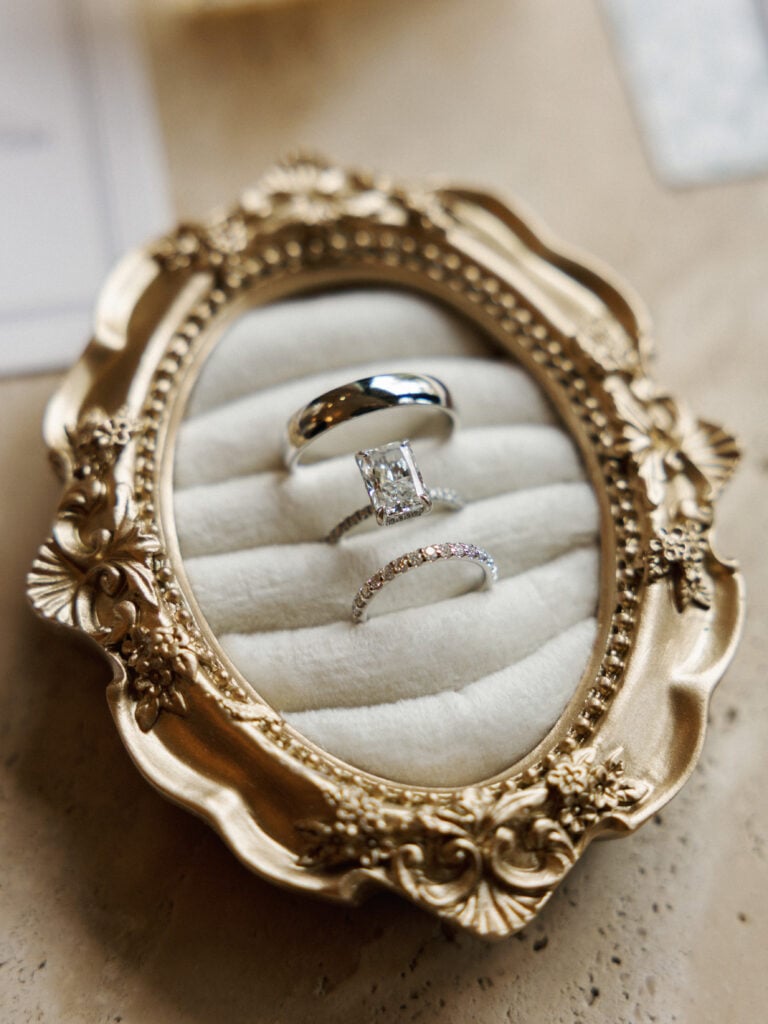
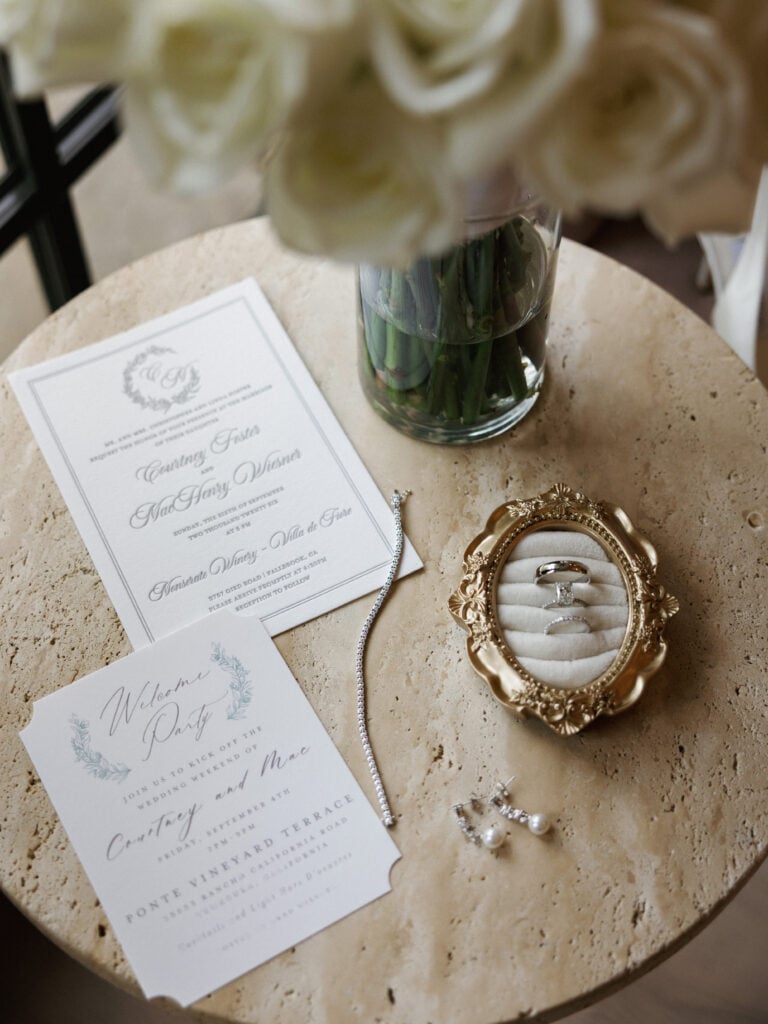
A compact handoff note can include four details:
| Item | Significance | Owner | Return time |
| Wedding bands | Chosen together | Best man | Before the ceremony |
| Father’s cufflinks | Gift from the groom’s father | Groom | After dressing |
| Letter | Written the night before | Maid of honor | After the first look |
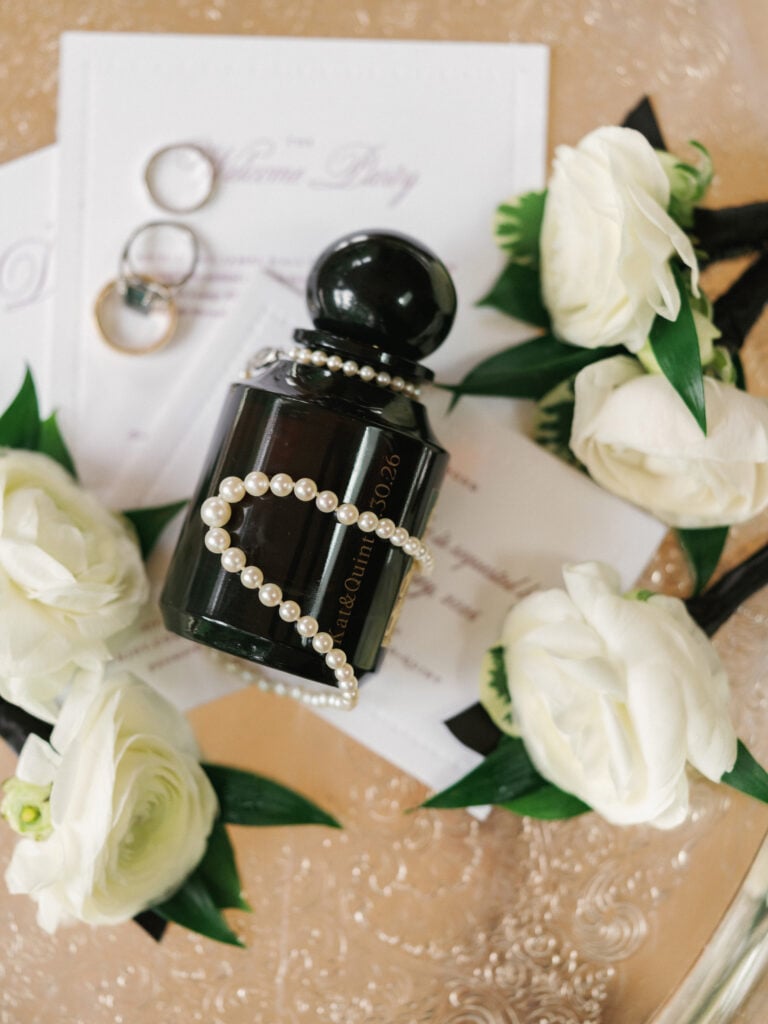
This format gives the team the information needed to handle the objects appropriately. It also makes ownership and return arrangements clear to the people responsible for the items.
The broader getting-ready schedule includes many other preparations, and detail photos are just one part of that morning. A small, thoughtful collection and a clear handoff leave more room for the people, conversations, and moments that make the day personal.
Frequently asked questions
Do wedding detail photos need to include every accessory?
No. A few selected objects can provide meaningful context without documenting every accessory brought to the wedding. The rings, an invitation, and a small number of personal details are often enough to create a recognizable record of the day.
Can both partners’ items be photographed?
Yes. Details belonging to both partners can be included, from watches and cufflinks to jewelry, letters, shoes, and family keepsakes. A short note explaining the significance of a particular object helps the team understand what matters to each person.
What if our invitations or flowers are not ready during preparation?
They can be photographed later when they become available. Invitations may be brought to the reception venue, and flowers can be included after delivery. The reception space before guests arrive can also provide an opportunity to photograph stationery, floral arrangements, and other decorative details.
Can we skip a styled flat lay and still include meaningful details?
Yes. A styled flat lay is not required for meaningful detail photos. Personal belongings can be photographed on their own or as part of dressing and preparation. The significance of the objects matters more than an elaborate arrangement.
Who should hold the rings during the morning?
A designated person, often the best man, maid of honor, or a trusted family member, can keep the rings in a secure box or pouch and bring them to the photographer at the agreed time. That same person should take responsibility for returning them and bringing them to the ceremony when needed.
How long do detail photos take?
There is no fixed duration. The time depends on the number of selected objects, any special handling requirements, and the preparation schedule. A short collection with a clear handoff is easier to accommodate without disrupting dressing or other morning activities.
CONTACT ASTER FILMS
Tell us about your wedding
Choose a convenient time and share the details of your celebration with our team.