Captions vs Subtitles
Wedding video subtitles add written dialogue to a finished wedding film, making spoken words easier to follow during playback.
They can be useful when vows, speeches, readings, or conversations are difficult to hear clearly, when viewers prefer to watch with the sound lowered, or when a wedding includes more than one language.
Subtitles represent spoken dialogue in written form and may stay in the original language or be translated into another one.
Captions can include additional information about the soundtrack, such as music, applause, laughter, or other meaningful sounds.
A multilingual family may need translated subtitles, while viewers who rely on written audio information may need captions that include relevant sounds alongside the spoken words.
Some wedding films may call for both. Separate subtitle and caption tracks can support different viewing needs, while a single version may be sufficient when the audience has one clear requirement. The format should be agreed during the editing stage or before delivery. Subtitle styling, language, placement, and whether the text is embedded into the film or supplied as a separate file can all vary between services.
Expert Note
A subtitle track and a caption track may look similar on screen, but they can serve different delivery requirements. When both are needed, it is worth clarifying whether they will be supplied as separate files or as different versions of the finished film.
Aster Films planning note
Why Subtitles Can Be Useful
Wedding video subtitles can support different viewing needs throughout the life of a finished film. Some viewers may rely on written dialogue to follow vows, speeches, or readings, while others may use subtitles occasionally when a speaker’s voice is difficult to distinguish from music, applause, or room noise.

They can also be useful for family members who speak the wedding’s primary language as a second language. Speeches often include fast delivery, names, jokes, cultural references, and personal expressions that are harder to catch by ear. Written dialogue gives viewers another way to follow those moments, especially when several people are speaking during the same reception.
Subtitles are also useful when a wedding film is watched with the volume lowered or muted. A film may be viewed on a phone while traveling, in a shared space, or in another setting where sound is not convenient. Written dialogue keeps the spoken parts accessible in those situations.
There is also a lasting value to having vows and speeches in written form. A finished film may be revisited years after the wedding, and subtitles provide a written record of specific words that can be followed alongside the original voices and images.
Expert Note
Wedding speech audio can contain accents, overlapping voices, room noise, music, applause, and spontaneous remarks. Difficult passages need to be checked against the original audio and the surrounding conversation so the subtitle reflects what was actually said.
Aster Films planning note
Planning for a Bilingual Wedding

Weddings that include more than one language may have vows in two languages, an officiant translating during the ceremony, or speeches that move between languages depending on the speaker. These details are worth discussing before subtitle production begins, since the language arrangement affects both translation and the visual presentation of the finished film.
A bilingual film can display two languages at the same time, retain the original dialogue with translated subtitles, or use separate versions for different audiences. Two subtitle languages may suit a family where viewers understand different languages and want both available during playback.
Separate single-language versions can be preferable when the film will be shared with distinct groups, since one language can remain on screen without adding a second line of text throughout the film.
Translation also calls for attention to names, cultural expressions, humor, and phrases that may not have a direct equivalent.
A literal rendering may lose part of the meaning or tone of a personal speech. The original wording should remain available during editing so the translated subtitles can be checked against the spoken dialogue.
Different parts of the film may also call for different language treatment. Vows might remain in their original language with translated subtitles, while a reception speech could be subtitled in another language for family members watching from abroad.

Expert Note
An officiant who translates vows line by line during the ceremony presents a specific timing issue. Subtitles need to follow the corresponding spoken passage, so the editor has to distinguish the original vow from the live translation when preparing the subtitle track.
Aster Films planning note

Explore recent wedding stories
Browse real celebrations photographed and filmed by Aster Films.
Building a Source Transcript and Name Sheet
The transcript is one of the main references used during subtitle preparation. Automated transcription can handle much of the initial work, while difficult passages still need to be checked against the recorded audio. A written copy of vows, readings, and planned speeches gives the editing team a reliable reference for words that may be difficult to distinguish in the recording.
Names deserve a separate reference. A name sheet can include the couple, wedding party, officiants, family members, and anyone mentioned during a speech or toast. Regional spelling variations, unfamiliar surnames, and names that sound like common English words are easy to misinterpret from audio alone.


The same reference can include venue names, place names, unusual terms, and preferred spellings that appear in the film. This is especially useful when a word occurs only once or when the person preparing the subtitles was not involved in the original wedding planning.
A reference sheet can include:
- Names of the couple and immediate family
- Wedding-party names and officiants
- Venue and location names
- Personal names mentioned in speeches
- Preferred spelling of unusual words or terms
- Pronunciation notes for names that may be unfamiliar to the editing team
- Phrases that should remain in their original form
Providing these details before subtitle production gives the editor a written reference to check against the audio and the final subtitle track.
Expert Note
Pronunciation notes can be useful for an unfamiliar name, but they should supplement the written form, not replace it. The spelling is the reference needed for the final text displayed on screen.
Aster Films planning note
Reviewing Subtitles Before Final Delivery

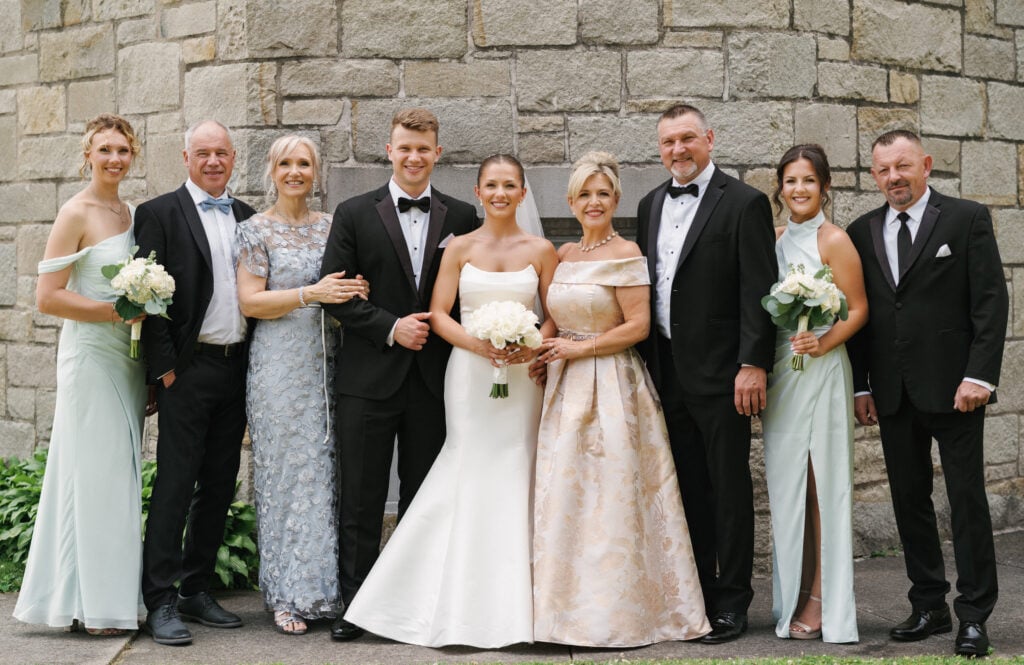
Subtitle review should take place against the final edited film, since changes to the cut can affect dialogue timing, speaker identification, and the length of each subtitle segment.
The review can cover spelling, punctuation, names, translation accuracy, timing, line breaks, and text placement. Proper names deserve a deliberate check because a single incorrect letter can change a family member’s name, venue, or location.
The film should also be watched with the subtitles visible. A transcript document cannot reveal every presentation issue, including awkward line breaks, text appearing too early or late, or subtitles covering an important visual detail. Longer speeches may need several segments, while a short phrase may require only a brief line on screen.

For translated subtitles, the review should include both the original dialogue and the translated wording. A fluent speaker of the target language can check phrasing, names, cultural references, and passages where a literal translation may not convey the intended meaning.
The final delivery should also be clear. Subtitles may be embedded in the wedding film, supplied as a separate subtitle file, or provided in multiple versions. The agreed format, languages, and whether separate subtitle files are included should be confirmed before delivery.


Expert Note
If the film is shortened or re-edited after the subtitle review, the subtitle track should be checked again. Even a small change in the final cut can shift the timing of subsequent dialogue.
Aster Films planning note
Privacy and Sensitive Ceremony Content
Wedding films can contain private words that were never intended for a wider audience. Vows, personal letters, family speeches, private jokes, and spontaneous remarks may carry information that the couple wants to keep within a specific group.
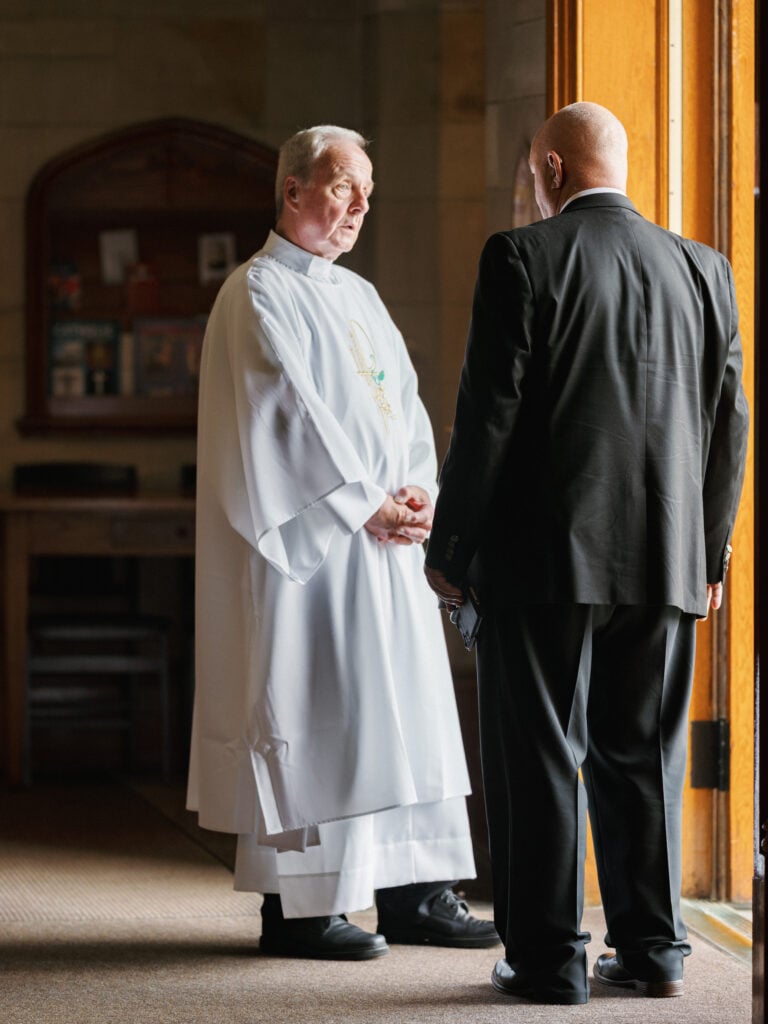

Subtitle production can involve written copies of that material during editing. A transcript of vows or speeches and a separate subtitle file may contain the same private material as the finished film, so it is worth clarifying who can access these files, how they are stored, and whether working copies are deleted after delivery.

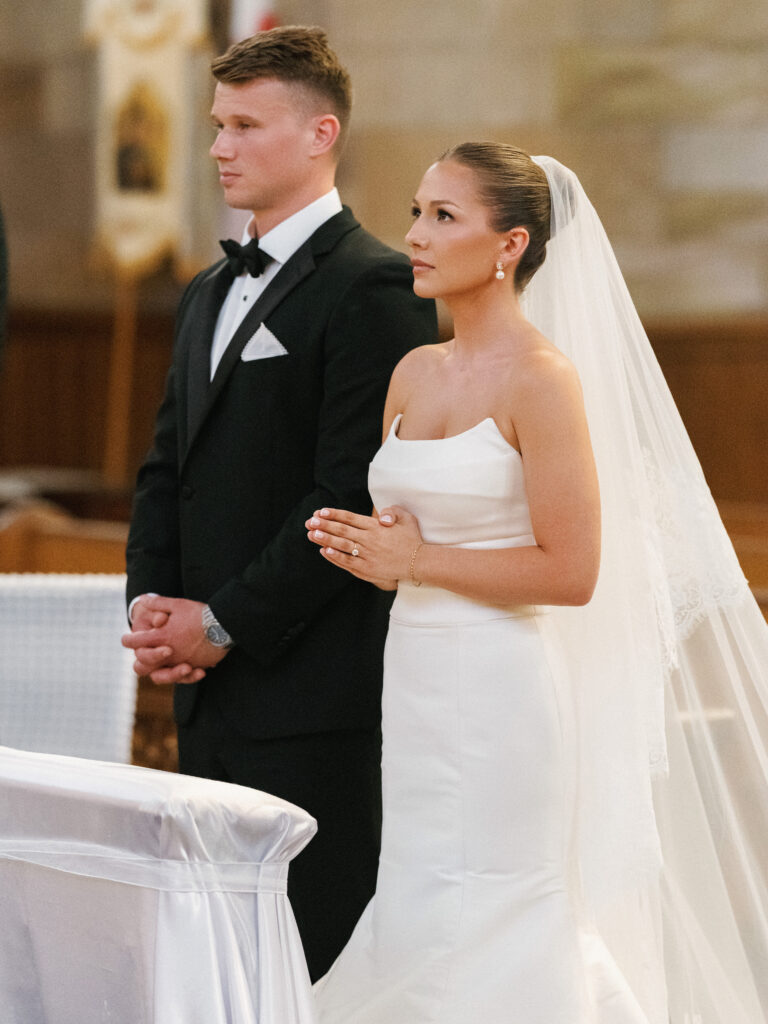
Translated subtitles add another consideration because private words are being rendered into another language. The people involved in transcription and translation should know how those materials are handled and shared during production.
Questions to Ask About Wedding Video Subtitles
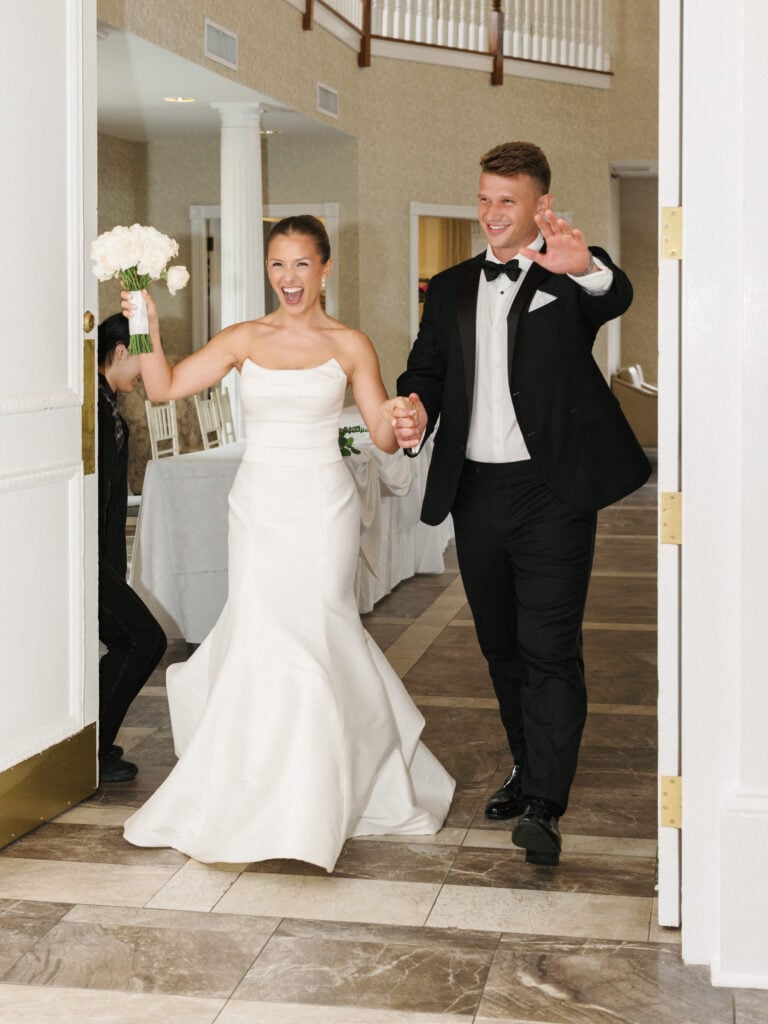

- A few details are worth clarifying before subtitle production begins. The delivery format is one of them: subtitles may be embedded directly into the film or supplied as a separate file, while multiple language versions may be available depending on the service. Captioning may also include meaningful sounds such as music, laughter, and applause alongside spoken dialogue.
- The production process can raise questions about source material and review. It may be useful to know whether the studio works from a written copy of the vows or speeches, who checks names and difficult passages, and whether a review copy is provided before final delivery. For private vows or speeches, the handling of working transcripts and subtitle files deserves attention too, including who can access them, how they are stored, and when they are deleted.
- Delivery timing is another detail to establish early. Transcription, translation, review, and subtitle preparation may add work to the editing schedule. For a bilingual wedding film, the studio can clarify whether separate language versions or subtitle files are available, which languages are included, and how those deliverables fit into the expected delivery window.


Frequently asked questions
Are subtitles the same as captions?
Not always. Subtitles generally represent spoken dialogue in written form and may be translated into another language. Captions can include dialogue plus meaningful sound information such as applause, laughter, music, or other audio cues. Video platforms and production teams may also use the terms differently.
Can wedding video subtitles be provided in two languages?
They can be, depending on the editing workflow and delivery format. A production team may provide separate language versions or separate subtitle files for the same film. The available languages and delivery format are worth clarifying before editing begins.
Can vows and speeches be subtitled?
Yes, if subtitle coverage is included in the service. Vows, speeches, readings, and other spoken sections can be transcribed and displayed during playback. It is worth clarifying which parts of the finished film are covered and whether translated subtitles are included.
Who checks names in wedding video subtitles?
The editor or transcription team may prepare the initial text, while a designated reviewer can verify names and other personal details. A name sheet supplied before editing gives the production team a written reference for unfamiliar spellings.
Can subtitles be added after the wedding film is finished?
Subtitle work can be completed against an existing edited film, although the available options depend on the production workflow and whether the project files are still accessible. Adding subtitles during the original post-production process may also simplify timing and review.
Can wedding subtitles help viewers with hearing difficulties?
Yes. Written dialogue can make spoken parts of a wedding film easier to follow for viewers who are deaf or hard of hearing. Captions that include meaningful sound information can provide additional context when those sounds contribute to the viewing experience.
Can subtitles be used when watching a wedding film with the sound off?
Yes. Written dialogue can make the spoken parts of the film easier to follow when the volume is lowered or muted. Information about music, applause, laughter, or other sounds depends on whether the final deliverable uses subtitles or captions.
How are wedding video subtitles delivered?
They may be embedded directly into the film or supplied as a separate subtitle file. Some services can provide multiple versions for different languages or viewing needs. The available formats depend on the production workflow and intended viewing platform.
Should wedding video subtitles be reviewed before final delivery?
A review can catch spelling, names, timing, line breaks, placement, and translation issues before the final version is delivered. Watching the subtitles against the finished film also provides a chance to check how the text appears during playback.
Are translated wedding subtitles private?
Privacy depends on how the files are handled and delivered. Since a subtitle file can contain the written text of vows and speeches, it is worth clarifying who can access those files, how they are stored, and whether working copies are deleted after delivery.