What Video Uniquely Records
The choice between video and photography-only coverage often comes up during the first conversation with a studio, before a wedding date or collection has been discussed.
A wedding video captures motion and sound: the pace of a voice during the vows, the rhythm of a familiar laugh, or the way an entire room reacts in real time. A still frame removes time and audio from the moment, so a photograph cannot preserve those details.
A father’s toast, a partner’s vows, and an officiant’s exact wording exist as sound as much as content. A written transcript can preserve the words, but not the voice that delivered them. Film keeps a voice as it sounded on a particular day, which can become increasingly meaningful over time. Sound also carries the atmosphere of a room. String music during the processional, a band’s energy during the reception, conversation during dinner, and guests laughing together all belong to the experience of being there. For couples who want to revisit the wedding as an event that happened in time, video has a distinct role alongside photography.
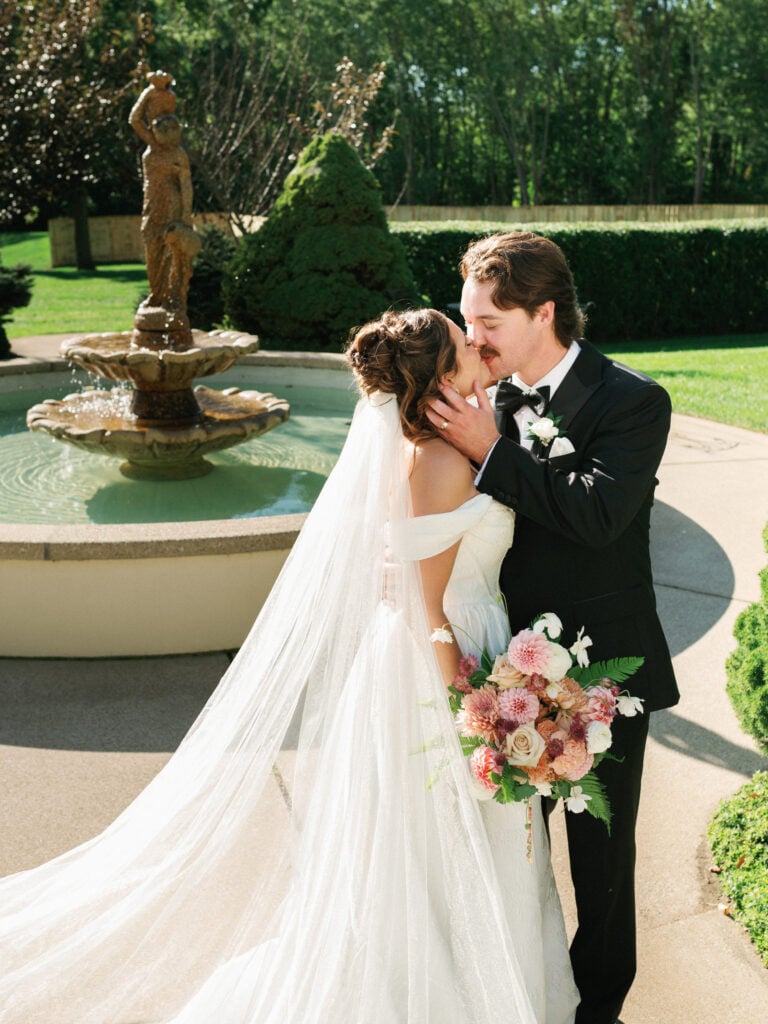
Maravilla Gardens, Camarillo, CA.
What Photography Already Covers
Photography already preserves much of what couples usually want to remember about how their wedding looked. A photograph can hold a particular expression, a gesture, a portrait, a room, or a carefully arranged detail and leave it available for close examination.
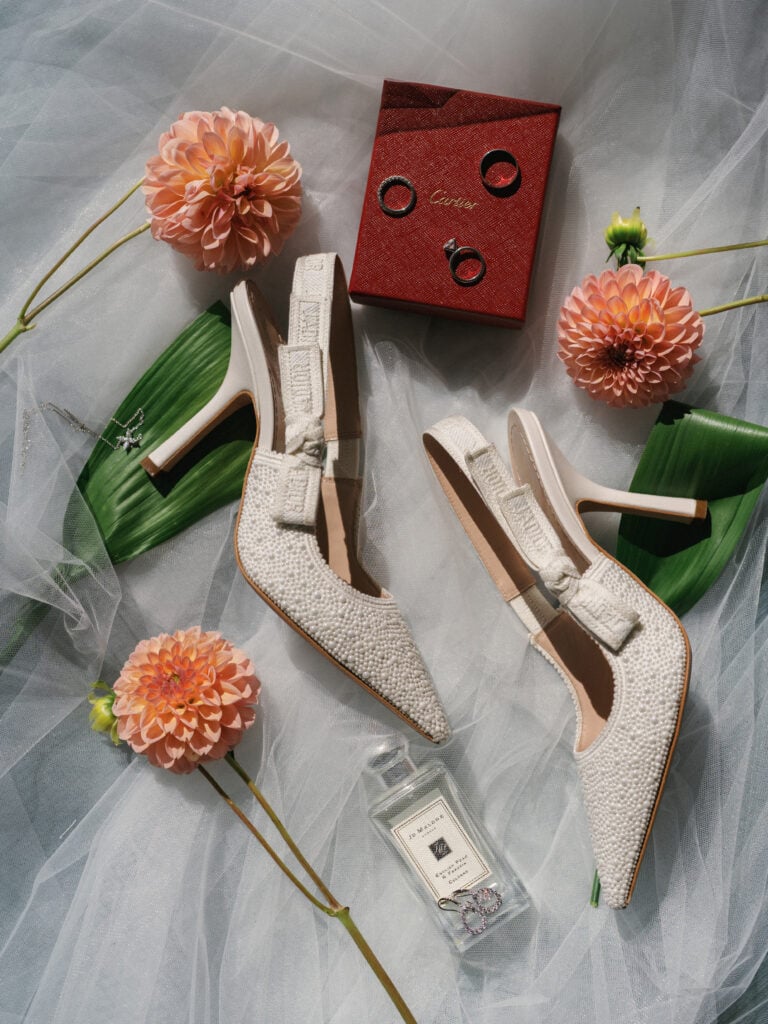
This is especially true for the visual details of the day. The ring, embroidery on a dress, bouquet, stationery, table setting, or a composed family portrait can be preserved with a level of detail that belongs naturally to a still image. Photographs also fit easily into everyday life: they can be printed, placed in an album, framed at home, or viewed individually in a gallery.
For couples who mainly want to preserve the people, setting, details, and defining visual moments of the wedding, photography may already cover nearly everything they want to revisit. Adding video therefore comes down to a different question: are there parts of the day whose meaning depends on hearing a voice, seeing movement, or experiencing a moment as a sequence?
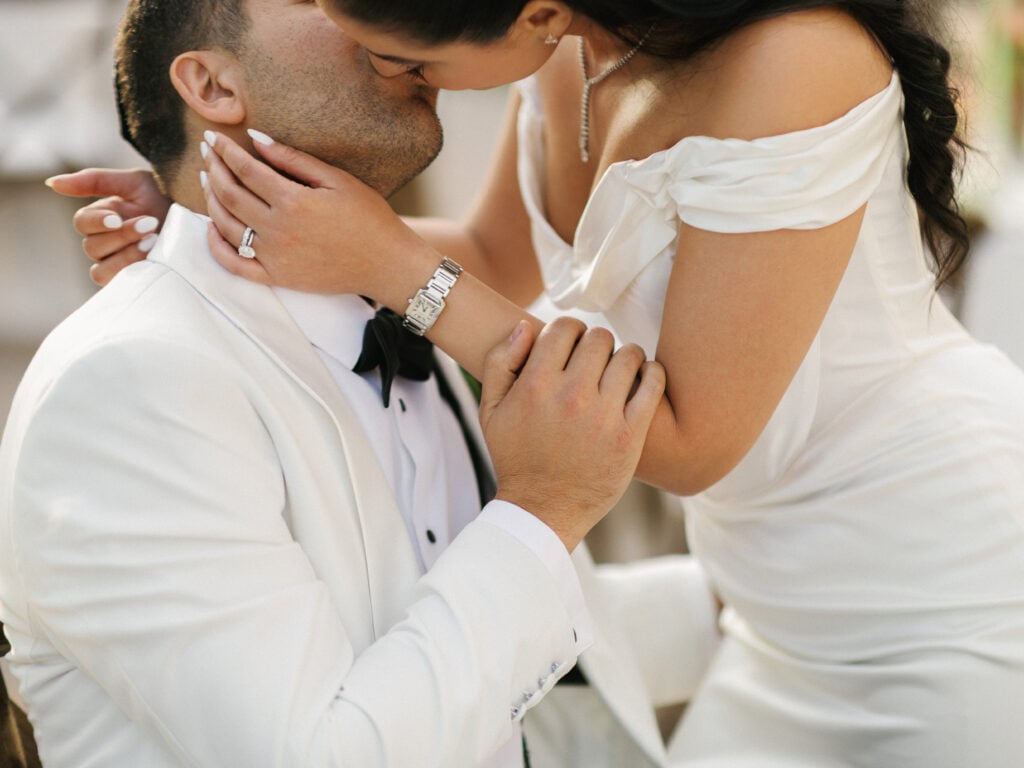
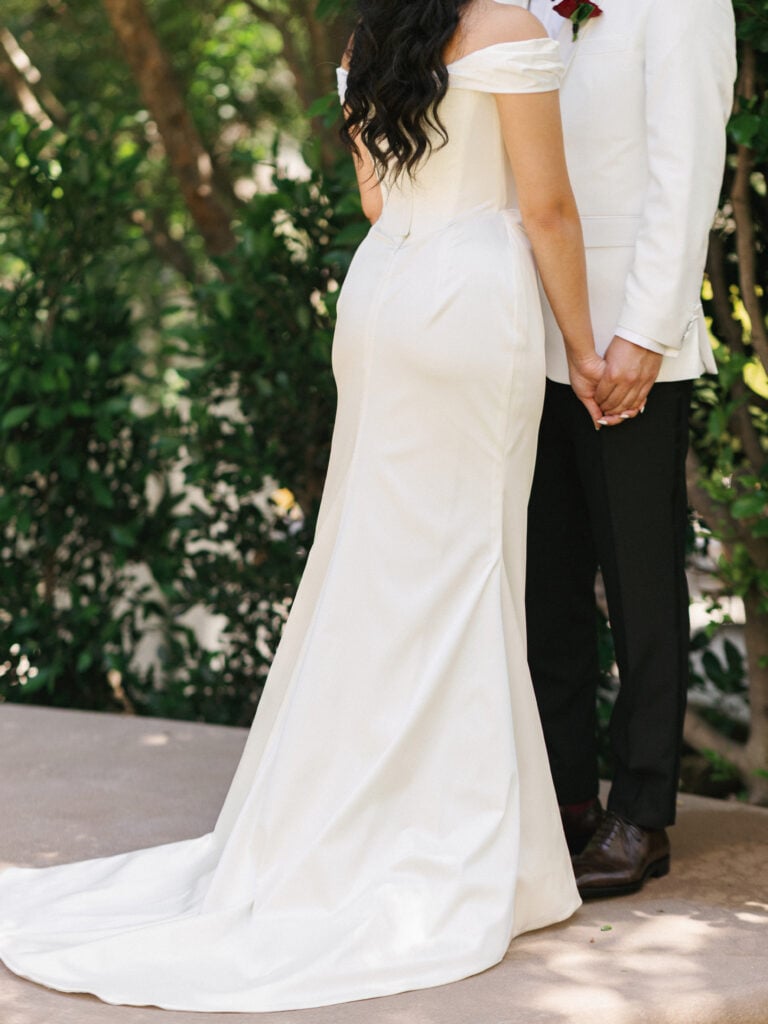
Moments Where Motion and Sound Matter Most
Some wedding moments carry meaning through the way they happen, not only through a single image. Vows are a clear example: the words, pauses, voices, and reactions form one continuous sequence. Speeches have a similar quality, especially when the personality of the person speaking is part of what the couple wants to remember.
St. Casimir Roman Catholic Church, NJ. Shadowbrook at Shrewsbury, NJ.
First dances, parent dances, entrances, and other formal moments also develop through movement. A photograph can preserve a particular position or expression, while film records the gestures, timing, music, and interaction that connect one moment to the next. The same applies to spontaneous moments. A brief exchange between friends, a child’s reaction, guests laughing together, or a family member dancing may last only a few seconds. Film preserves the movement and timing of those moments as they happened, while photography selects individual frames from within them.
The Ritz-Carlton, Laguna Niguel, Dana Point, CA.
The value of these moments can become especially clear when certain people cannot attend the wedding in person. Family members or close friends who are far away can later hear the vows, see the ceremony, and experience reactions and atmosphere from the day. Film can also hold particular significance when an older parent or grandparent is part of the wedding, preserving a familiar voice, gesture, mannerism, or way of speaking alongside their photographs.
Rewatching habits offer another useful point of reference. Couples who already return to home videos, recorded events, or saved clips may naturally enjoy having a wedding film to revisit on anniversaries or share with children years later. For couples who rarely return to recorded video, photography may already cover the parts of the wedding they are most likely to revisit.
The Legacy Castle, Pompton Plains, NJ.
Reasons to Skip or Reduce Video
Video is not the right choice for every wedding, and reducing the coverage or choosing photography alone can be a reasonable fit for some couples. A smaller wedding with few absent guests may also place less emphasis on recorded ceremony and reception coverage.
Personal priorities can point in another direction. Photography may carry greater meaning, or another part of the wedding may deserve more attention within the overall experience. There is no requirement for photography and video to have equal roles.
Coverage can also be limited to the parts of the day where sound and movement carry particular meaning. A couple may care deeply about vows and speeches while having little interest in preparation or late-night reception coverage. Ceremony and speech coverage can preserve those spoken moments while photography documents the rest of the day.
The decision can also reflect how the couple tends to revisit memories. Some people return to photographs frequently and rarely watch long-form video. Others enjoy recorded voices and moving images and may return to specific sections of a wedding film over time.
Expert Note
Future feelings about a wedding film are difficult to predict. Current habits offer a more concrete reference: how often recorded video is watched now, which parts of the wedding feel important to preserve, and whether selected video coverage would serve a specific purpose.
Aster Films planning note
Stone Mountain Estates, Malibu, CA.
Questions About the Finished Film
Wedding films can take different forms, and the finished deliverables determine what a couple actually has available to revisit.
A highlight film may run for a few minutes, with selected moments edited into a short sequence around the emotional character of the day. A fuller edit can retain more of the ceremony and speeches in sequence, giving the couple a longer record of what happened. Some collections also include extended sections of vows, speeches, or ceremony audio alongside the edited film.
Raw or unedited footage is another distinction worth clarifying. Some couples value having a complete recording of vows or speeches even when the finished film is shorter and more heavily edited. Others are interested primarily in the completed film. The delivery method and access period should also be clear, particularly when the finished film is provided through an online gallery or private viewing link.
The number of people filming can affect the range of coverage. One videographer works from a single perspective at a time, while a second can cover separate reactions, angles, or simultaneous moments. A larger or multi-location wedding may require additional coverage positions for preparation, the ceremony, portraits, and reception events happening in different places.
These details shape the finished record more directly than the simple decision to have a wedding video. The format, included footage, access terms, and number of videographers all define what remains available to revisit after the wedding.
Explore recent wedding stories
Browse real celebrations photographed and filmed by Aster Films.
A Decision Scorecard
Question
If the answer is yes
Are there voices the couple would
want to hear again?
Audio has a clear place in the coverage
Are there moments where
movement matters?
Film can preserve the sequence
Are there people whose gestures or mannerisms carry special meaning?
Video can retain those details
Would the couple revisit vows,
speeches, or dances?
A wedding film may have lasting value
Do photographs already cover nearly everything the couple wants to preserve?
Full-day video may be less important
Would selected moments matter more than full-day coverage?
Limited video coverage may be enough
Absent guests are one separate point to consider. A livestream gives someone a way to watch the ceremony in real time. A wedding film serves a different purpose: it remains available to watch after the wedding. Couples who want both may need to plan for both.
Greystone Mansion & Gardens: The Doheny Estate, CA.
Final Thoughts
The decision comes down to the parts of the wedding the couple wants to remember in motion and sound. Voices, movement, reactions, and sequences may give video a clear place alongside photography. For a couple whose priorities are already well covered by photographs, photography alone may be enough.
La Quinta Country Club, La Quinta, CA.
Frequently asked questions
Does wedding videography add something photography cannot?
Yes. Photography preserves individual frames, portraits, details, and expressions, while video retains movement, sound, timing, and sequences. Whether both are worth having depends on what the couple wants to remember from the wedding.
Which wedding moments are worth having on film?
Vows, speeches, first dances, readings, meaningful rituals, and reactions from guests all contain movement and sound that unfold over time. These moments can carry details that a still photograph cannot preserve as a sequence.
Is full-day wedding video necessary?
No. Coverage can focus on the ceremony, vows, speeches, dances, or other parts of the day where movement and audio matter most. A shorter schedule may suit couples who want those moments preserved without full-day coverage.
Will a wedding film actually be rewatched?
Rewatching habits vary between couples. Someone who already watches home videos, recorded events, or saved clips may be more likely to revisit a wedding film. Someone who rarely watches recorded video may place more value on photographs.
Is wedding videography right for every couple?
No. Photography alone, video alone, or both can fit different weddings. The choice depends on the moments the couple wants to preserve and the way they tend to revisit memories.
What happens when important people cannot attend?
A wedding film can preserve the ceremony, speeches, reactions, and other moments for people who could not be there in person. If the priority is watching the ceremony live from another location, a livestream serves a different purpose.