Defining the Actual Heat Exposure
In a Texas summer, the conditions for an outdoor wedding can change considerably over the course of the day. A ceremony, family photographs, wedding-party portraits, and travel between locations can place the couple and guests outside through the hottest part of the afternoon, while those same events may fall into cooler conditions and softer evening light later in the day.
The timeline needs to account for the total time spent outdoors during those hours. A ceremony followed by an hour of portraits can keep the wedding party outside through a substantial stretch of afternoon heat. Moving some portraits later, adding an indoor break, or shortening the time in direct sun changes the amount of heat built into the day.
The date, location, ceremony time, sunset, shade, and total outdoor coverage all shape how the day can be scheduled. The National Weather Service uses both heat index and Wet Bulb Globe Temperature to describe heat conditions, with Wet Bulb Globe Temperature also accounting for sunlight and wind. For an outdoor wedding, those distinctions can be relevant when the same forecast temperature corresponds to very different conditions in shaded and exposed areas.
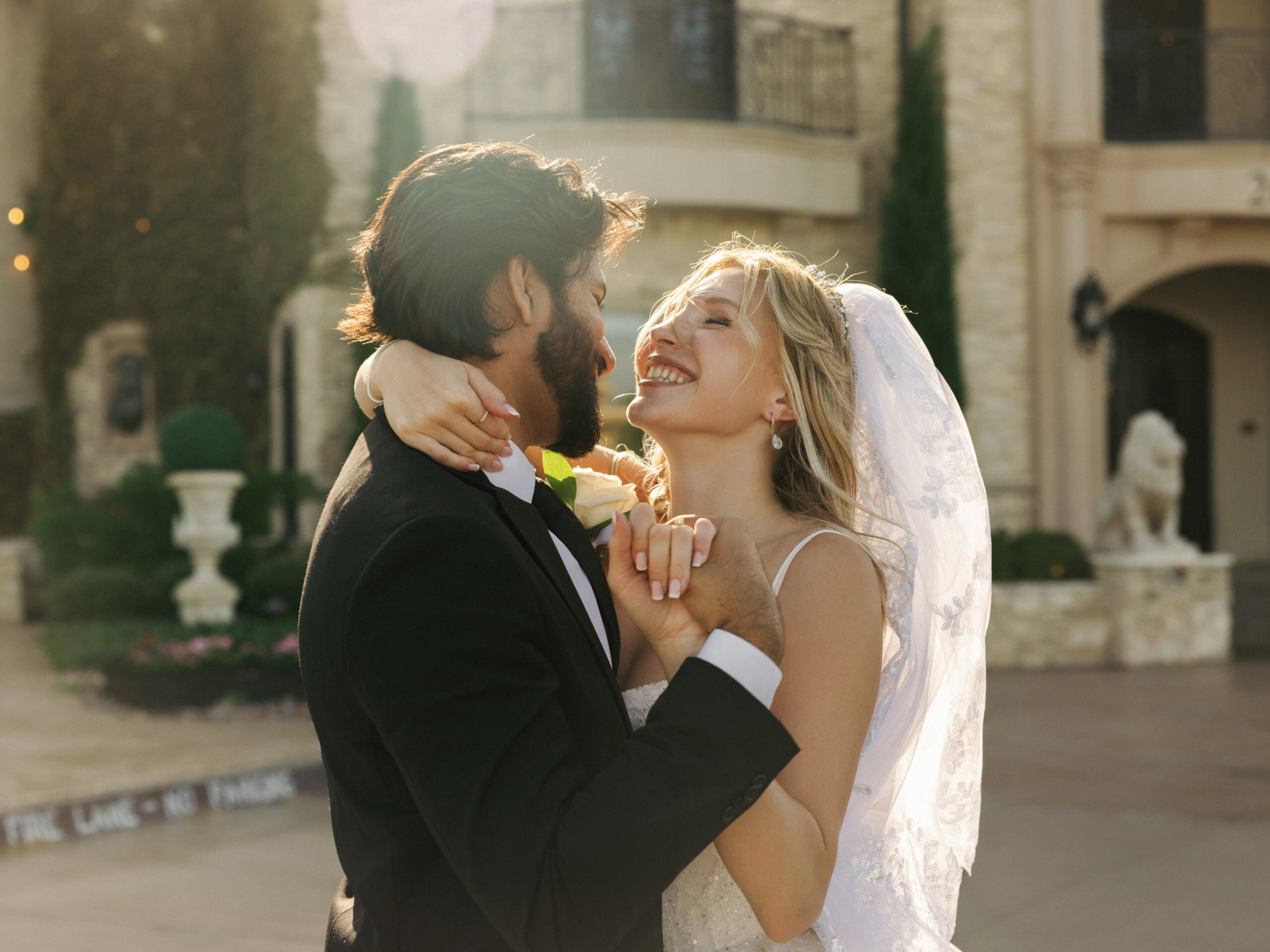
CRYSTAL BANQUET, Plano, TX.
Expert Note
A forecast temperature represents the broader conditions, while the ceremony site has its own microclimate. Open lawns, paved areas, mature trees, covered structures, and buildings can produce noticeably different conditions within the same venue.
Aster Films planning note
Shade and Indoor Reset Points
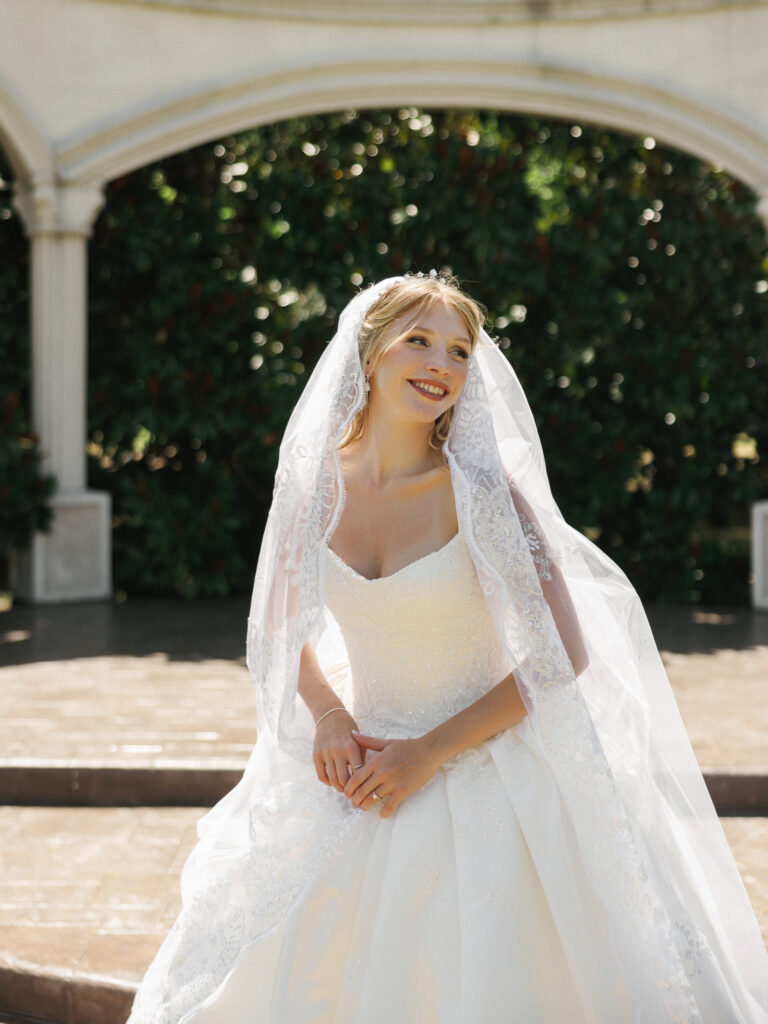
Shade and air-conditioned spaces become useful between the outdoor portions of the timeline. A covered patio can hold guests during cocktail hour, an indoor room can sit between the ceremony and reception, and a shaded area can serve as a waiting point while family photographs are being organized.
The amount of shade available can change throughout the day as the sun moves across the venue. Mature trees, covered pavilions, terraces, and building shadows can provide relief at one hour and leave part of the same area exposed later as the sun moves. The actual time of use therefore needs to be part of the assessment when deciding where guests or the wedding party will wait between photographs and events.
Expert Note
Shade can be especially useful when several family groups are being photographed in sequence. Guests who are not needed for the current photograph can wait nearby without standing in direct sun.
Aster Films planning note
Choosing a Ceremony Time
Ceremony time sets the relationship between afternoon heat, available daylight, and the portrait window later in the day. Texas summer evenings are long, although sunset varies with the wedding date and location. A late-afternoon or early-evening ceremony places the ceremony closer to the cooler part of the day while leaving daylight for the reception and evening portraits.
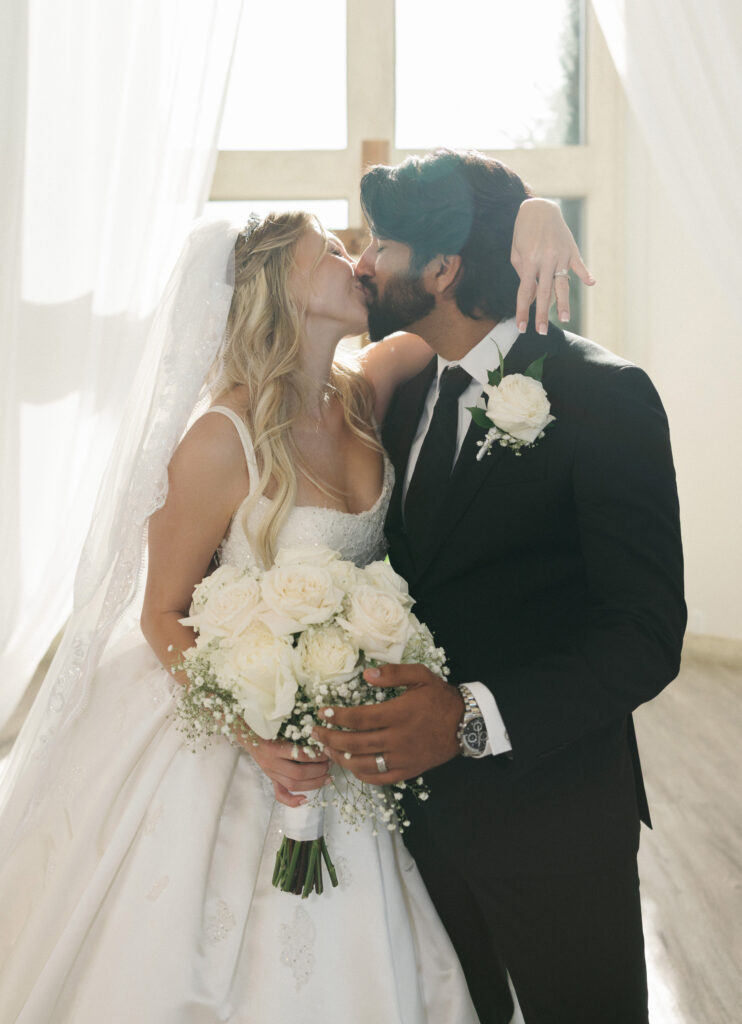
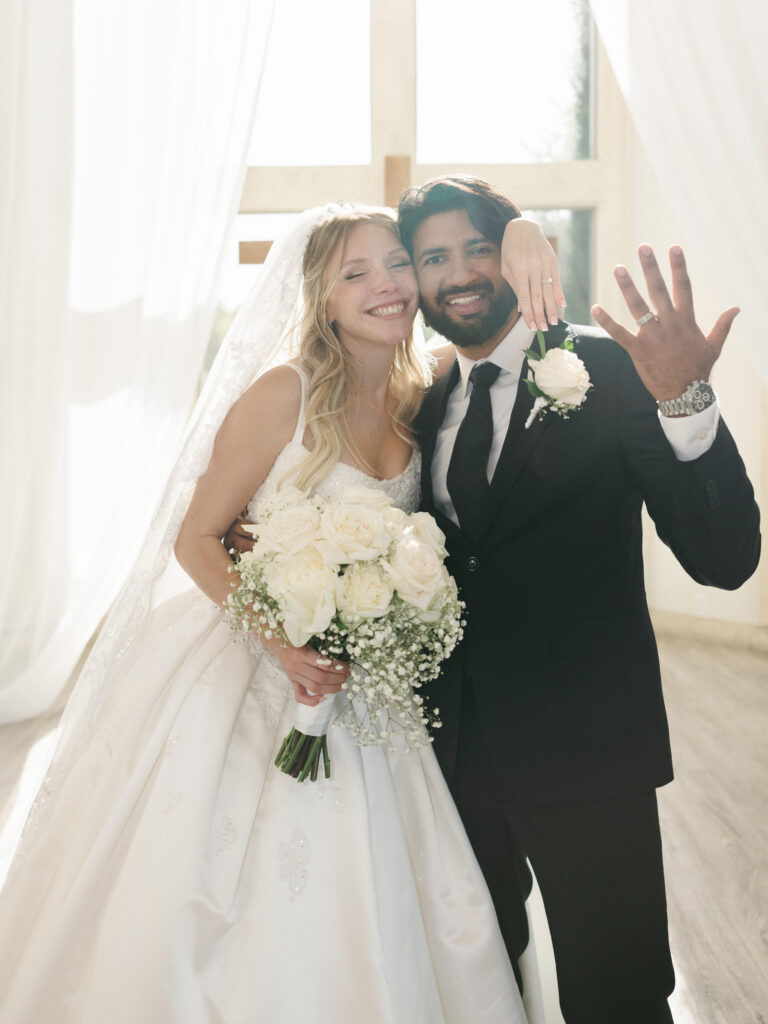
An earlier ceremony leaves more daylight for photographs and more time for the evening reception. An outdoor ceremony at that hour still requires shade, hydration, and shorter periods in direct sun. A later ceremony reduces the afternoon exposure, although a ceremony ending close to sunset leaves less time for family photographs, wedding-party portraits, and travel before the reception.
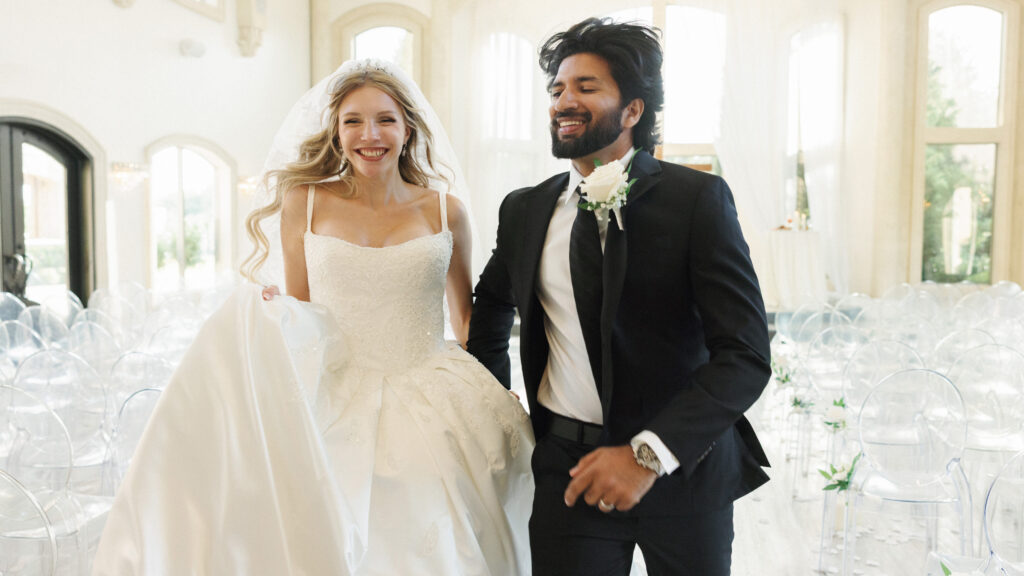
The ceremony length, actual sunset, portrait locations, travel time, and amount of outdoor coverage all contribute to the final timeline. A start time that works for one wedding may place very different demands on another date or location.
Expert Note
The usable evening portrait window can be shorter than the sunset time suggests. Family photographs, gathering the wedding party, and moving to the portrait location all take time before the couple reaches the softer evening light.
Aster Films planning note
Portrait Windows That Avoid Peak Heat
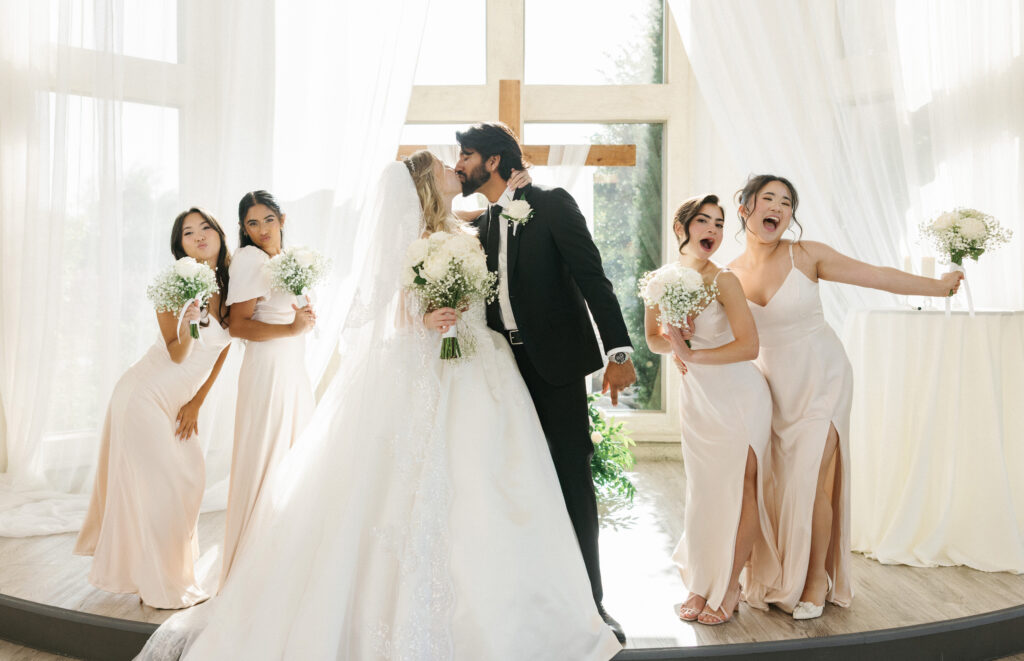
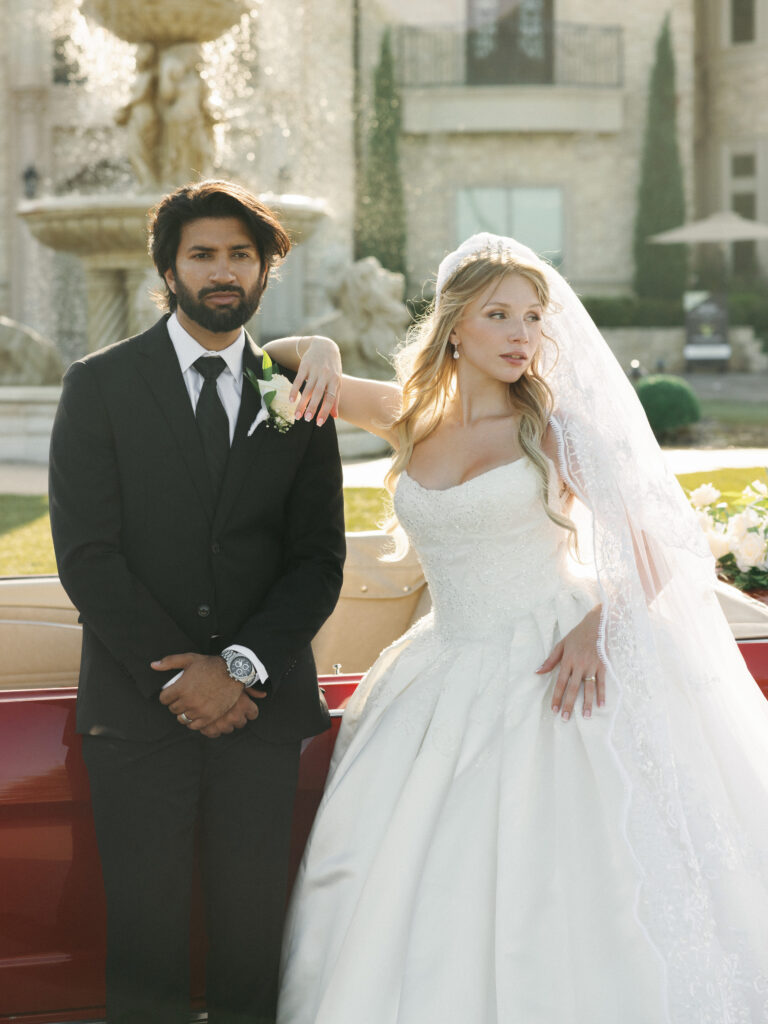
Early-afternoon formal portraits place the wedding party in a warmer part of the day, often under stronger overhead light. Later hours bring lower light and, depending on the date and location, more comfortable outdoor conditions.
Portrait coverage can be divided across the day. A first look and couple’s portraits may take place earlier, with family and wedding-party photographs scheduled for later in the afternoon. Another approach is to complete the larger group photographs earlier and reserve the evening light for a shorter couple’s session.
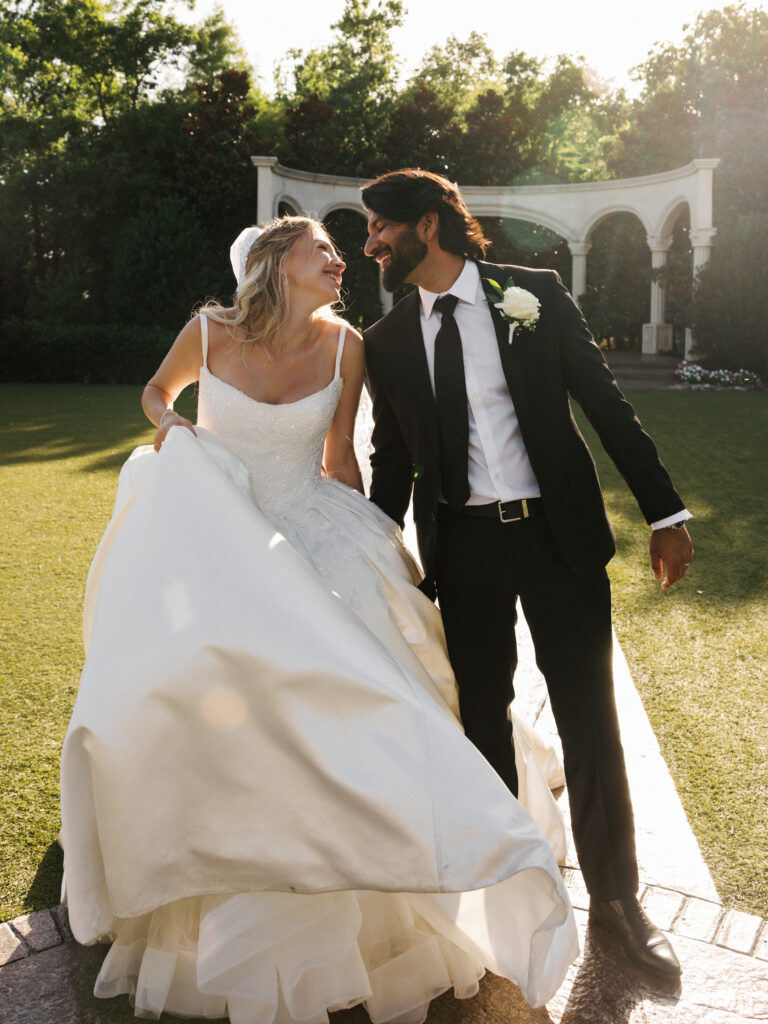
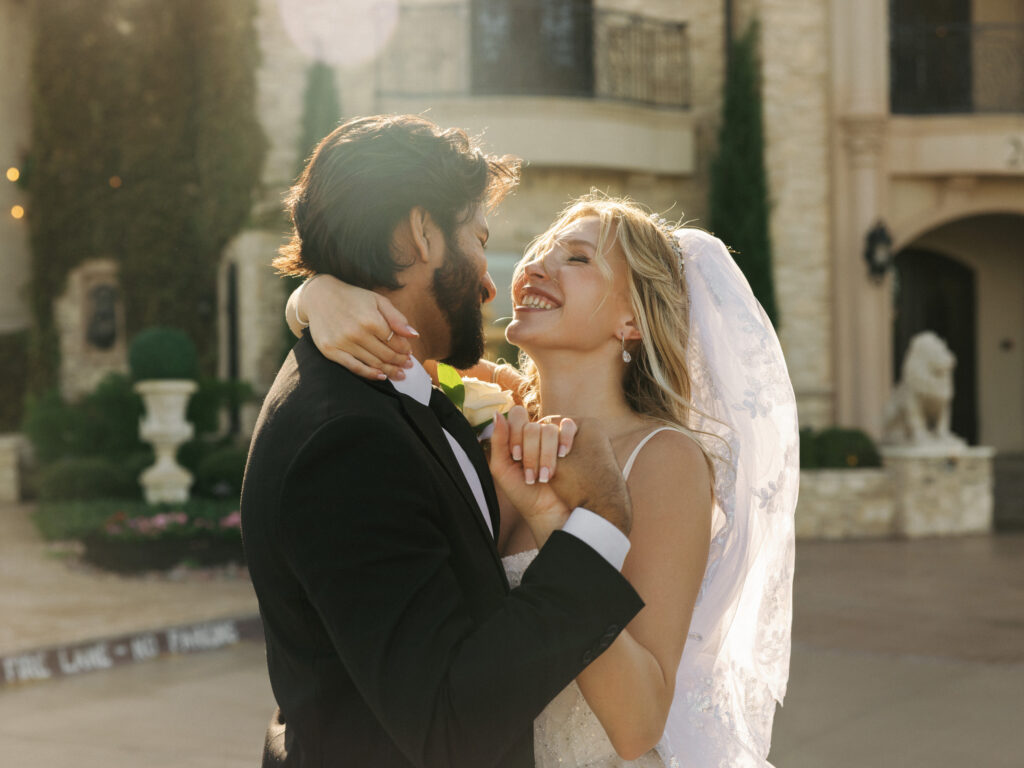
A split schedule also limits the amount of time a large group spends outdoors. Family members can return to a shaded or air-conditioned space after their photographs while the couple continues with the later portrait window.
Travel and gathering time also shape the available evening light. When the portrait location sits away from the ceremony site, the schedule needs to include the time required to move the couple, wedding party, and family between locations.
Expert Note
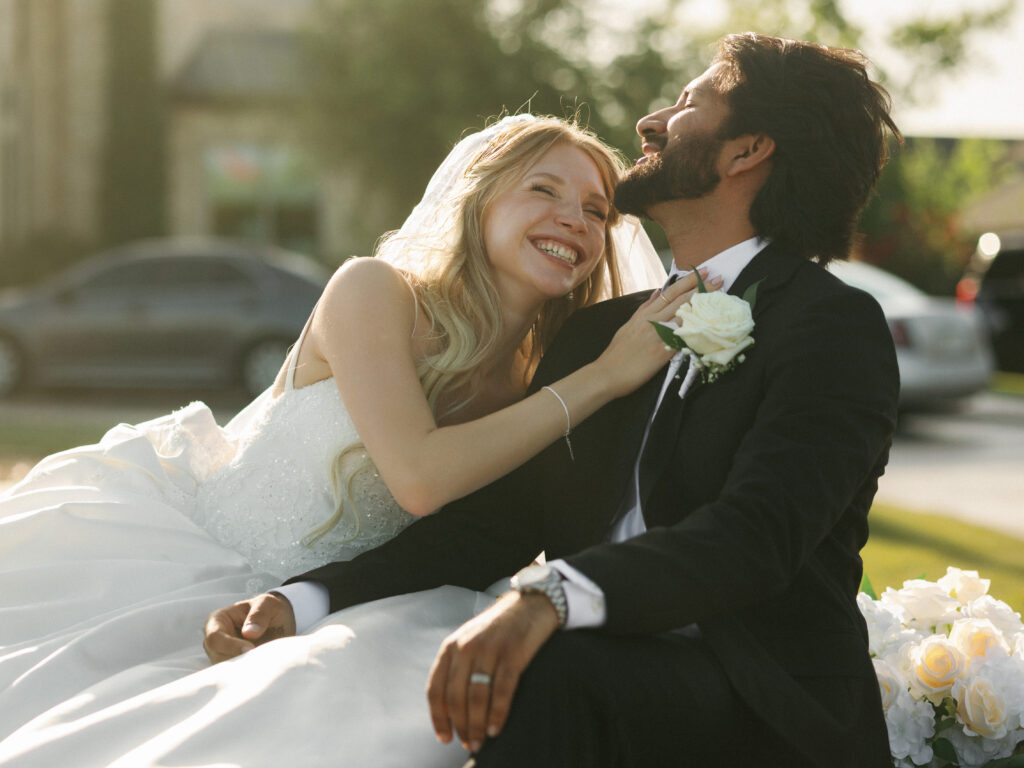
Golden hour is one portrait window within the broader photography schedule. Family and wedding-party photographs can take place earlier, leaving a shorter period of evening light for the couple.
Aster Films planning note
Weather Decision Checkpoints
The forecast becomes more relevant as the wedding date approaches. Seasonal averages describe the general climate, while the wedding date brings its own combination of temperature, humidity, wind, cloud cover, and heat index.
Several days before the wedding, the forecast can indicate whether the planned outdoor portions need adjustment. A final review on the wedding day can account for current conditions before the ceremony, portraits, or another extended period outside. Local National Weather Service forecasts and heat-related advisories provide the relevant conditions for the wedding location.
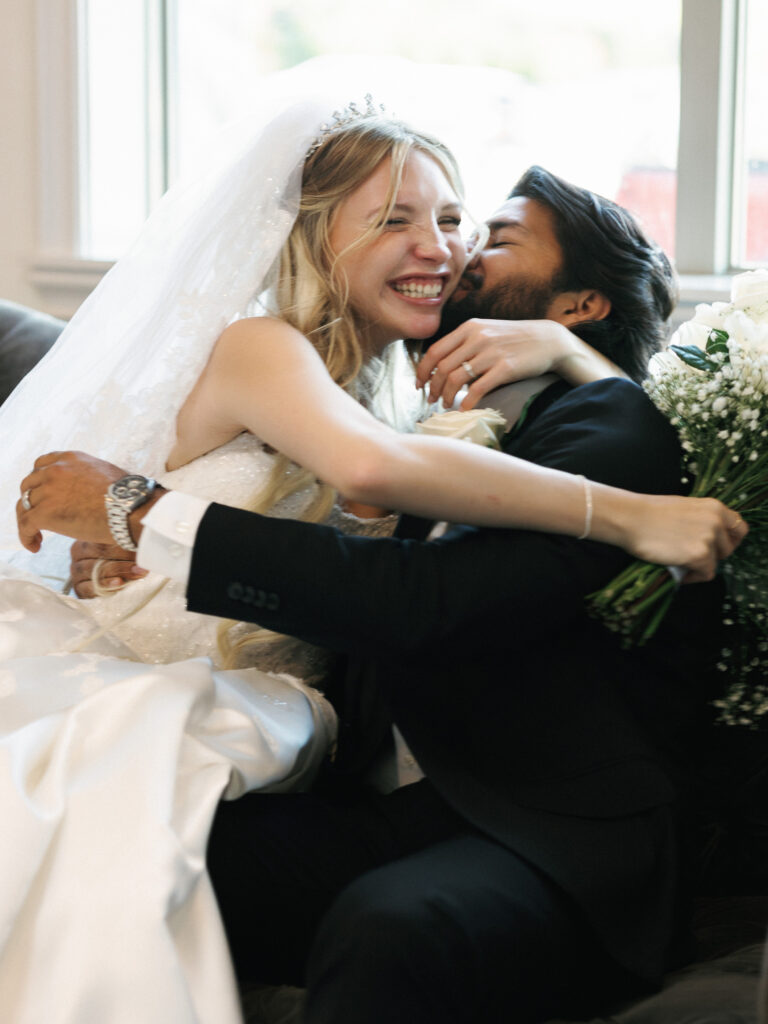
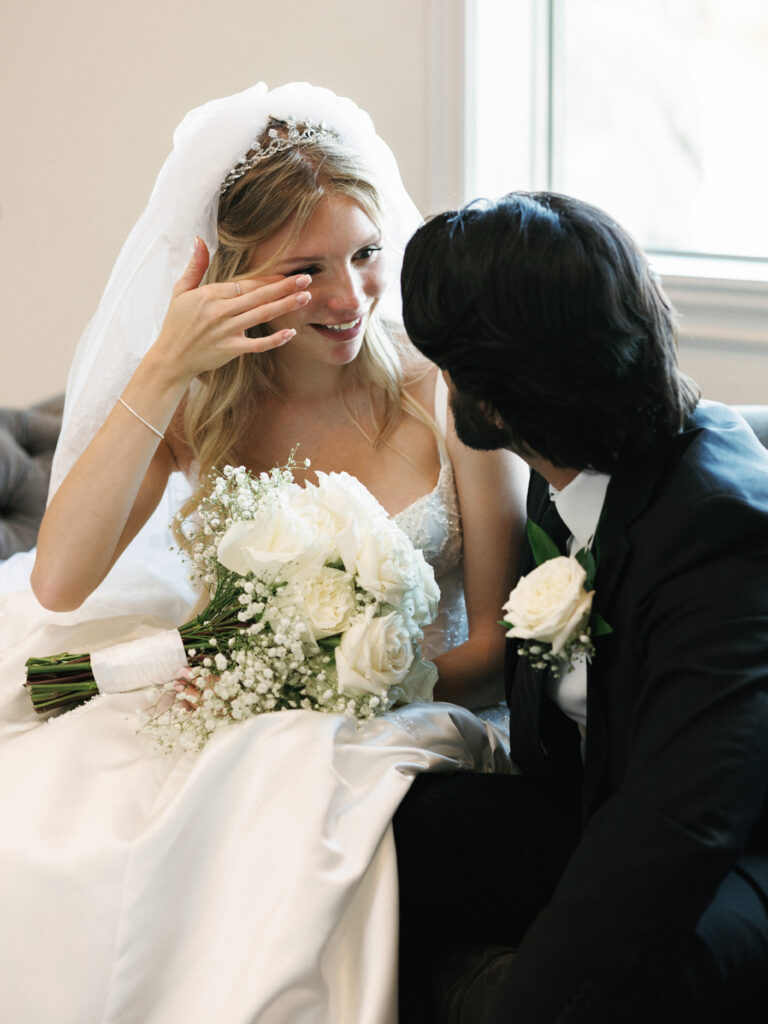
A change in weather does not necessarily affect the entire schedule. The ceremony may move earlier, portraits may shift to a cooler part of the day, or an indoor break may be placed between outdoor events. A shorter cocktail hour can also reduce the amount of continuous time spent outside.
Any changes to the outdoor schedule should also be reflected in the photo and film coverage, especially when they affect the portrait sequence or available evening light.
Expert Note
The forecast review is especially relevant before the first extended outdoor portion of the day. Conditions at that point can determine whether the planned portrait sequence needs to be shortened, divided, or moved to another part of the timeline.
Aster Films planning note
Hydration and Guest Comfort
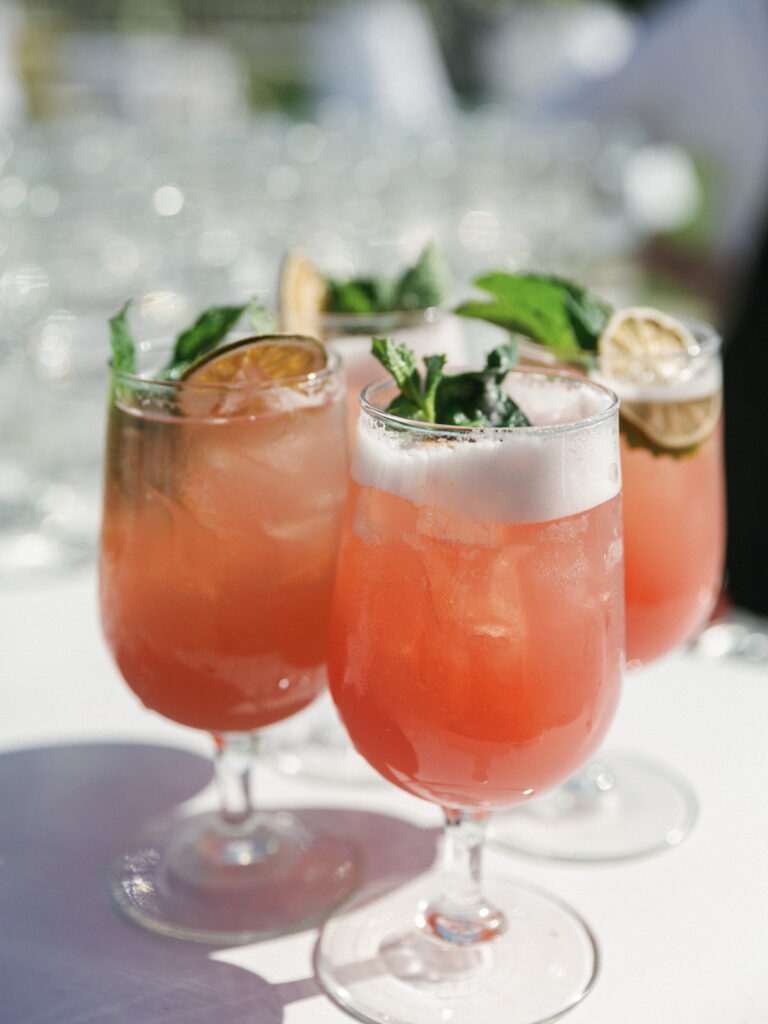
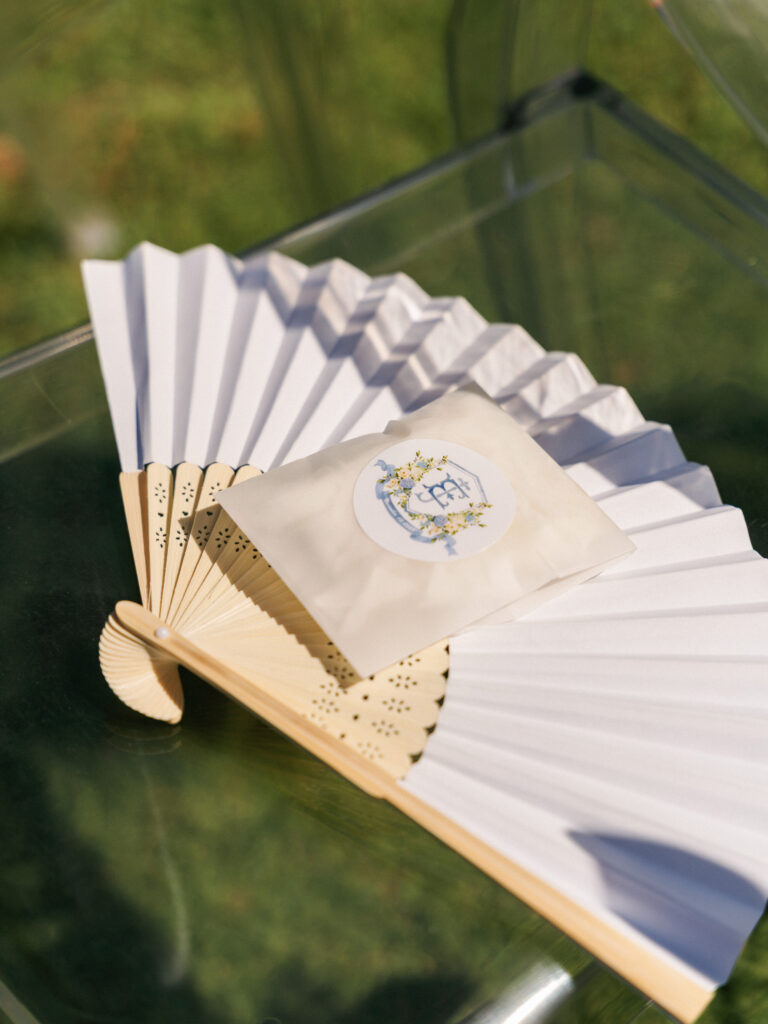
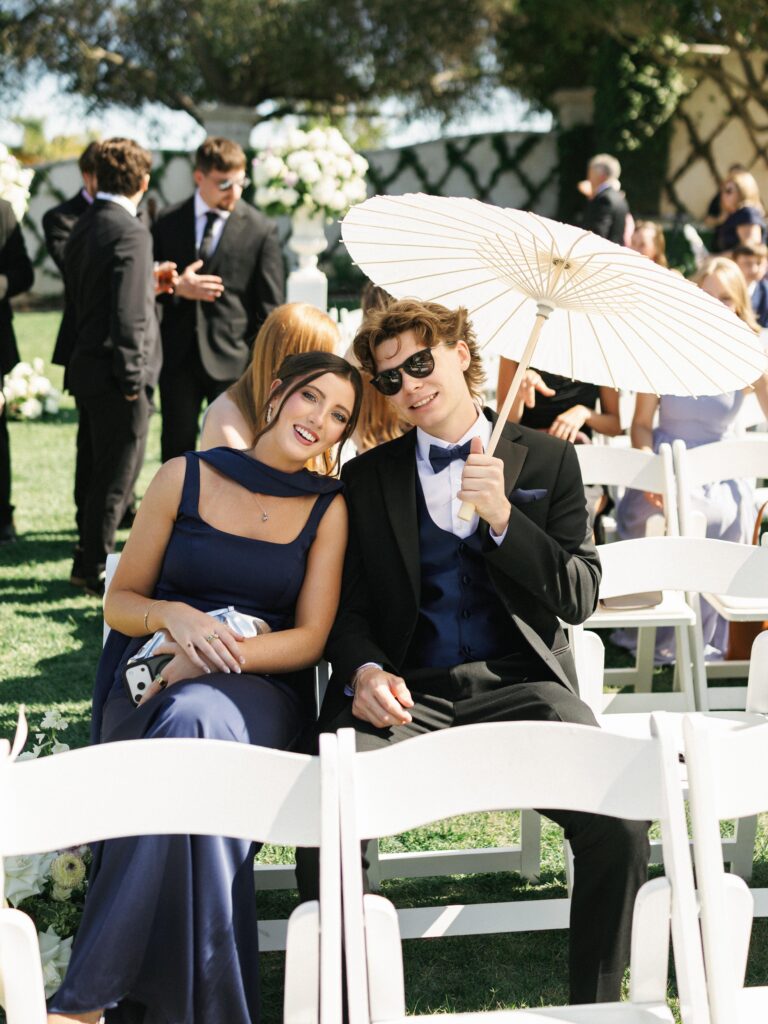
Shade, water, and places to step indoors become important during a long outdoor ceremony or portrait session. Water stations near the ceremony and reception, covered seating, and paper fans at the seats are small details that fit naturally into a summer wedding setup.
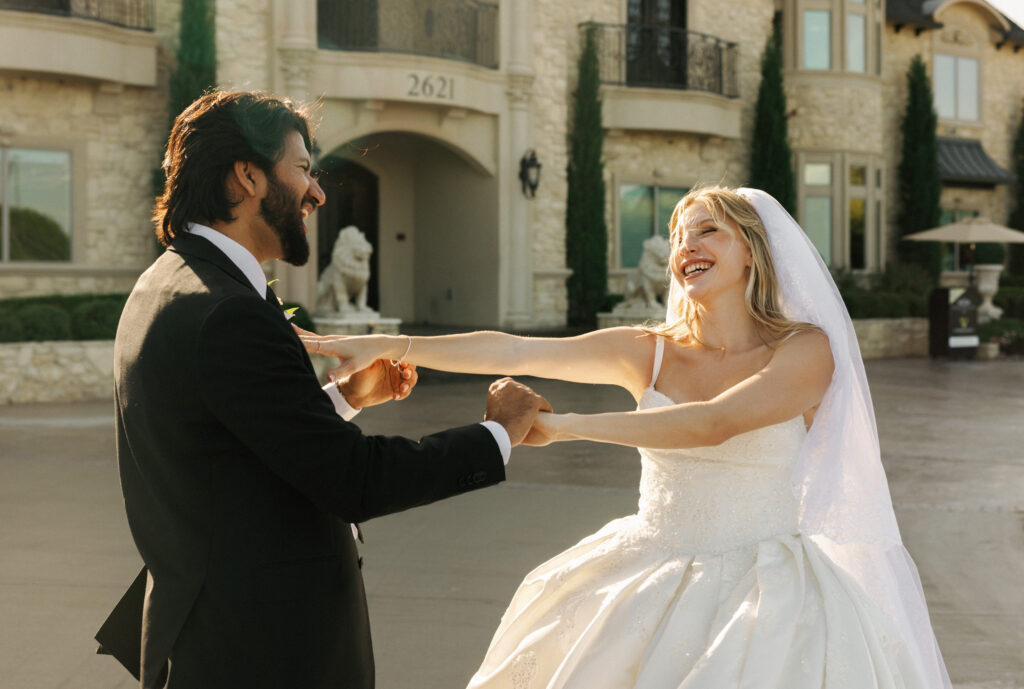
Formal attire also changes how the wedding party moves through the afternoon. Time spent standing for family photographs, walking between portrait locations, and waiting for the next group adds up quickly in direct heat. A shaded or air-conditioned space between sessions gives the wedding party somewhere to cool down before returning outside.
Expert Note
Paper fans are especially useful during a seated ceremony because they provide airflow without interrupting the program. Water stations serve a different purpose and are easier to use when placed where guests naturally pass before and after the ceremony.
Aster Films planning note
Equipment Acclimation in Summer Heat
Summer conditions also affect equipment as it moves between air-conditioned interiors, vehicles, and hot outdoor spaces. Cameras, lenses, audio equipment, batteries, and lighting gear may pass through several temperature changes during a single wedding.
Condensation can form when cold equipment enters warm, humid air. Lenses are especially vulnerable because moisture on the glass can interrupt coverage at the point when the team moves outside. Time for equipment to adjust before extended outdoor coverage is therefore part of the summer schedule.
The transition often happens several times during the day. Preparation coverage may begin indoors, followed by a first look or ceremony outside, with reception coverage returning to an air-conditioned space later. These temperature changes may call for a short acclimation period, along with battery and equipment checks before the next portion of coverage.
Expert Note
A vehicle can be another temperature transition point during summer coverage. Equipment that has remained in a heavily air-conditioned car may need time to adjust before being used in humid outdoor conditions.
Aster Films planning note
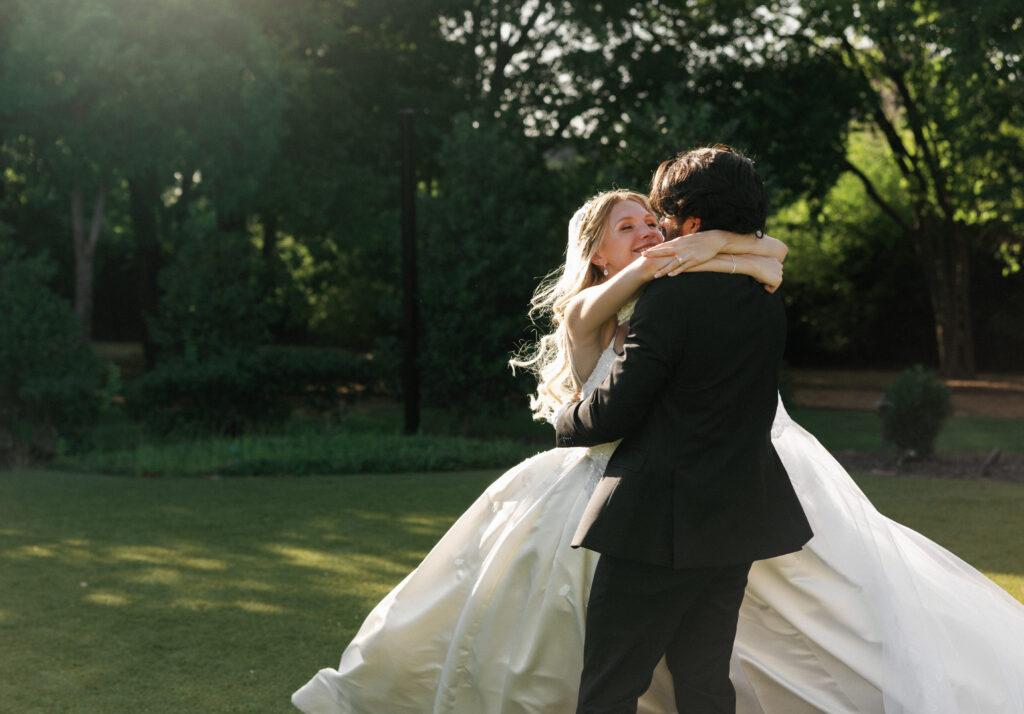
A Summer Wedding Timeline Reference
Time block
Typical conditions
Planning priority
Late morning
Warming, moderate heat
Workable for an earlier ceremony or first look
Midday to early afternoon
Peak heat, harsh overhead light
Best avoided for ceremony or extended outdoor portraits
Late afternoon
Heat easing, light softening
Good window for family formals
Golden hour, roughly 30-40 minutes before sunset
Warm, soft light, cooling temperatures
Ideal for couple portraits and ceremony timing
After sunset
Cooling further, low light
Reception, dancing, evening coverage
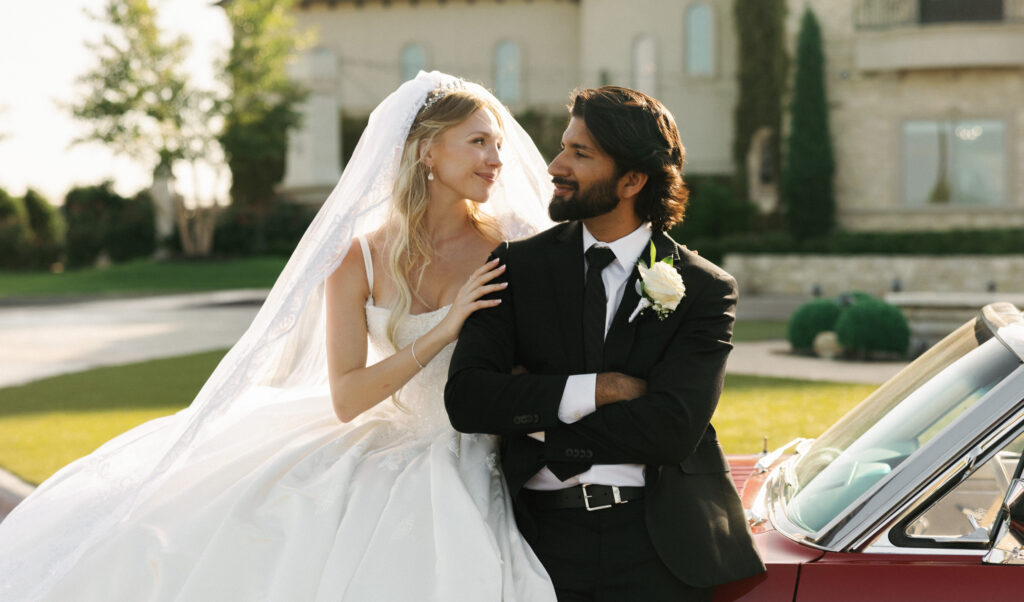
Building the Timeline Around Heat and Light
A Texas summer wedding timeline starts with the fixed parts of the day: the ceremony, reception, sunset, and scheduled events. Photography, travel, outdoor breaks, and guest activities then fit around those points, with shade and indoor spaces placed where the heat is hardest to avoid.
The wedding date, actual sunset, expected conditions, and amount of outdoor coverage all shape the final schedule. A timeline built around those details gives the photo and film team enough room to move through the day without forcing every important photograph into the hottest part of the afternoon.
For a Texas summer wedding, heat is simply another condition the timeline needs to account for. When the schedule reflects the actual date, light, and outdoor exposure, the day can move naturally from preparation through portraits and into the evening.
Frequently asked questions
What time should a Texas summer ceremony start?
There is no single start time that works across Texas. The wedding date, location, sunset, ceremony length, shade at the ceremony site, and portrait schedule all affect the timing. A later ceremony can reduce afternoon heat exposure, while an earlier ceremony leaves more daylight for photographs and the reception.
How can portraits avoid peak heat?
Portraits can be divided across the day. Family and wedding-party photographs can take place earlier in shaded areas, while the couple’s portraits move closer to sunset. Travel, gathering time, and the return to the reception also belong in the portrait window.
What is the backup if heat becomes unsafe?
The backup may include moving an outdoor event indoors, shortening an outdoor portion, adding an air-conditioned break, or changing the order of photographs. A decision point established before the wedding gives the venue, planning team, and photo and film team a defined moment to review current conditions and adjust the sequence.
How much shade is needed for a Texas summer wedding?
There is no universal amount. Guest count, time of day, duration of outdoor events, temperature, humidity, and access to air-conditioned spaces all affect the plan. Shade is especially relevant where guests wait, where the wedding party gathers, and where longer outdoor portions take place.
Should family photographs happen before or after the ceremony in summer?
Either arrangement can work. Photographs before the ceremony reduce the amount of time spent outside after the ceremony, while post-ceremony photographs may suit a ceremony scheduled later in the day. A first look, sunset, and time available before the reception also affect the sequence.
Is golden hour always the best time for wedding portraits in Texas?
Golden hour often provides softer evening light, although it does not need to carry the entire portrait schedule. Family and wedding-party photographs can take place earlier, leaving the later light for a shorter couple’s session. Heat, sunset, ceremony timing, and the reception schedule all factor into the timing.
How should guests stay comfortable during an outdoor summer ceremony?
Shade or covered seating, access to water, and nearby air-conditioned spaces are useful during longer outdoor portions of the day. The timeline can also limit extended waiting periods outside. Current local conditions deserve attention when a heat advisory or warning is in effect.
How does summer heat affect photo and film equipment?
Equipment moves through significant temperature changes during a summer wedding, especially between air-conditioned interiors, vehicles, and hot outdoor locations. The photo and film team may need time for gear to acclimate, along with battery checks and equipment changes between indoor and outdoor portions of coverage.
How often should the weather be checked before a Texas summer wedding?
The forecast should be reviewed as the wedding approaches and again on the wedding day. A final check before major outdoor events can confirm whether the planned ceremony, portraits, and other outdoor coverage still fit the current conditions.