Reading the Ranch’s Layout Before Coverage Is Planned
A Texas ranch wedding can spread the day across a large property, with different spaces serving different parts of the celebration. Getting-ready quarters, the ceremony site, reception barn or pavilion, and portrait locations may sit in separate areas, with gravel roads, open pasture, and tree lines between them. The route between each location affects how the photo and film team moves through the day.
A property map gives a broad picture, but a walkthrough puts the actual routes into perspective. Walking the property lets the photo and film team see how the spaces connect, where the terrain changes, which paths the wedding party and guests will use, and where vehicles can travel.
The walkthrough can also take place around the planned ceremony or portrait hour. At that time, the team can assess the light, shade, and conditions at the locations they will use later in the day.
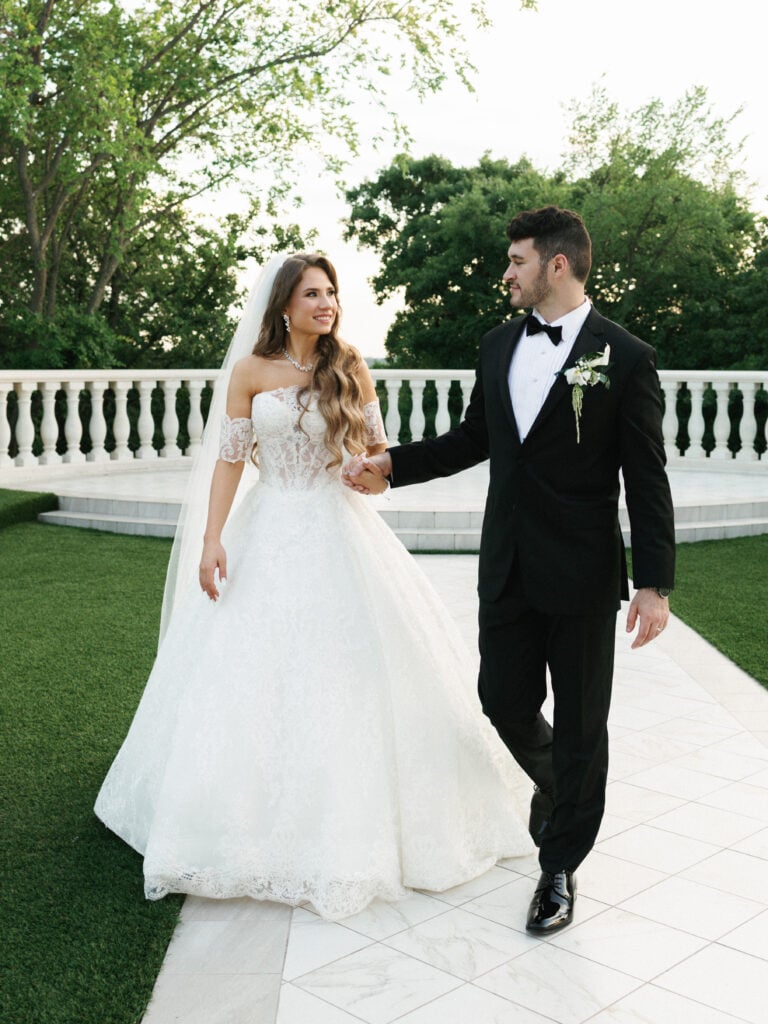
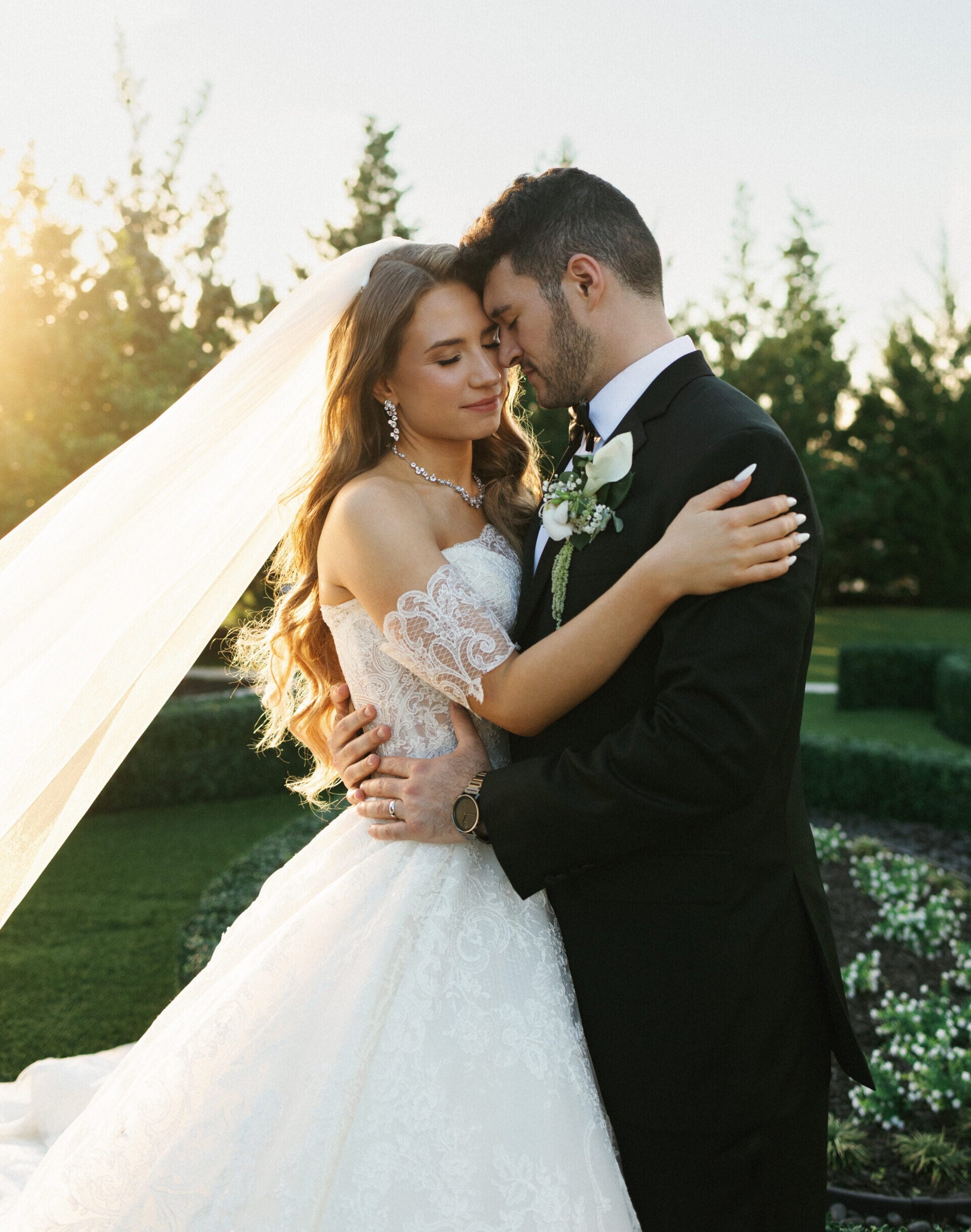
The Hillside Estate, Cross Roads, TX.
Travel Time Between Wedding Spaces
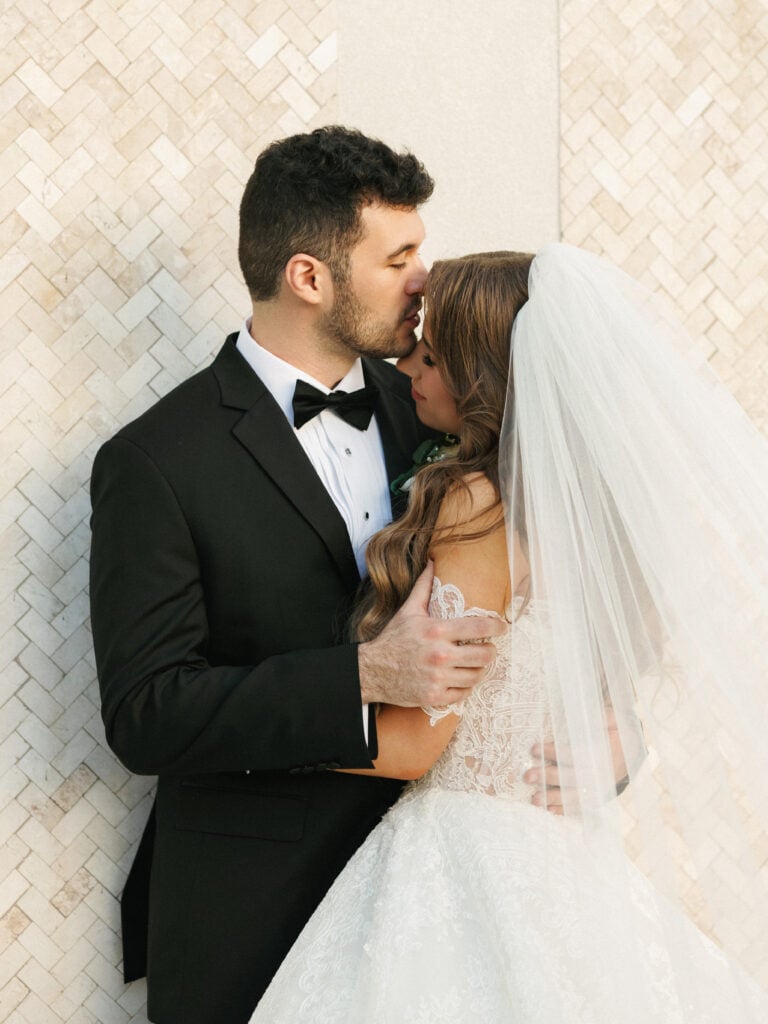
The time between locations can add up quickly on a ranch property. Getting from the getting-ready quarters to the ceremony, then from the ceremony to portraits or the reception, may involve a drive across the property instead of a short walk between rooms.
Many ranch venues use golf carts or utility vehicles for these transitions. Some include transportation with the venue, while others ask the couple to arrange it separately. Confirming what is available early gives the photo and film team a clearer picture of how the day will move from one location to the next. The schedule should reflect the actual time needed for each transition.
A few minutes can disappear quickly once the couple, wedding party, and photo and film team gather, travel, and settle into the next location
Expert Note
Transportation can become part of the sequence itself when several groups need to move at once. If the couple, wedding party, guests, and photo and film team all rely on the same vehicles, the order of those transfers can affect when each group reaches the next location.
Aster Films planning note
Sun, Wind, and Ceremony Audio
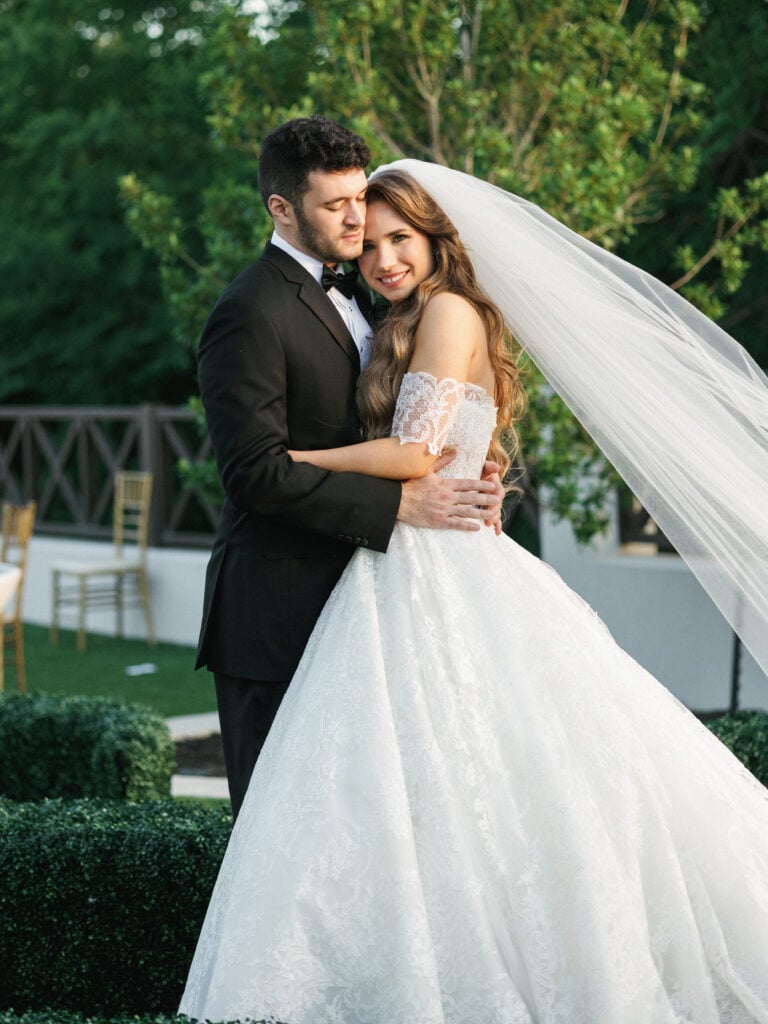
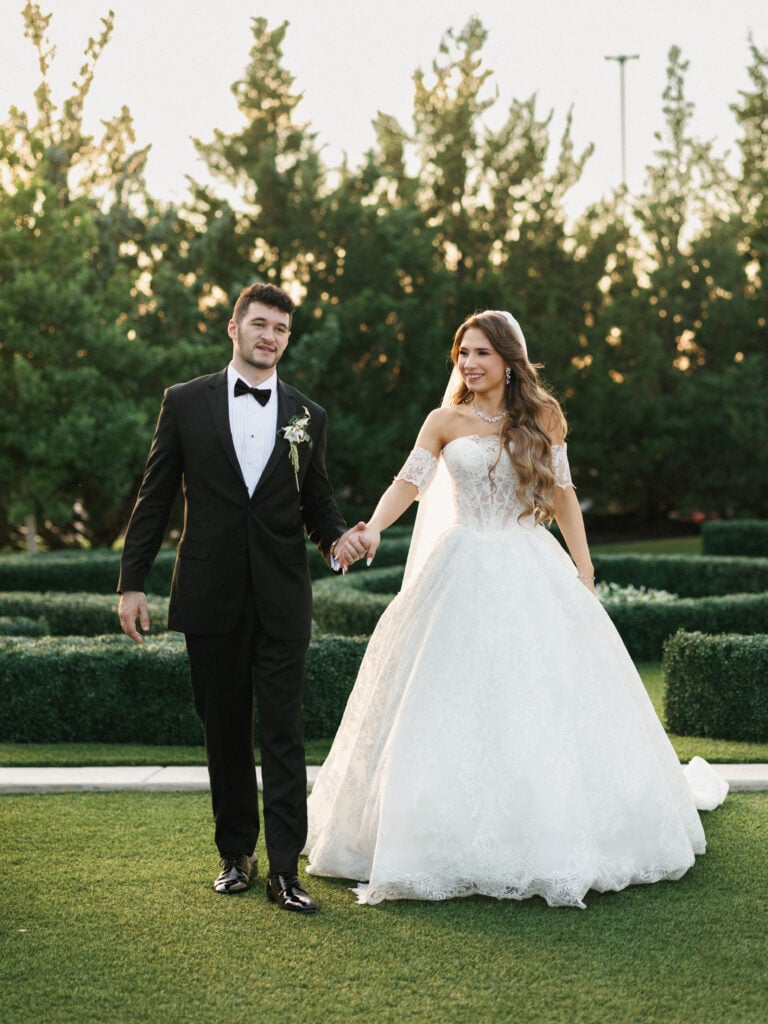
Open pasture and ranch land often leave the ceremony site exposed to direct sun, so the ceremony hour deserves attention during the early planning. A summer ceremony in the middle of the Texas afternoon can place the couple, wedding party, and guests in strong overhead light. A later ceremony can bring softer light and lower temperatures, depending on the season and location.
The sun also affects where the photo and film team can work during the ceremony. The direction of the light can influence camera positions, sight lines, and the way the couple appears on camera. Reviewing the ceremony site around the planned start time gives the team a clear picture of those conditions. Wind brings a separate set of concerns on an open property. Steady wind can move veils, dresses, floral arrangements, and paper details, while stronger gusts can introduce noise into outdoor ceremony audio. Microphones worn by the officiant or couple can pick up wind, while distant microphones can lose clarity when conditions become more exposed.
The ceremony location deserves a close look during the planning visit. A tree line, covered structure, or another sheltered area may change the exposure to wind, while the position of the ceremony itself determines where the film team can place microphones and cameras.
Expert Note
Wind protection should be considered at the microphone level, not only at the ceremony site. The officiant’s microphone, the couple’s microphones, and any camera-mounted audio equipment can each face different exposure depending on their position.
Aster Films planning note
Heat and Rain Fallback Plans
Texas summer heat can turn a long stretch of outdoor coverage into a demanding part of the day. The couple, wedding party, guests, and photo and film team may spend considerable time outside during the ceremony, family photographs, and portraits, especially when the property offers limited shade.
The timeline can place longer outdoor portions of the day at more suitable hours and identify shaded or indoor areas for breaks between events. The team should also know where equipment can stay out of direct heat and where the couple can step inside between photographs.
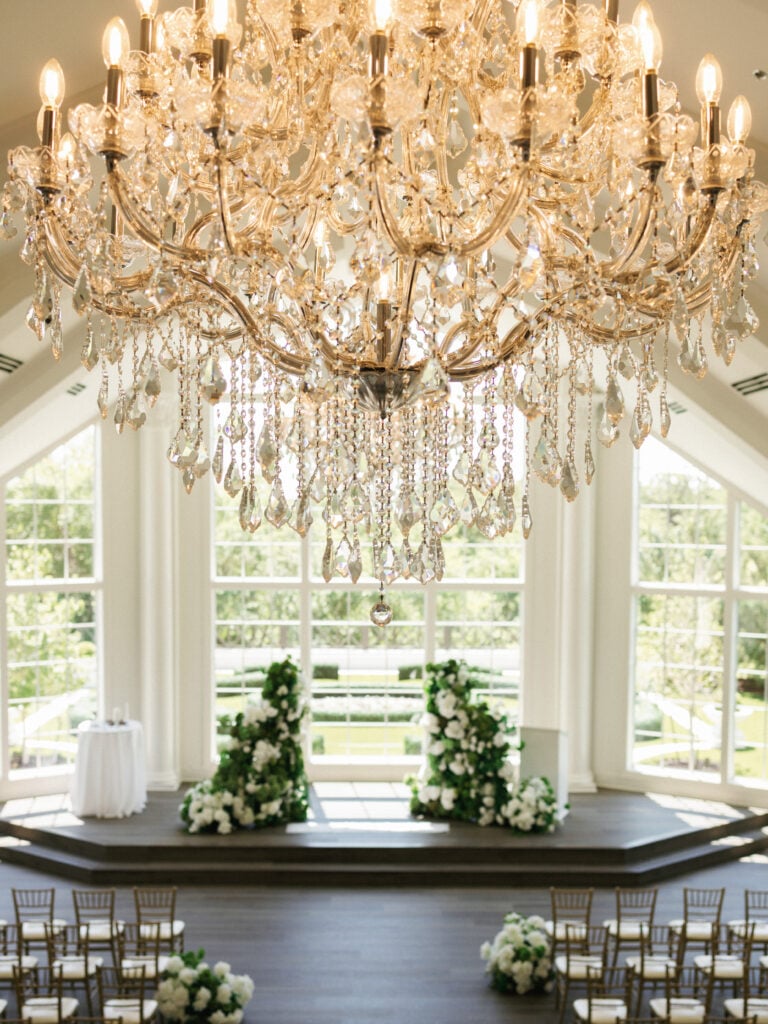
Rain requires a separate plan for the ceremony, portraits, and movement around the property. A barn, covered pavilion, or indoor room may serve as a backup location, depending on the venue. The venue should specify which space will take over, who makes the call to move, and how much time the transition requires.
Heavy rain can also change the routes between locations. Gravel roads, grassy areas, parking, and access points may become difficult to use, so the backup plan should include the route to the alternate space.
Expert Note
The timing of a weather change can affect coverage too. A decision made during portraits may require equipment to be packed, moved, and set up again at the backup location before the next scheduled event.
Aster Films planning note
Power and Lighting Across an Open Property
Ranch properties can have different levels of electrical access across separate event spaces. The ceremony site, reception area, getting-ready quarters, and locations used for evening portraits may not share the same power availability.
The venue can confirm where reliable outlets are located and whether generators, extension cables, or additional equipment are permitted. This information is relevant to film lighting, audio equipment, battery charging, and other equipment used throughout the day.
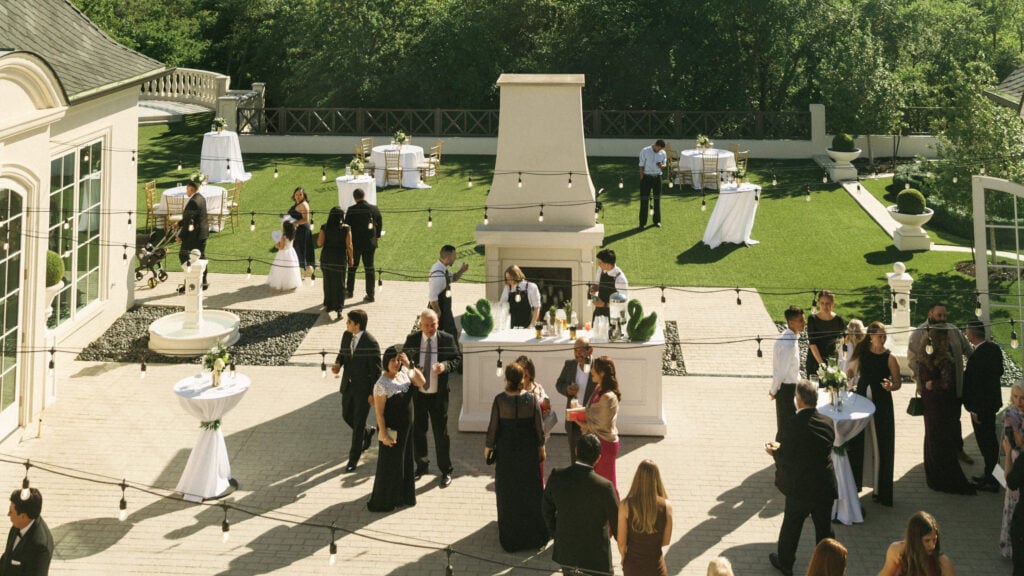
Evening coverage introduces another layer of planning. A barn, pavilion, or outdoor reception may rely on string lights, lanterns, chandeliers, candles, or other fixtures once natural light fades. The photo and film team should know which lighting the venue provides and which equipment they plan to bring themselves.
Lighting also affects the transition from daylight into the reception. If portraits are planned near sunset, the team needs to account for the available light, travel time to the reception, and any lighting setup required before evening events begin.
Expert Note
A reception lighting check should take place after sunset when possible. Existing fixtures can look sufficient during daylight but leave darker areas once natural light disappears, especially along entrances, paths, and outdoor guest areas.
Aster Films planning note

Questions Worth Asking the Venue and Crew
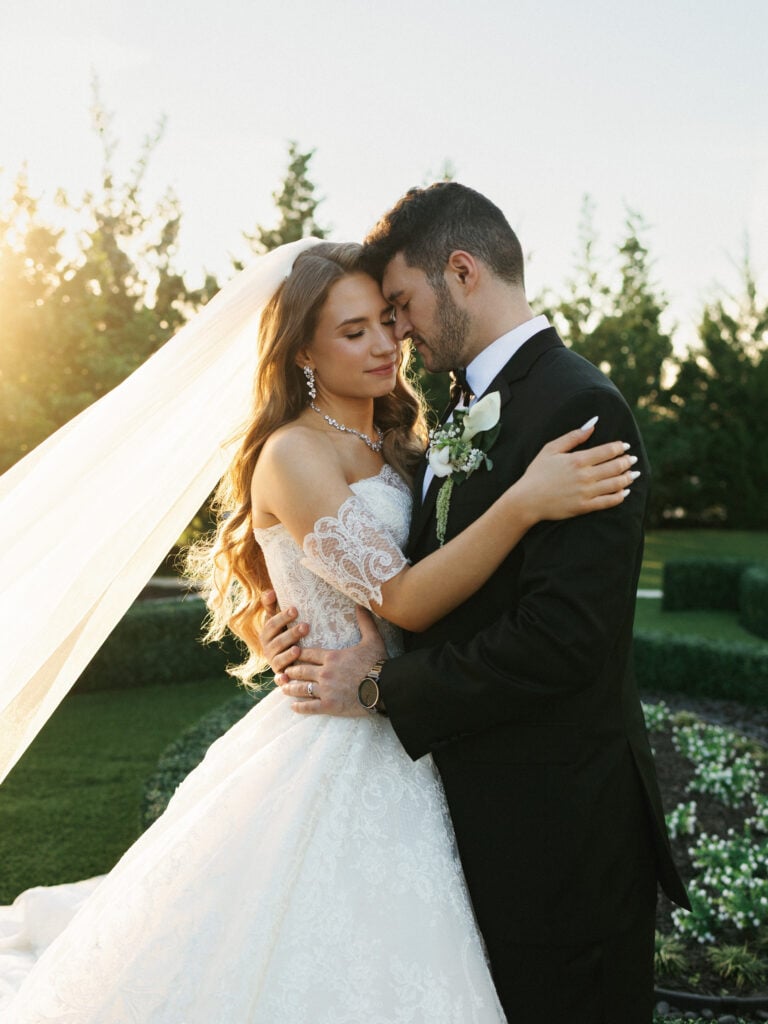
The venue can provide details about the property that may not be clear from a floor plan. Useful information includes the distance between getting-ready spaces, the ceremony site, and the reception, whether golf carts or other transportation are available and included, what the rain and extreme-heat contingency plans cover, and where reliable power is available across the property.
The photo and film team can then plan coverage around those conditions. The conversation can cover the buffer time needed for travel between locations, the approach to ceremony coverage in strong wind or direct sun, and any additional lighting required for portraits or reception coverage after sunset.
A property manager or wedding coordinator may also know details that a photo and film team cannot fully anticipate, including road conditions after recent rain, typical guest parking near the ceremony site, or areas of the property that collect standing water. Bringing this information into the timeline early puts the actual conditions of the property into the coverage plan.
Expert Note
Access restrictions can affect the coverage route even when locations are close together. A ceremony lawn, portrait area, or service road may have limits during guest arrival, venue operations, or private events on the property. Knowing those restrictions early keeps restricted areas from becoming unexpected gaps in the photo and film timeline.
Aster Films planning note
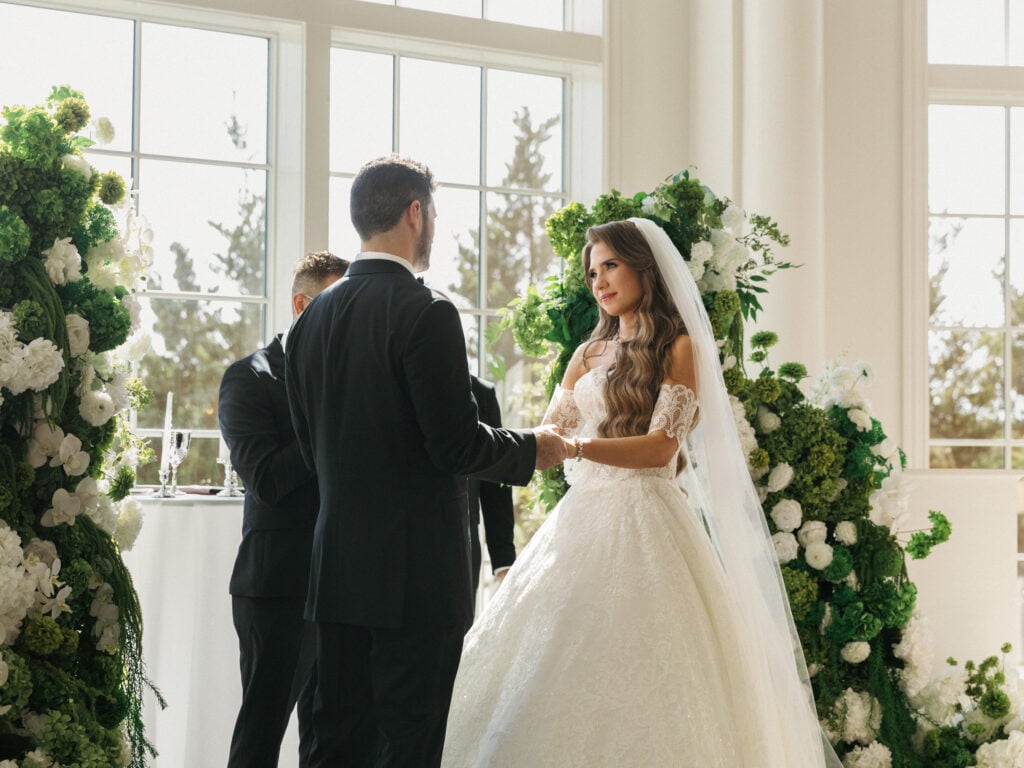

A Ranch Wedding Planning Reference
Planning area
What to confirm
Who to ask
Property layout
Real distances between getting-ready, ceremony, and reception spaces
Venue, during a walkthrough
Travel between spaces
Golf cart or transport availability, realistic buffer time
Venue and photo/
film team
Ceremony sun and wind
Timing relative to sunset, shade availability, wind exposure
Venue and photo/
film team
Heat and rain fallback
Specific indoor or covered contingency plan
Venue
Power access
Available outlets or generator needs at each location
Venue
Evening lighting
What the venue supplies versus what the crew brings
Photo/film team

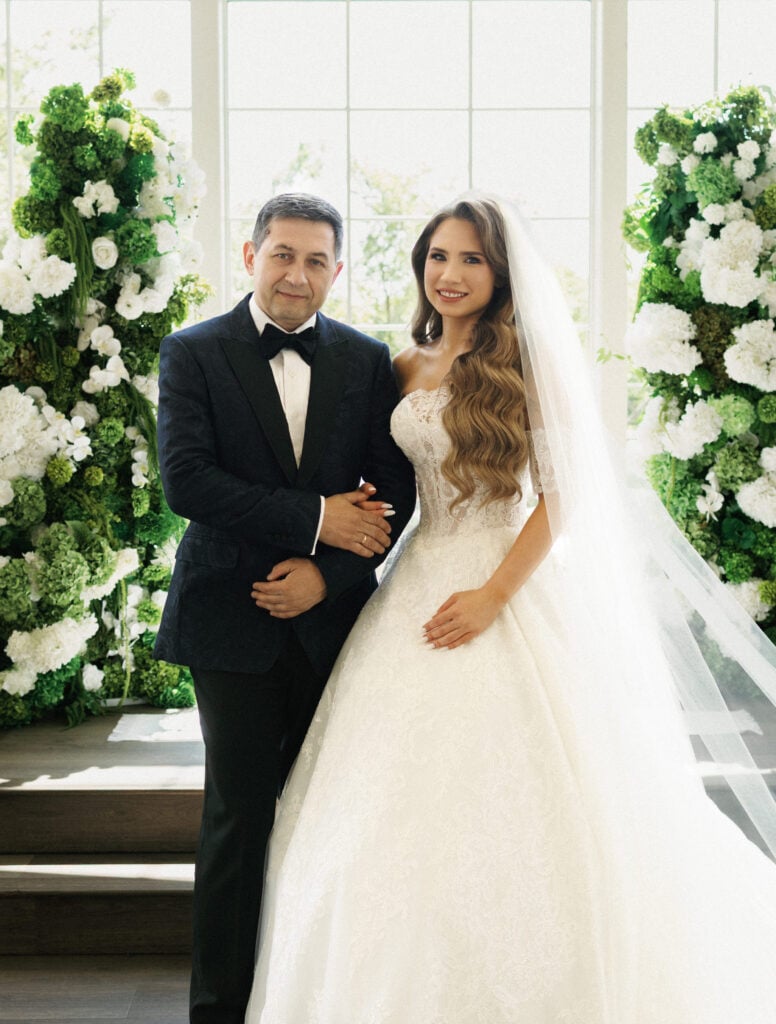
The Property in the Final Wedding Timeline
A Texas ranch wedding timeline needs to account for the property as well as the ceremony and reception schedule. Travel between separate spaces, vehicle transfers, equipment setup, changing light, and weather contingencies all occupy real time during the day.
The final timeline can bring those elements together with the ceremony, portraits, reception, and other events. A property map with the confirmed routes, access points, and backup locations can accompany the schedule as a shared reference for the venue, planner, photographer, and filmmaker.
The physical layout of the ranch then has a defined place in the wedding-day plan, from the first preparations to the final reception coverage.
Frequently asked questions
What should couples ask a ranch venue during planning?
Useful details include the real distance between getting-ready spaces, the ceremony site, and the reception; vehicle access; gates and roads; power; lighting; weather contingencies; and transportation. The photo and film team should also know where equipment can be stored and which areas remain accessible after heavy rain.
How much travel buffer is needed between spaces at a ranch wedding?
There is no single buffer for every ranch property. The route, terrain, vehicle access, equipment, and number of locations all affect the time required. Walking or driving the actual route during a property visit provides a more accurate basis for the timeline than measuring distance on a map alone.
For a property with substantial distances between major spaces, 15 to 30 minutes can serve as a starting point for major transitions, with the final timing adjusted after the route has been tested in person.
How does wind affect ceremony sound at an outdoor ranch wedding?
Steady wind can introduce background noise into outdoor microphones and affect the clarity of vows, readings, and speeches. The film or audio team can review microphone placement and wind protection around the site’s exposure, including the position of the officiant and couple.
Do ranch venues typically have a rain plan already in place?
Many ranch properties have a covered or indoor space that can serve as a weather backup, although the arrangement varies by venue. The timeline should identify where the ceremony or portraits would move, how much time the transition requires, and which routes remain accessible after heavy rain.
Is heat a concern at a Texas ranch wedding?
Open ranch properties may have limited shade, especially across pasture or lawn areas. Ceremony timing, shaded areas, indoor spaces, water access, and the length of outdoor portrait sessions all factor into the plan for a summer wedding.
Does a ranch wedding need additional lighting for photography and film?
It depends on the property and reception setup. A barn, tent, pavilion, or outdoor reception may have limited permanent lighting, so the venue and photo and film team can review existing fixtures, power access, and any restrictions on additional equipment.
Should the photo and film team have a map of the ranch?
A property map can identify the ceremony, getting-ready spaces, portrait locations, reception area, parking, power access, and routes between them. An annotated map can also mark gates, access restrictions, weather backups, and areas where equipment needs to be moved.
How early should the photo and film team visit the property?
A property walkthrough before the final timeline is set gives the team an opportunity to review routes, light, access, power, weather backups, and ceremony positioning while there is still time to adjust the schedule. The complexity of the property can determine how early that visit needs to happen.