

The Astorian Wedding: Skyline Portraits, Ceremony Layout and Reception Photos
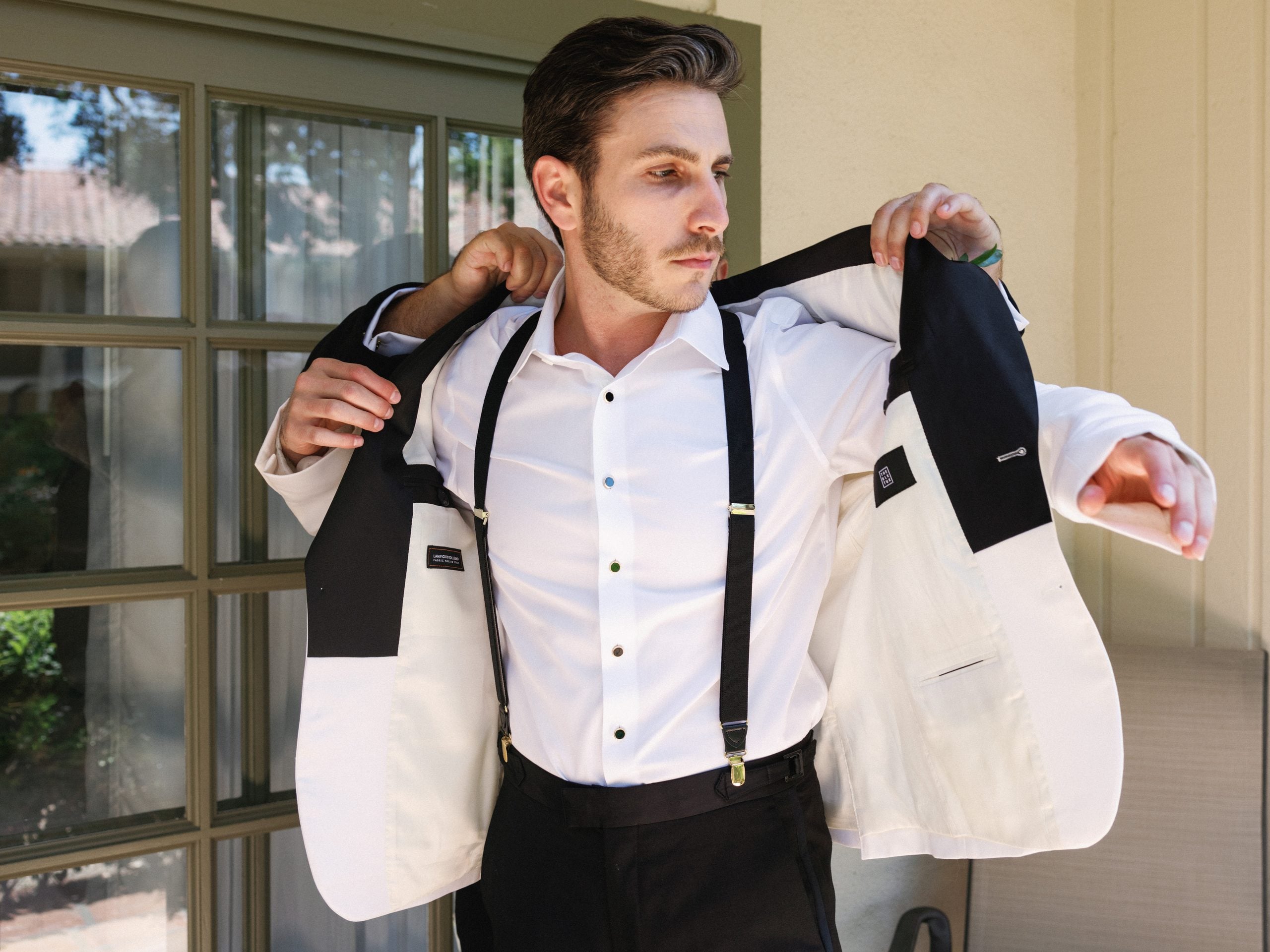
The Astorian changes as daylight leaves the Houston skyline and the reception lights take over. A window that works for a bright afternoon portrait may show reflections after dark, while the ballroom layout may change between the ceremony and dinner.
Plan those transitions on the floor plan before filling the day with photo locations. The aim is a useful wedding schedule, not a series of appointments built around the camera.
Know the Astorian space you are booking
The Astorian is a private loft at 2500 Summer Street in Houston. The operator currently describes a 14,000-square-foot space with 14-foot ceilings, a gourmet kitchen and bar, downtown views and an interior influenced by 1920s Art Deco and New York’s Grand Central Station.
That total floor area is not a seated-capacity promise. Ask for the plan for your guest count, with the ceremony, tables, dance floor, entertainment and service routes shown together. A wide photograph of an empty room does not establish how guests and suppliers will move through your arrangement.
The operator markets the venue for weddings, including ceremonies and receptions. Your proposal still needs to identify the exact spaces and access periods available for preparation, the ceremony and the celebration afterward.
Put ceremony sightlines before the backdrop
Start with the couple and officiant, then place the first guest row and check the view from a seated guest’s height. Only then settle the aisle, flowers and permitted camera positions for the entrance, vows and recessional.
For a window-facing ceremony, the skyline and faces may need different exposure choices. The answer can be a change of angle, position or permitted lighting; it should not be a promise that every frame will hold full skyline detail and perfectly lit faces at once.
Share one approved floor plan with the planner, florist, photographer and filmmaker. An extra chair or arrangement added later can block a position that looked clear in an earlier diagram.
If the ceremony is elsewhere, send Aster the address, recording rules and transfer plan. Arrival at The Astorian needs to include unloading and reaching the event space, not only the car journey.
Plan skyline portraits for daylight and night
A skyline portrait can show the setting, create a graphic silhouette or provide a quieter close photograph. Decide which result matters most before treating one window as a required position.
After dark, room lights, furniture and guests can reflect in the glass. The team may change angle or use a different part of the room. The daytime composition is not guaranteed to work the same way during dinner or dancing.
There is no universal Houston sunset slot. Date, weather, view direction and room lighting all matter. Reserve one main opportunity and a shorter optional alternative that does not collide with dinner or speeches.
For illustration, you might allocate 25 minutes for the main portraits and keep a possible 10-minute evening break, for 35 minutes across the day. This is not an Astorian rule or a real Aster wedding timeline. Use the earlier session for the essential photographs and skip the later one if guest time matters more.
Use the lounges deliberately
The current lounges page says the SoHo Suite and Lexington Lounge are included when the ballroom is booked. Confirm their access hours and intended use in your proposal. Inclusion does not establish all-day access or permanent privacy.
If a lounge is used for preparation, keep bags, drinks and packaging in one area and leave another usable for dressing and portraits. Decide which final moments genuinely matter rather than staging every item in the room.
When two partners prepare separately, compare the timing of the important moments. One photographer cannot cover two rooms simultaneously; staggered events or a second photographer are clearer solutions than an impossible handoff.
A lounge can also support a small family group or a few quiet portraits if it remains available. Assign it a purpose rather than using it as overflow for every photograph that did not fit elsewhere.
Photograph the room’s character with people in it
The venue’s About page currently describes the 12-foot gold-plated clock near the raised lounge and a mosaic floor across the bar area. Those details can establish the place, but the gallery does not need to become an architectural inventory.
Tell the camera team why you chose the venue: the skyline, the industrial structure, the Art Deco detail or the room after dark. That helps them select the wide views and close details that belong in your story.
An empty-room photograph records the design. A later frame of friends at the bar or family watching the dance floor records how the room felt in use. Both can matter. For formal groups, a simpler background may keep attention on faces while the wider coverage preserves the setting.
Make the ceremony-to-reception reset explicit
If your layout changes, write down where guests go, who moves furniture, where portraits happen, where camera equipment can remain and when the reception room is ready to photograph. A reset is arrangement-specific, not an assumption for every Astorian wedding.
The planned portrait position may be the same area the venue needs to reset. Resolve that conflict with the coordinator before the wedding rather than negotiating around furniture while guests wait.
If cocktail-hour time matters, complete essential groups earlier where possible. If portraits take priority, tell the coordinator so guest service does not depend on the couple returning immediately.
During the transition, photographer and filmmaker may have different jobs: room coverage, guest moments or audio preparation. Agree on those priorities instead of assuming both people follow the couple at all times.
Coordinate speeches, lighting and supplier access
Choose a speech position where the speaker and the couple’s reactions are visible without placing anyone behind a centerpiece or in a service route. Confirm how the film team will record the microphone; the room sound system and a usable wedding-film recording are related but separate jobs.
The reception lighting should be checked in its actual speech, first-dance and party settings. The setup used during a daytime tour may not show the final combination of ambient and entertainment lighting. Agree when effects begin so the first dance is not unexpectedly obscured.
Give suppliers the entrance and access instructions confirmed by the venue, not only the street address. Keep supplier setup, couple preparation and guest arrival as separate times. For an off-site ceremony, define where the couple and camera team meet on arrival.

Brief Aster Films without inventing venue experience
Send your date, guest count, ceremony location, preparation locations and first-look preference. Identify the moments you want recorded in full and whether your priority is portrait variety, guest time or a balance.
Review Aster’s wedding portfolio for the style of complete coverage and cinematography for film deliverables. That general portfolio is not presented as proof of an Astorian wedding. Any guide imagery must retain its real venue and event context.
Questions about an Astorian wedding
Is The Astorian a rooftop venue?
The operator describes a private loft with skyline views. A view photograph does not prove rooftop access. Confirm the exact spaces and permissions in your event proposal.
Can the ceremony and reception both happen there?
The venue markets both. Your floor plan should show where each happens, how guests move and whether your arrangement requires a reset.
Can skyline portraits happen after dark?
They may be possible, but glass reflections, room light and the visible background change the result. Keep the evening opportunity short and conditional rather than promising one composition.
Are the SoHo Suite and Lexington Lounge included?
The operator currently says both are included with ballroom rental. Confirm the access period and intended use for your own event, especially for preparation or private portraits.
What should we compare in photography and film proposals?
Compare hours for the actual locations, simultaneous events, recording needs and final deliverables. Equipment lists alone do not show which moments are covered or what you receive.
Venue descriptions checked September 17, 2026 against The Astorian’s linked pages. Confirm current space and access terms with the venue. The timing example is illustrative; no first-hand Aster Astorian coverage is claimed, and all media requires truthful context and rights verification.
Planning a celebration here?
Share the date, the place, and the atmosphere you are hoping to protect.