
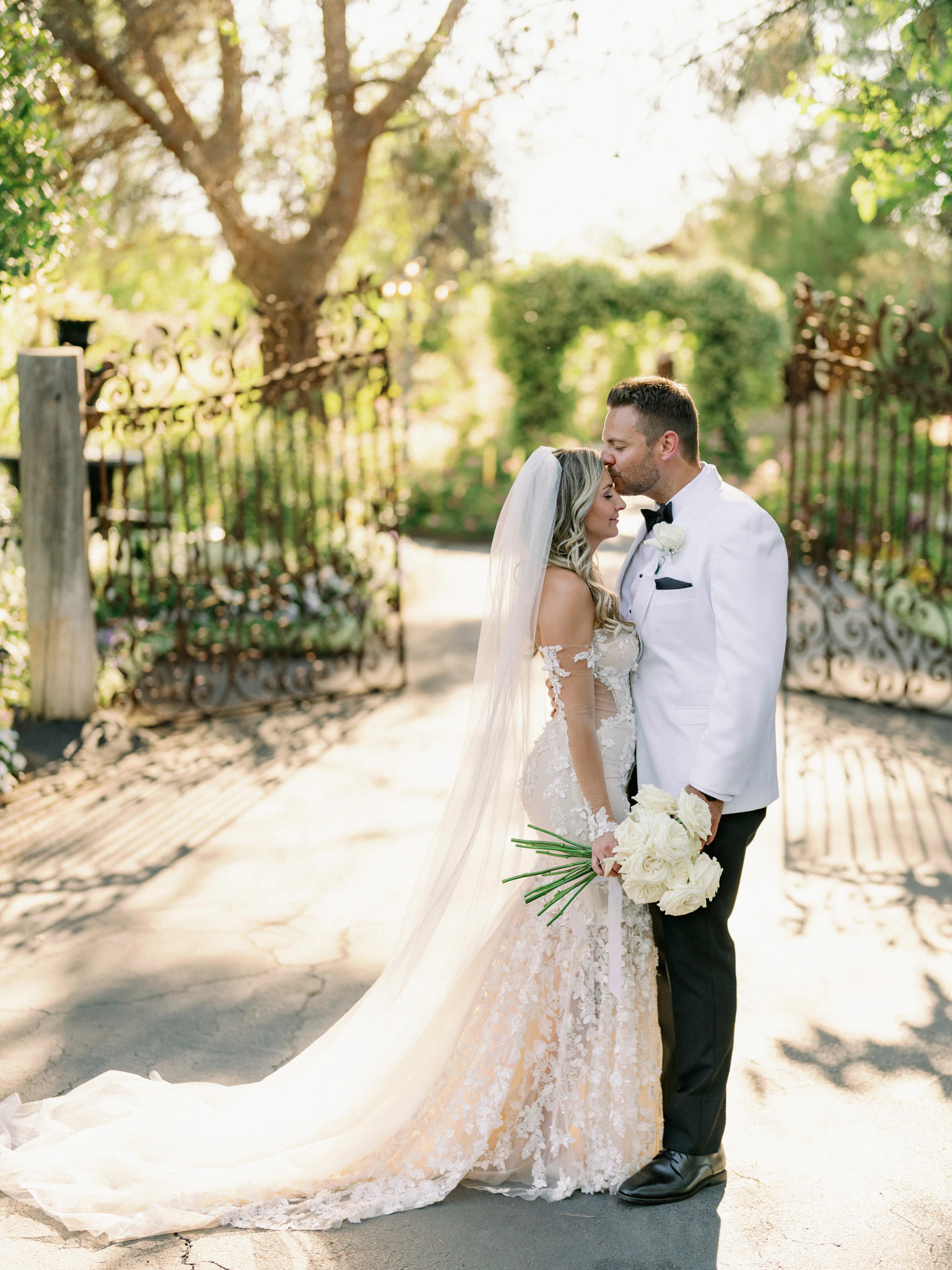
Houston Wedding Venues
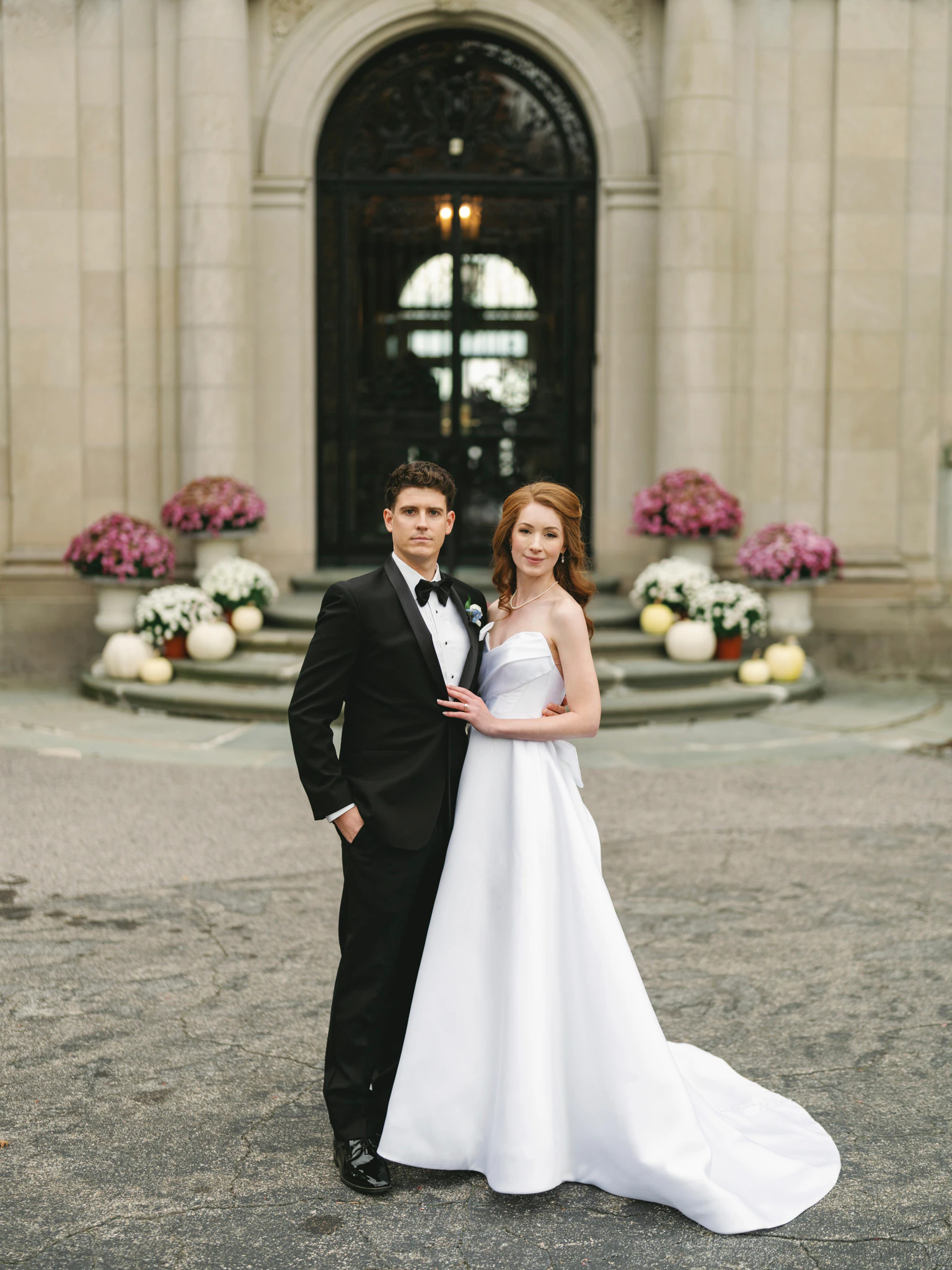
Choosing among Houston wedding venues is easier when the shortlist is built around the way the day will actually move. A beautiful room can still be difficult if the ceremony, portraits, meal, and dance floor all compete for the same narrow transition. An outdoor venue can look ideal online but need a clear rain, heat, sound, and loading plan. The right question is not simply “Which venue is prettiest?” It is “Which venue supports the story we want to remember, and what must we confirm before signing?”
This guide compares three different kinds of Houston setting: a garden, a museum, and an integrated indoor/outdoor event property. Their official event pages describe what each offers; availability, current policies, permitted photography, and final layouts should be confirmed directly with each venue.
Start with the day’s visual rhythm
Before touring, write the sequence you want photographed and filmed: getting ready, first look, ceremony, family photographs, couple portraits, cocktails, dinner, speeches, and dancing. Then ask where each part happens and how guests move between them. Houston weather makes a covered fallback especially important, but a rain plan is only useful if it preserves the parts of the day that matter most. Ask whether the backup space is a second room, a tent, or a compressed version of the original plan.
Also ask about portrait time. Is there a private area, a garden path, a staircase, a gallery, or another architectural change of scale? A venue does not need to promise a specific “photo spot.” You need to see the actual route, light conditions, privacy, and time available on your date.
Houston Botanic Garden: a landscape-led choice
Houston Botanic Garden’s private-rentals page invites couples to inquire about private events and identifies the Garden’s first wedding as March 27, 2021. That makes this a natural starting point for couples whose priority is a day shaped by planting, paths, and changing outdoor texture rather than one principal ballroom.
The decision is about movement. During a tour, trace the distance from ceremony to cocktail hour and reception, then look at what remains visually distinct when the day is busy. Ask which areas are available to your event, where guests wait, and what happens if weather changes. For photography and film, confirm whether the team may move through the garden during portraits, whether any areas close at a particular time, and how sound, power, and equipment access are handled.
Seasonal planting, daylight, permitted routes, and event configuration can change. Put the approved spaces and weather plan in writing before you build a timeline around them.
Houston Museum of Natural Science: a story with a strong sense of place
The Houston Museum of Natural Science event page explicitly includes weddings and directs couples to its special-events team. Its museum-rental page describes distinctive event spaces, including galleries, the Cockrell Butterfly Center for small weddings, and the Sundial as an outdoor ceremony location. The same page says the museum can configure events from 20 to 5,000 guests; treat that as the venue’s broad event range, not a recommendation for your wedding without a current proposal.
This is a strong fit when the setting itself should carry part of the narrative. A museum lets you move between close detail and dramatic scale: rings and hands during preparation, a ceremony with a defined architectural or exhibit context, then a reception with a different visual register. The practical test is whether your chosen spaces can be used in one coherent sequence. Ask which exhibits or areas are included, when they are accessible, how guests transition, and whether flash, lights, tripods, audio, or stabilizers have restrictions.
If the ceremony is outdoors, confirm the indoor alternative and how quickly the change can happen. Ask about loading, elevators, meal service, and where a photography or film team can safely stage equipment. A memorable backdrop works best when the logistics are just as clear as the visual idea.
The Bell Tower on 34th: an integrated, service-led option
The official Bell Tower site describes indoor ballrooms, courtyard spaces, a signature waterwall, in-house culinary service, and event coordination. Its Houston wedding page gives the address as 901 W 34th St and describes ceremony and reception planning as one integrated operation. The site also says it hosts weddings and events from 50 to 600 guests; confirm the applicable room and current occupancy with the venue.
This option deserves consideration when reducing handoffs is more important than finding a blank canvas. The venue’s own model combines catering, staffing, production, and coordination, so your tour should focus on how that system works in practice. Who owns the timeline? Who cues the transition from ceremony to cocktails? Where do portraits happen while the room is being turned? What is the sound boundary between courtyard and indoor spaces?
For visual coverage, look beyond the hero waterwall. Walk the complete route and identify two or three places with different light and depth. Ask where personal details can be photographed, where family groups can gather without blocking service, and whether the same space must serve multiple phases. A coordinated venue can make a complex day calm, but only if the promised team and room plan are reflected in the written proposal.
A practical Houston venue comparison
Use one worksheet for every tour:
1. Setting: What will be visible during ceremony, portraits, and reception? Is the look dependent on a season or a single room?
2. Flow: How many minutes and how much walking separate the key moments? Where can guests wait without appearing in the background?
3. Weather: What is the actual backup, who makes the call, and when can the plan change?
4. Production: What are the rules for cameras, lights, audio, drones, tripods, and vendor access?
5. People: Who coordinates the day, who manages the room, and who answers late operational questions?
Ask each venue for a current floor plan, event rules, vendor requirements, access window, and a sample timeline. Do not compare a garden’s landscape promise with a ballroom’s service promise as if they were the same product. Compare each against your own priorities: guest comfort, privacy, weather resilience, portrait variety, and how much coordination you want to carry.
Questions to take to the tour
Which exact spaces are included, and may the ceremony and reception use different areas?
What is the written rain, heat, and severe-weather plan?
Where can a couple take portraits privately, and how much time is realistic?
What photography, film, sound, lighting, and equipment policies apply?
What are the loading, parking, elevator, dressing, and vendor arrival procedures?
Which details are handled by the venue team, and which remain the couple’s responsibility?
Once the venue answers those questions, choose the space whose constraints support your priorities. Then build the timeline around real distances, real access, and the light you can actually expect—not a generic Houston wedding template.
For broader planning context, see Aster’s questions to ask a wedding venue and how to read a venue before building the timeline. When you are ready to see how Aster approaches wedding stories, browse the Aster wedding galleries.
FAQ
What should I compare first when touring Houston wedding venues?
Compare the actual event flow first: ceremony, portraits, cocktails, dinner, and dancing. Then compare the weather plan, access rules, coordination model, and the visual variety available along that route.
Does a museum venue work for wedding photography and film?
It can, especially when the exhibits and architecture are part of the intended story. Confirm the exact spaces, access windows, lighting and sound rules, equipment restrictions, and whether the ceremony and reception route is practical for guests.
How important is a Houston rain plan?
It is essential for an outdoor or garden-led day, but ask for specifics. Confirm the backup space, decision deadline, staffing, furniture changes, sound plan, and whether portraits can still happen privately if the plan moves indoors.
Should I choose an all-in-one venue?
Choose one when fewer handoffs and a coordinated service team matter to you. Read the proposal carefully so you know who controls the timeline, what production is included, and which photography, film, catering, and vendor decisions remain yours.
Planning a celebration here?
Share the date, the place, and the atmosphere you are hoping to protect.