The Ceremony as a Sequence
A wedding ceremony has a natural rhythm: guests settle in, the processional begins, and the ceremony moves from readings and music to vows, rings, and the recessional. Planning that sequence in advance helps the couple, officiant, planner, and creative team understand what happens when and where.
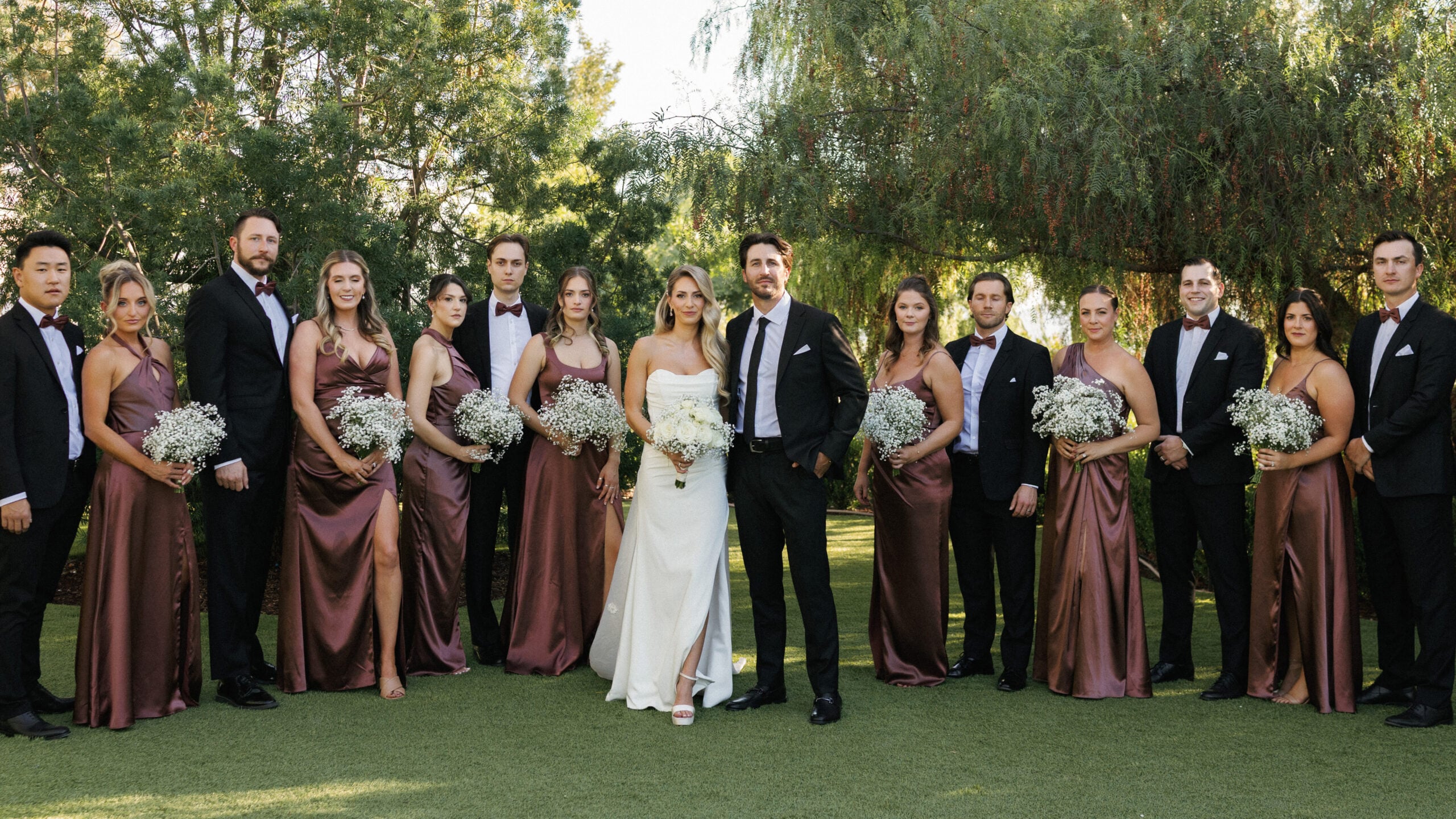
A clear ceremony order also gives the photography and filmmaking teams enough context to anticipate key moments. They can plan their positions, movement, and coverage around the ceremony as it happens.
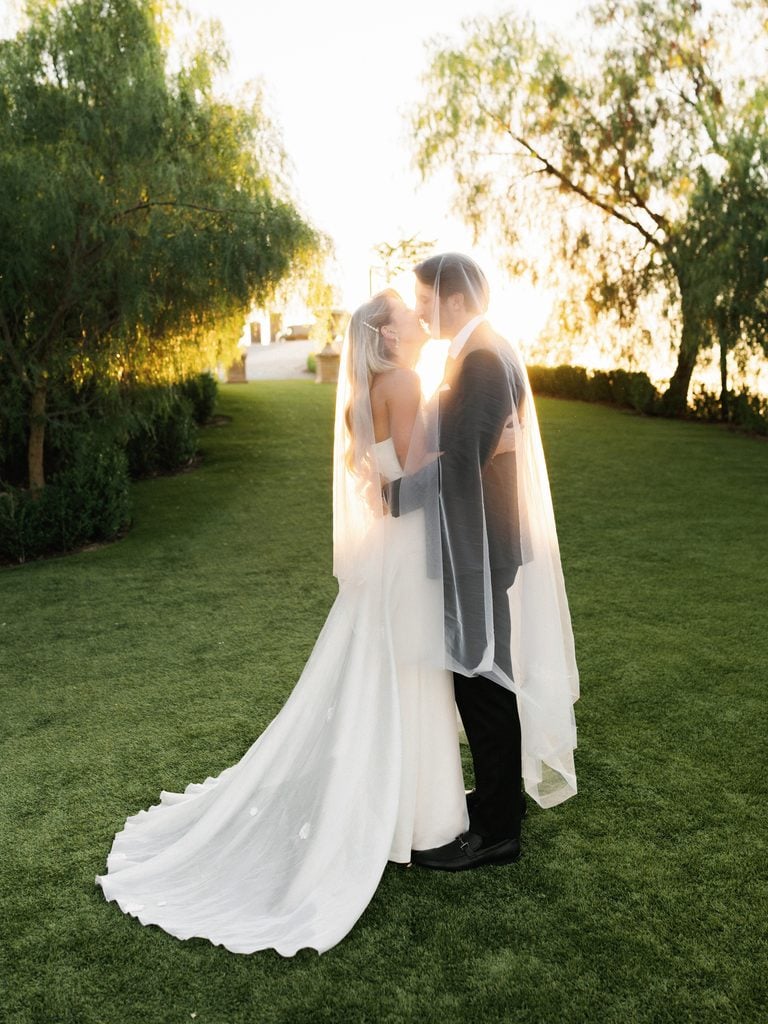
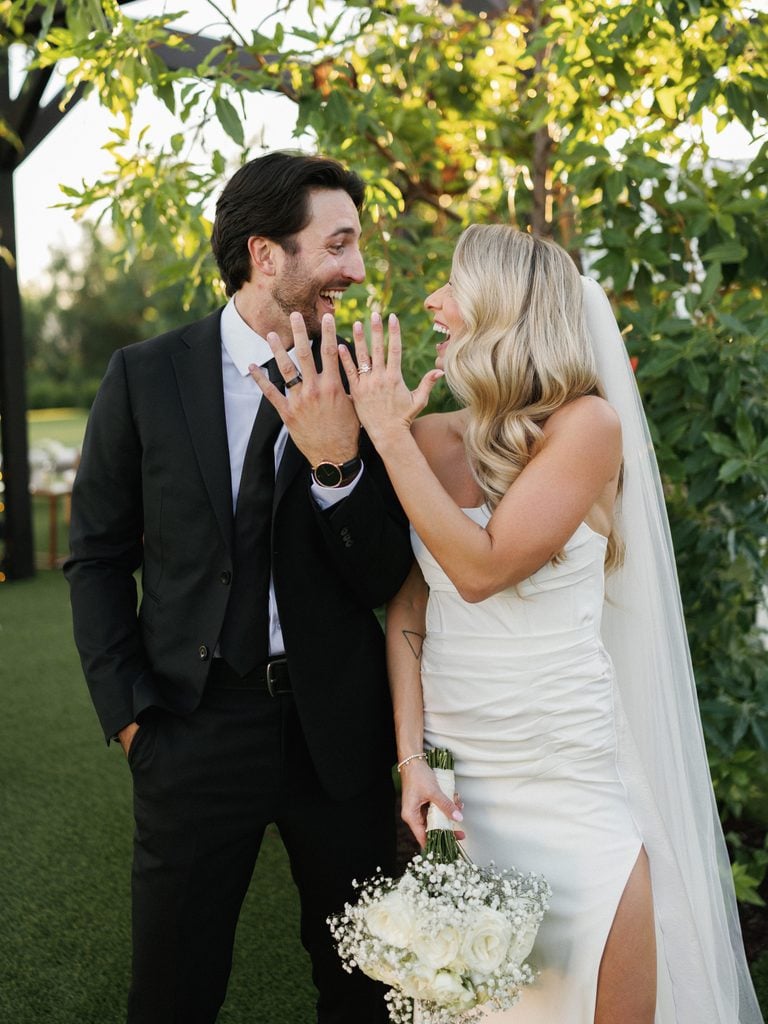
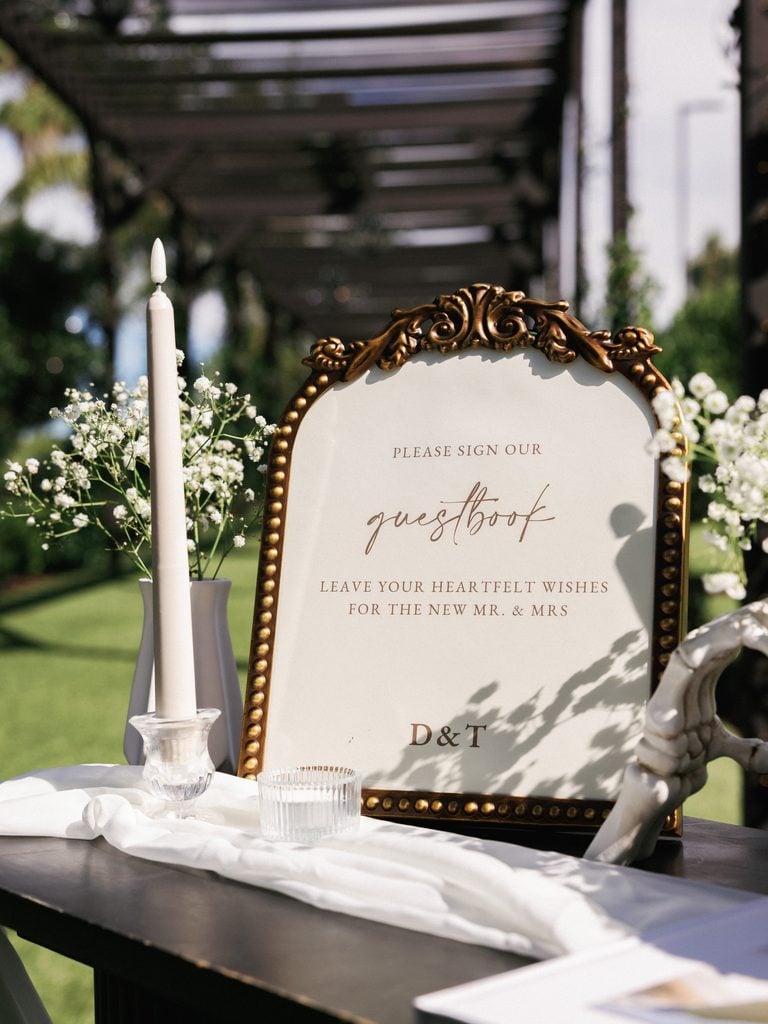
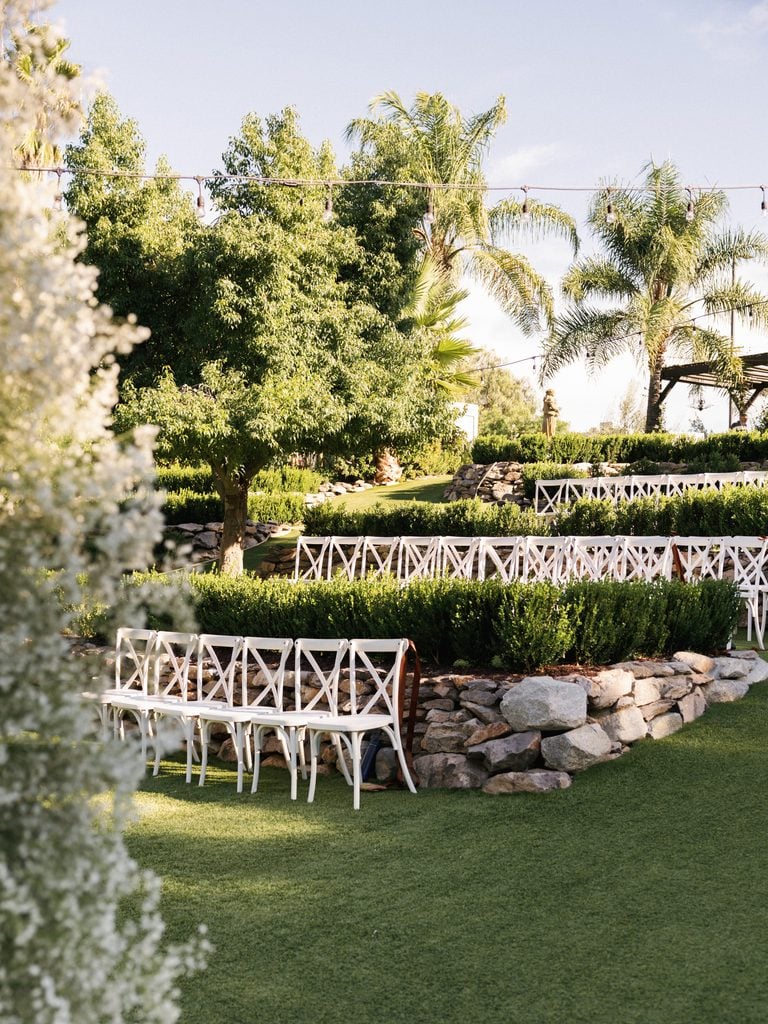
Terra (Formerly Heritage Hill),Murrieta, CA.
Choosing the Ceremony Length
The length of a ceremony usually depends on how many elements the couple wants to include and how much time each one needs.
A 20-minute ceremony can cover the essentials: processional, welcome, one reading or musical selection, vows, rings, pronouncement, first kiss, and recessional.
A 30-minute ceremony leaves room for longer personal vows, a second reading or musical selection, and more space between the central moments.
A 45-minute ceremony can accommodate several readings or musical moments, longer vows, personal reflections, or cultural elements without requiring the ceremony to move quickly from one section to the next.
The additional time does not need to be filled with formal content. A longer ceremony can simply give the couple and officiant more room to speak, pause, and move naturally.
Expert Note
Guests tend to hold attention comfortably through about 20 to 25 minutes of continuous ceremony. A 45-minute service benefits from built-in variation, a change in who is speaking, a shift from seated stillness to a ritual with movement.
Aster Films planning note
Build the Core Ceremony Order
Once the approximate length is established, arrange the essential moments into a clear sequence.
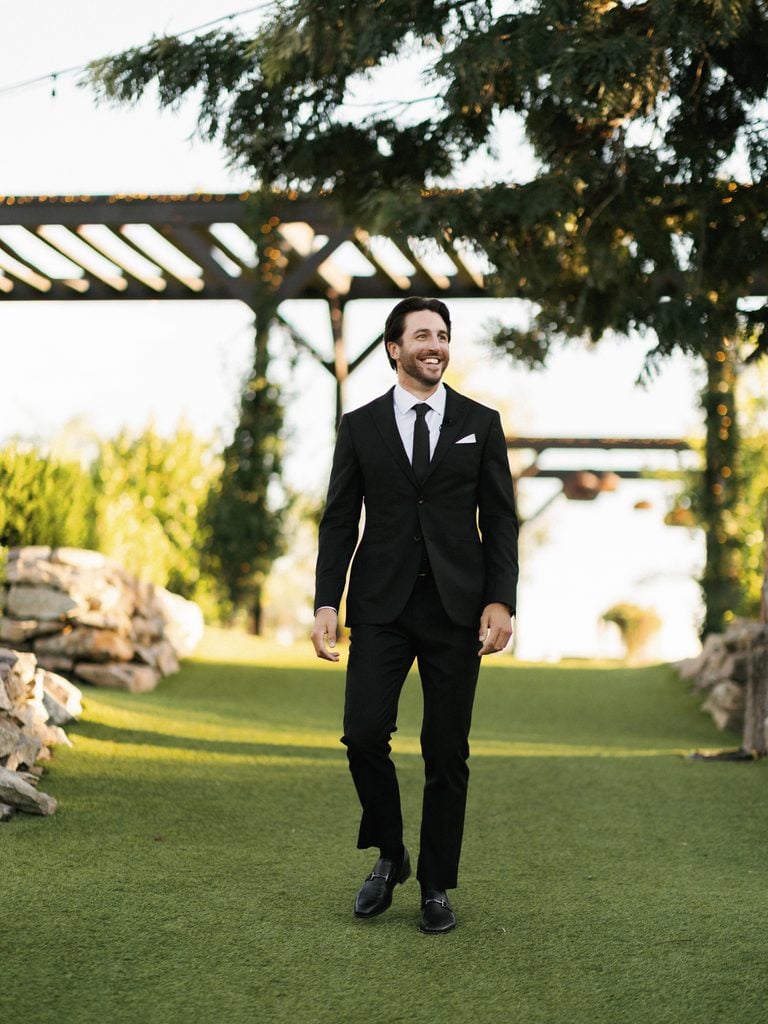
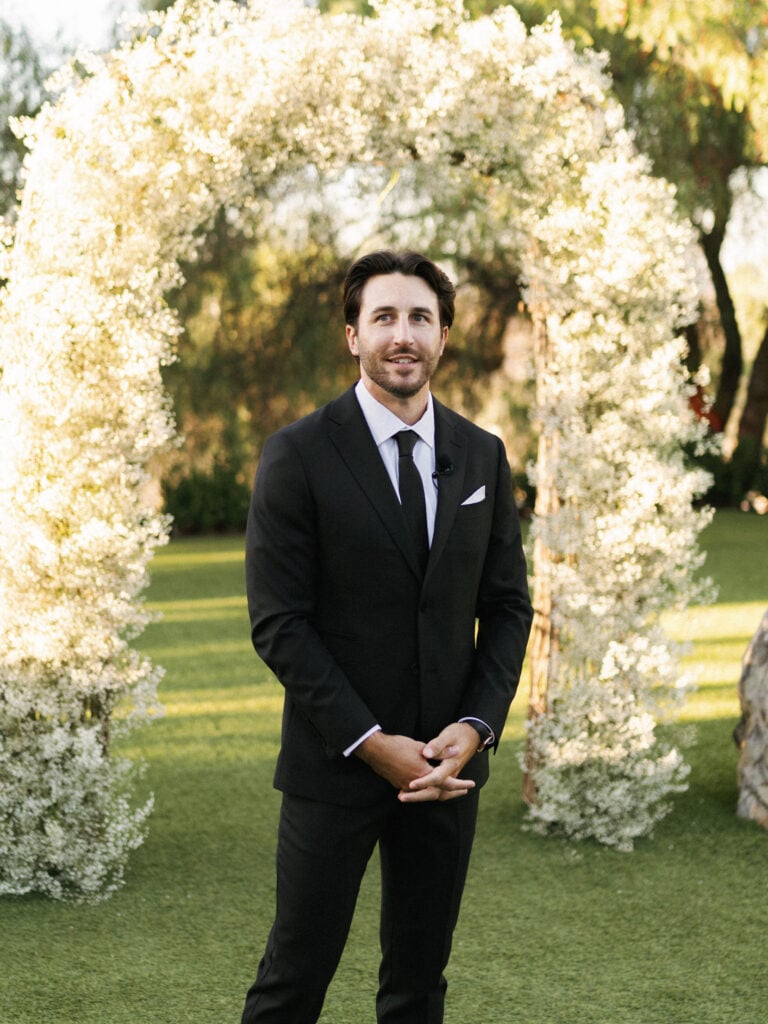
A typical order might include:
- Processional
- Welcome and opening remarks
- Reading or musical selection
- Vows
- Ring exchange
- Additional reading, music, or personal reflection
- Pronouncement
- First kiss
- Recessional
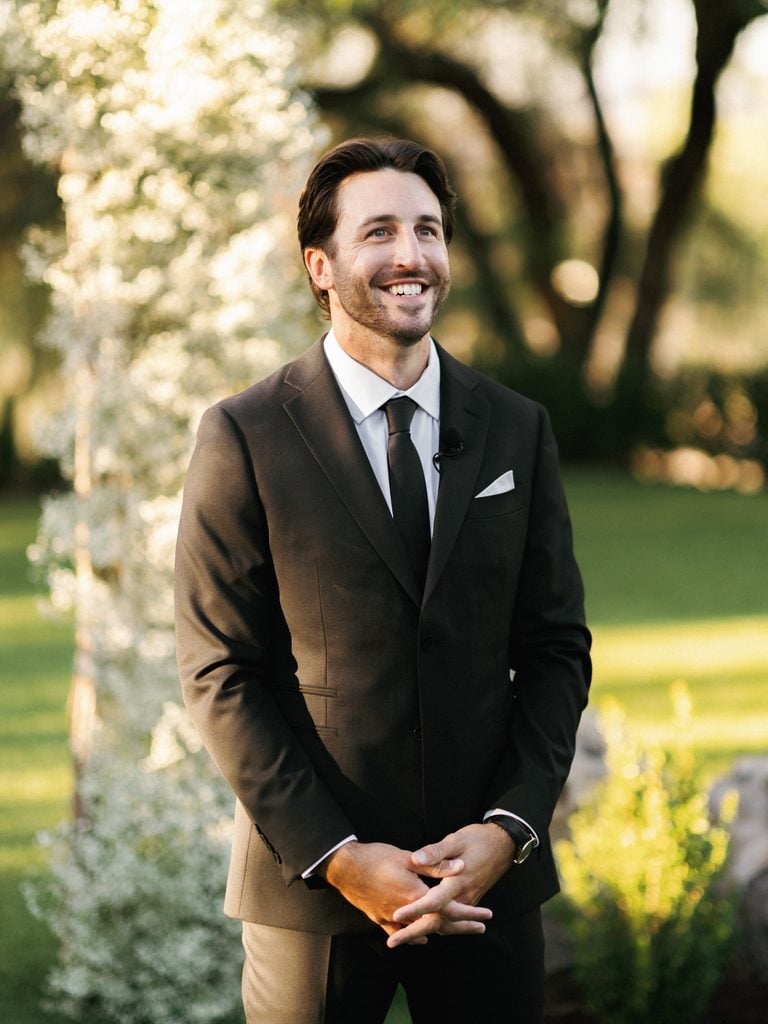
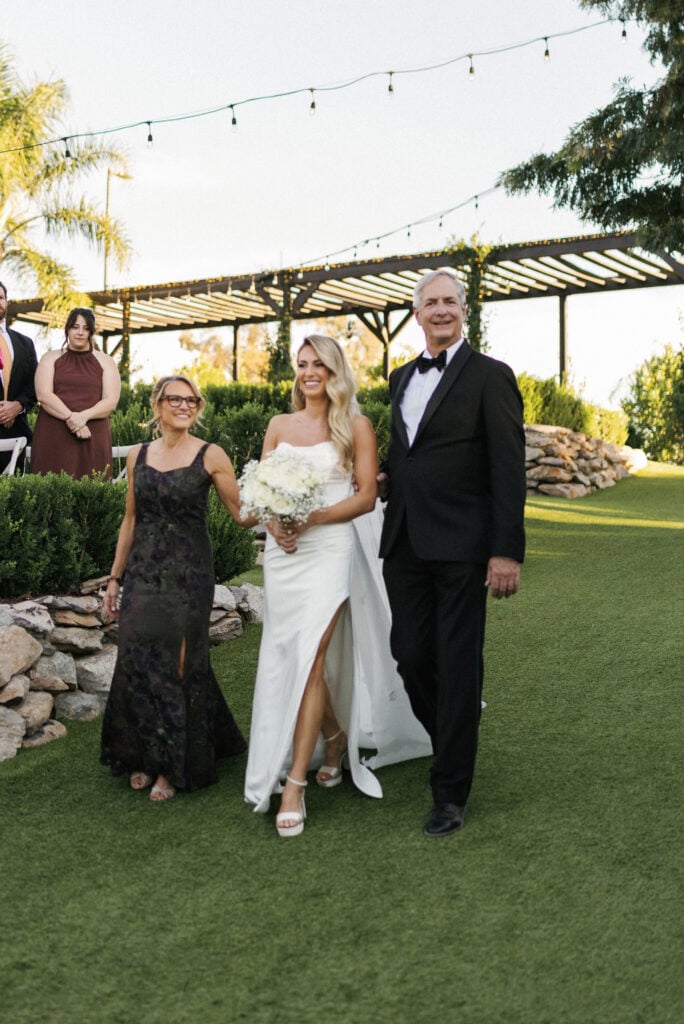
Not every ceremony needs every element. A short civil ceremony may move directly from the welcome into the vows, while a longer celebration may include several readings, musical selections, or cultural traditions.
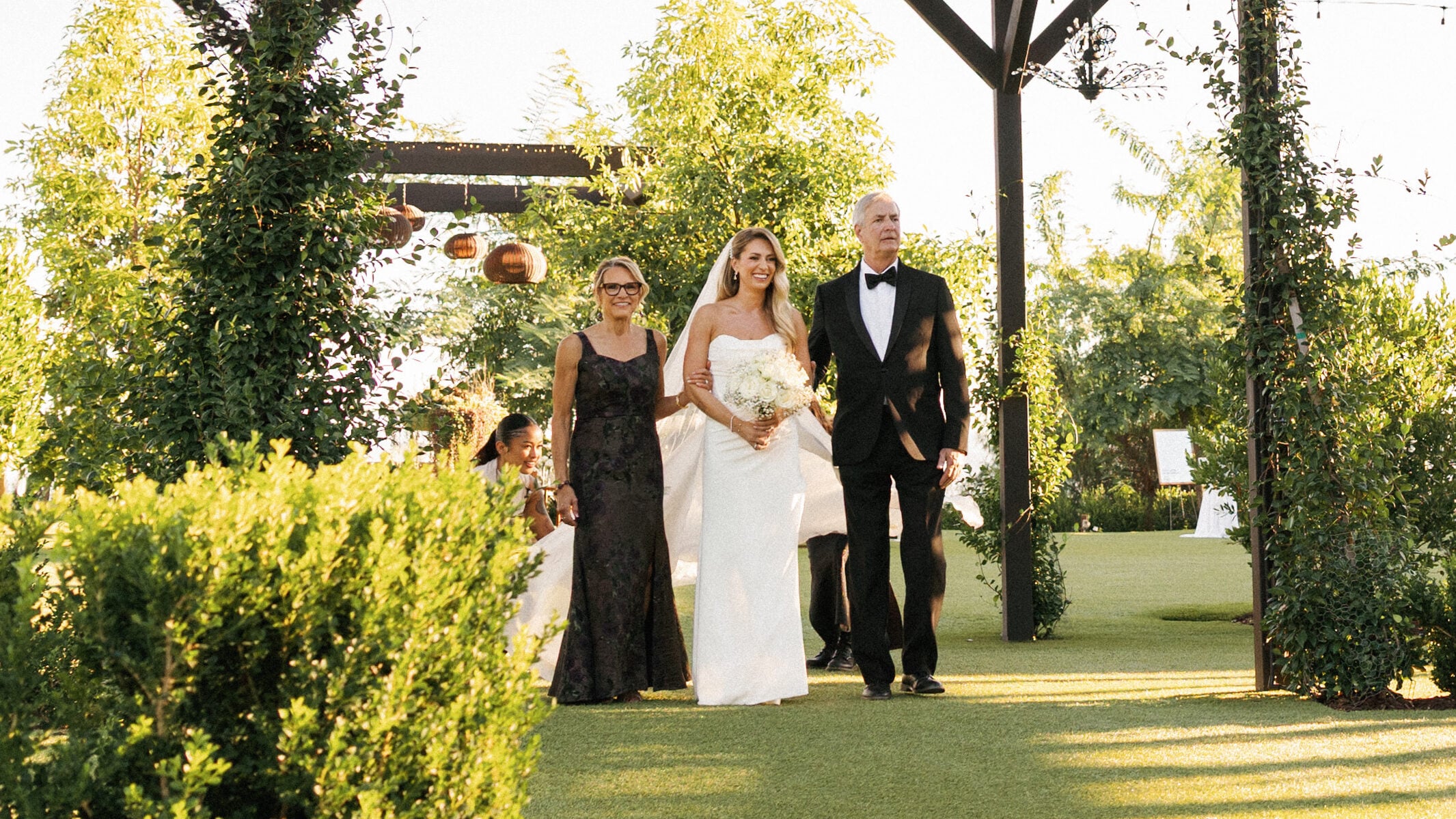
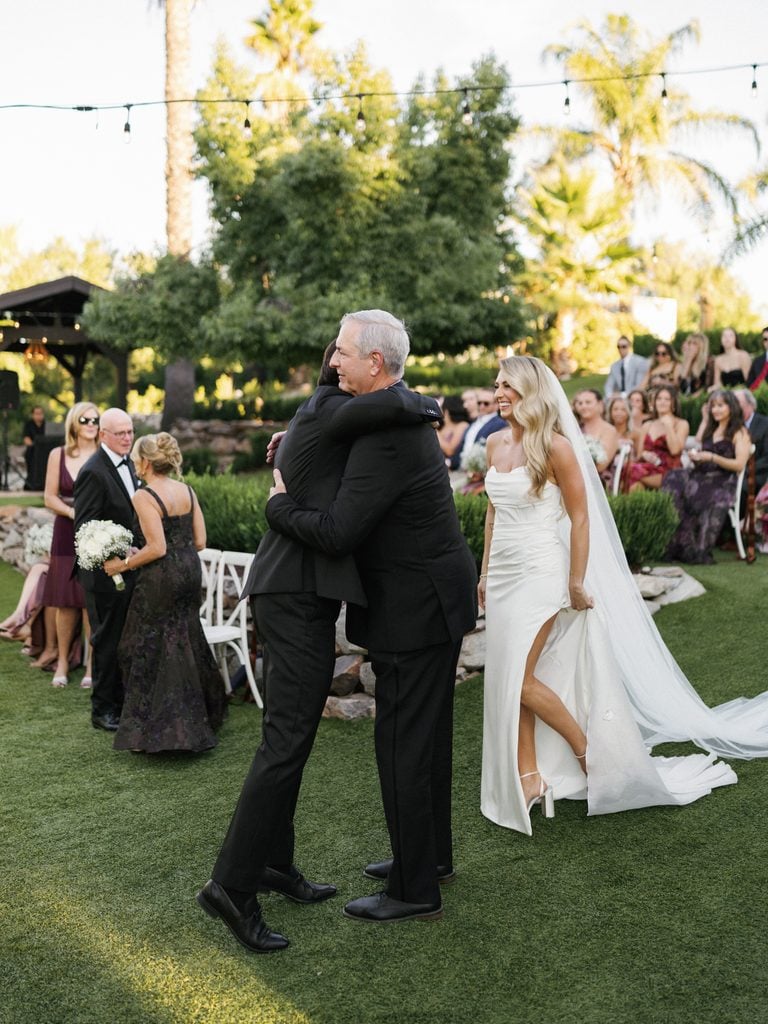
It is also useful to account for anyone who needs to move or speak. Readers, musicians, members of the wedding party, and the officiant may each have their own transition within the larger ceremony.
Readings and Music
Readings and music can shape the rhythm of a ceremony and create natural pauses between major moments. Their placement can also affect how easily the photography and filmmaking teams can anticipate what comes next.
A reading near the beginning can establish the tone before the vows. Music can create a transition between different portions of the ceremony, while a reading later in the sequence can provide a quieter moment before the final pronouncement.
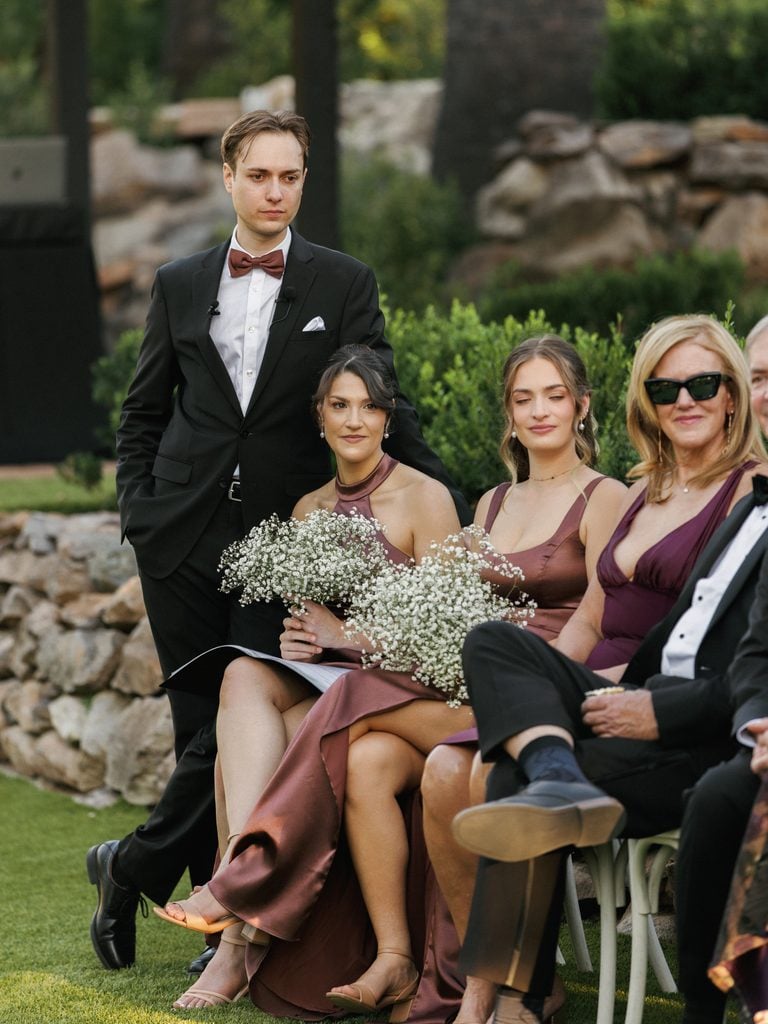
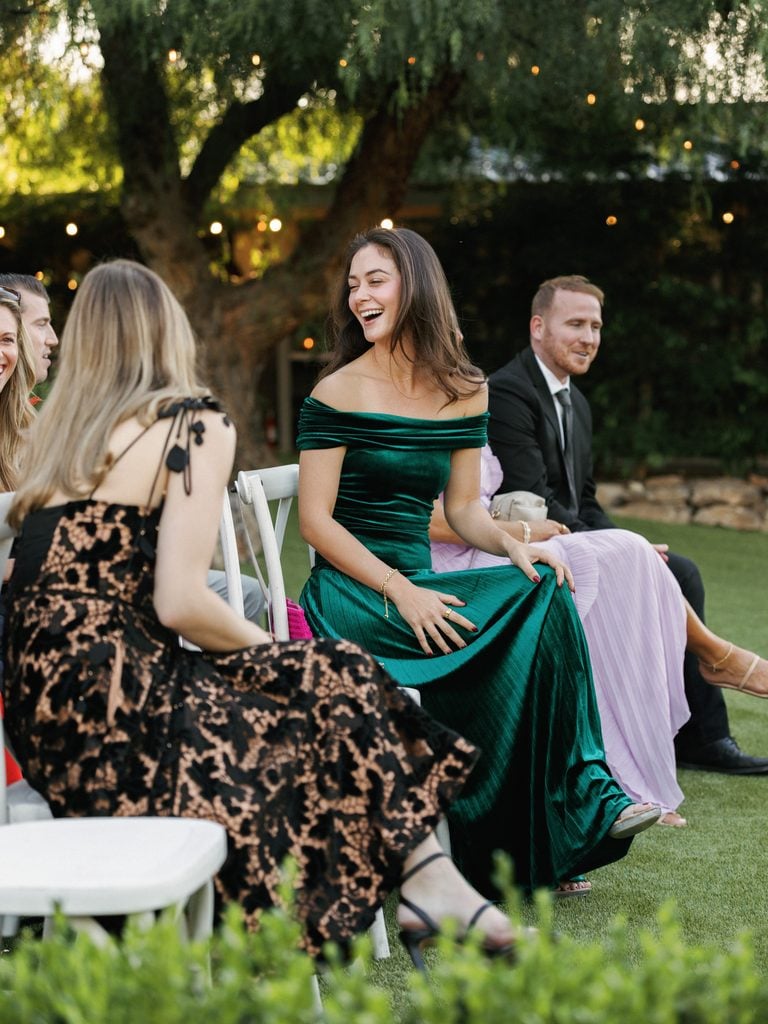
If live music is part of the ceremony, clarify whether the musicians perform from a fixed location or move during the service. The same applies to microphones, instruments, and other production elements. Knowing their positions in advance helps the creative team plan sight lines without changing the ceremony setup.
Vows, Rings, and the First Kiss
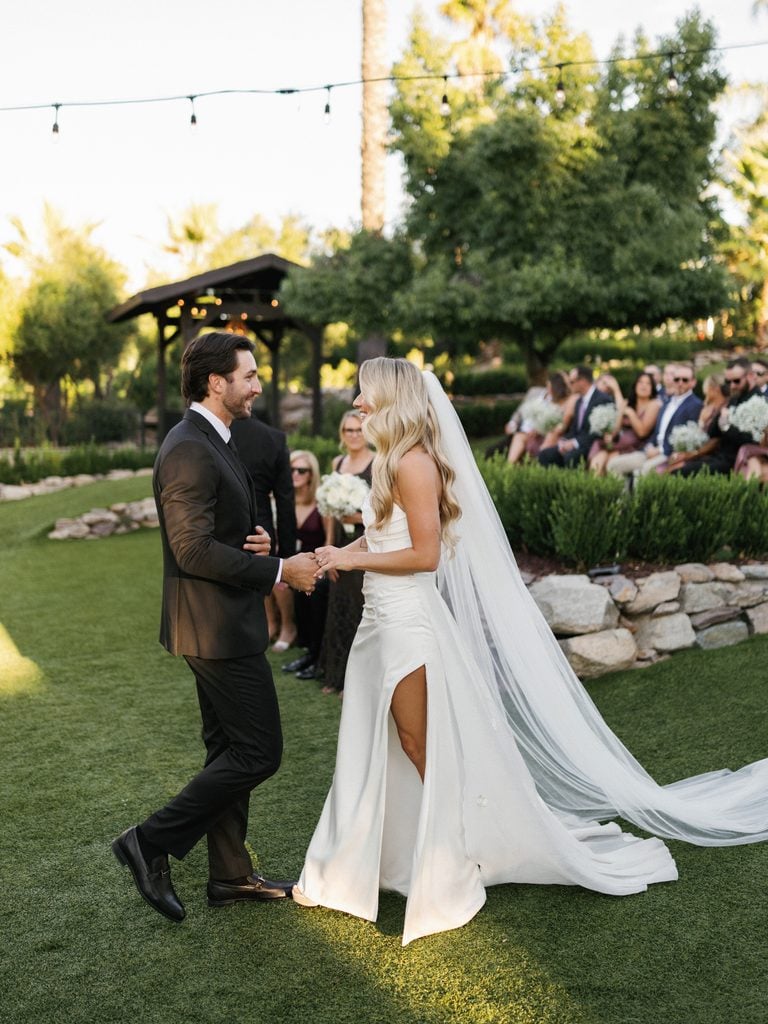
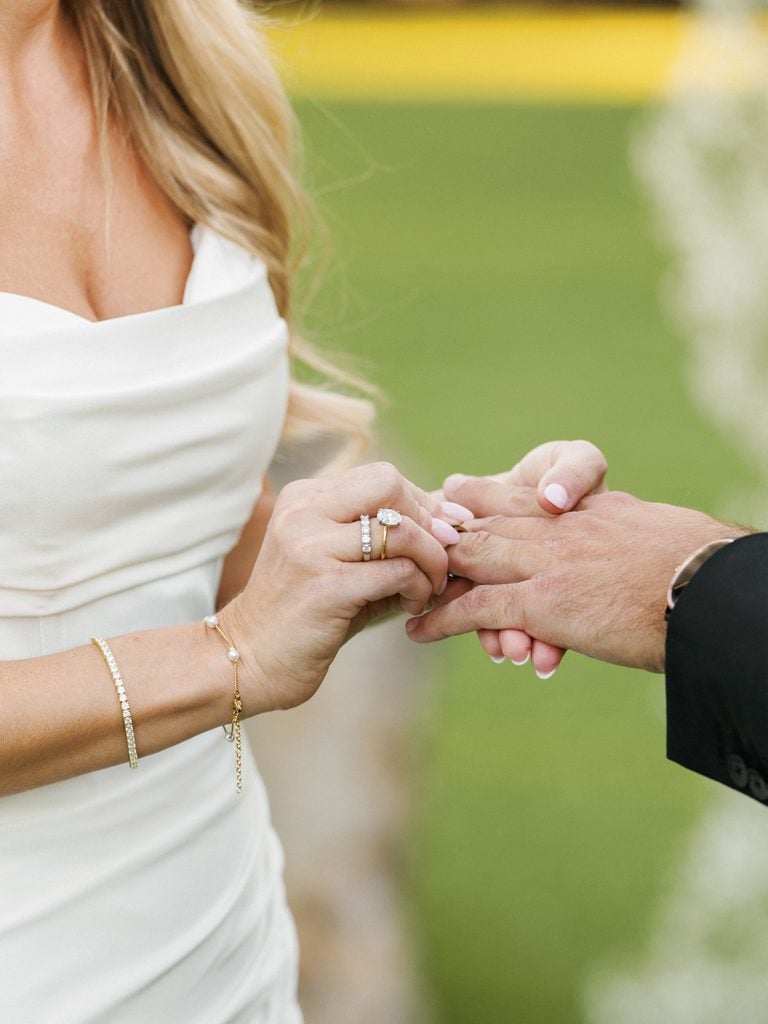
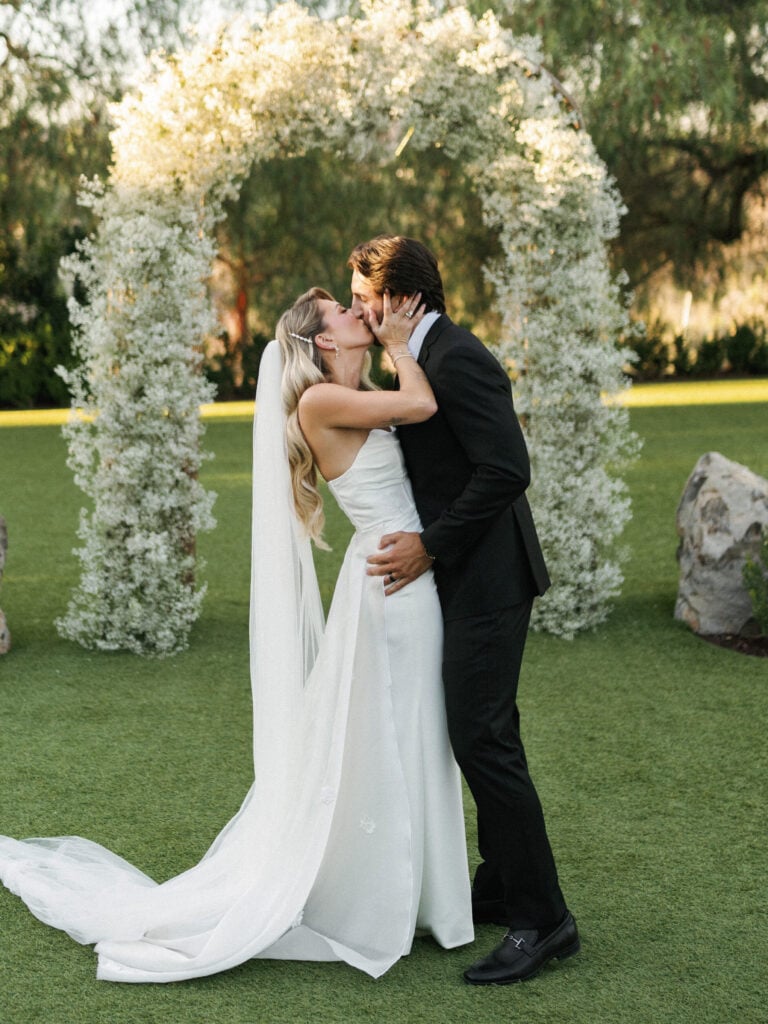
Vows, rings, pronouncement, and the first kiss often happen within a few minutes, making this portion of the ceremony particularly important for photography and film.
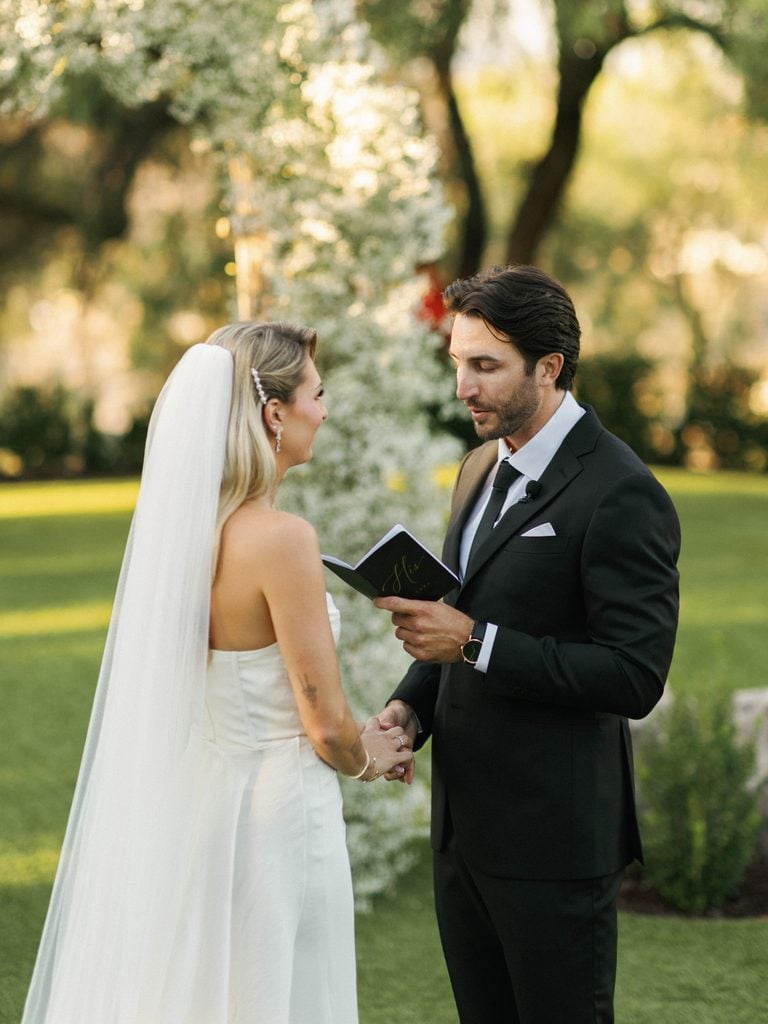
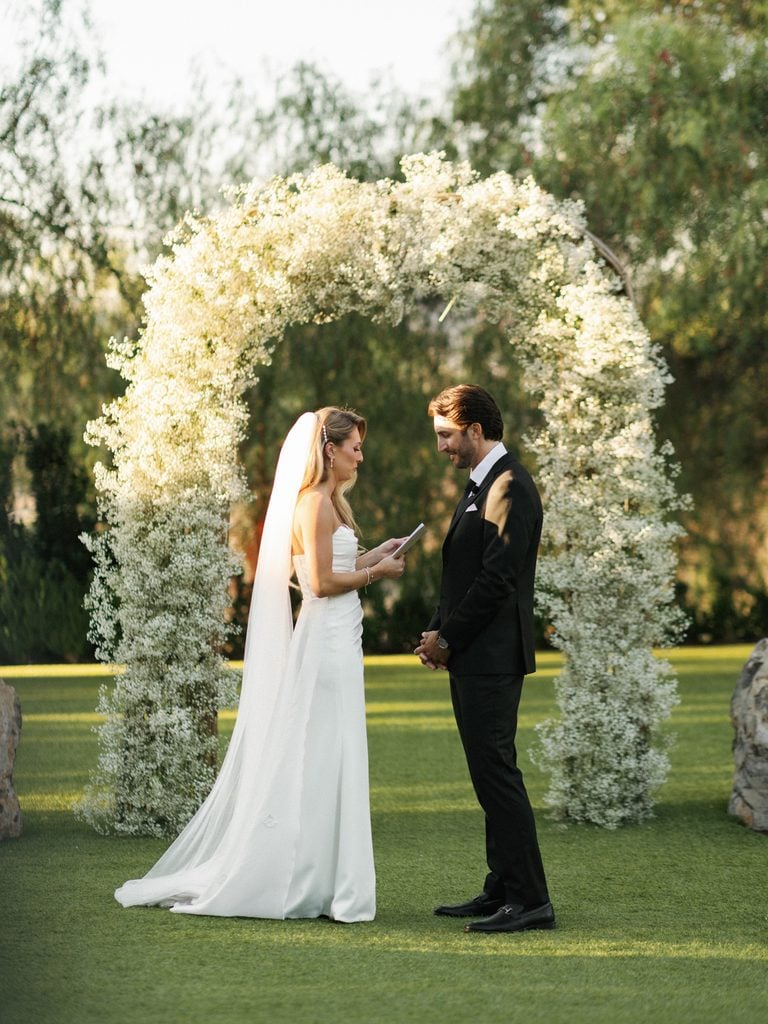
The officiant can help establish a clear order:
- Personal or traditional vows
- Ring exchange
- Closing words
- Pronouncement
- First kiss
The exact sequence can vary, but everyone involved should know when each moment occurs. This allows the creative team to anticipate changes in position and prepare for the transition from spoken vows to physical gestures.
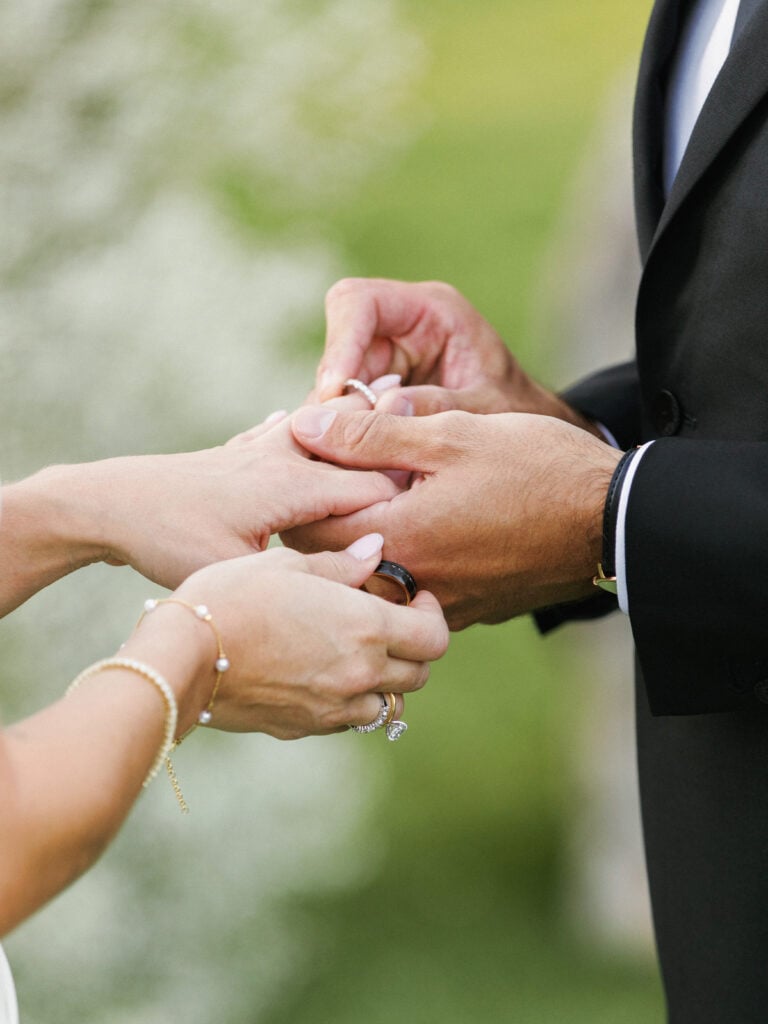
It is also useful to discuss where the couple will stand and whether they will face one another, the officiant, or the guests during each part.
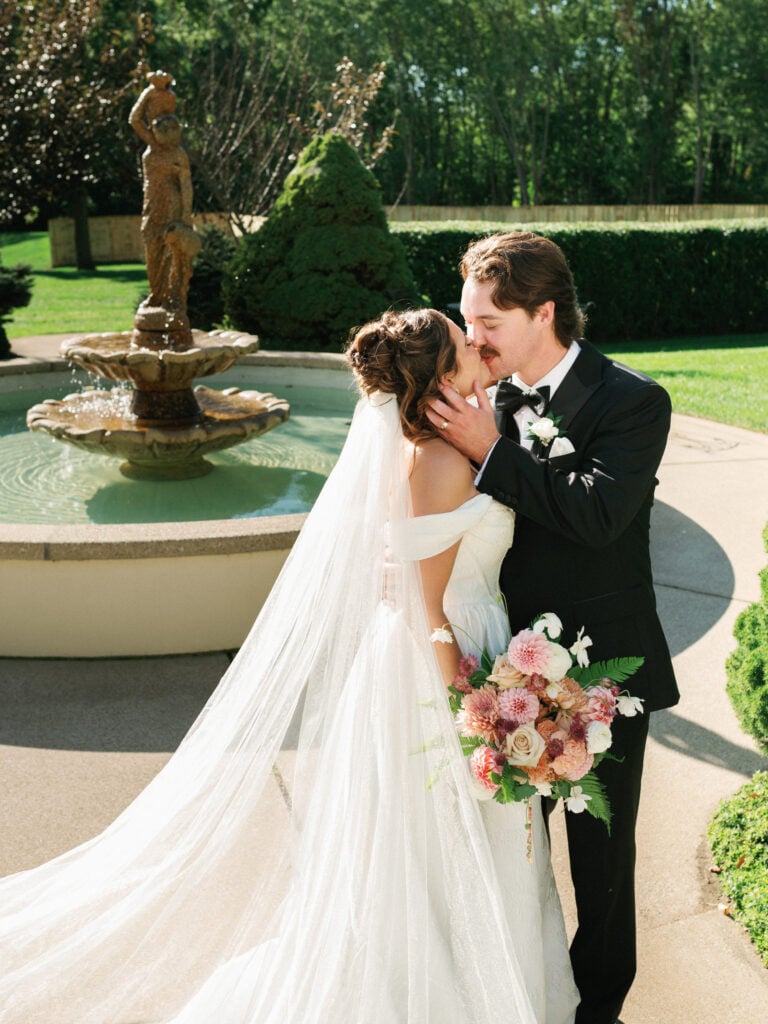
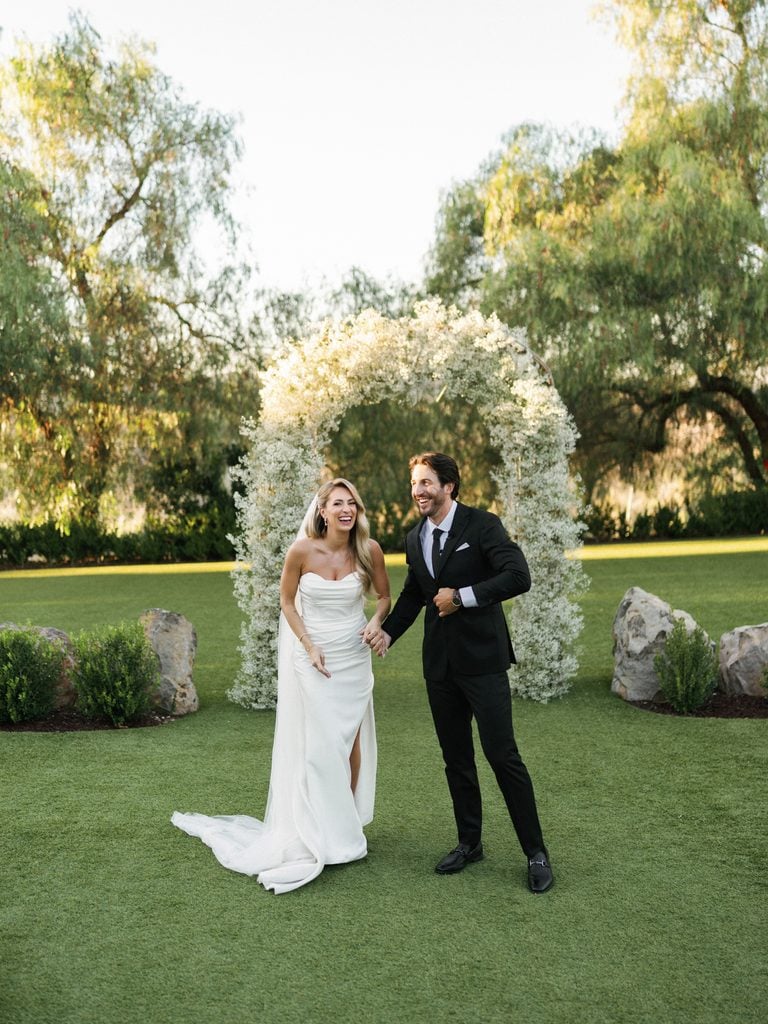
The first kiss can be planned in the same way. If the couple wants a particular position at the altar or a short pause before the recessional, that detail can be included in the timeline.
Clear Transition Points
The officiant often provides the verbal transitions that connect one ceremony element to the next. A simple cue can help the couple, musicians, planner, and creative team understand when the next portion is beginning.
Before the wedding, confirm the order of: processional, welcome, readings and music, vows, ring exchange, pronouncement, first kiss, recessional.
The officiant does not need to verbally announce every transition. A shared ceremony outline is usually enough to give the team a clear sense of what comes next and identify moments that require particular preparation.
Planning the Ceremony Space
Before the wedding, identify the main focal point, aisle, seating arrangement, and any areas where movement is restricted. The photography and filmmaking teams can then determine suitable working positions and coordinate movement between them.
This is particularly useful for vows, the ring exchange, and the first kiss. A clear view does not require the couple to change how they perform the ceremony. It simply allows the teams to work from positions that preserve visibility without blocking guests.
The same consideration applies to narrow aisles, raised platforms, large floral arrangements, microphones, and other elements that may affect sight lines.
Building Photo and Film Timing Into the Ceremony Plan
Photography and filmmaking coverage should follow the ceremony’s established order. Before the wedding, share the ceremony outline with the photography and filmmaking teams, including the approximate duration, processional and recessional routes, planned readings and music, and any moments with a specific visual setup.
The creative team can use that information to plan positions, movement, and coverage around the existing ceremony structure. Sight lines are particularly important for vows, rings, and the first kiss, when a clear view of the couple helps preserve the visual record of each moment.
For ceremonies with a fixed altar, central aisle, raised platform, or other defined focal point, identify the areas from which the creative team can work before the wedding. This is particularly useful for vows, rings, and the first kiss, when clear sight lines help preserve the visual composition of the ceremony.
A small buffer after the ceremony can protect the rest of the timeline if the service runs longer than expected. Five or ten minutes may be enough to absorb a late start or an extended reading without immediately reducing time for family photographs, portraits, or cocktail hour.
The Recessional as the Final Transition
The recessional is often treated as the end of the ceremony, but it also connects the ceremony to the next part of the day.
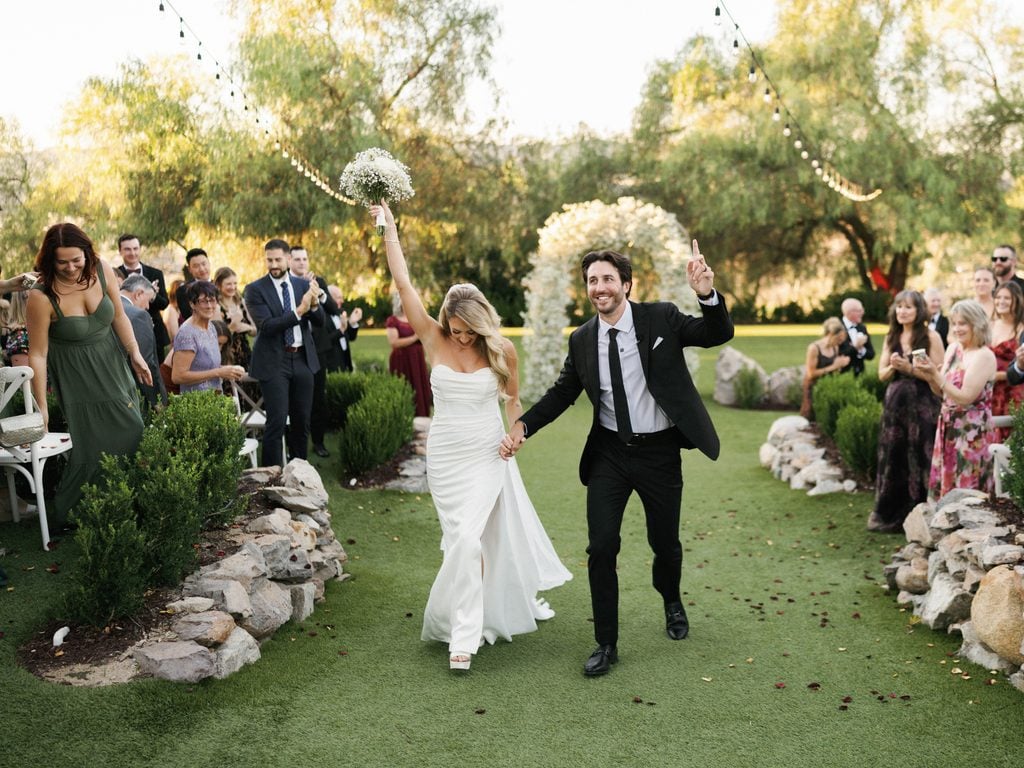
Decide in advance:
- Which music will accompany the recessional
- Who exits first
- Which route the couple and wedding party will take
- Whether guests remain seated or begin moving immediately
- Where the couple will go after reaching the end of the aisle
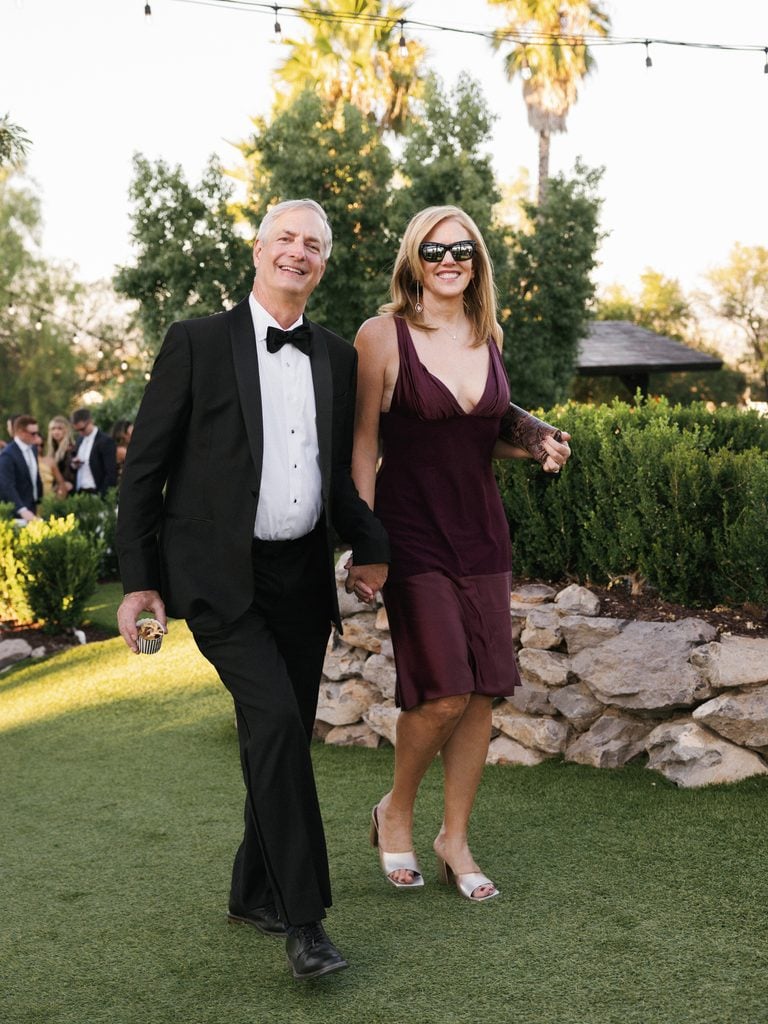
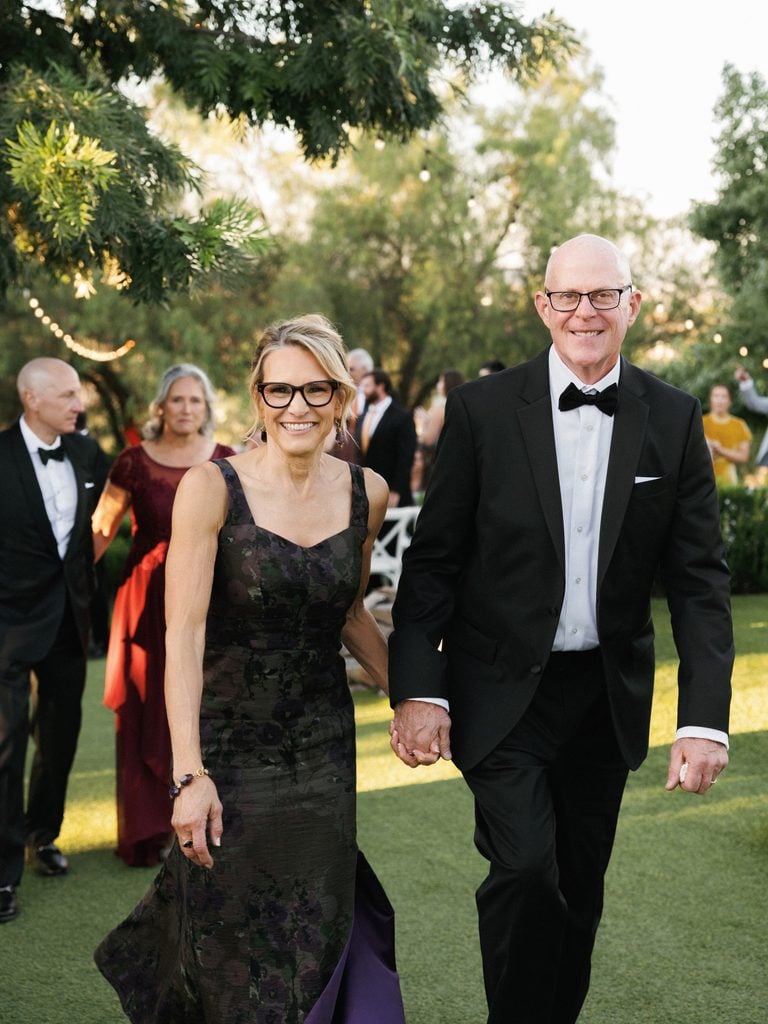
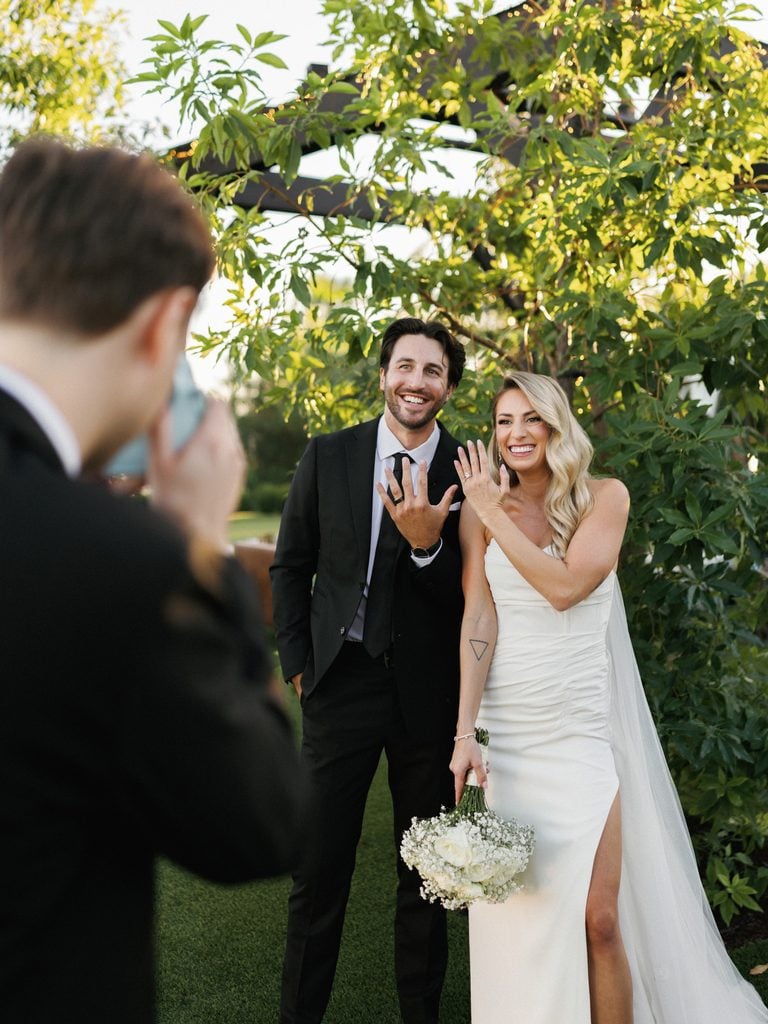
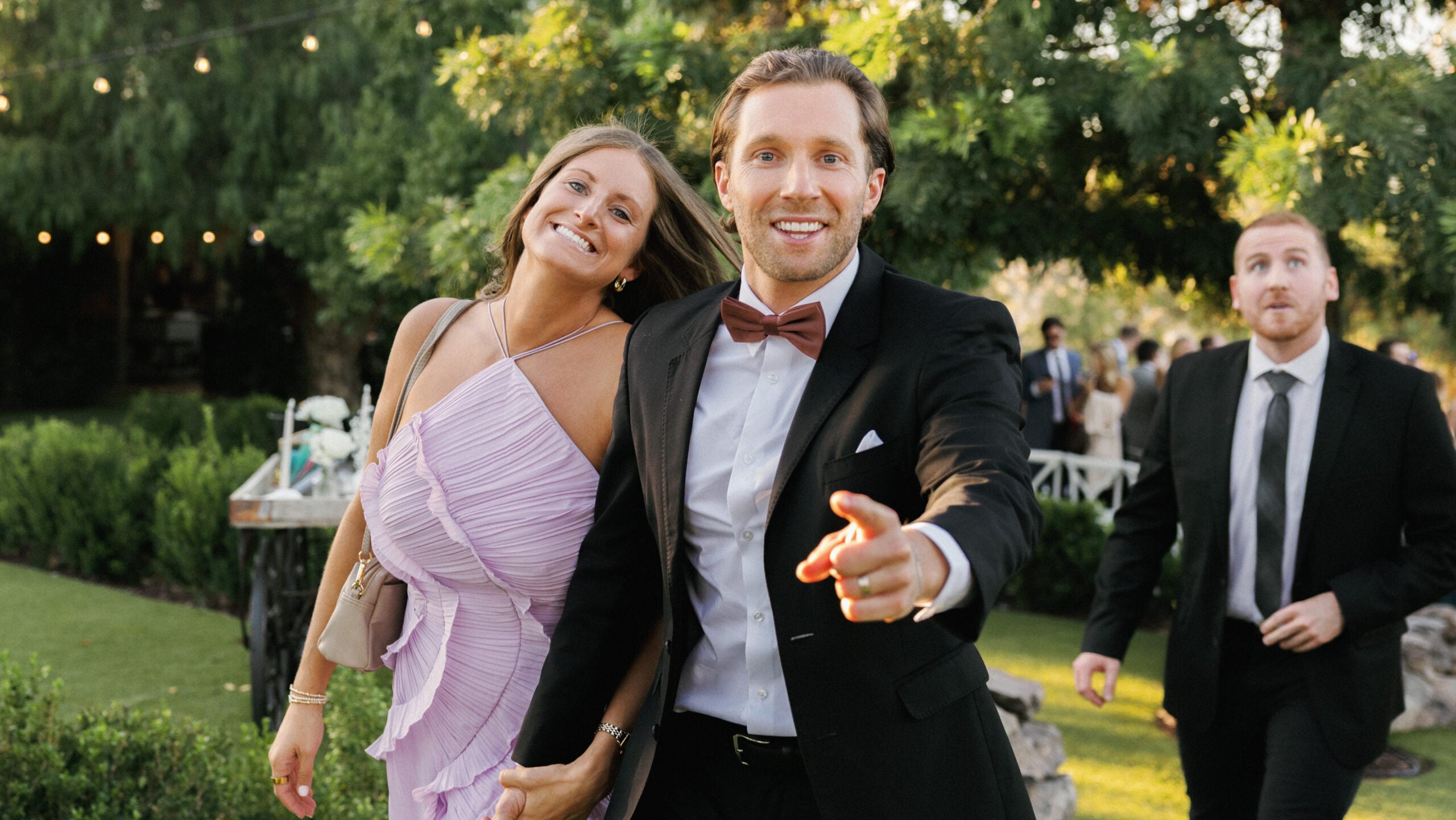
A defined recessional route gives the photography and filmmaking teams time to anticipate movement and capture the couple as they leave the ceremony space.
If the couple wants a brief pause at the end of the aisle for photographs or a private moment, include it in the timeline so the team knows where it belongs in the transition.
Final Thoughts
Consider the ceremony order as a script with its own internal pacing, one that guests, the officiant and the creative team all move through together. Consider each transition, reading placement and pause as a chance to protect the moments that matter. A sequence planned this way tends to read as a coherent flow, both to the people standing in it and to the camera recording it.
Review the draft with the officiant and planner, then share the final version with the photography and filmmaking teams. Confirm the major transitions, practical movement, and any details that could affect sight lines or timing before the wedding day.
With one final version in circulation, everyone can work from the same plan while the couple stays focused on the ceremony.
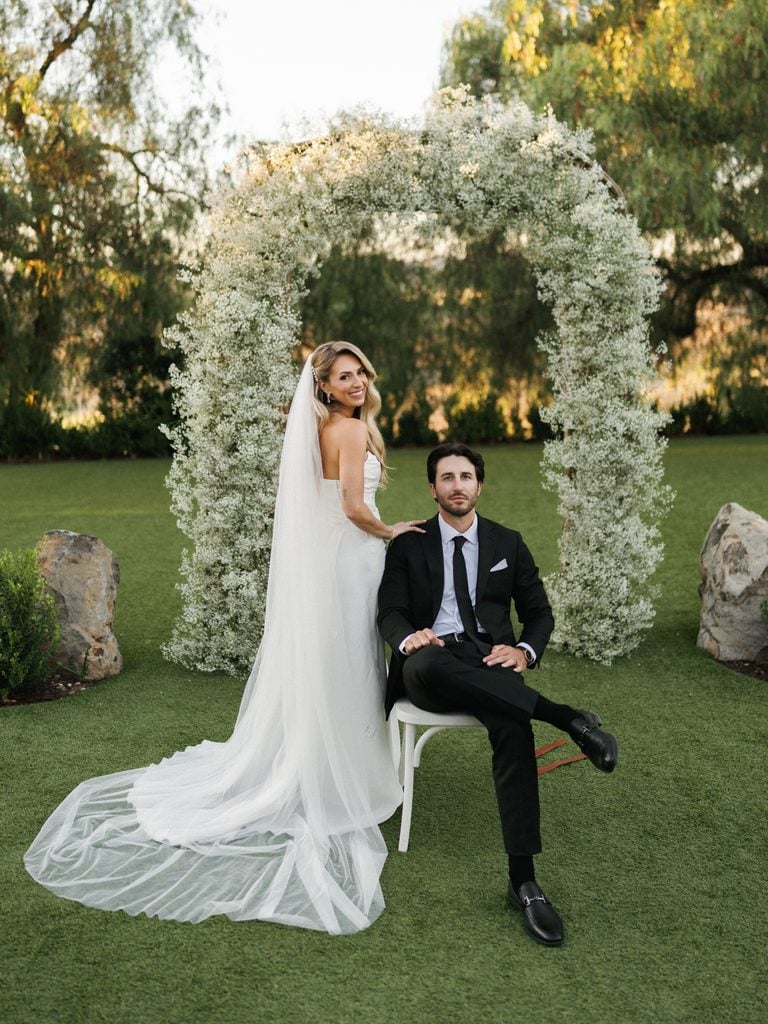
Terra (Formerly Heritage Hill),Murrieta, CA.
Frequently asked questions
How far in advance should the ceremony order be finalized?
Sharing a draft order with the officiant, photographer and filmmaker four to six weeks before the wedding gives everyone time to raise questions and adjust timing. Final confirmation typically happens during the last planning meeting before the wedding week.
Can readings and music choices affect the length of the ceremony?
Yes. Each reading typically adds two to four minutes depending on length and delivery pace, and musical interludes between sections can add another minute or two. Building the sample orders above with specific reading lengths in mind keeps the estimate accurate.
What if the ceremony includes religious or cultural elements not covered in these sample orders?
The sequence framework still applies. Religious or cultural rituals slot into the same structure as a unity ritual would, typically after the vows and before the recessional, and the officiant or religious leader can usually advise on standard placement within that tradition.
Does a longer ceremony always mean better coverage?
Not necessarily. A well-paced 20-minute ceremony with clear transitions often produces stronger, more focused footage than a 45-minute ceremony that loses momentum partway through. Length should follow what the couple wants included, not the other way around.
Who should receive the final ceremony order before the wedding?
The officiant, wedding planner, photographer and filmmaker all benefit from having the same finalized document, so cues, timing and positioning line up across the whole team.
CONTACT ASTER FILMS
Tell us about your wedding
Choose a convenient time and share the details of your celebration with our team.