Read the Venue Through a Visual Lens
Take these 25 questions on your next venue tour. They focus on the decisions a brochure can’t settle for your wedding: where the light falls, which portrait spaces you can use, how sound works and what changes if it rains. Use the answers to brief your photographer and film team before you finalize the day.
If you are still comparing locations, explore our Texas city and venue guides before you schedule a site visit.
A site visit gives the couple, planner, venue, and creative team an opportunity to look at the property as it will function on the wedding day. Questions about light, access, timing, power, sound, photography guidelines, and weather options help everyone understand how the planned coverage can move naturally through the celebration.
The creative team can assess the property from a photography perspective, while the planner can consider the timeline and guest flow and the venue can explain its operational details. Together, these perspectives provide a fuller picture of the property from arrival through the final photographs.
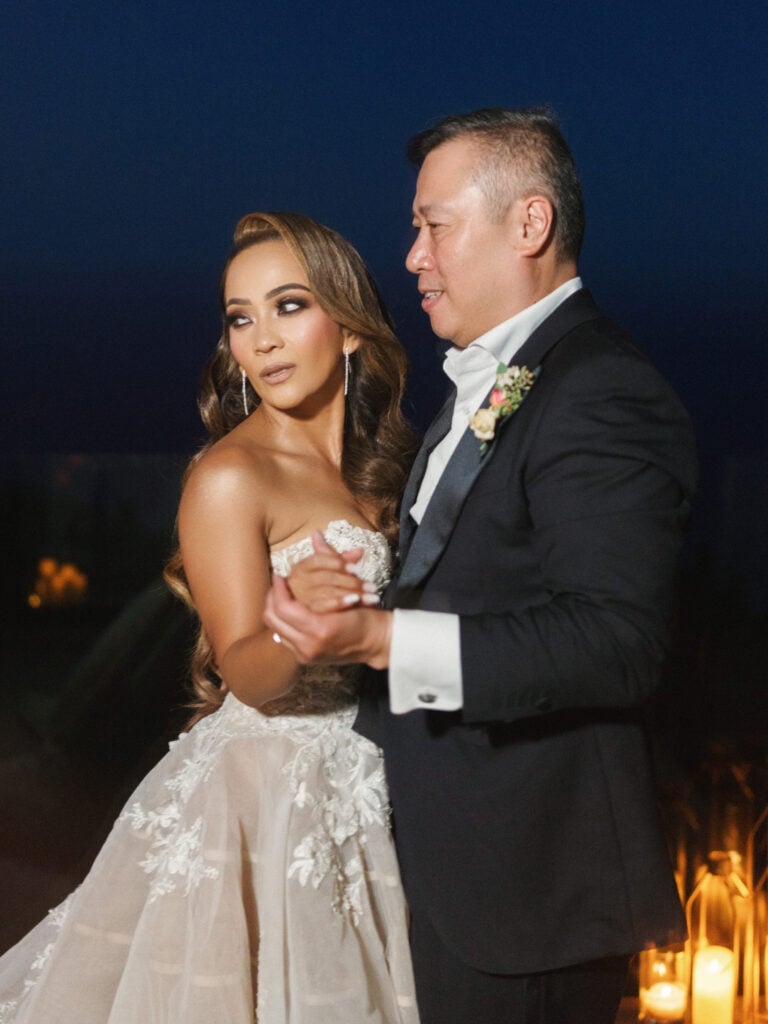
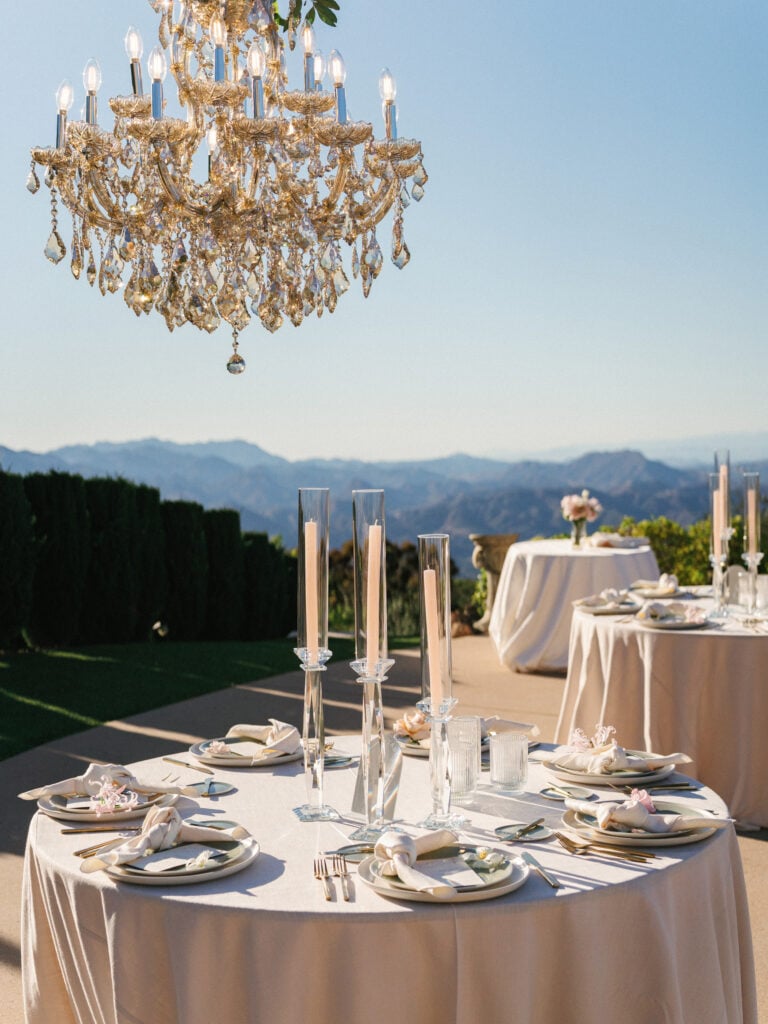
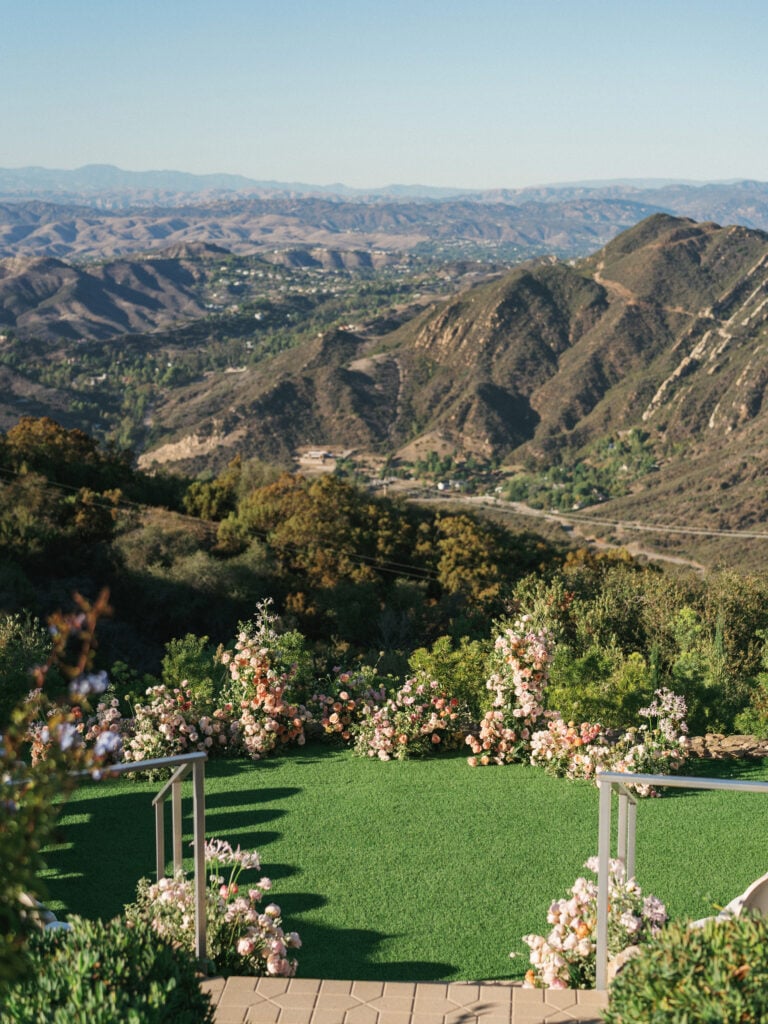
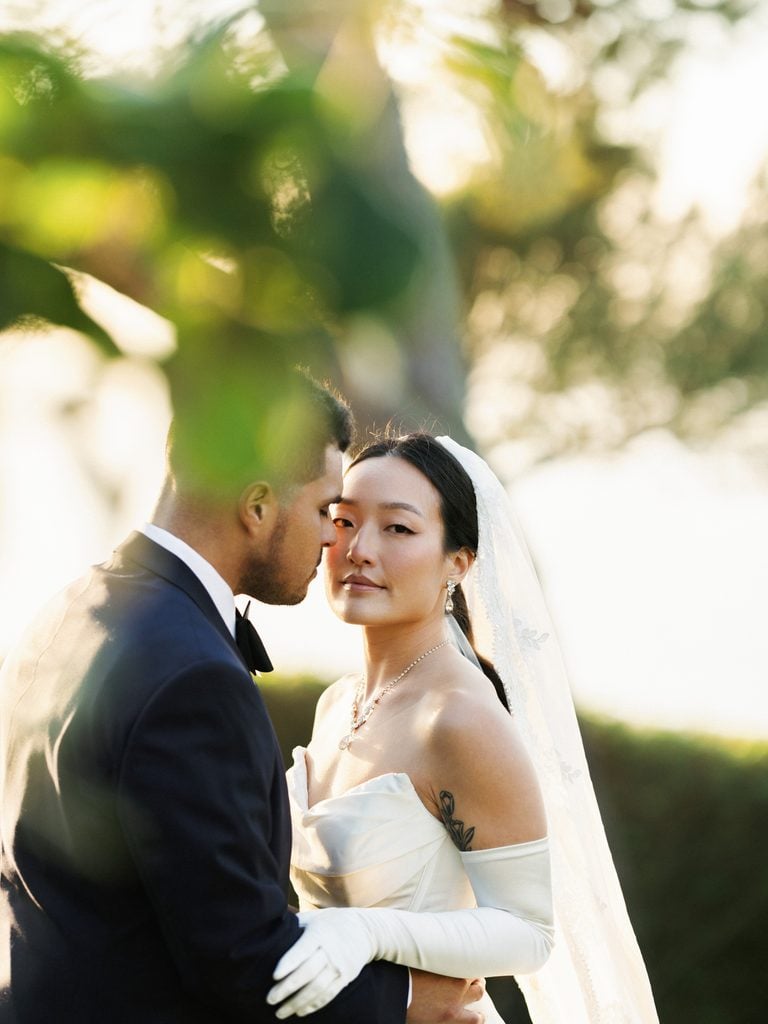
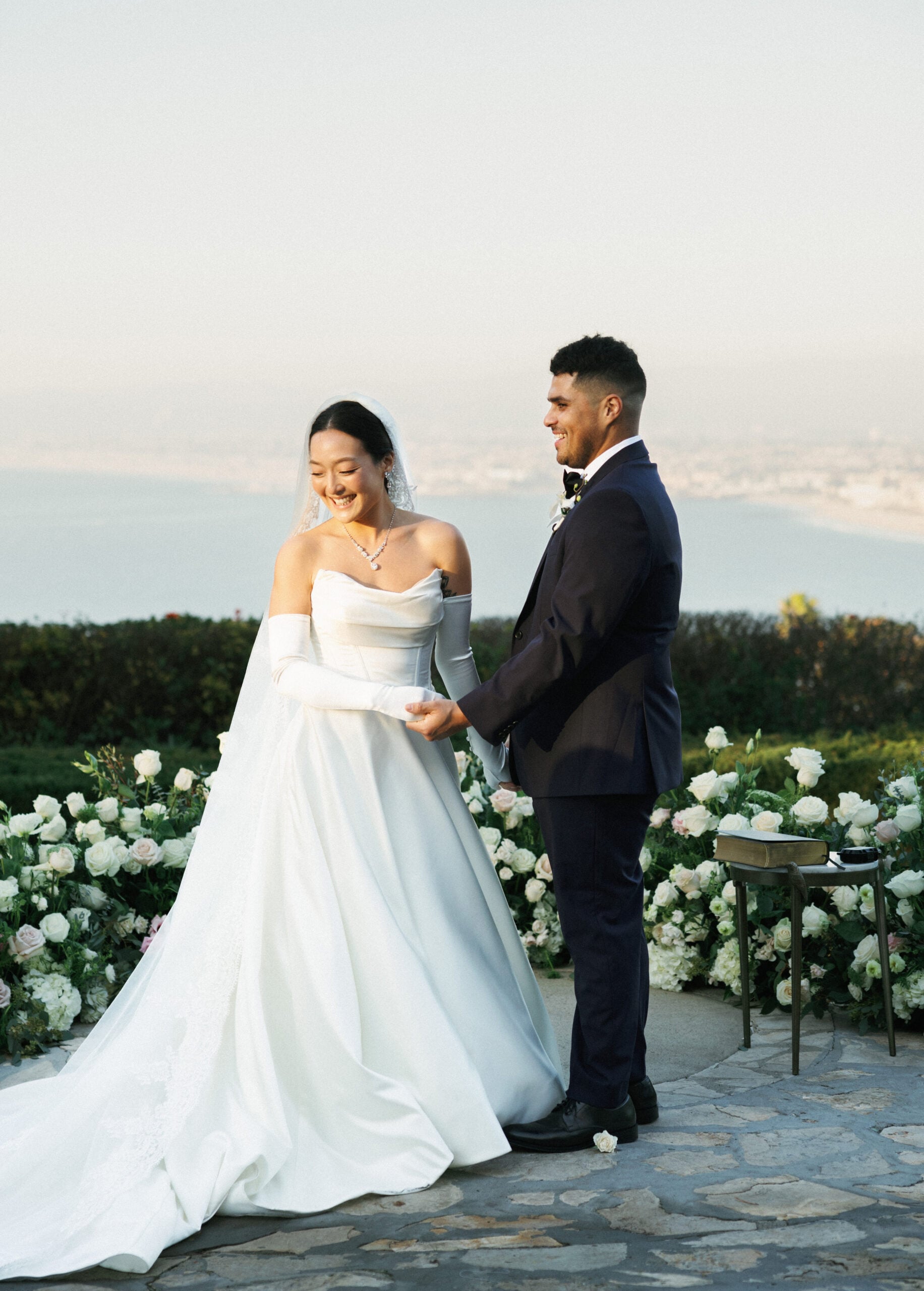
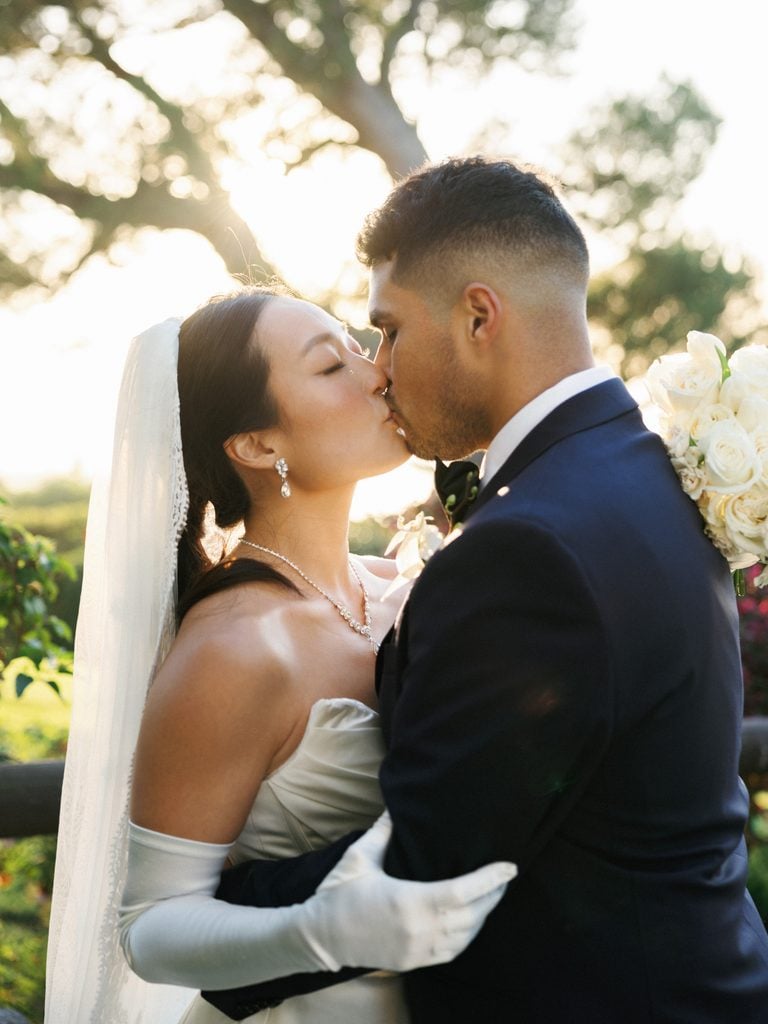
Stone Mountain Estates, Malibu, CA.
Understand How the Light Moves
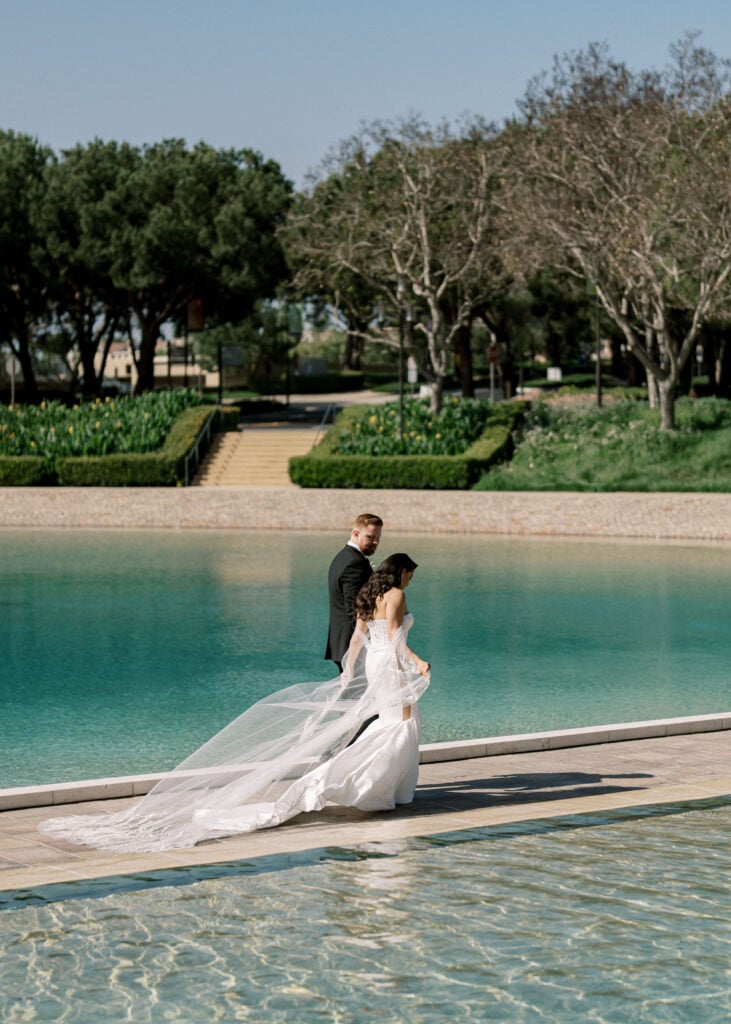
Natural light changes throughout the day, giving different rooms and outdoor spaces their own character as the celebration progresses. Understanding those changes can help the photography team identify the right settings for each part of the day.
It is useful to ask which rooms receive direct sunlight and when. The photography team can compare those conditions with the wedding timeline and identify natural settings for portraits, family photographs, details, and getting-ready coverage.
Window orientation can also add useful context. Large windows may offer beautiful daylight, while direct exposure can bring stronger contrast during certain hours.
A floor plan paired with the wedding-day timeline can give the photography team valuable context for understanding how daylight moves through the property. Seasonal changes are worth considering as well, particularly for outdoor ceremonies and portraits.
Explore Getting-Ready and Portrait Spaces
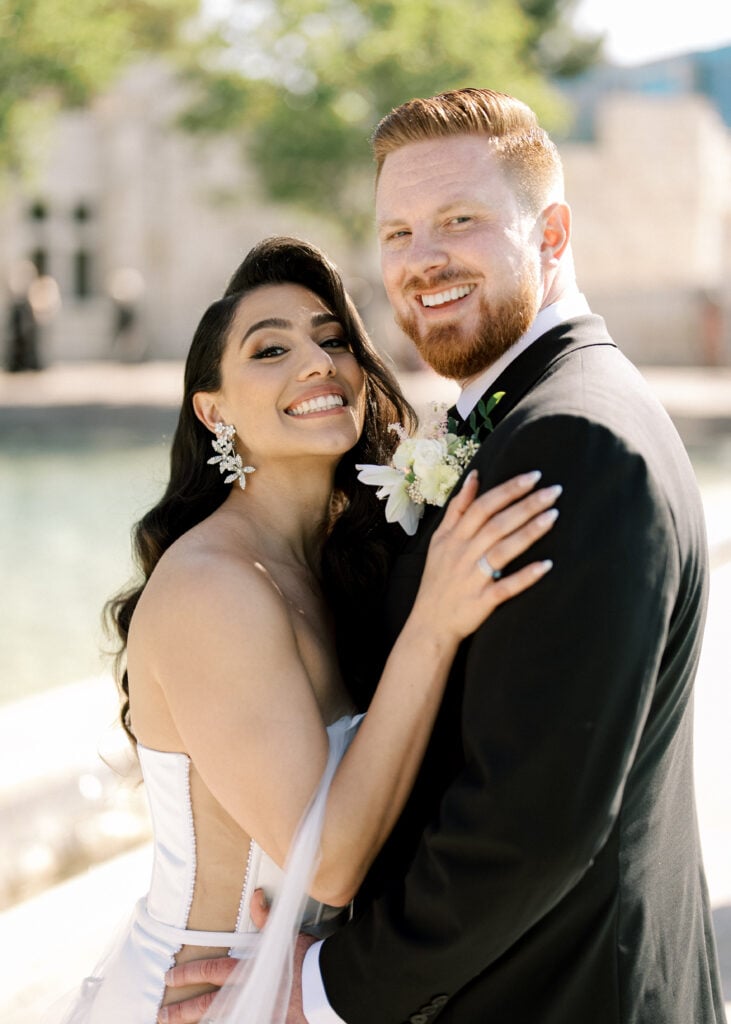
Getting-ready rooms set the visual tone for the beginning of the wedding day. Ask which suites or rooms will be available, when they become accessible, and whether the couple can select a particular space based on its natural light, size, and layout.
The photography team can assess window placement, available floor space, furniture, and practical areas for hair and makeup. Generous daylight and enough room for people to move comfortably can support a wide range of photographs throughout the morning.
Portrait locations are equally useful to explore during the visit. Gardens, staircases, private rooms, rooftops, terraces, and architectural details can each offer a distinctive setting. Understanding when these spaces are available allows the photography team to incorporate them naturally into the timeline.
Also ask whether both partners can prepare onsite and whether separate rooms are available. If the locations are some distance apart, the travel time can be incorporated into the photography schedule from the beginning.
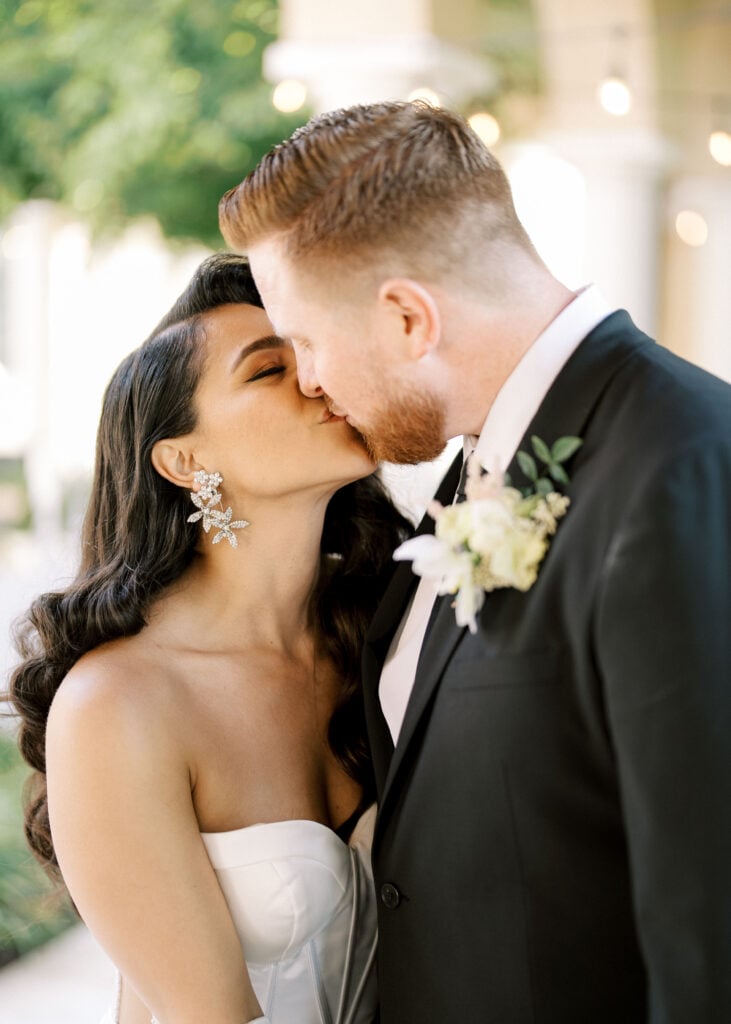
How the Ceremony and Reception Actually Connect
Understanding how the celebration moves through the property helps every part of the day feel considered. Ask where guests enter, where the ceremony takes place, how guests reach cocktail hour, and how the reception space is prepared between different portions of the event.
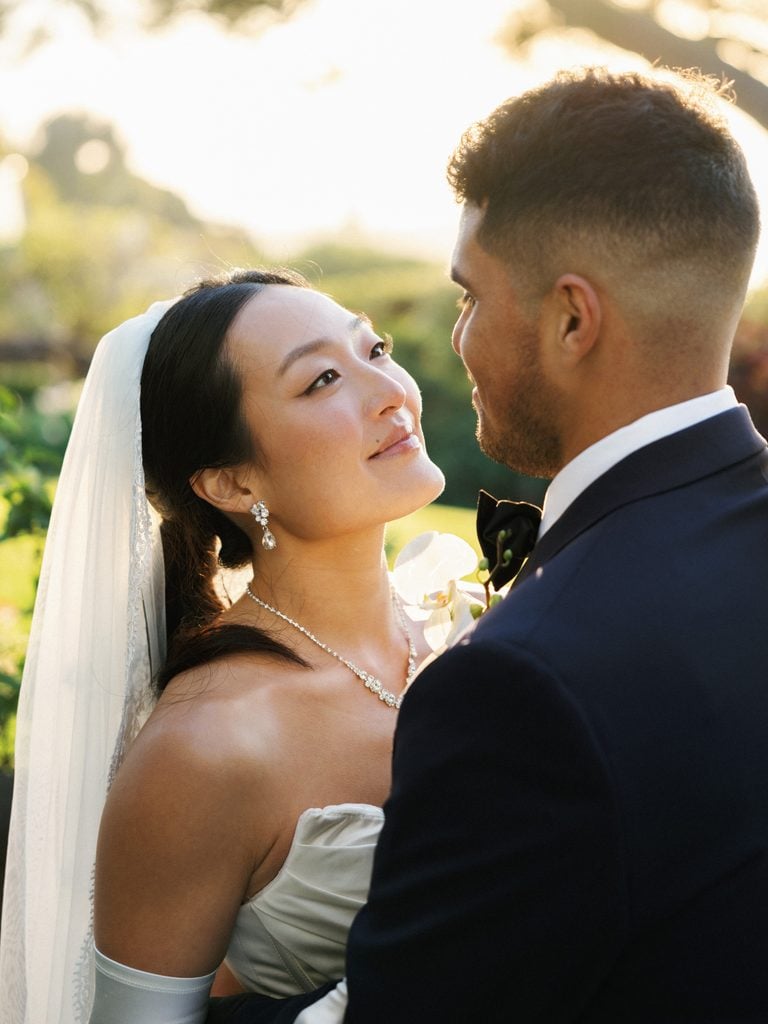
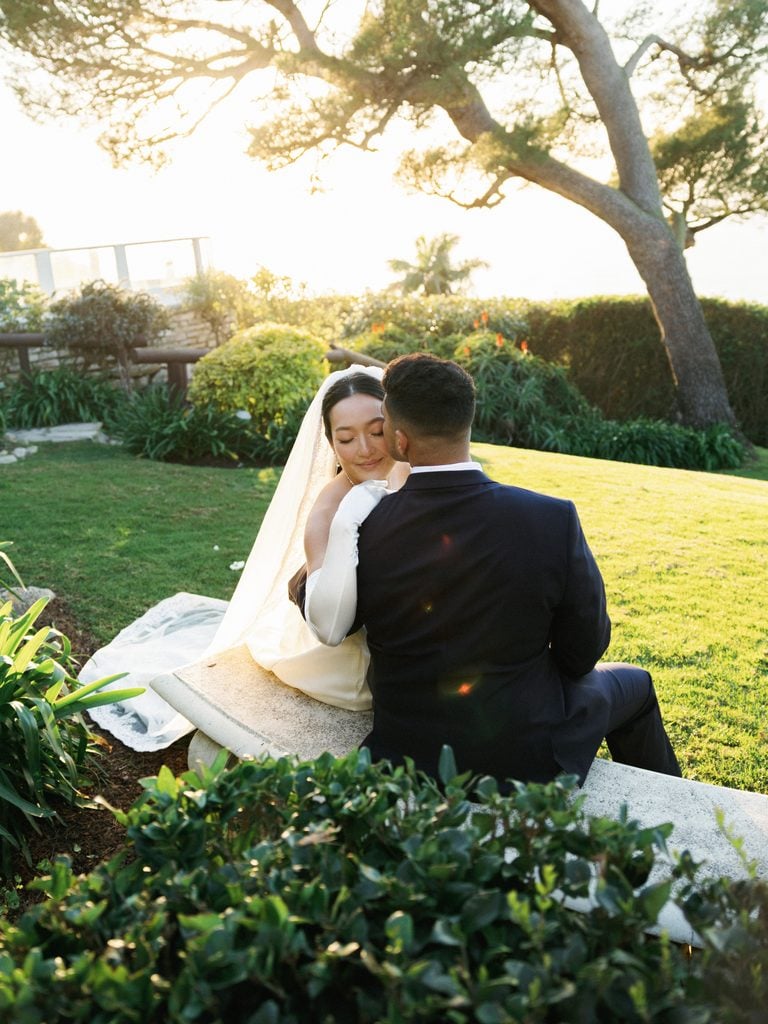
The planner can use this information to build natural transitions into the timeline. The photography team can identify where it should be during those transitions and which locations can accommodate portraits along the way.
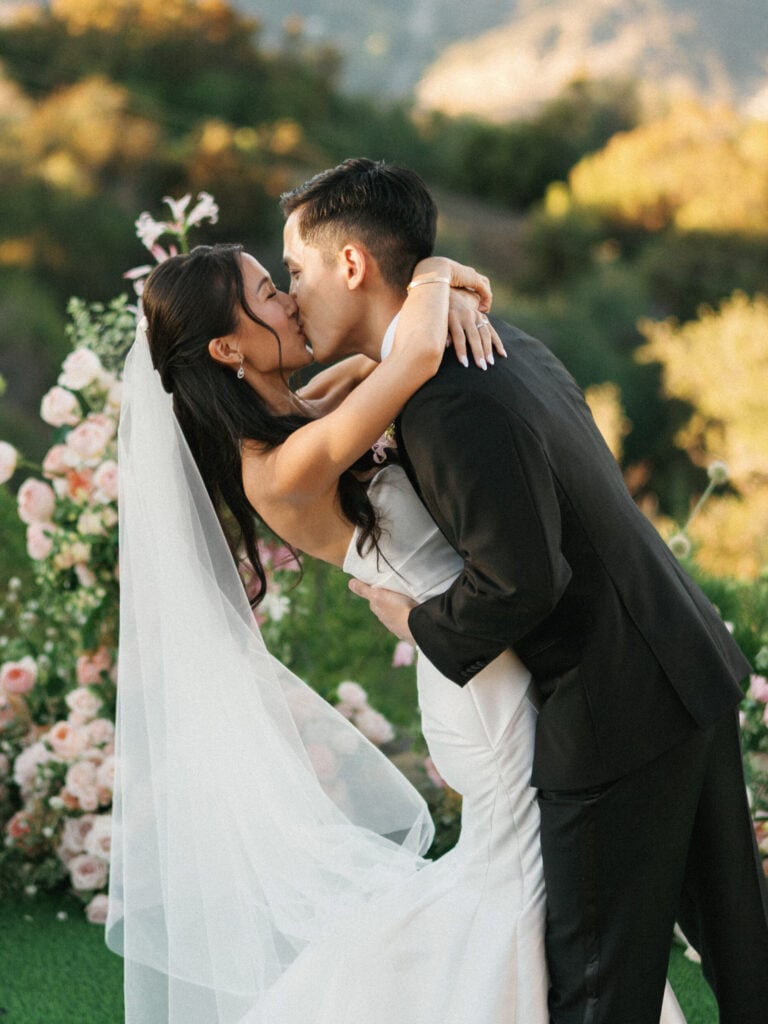
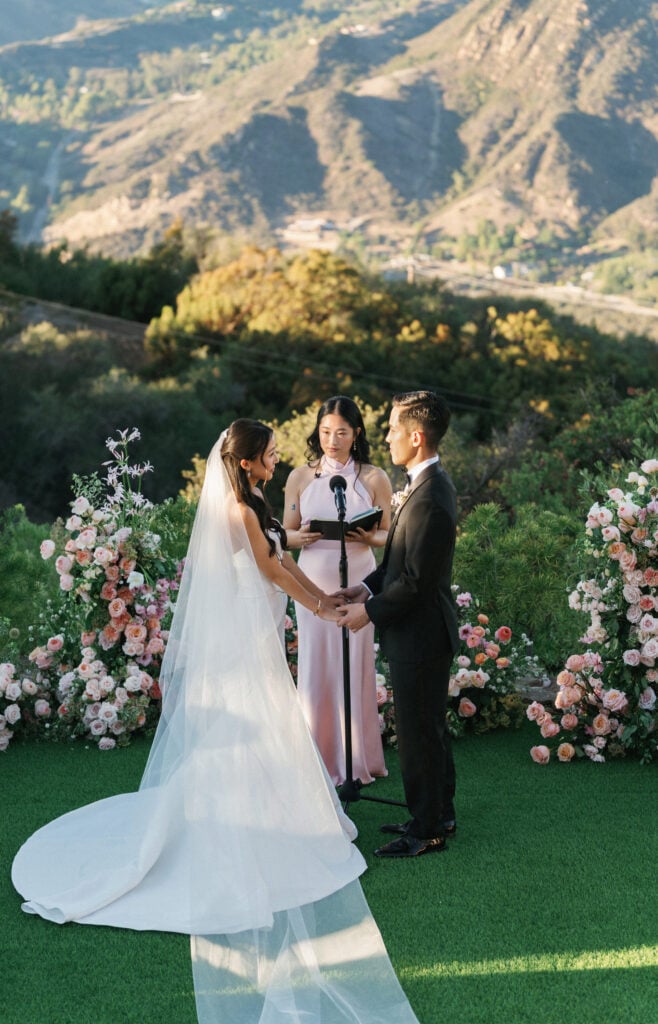
It is also useful to understand how the ceremony space evolves after the ceremony. Chairs may be moved, floral installations may be repurposed, or the room may be prepared for dinner. Knowing the sequence and timing allows the creative team to plan around those changes while preserving time for photographs.
If the couple would like photographs of the reception room before guests enter, ask when the space will be fully dressed and how long it will remain available for photography.
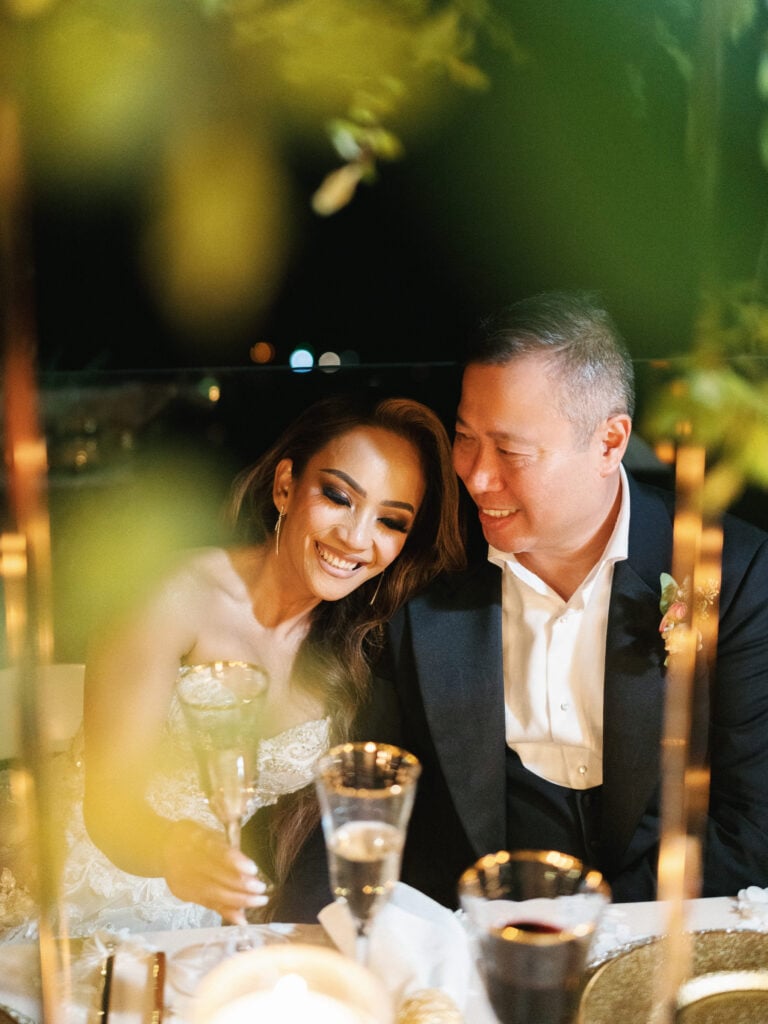
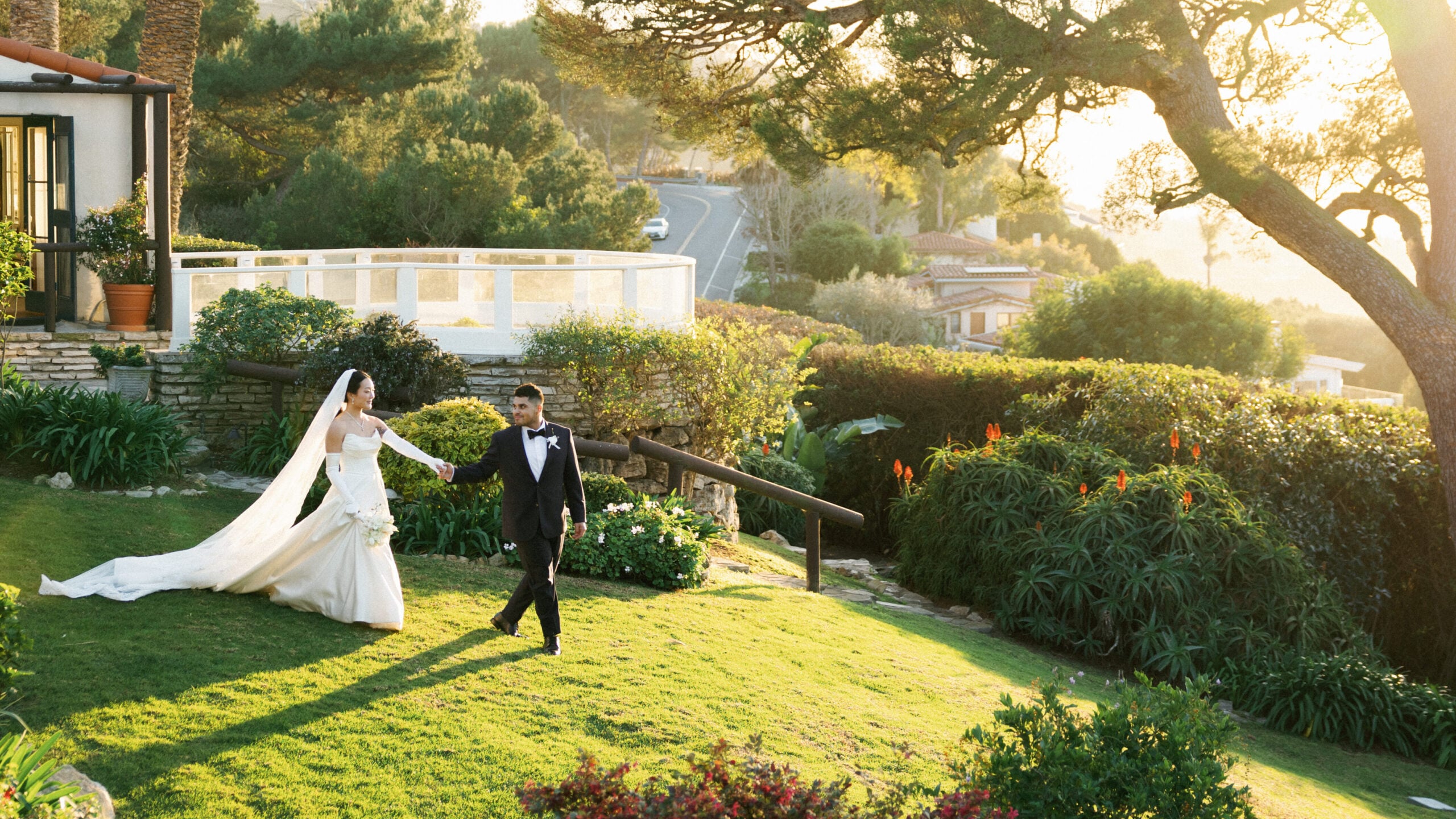
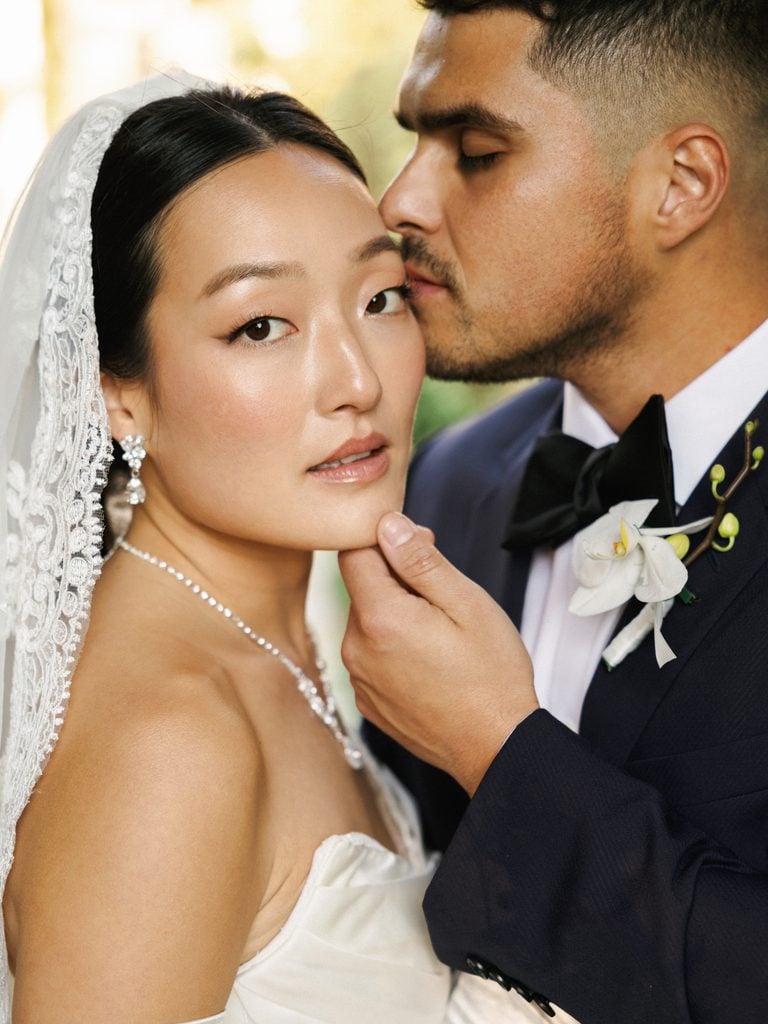
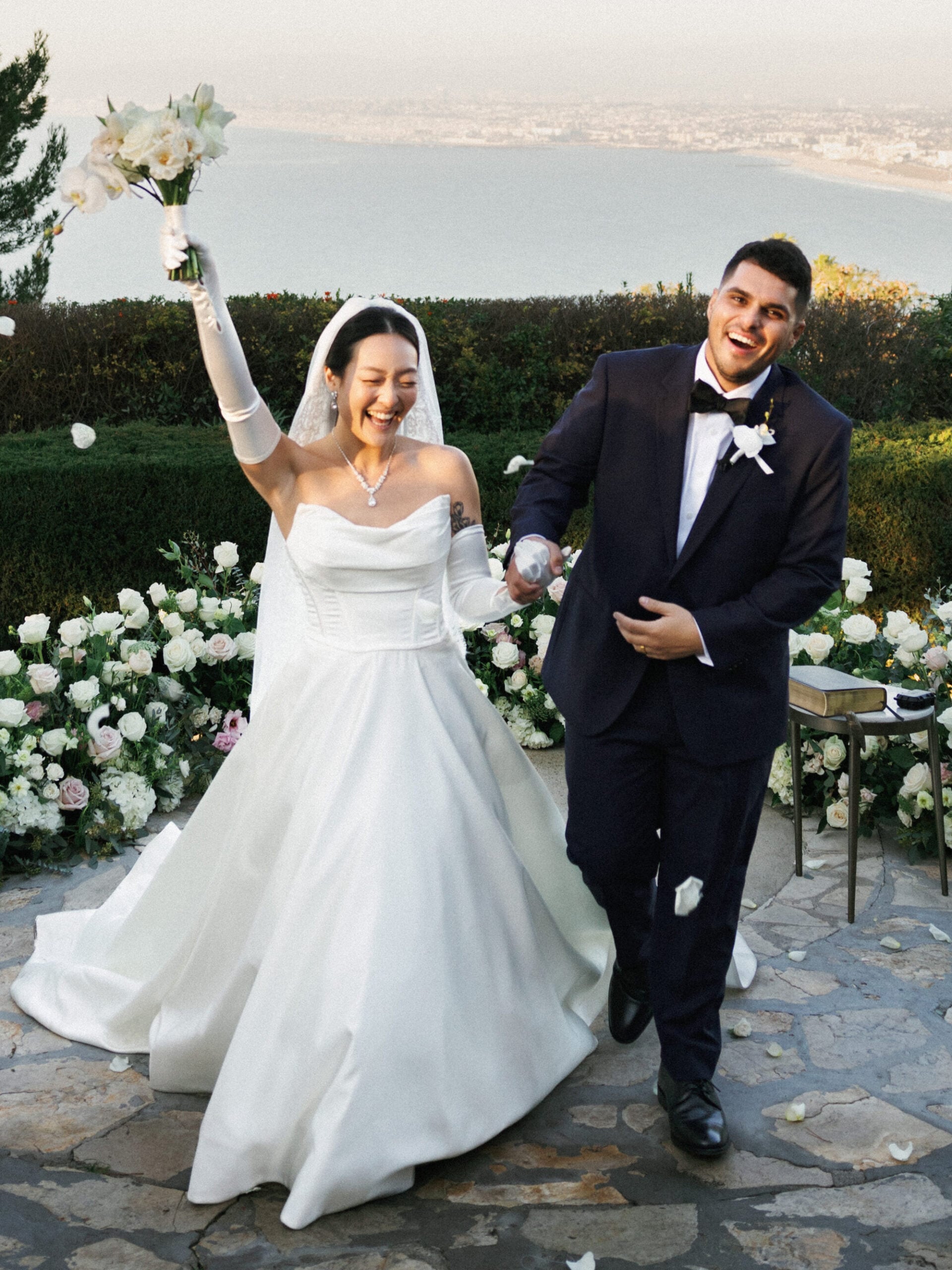
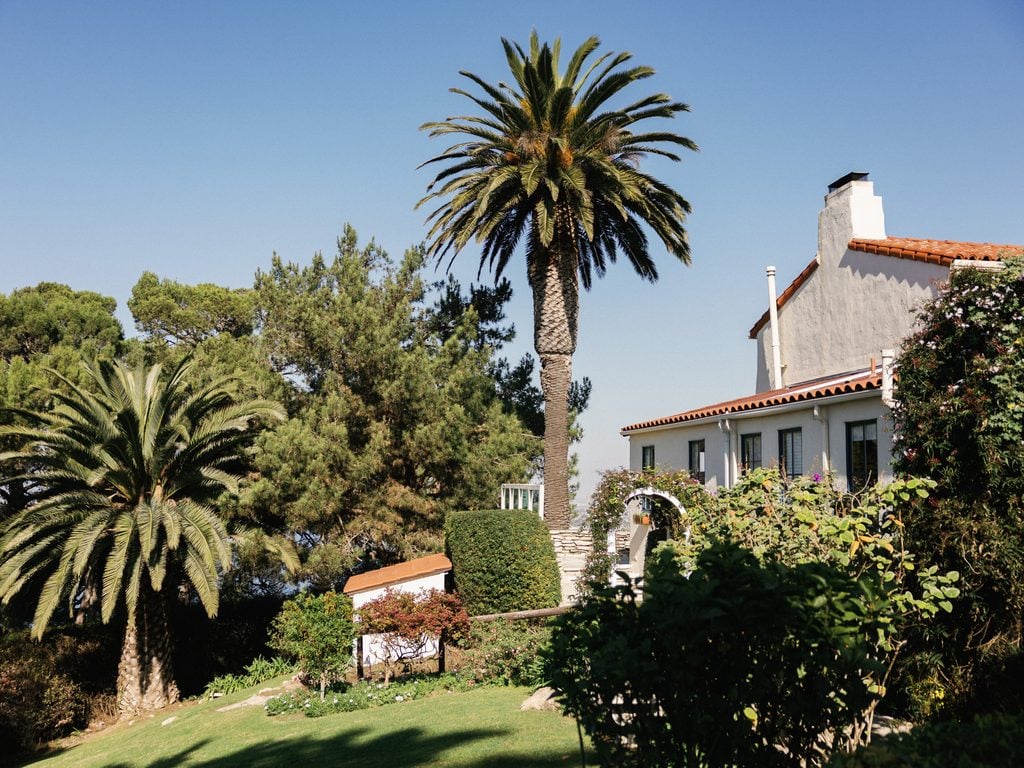
La Venta Inn, Palos Verdes Estates, CA.
Coordinate Access and Production
A clear arrival plan helps the wedding day begin smoothly. Ask when the photography team, planner, florist, entertainment team, rental company, and other vendors may access the property and where each team should unload.
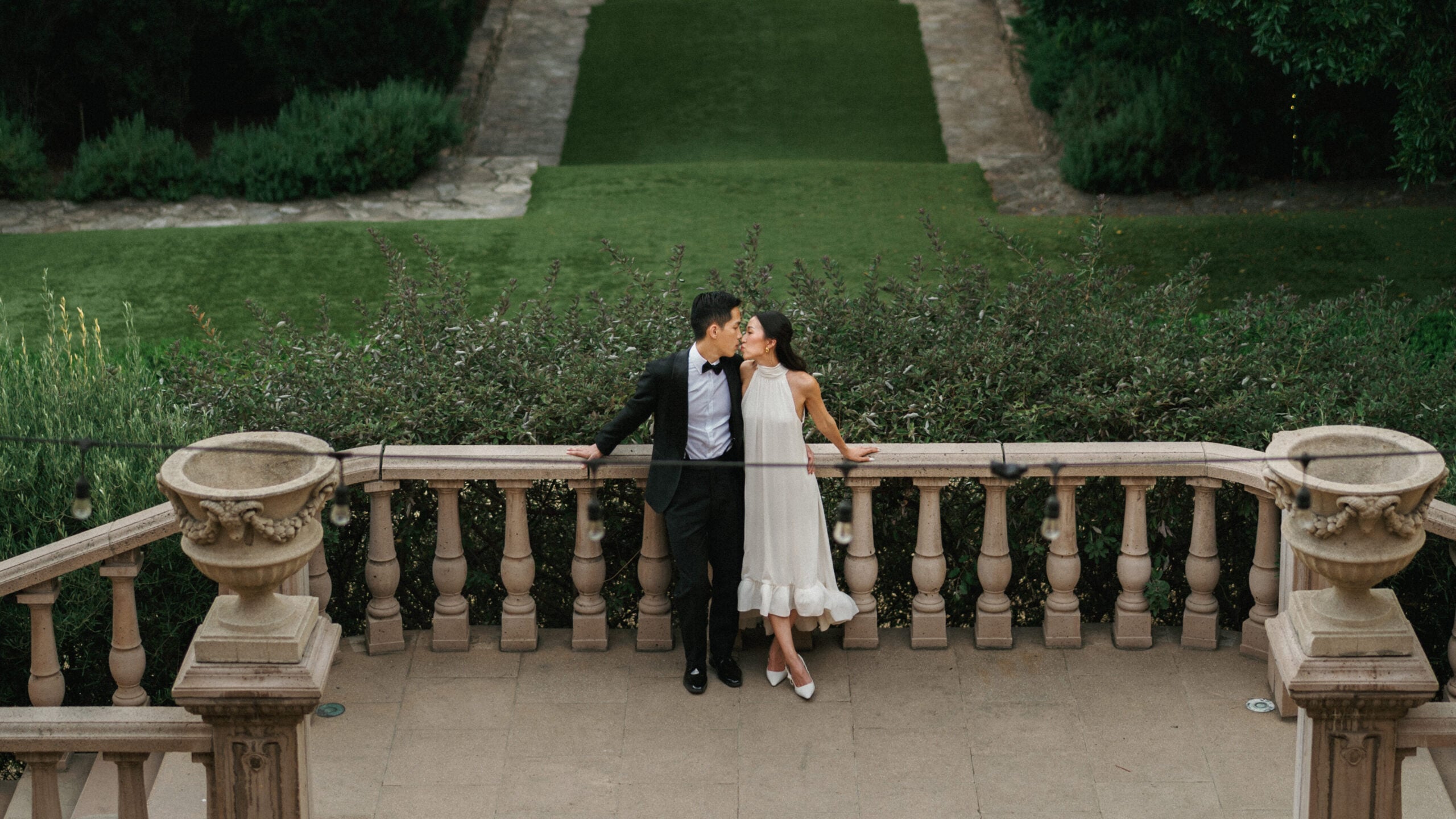
The venue can explain parking, freight elevators, stairs, carts, security procedures, and the easiest routes between loading areas and event spaces. If equipment needs to travel a longer distance, that journey can be incorporated into the setup schedule.
Ask whether vendors can leave cases or equipment onsite during the celebration and which areas are available for storage. A designated storage space keeps production areas organized while allowing teams to access what they need throughout the day. Understanding these details during the planning stage gives every vendor a clearer sense of how the property functions and how the production can move through it.
Explore Photography Opportunities and Guidelines
Each property has its own character, and the photography approach can be tailored to the spaces available. Ask about the venue’s guidelines for flash, tripods, off-camera lighting, and other equipment used by the creative team.
The site visit is also an opportunity to explore architectural details, gardens, staircases, terraces, private rooms, and other areas that could become part of the visual story. Understanding when and how these spaces are available allows the photography team to build them into the day’s coverage.
Aerial photography can offer another perspective on the property.
Ask whether drone coverage is permitted and whether local regulations, neighboring properties, or venue policies shape where and when a drone can operate. With that information, the creative team can determine how aerial photographs might complement the property and the wedding schedule.
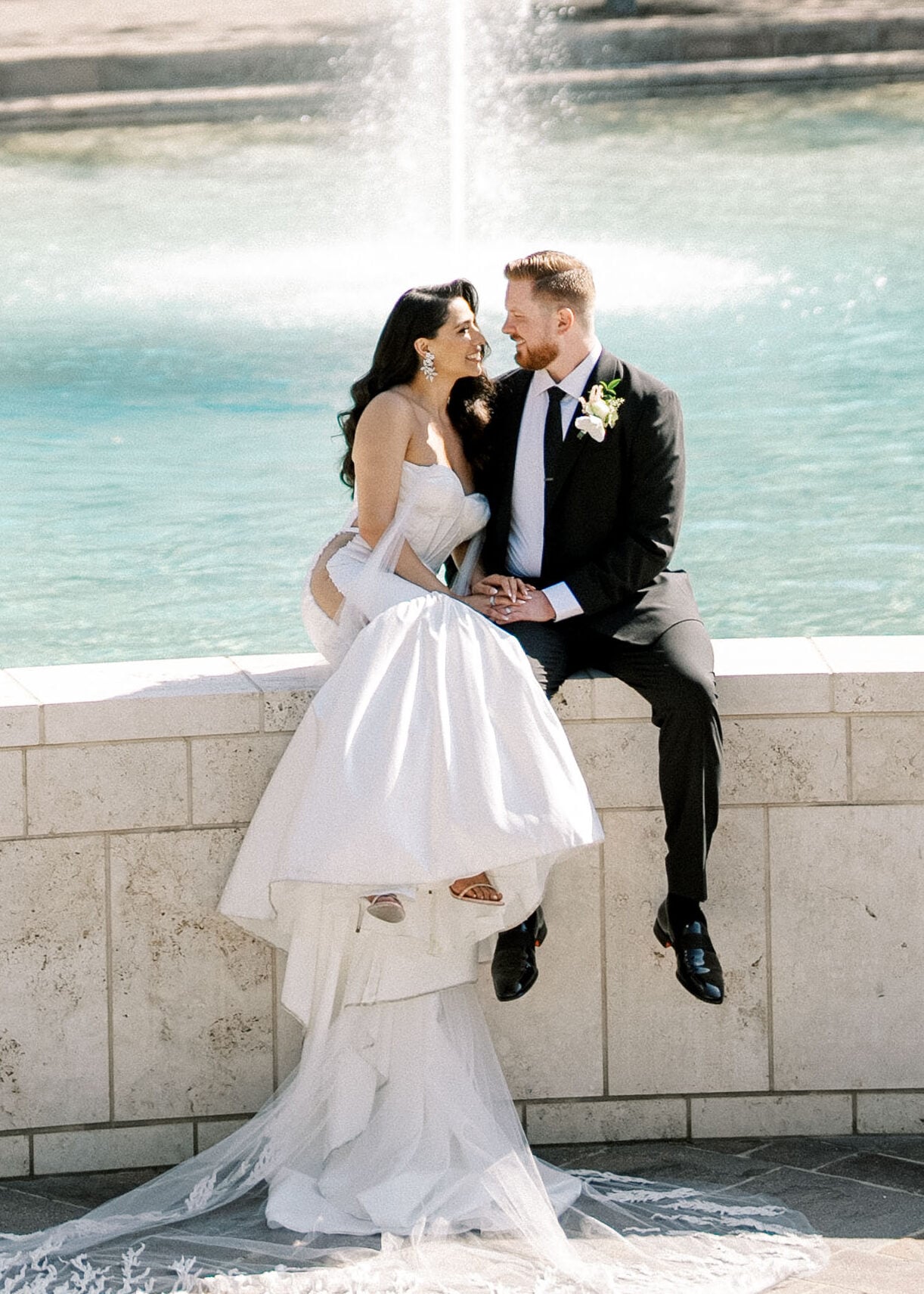
Soka University of America
Discuss Power and Sound With the Venue
Wedding production can involve a range of technical elements, from audio equipment to supplemental lighting. Understanding the venue’s infrastructure early allows these elements to be incorporated naturally into the overall design.
Ask where outlets are located, whether dedicated circuits are available, and what options are available for additional lighting or production equipment. Sound deserves the same level of planning. Ask whether the venue provides a sound system, works with an outside audio vendor, or has particular guidelines for speaker placement and volume.
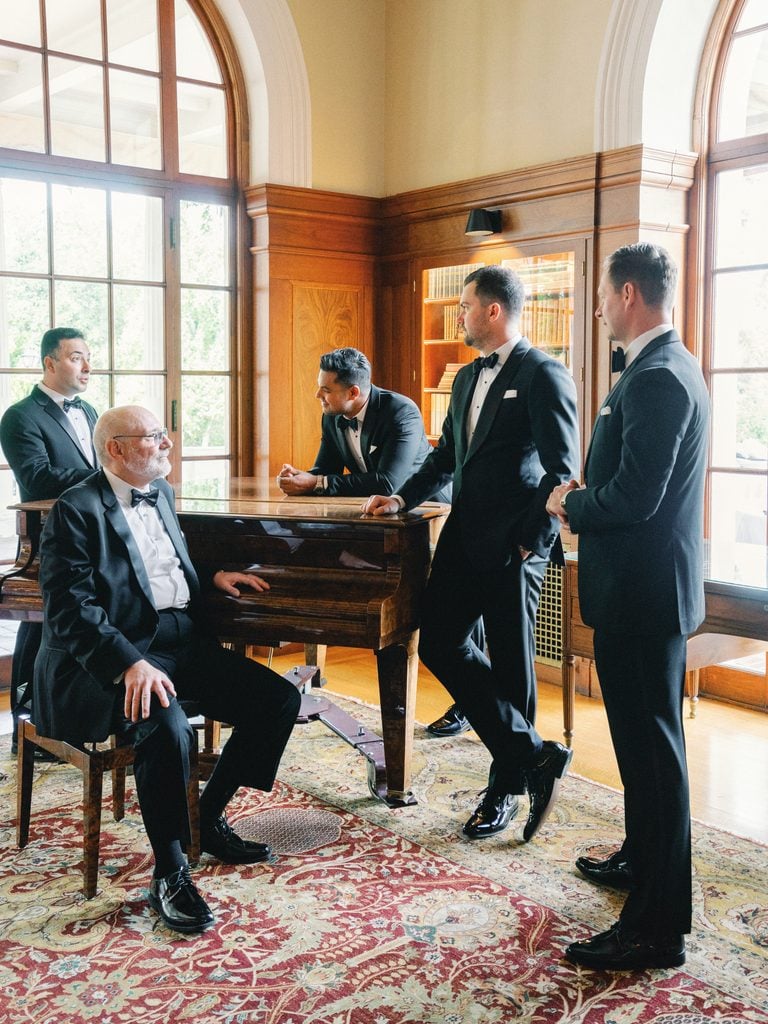
The planner can coordinate the broader production schedule, while the venue can explain its technical setup. The creative team can then determine how supplemental lighting and photography equipment can be positioned within the space, while the production team can plan the placement of microphones and audio equipment.
For ceremonies with readings, live music, microphones, or recorded audio, it is also helpful to discuss where speakers, musicians, and other production elements will be placed.
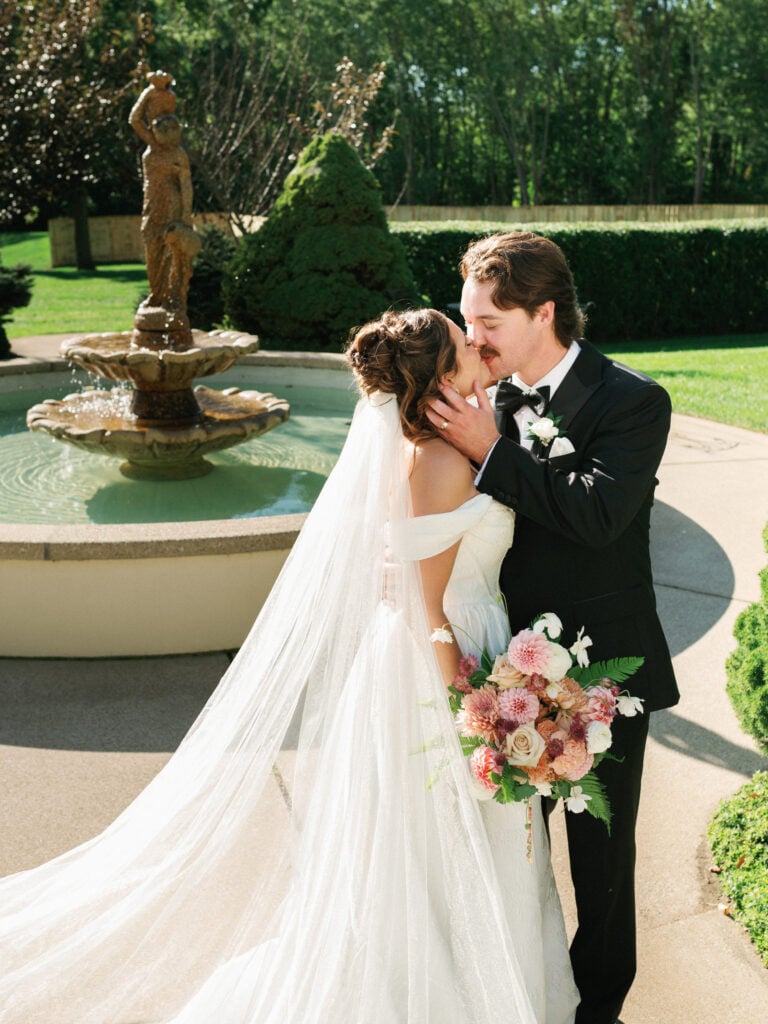
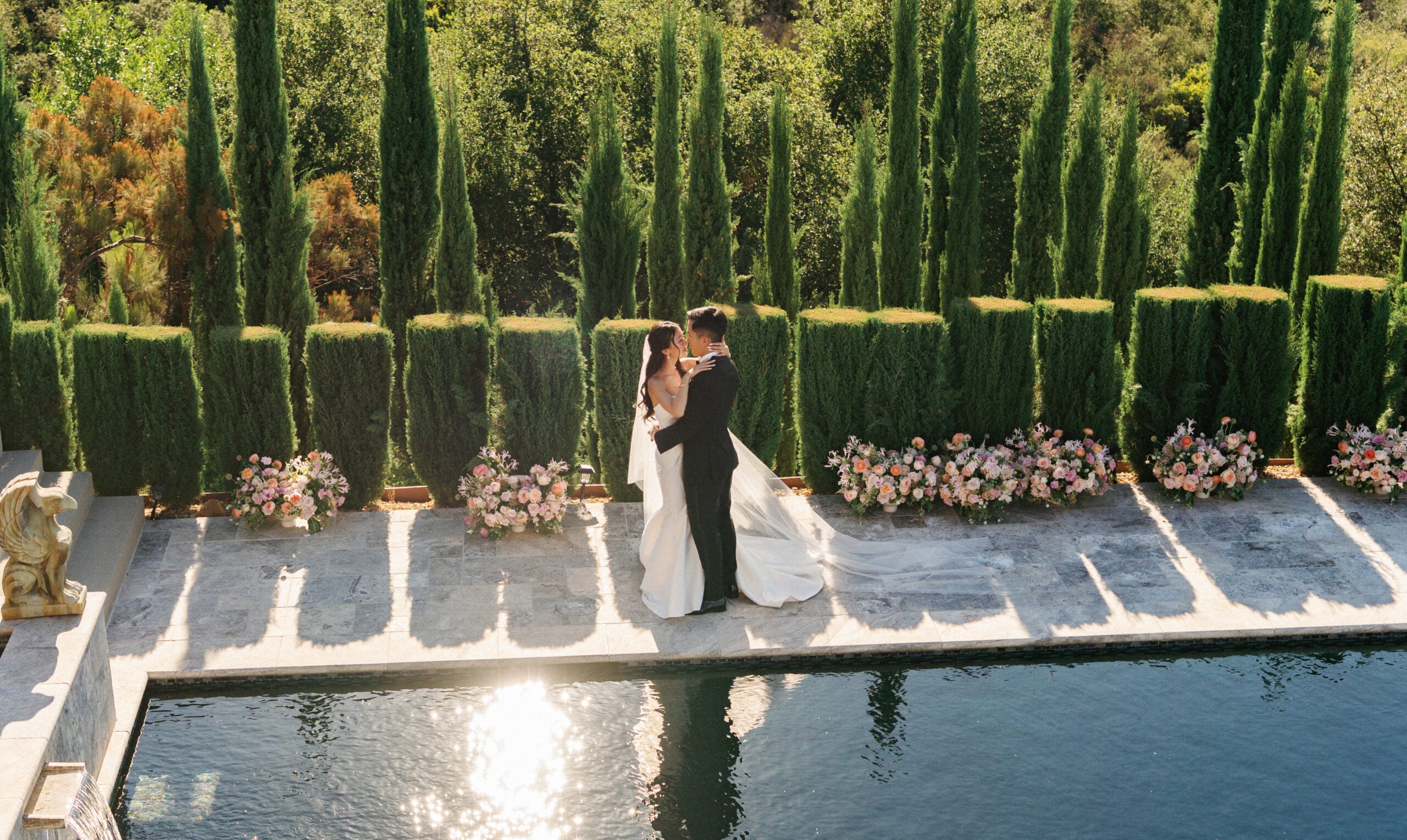
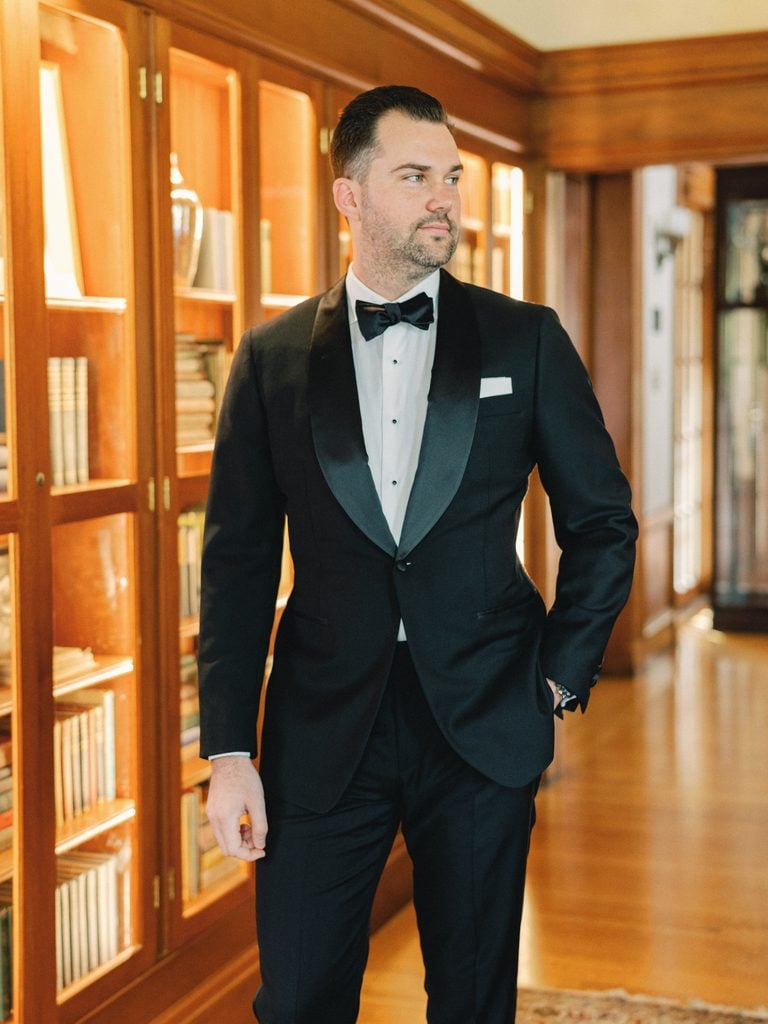
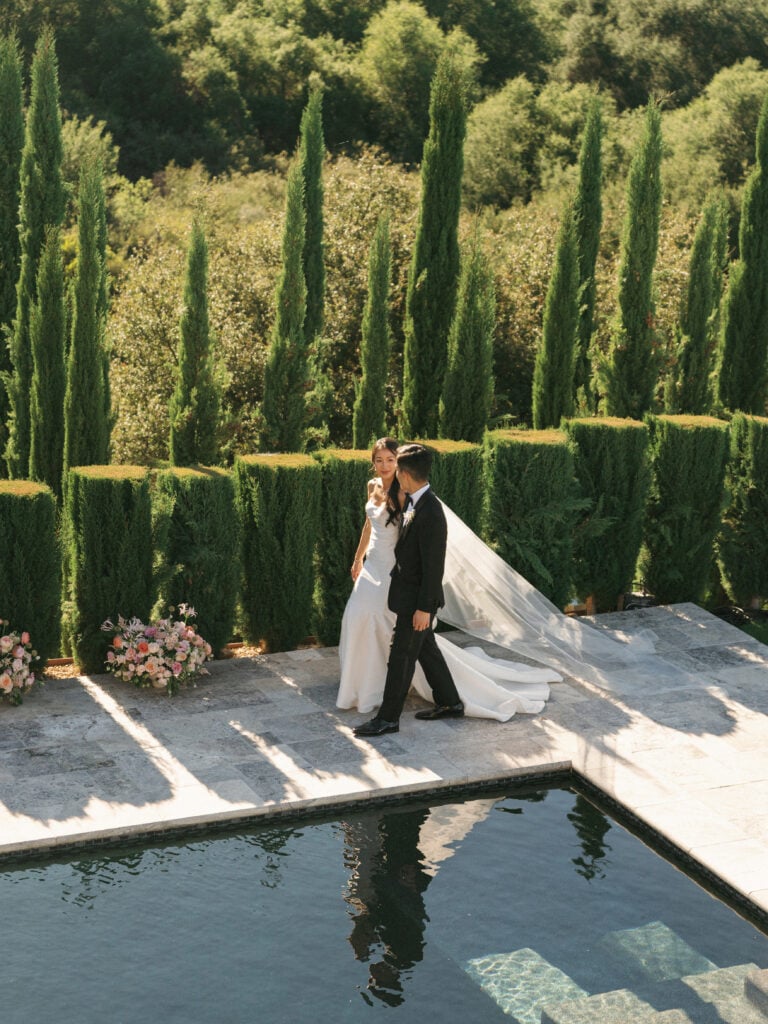
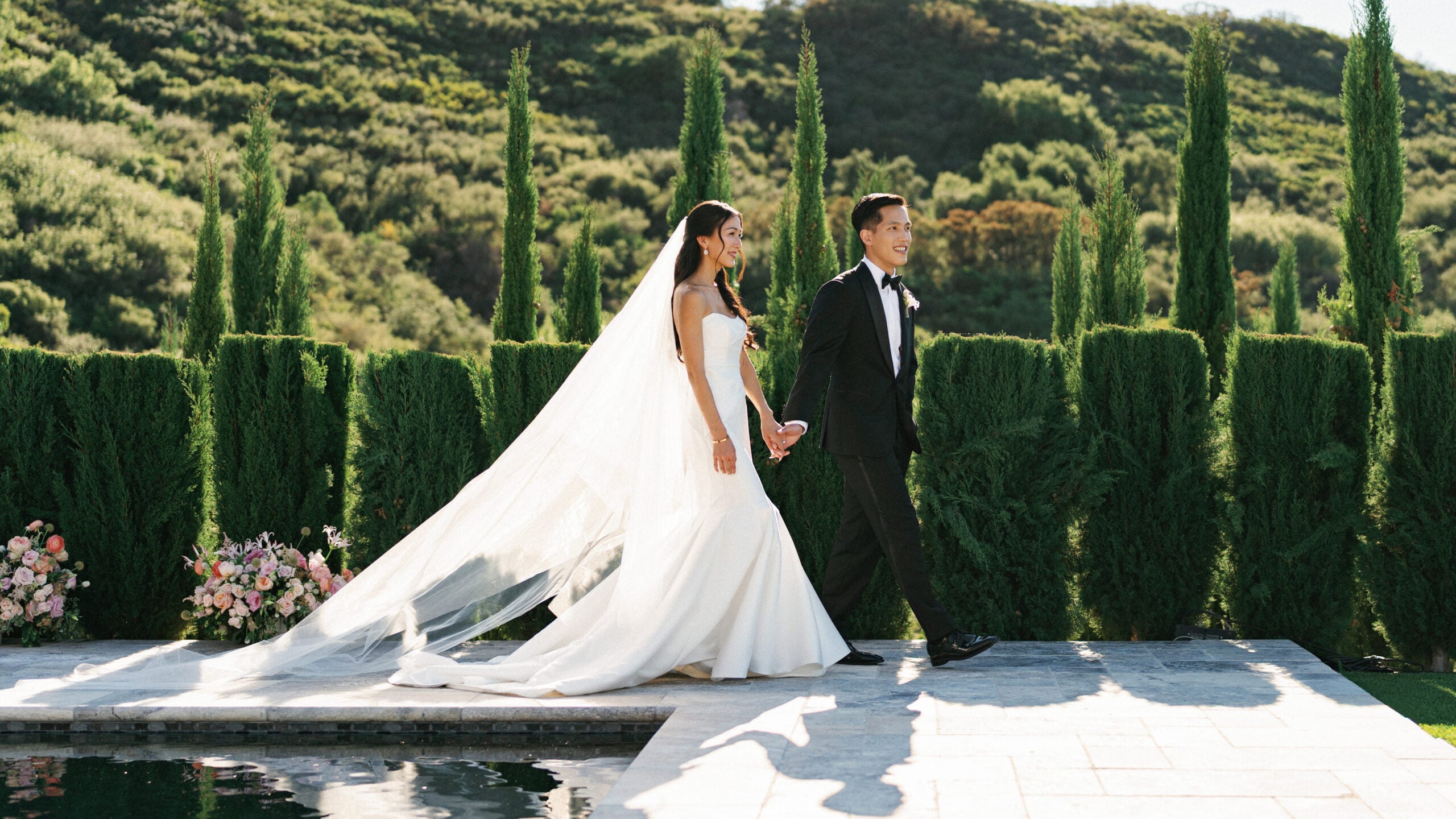
Wedding in Villa Montalvo
Explore the Weather Options
A thoughtful weather plan gives the couple and creative team several ways to continue the celebration when conditions change. Ask which indoor spaces are available, how many guests they accommodate, and how the ceremony, cocktail hour, and portraits could be adapted if the original outdoor plan changes.
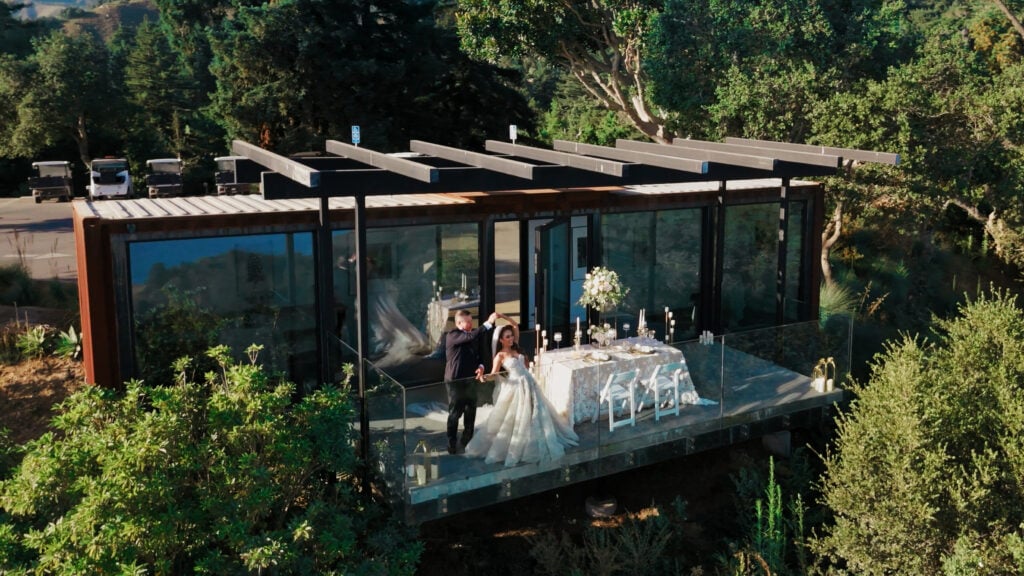
The venue can explain which rooms remain available in different weather conditions and how quickly they can be prepared. The planner can incorporate those transitions into the timeline, while the photography team can assess the available light, backgrounds, and dimensions of each option.
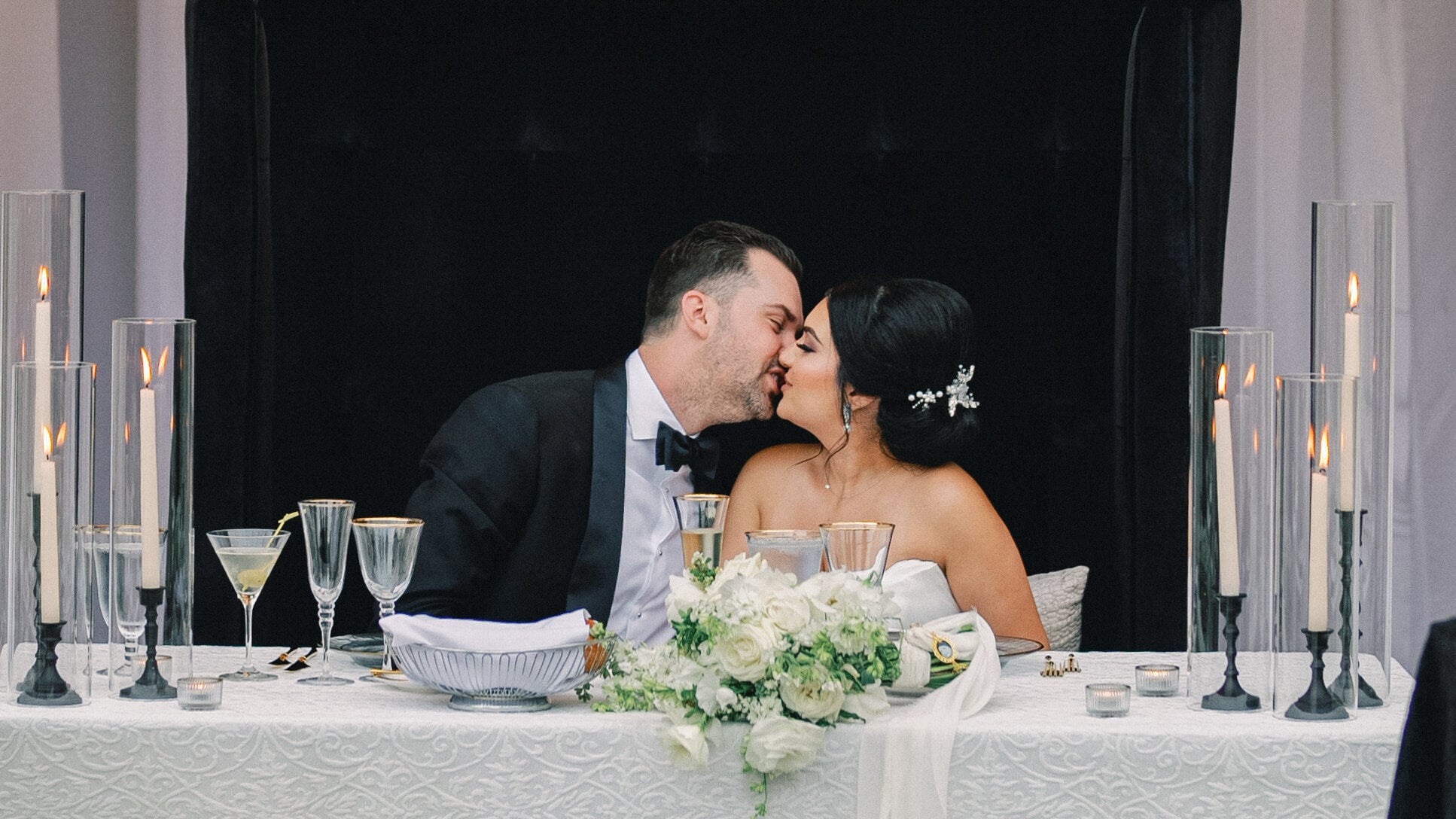
Covered terraces, verandas, arcades, and other sheltered areas can also offer attractive settings for portraits when outdoor spaces are wet. If the property has several possibilities, identifying them during the site visit gives the team a clear visual plan before the wedding day.
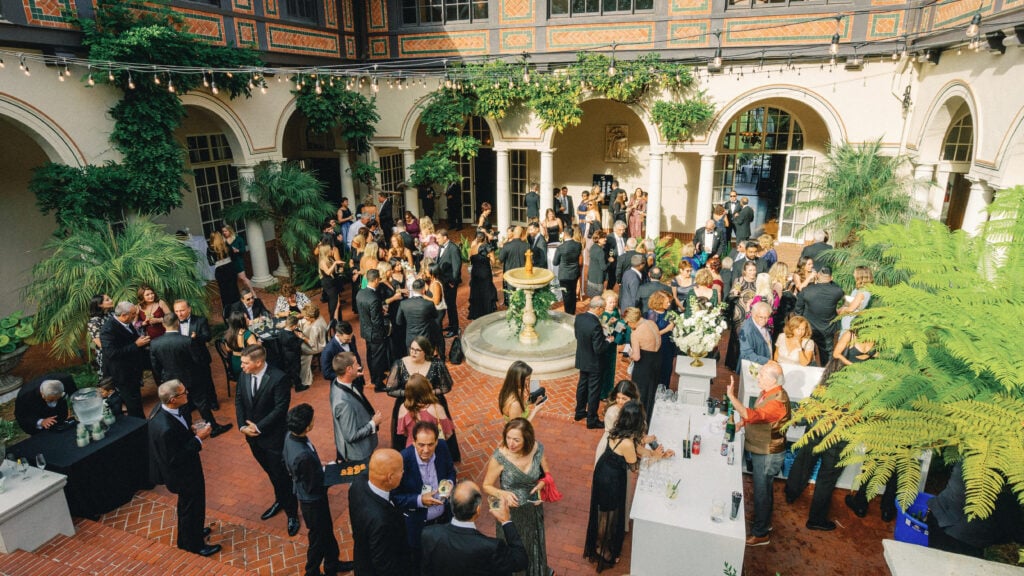
Plan for a Comfortable Production Day
Photography and other creative teams may spend eight, ten, or more hours at the property. Ask whether vendor meals are provided or required, where they are served, and when vendors can take their meal break.
The timing can be coordinated with the reception schedule so the creative team remains available for important moments while still having an appropriate break during the day.
Water, vendor rest areas, restroom access, and secure equipment storage are also useful details to establish in advance. A clear understanding of the property’s amenities and logistics allows the creative team to remain focused on the celebration from beginning to end.
25 Questions to Ask a Wedding Venue
A site visit can cover a great deal of information when the questions are organized around the way the wedding will move through the property.
Light and Spaces
1. Which rooms receive the best natural light during our planned photography hours?
2. How does the light change in the ceremony and reception spaces throughout the day?
3. Which rooms will be available for getting ready?
4. Which portrait locations can we incorporate into the wedding day?
5. Which indoor spaces offer good options for portraits if the weather changes?
Ceremony and Reception
6. How do guests move between the ceremony, cocktail hour, and reception?
7. How much time is available to photograph the reception room before guests enter?
8. How will the ceremony space be prepared after the ceremony?
9. How much time does that transition require?
10. Which areas are designated for guest and vendor use during the event?
Sound and Power
11. What sound equipment does the venue provide?
12. Does the venue work with a specific audio or production vendor?
13. Where are the power outlets and dedicated circuits?
14. What options are available for supplemental lighting and production equipment?
15. Are there venue guidelines for speakers, live music, microphones, or amplified sound?

Access and Vendor Logistics
16. When can the photography team and other vendors access the property?
17. Where is the loading area, and how does it connect to the event spaces?
18. Are freight elevators, carts, or stairs available for equipment?
19. Where can vendors store cases, equipment, and personal belongings during the event?
20. What parking and security information should vendors receive in advance?
Photography and Weather
21. What are the venue’s photography guidelines for flash, tripods, off-camera lighting, and other equipment?
22. Is aerial photography permitted on the property, and are there venue-specific guidelines?
23. Which indoor spaces are available if the original outdoor plan changes?
24. Which covered outdoor areas can be used for portraits in wet weather?
25. What are the setup, event, teardown, and final departure times for vendors?
Bring the Right Questions to the Right Team
Different members of the wedding team see the venue from different perspectives. The venue can explain property guidelines, access, available rooms, power, sound, and operational timing. The planner can connect those details to the wedding-day schedule, vendor coordination, guest movement, and transitions.
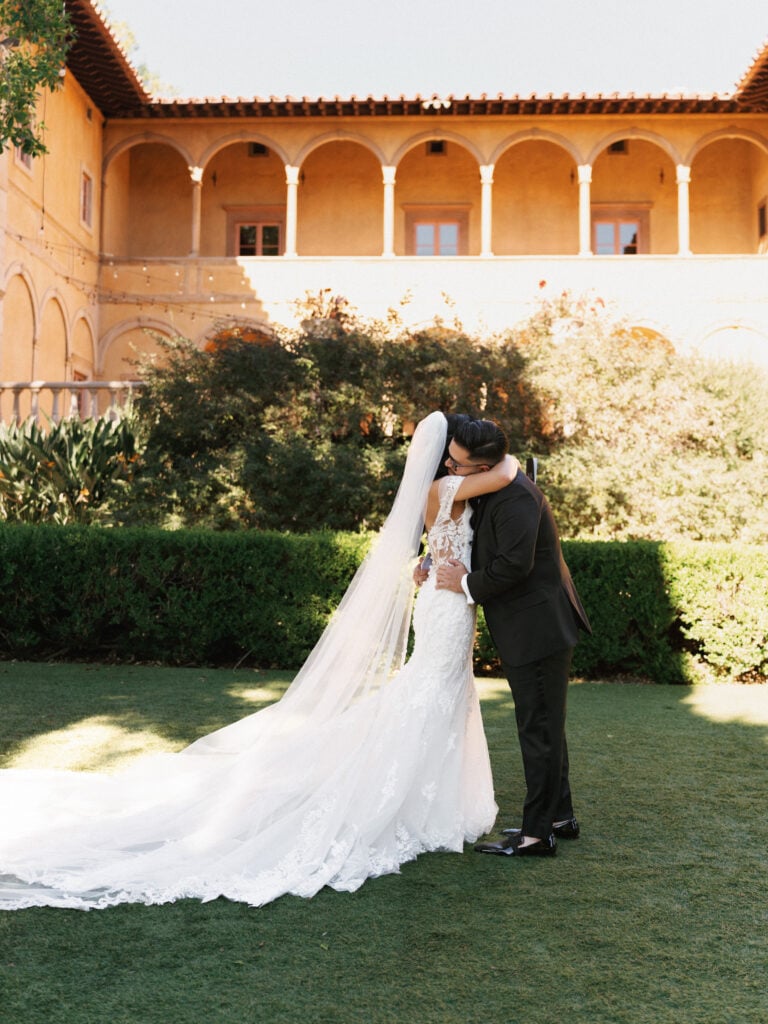
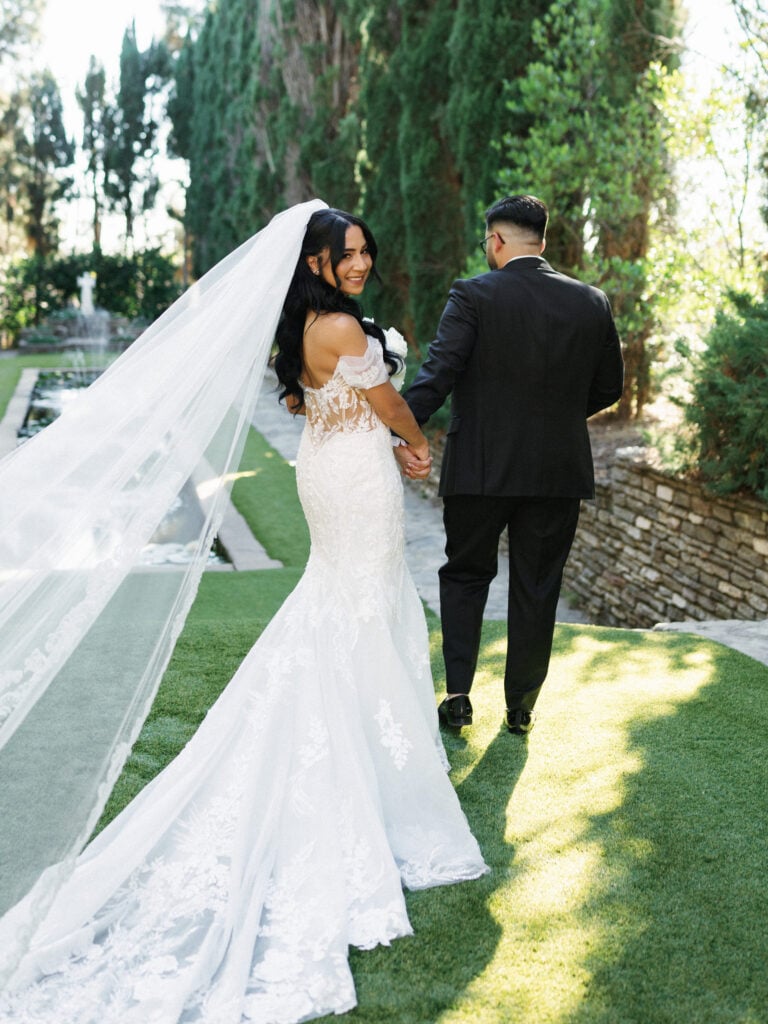
The creative team can address the visual side of the experience: how the light will work at specific hours, which spaces offer strong portrait possibilities, where equipment can be positioned, and how much time particular photographs may require.
Bringing these perspectives together during the planning process gives the couple a clearer understanding of how the property can support the full wedding experience.
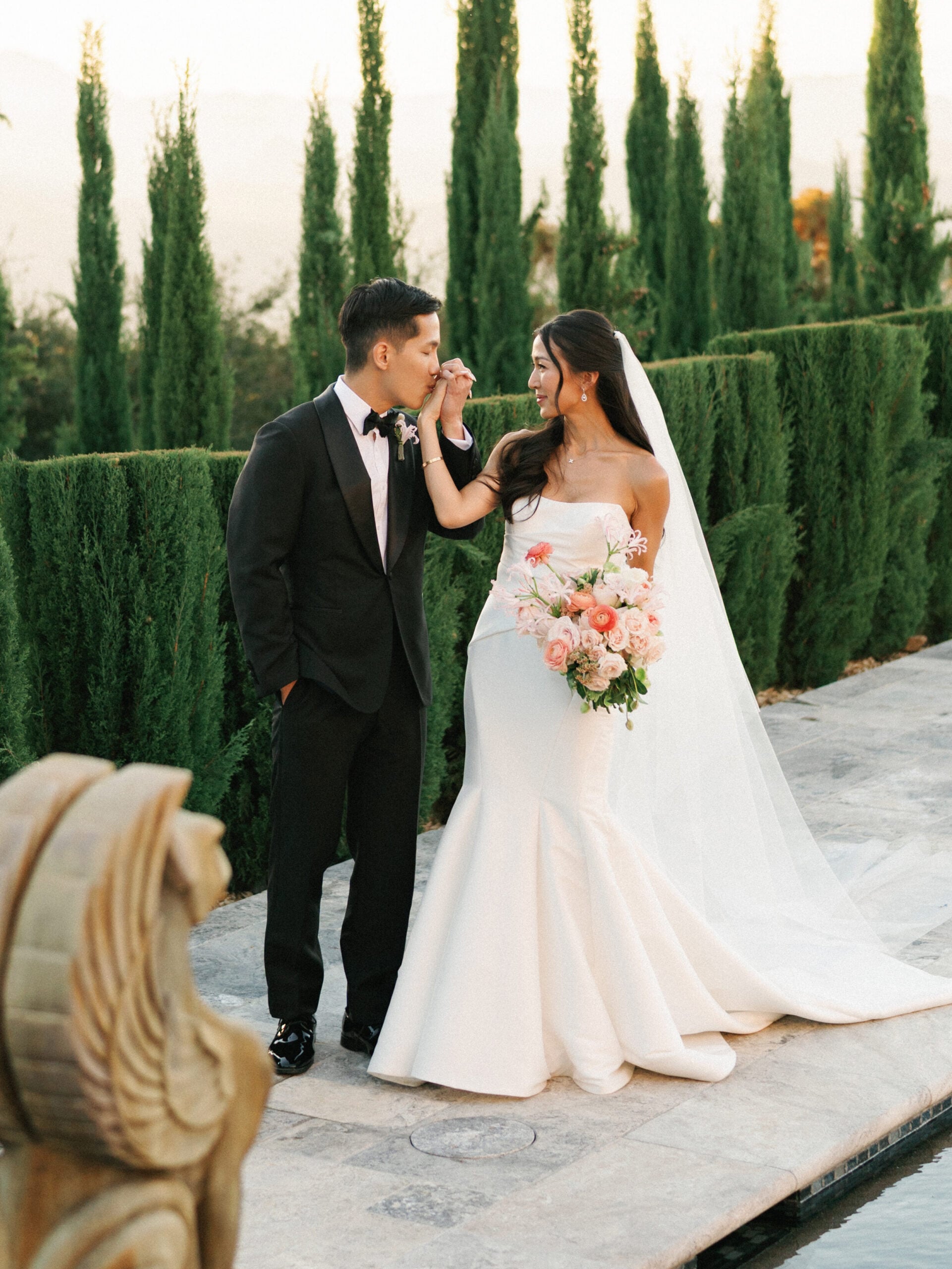
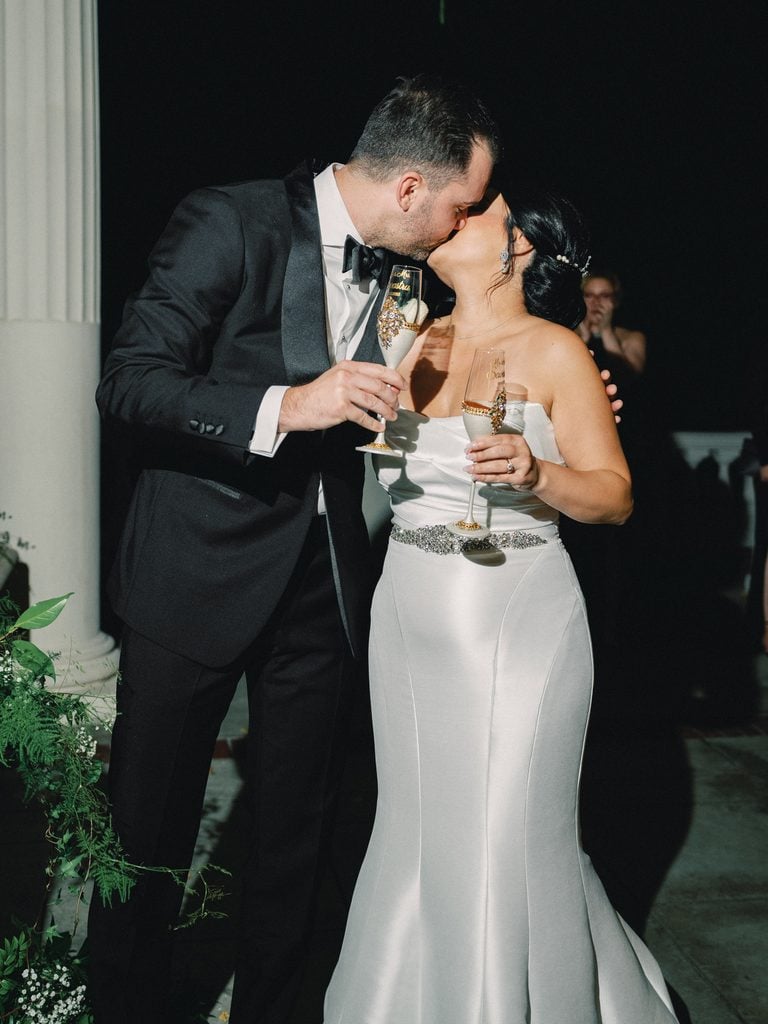
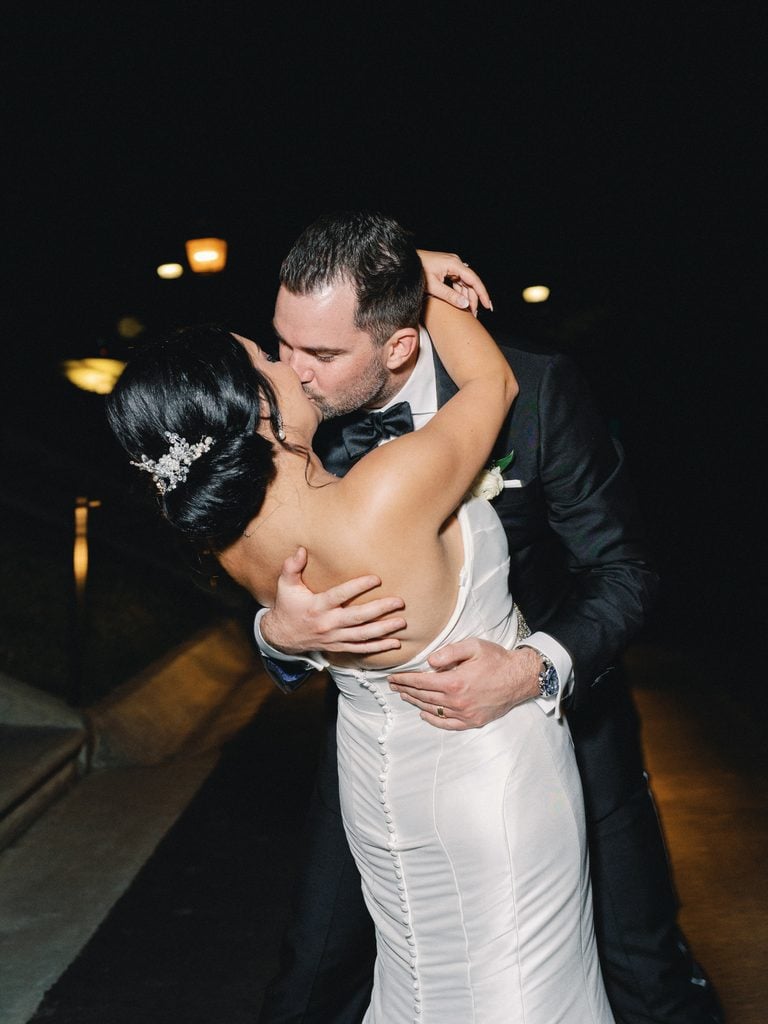
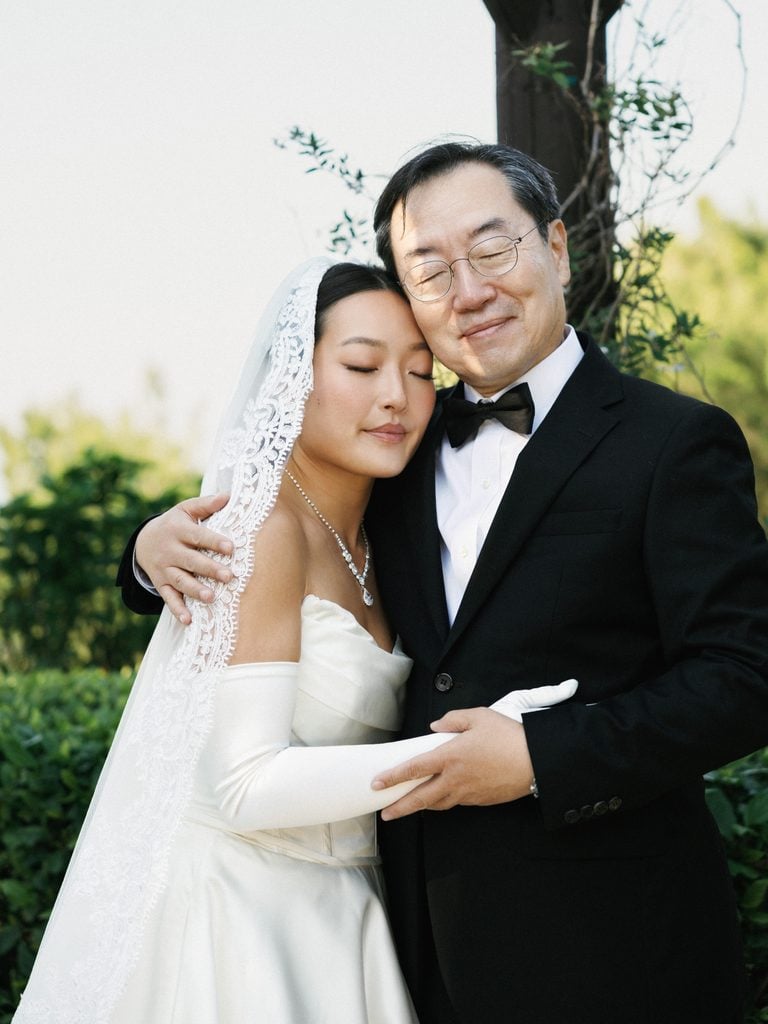
Republic Venue, Sherman Oaks. Villa del Sol d’Oro, Pasadena, CA.
Frequently asked questions
How early should we schedule a venue walkthrough focused on these questions?
A venue walkthrough can be useful at several stages of planning. An earlier visit helps establish the overall layout and visual possibilities, while a later visit can confirm access, timing, production details, and the final wedding-day flow. When possible, visiting at a similar time of day to the planned celebration can also provide useful context for natural light.
Can we still ask these questions if we already booked the venue sight unseen?
Yes. Many of these details can be confirmed by email, phone, or a video walkthrough with the venue coordinator. A visit after booking can also give the couple and creative team an opportunity to explore the property together and document the information that will shape the final timeline.
Do these questions apply to backyard or private residence weddings too?
Yes. The same visual and logistical considerations apply to private properties, with additional attention to details such as power access, indoor and covered spaces, vendor arrival routes, parking, and local sound or event guidelines. A clear understanding of the property helps the planner and creative team build the day around what the space offers.
What if the venue coordinator cannot answer a technical question?
Ask who can provide the appropriate answer and include that person in the follow-up. Depending on the property, technical details may come from the venue owner, production team, property manager, local permitting authority, or another specialist. Keeping those answers documented makes them easier to incorporate into the final wedding-day plan.
Should our photographer attend the venue visit?
When schedules allow, having the photography team visit the property can add useful visual context. A photographer can assess the relationship between light, spaces, movement, and timing and identify locations that can be incorporated naturally into the photography coverage.
Who should keep the final venue information?
The planner or coordinator should maintain the operational details within the master wedding timeline. The photography team should receive the information that relates to coverage, access, locations, light, and timing. Sharing the final version with the relevant creative vendors keeps everyone working from the same plan.
CONTACT ASTER FILMS
Tell us about your wedding
Choose a convenient time and share the details of your celebration with our team.