Start With What You Want to Remember
Wedding photo ideas can be useful long before the wedding day, but a collection of beautiful images becomes far more valuable when each reference has a reason behind it. Two hundred saved photographs may show what catches a couple’s eye, but fifteen carefully chosen references, each attached to a reason, can communicate how the couple wants the day to feel.
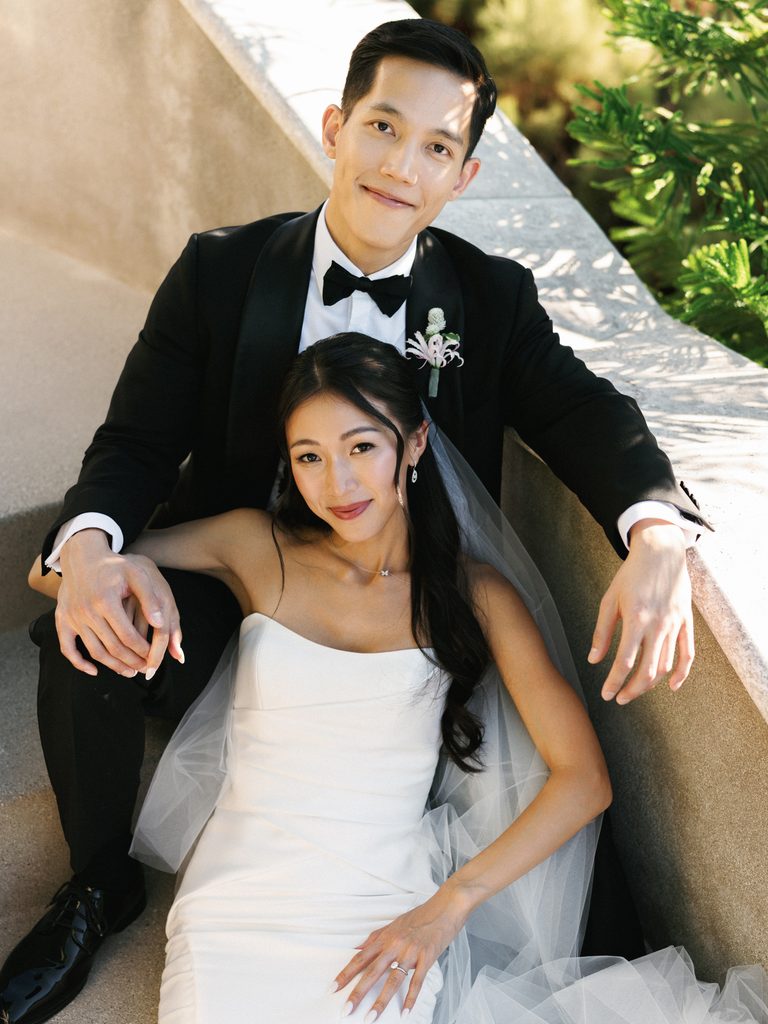
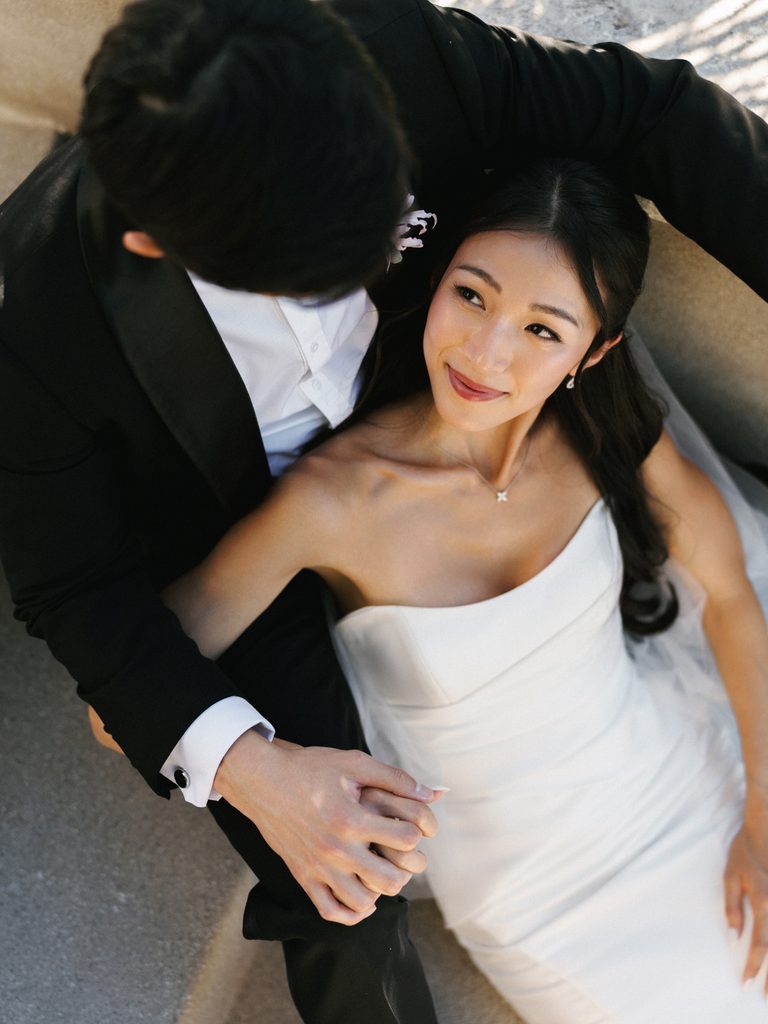
A useful inspiration board helps establish a visual direction, separate genuine priorities from passing preferences, and give the photography team enough context to interpret those ideas for the actual wedding. The venue, season, available light, timeline, and people will all be different from the circumstances behind the original references. The process starts with saving fewer images and explaining more about them.
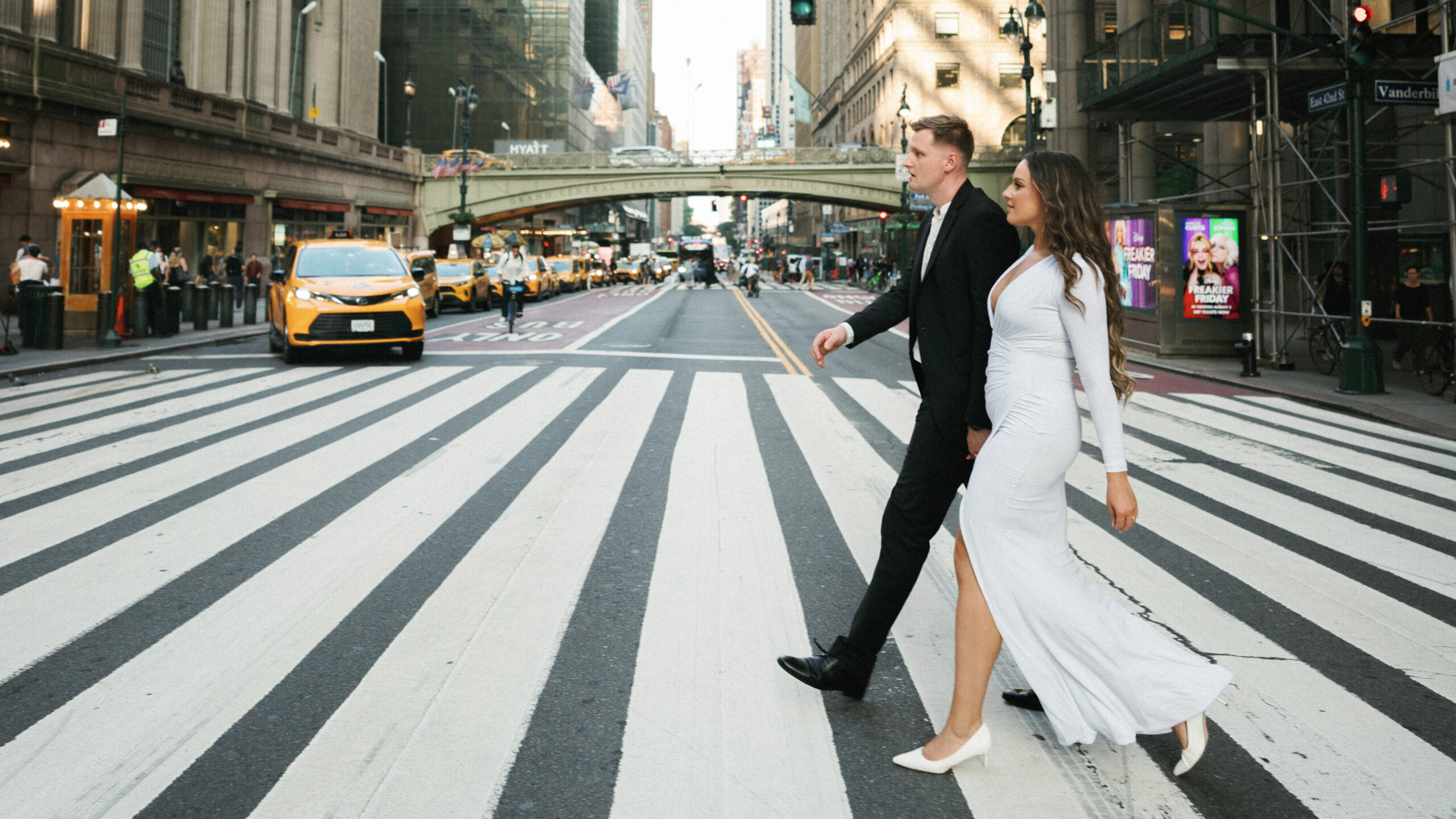
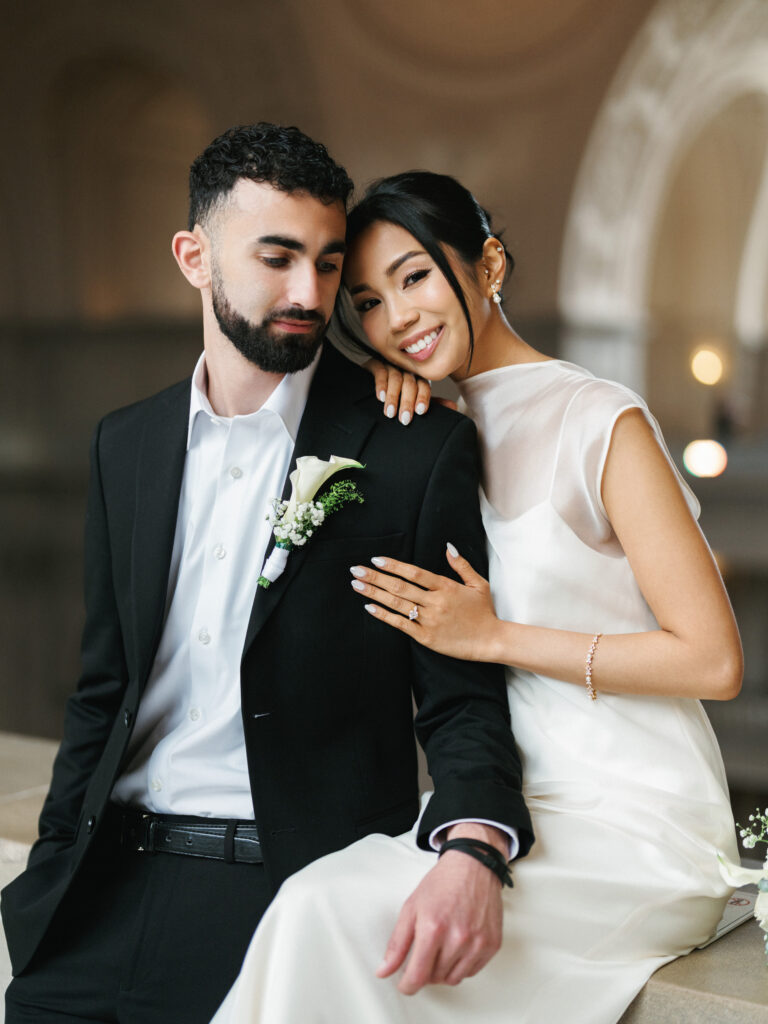
Stone Mountain Estates, Malibu, CA.
Define the Feeling
Before adding another photograph to the collection, define the feeling the images should carry. A few words can be enough: quiet and intimate, bold and editorial, loose and documentary, warm and traditional. These words become a filter for everything that follows. A photograph can be beautiful on its own and still be the wrong reference if it points toward a visual direction that does not belong to the wedding being planned.
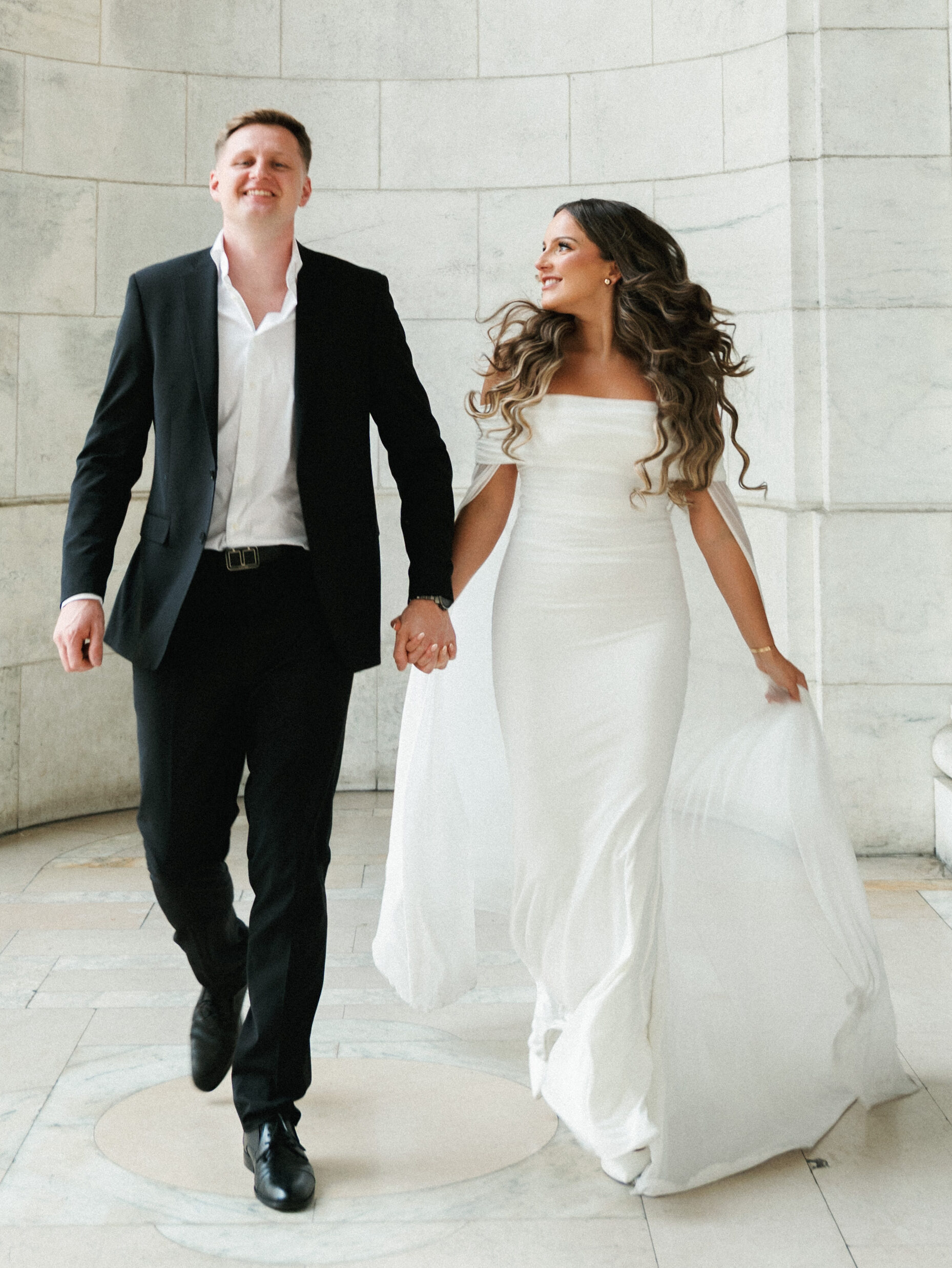
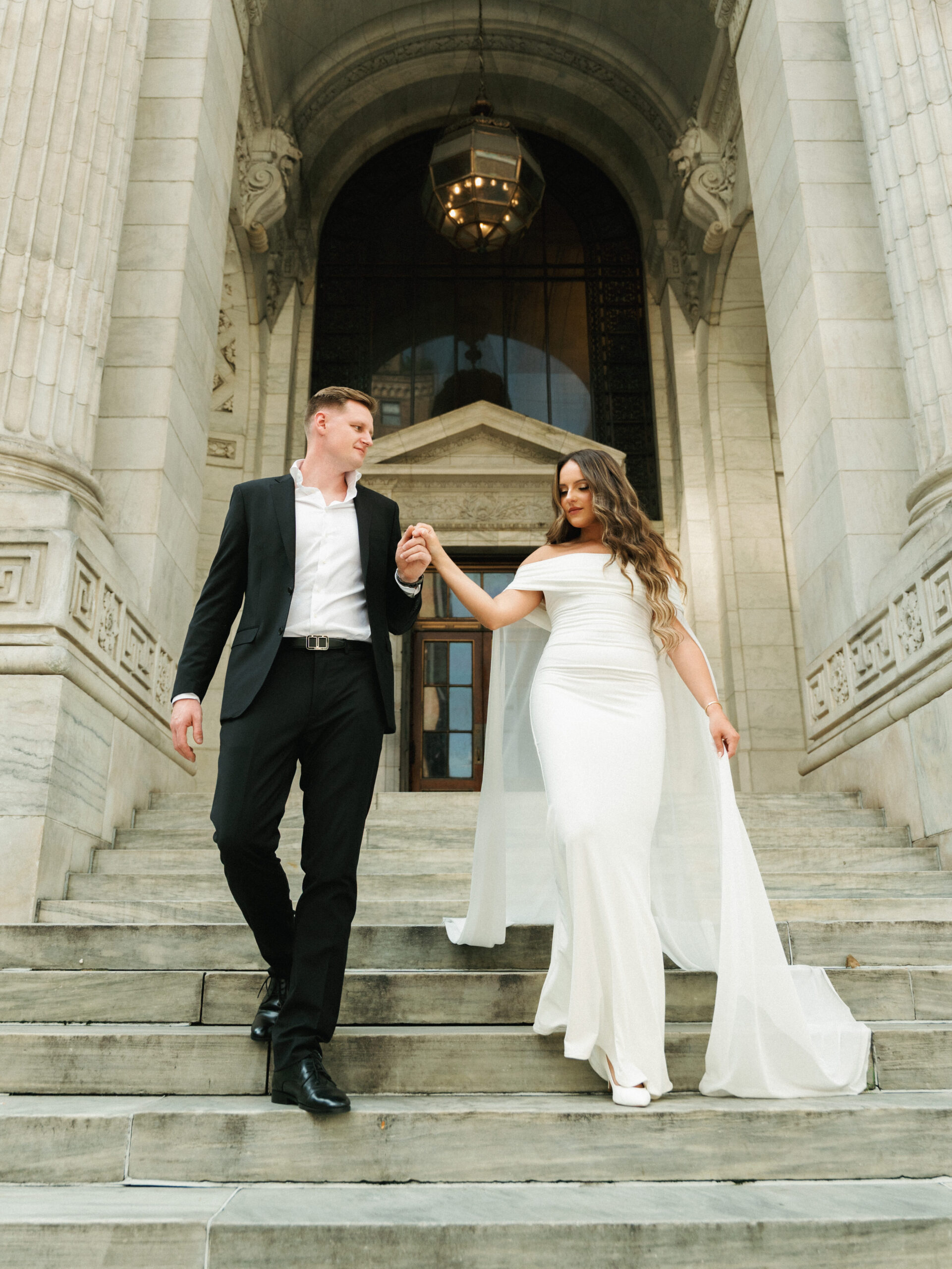
For example, a couple might save a softly lit portrait because they like the intimacy of the composition, not because they want every portrait photographed in exactly the same light. Another image might appeal because the guests look completely unselfconscious, even though the couple has no interest in reproducing the setting or styling. Without a clear feeling behind the collection, these preferences can easily sit beside one another without forming a coherent direction.
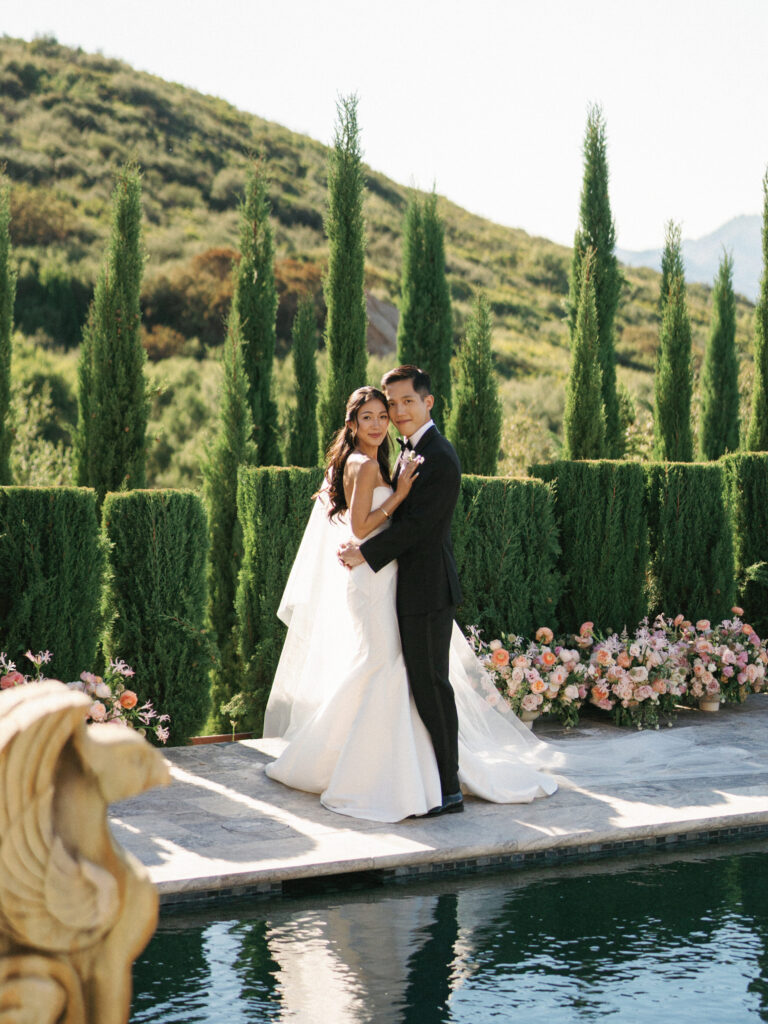
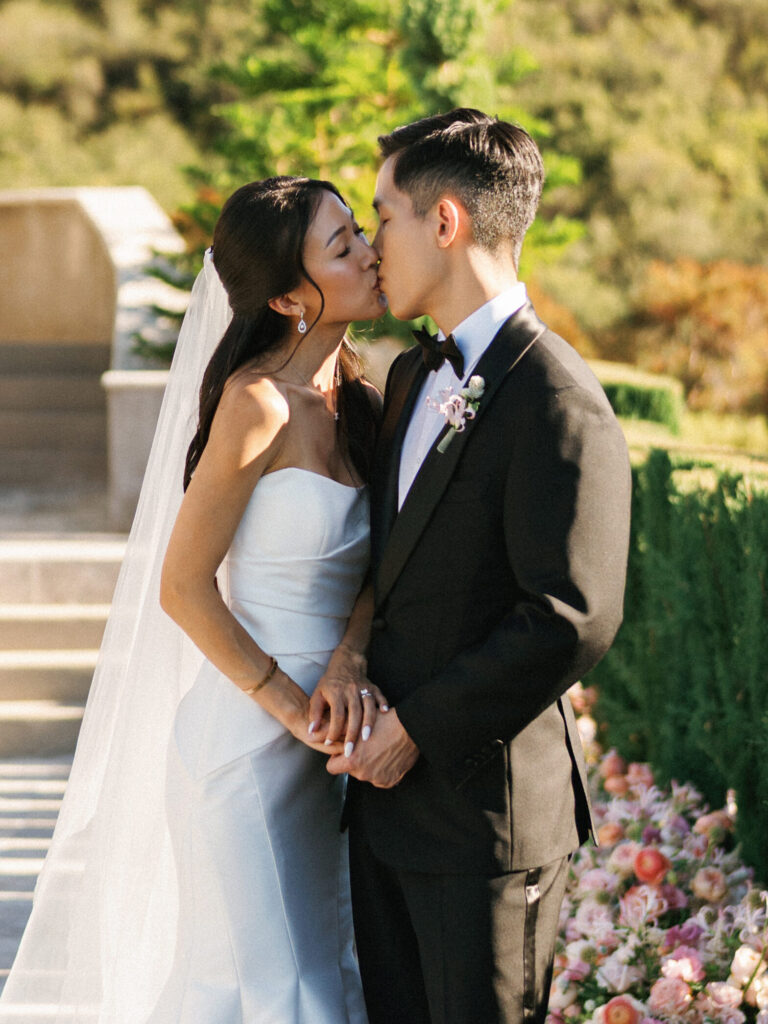
Naming the feeling first makes those distinctions easier to recognize. It also creates a simple test for every future save:
Does this image support the feeling already chosen, or is it introducing a different direction?
Separate Inspiration by Moment
Wedding photography covers very different situations throughout the day. Getting ready, the ceremony, family photographs, couple portraits, reception details, and candid moments each call for their own kind of visual reference. Organizing images by moment makes those differences visible and gives each reference a place within the larger story.
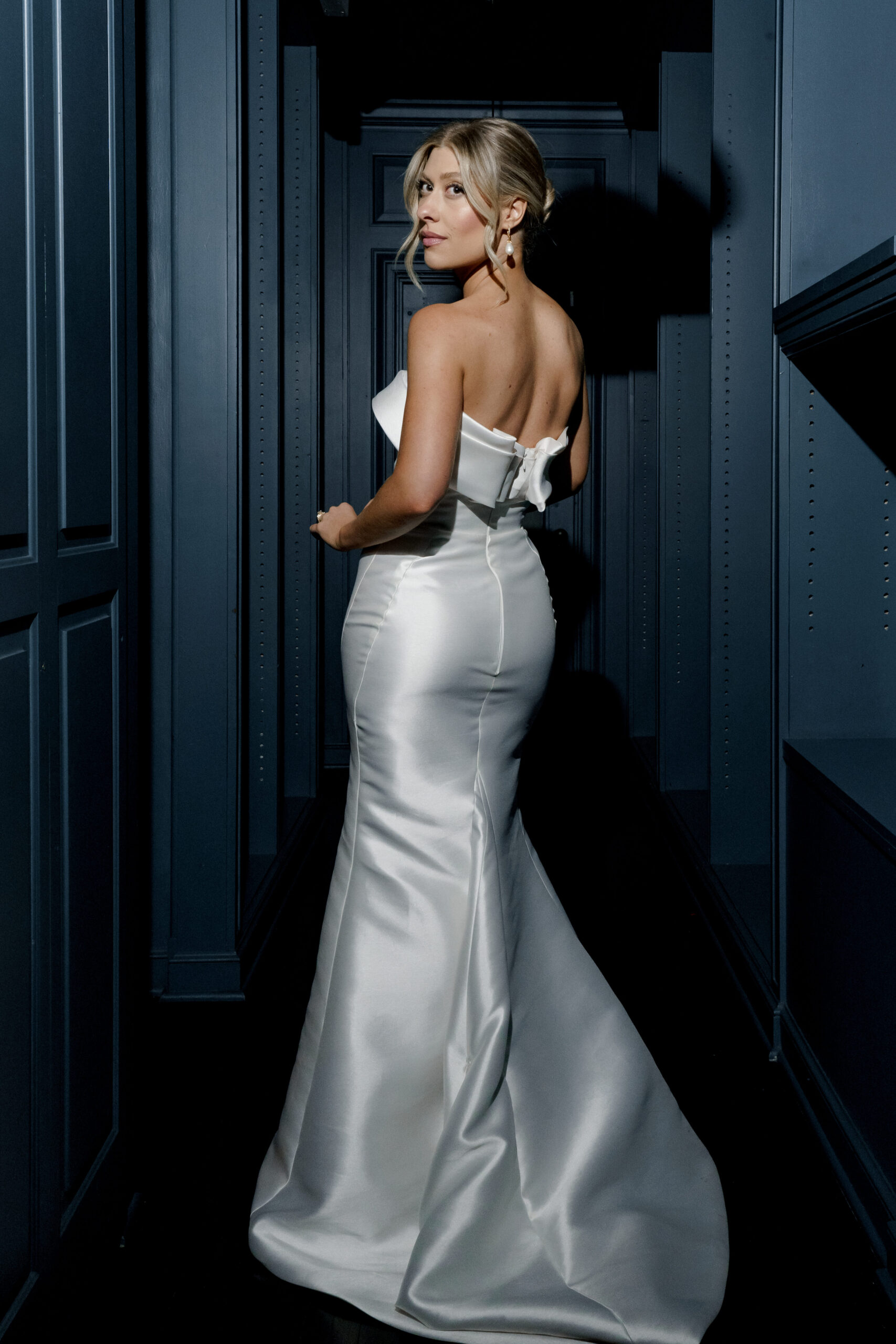
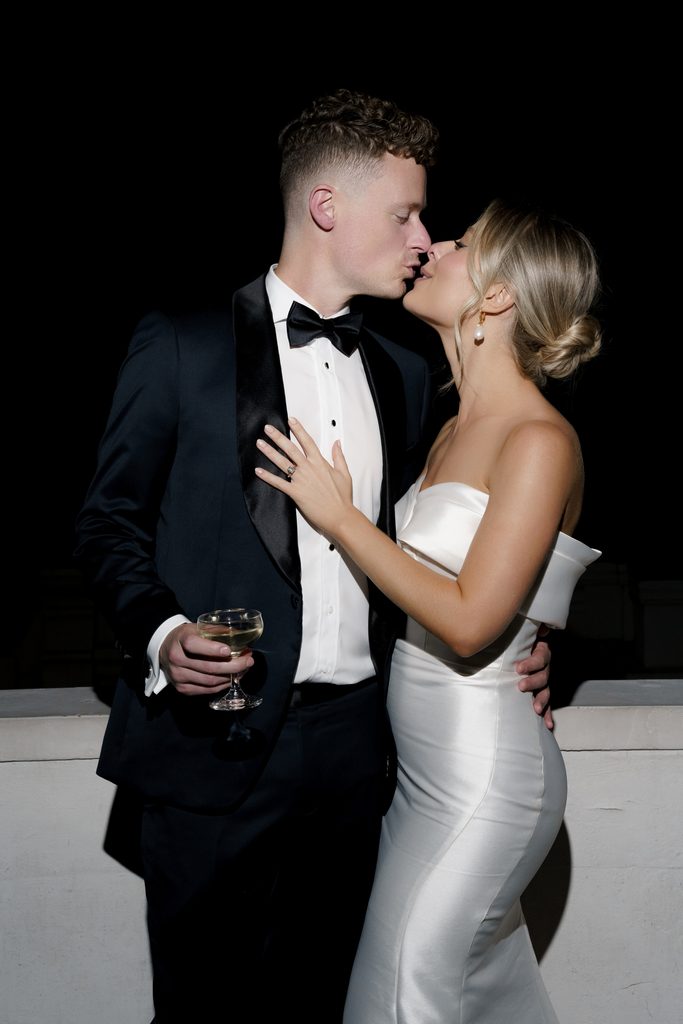
A detail photograph of a dress and rings might communicate how the couple wants small, carefully styled elements documented. A wide ceremony photograph might show a preference for environmental composition. A portrait may communicate an interest in negative space, movement, or the relationship between the couple and their surroundings.
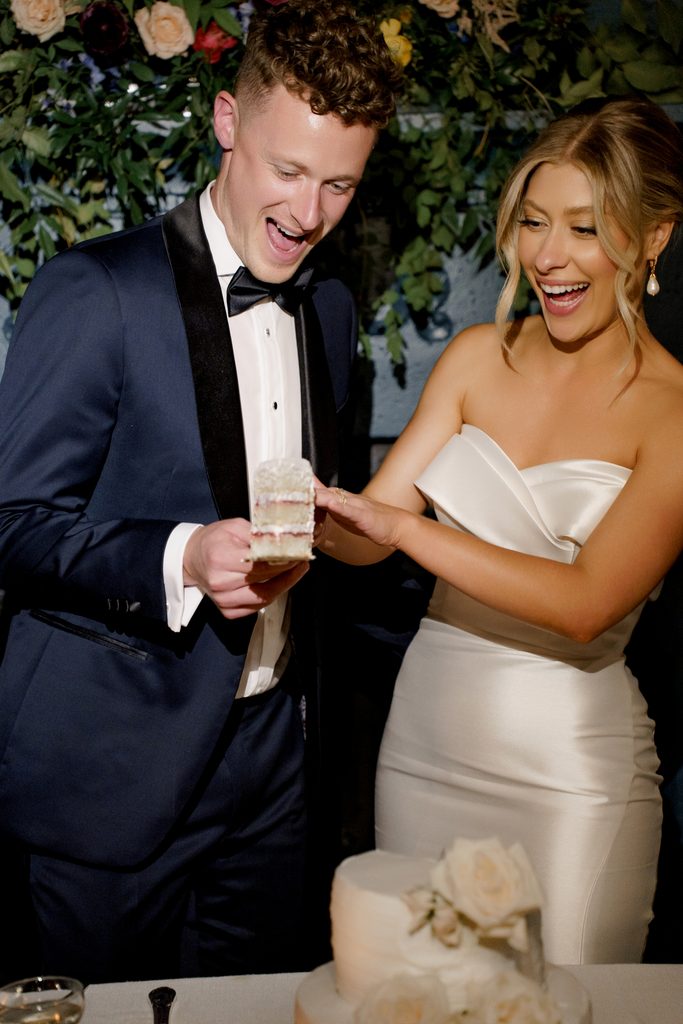
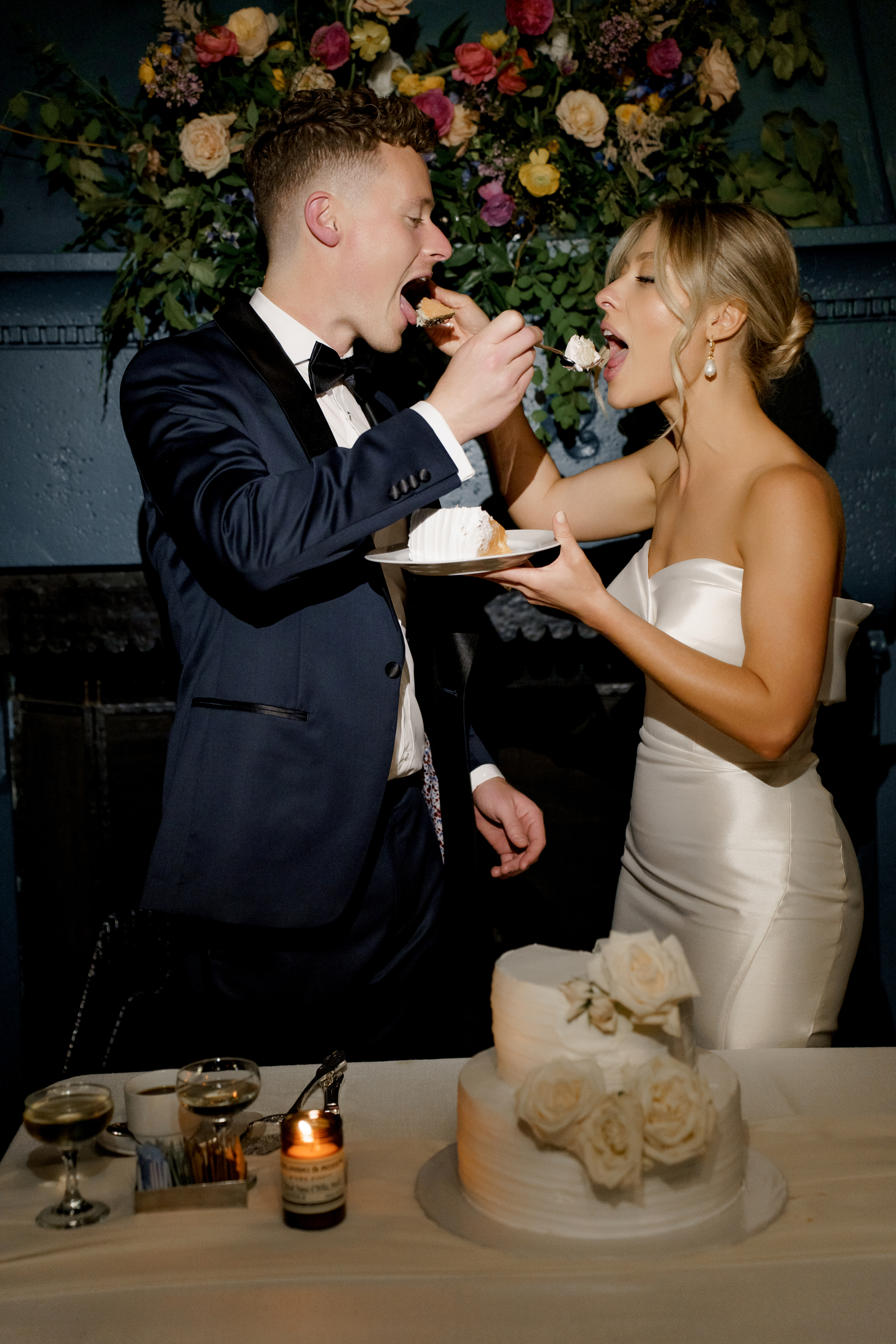
SHORT Note
Instead of placing everything into one large folder, it is helpful to divide the collection into sections such as:
- Getting ready
- Ceremony
- Family and wedding party
- Couple portraits
- Reception
- Candid moments
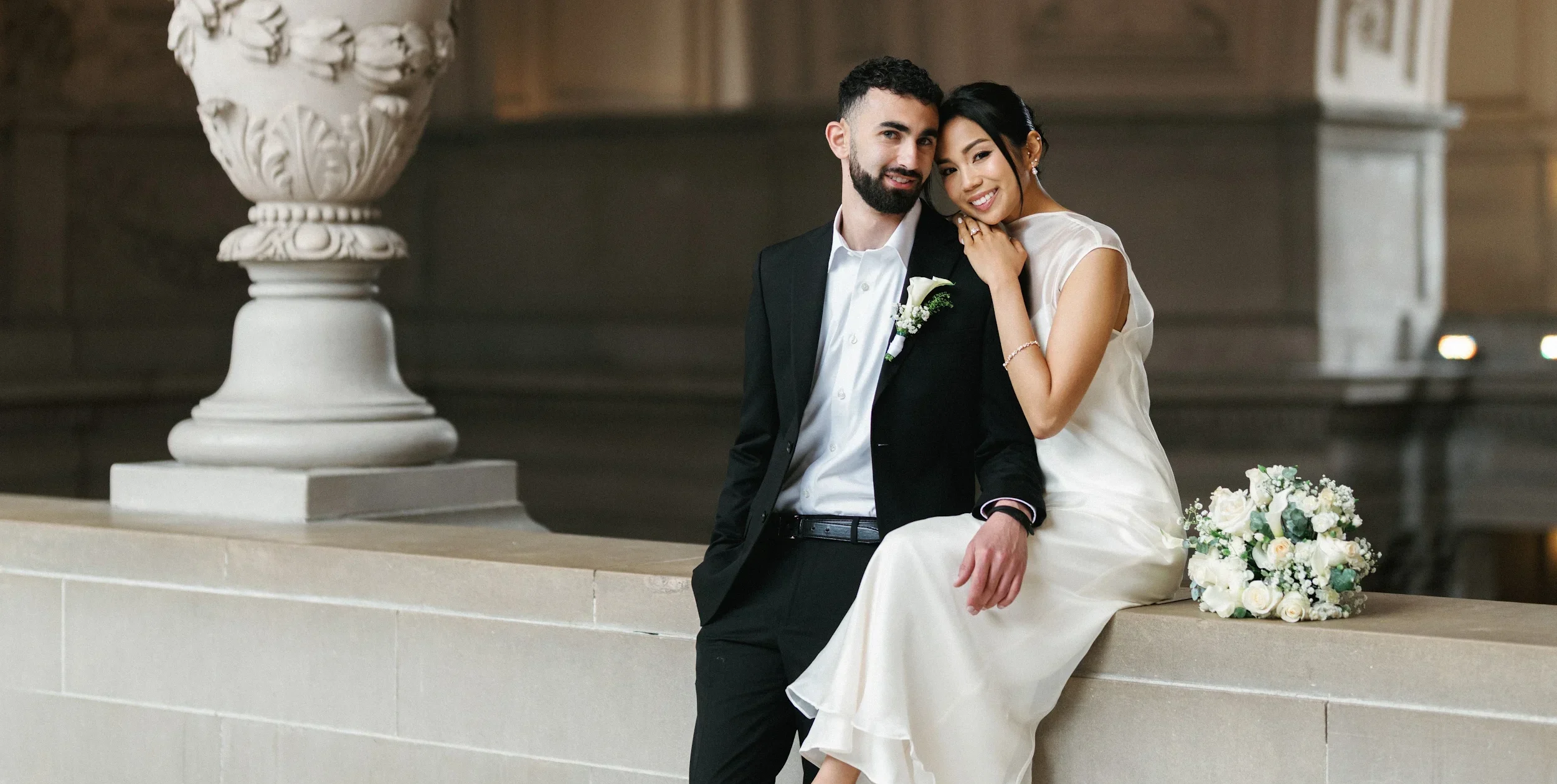
A reference collection organized by wedding-day moment can then become part of the couple’s wedding-day visual plan and translate into a practical shot list. The photography team can see not only what caught the couple’s attention, but where those priorities belong within the timeline.
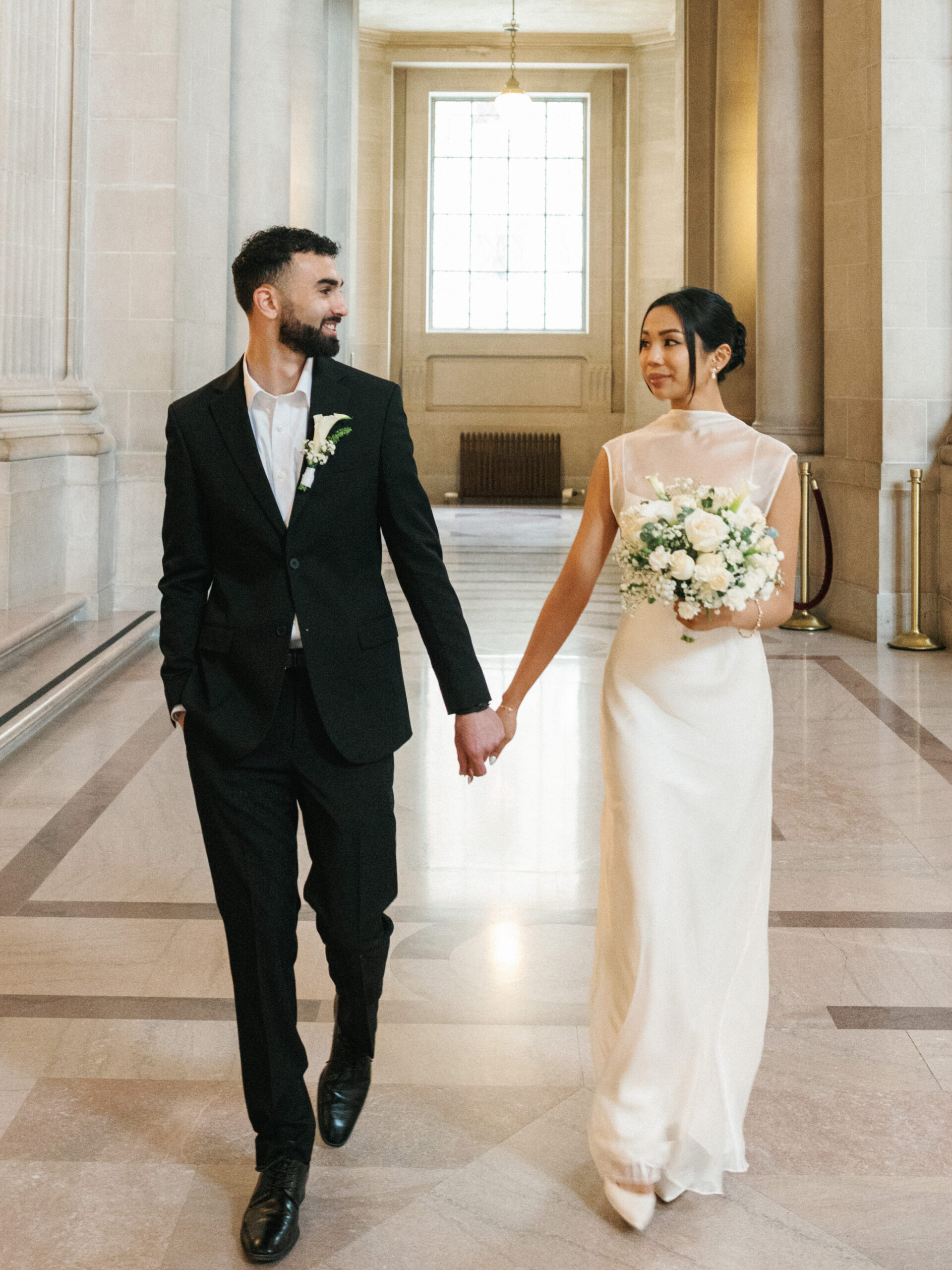
SHORT Note
The categories can follow the actual wedding timeline, helping reveal gaps in the visual plan. A board filled with couple portraits but almost nothing from the reception may indicate that the couple has spent most of its attention on portraits. A folder full of golden-hour inspiration with no references for reception energy or candid guest moments can reveal the same thing: one part of the visual story has received considerably more thought than the rest.
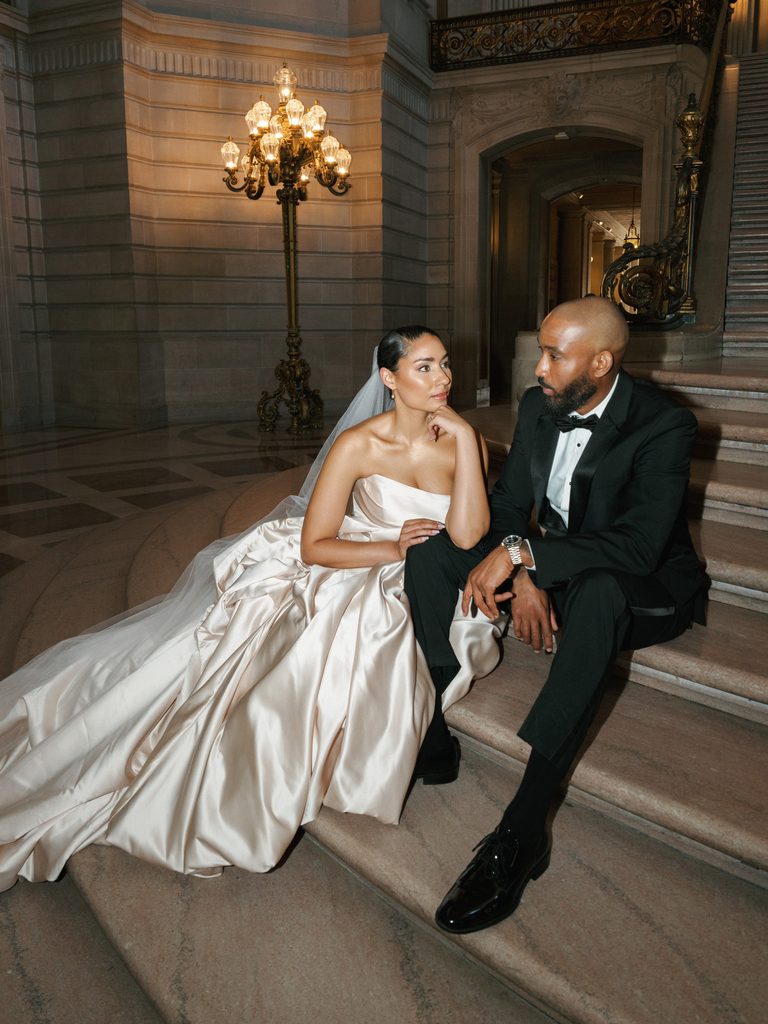
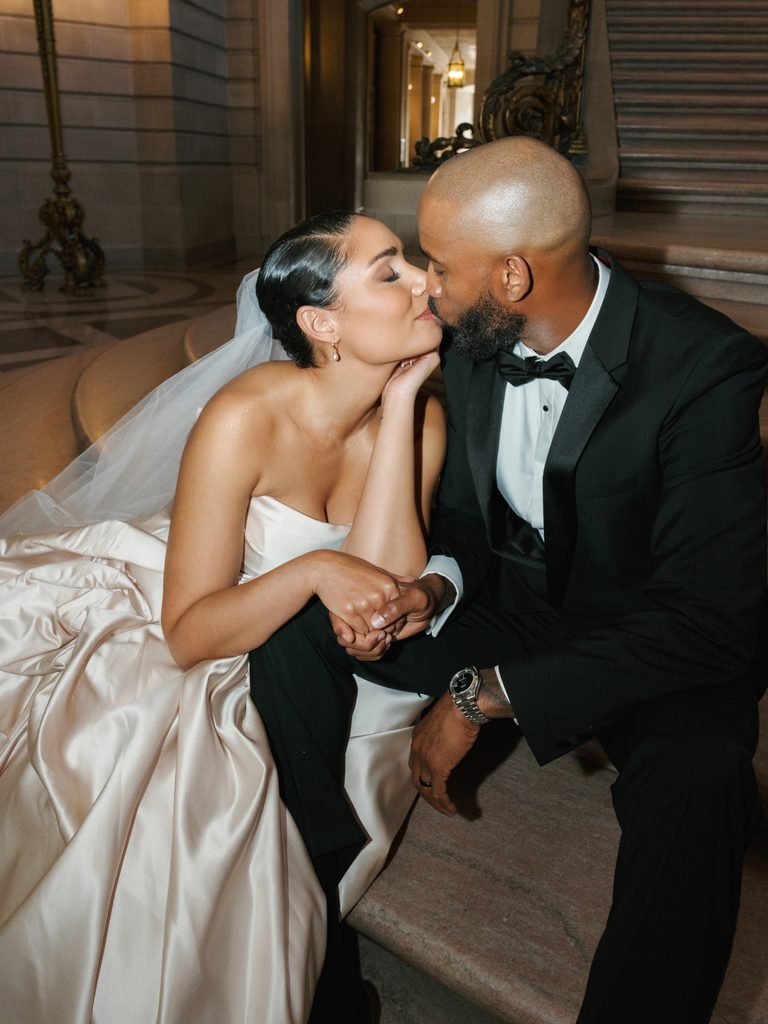
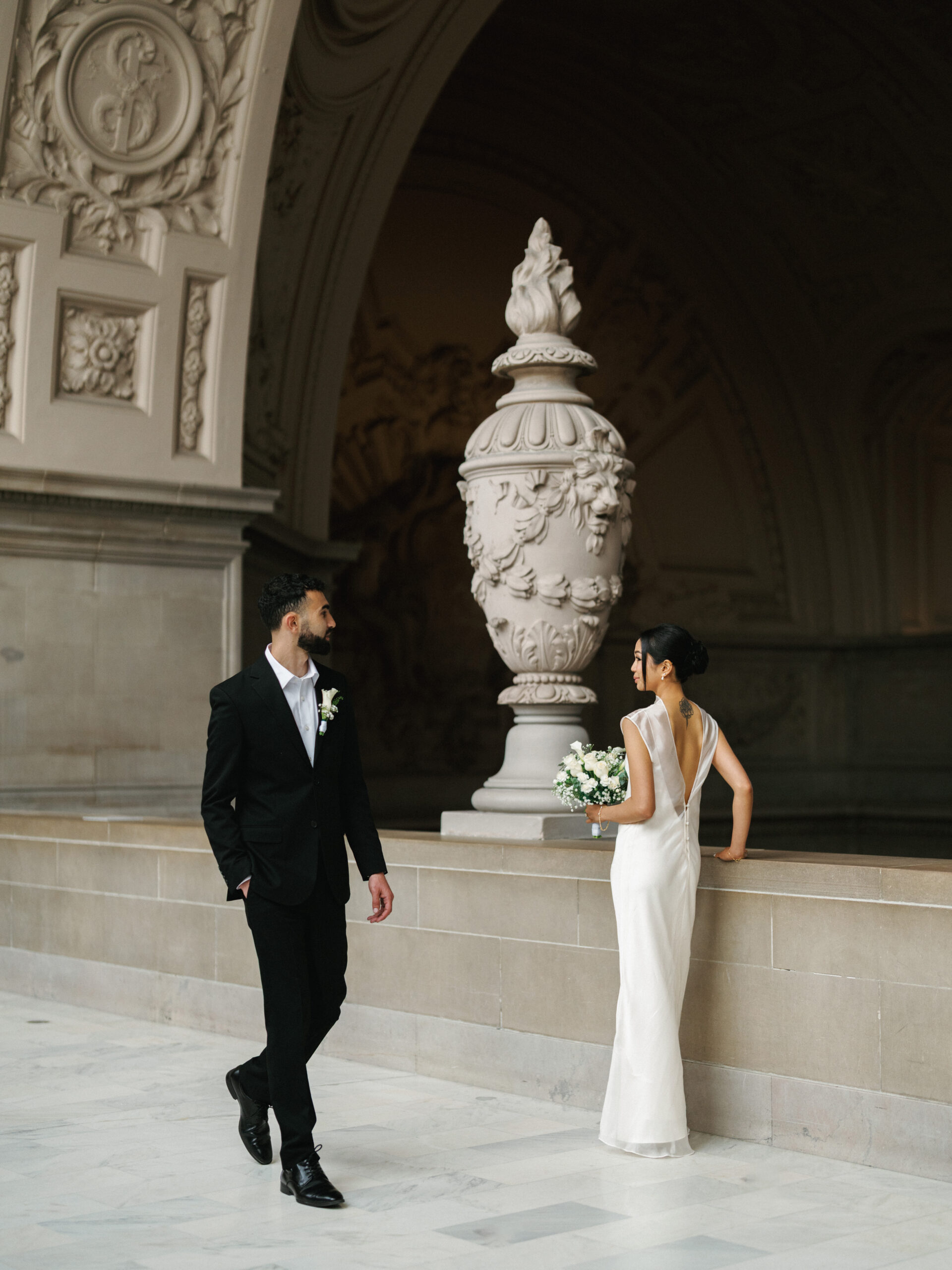
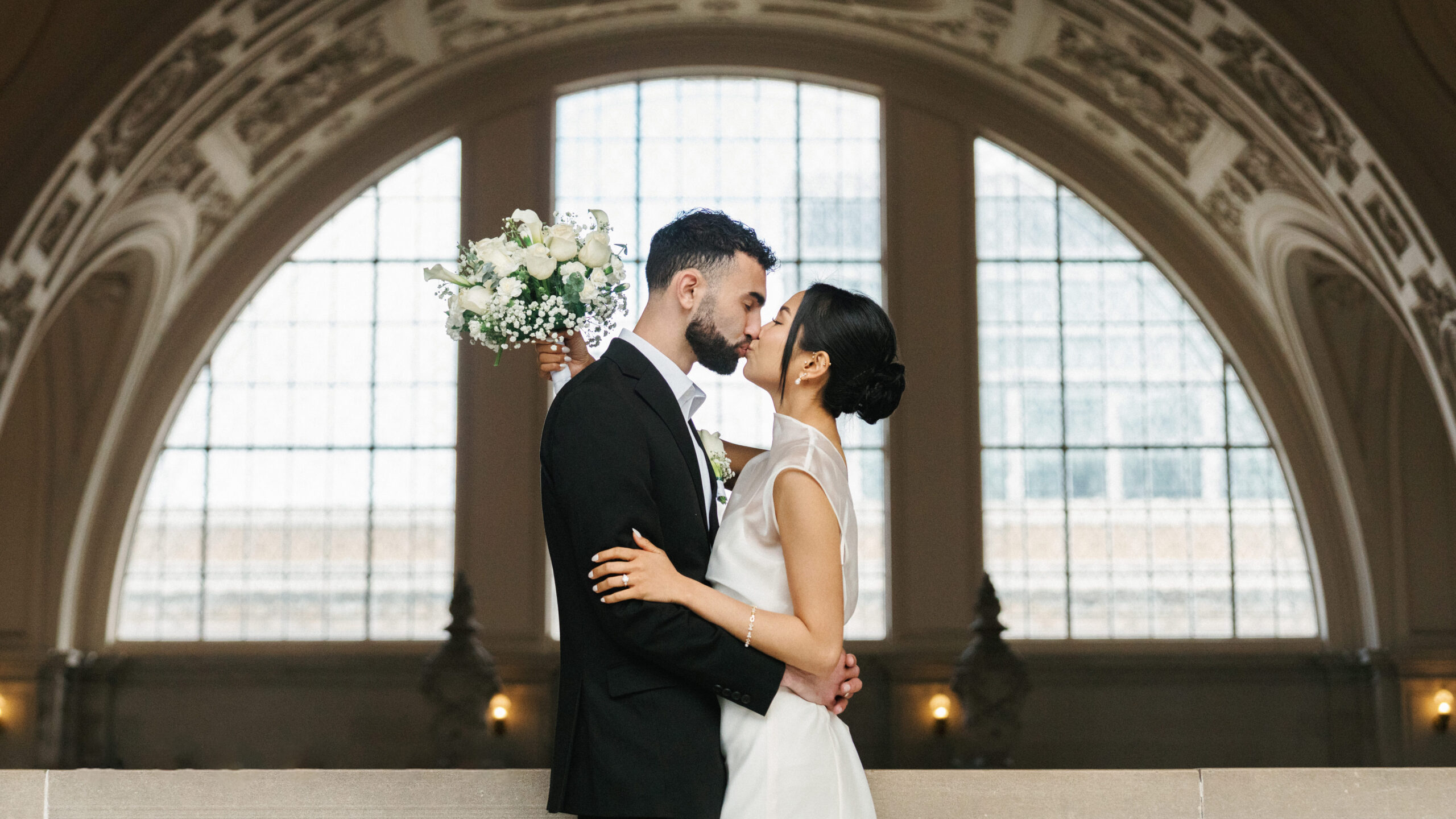
San Francisco City Hall, CA.
Must-Have Versus Nice-to-Have References
Must-have:
photographs or moments the couple would be genuinely disappointed not to receive.
Nice-to-have:
images that communicate a preferred mood, composition, technique, or type of moment, but do not need to happen exactly.
Three to five genuine priorities for each major part of the day is usually enough. The rest of the collection can remain available as broader visual direction. This distinction matters because a wedding day cannot be controlled like a studio shoot. A family member may need more time than expected, weather may change the portrait location, a ceremony may run late, or an unplanned moment may become more meaningful than a carefully planned photograph.
A photographer who knows which references are truly important can protect those priorities while still responding to everything happening around them. Without that hierarchy, a long reference folder can make every image appear equally urgent, even when the couple would only be disappointed to miss a handful. References outside the priority list still have value. They show the creative team the visual language the couple responds to.

Check the Reference Against the Real Venue
A beautiful reference is still a photograph created under specific conditions. An image photographed in Tuscan golden light does not transfer automatically to a venue that faces the wrong direction at sunset, sits beneath heavy tree cover, or hosts the wedding in a season with a completely different quality of light.
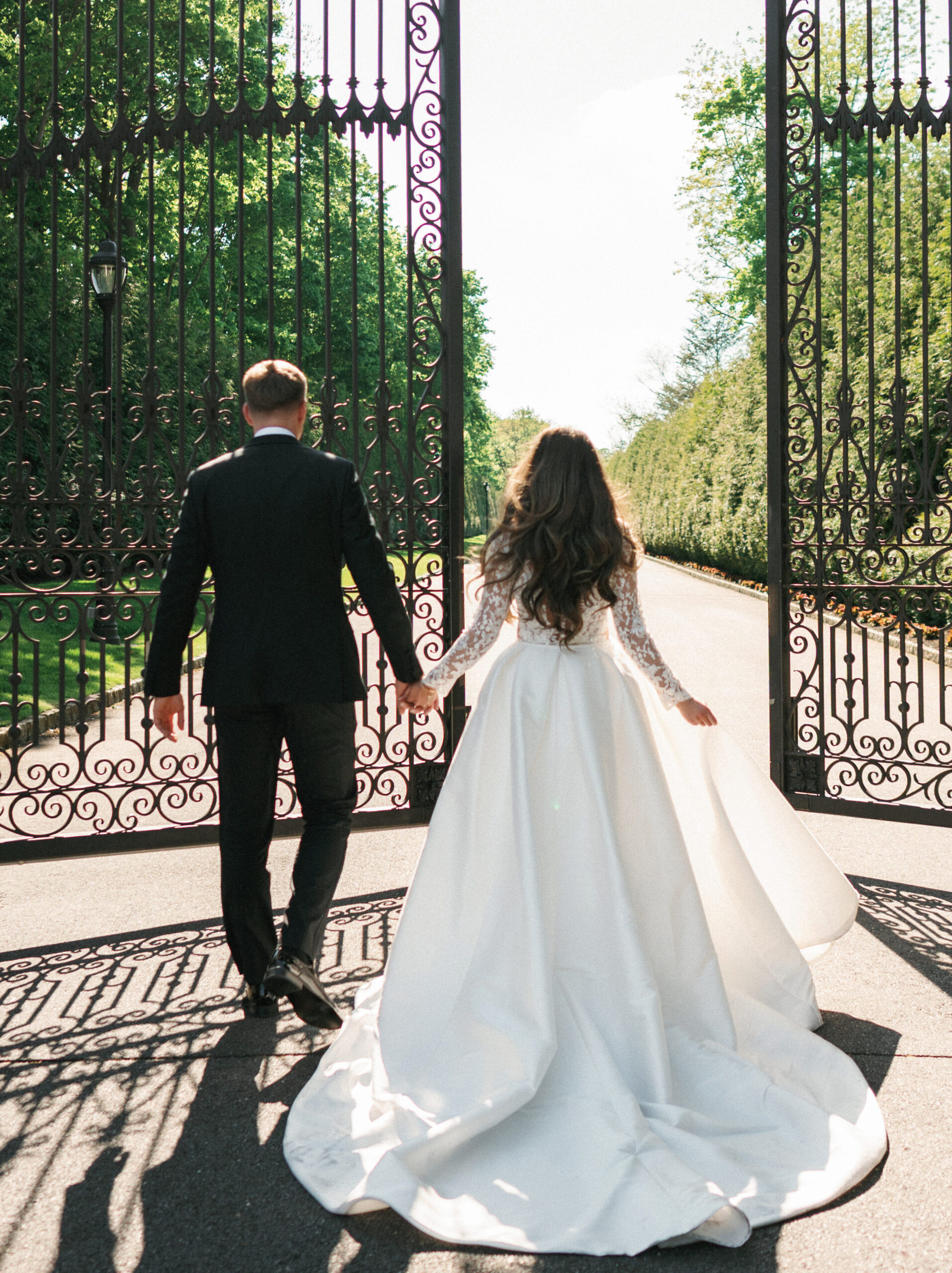
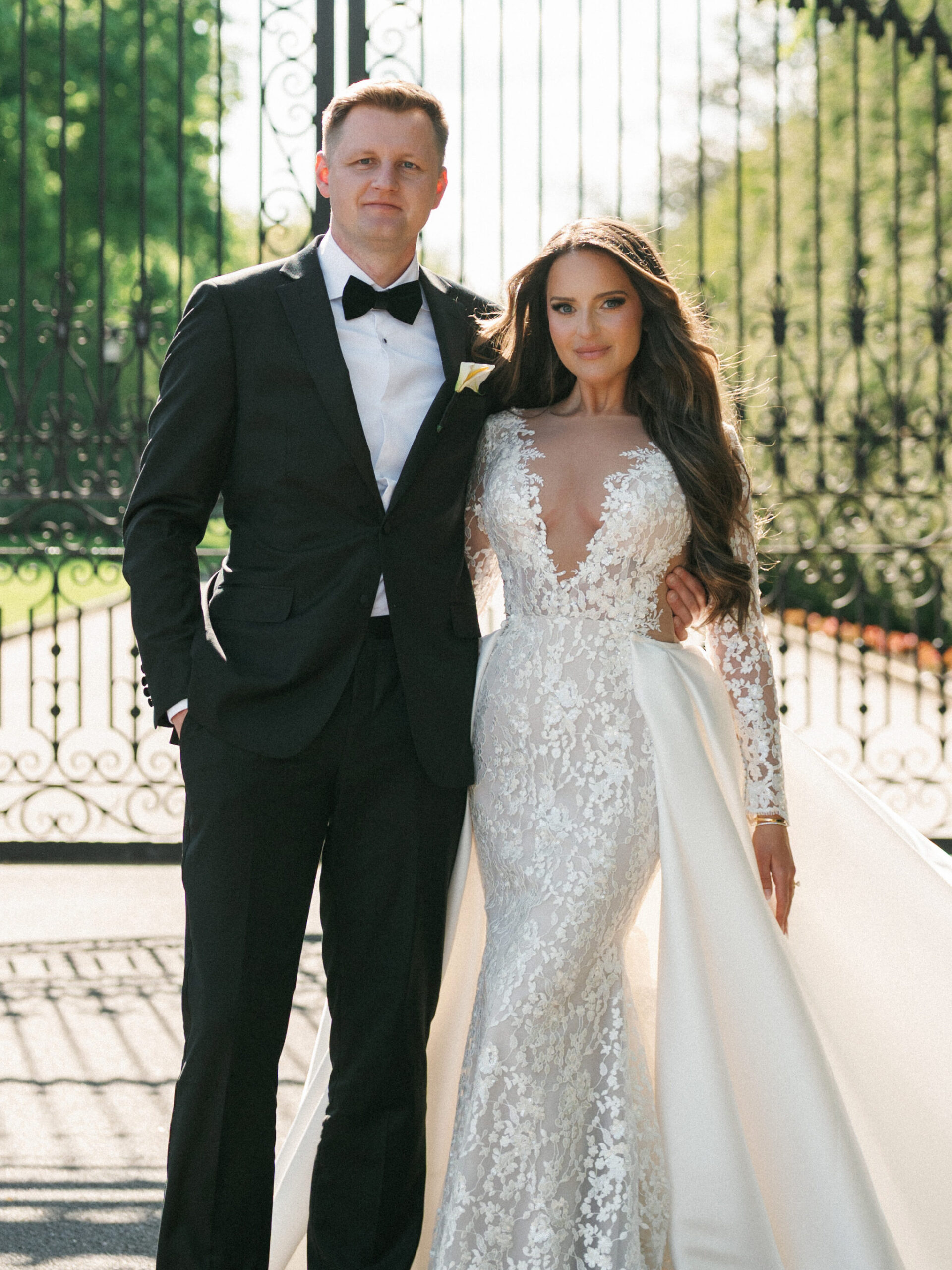
The point applies to architecture, available space, weather, access, and timing. A photograph made at high noon in direct sun suggests a different lighting approach from one created during a soft, overcast afternoon. A portrait made against open sky may depend on a completely different setting from one created within a narrow architectural space.
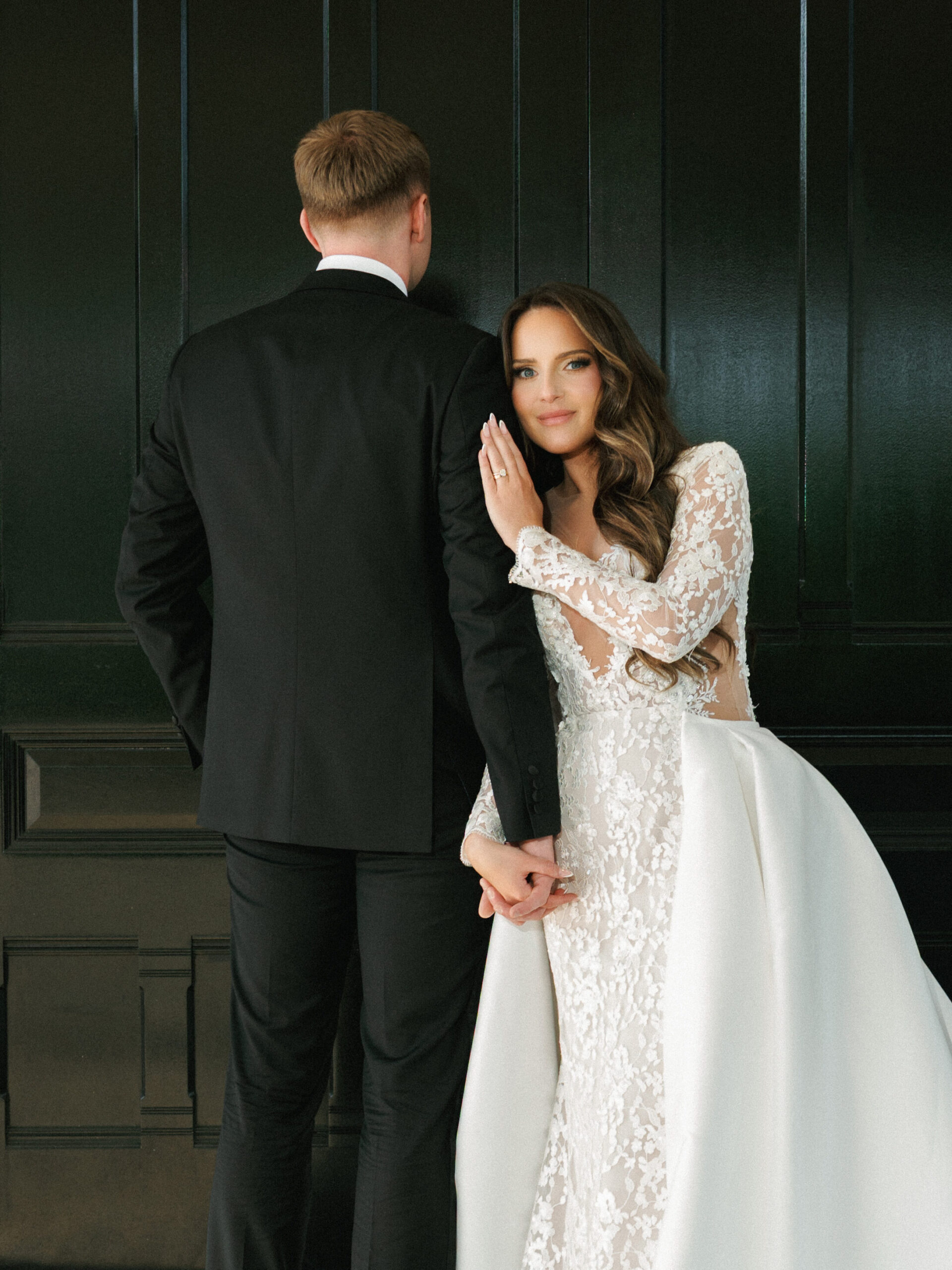
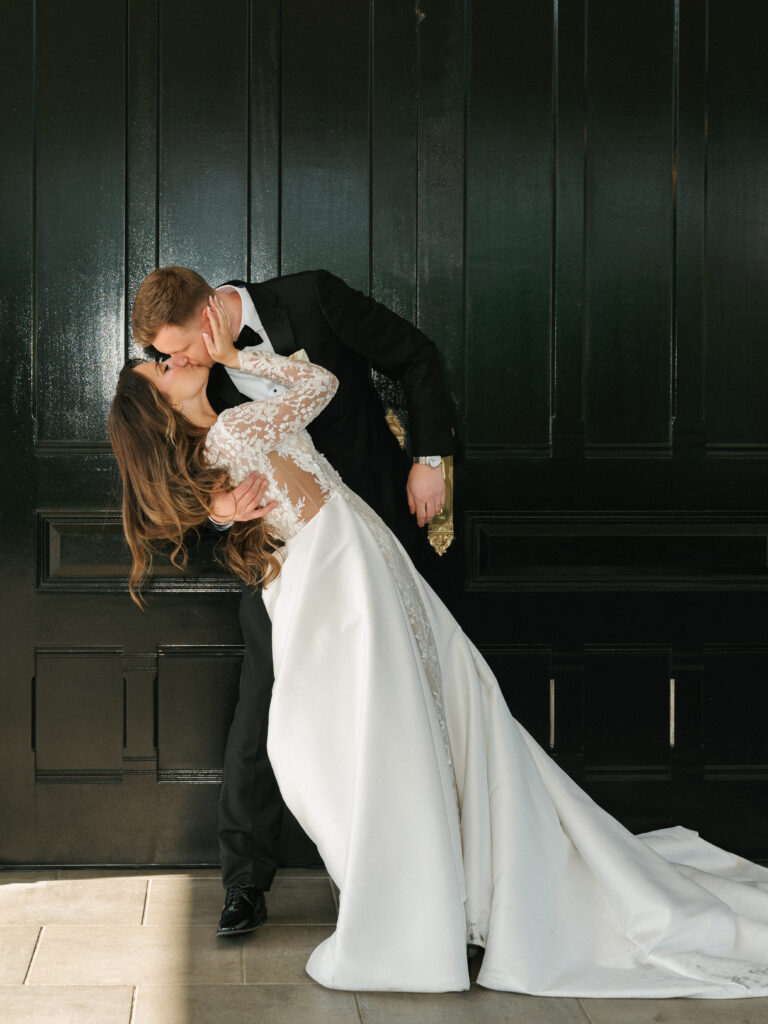
Checking a reference against the actual venue and wedding date can prevent unnecessary disappointment. A photographer reviewing inspiration early in the planning process can identify which approaches are realistic and which depend on conditions the day may not provide. That does not make a reference unusable when its original conditions are unavailable.
The useful question is what the couple actually responds to in the image. It may be the softness of the light, the direction of the shadows, the relationship between the couple and the architecture, or the quietness of the composition. Once that is clear, the photographer can look for a way to achieve the same visual quality under the conditions the wedding actually offers.
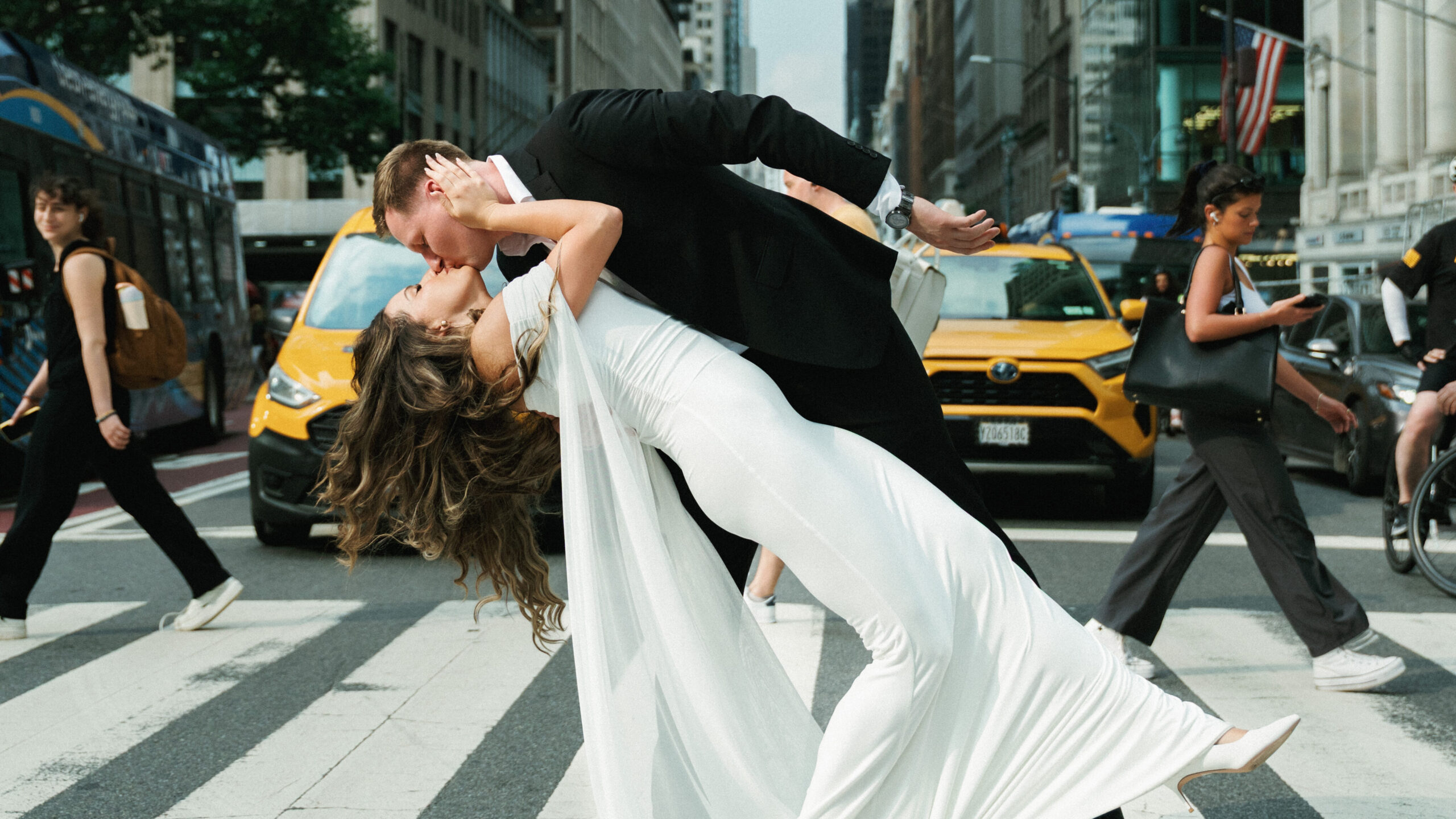
Explore recent wedding stories
Browse real celebrations photographed and filmed by Aster Films.
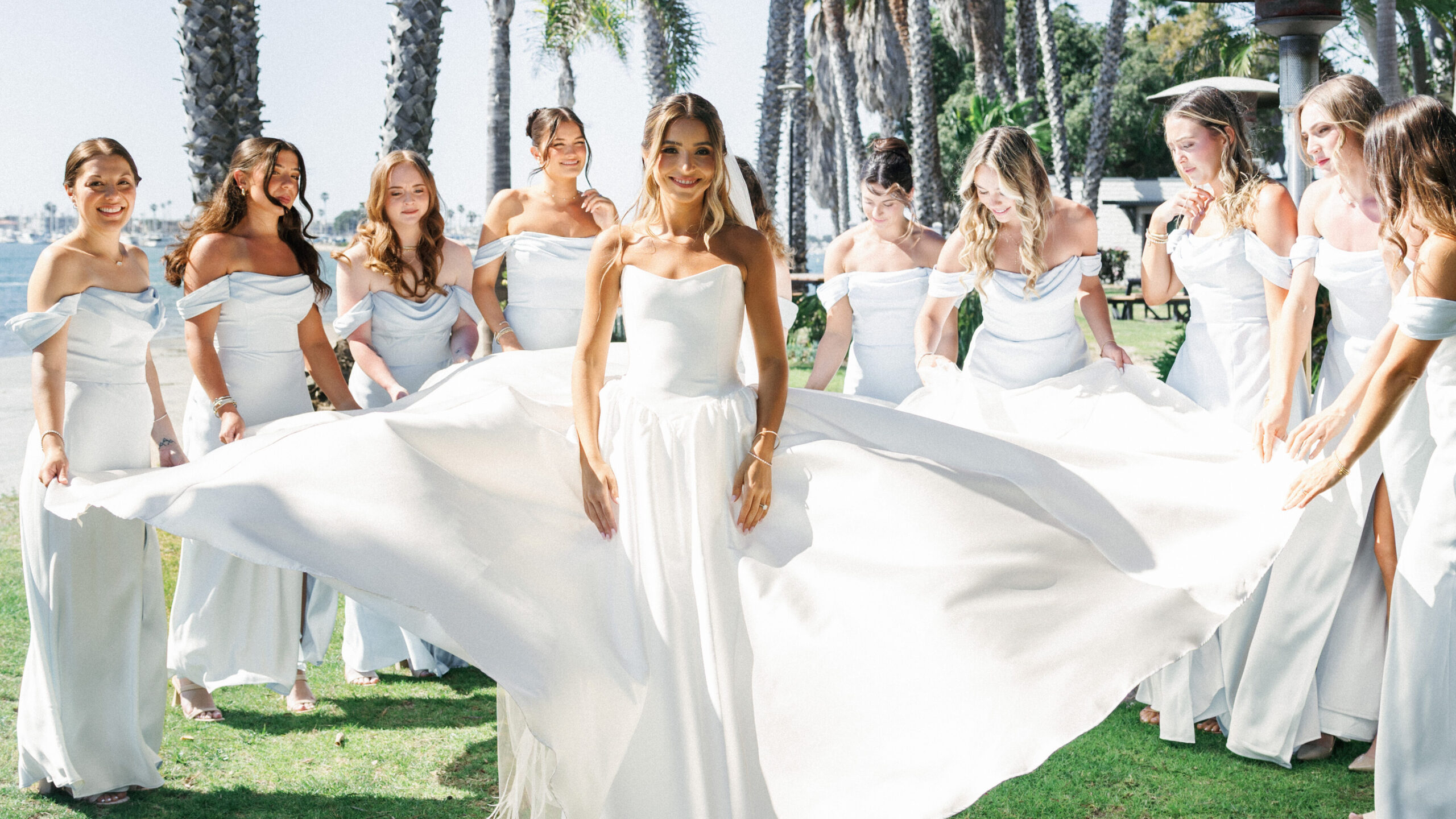
Share the Context Behind the Image
Sharing the context helps to prevent incorrect interpretation, because the photographer can see what was saved, but not why it mattered. A short note can change that completely, especially when the couple likes one exact element of an image but not the whole one. Doing this separates the feeling from the individual image, identifies genuine priorities, and adds venue and aesthetic details.
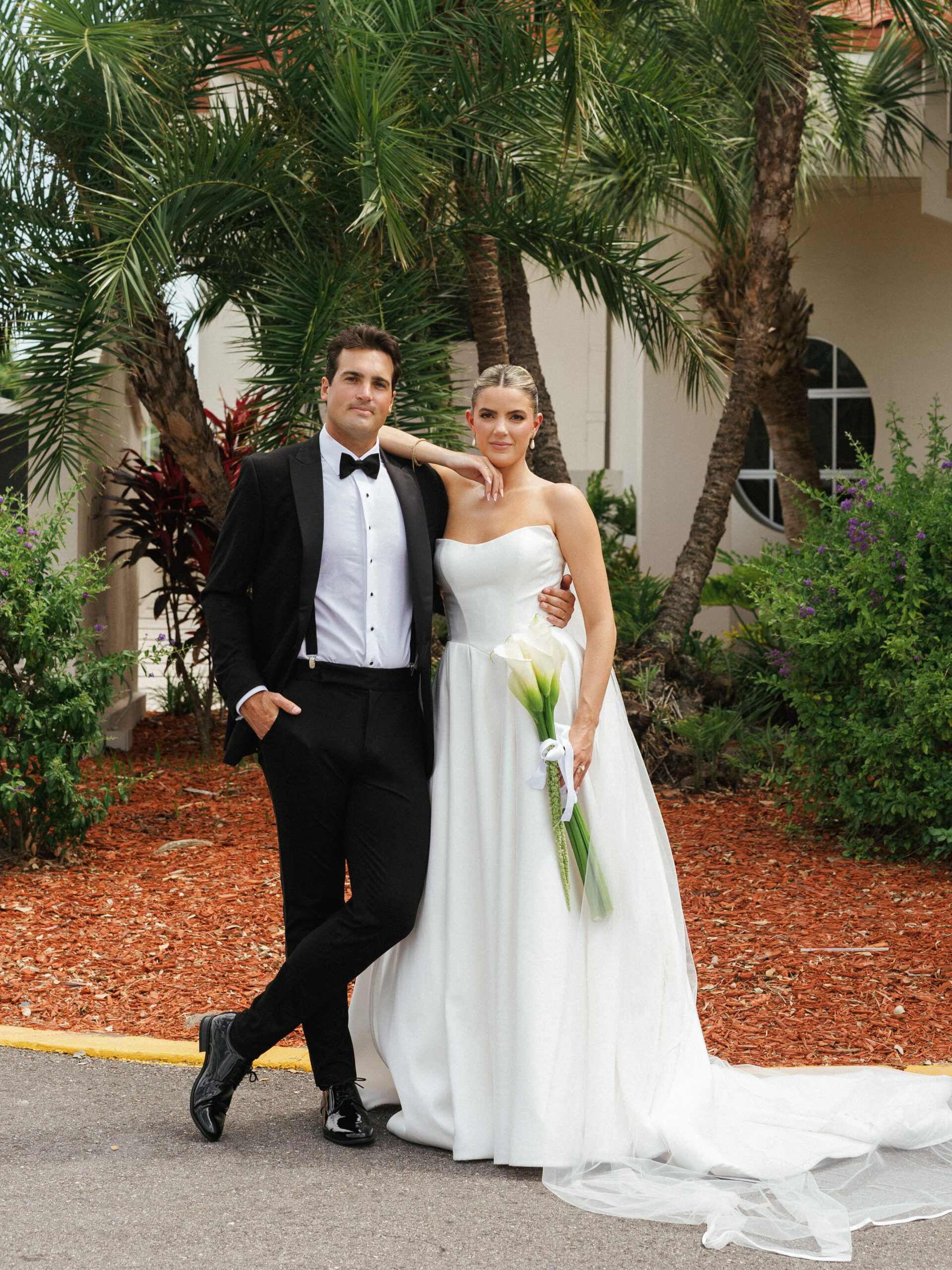
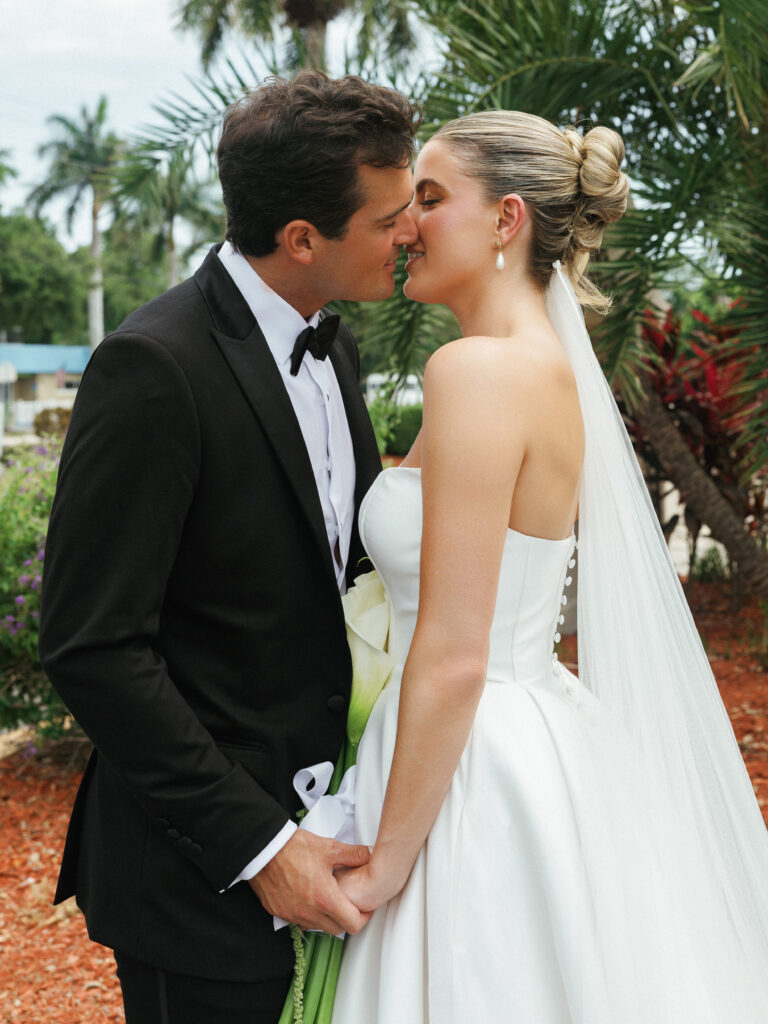
A simple brief might look like this:
Feeling: warm, unposed, a little cinematic.
Priority references: the doorway portrait for the framing and negative space; the reception dance-floor photograph for its loose, candid energy; the detail image for the styling approach, not the exact items.
Venue notes: the ceremony faces west, so backlight may be available in the evening.
Please avoid: heavily stylized color grading; we prefer true-to-life tones.
Sharing context also works both ways. When a photographer understands why a particular reference matters, they can often suggest a better-suited interpretation for the couple’s actual venue, light, and timeline. The reference shows what caught the couple’s attention; the explanation gives the creative team a reason to build from it.
Inspiration, Replication, and Direction
These three ideas are worth keeping separate.
Inspirationcommunicates what a couple responds to.
Replicationasks for someone else’s photograph to be recreated as closely as possible.
Directiontakes the useful quality of an inspiration image and translates it into something original for the couple’s own wedding.
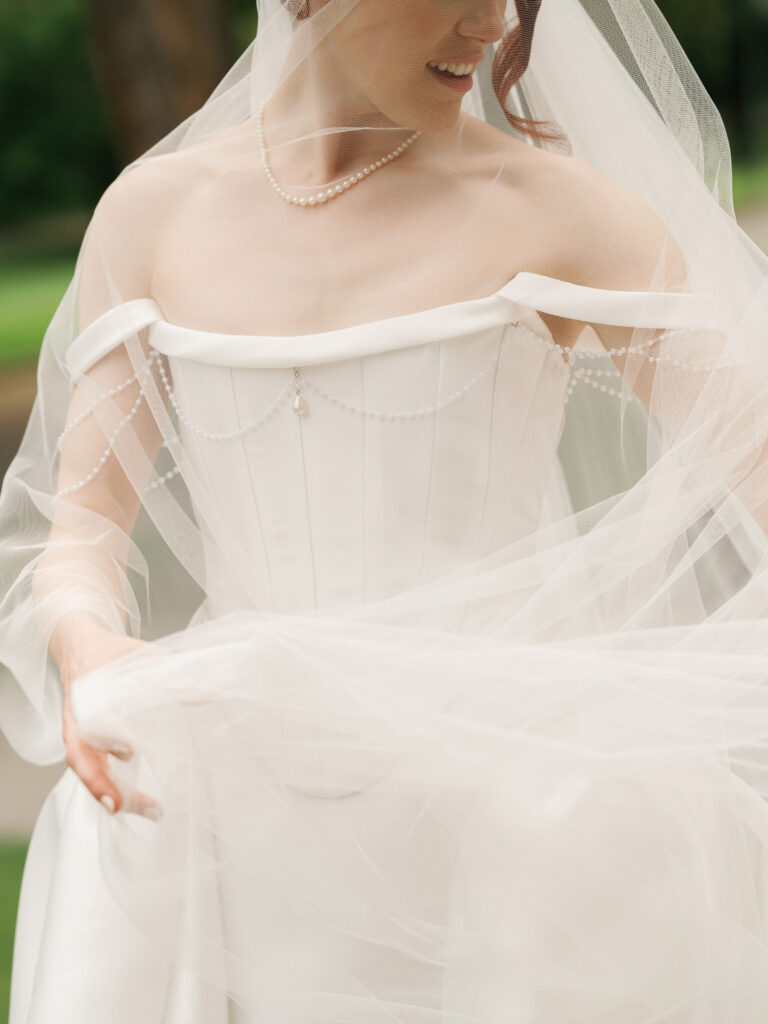
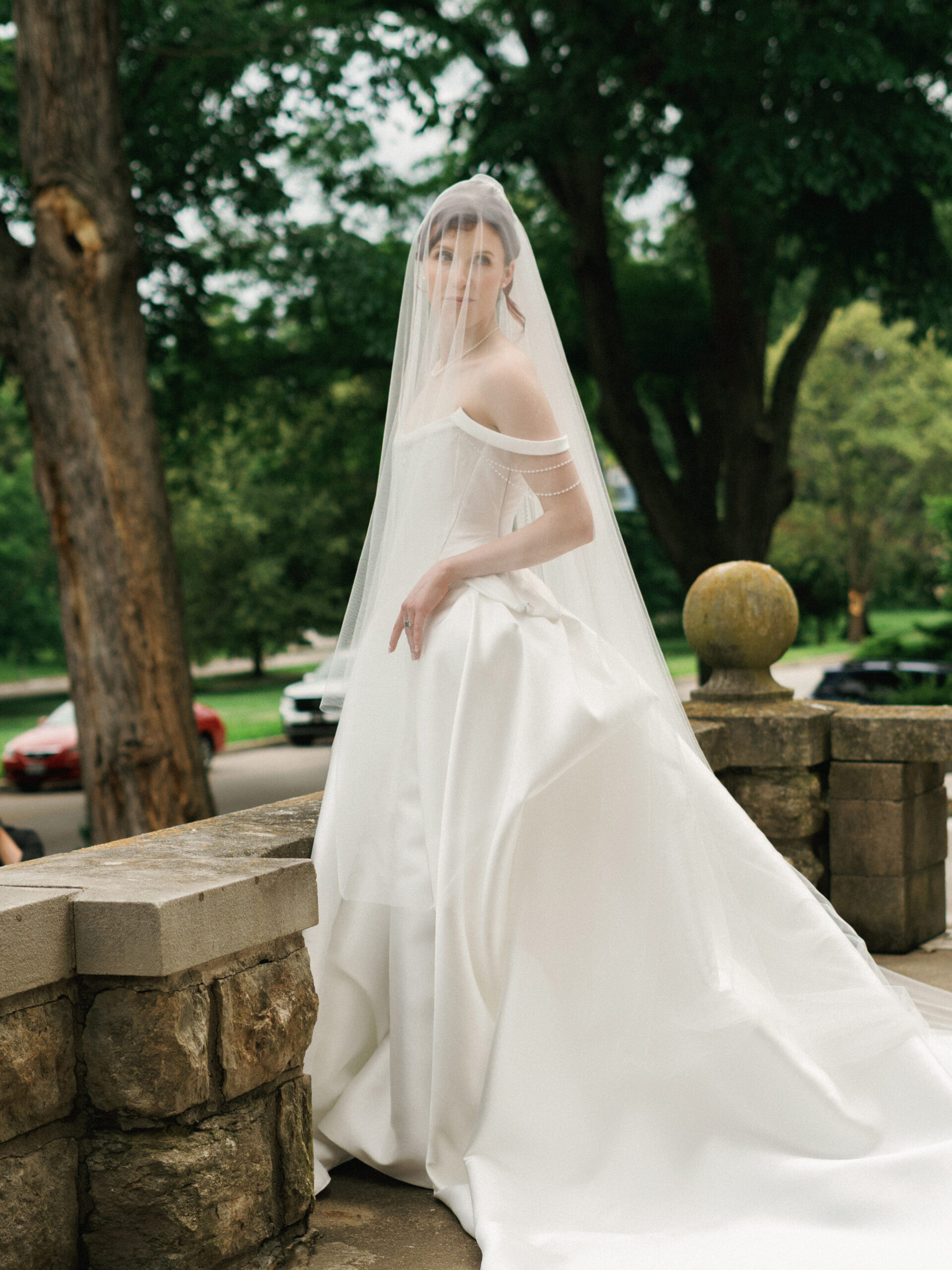
Direction is usually the more productive way to work with references. A couple may love a photograph because it feels soft and intimate, because the subjects are moving instead of posing, or because the architecture creates strong negative space. Those qualities can guide a new photograph without requiring the same pose, location, lighting, or composition.
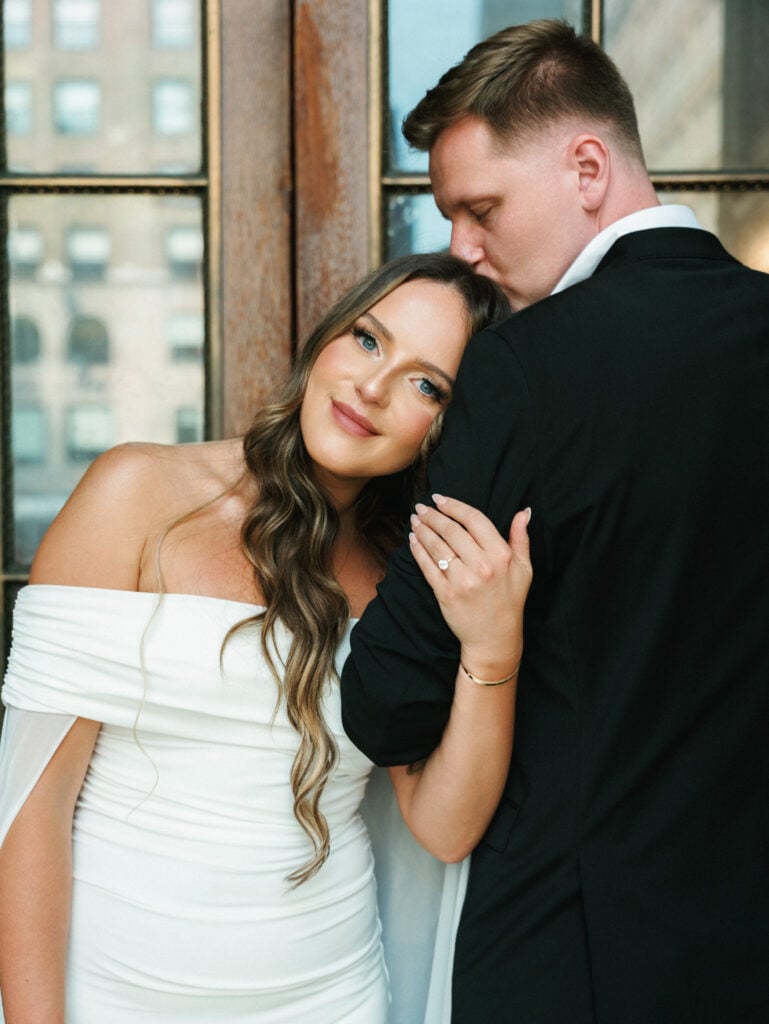
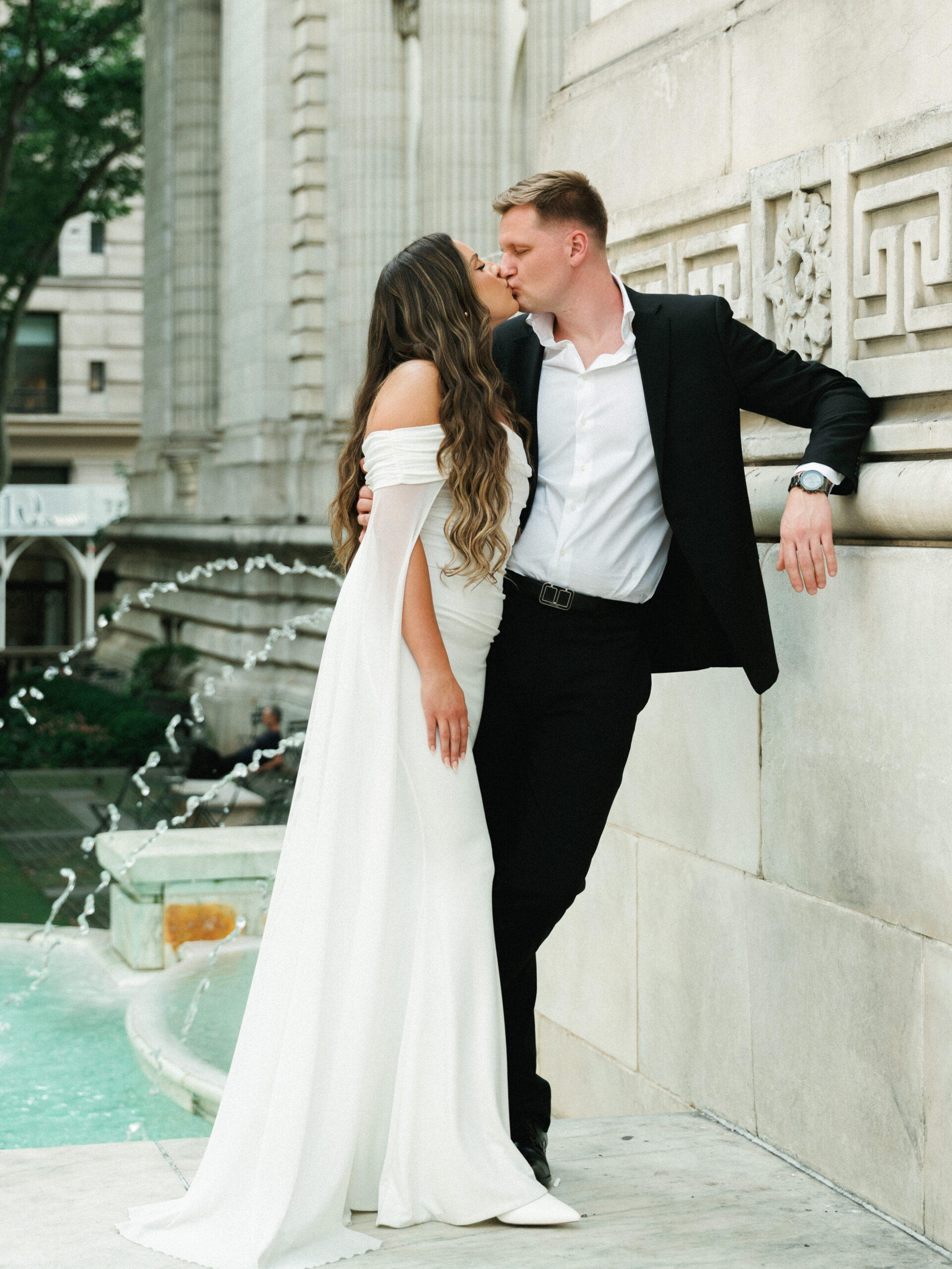
The reference answers one question:
What do we like about this? this image support the feeling already chosen, or is it introducing a different direction?
The wedding answers another:
How can that quality exist here, in this light, at this venue, with these people?
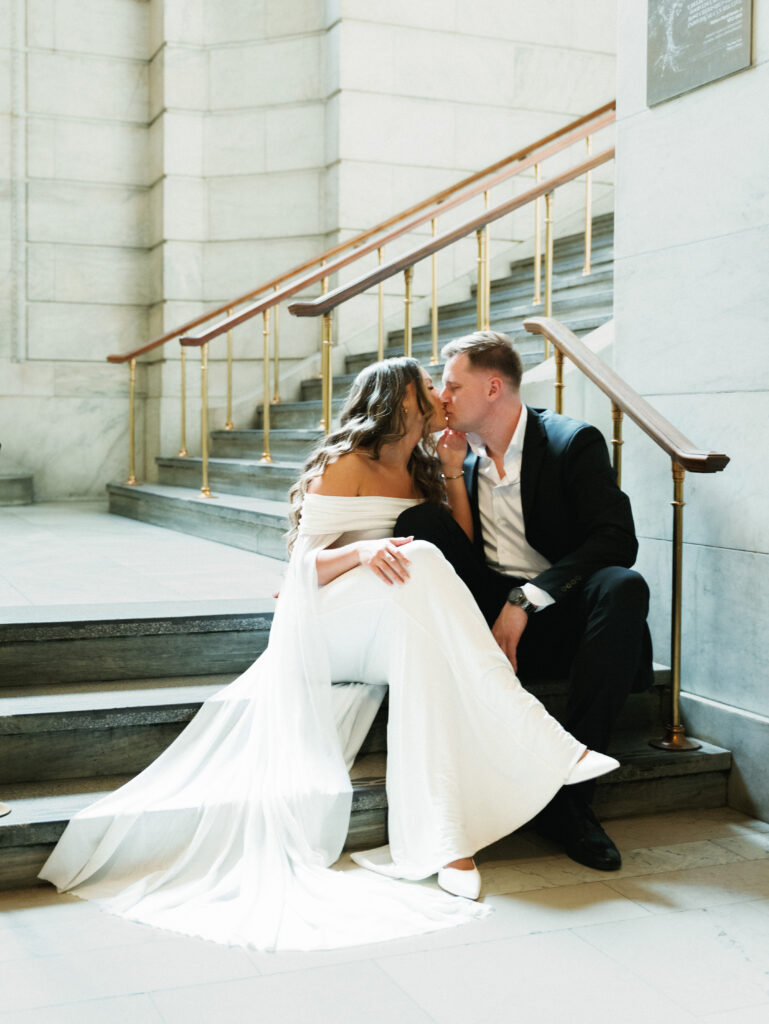
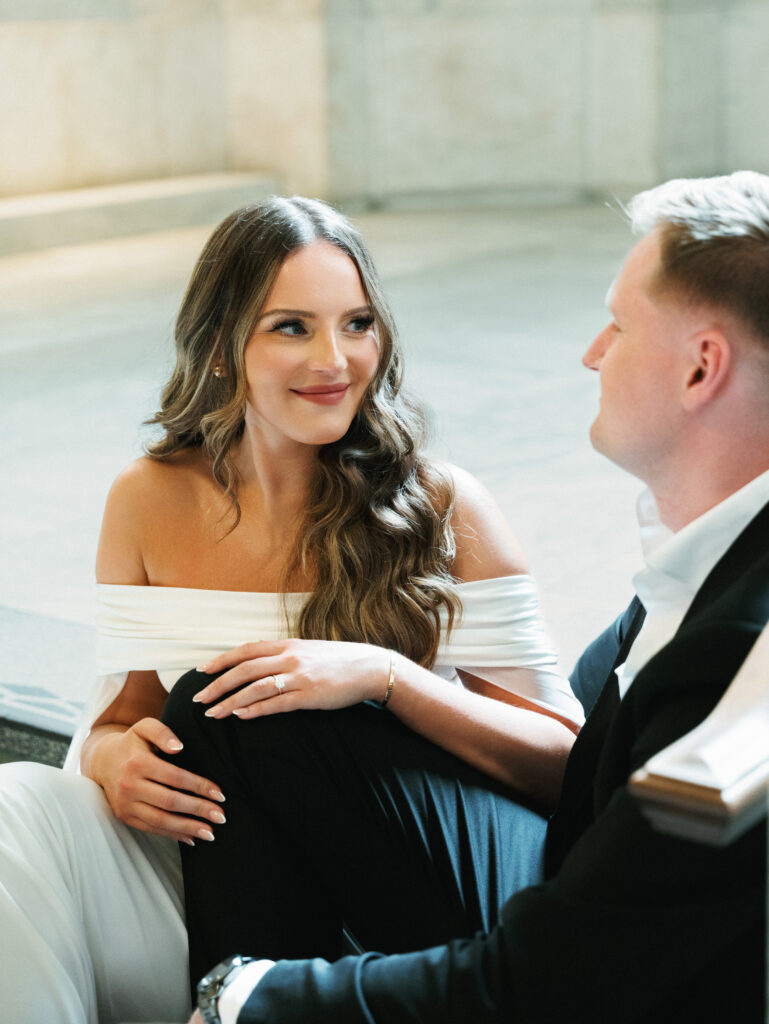
Keeping those questions separate allows inspiration to remain specific without turning the wedding into an attempt to reproduce somebody else’s photograph. An image created from direction can preserve the quality that attracted the couple in the first place while still reflecting their own people, surroundings, light, and day.
Complete wedding stories
Explore Ning & William’s wedding as one complete photography story.
View Taylor & Erik’s wedding for another complete photography story.
Make Room for the Unexpected
A wedding day will always contain moments that no inspiration board could have anticipated. A grandparent’s expression during the ceremony, a sudden change in weather, a quiet exchange between friends, or a laugh between courses may become more meaningful than a carefully planned photograph precisely because no one could have scheduled it.
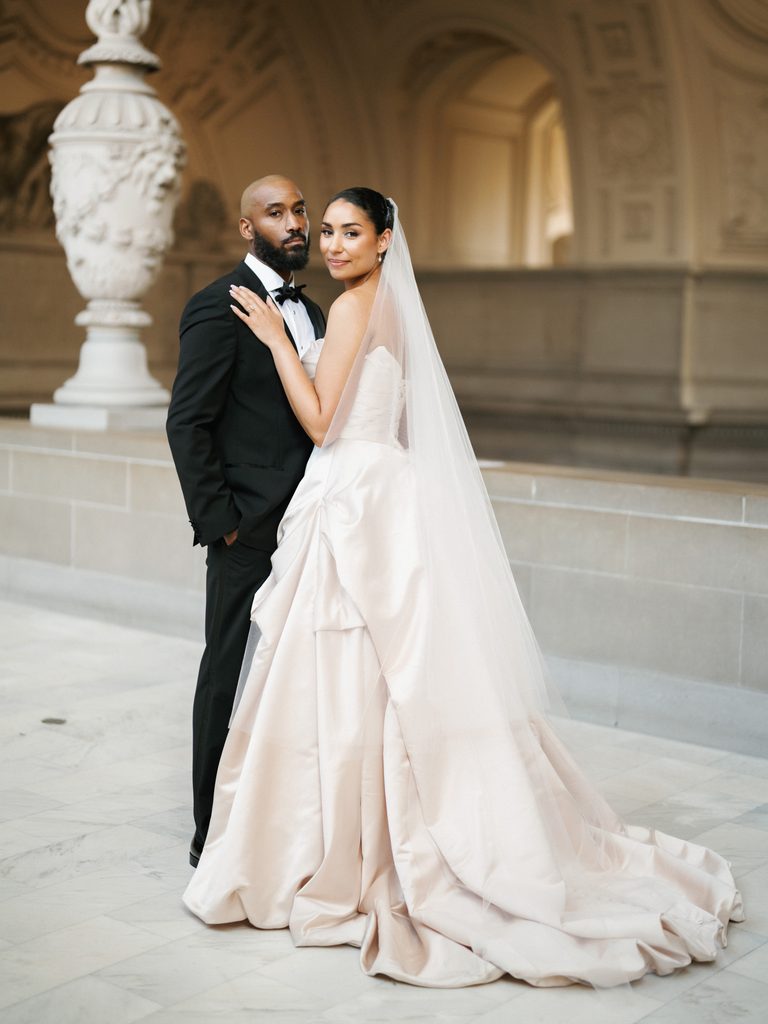
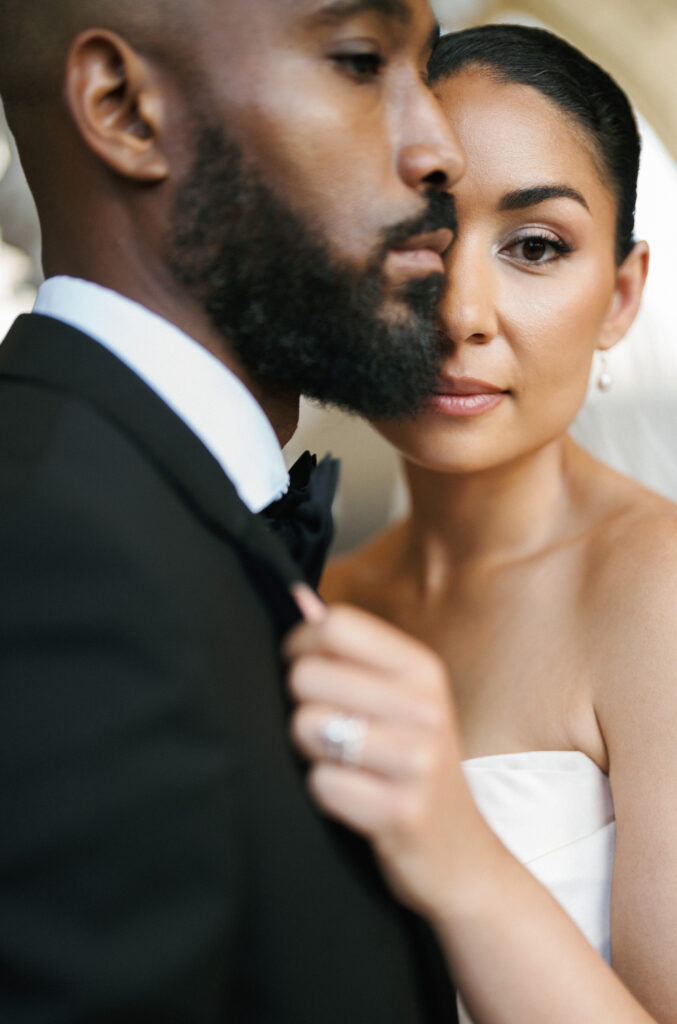
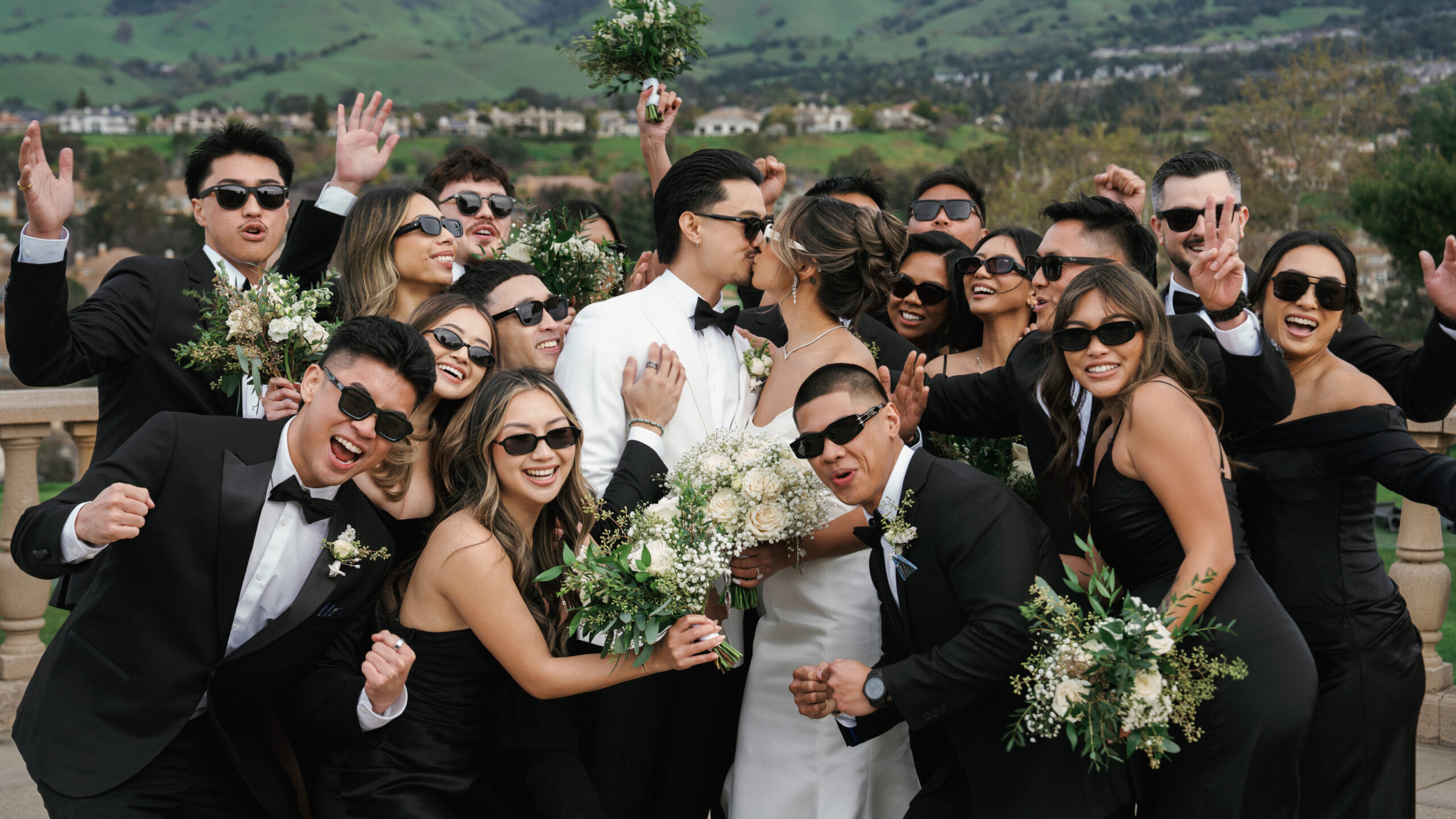
A shot list followed too rigidly can leave little room for those moments. A short set of genuine priorities does the opposite: it gives the photography team enough structure to protect what matters while leaving space to respond to what actually happens.
Frequently asked questions
How many inspiration photos should we actually save?
Fewer than most couples start with. A focused collection of roughly 15 to 25 images, organized by wedding-day moment and accompanied by a short note about why each reference matters, gives a photography team more useful direction than a much larger, unsorted collection.
What is the difference between inspiration and wanting an exact replica?
Inspiration communicates a feeling, technique, composition, or use of light that a photographer can translate into an original image. An exact replica asks the photographer to reproduce someone else’s frame despite different people, surroundings, timing, and conditions. The first gives the creative team direction; the second can make the photography feel forced.
Should every saved image be treated as a must-have?
No. Three to five genuine priorities for each major part of the day can be enough. The remaining references can communicate broader mood and direction without becoming individual photographs the team is expected to recreate.
How do we know if an inspiration photo is realistic for our venue?
Share the reference with the photographer early, along with the venue, wedding date, and relevant information about the location. The team can assess available light, venue orientation, timing, access, and other practical conditions, then explain whether the same approach is realistic or suggest another way to achieve the underlying look.
What should we tell our photographer besides sending photos?
Explain the feeling you want, identify the references that are genuine priorities, and say why those images matter. Venue, timing, lighting, and anything you want to avoid can also be useful. A short written brief gives the photographer context that the images alone cannot provide.
CONTACT ASTER FILMS
Share Your Inspiration With Us
We would love to help you turn favorite references into a clear visual direction for your wedding day.
Choose a convenient time and share the details of your celebration with our team.