Two Approaches to Wedding Photography
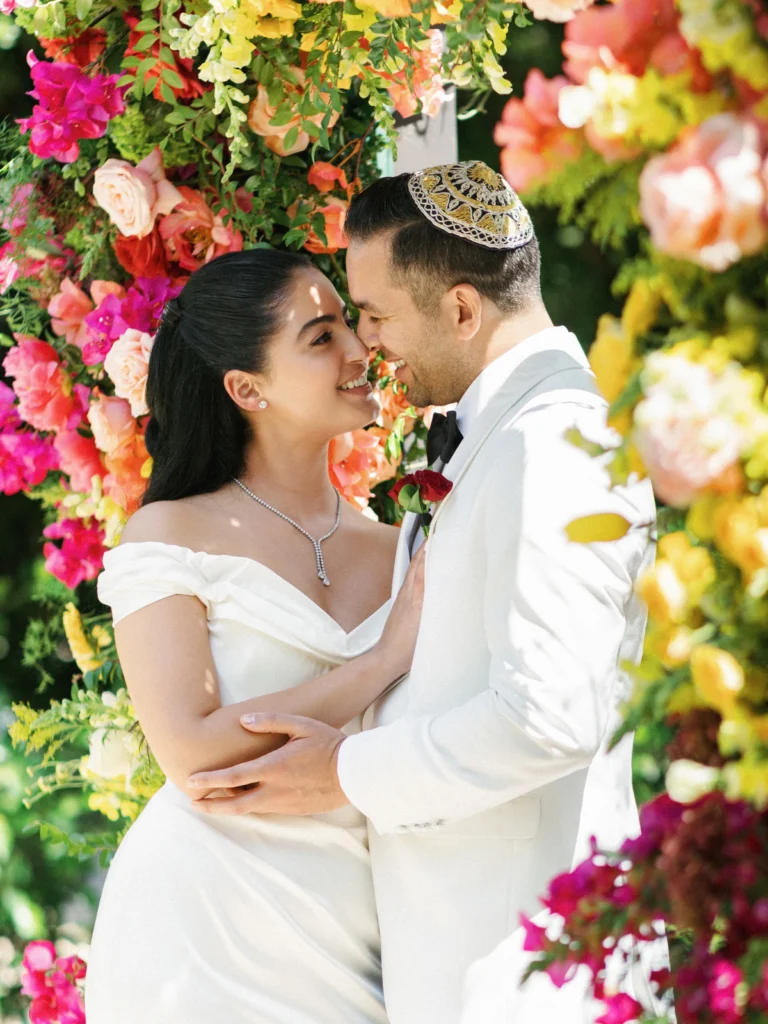
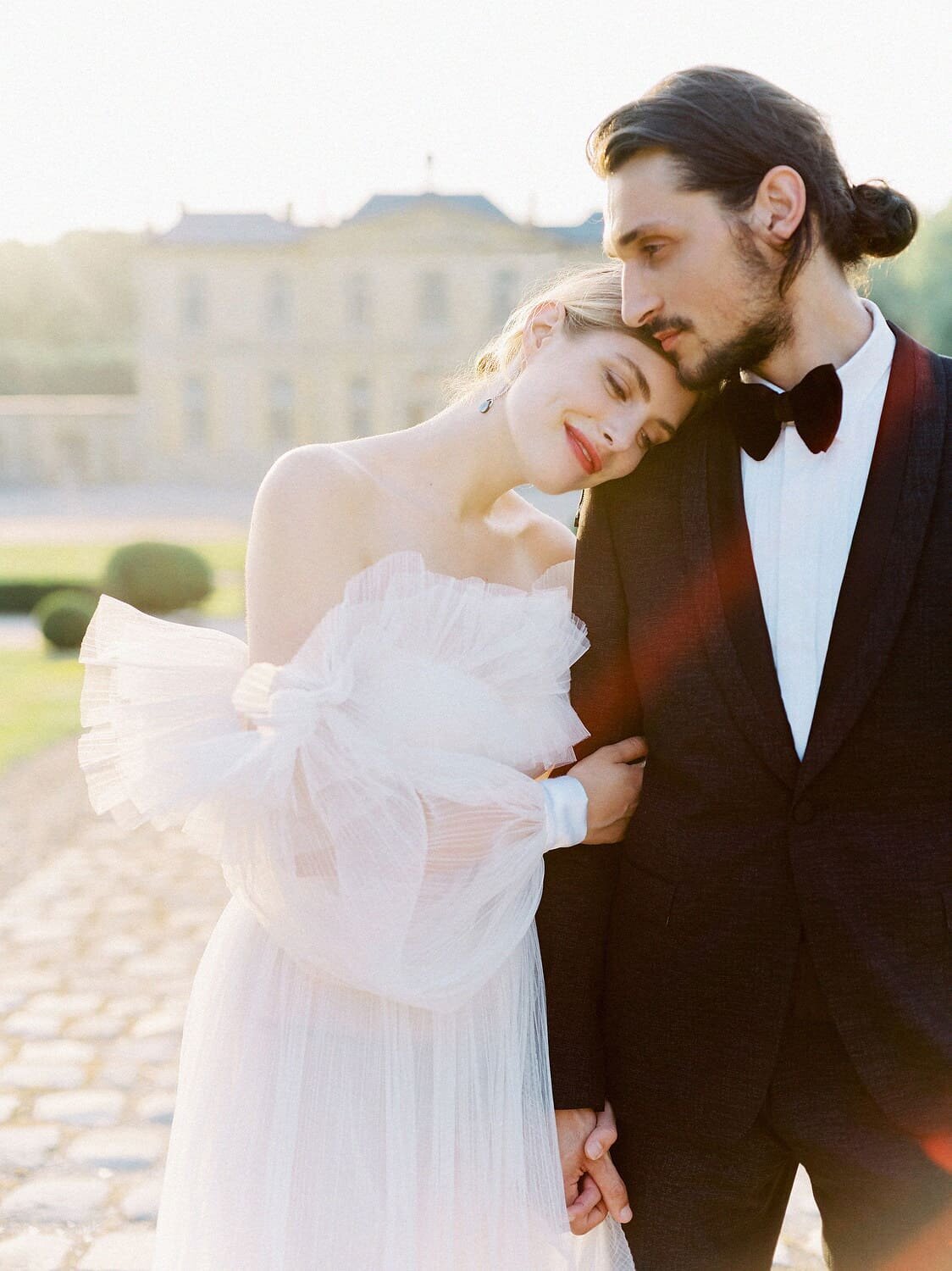
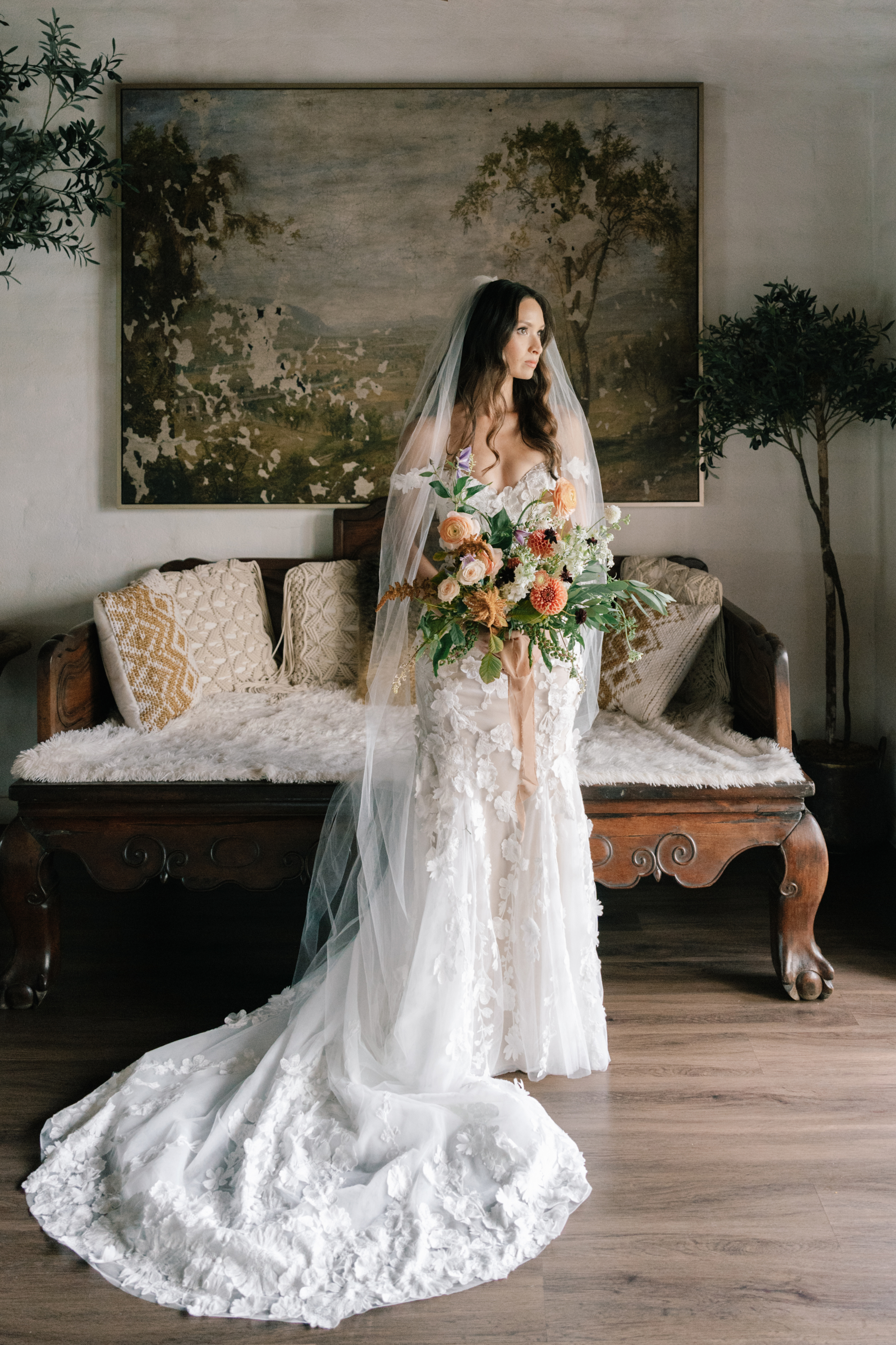
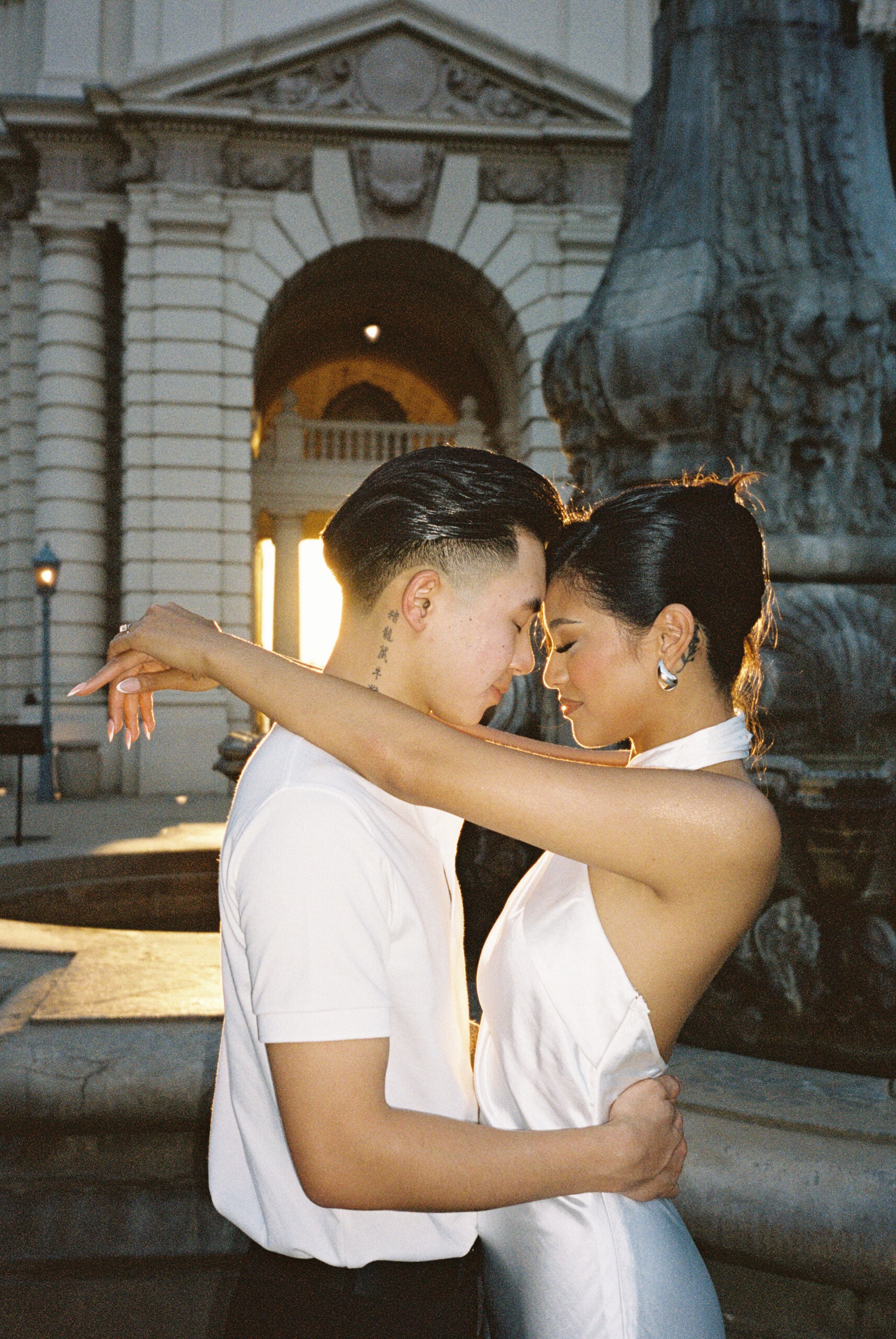
Film wedding photography remains part of modern celebrations for its distinctive approach to light, color, and texture.
Digital photography transformed wedding coverage by allowing photographers to capture hundreds of images quickly, adjust exposure instantly, and deliver galleries faster.
Many wedding photographers continue to bring film cameras to celebrations because the medium handles light, color, and texture in a distinct way.
Today, most photographers use film alongside digital coverage, relying on digital cameras for the full wedding day and incorporating film for specific moments where its visual character adds depth to the final gallery.
Understanding how 35mm, medium format, and digital photography work together helps couples choose a photography approach that matches their preferred style.
The Lasting Appeal of Film in Wedding Photography
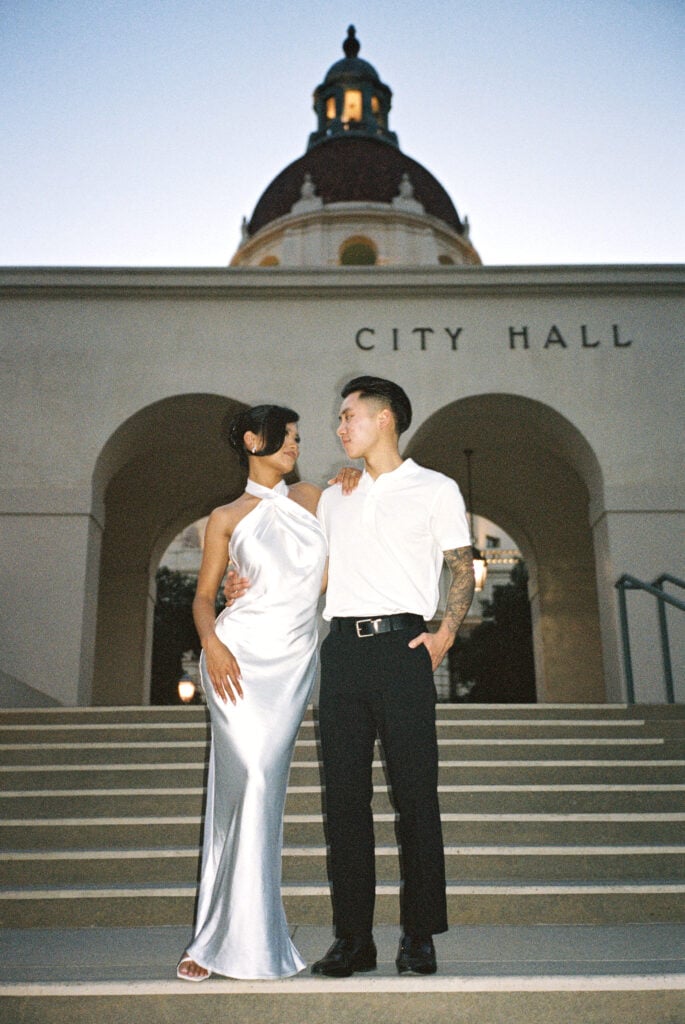
- Film responds to light differently from a digital sensor, particularly in high-contrast wedding environments. Wedding days often include bright windows, outdoor ceremonies, white dresses, reflective surfaces, and changing natural light, making highlight control an important part of the final image.
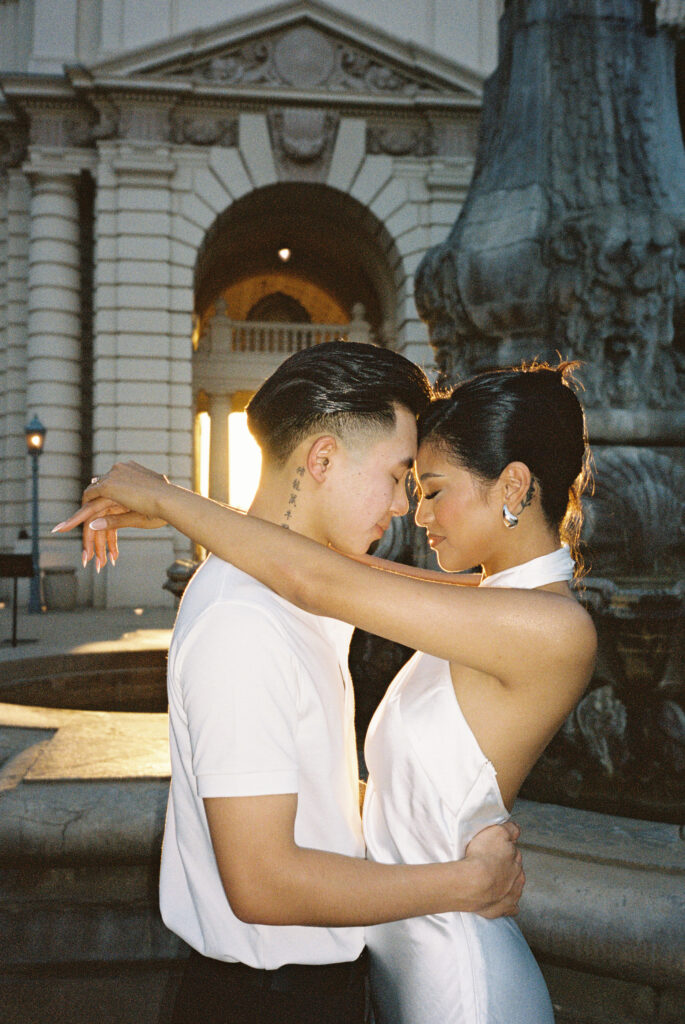
- When a digital image is overexposed, bright areas can lose detail completely. Film has a softer highlight response, allowing brighter areas to transition more gradually and preserve more texture. This difference becomes especially noticeable in portraits taken in direct sunlight, backlit ceremonies, and images where a wedding dress or veil catches strong light.
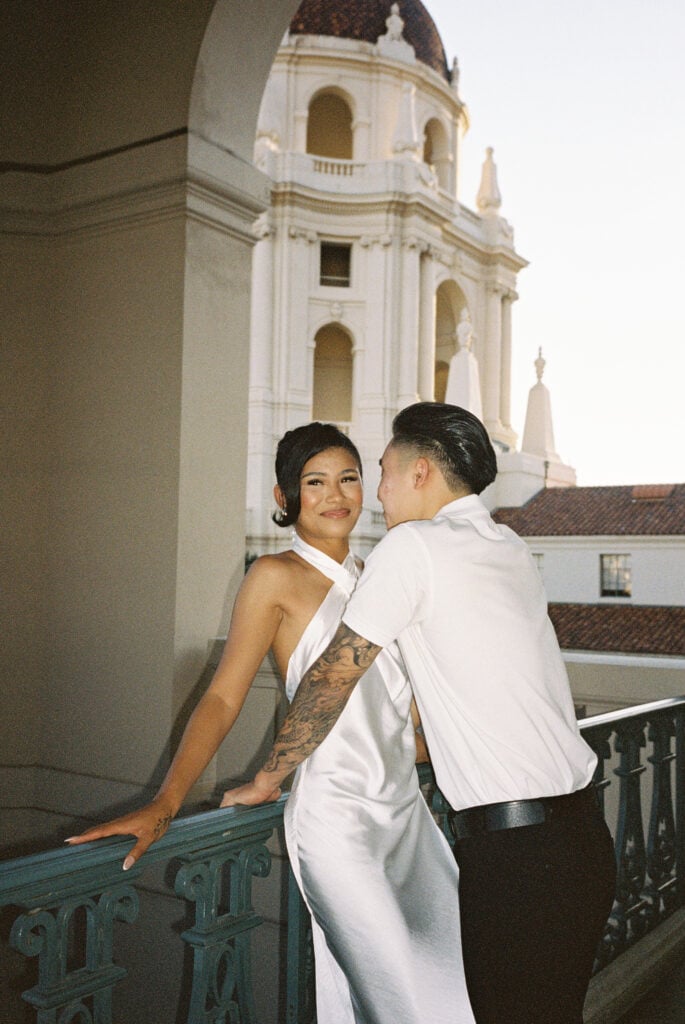
- Color remains one of the defining qualities of film photography. Portrait-focused film stocks are known for their warm skin tones, gentle contrast, and natural rendering of colors. Digital images can be adjusted through professional editing, but film’s color response comes from the physical process of exposing the emulsion to light.
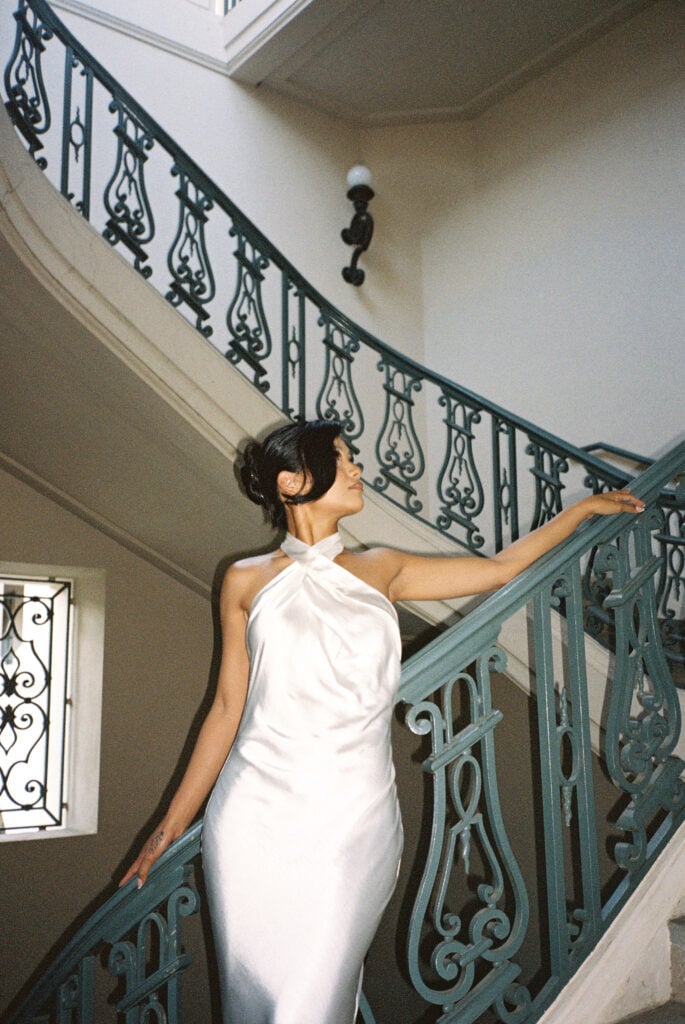
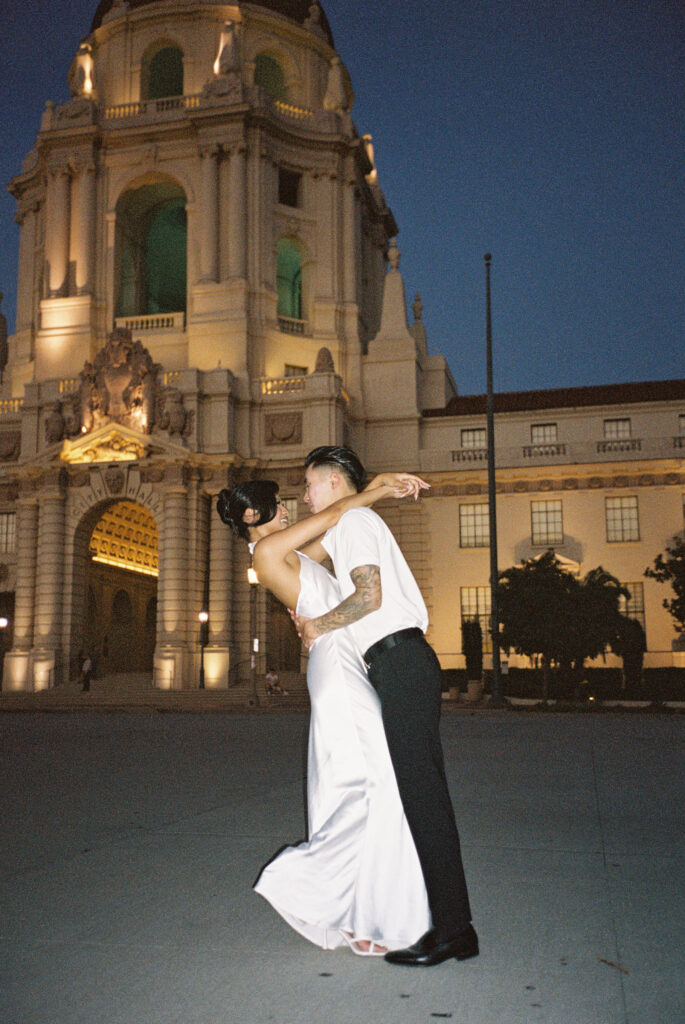
- Film grain also contributes to the final appearance. Unlike digital noise created by low-light processing, film grain comes from the structure of the film emulsion and creates a texture that many couples associate with classic photographic prints.
Shooting film also influences the photographer’s approach. A film roll contains a limited number of exposures, encouraging photographers to slow down and approach each frame with greater attention. Photographers often spend more time observing a scene before pressing the shutter, creating images through a more deliberate process.
Expert Note
Film’s highlight response is a physical characteristic of the medium. Editing presets can recreate certain elements of a film look, such as grain or color tones, but they cannot recover highlight detail lost during capture.
Aster Films planning note
35mm and Medium Format: What Each Brings to a Wedding Gallery
35mm film offers flexibility throughout a wedding day. Its smaller, lighter cameras allow photographers to move easily through preparation, portraits, and candid interactions.
A typical 35mm roll contains 36 exposures, allowing photographers to capture a wider range of moments throughout the day. Popular wedding film stocks include Kodak Portra 400 and Portra 800 for color photography, as well as Ilford HP5 for black-and-white images. Each stock creates a different combination of color, contrast, and grain that photographers select based on the lighting and mood they want to capture.
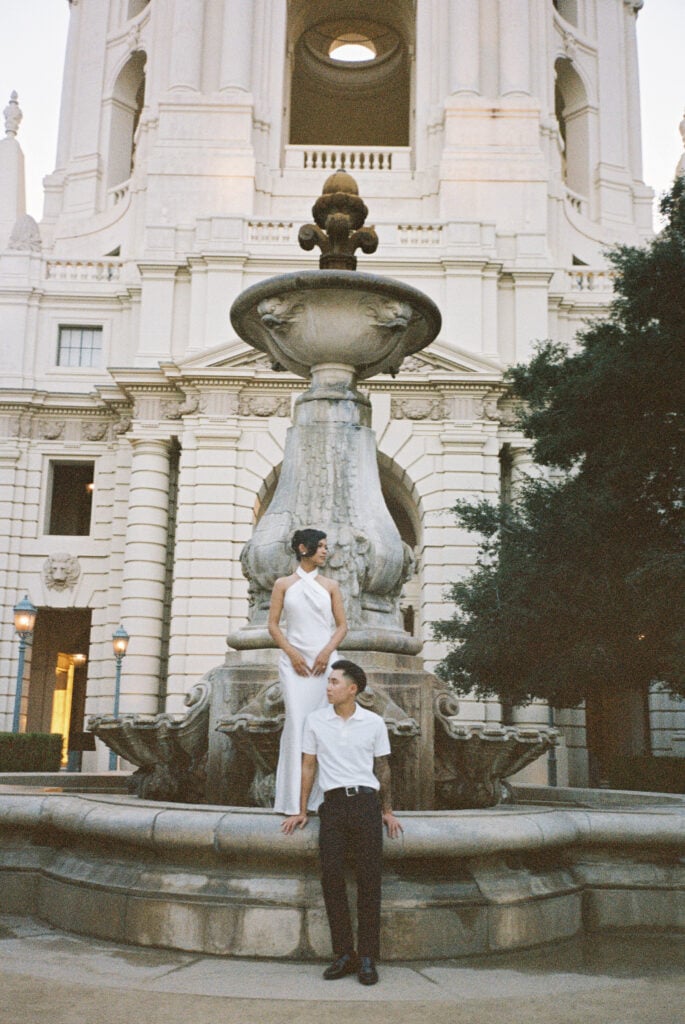
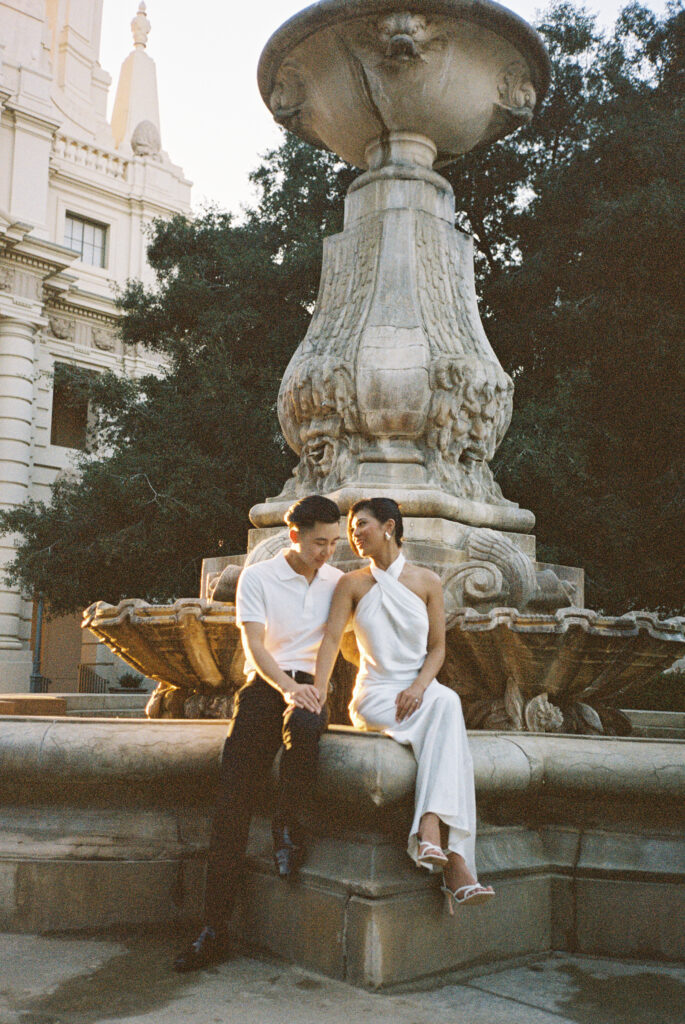
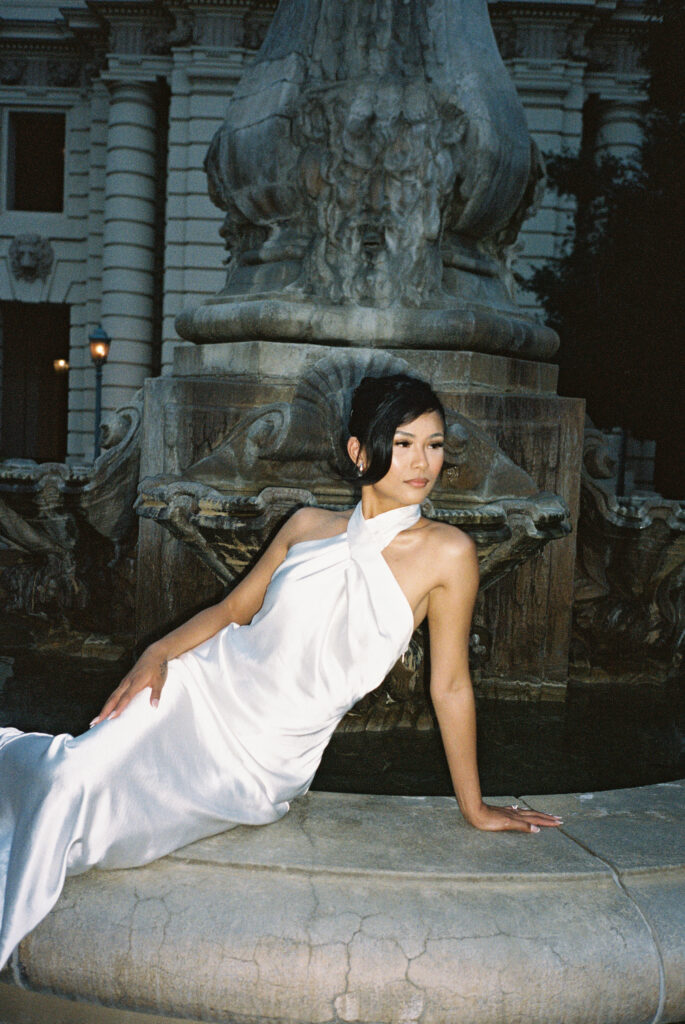
Medium format film creates a different visual result. Using larger 120 film negatives, medium format cameras produce smoother tonal transitions and a distinctive depth that many photographers prefer for editorial-style portraits.
The larger negative allows for more detail and a different relationship between focus and background. Medium format is especially suited to portraits, details, and carefully composed images where the photographer can create a specific frame.
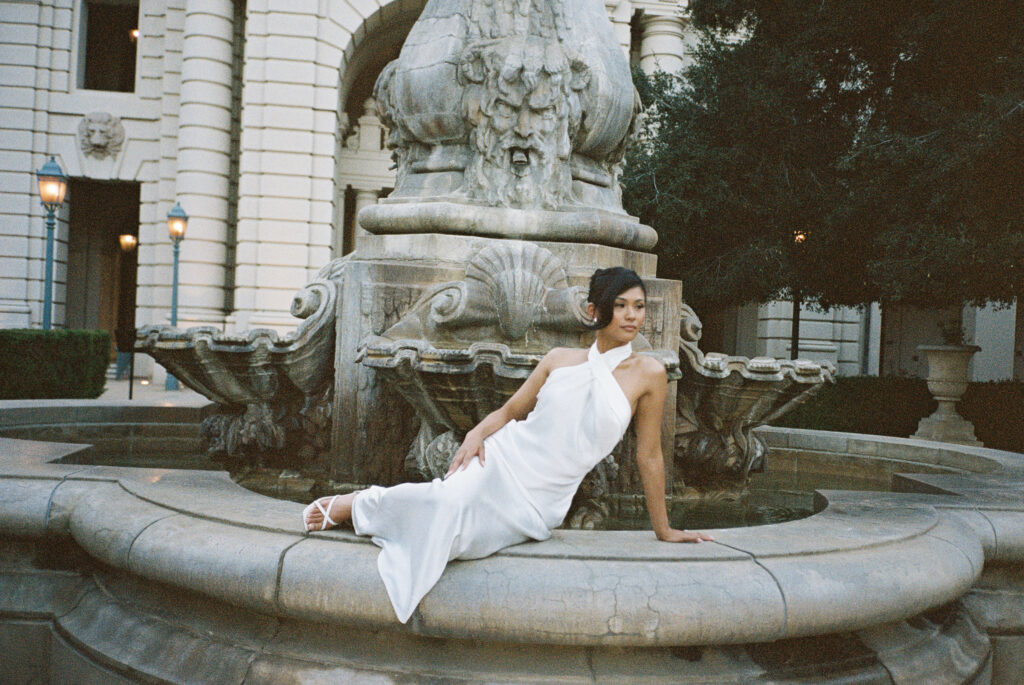
Medium format cameras are heavier, slower to operate, and typically produce fewer images per roll, often around ten to sixteen exposures depending on the camera. For this reason, photographers often reserve medium format for portraits and carefully planned images where composition takes priority.
How Each Format Shapes the Gallery
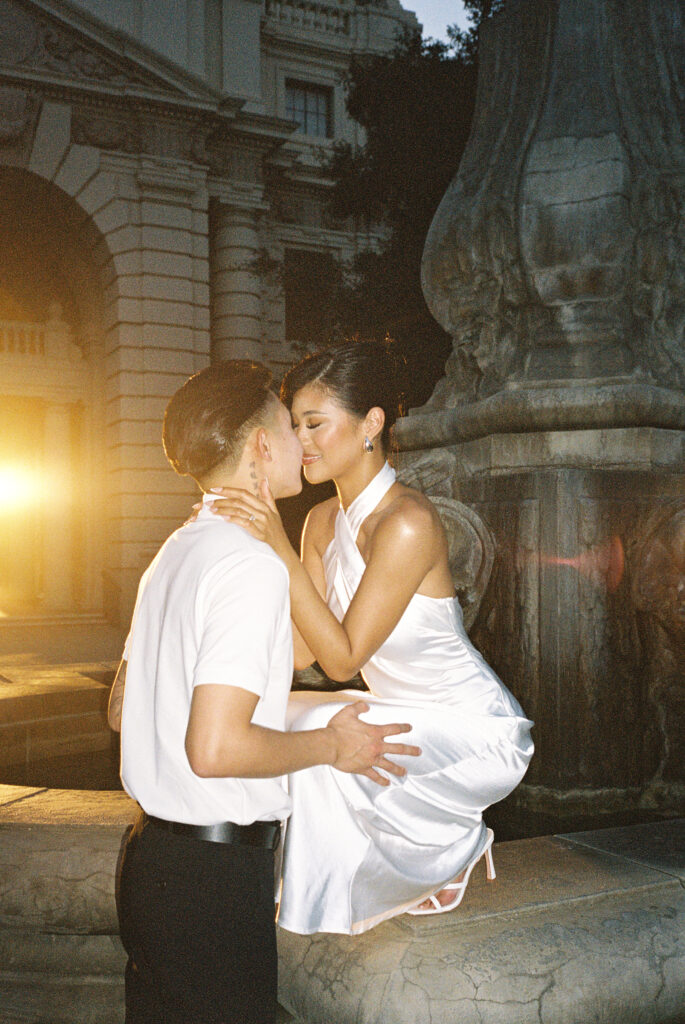
- 35mm film works well for movement, candid moments, and the natural flow of a wedding day.
- Medium format film is reserved for intentional portraits and carefully composed images.
- Digital photography provides the consistency and volume needed for complete wedding coverage.
Expert Note
Film stock influences the final look as much as the camera itself. Kodak Portra is widely used for wedding photography because of its balanced skin tones and flexibility across different lighting conditions. Black-and-white stocks such as Ilford HP5 create a more documentary feel through their contrast and grain structure.
Aster Films planning note
Creating a Hybrid Film and Digital Gallery
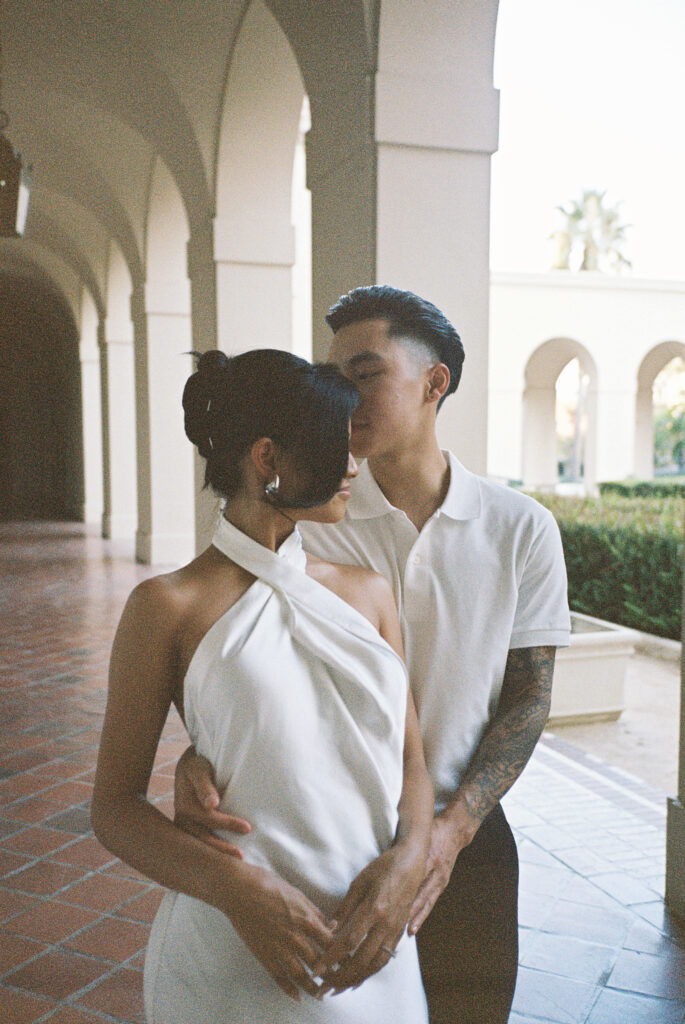
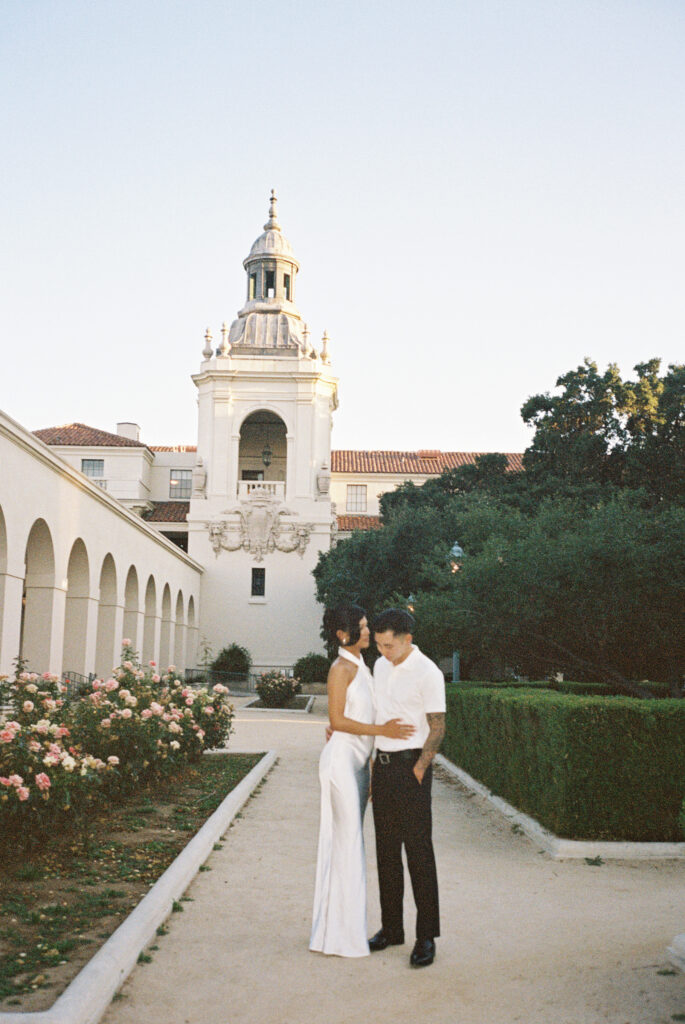
Film and digital images should feel cohesive within one visual story, creating a gallery where both formats complement each other naturally.
Many photographers edit digital images with a color approach that complements their film work. Softer highlights, natural skin tones, and balanced colors help both formats sit together within the final gallery.
Other photographers intentionally keep film images visually distinct, allowing the texture and character of the medium to stand out. Couples can review a photographer’s portfolio to see how film is integrated within a complete wedding gallery.
01
The balance between the two formats depends on the photographer’s creative approach. Some galleries use film as a subtle layer throughout the day, while others reserve it for a smaller number of signature portraits and details.
02
Delivery timing also changes when film is included. Digital images can move directly into the editing process after the wedding. Film requires additional steps: developing the rolls, scanning negatives, and preparing the files before editing begins.
03
Many photographers deliver the digital gallery first and provide film images afterward once processing is complete. This allows couples to receive the majority of their wedding memories without waiting for the film portion to return from the laboratory.
Expert Note
Film scanning quality affects how images perform in print. Standard scans are usually sufficient for albums and online galleries, while couples planning large-format artwork should discuss high-resolution scanning options before booking.
Aster Films planning note
What Film Coverage Adds to Cost and Timeline
Film photography involves additional production stages, from selecting film stock to laboratory processing and scanning before images become part of the final gallery.
Medium format usually requires a higher investment per image because each roll produces fewer photographs.
Some photographers include film coverage within their standard collections. Others offer it as an add-on based on the number of rolls used during the wedding day. Couples should confirm how film is included before booking, including the number of rolls and whether processing and scanning are covered.
The timeline can also be different from a fully digital gallery. Film processing usually adds additional time before those images can be edited and delivered. Couples choosing film wedding photography should expect that the complete gallery may arrive later than a digital-only collection.
The additional cost and waiting period reflect the physical process behind film photography. Each image passes through more stages before becoming a finished photograph, from exposure on film stock to laboratory development and final scanning.
Frequently asked questions
Does film wedding photography look different from digital photography?
Yes. Film and digital photography capture light differently. Film is known for softer highlight transitions, natural skin tones, and organic grain created during the exposure process. Digital photography offers greater flexibility and consistency, especially for fast-moving moments throughout a wedding day.
Many photographers combine both formats to create a gallery that includes the reliability of digital coverage and the distinctive character of film.
Is medium format better than 35mm for wedding photography?
Each format serves a different purpose within wedding photography. Medium format creates a larger negative and is often chosen for carefully composed portraits with smooth tonal transitions and a distinctive depth.
35mm film is more practical for moving moments because cameras are lighter and each roll provides more exposures. Many photographers use both depending on the part of the wedding day they are capturing.
How much does film add to a wedding photography package?
The cost depends on how a photographer structures their collections. Film coverage includes additional expenses for film stock, processing, scanning, and the time required to prepare the images.
Some photographers include a set number of film rolls in their packages, while others offer film photography as an additional option. Couples should ask how many rolls are included and whether processing and scanning costs are covered.
Will film photos take longer to receive than digital wedding photos?
Usually, yes. Digital images can move directly into the editing process after the wedding, while film requires development and scanning before those photographs can be edited. Many photographers deliver the digital gallery first and add film images once processing is complete. The exact timeline depends on the photographer’s workflow and the laboratory they use.
Can a wedding be photographed entirely on film?
A fully film wedding is possible, although most photographers combine film with digital coverage.
Film’s limited number of exposures per roll and the lack of instant image review make it challenging for full-day wedding coverage, especially during ceremonies and receptions where important moments happen quickly.
Most photographers who offer film wedding photography use it alongside digital coverage, allowing each format to contribute where it works best.
CONTACT ASTER FILMS
Let’s Talk Through Film Coverage
If the warmth and texture of film wedding photography are part of the vision for your gallery, we would be glad to discuss how it can work alongside full digital coverage.