How Travel Planning Shapes Photography and Film Coverage
Destination wedding travel logistics begin long before the wedding weekend. Flights, arrival timing, equipment planning, and venue access all influence how photography and film coverage come together. A well-planned travel schedule gives the team time to understand the location, prepare equipment, and make creative decisions based on the conditions of the day.
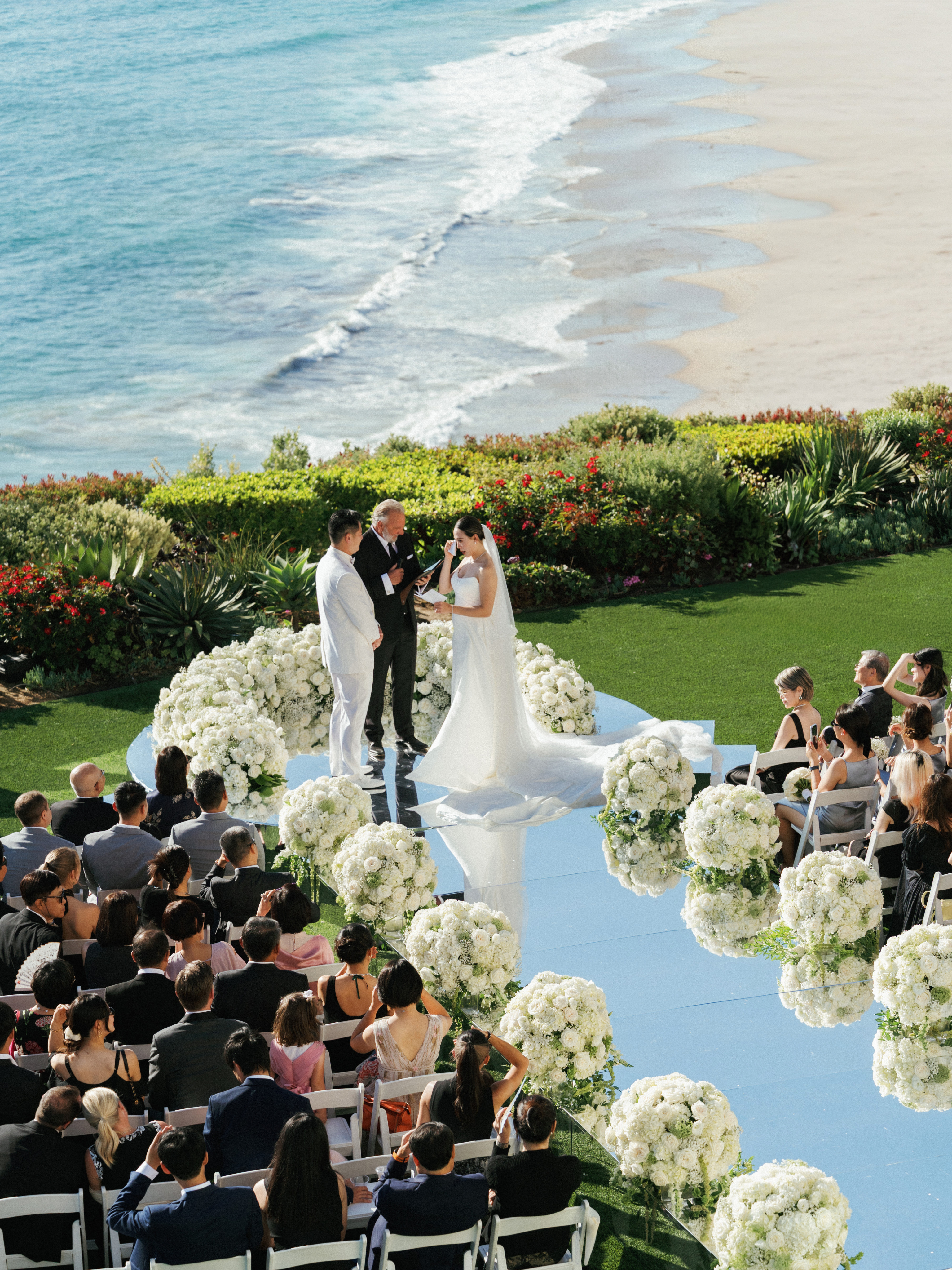
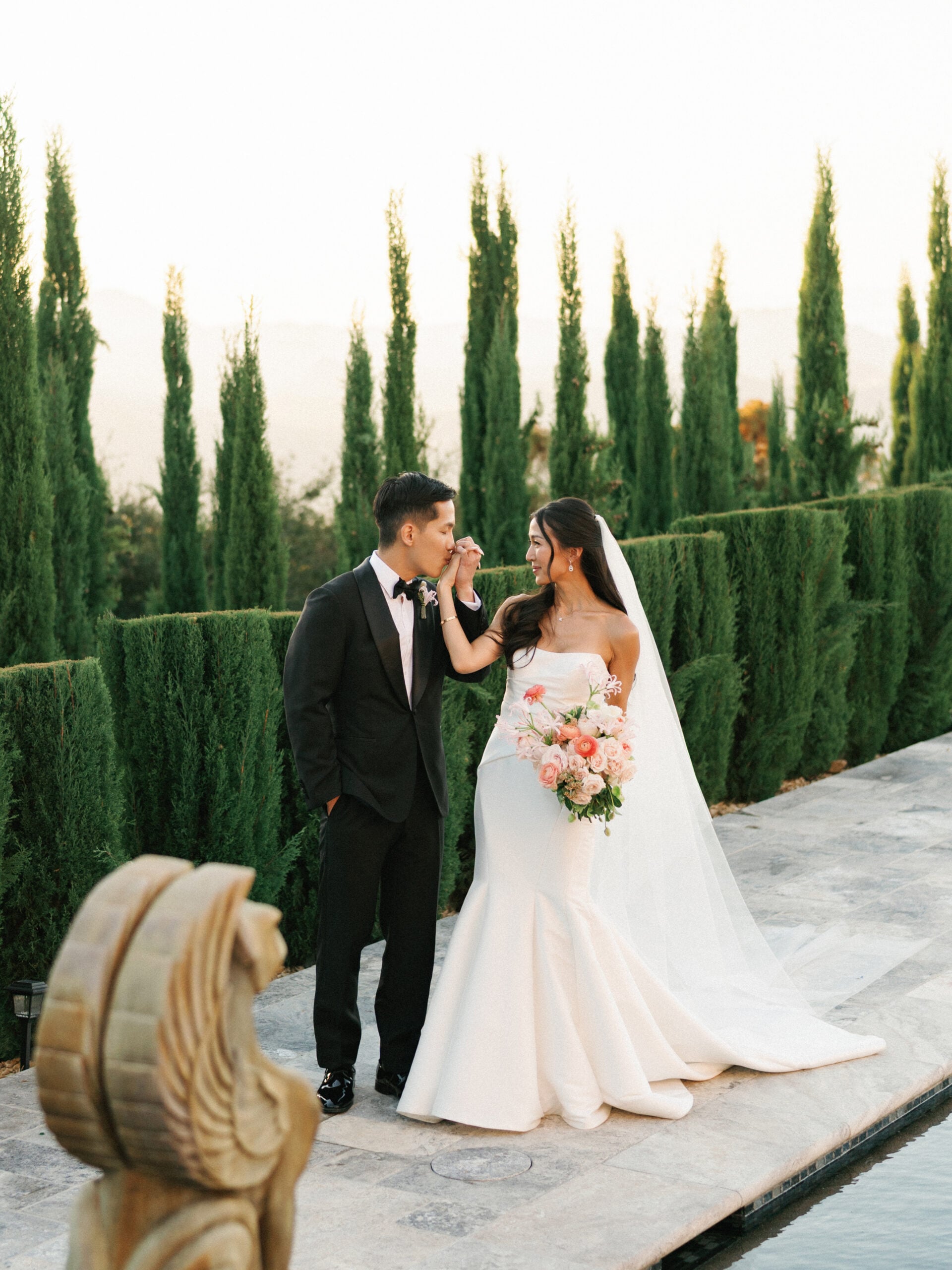
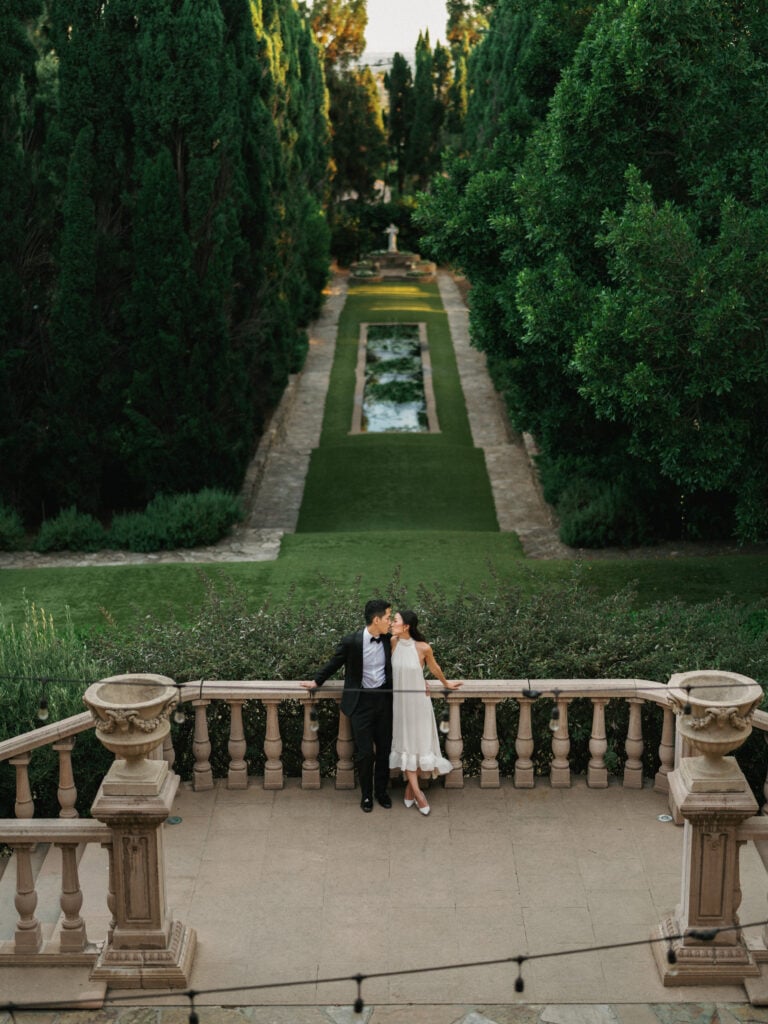
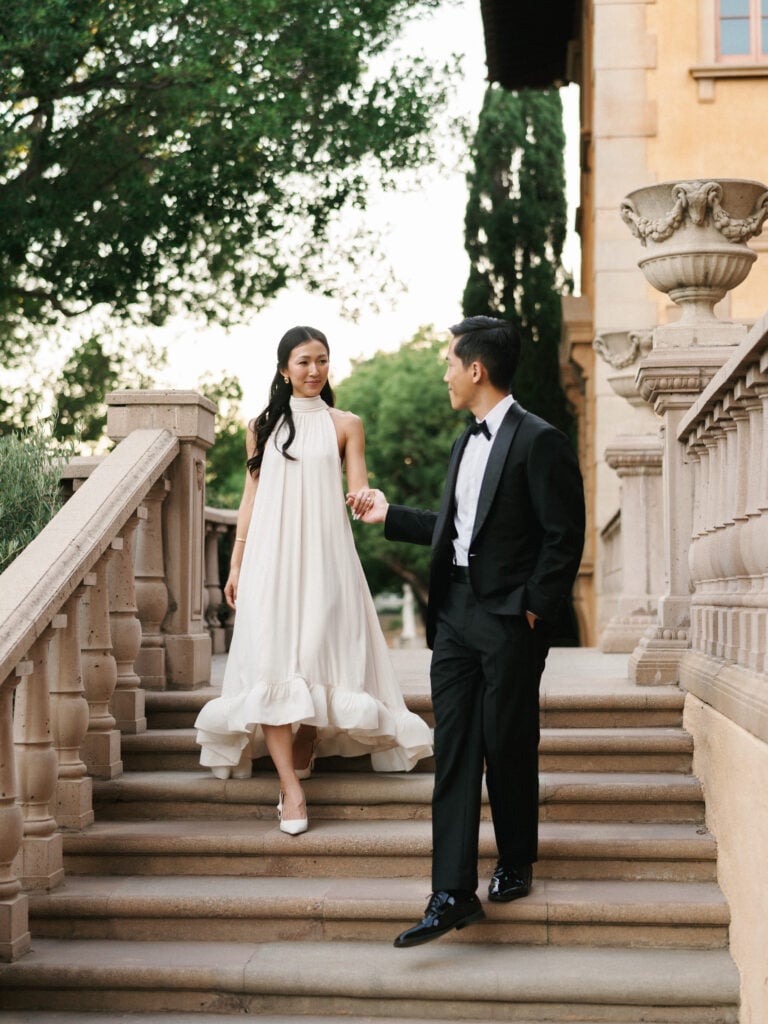
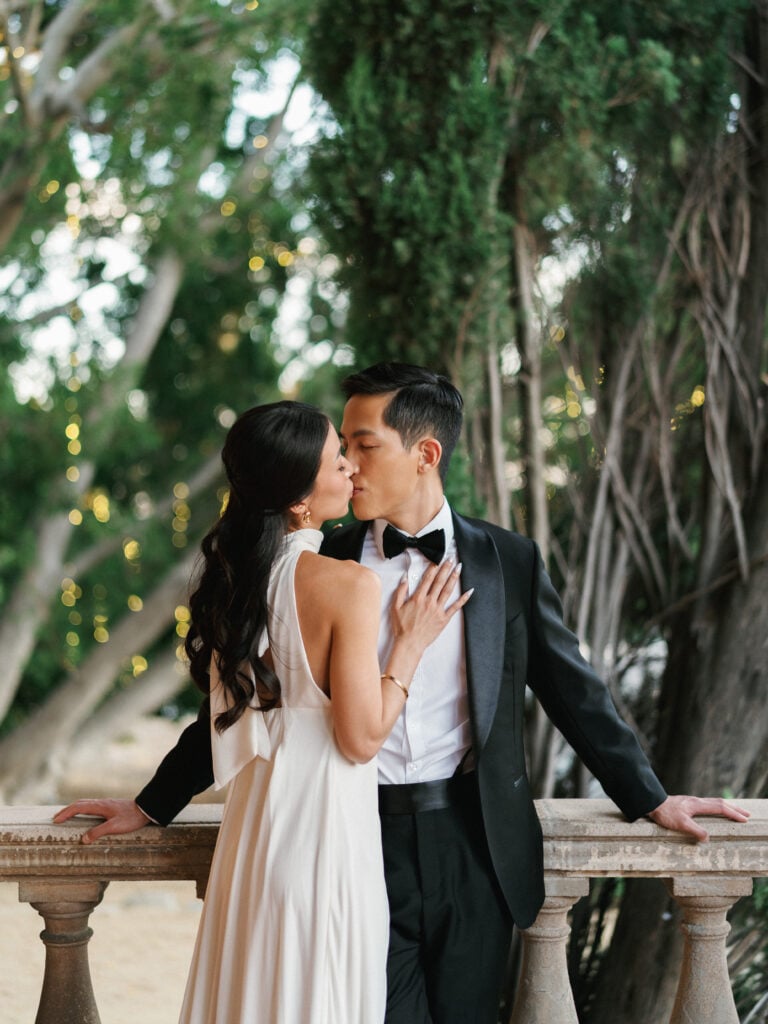
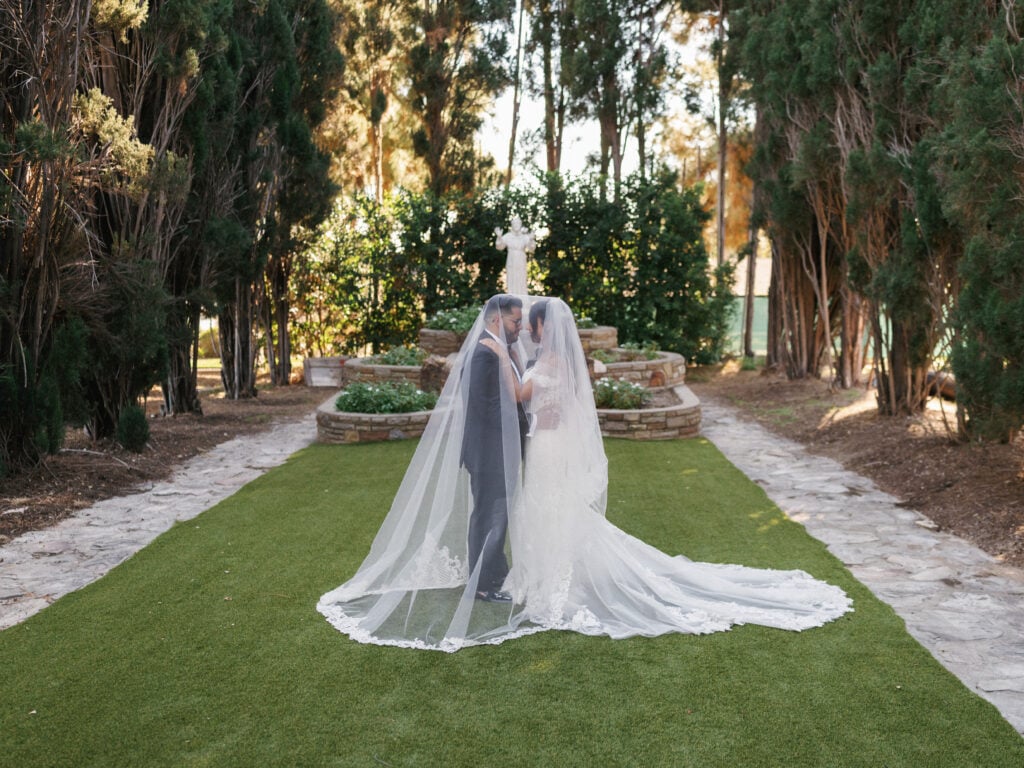
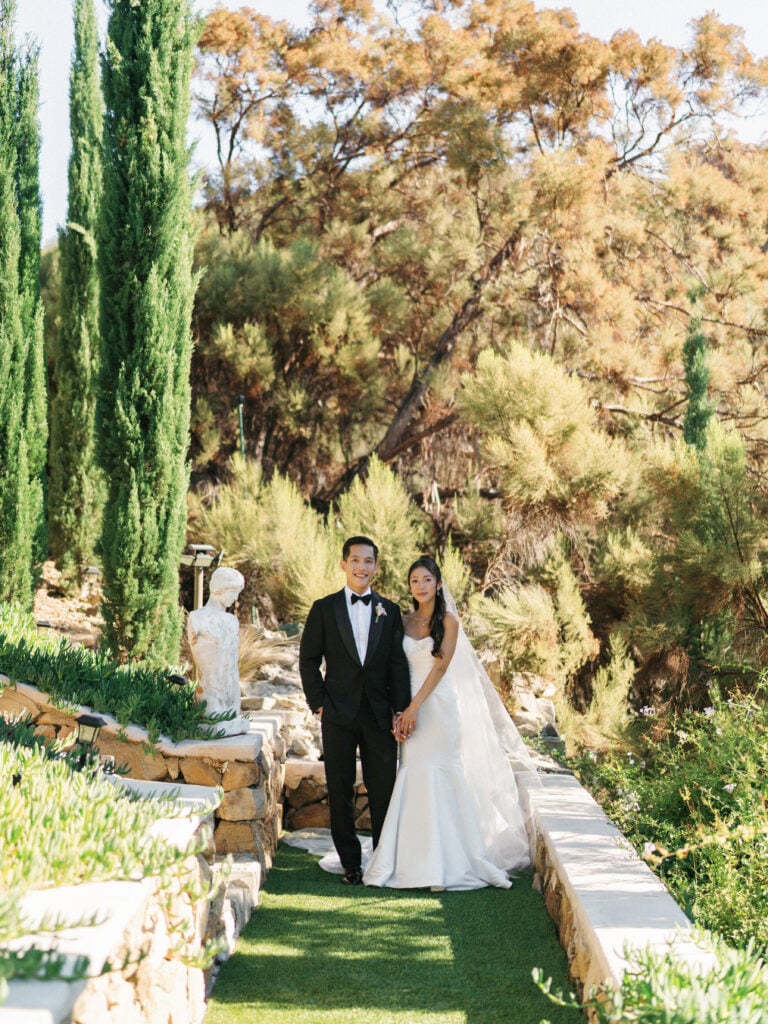
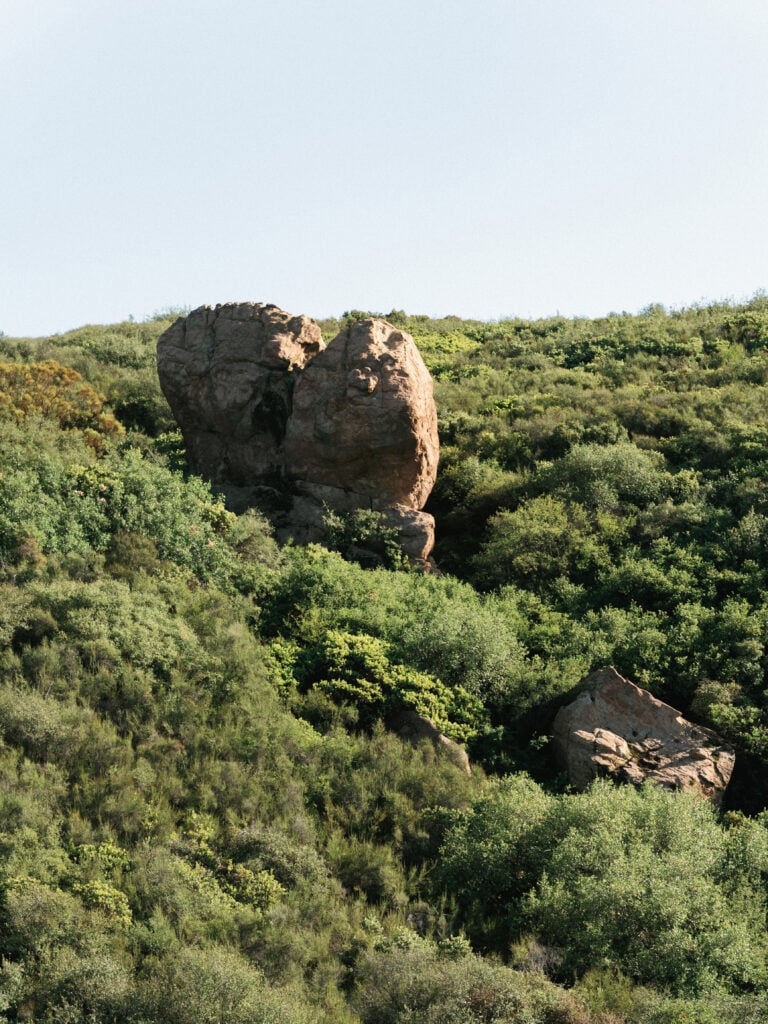
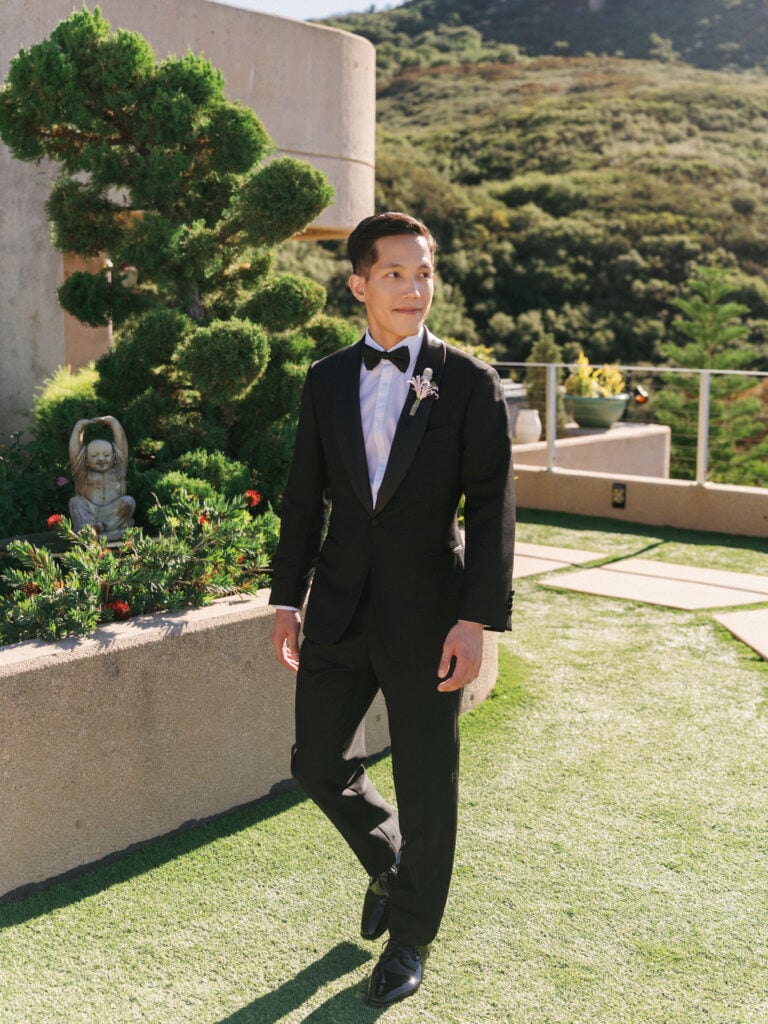
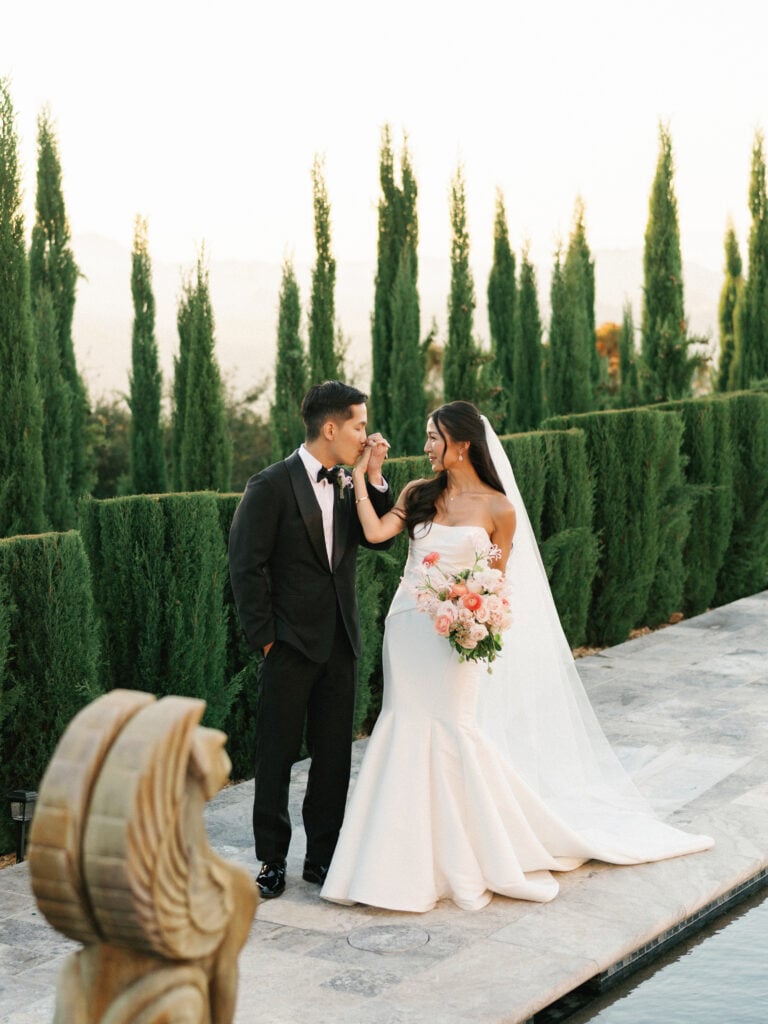
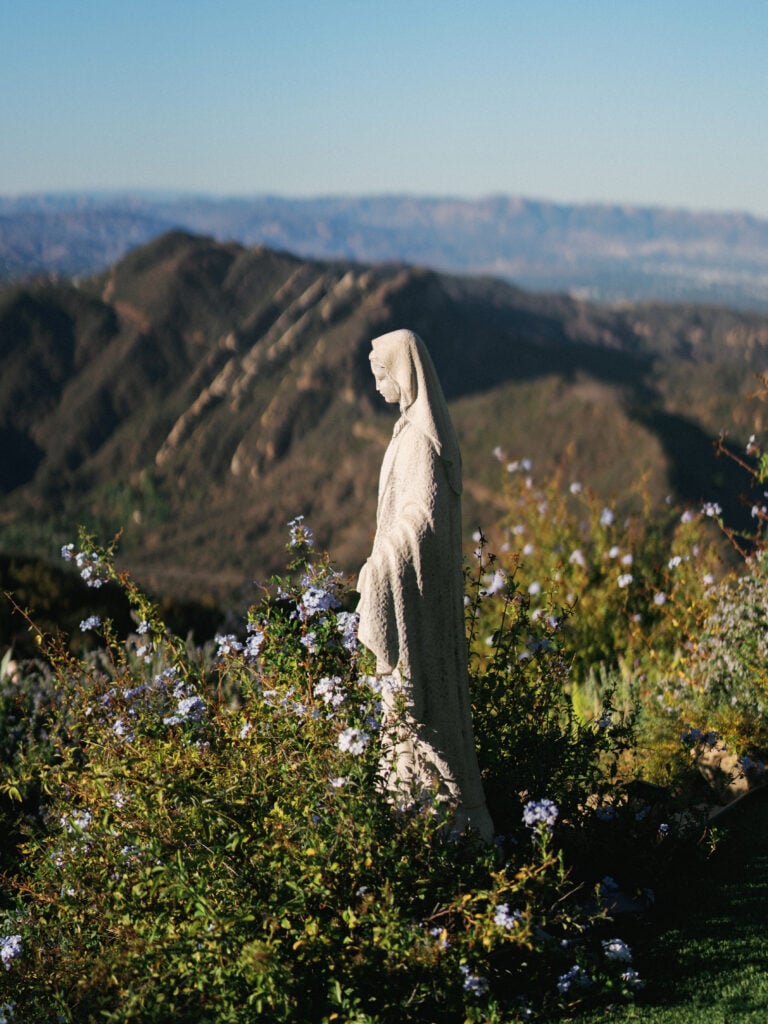
Stone Mountain Estates, Malibu, CA.
Why Travel Logistics Affect Creative Coverage
A destination wedding team arriving rested, familiar with the location, and prepared for local conditions has a very different starting point from a team dealing with delayed flights, unfamiliar surroundings, or equipment challenges after arrival.
Time zones, climate, transportation, and venue layout all influence the rhythm of the wedding day. A team that has time to adjust before the first event can focus on storytelling, anticipate important moments, and make creative decisions with confidence.
Photography and videography also have different travel requirements. A photographer can often travel with a relatively compact kit, while a videographer may bring additional cameras, audio equipment, lighting, stabilizers, and sometimes a drone. Even when both teams cover the same wedding, their travel arrangements, luggage, and preparation may look very different.

Expert Note
International travel with professional equipment may require additional customs documentation depending on the destination. Experienced destination wedding teams usually research local requirements well before departure to avoid delays when entering the country.
Aster Films planning note

Arrival Timing, Scouting, Lodging, and Transportation
Arrival Timing
Arriving one to two days before the wedding weekend gives a team time to recover from travel, adjust to the local time zone, and troubleshoot any issues with gear or logistics before it affects the actual coverage.
A same-day arrival leaves no room for a delayed flight, lost luggage, or simple travel fatigue, all of which become far more consequential when there is no buffer before the first event of the weekend.
Long-haul international routes, particularly those crossing six or more time zones, benefit from an even longer buffer, since jet lag recovery generally takes longer than a single overnight rest allows.
Scouting the Venue Before the Wedding
A scouting visit to the ceremony and reception venues, ideally at the same time of day the wedding will actually take place, lets the team identify portrait locations, understand how light moves through the space, and flag any access restrictions before the wedding day. Scouting also reveals practical details a venue’s photos online rarely show: where the sun sets relative to the ceremony site, how far one location sits from another, or whether a scenic spot requires a permit to use.

Lodging
Staying at or near the main wedding venue cuts down on travel time between events and reduces the risk of traffic or transportation delays affecting the schedule. When the venue does not offer lodging, a hotel within a short drive, confirmed in advance, keeps the team on schedule across a multi-day weekend. Couples booking lodging for their photography and video team should also confirm whether that cost is included in the travel fee or billed separately, since practices vary between studios.
Transportation
Some destination weddings take place in locations where rental cars, private drivers, or venue shuttles are the most reliable transportation. Confirming those arrangements early helps maintain a reliable schedule and avoids situations where the team struggles to move themselves and their equipment between venues on time.
Gear, Backup Equipment, and Destination Constraints
Traveling with backup camera bodies, lenses, and audio equipment matters especially for destination weddings compared with local events, since there is no quick trip home to swap out a failed piece of gear. Experienced photography and video teams usually carry backup camera bodies, lenses, and essential equipment as hand luggage where possible, since checked luggage carries a real risk of delay or loss on international routes.
01
Extra batteries and memory cards are worth carrying in higher quantities than usual, since replacement gear is not always available locally, particularly in more remote destinations. Voltage and outlet differences between countries also matter for charging equipment overnight, and a simple universal adapter kit avoids a scramble on the first evening in a new location.
02
Climate affects equipment directly. Humidity common in coastal or tropical destinations can cause lens fogging when equipment moves between air-conditioned interiors and warm outdoor air, and extreme heat or cold can affect battery life significantly. Teams familiar with a specific climate usually know how to manage this, allowing gear to adjust gradually when moving between different temperatures.
Drone regulations vary considerably by country, and some destinations require advance permits, restrict drone use near certain landmarks or religious sites, or prohibit it entirely. Confirming drone regulations for the specific destination well before the wedding date prevents couples from expecting footage that may not be legally possible to capture.
Expert Note
Some countries require an ATA Carnet, an international customs document, for professional equipment above a certain value, which can take several weeks to arrange. Teams that travel internationally on a regular basis usually know which destinations require this and build the extra lead time into their planning well before the trip.
Aster Films planning note

Multi-Day Itinerary and Guest-Event Coverage
Many destination weddings extend across an entire wedding weekend instead of a single day. Welcome dinners, rehearsal events, the wedding day, and farewell brunches each contribute to the overall story, making it important to decide in advance which events are included in photography and video coverage.
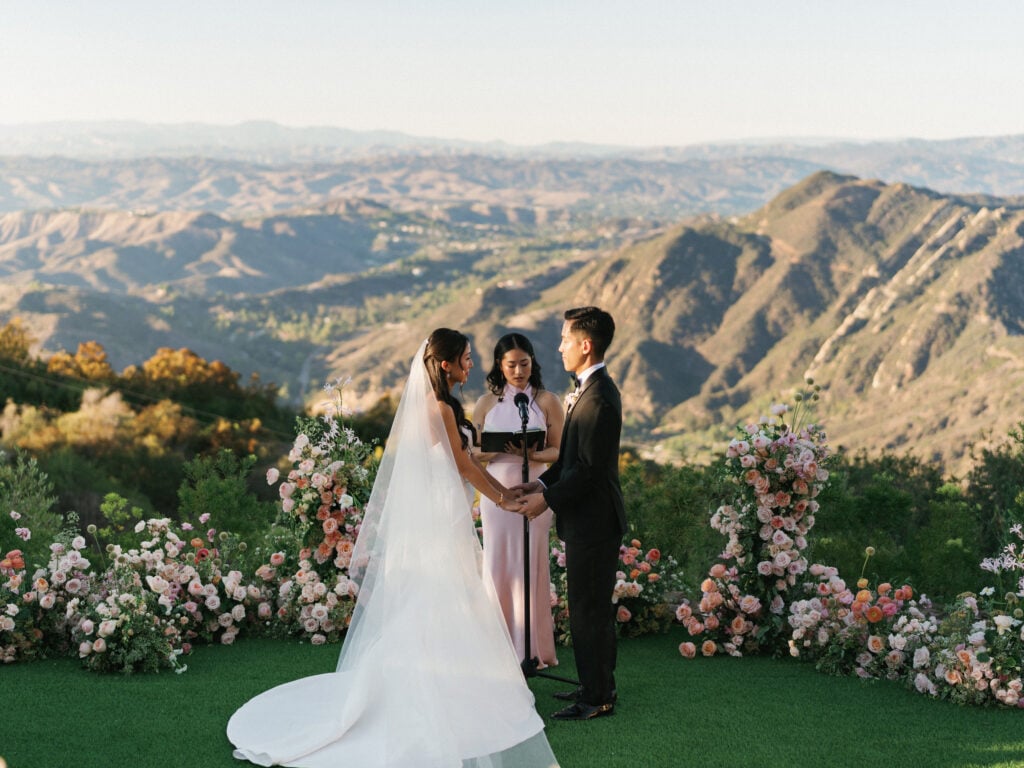
A multi-day schedule also changes how the creative team plans each day. An evening welcome party followed by an early ceremony leaves much less recovery time than a traditional one-day celebration, so realistic call times and breaks become part of the planning process.
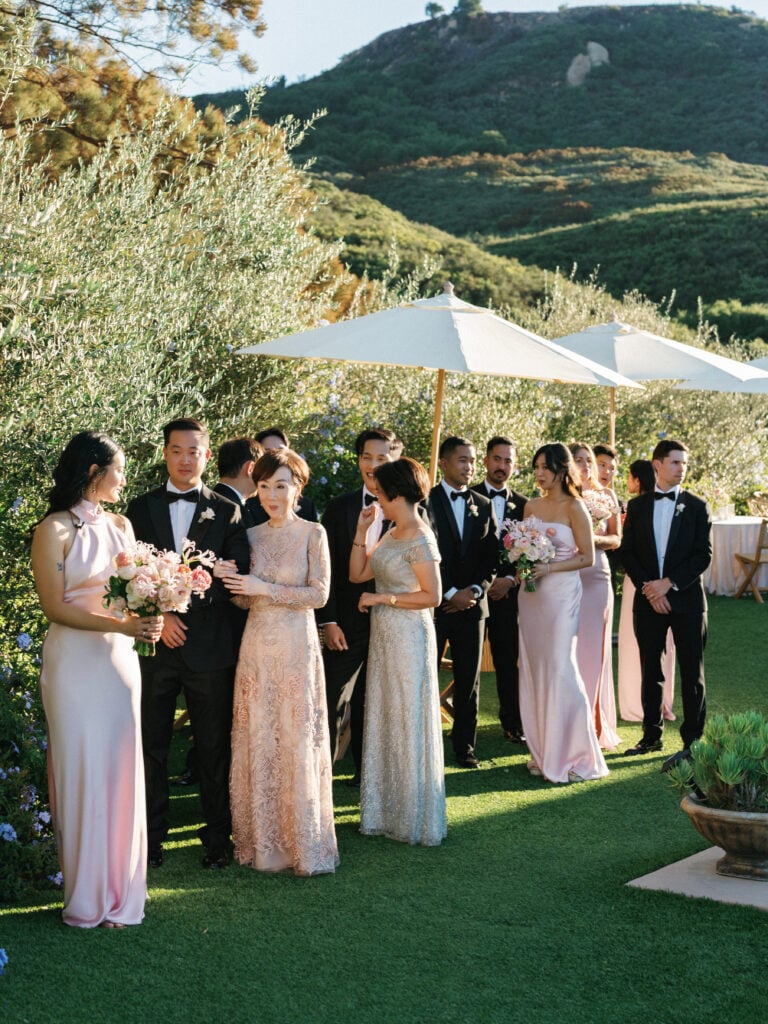
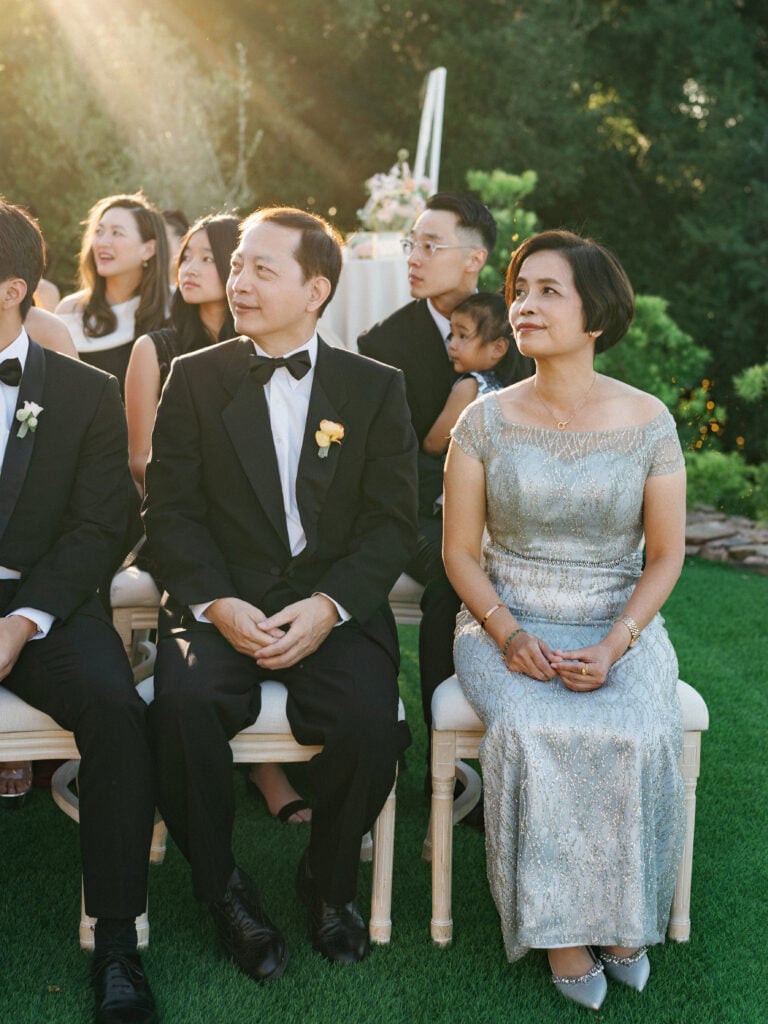
The size of the photography and film team also influences coverage. A single photographer documenting every event across several days works differently from a larger team able to divide responsibilities between multiple people. Discussing this before booking helps establish realistic expectations for each part of the wedding weekend.

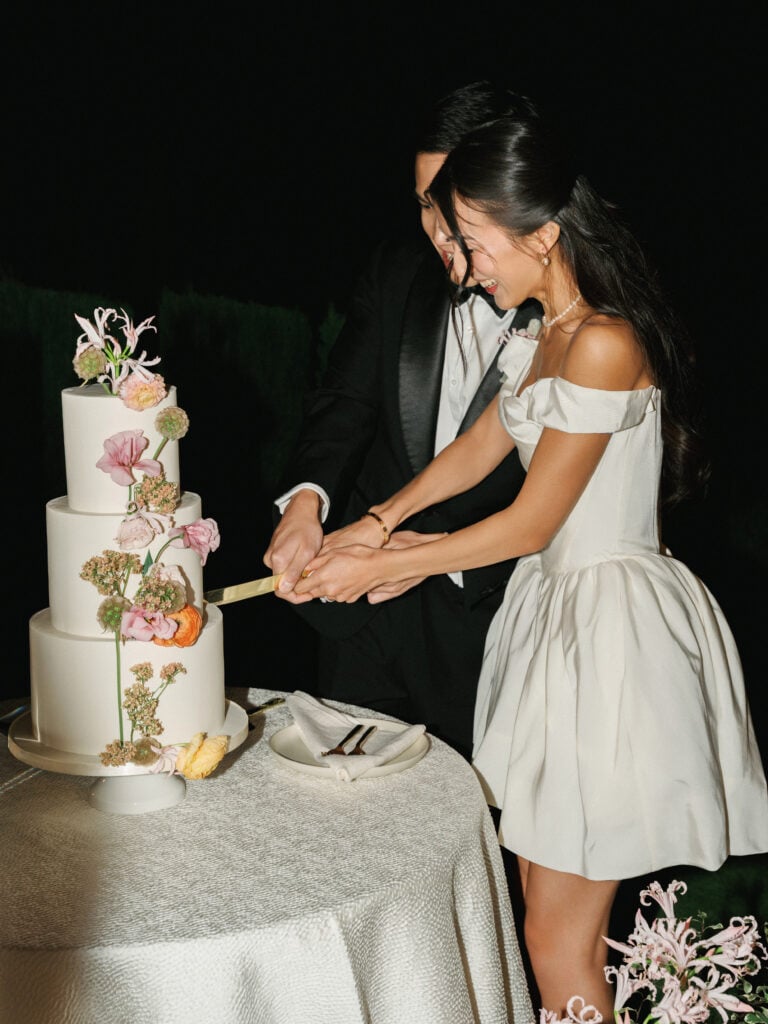
CHECKLIST
What to Confirm Before Contracts and Booking
Before finalizing destination wedding coverage, couples should clarify how travel logistics are handled alongside the creative services.
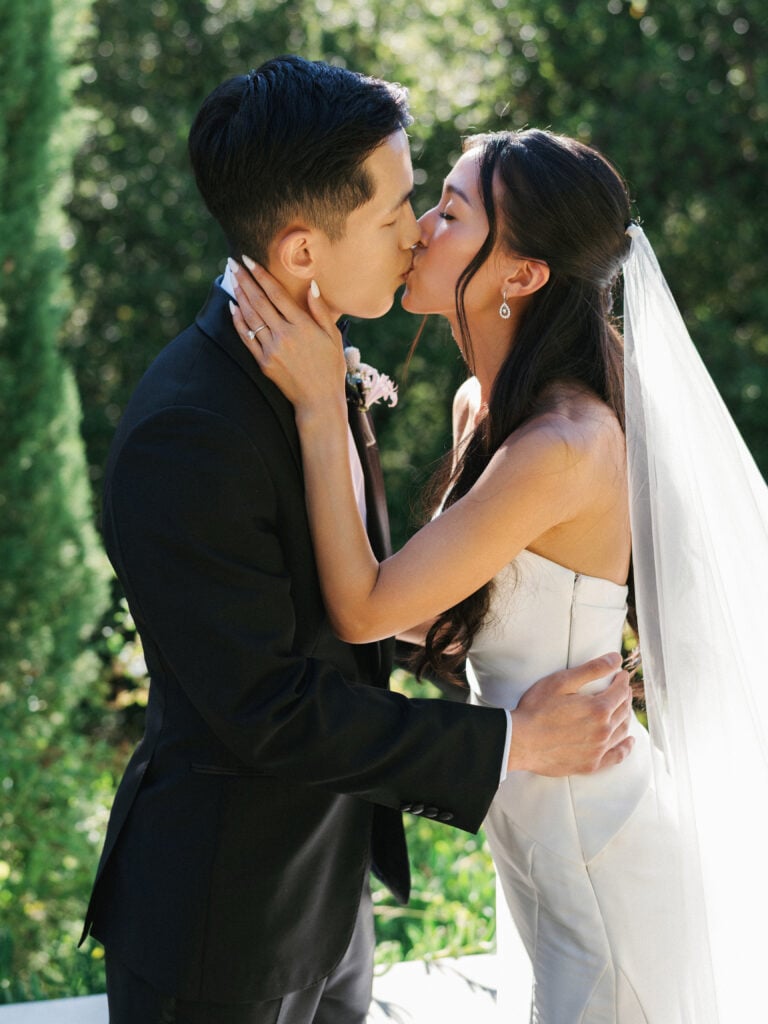
Important details include:
- How travel fees are structured.
Some studios provide a flat travel fee that includes expected costs, while others calculate flights, accommodation, and transportation separately after arrangements are made. Travel fees for wedding photographers and videographers can vary depending on destination, season, and distance.
- Who books flights and accommodation.
Some couples prefer handling travel reservations themselves, while others prefer the photography and film team to arrange travel as part of the agreement. Confirming this in advance keeps responsibilities clear.
- Whether arrival buffers are included.
A buffer day before the first event may affect the overall travel cost, so it should be discussed before flights are booked.
- How travel disruptions are handled.
Contracts should address potential issues such as delayed or cancelled flights, missed connections, or situations where travel problems affect arrival timing.
- Equipment insurance and responsibility during transit.
Professional equipment is a significant part of photography and film coverage, so couples and teams should understand how international travel risks are handled.
- Visa and documentation requirements.
Some destinations have specific requirements for international vendors, professional equipment, or temporary work activities. Confirming these details early prevents avoidable complications closer to the wedding date.
Clear communication before booking creates a stronger foundation for the entire weekend. When travel responsibilities are understood from the beginning, the couple can focus on the celebration while the creative team arrives prepared.
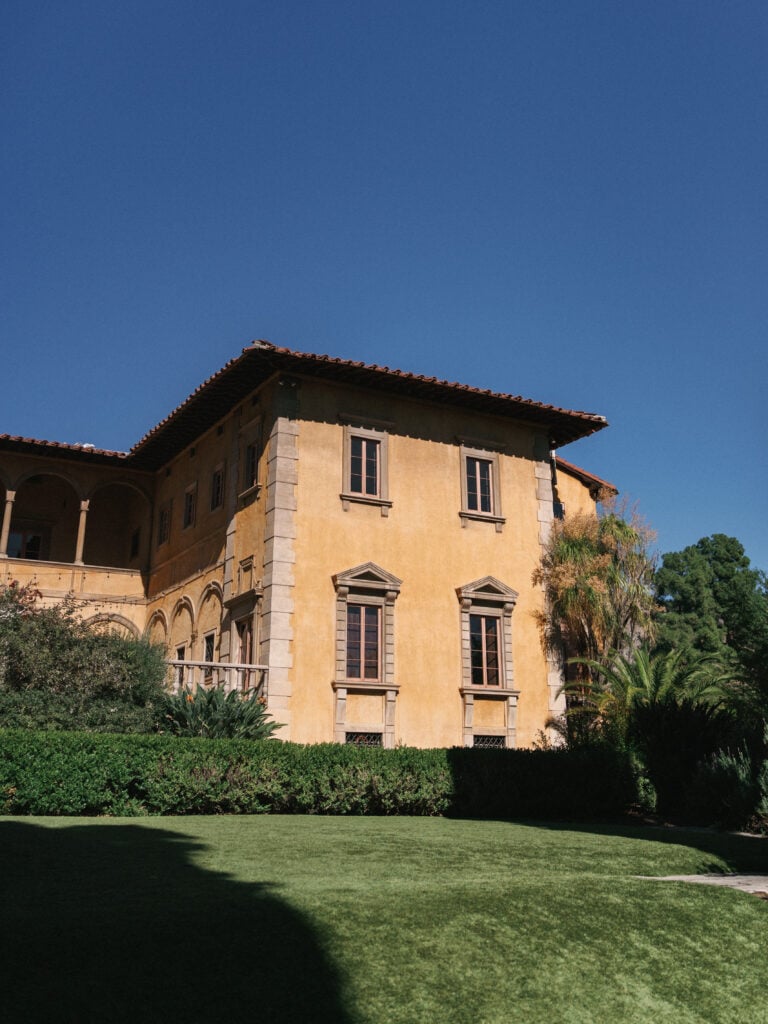
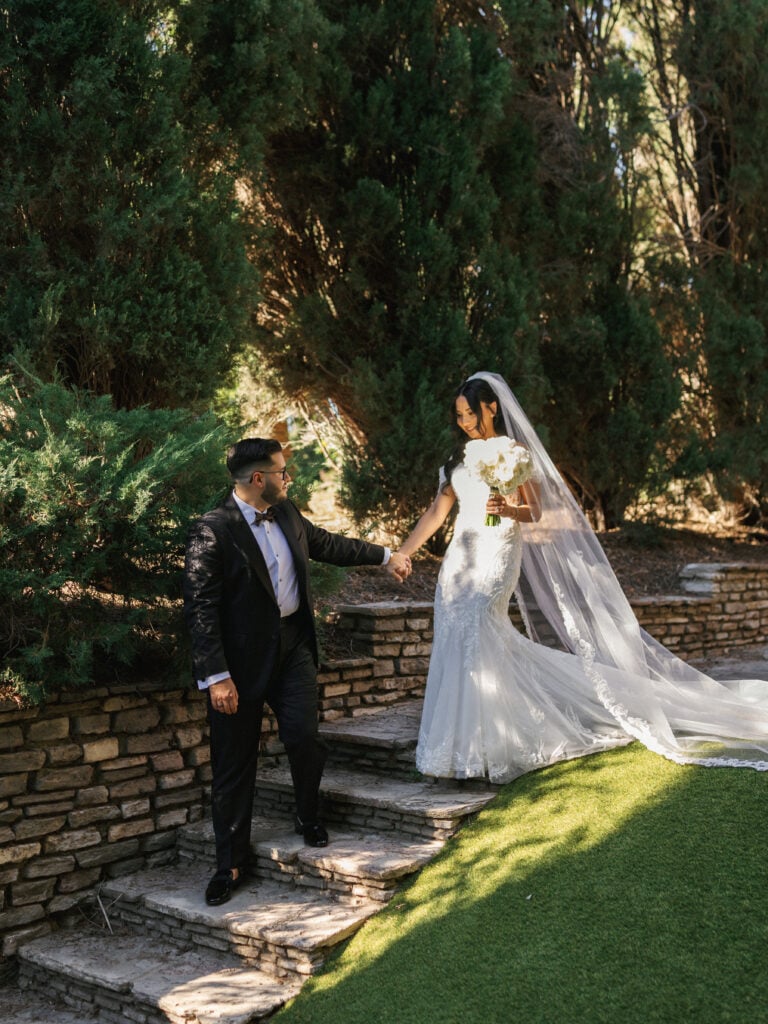
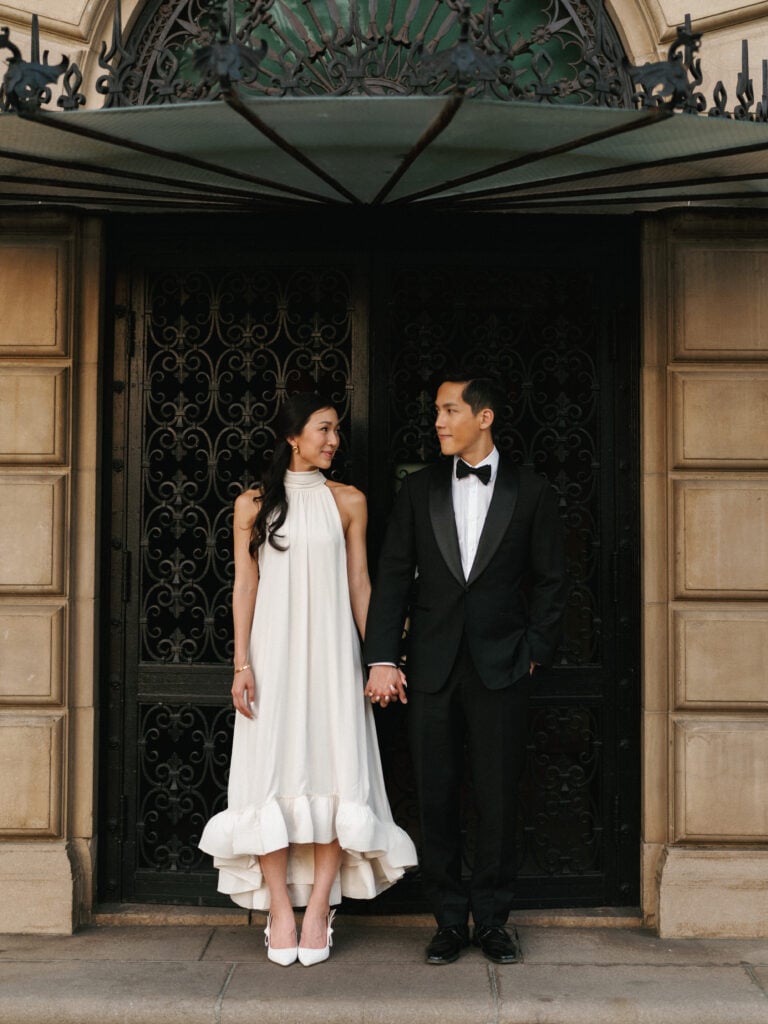
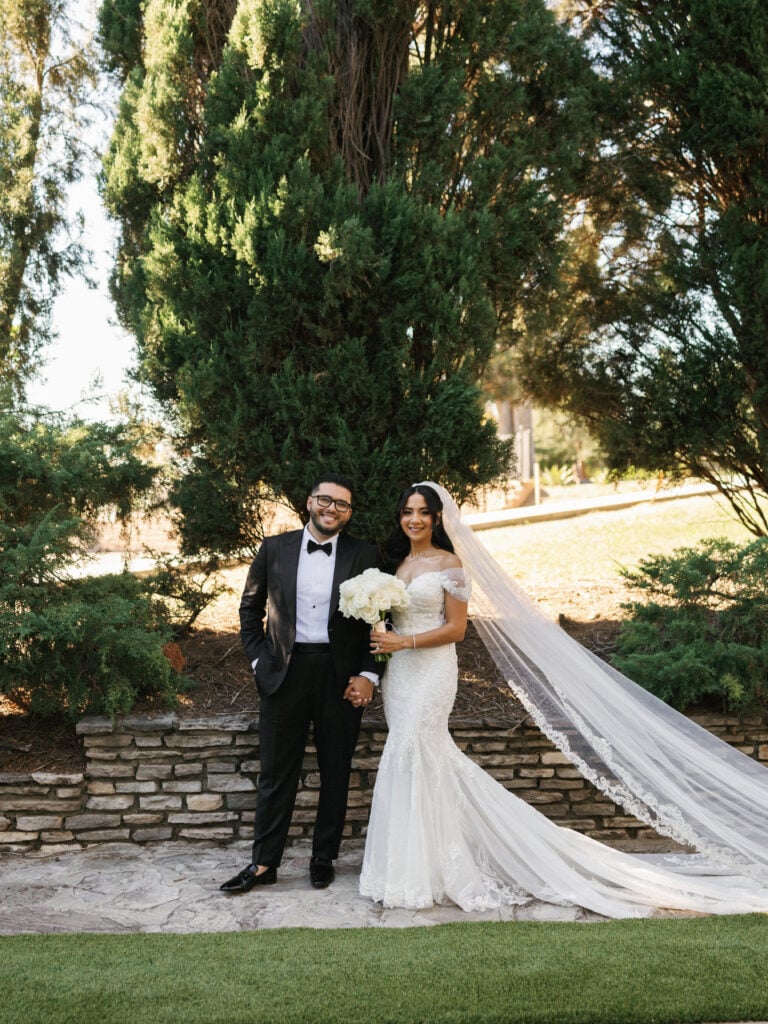
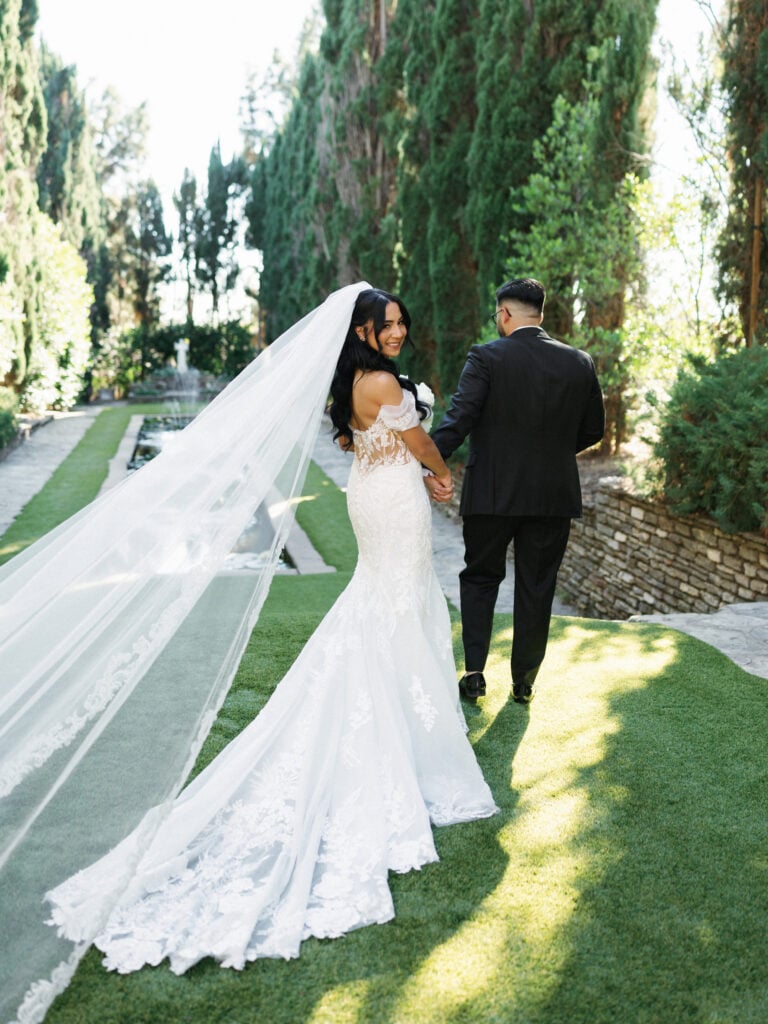
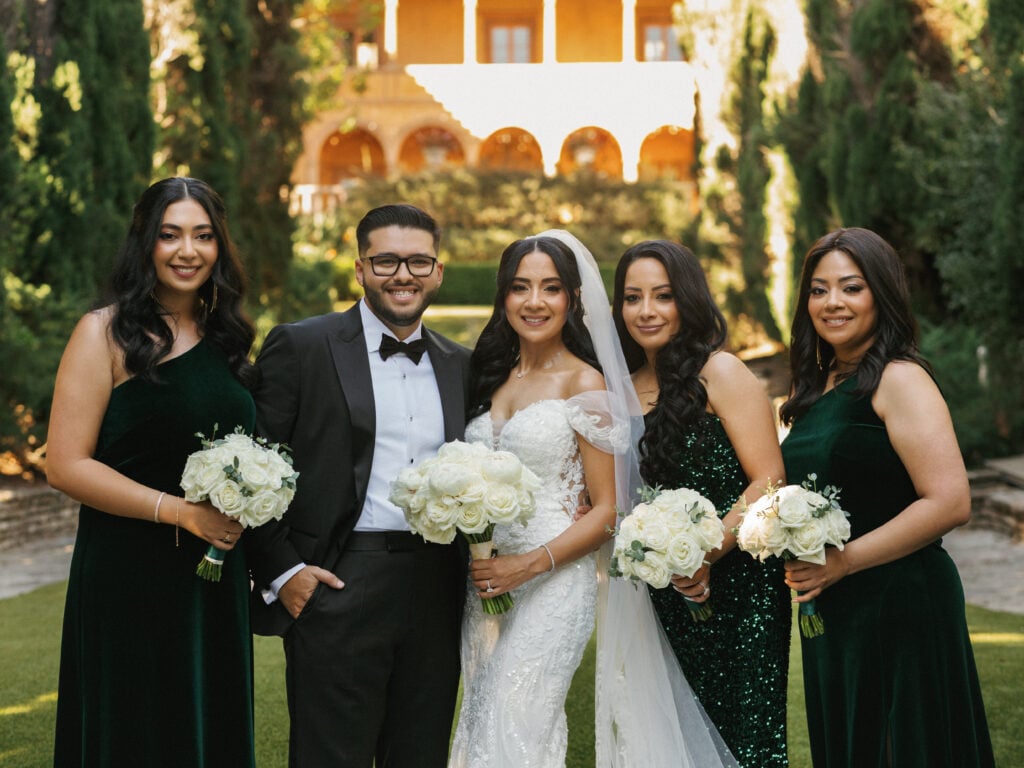
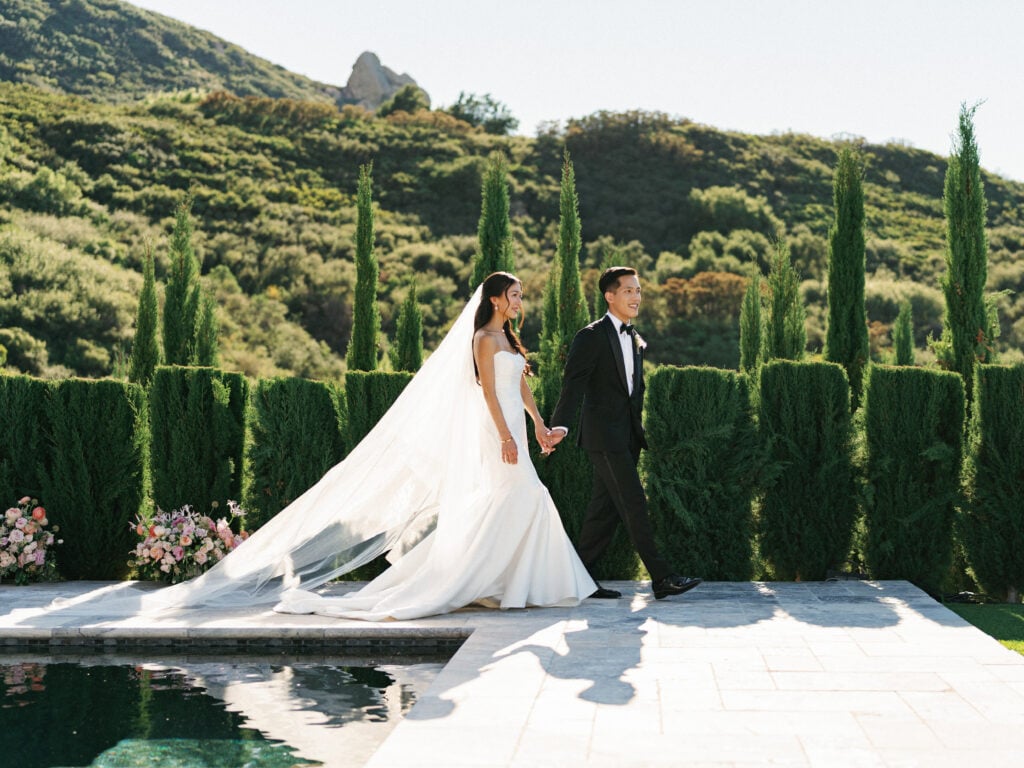
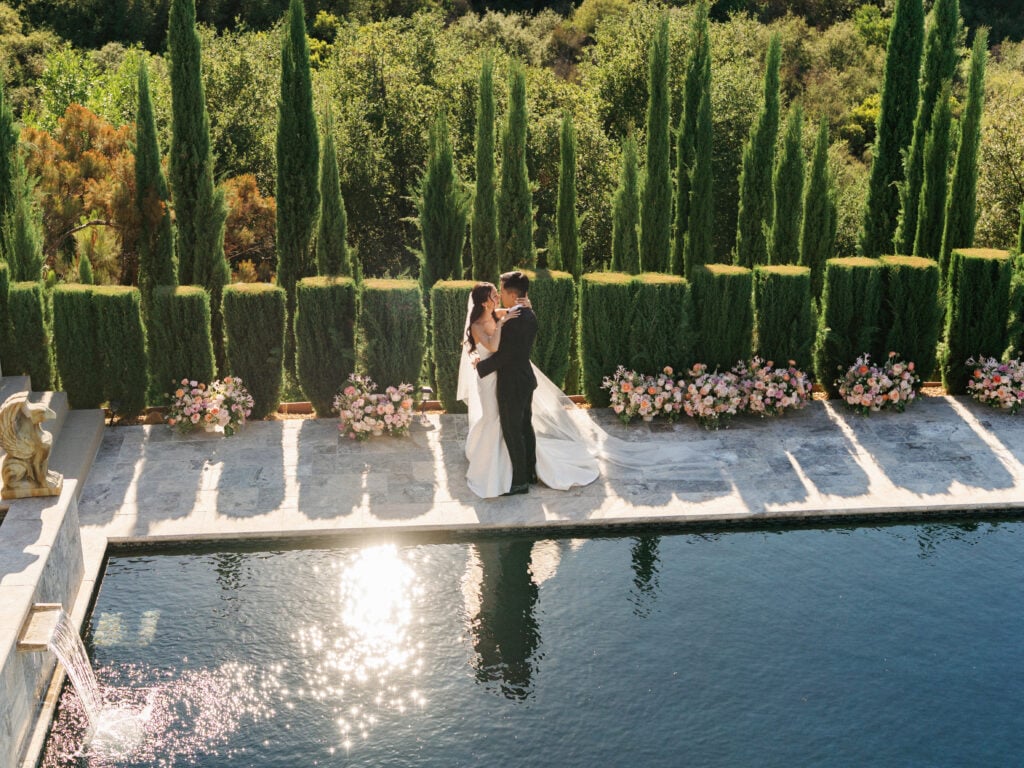
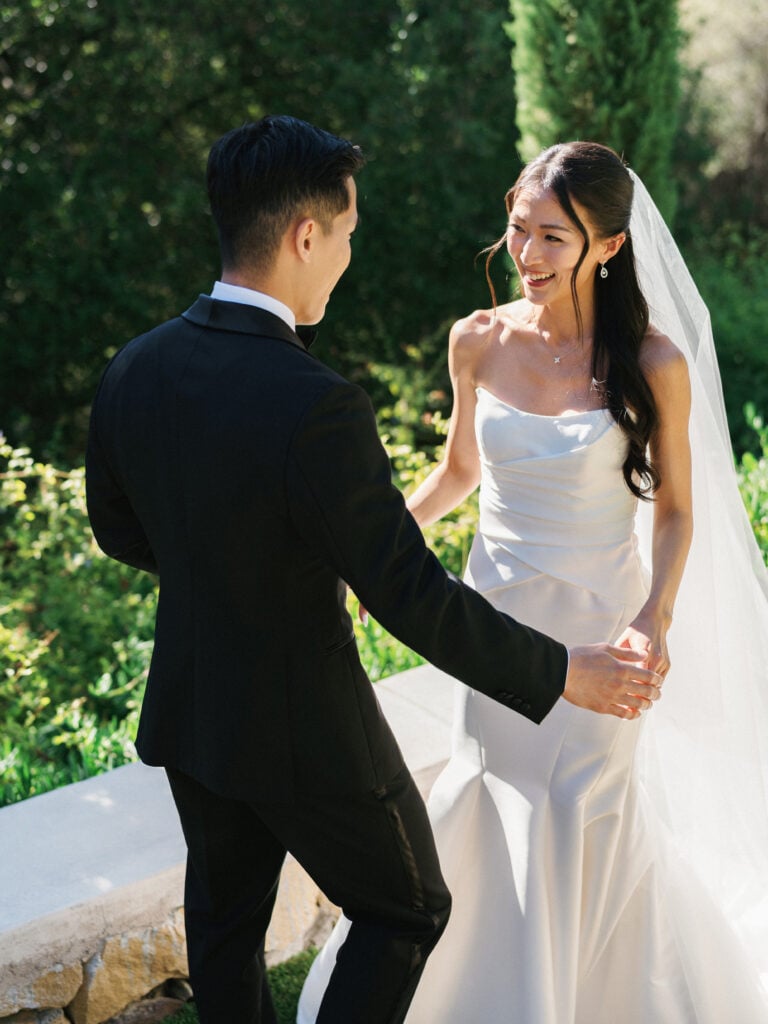
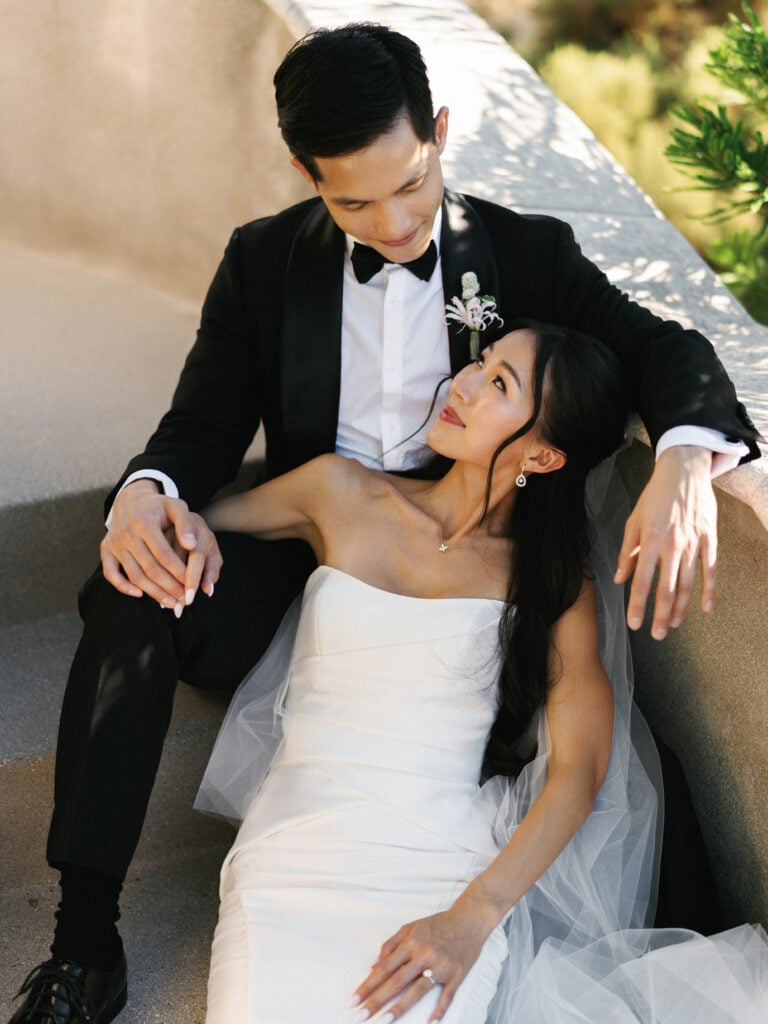
Republic Venue, Sherman Oaks. Villa del Sol d’Oro, Pasadena, CA.
Frequently asked questions
How far in advance should a destination wedding team book travel?
Flights and accommodation are usually arranged once the wedding date and venue are confirmed. Popular destinations often have limited availability during peak wedding seasons, so booking several months in advance provides more flexibility for selecting convenient routes, nearby lodging, and an appropriate arrival buffer.
Do destination wedding photographers charge extra for travel?
In most cases, yes. Travel costs are typically separate from the creative fee and may include flights, accommodation, transportation, and destination-related expenses.
Some studios offer a fixed travel fee, while others calculate actual costs after flights and lodging are selected. Understanding the structure before booking helps couples plan the overall budget more accurately.
What happens if a photographer’s flight is delayed?
Professional destination wedding contracts usually address travel disruptions before the event. Depending on the studio, this may include an arrival buffer, contingency planning, or backup team options.
Discussing this scenario before signing a contract provides clarity about how unexpected travel issues would be handled.
Is drone footage always possible at a destination wedding?
No. Drone regulations depend on the destination, venue, and local restrictions. Some locations require permits, while others limit or prohibit aerial filming.
Couples interested in drone footage should confirm availability with their videographer before booking to understand what is realistically possible at their chosen location.
Should couples book their photography and video team’s flights themselves?
Both approaches are common. Some couples prefer arranging flights and accommodation directly, while others include travel planning within the studio agreement.
The important step is confirming the process before reservations are made so both sides understand who is responsible for each part of the travel arrangement.


CONTACT ASTER FILMS
Let’s Plan Your Destination Wedding Coverage?
We would be happy to review your destination plans, discuss your photography and film needs, and help you understand the coverage considerations before your wedding weekend begins.