How Light Shapes Wedding Photography
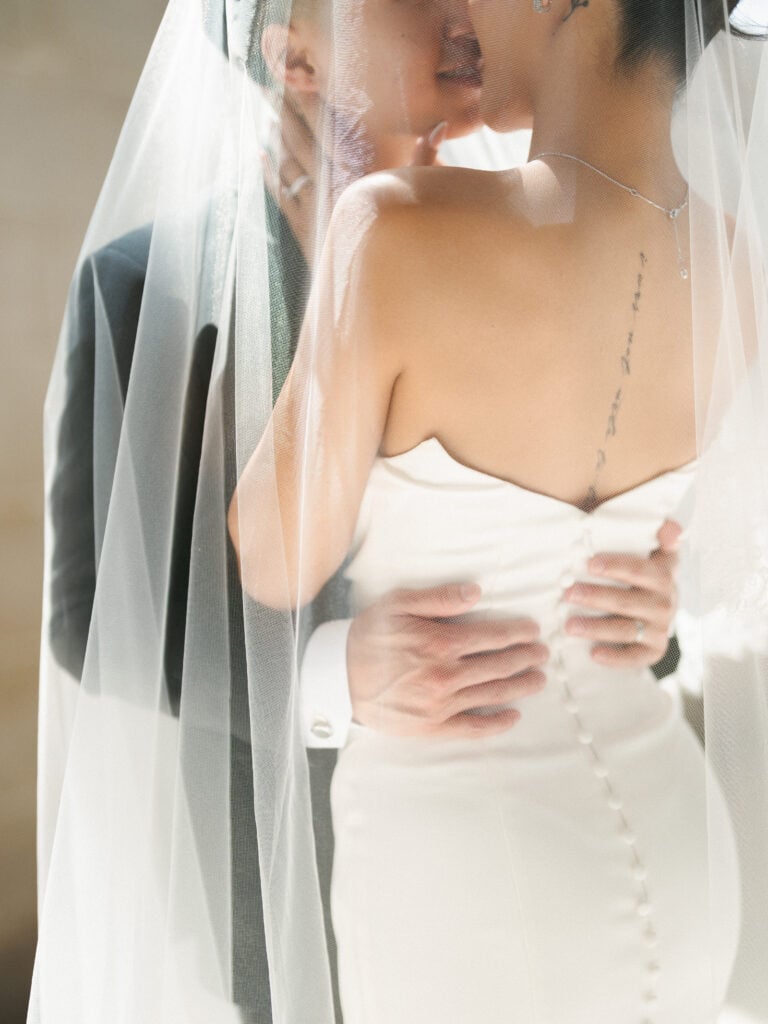
Light shapes a wedding gallery from the first getting-ready photographs to the final moments of the reception. Before choosing a venue, couples should look beyond the decor and evaluate how the space handles natural light, movement, portraits, and the timeline of the celebration.
A venue can have beautiful architecture, impressive styling, and carefully planned details, but the way those elements appear in photographs depends on the quality of light throughout the space.
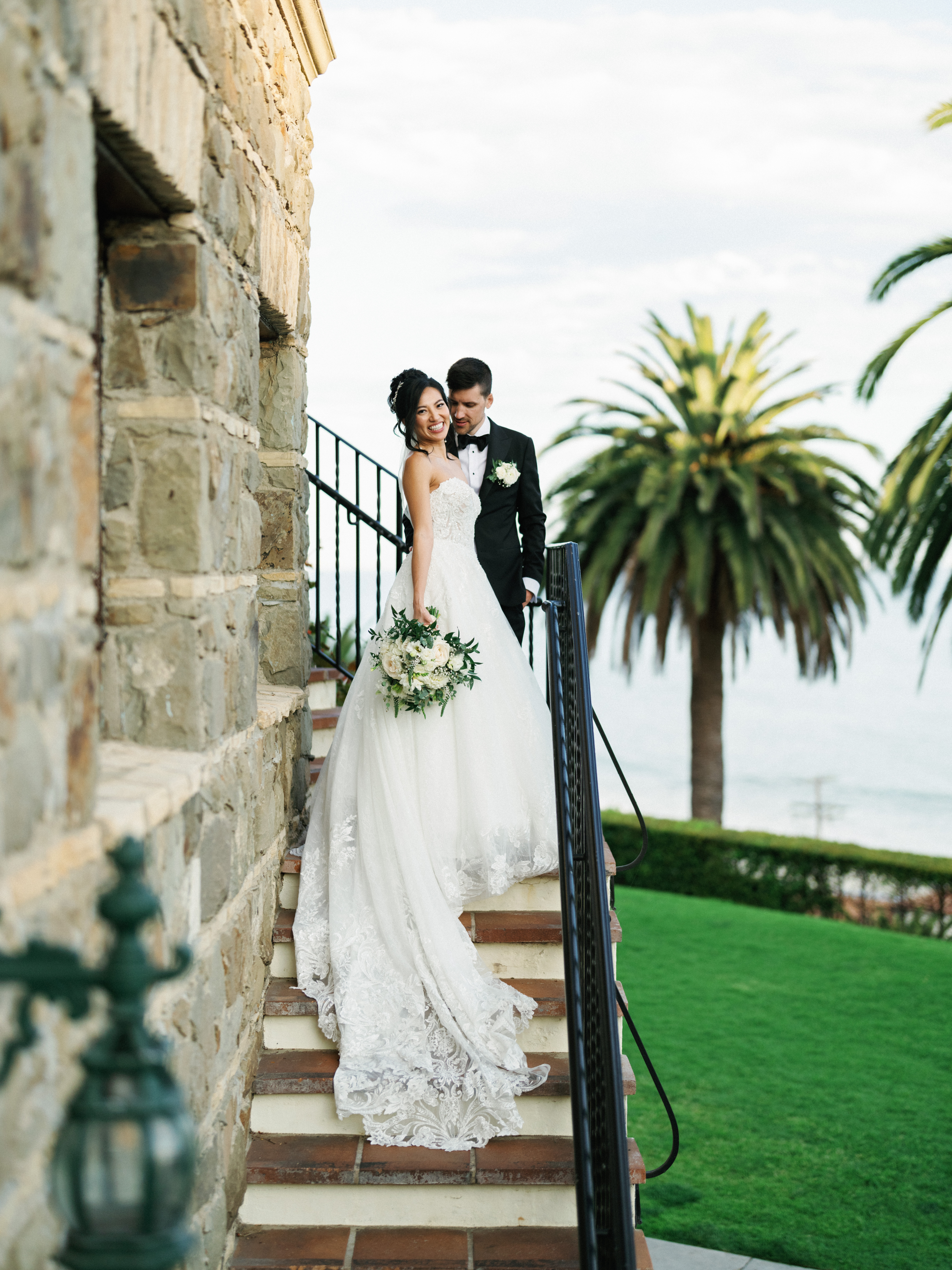
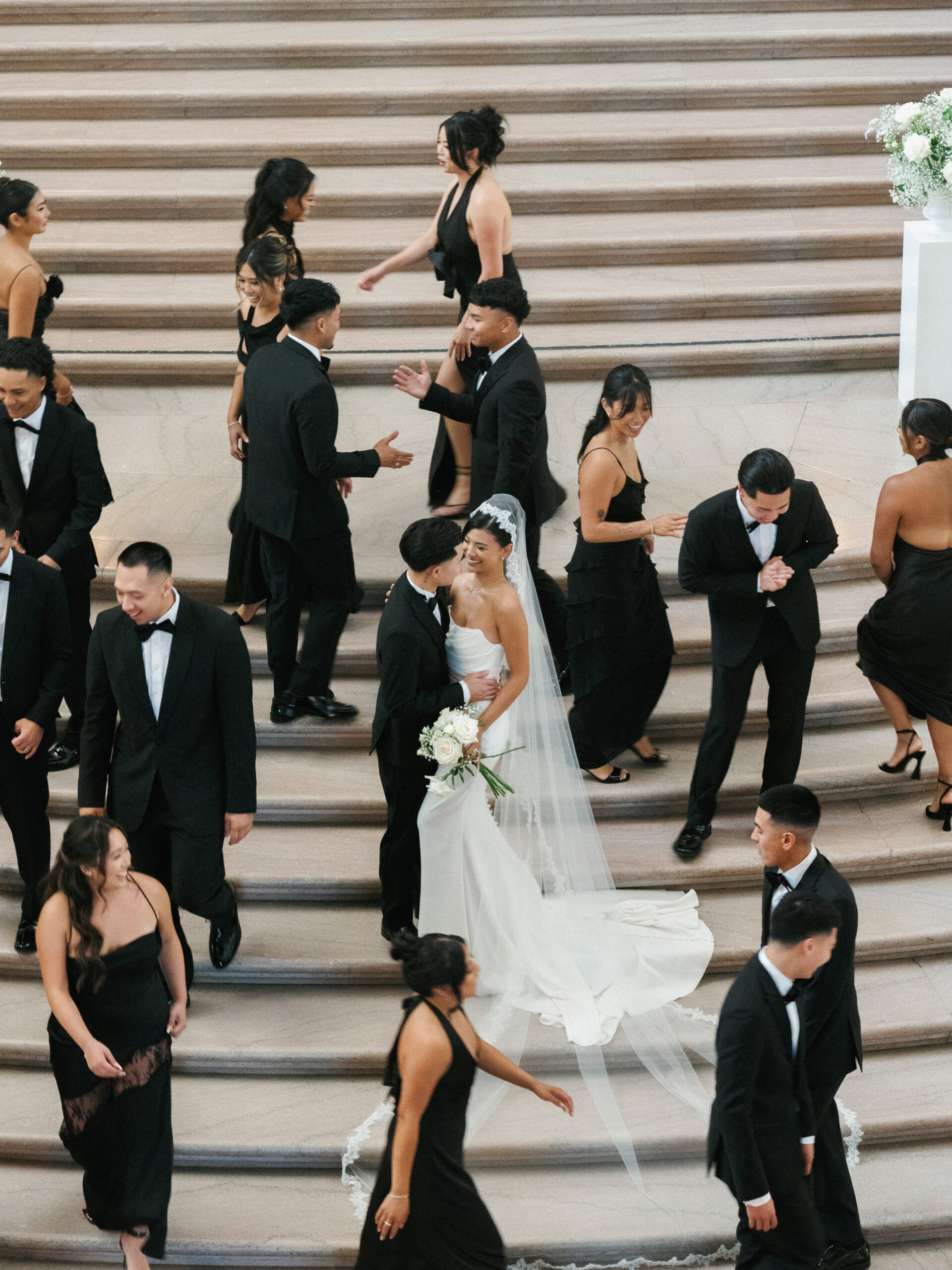
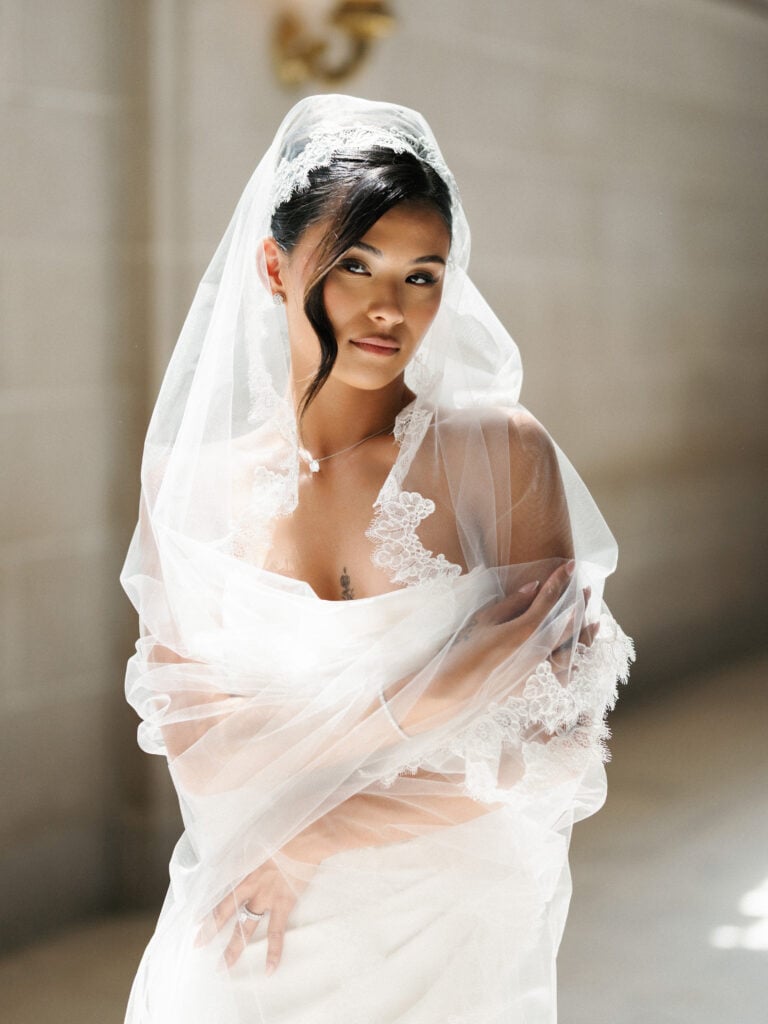
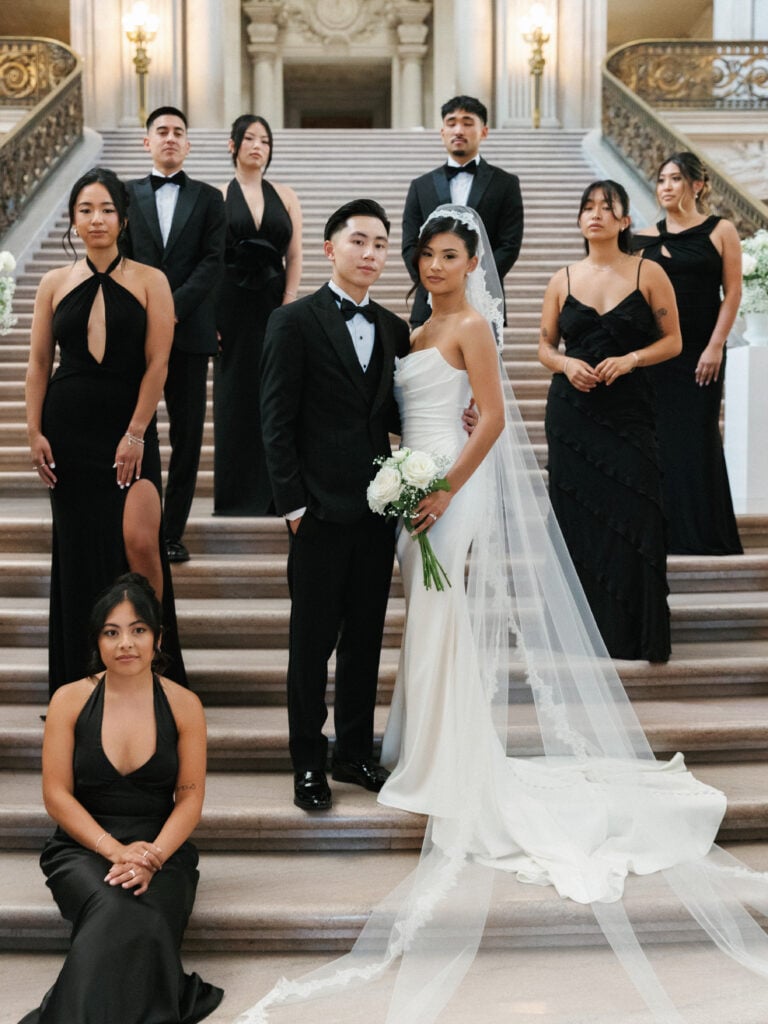
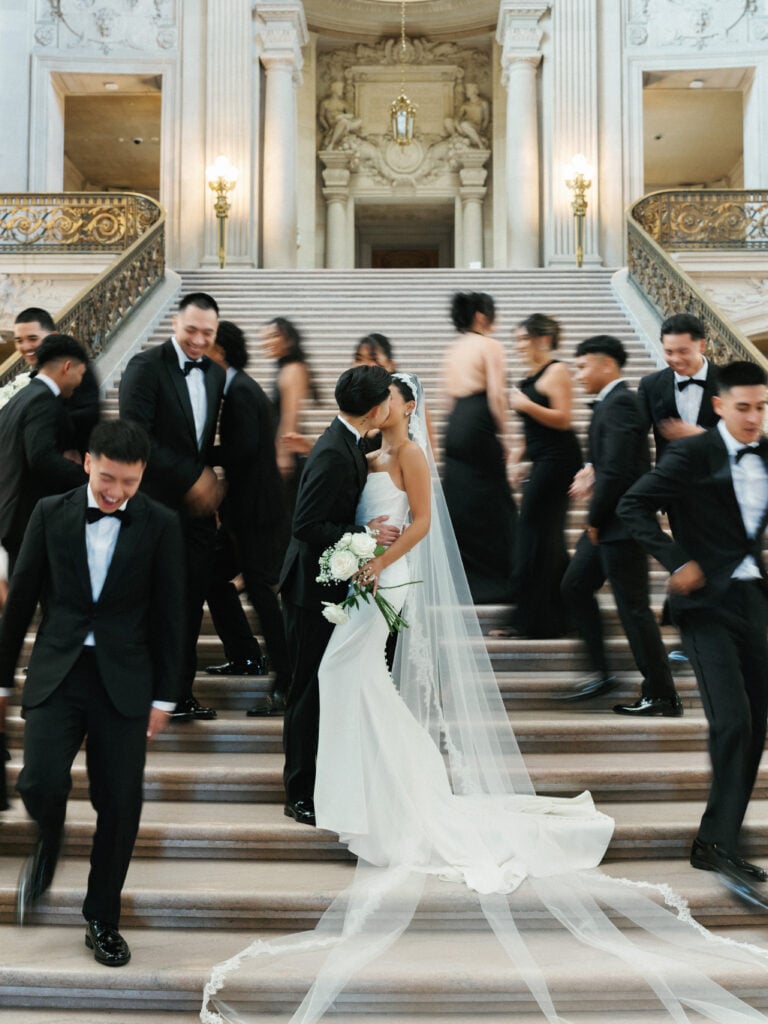
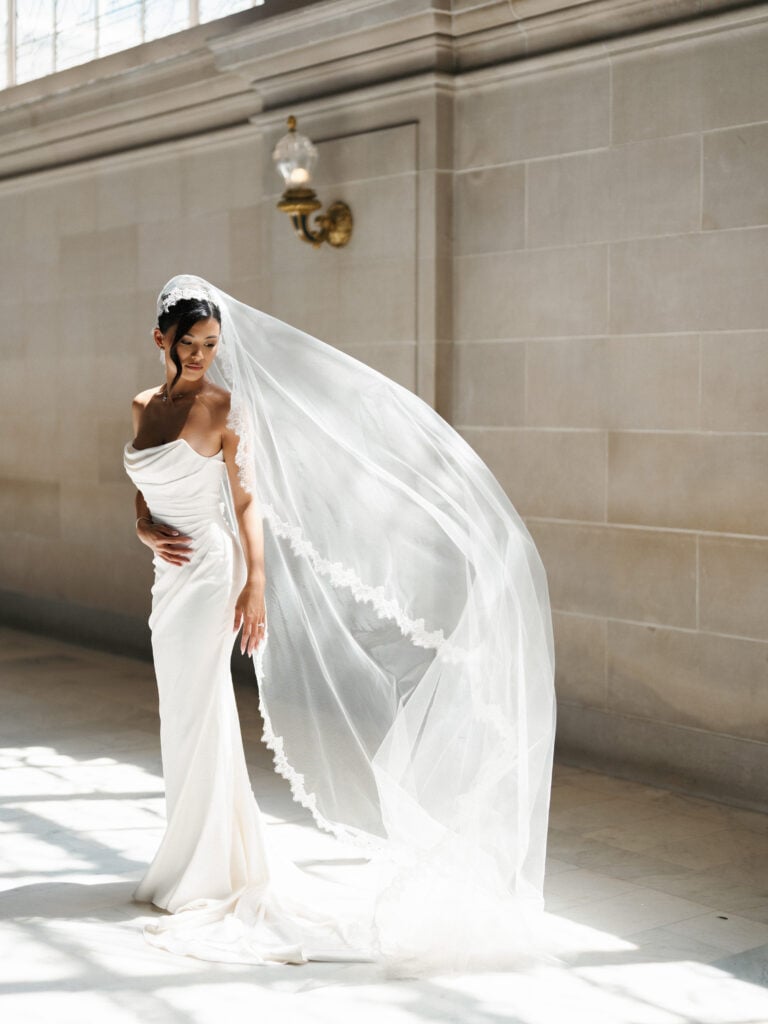
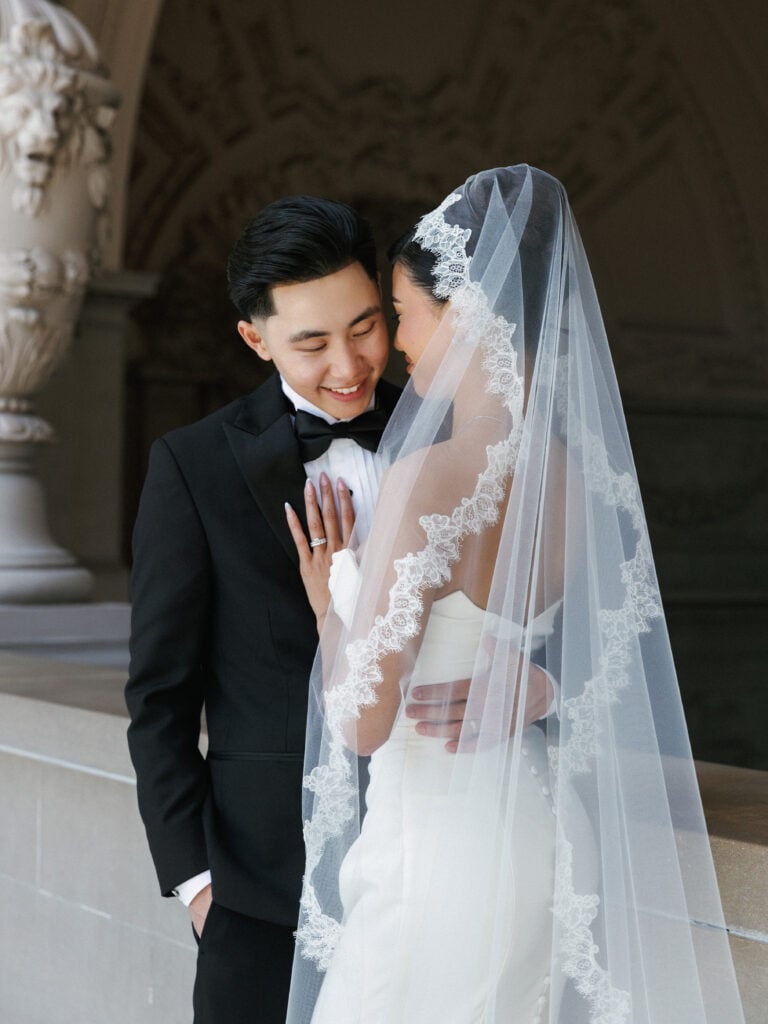
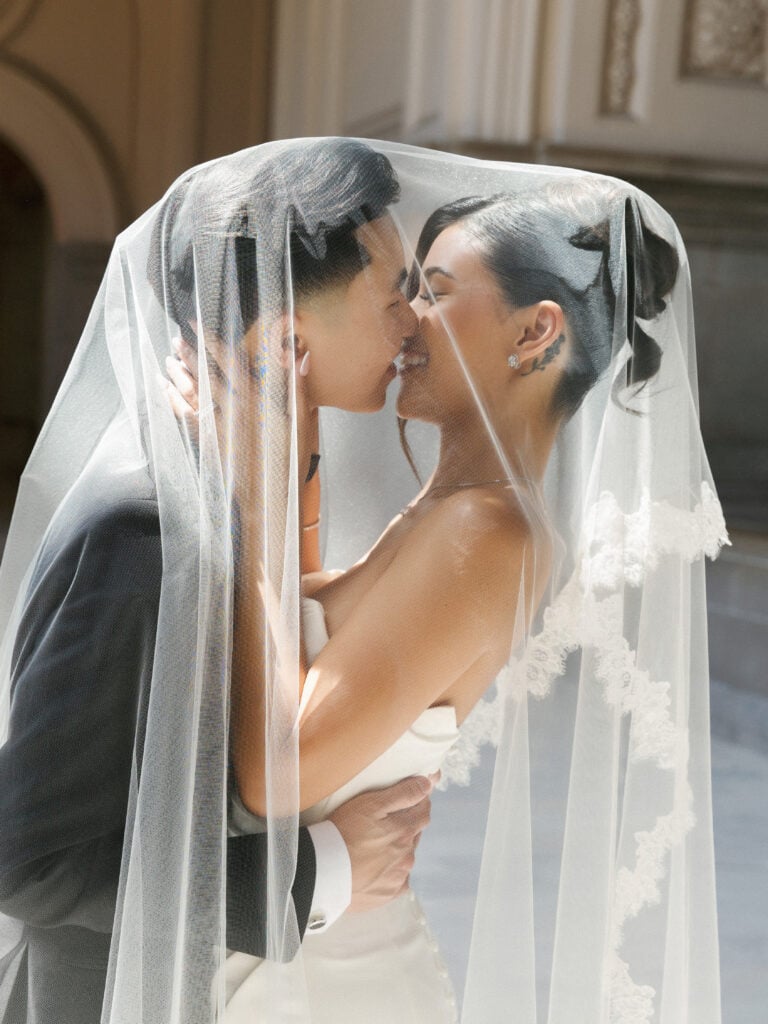
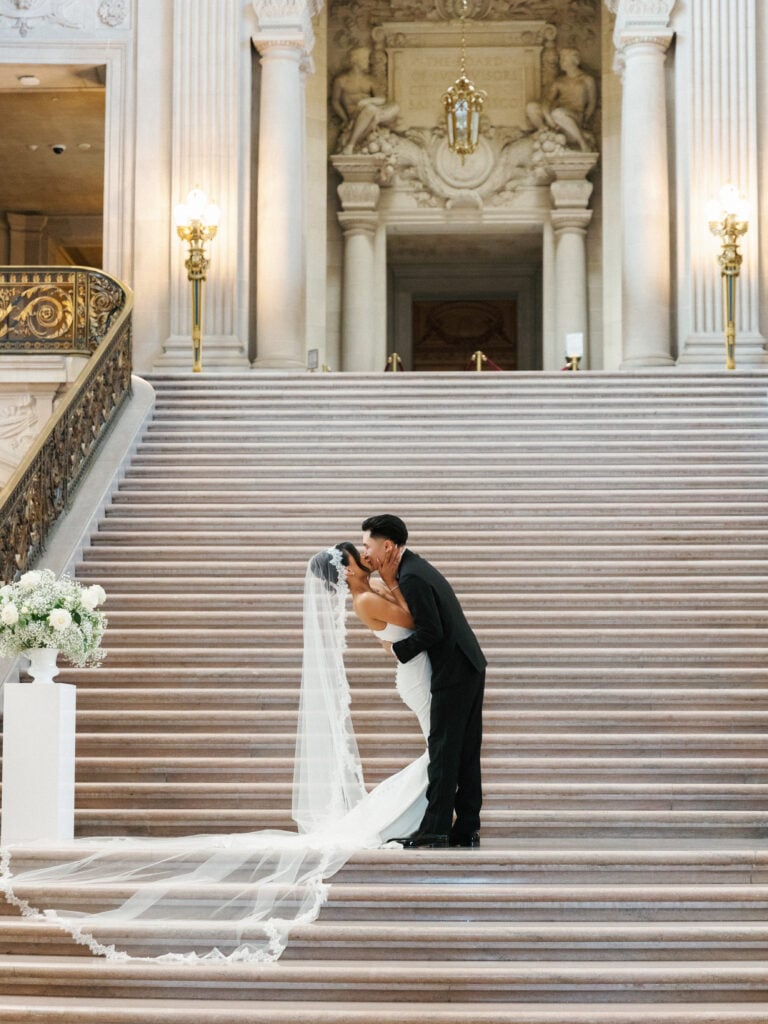
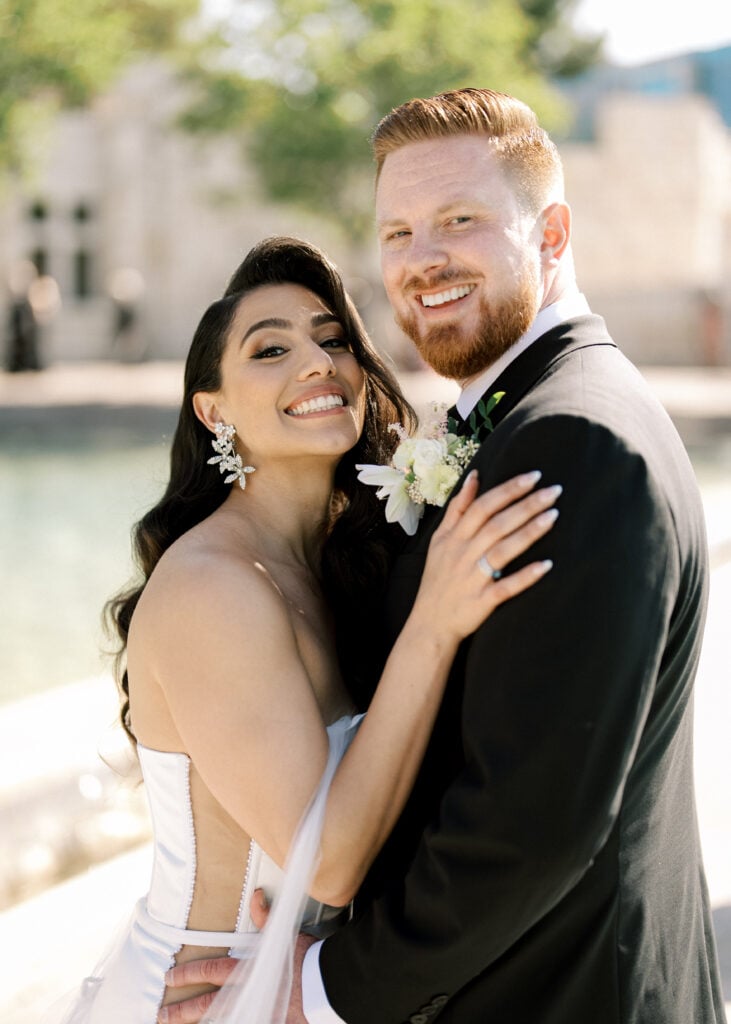
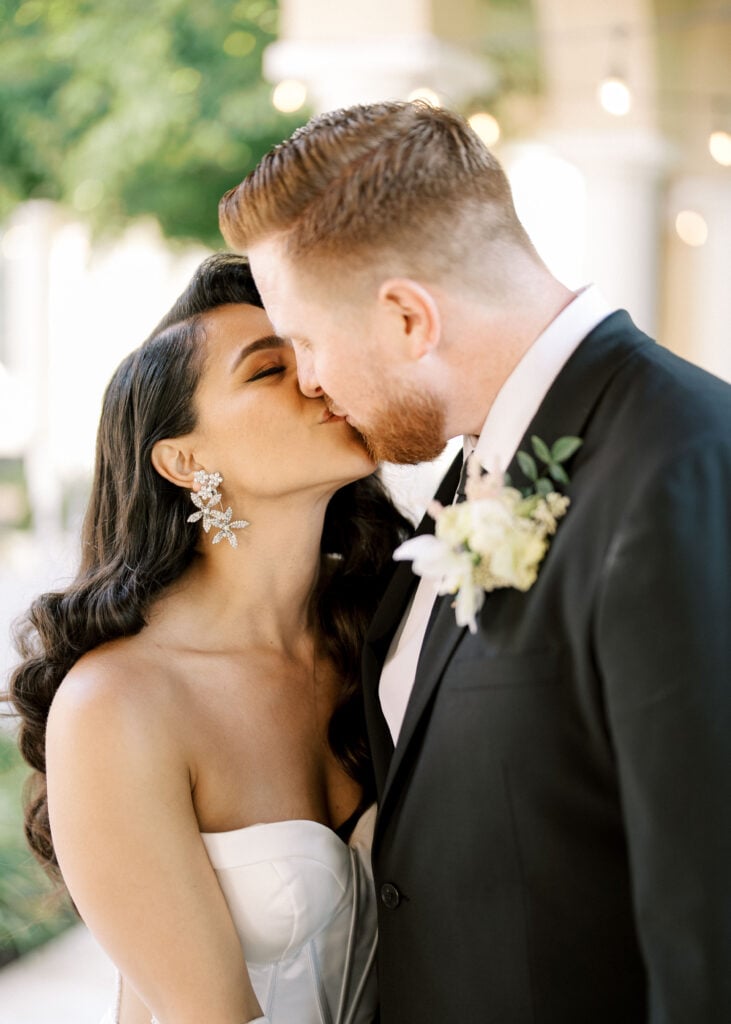
San Francisco City Hall. Hyatt Regency, Burlingame.
Why Light Matters More Than Decor in Photos
Decor creates the atmosphere of a wedding, but light determines how that atmosphere translates into images. A room filled with flowers and elegant details can lose impact if the space has harsh overhead lighting, limited windows, or deep shadows. When light works well with the design of a venue, it allows textures, colors, and carefully chosen details to appear naturally in photographs and preserves the feeling of the space as couples experienced it.
- How Venue Design Shapes Light
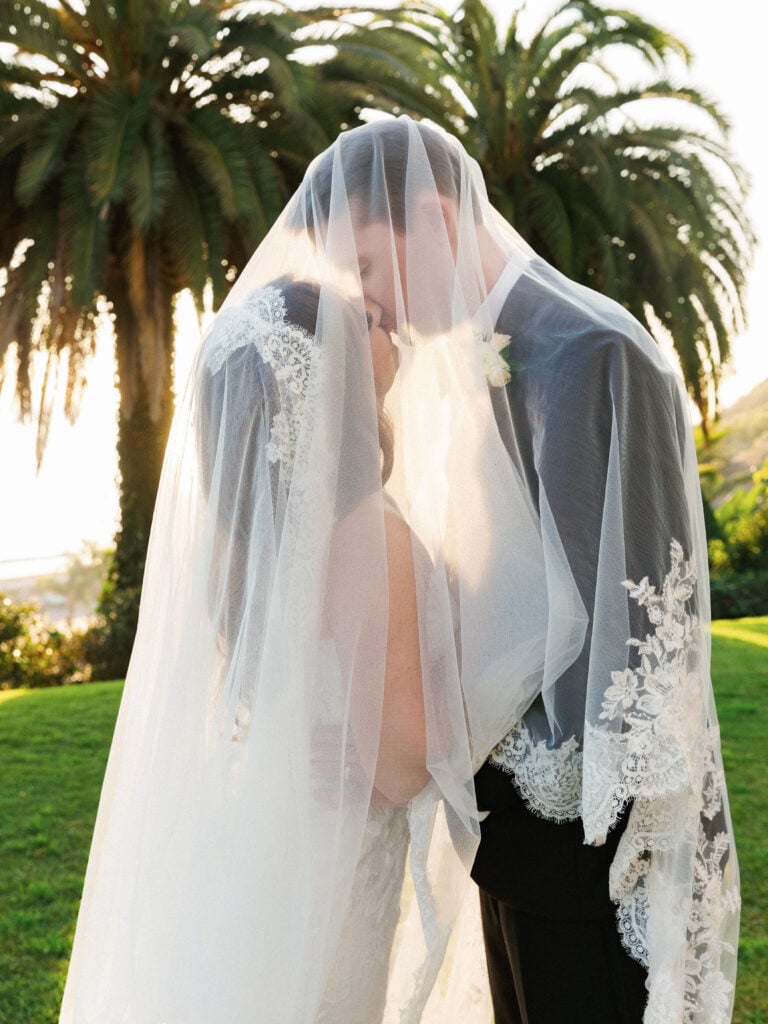
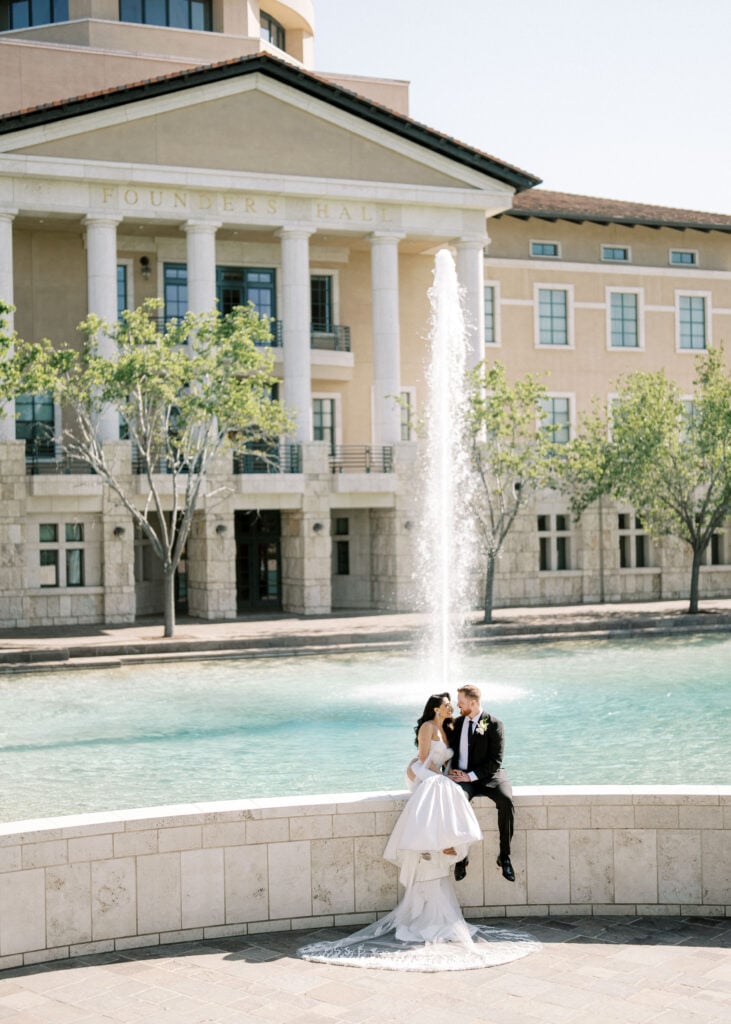
Window placement, ceiling height, and wall color all shape the way light behaves inside a venue. Spaces with generous windows, open proportions, and lighter surfaces tend to reflect and distribute daylight more evenly, while darker finishes and lower ceilings can absorb light and make a room appear dimmer in photographs than it feels in person.
The direction of the windows also matters. North-facing windows often provide soft, consistent light throughout the day because they receive indirect sunlight. South-facing rooms can bring stronger direct light, especially around midday, which may create sharper shadows unless the space has curtains, shade, or nearby areas where portraits can be taken comfortably.
- Why Natural Light Changes the Final Gallery
A well-lit venue often requires less correction during editing because skin tones, colors, and details are already closer to how they appeared in person. A darker space can still produce beautiful images, but it may require more careful lighting choices and a photography approach designed around available light.
- How Different Venue Types Photograph
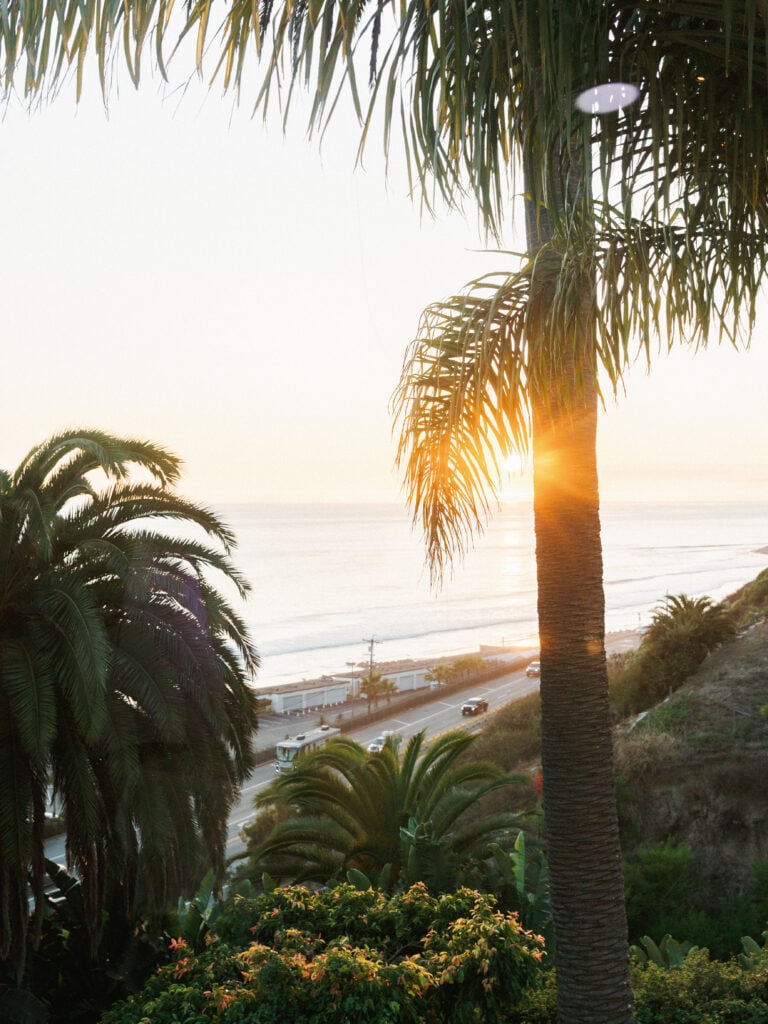
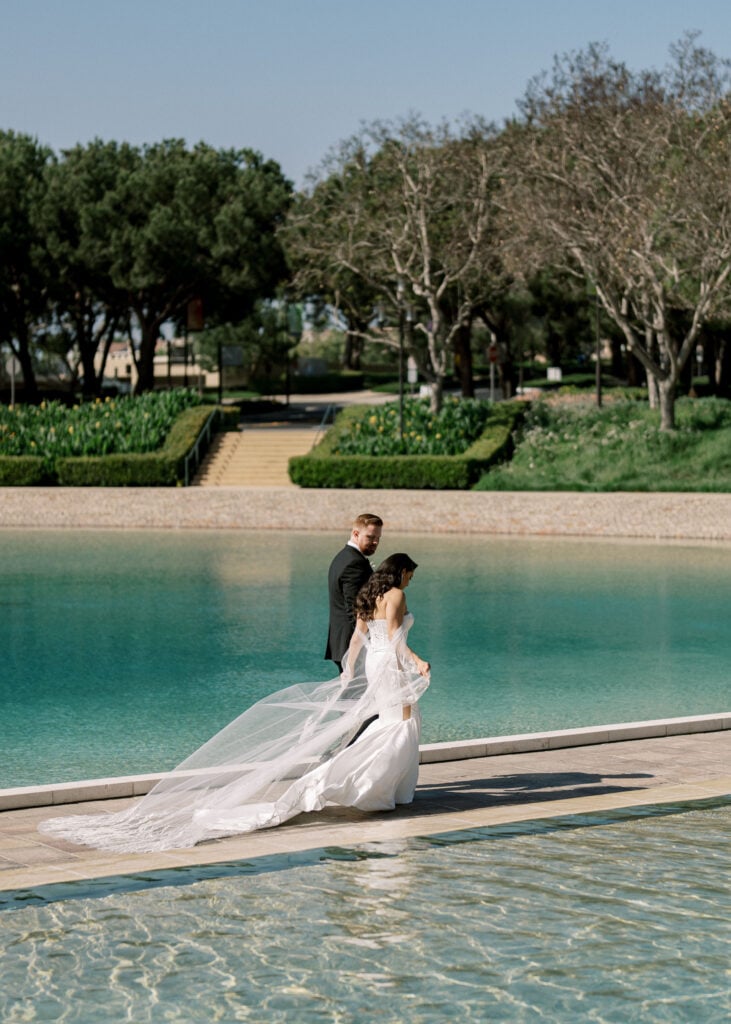
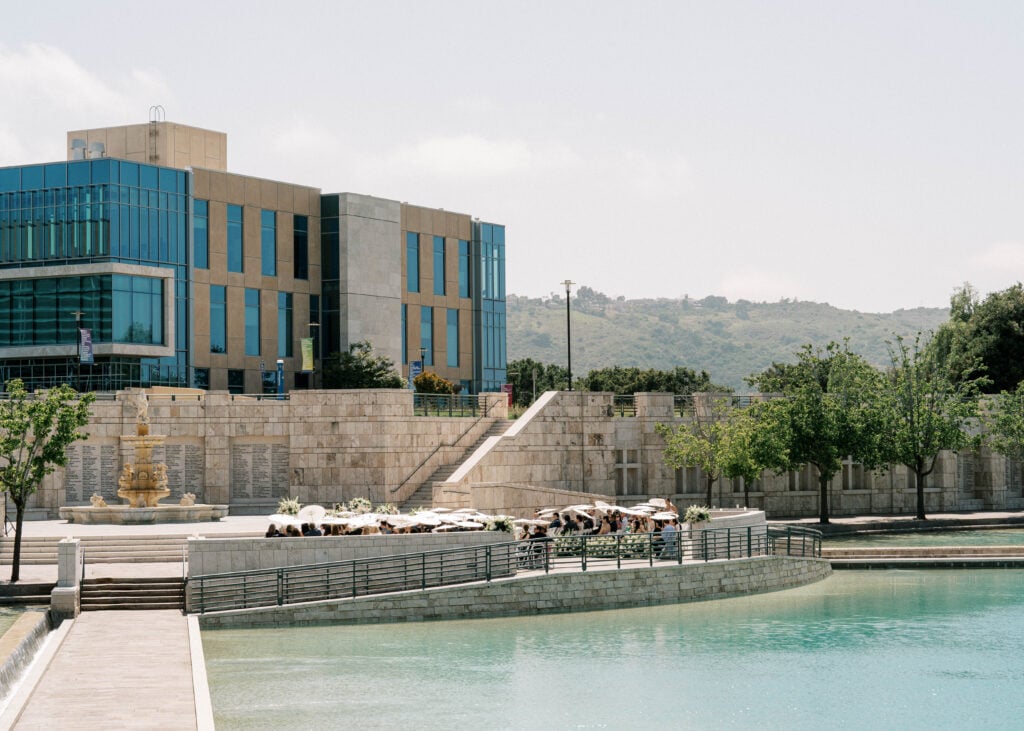
Different venue types have different lighting characteristics. Restored barns often offer beautiful textures and architectural details but may need additional lighting support indoors. Historic ballrooms can create a romantic atmosphere with chandeliers and warm fixtures, but darker interiors may affect how clearly details appear in photos. Garden and estate venues often provide more flexibility because outdoor spaces offer changing backgrounds and open natural light throughout the day
The best wedding venues for photos combine visual appeal with light that works across the moments couples want preserved, from getting ready and portraits to dinner and dancing
Expert Note
A practical way to evaluate a venue’s light is to visit at the same time of day your wedding will take place. A room that feels bright during a morning tour can look completely different during an evening reception when natural light disappears and artificial lighting becomes the main source.
Aster Films planning note
Ceremony, Cocktail Hour, Reception, and Getting-Ready Light
Ceremony Light
Outdoor ceremonies scheduled in the middle of the day often create stronger shadows because the sun is directly overhead. Late afternoon ceremonies usually offer softer light and more comfortable conditions for portraits immediately afterward. Indoor ceremony spaces should also be evaluated carefully, especially when they include stained glass, colored windows, or strong decorative lighting that can affect skin tones.
A ceremony location with consistent natural light gives a photographer more flexibility to capture both wide venue images and close emotional moments with minimal additional equipment.
Cocktail Hour Light
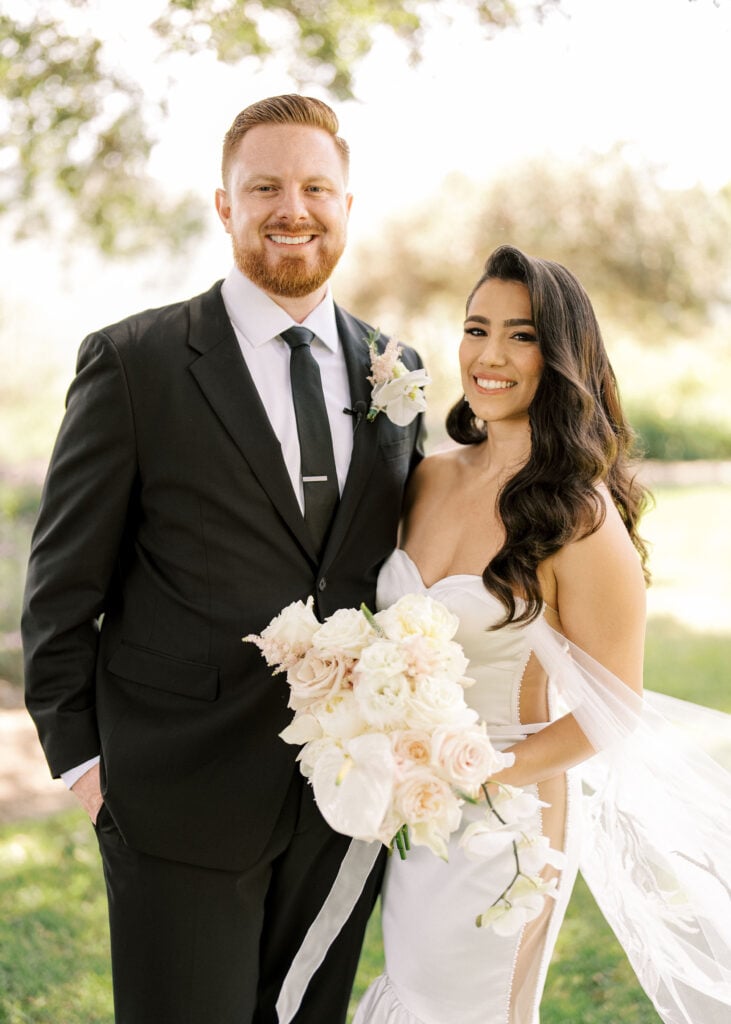
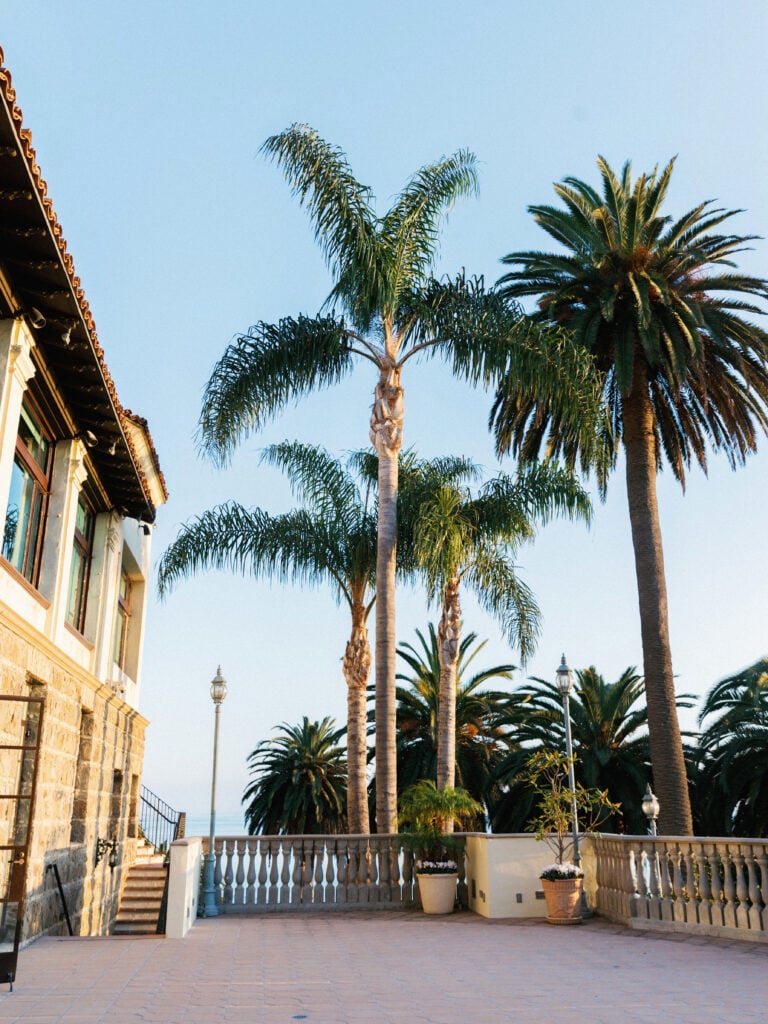
Cocktail hour often overlaps with couple portraits and candid guest coverage, making the location especially important. Open shade, covered terraces, and outdoor areas with filtered daylight usually create more flattering conditions than areas exposed to direct midday sun.
Indoor cocktail spaces benefit from windows, glass doors, or a connection to outdoor areas that allow natural light to continue into the gallery. A dark bar area may create a strong atmosphere in person, but it can limit the variety of candid images available during this part of the day.
Reception Light
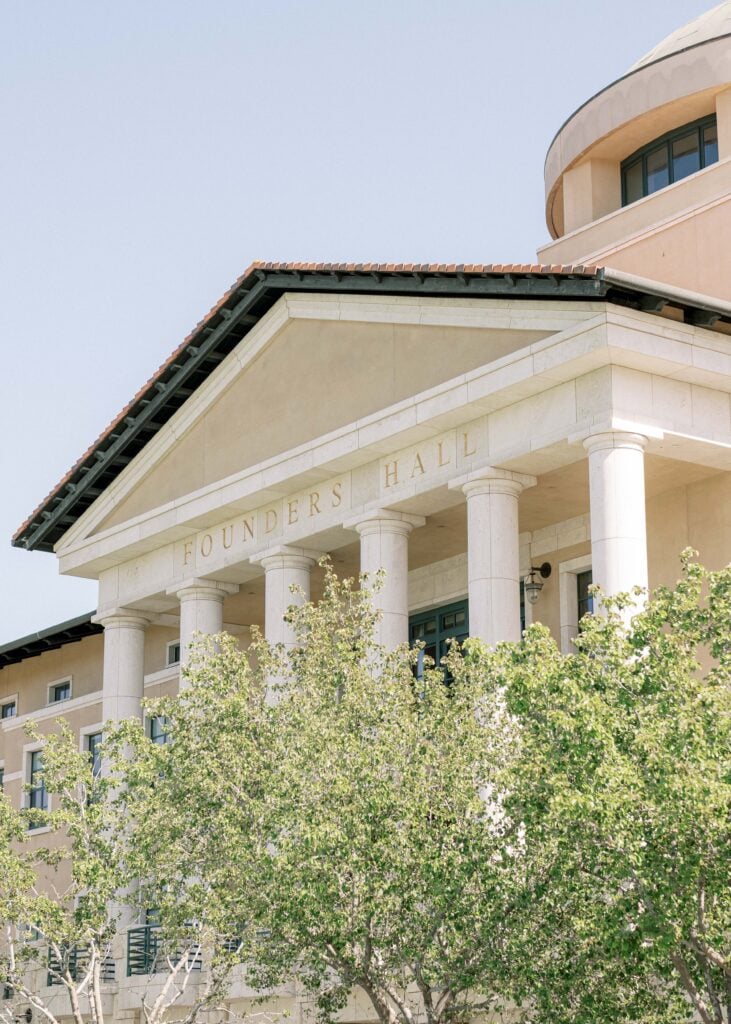
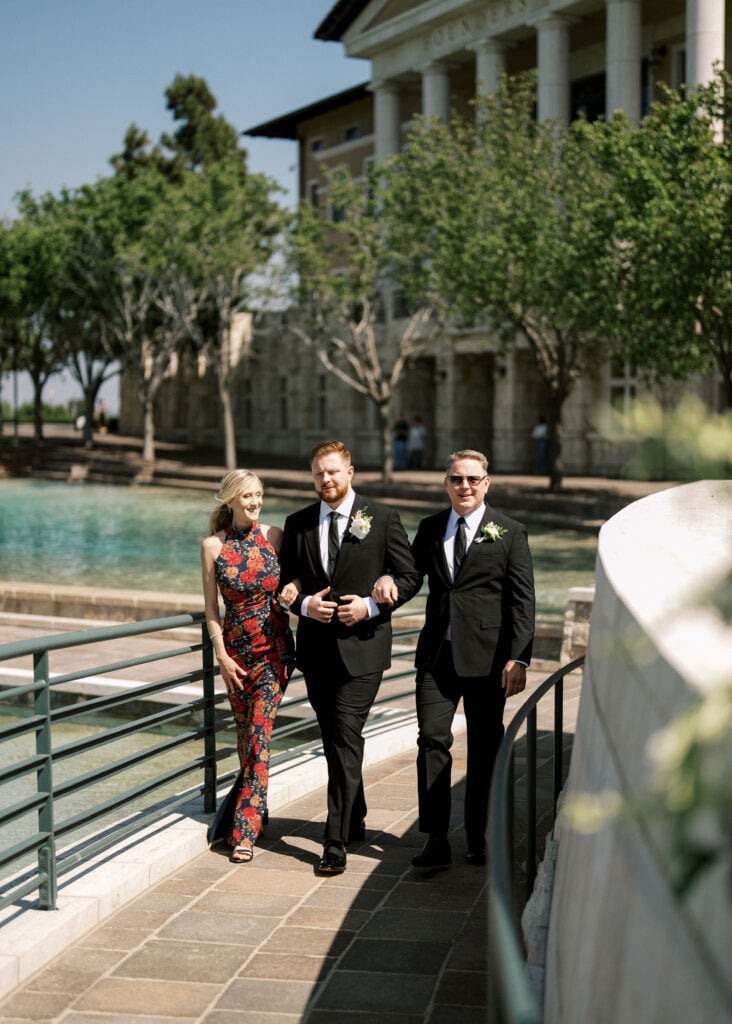
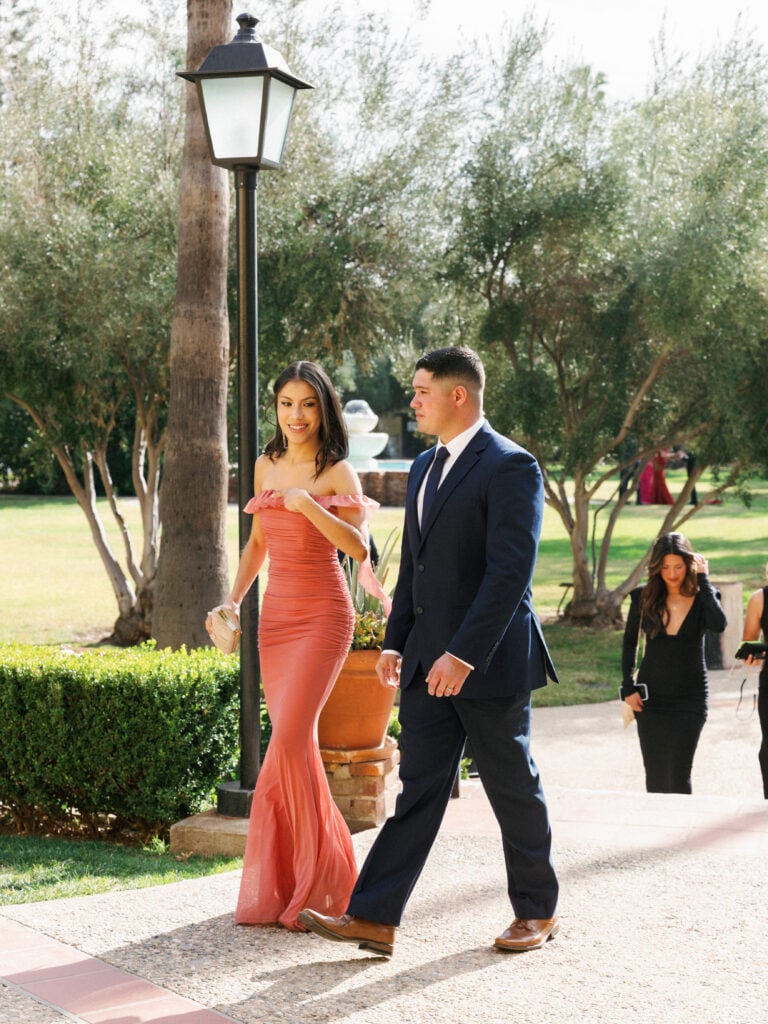
Rooms with candles, string lights, chandeliers, and adjustable fixtures often create a warmer atmosphere than spaces lit only by fixed overhead lights. Dimmable lighting gives the venue team more flexibility throughout the evening: brighter settings work well for dinner and speeches, while softer lighting can create a better atmosphere once dancing begins.
Couples should also consider whether the venue allows additional lighting equipment. Some reception spaces look beautiful in person but need extra support to create balanced images after sunset.
Getting-Ready Light
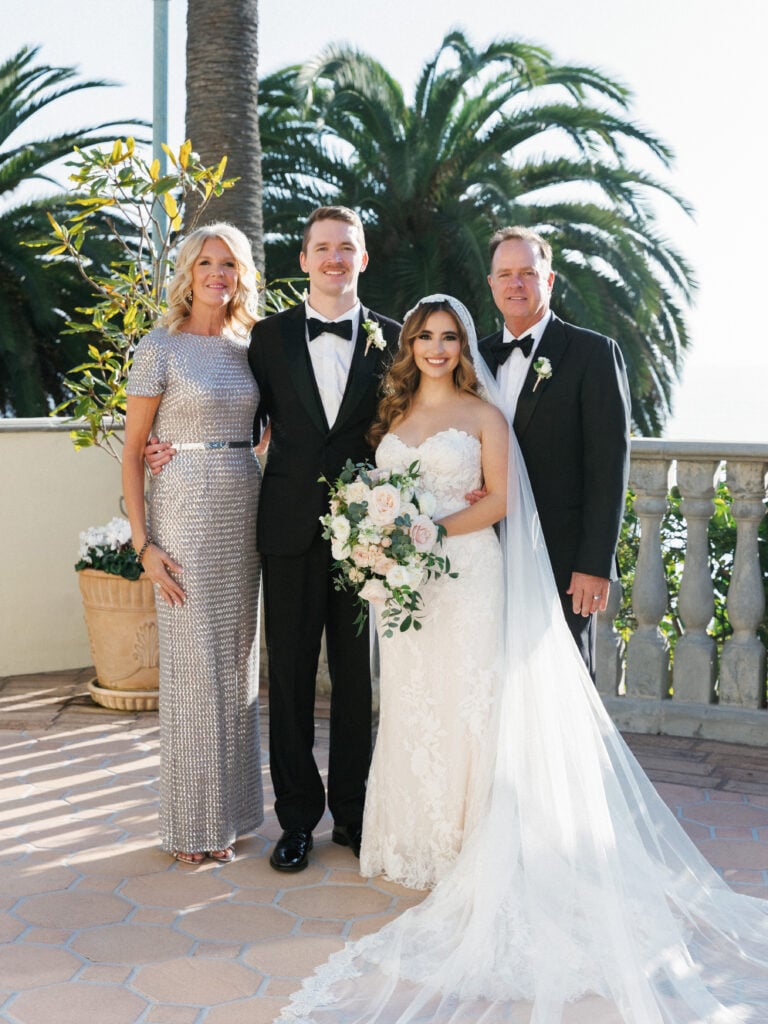
Getting-ready spaces benefit from large windows and light-colored walls, since this part of the day involves close-up, detail-focused photography of hair, makeup, jewelry, and dress details that depend on soft, even light.
A dark room with only warm overhead bulbs can make getting-ready photographs more challenging, even if the main ceremony and reception spaces photograph beautifully. Couples should check the actual preparation rooms included in their venue package instead of assuming every area on the property has the same lighting quality.
Portrait Locations and Private Access
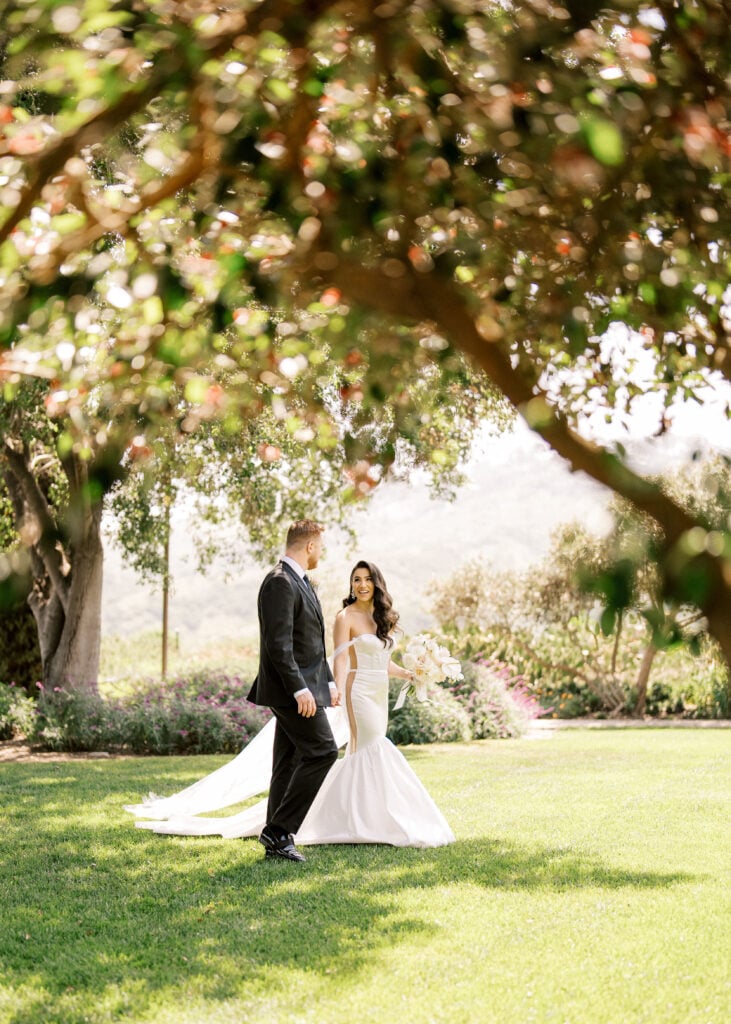
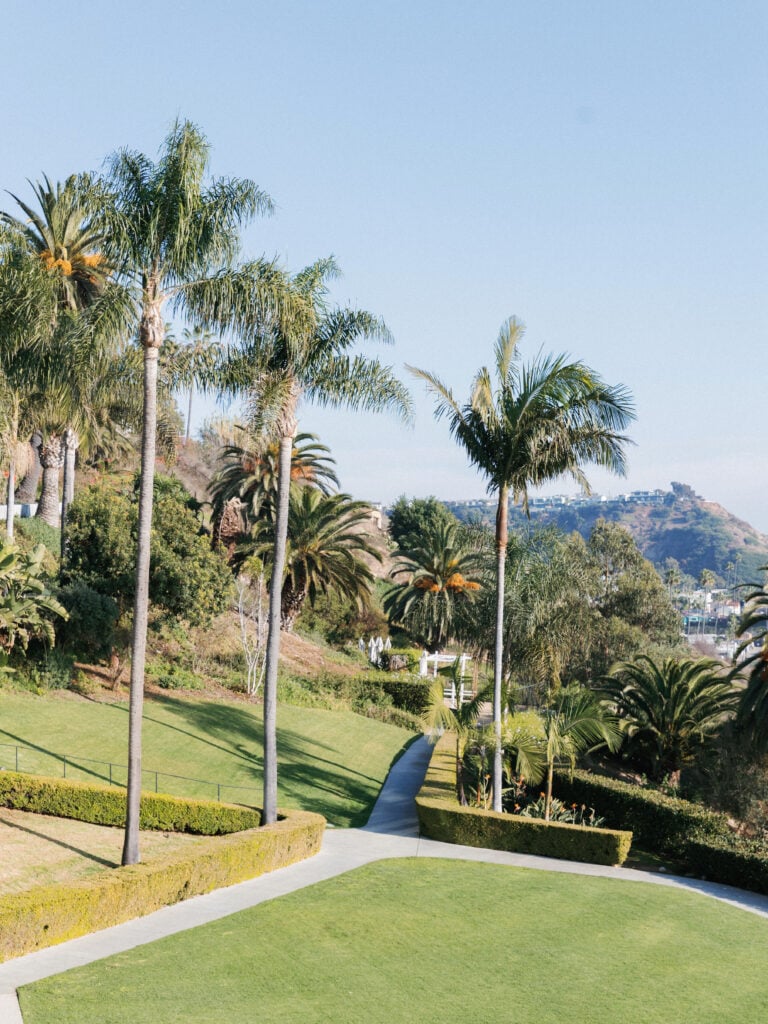
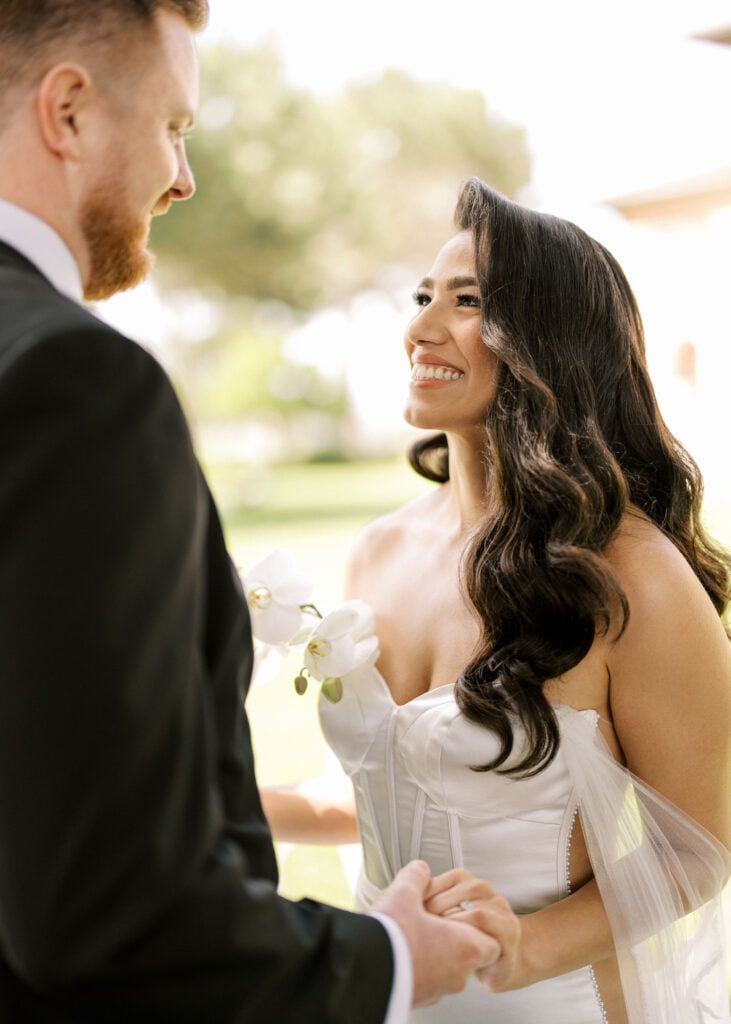
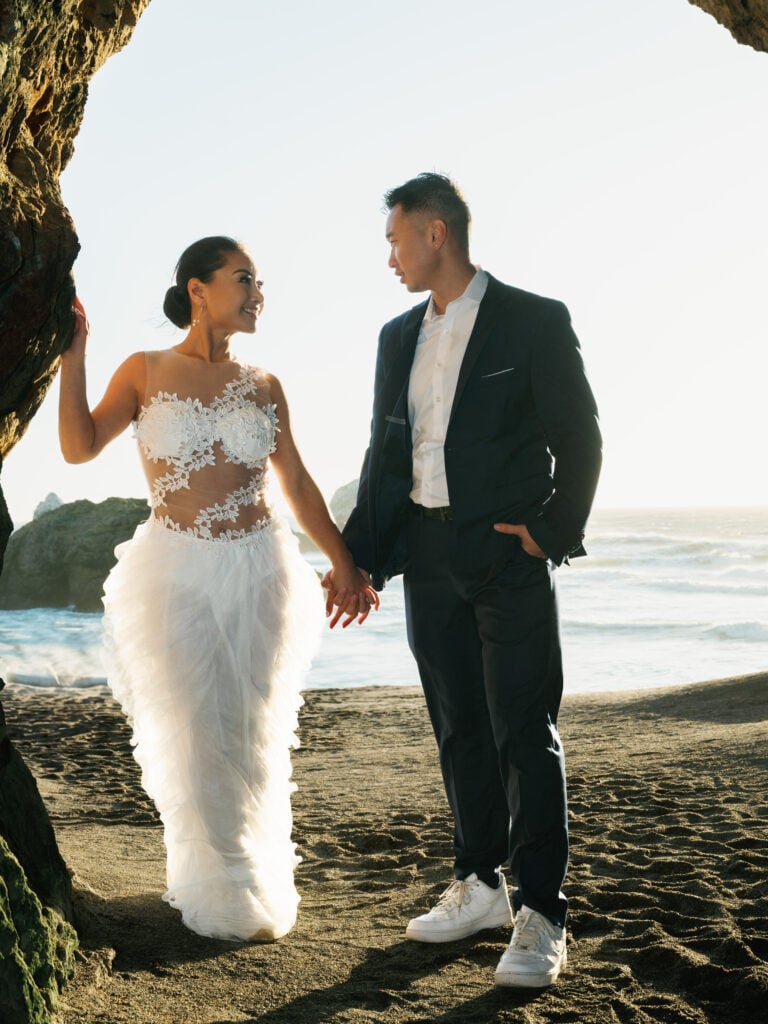
A strong portrait location offers a mix of open shade, a varied backdrop, and enough privacy that a couple is not photographing around a crowd of guests from another event on the property. Gardens, tree-lined paths, and covered porches tend to hold consistent, flattering light for longer stretches of the day than fully open lawns, which shift quickly as the sun moves.
Private access matters as much as the location itself. Some venues include exclusive use of specific gardens or viewpoints as part of a wedding package, while others share those spaces with day guests or other events, which can affect when and how long a couple can use them for portraits. A venue with several distinct wedding photo locations, such as a garden, a stone wall, or an interior staircase, gives more visual variety across a gallery than a single beautiful backdrop used for every shot.
Walking the property at different points in the day, beyond the scheduled tour, helps reveal which corners hold good light consistently and which work within a narrower window of time. A spot that looks stunning at 4 p.m. in soft afternoon light might sit in harsh, unflattering sun an hour earlier, which matters if the wedding-day timeline places portraits at a different hour than the tour.
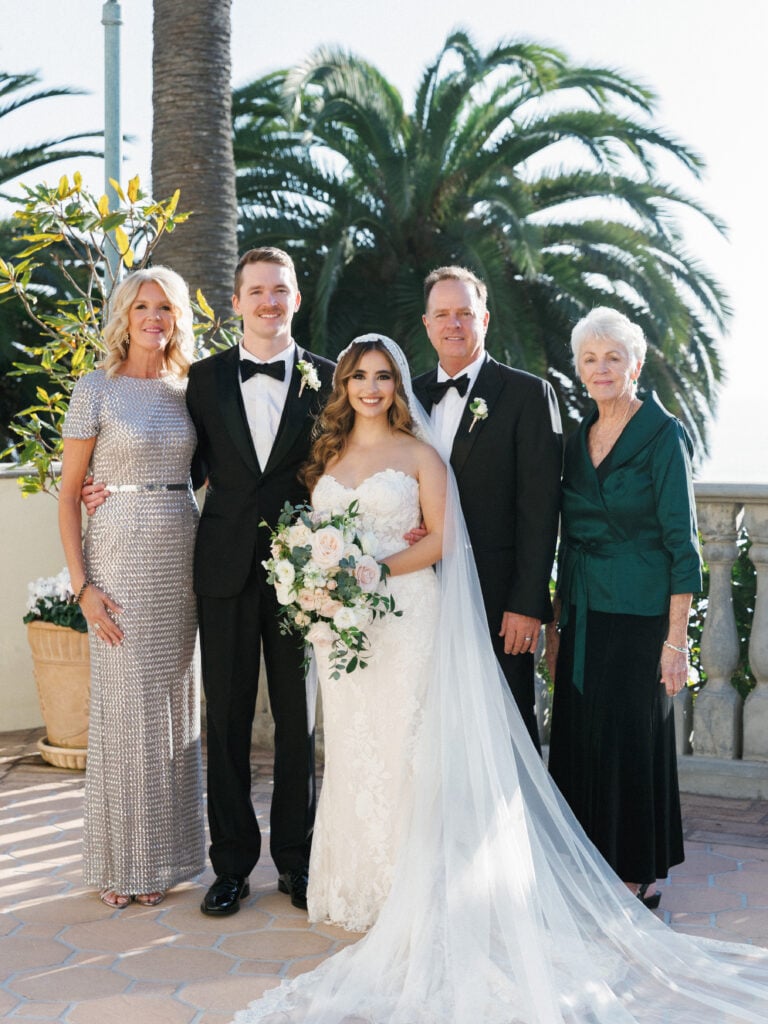
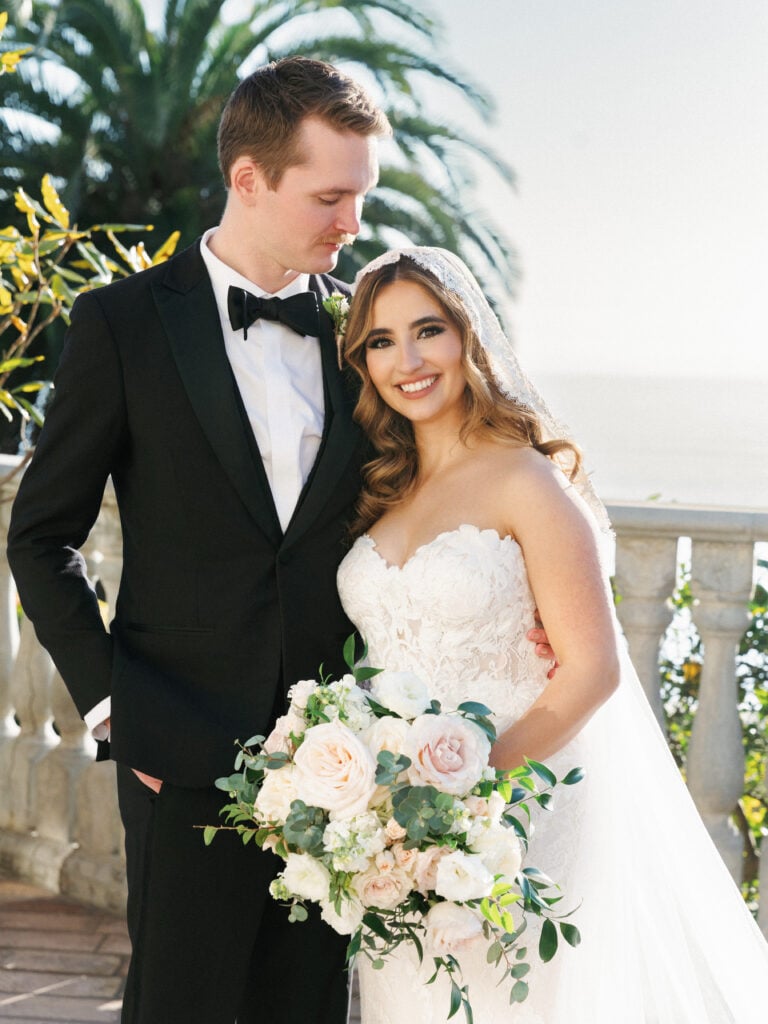
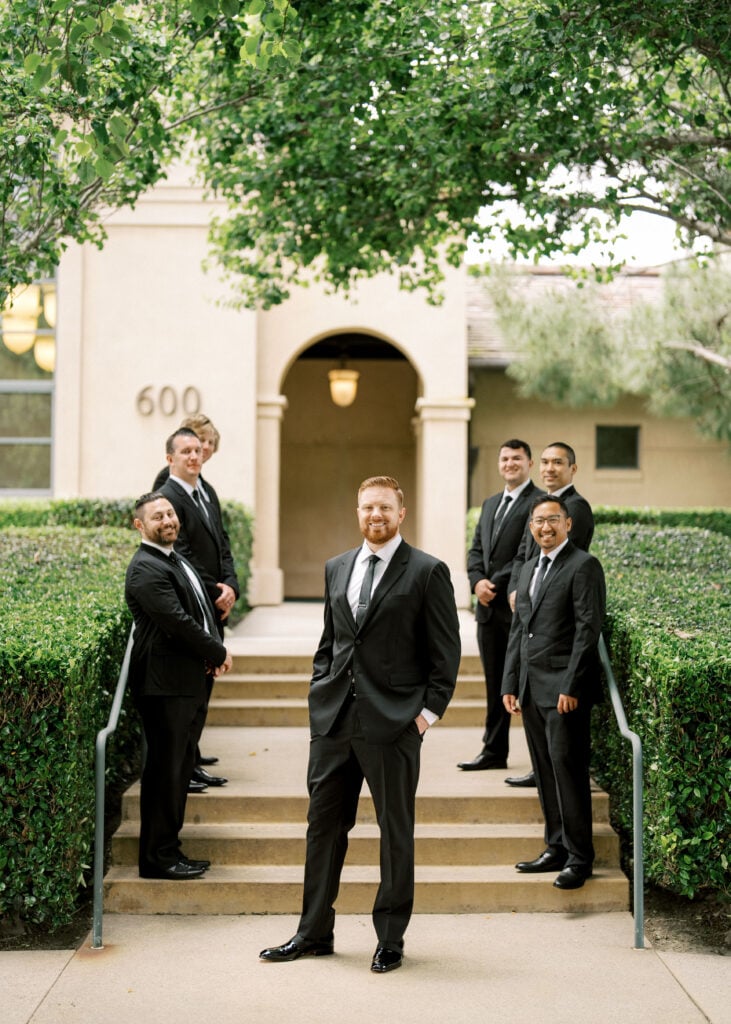
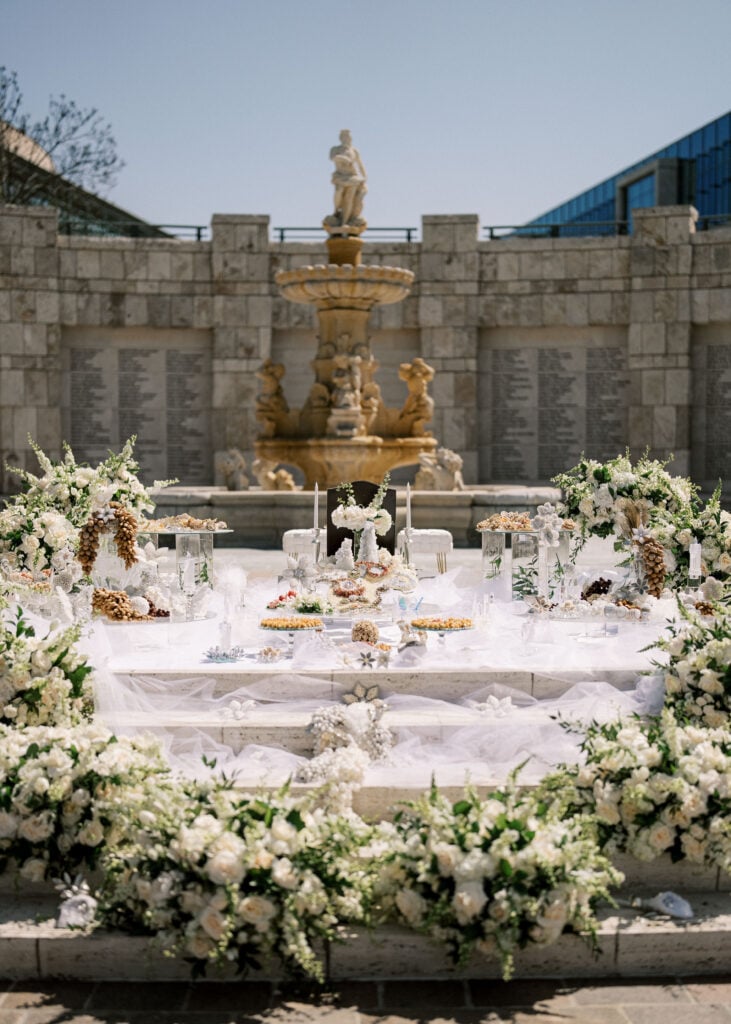
San Francisco City Hall. Hyatt Regency, Burlingame.
Rain Plans, Indoor Options, and Seasonal Timing
The quality of the backup space’s light can shape how well a rain plan works for photography. A tent with clear sides lets in more usable light than a fully covered, windowless tent, and an indoor backup room with large windows maintains better light quality than a windowless ballroom lit by overhead fixtures. Asking to see the rain-plan space in person, not just hear it described, gives a much clearer sense of what the day would actually look like if weather forces a change.
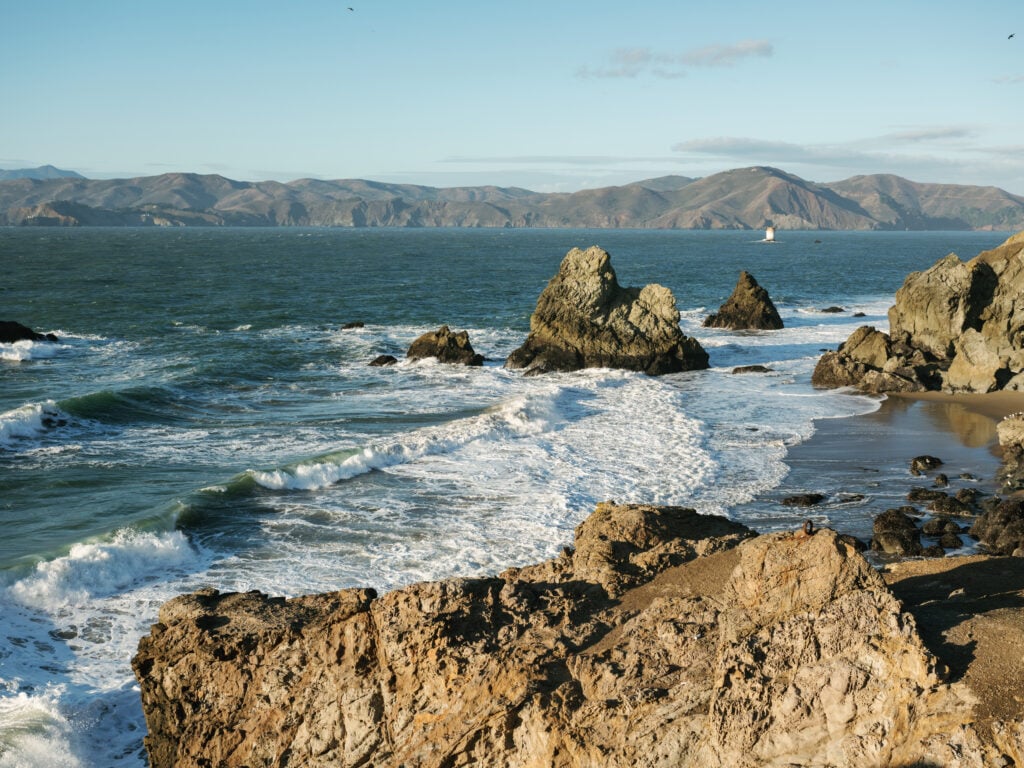
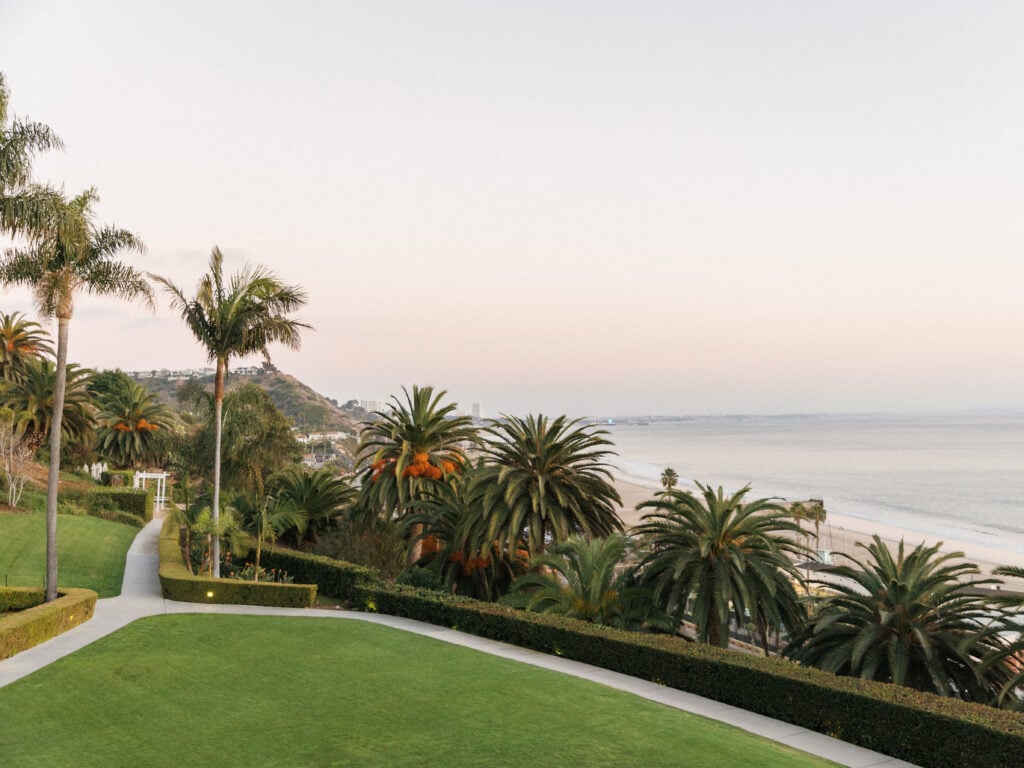
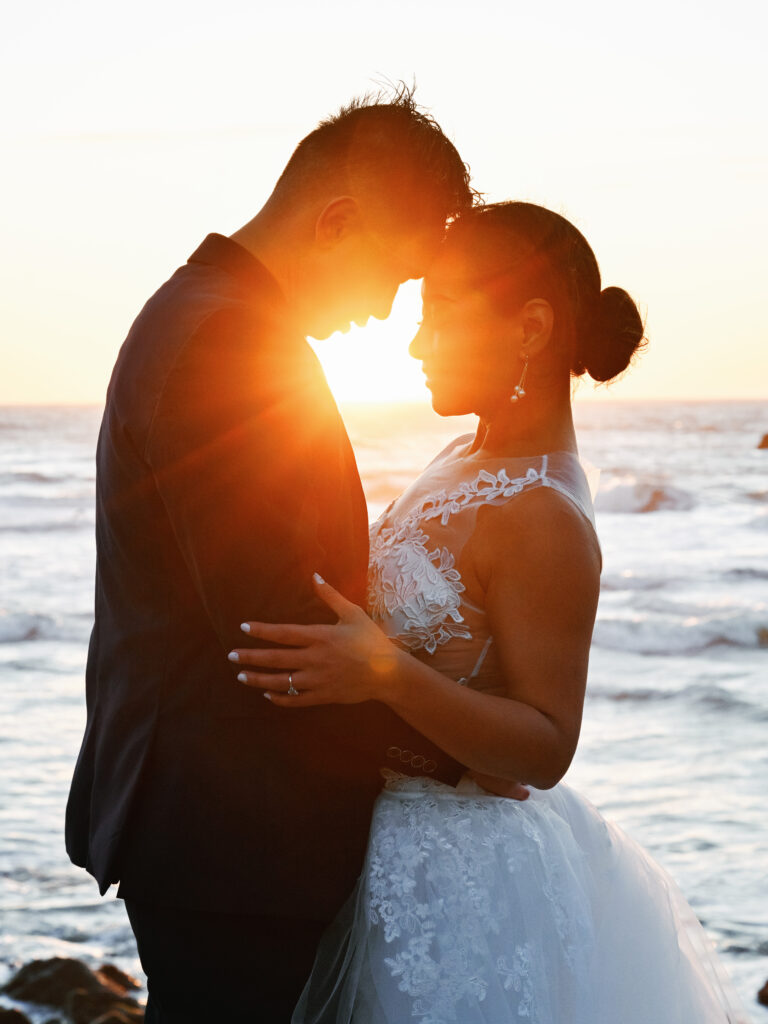
Seasonal timing shifts golden hour and sunset considerably. A summer wedding might have usable outdoor light until nearly 9 p.m., while a wedding in late fall or winter can lose direct light by 5 p.m., which changes when portraits, cocktail hour, and even part of the reception need to be scheduled to make the most of available daylight. Venues in different regions and elevations also vary in how quickly they lose light once the sun starts to set, since surrounding trees, hills, or buildings can shorten golden hour further.
Expert Note
Overcast skies often create some of the most consistent portrait light because clouds soften direct sunlight and reduce harsh shadows. A cloudy wedding day can still produce bright, flattering images, especially when the venue offers outdoor areas with open space and interesting backgrounds.
Aster Films planning note
Venue Questions to Ask Before Signing
A few questions tend to reveal how a venue will actually perform in photographs, beyond how it looks on a tour
01
What time does natural light fade in the ceremony and reception spaces during the wedding’s actual season?
02
Is there a covered or indoor backup space with light quality similar to the outdoor areas, not just a windowless room used only for rain?
03
Are the getting-ready rooms included in the booking, and what does the natural light look like in those specific spaces?
04
Is portrait access to gardens, viewpoints, or other scenic areas private, or shared with other events happening on the property that day?
05
Does the reception space allow additional lighting to be brought in if the existing fixtures run dim or heavily tinted?
Frequently asked questions
What should we look for in a venue for good wedding venue photography?
Key factors include natural light, window placement, ceiling height, available portrait locations, and how the space handles different parts of the day. A venue can look impressive during a tour but still create challenging photography conditions if the light is limited or uneven.
Are outdoor venues always better for wedding photos?
No. Indoor venues with large windows, high ceilings, and thoughtful lighting can photograph beautifully. The best wedding venues for photos provide consistent, workable light across the moments couples want captured, whether those moments happen indoors or outside.
How much does a rain plan affect wedding photography?
A lot depends on the quality of the backup space. A rain plan with natural light, open sides, or large windows can preserve much of the original atmosphere, while a dark indoor room may create a different look. Seeing the backup space before booking helps couples understand what their photographs will look like in different weather conditions.
Does the season of the wedding change what venue works best?
Yes. Seasonal changes affect sunset time, available daylight, and the timing of portraits. Couples should consider how the venue works during their specific wedding month instead of relying only on photos from other seasons.
CONTACT ASTER FILMS
Let’s Plan the Right Coverage for Your Wedding
Choosing a venue requires looking beyond the way a space appears during a tour. Light, timing, and access determine how naturally the venue works with photography and film.
Our team can help you review a venue, plan your timeline, and choose coverage that preserves the moments that matter most.