
McKinney Wedding Photographer
Begin with the fixed locations and the people who need to move
A McKinney wedding plan is easier to photograph and film when the day is treated as a sequence of actual settings, people, and decisions—not a generic North Texas route. A portrait idea in a public setting, a family group that needs a simple path, or a ceremony and reception in separate places can all affect the shape of the timeline. This page helps you identify those choices before they become last-minute production problems, then confirm setting-specific details with the party that manages the location.
For a Dallas celebration rather than a McKinney one, use our Dallas wedding planning guide before treating a North Texas route as the same local setting.
What to look for in a complete wedding gallery
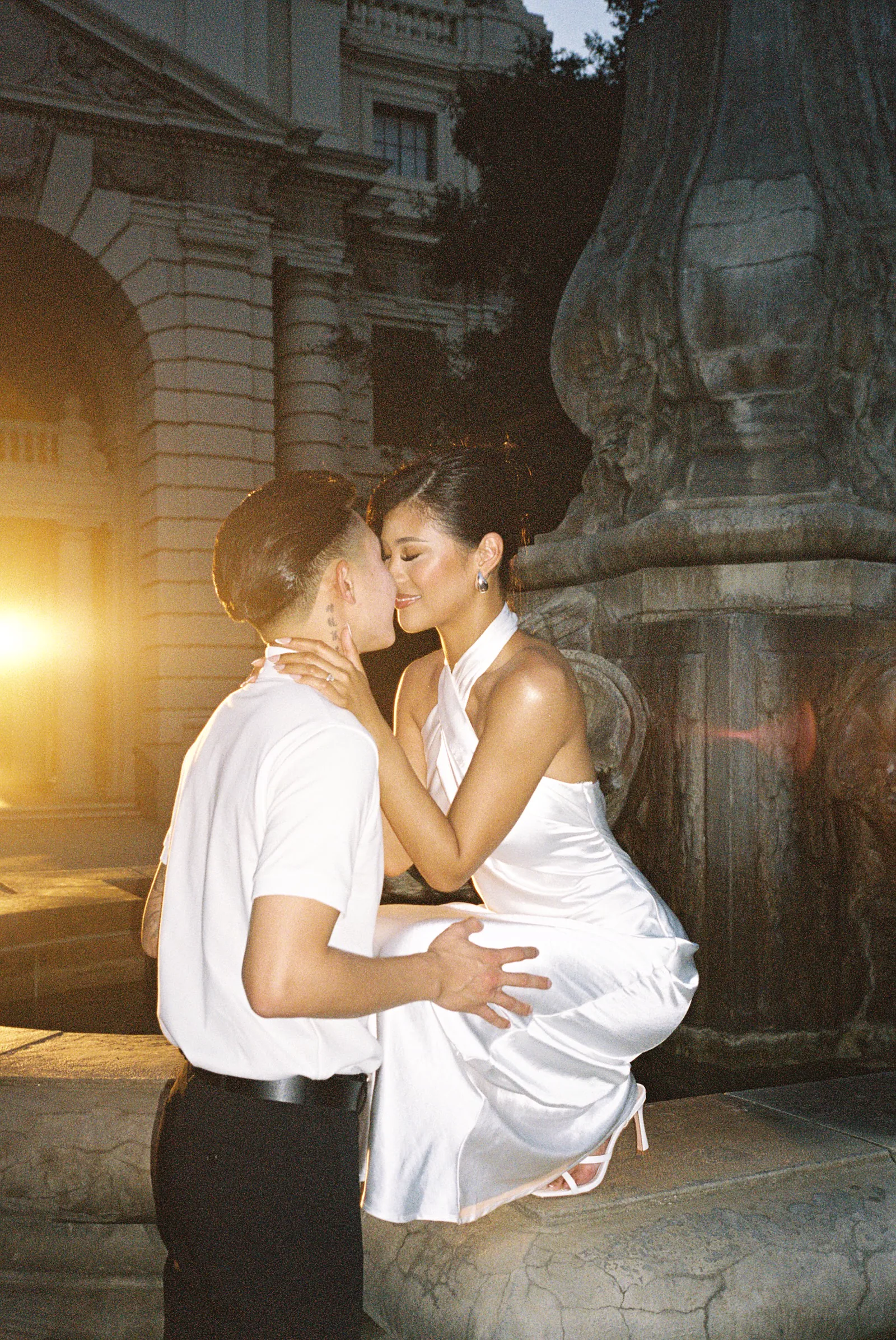
When choosing a McKinney wedding photographer, look beyond a few favorite portraits. A complete gallery lets you compare the getting-ready moments, the ceremony and the evening in one place. Nolan and Bailey’s wedding in San Diego, California is one example from Aster’s portfolio.
The story opens with a ring in its box, a shirt collar being adjusted and the finishing touches to formalwear. It continues through portraits, an outdoor ceremony, musicians and dancing beneath string lights. As you browse, notice the balance between close details and photographs of people, and between time set aside for portraits and moments that happen during the celebration.

Bring examples to your photography conversation
Choose a few photographs that explain what matters to you: quiet preparation, family together, the ceremony setting or a busy dance floor. Share why you chose them. That gives the conversation more direction than asking for a similar-looking venue. Discuss which parts of your own day need portrait time, which people should be included and when you would prefer to stay with your guests.
If you are considering film as well, review Aster’s cinematography separately. Photographs show the visual story; a film also lets you hear and see how it unfolds. Bring your ceremony and reception schedule to the discussion and ask what photography, film or combined coverage would include for your McKinney wedding.
Put the local filming or event question in the right lane
When any part of the plan uses a City-managed or public setting, check the current process before describing that portion of the day as settled. McKinney’s filming-permit guidance is an official starting point for a filming-related question, while the City’s Special Events and Filming form is the appropriate place to identify the current event or filming route.
Those links do not establish that a particular wedding needs a permit, that a request will be approved, or that an area will be available. They help a couple ask the manager or City the right question for the actual activity, place, and timing. If the setting is privately operated, use that property’s current instructions instead. Keeping access confirmation separate from the creative plan prevents a photography schedule from silently becoming a promise about public use.
Build a portrait interval around family flow
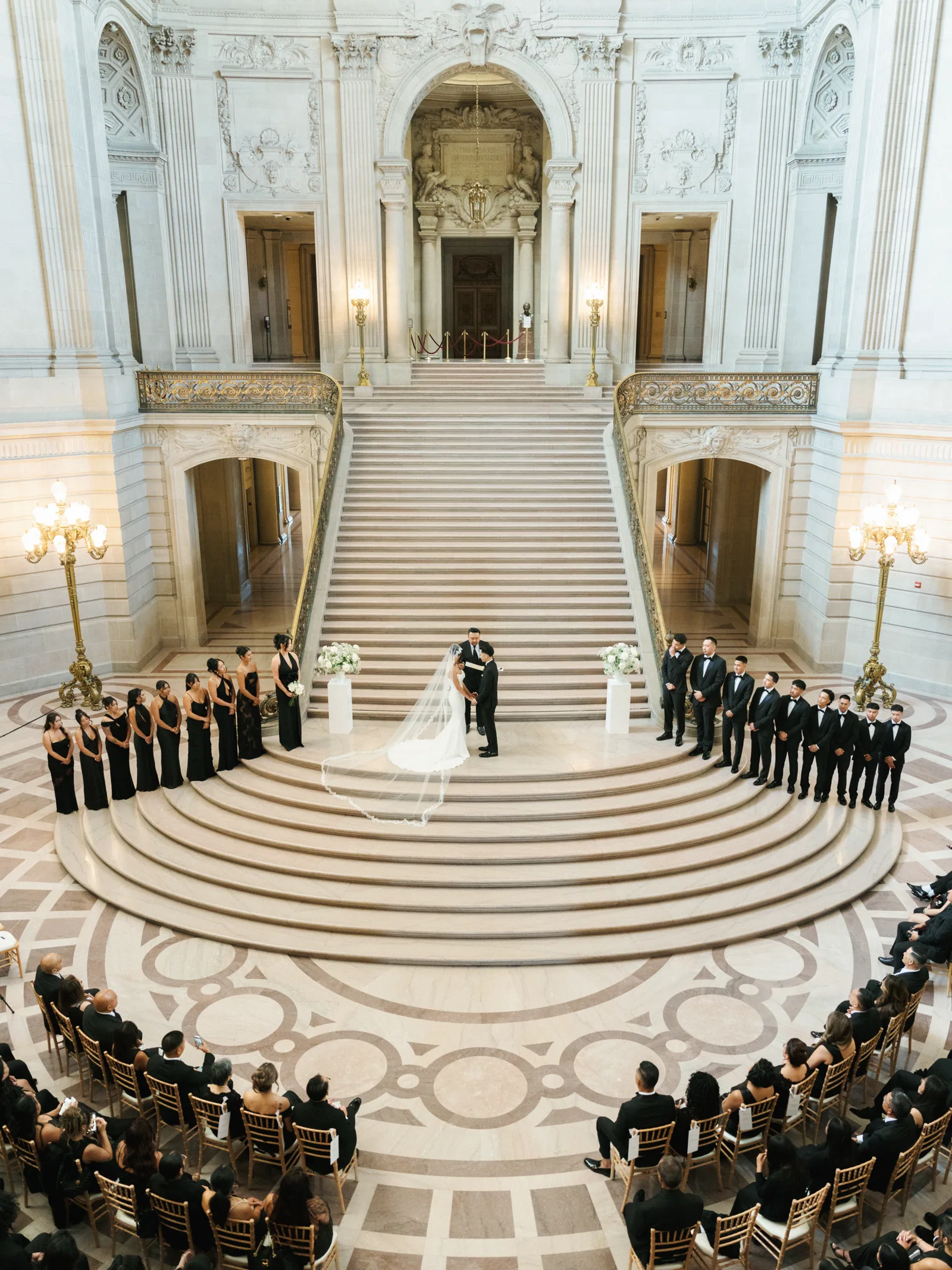
Family photos often reveal whether a location plan is realistic. Decide who needs to be in the groupings, where they can wait comfortably, and how much movement would be required between the ceremony and portrait time. A short, purposeful grouping list is more useful than trying to gather everyone repeatedly across several settings. It also gives the day a clear handoff: family can return to guests once their time is complete, while the couple can use a quieter interval for portraits.
Think through the practical edges of the plan as well. Who will communicate a change if a portrait area is no longer workable? Which people should remain close to the couple? Is there a point where the wedding party needs to be reunited? These questions do not require a local claim from Aster; they are a way to shape a McKinney-day inquiry around the people and transitions that actually matter.
Coordinate photography and film from one shared outline
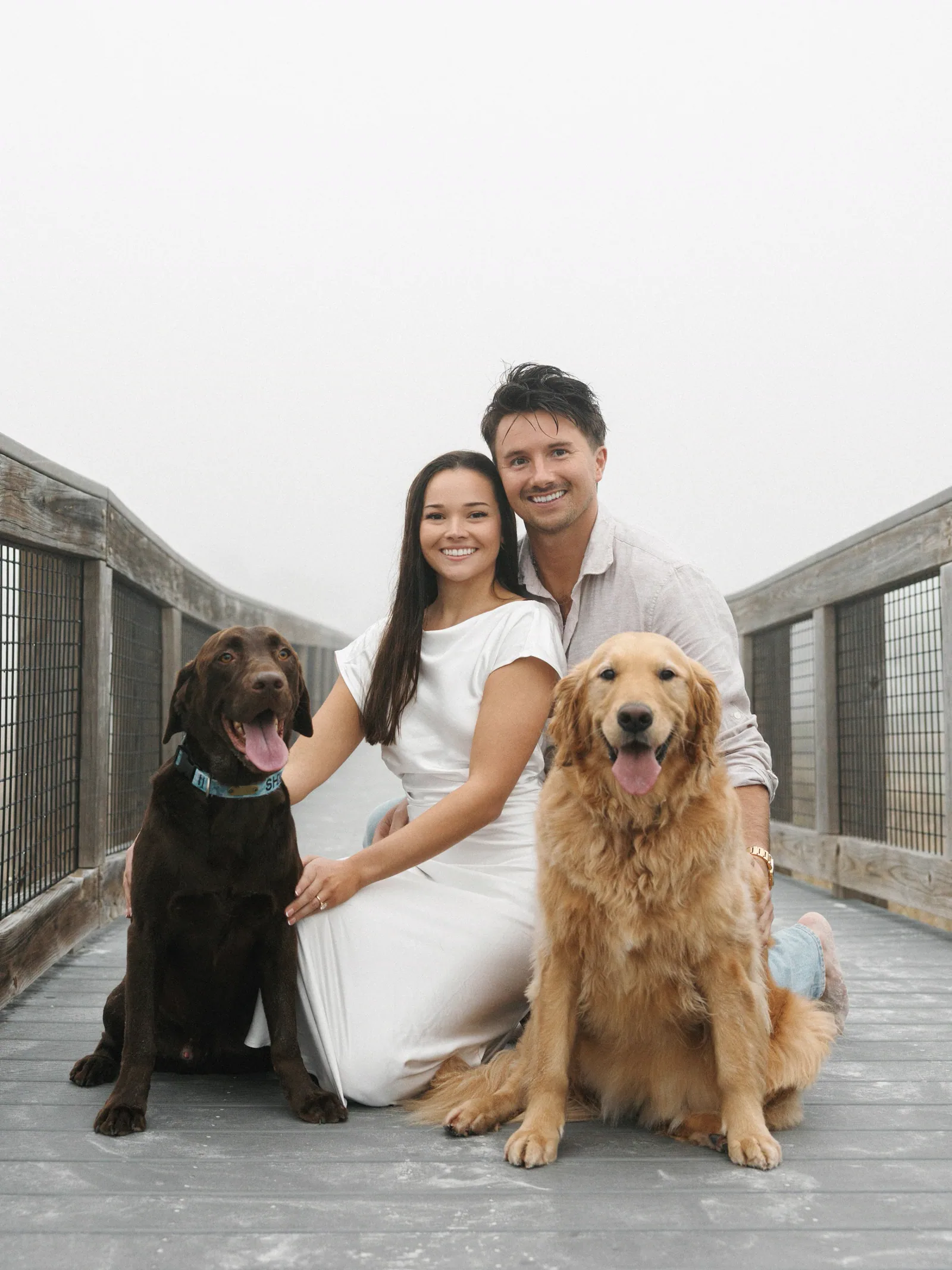
Photography and film support the same day best when they are planned around shared priorities rather than competing location lists. Name the moments that need quiet, the people who should be present, and the transitions that could feel rushed. A first look, family portraits, an arrival, and a private pause after the ceremony can each require a different amount of room in the timeline.
For an overview of motion and story choices, see Aster’s cinematography page. For the related still-photography approach, see Aster’s wedding photography page. Those central pages explain Aster’s services; this McKinney guide stays focused on the local planning questions that should be clear before a photo-and-film conversation begins.
Keep a public-setting plan flexible until it is confirmed
It is tempting to treat a desired backdrop as a locked appointment. A more resilient approach is to decide which visual moment is essential, what could happen in a nearby or on-site alternative, and who will make the final call if the original plan changes. That is especially useful when a setting has an access, filming, event, or operator question still awaiting a current answer.
Flexibility does not mean leaving the day vague. It means identifying a primary plan and a practical alternative without implying that either is reserved. Share the activity, approximate timing, number of people, and any equipment considerations with the relevant operator. Then update the working schedule only after the answer is confirmed. The result is a more truthful plan than treating a preliminary location idea as a settled photo opportunity.
- List the ceremony, reception, and any portrait setting that cannot move.
- Name who needs a direct route and who can make a short transition.
- Confirm the current operator or City process before treating a public-setting idea as settled.
- Keep a primary plan and a practical alternative until access is confirmed.
Bring a clear McKinney outline to the inquiry
An inquiry can be concise while still reflecting the shape of the day. Include the date, ceremony and reception setting types, the portrait moment you are considering, and whether anyone needs to move between locations. Note any City or property question that is still open, along with the family groupings or guest-flow needs that could affect the timeline. That gives a creative conversation real inputs without presenting access or timing as decided.
Questions about scope, package options, and central service details belong on services and pricing. Keeping those buyer questions in their owner page lets this guide remain useful for McKinney-specific planning rather than becoming a commercial or booking promise.
Continue with the details that shape your day
The strongest McKinney plan begins with what is known, what needs a current operator answer, and what the people closest to you need from the schedule. Bring those details together, then contact Aster to start an inquiry. This guide can help frame the conversation; it does not replace a location’s current confirmation or create a reservation.
McKinney inquiry questions
Does a McKinney public-setting portrait plan need a filming or event check?
It depends on the actual activity and setting. Start with the City’s current filming guidance or Special Events and Filming form, then confirm the details with the relevant manager or operator.
Should family portraits happen at the same place as the ceremony?
Not necessarily. Choose the location that gives the needed people a clear, manageable handoff and leaves enough time for the rest of the day. The best choice depends on your actual locations and family needs.
What should we confirm before adding a public portrait stop to the timeline?
Confirm the current operator process, the activity being proposed, the timing, and who will be present. Do not treat a preliminary idea or inquiry as approval, exclusive use, or a reserved arrangement.
What should a McKinney photo-and-film inquiry include?
Share the date, broad locations, possible portrait transition, people who need to move, open access questions, and the moments that matter most. That gives the conversation a grounded creative starting point.
Planning a celebration here?
Share the date, the place, and the atmosphere you are hoping to protect.