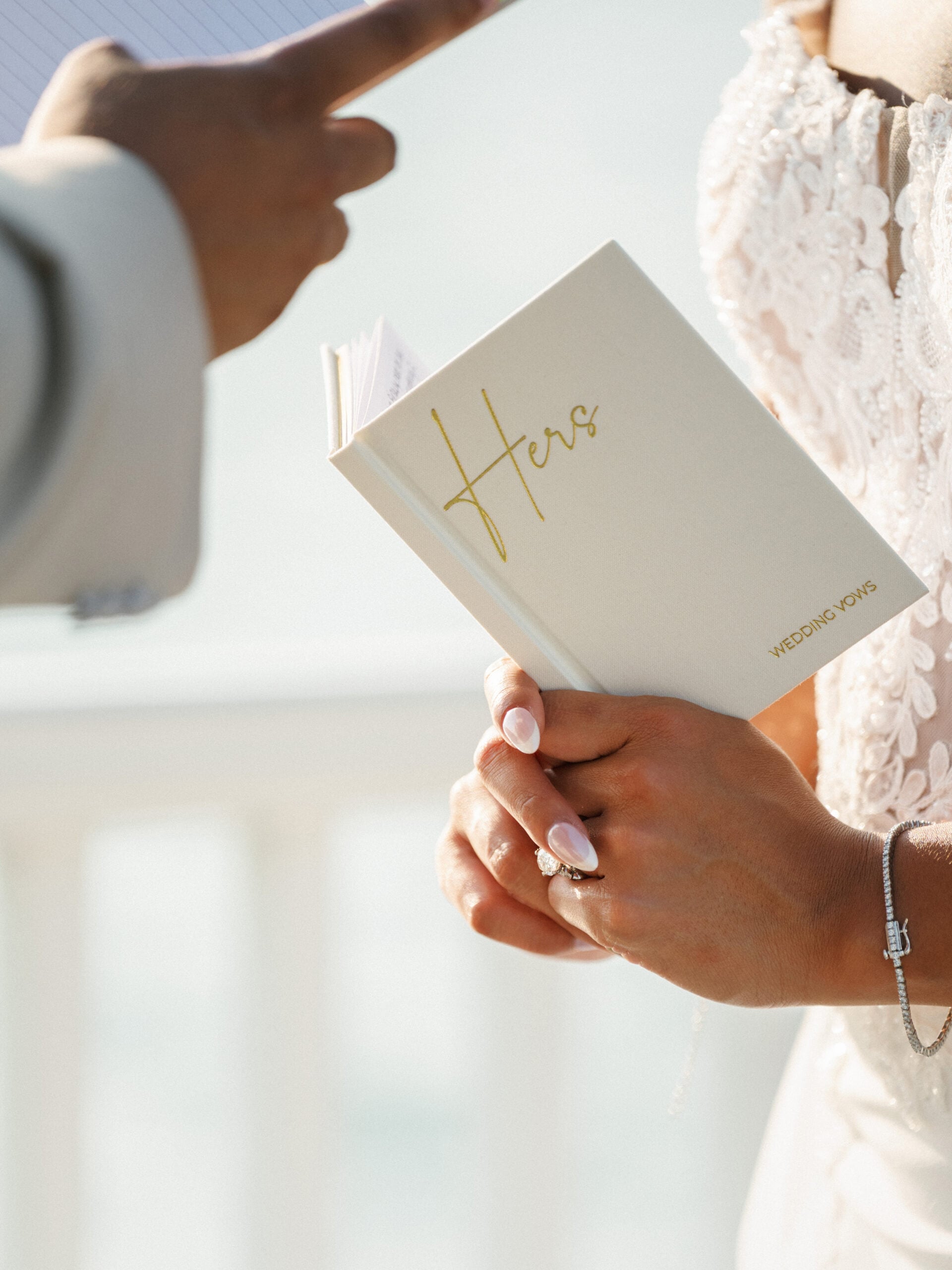
Private wedding vows give couples a chance to exchange personal words away from the attention of their guests. The moment can take place before the ceremony, after it, or during a quieter part of the wedding day. Some couples use it to say more than they would feel comfortable sharing in public, while others simply prefer to keep their promises between the two of them.
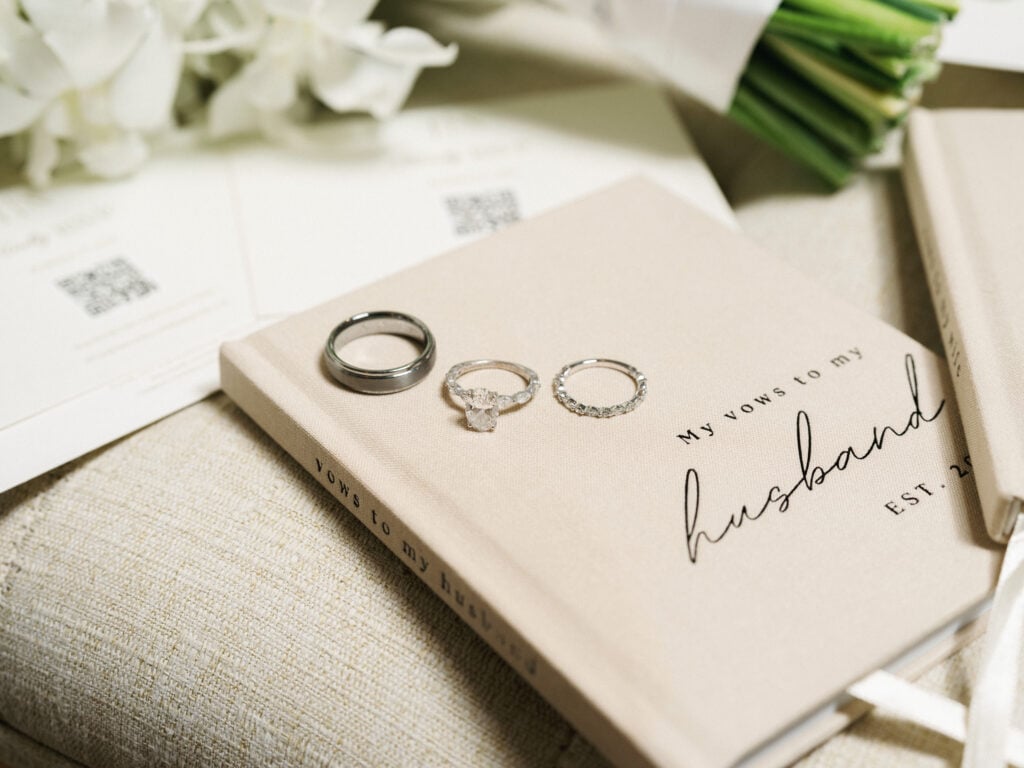
Planning a private exchange involves a few decisions: what the words will mean to each partner, when and where to say them, who may be present, and whether the moment should be recorded. These choices can be made well in advance, leaving the exchange itself free from unnecessary arrangements and expectations.
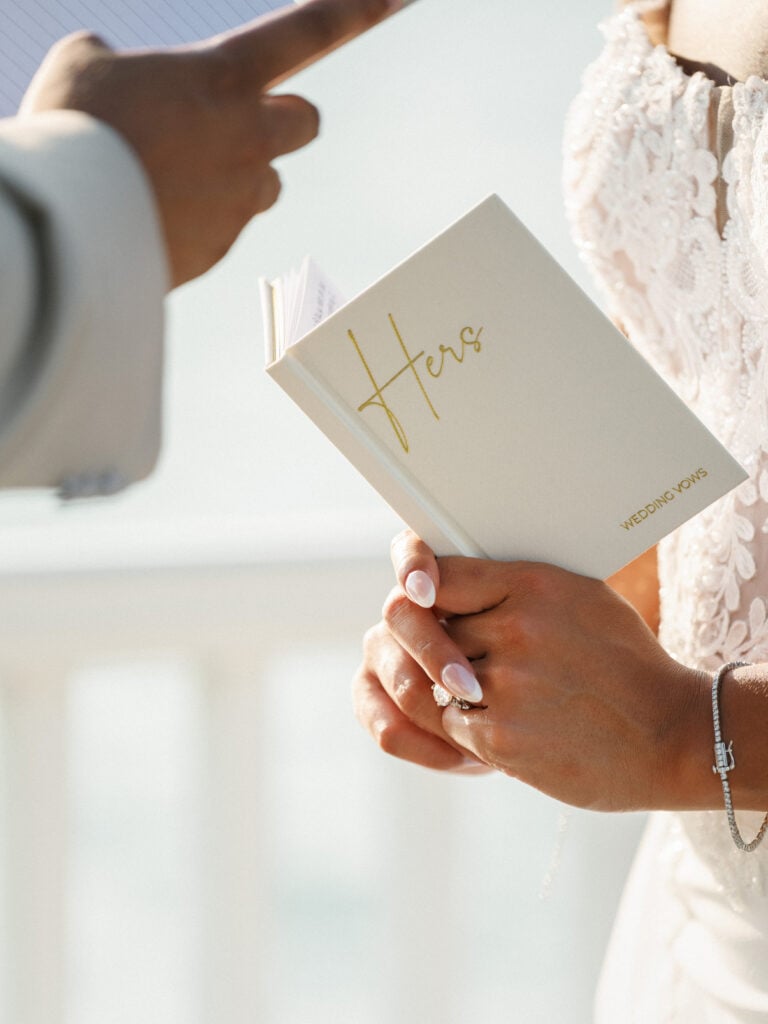
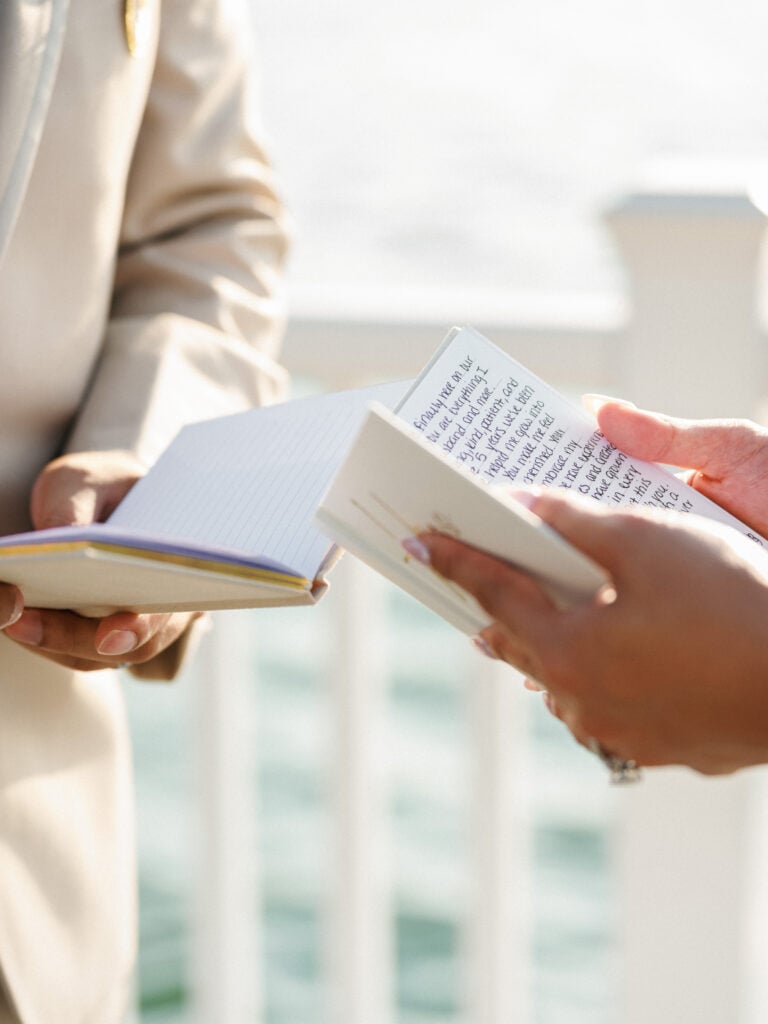
What Private Vows Add to the Ceremony
Private wedding vows are personal words exchanged between two people without an audience. They are separate from the formal wording of the wedding ceremony, which may include traditional vows, declarations led by an officiant, or other requirements depending on the type of ceremony and local regulations. Couples can discuss the necessary wording with their officiant and arrange a separate personal exchange around it.
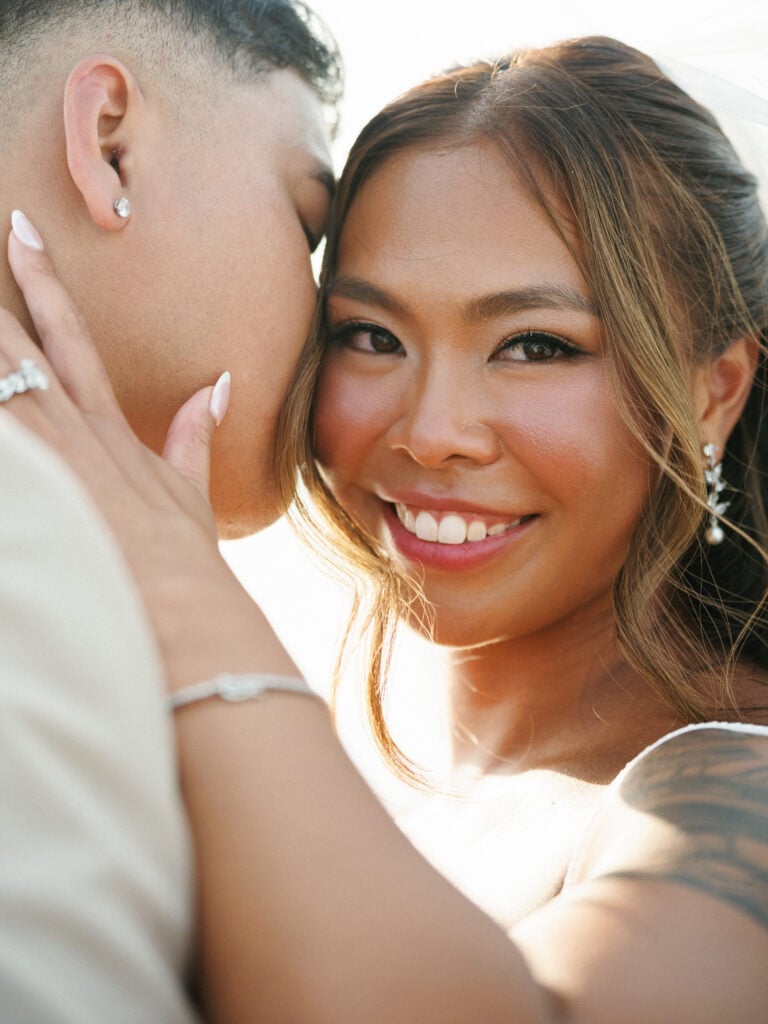
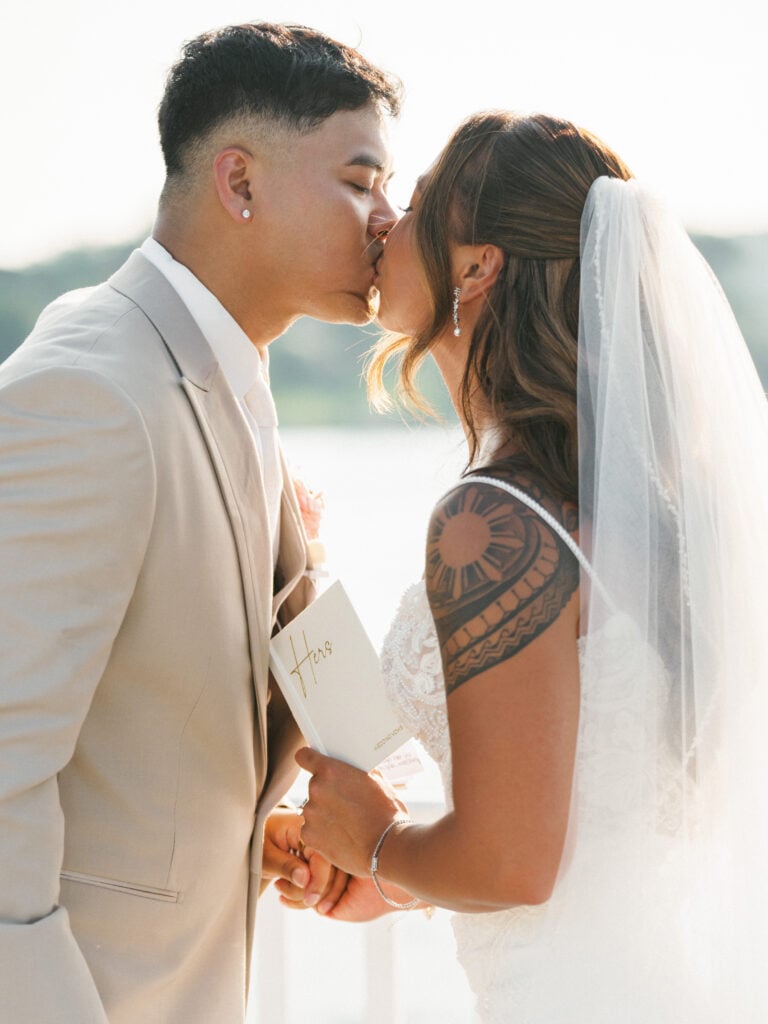
There are several reasons couples choose this format. Speaking in front of family and friends can feel uncomfortable, especially for someone who finds personal declarations difficult in a public setting. Others have more to express than the ceremony schedule allows, or want to use their own language and speak without the pressure of an audience. For some, the appeal is simply having a quiet moment together in the middle of a busy day.
Private vows are one of several ways to share personal promises. Couples can also speak their own words during the ceremony, making the exchange part of the celebration with family and friends present. Letters offer another possibility: they can be read privately, exchanged unopened, or saved to be opened later in the evening.
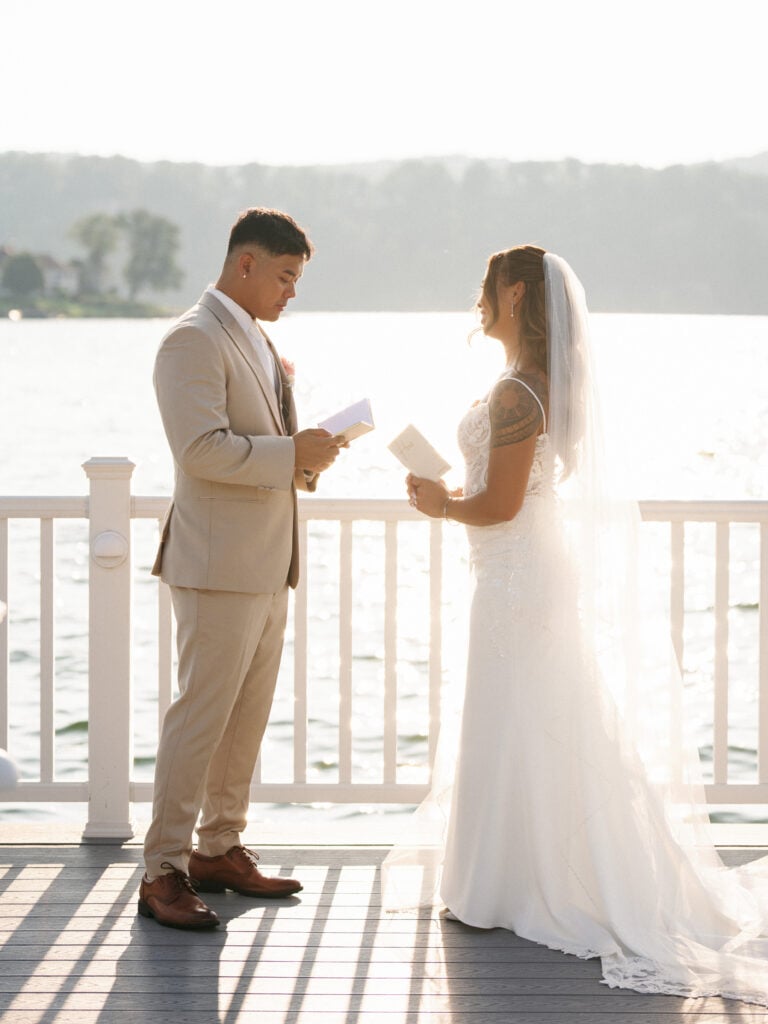
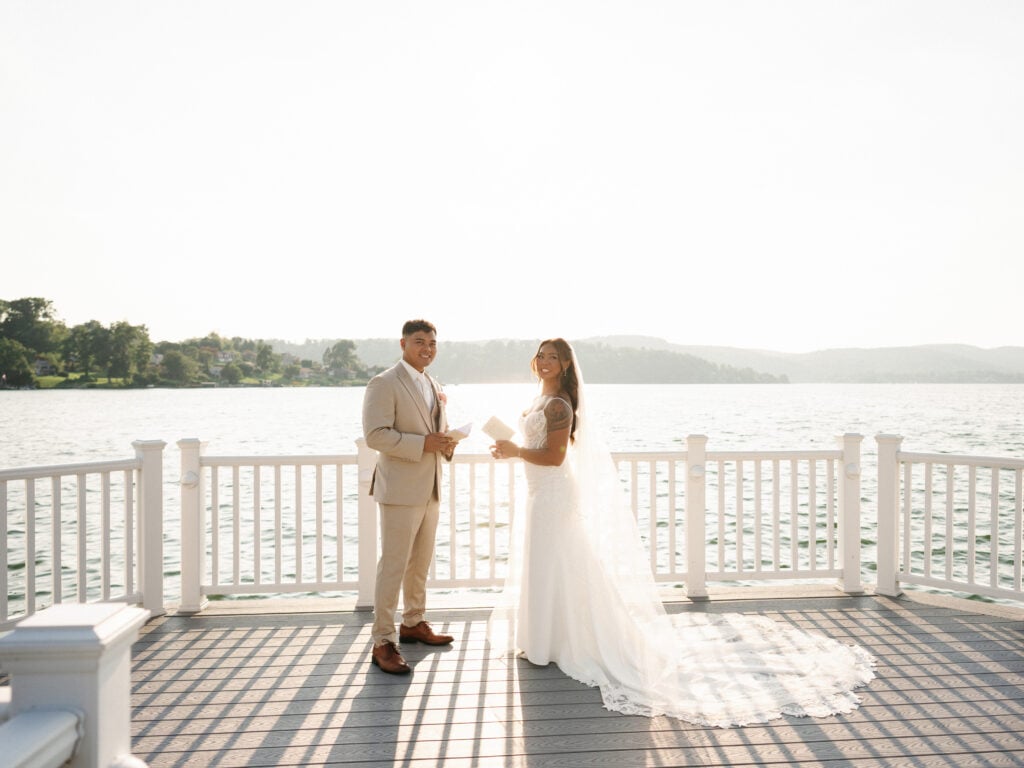
Each format creates a different experience. Public vows make personal words part of the shared ceremony, while private vows give the couple control over who hears them. Letters allow each partner to express themselves in writing, with no requirement to read aloud. None of these choices carries more meaning by default. The right format depends on how the couple wants to experience the moment.
Writing Private Vows: Length, Tone, and Format
A conversation about the writing process can prevent mismatched expectations. One partner may imagine a few sincere sentences, while the other is preparing a longer letter. Neither approach is wrong, but agreeing on the approximate length and form helps both partners feel comfortable when the time comes to exchange their words.
Start with the general shape of the message. Will each person make promises for the marriage, share a memory from the relationship, explain what they admire about the other, or write a letter? The two texts do not need to follow exactly the same structure, but it helps to agree on whether the exchange will be brief or more substantial.
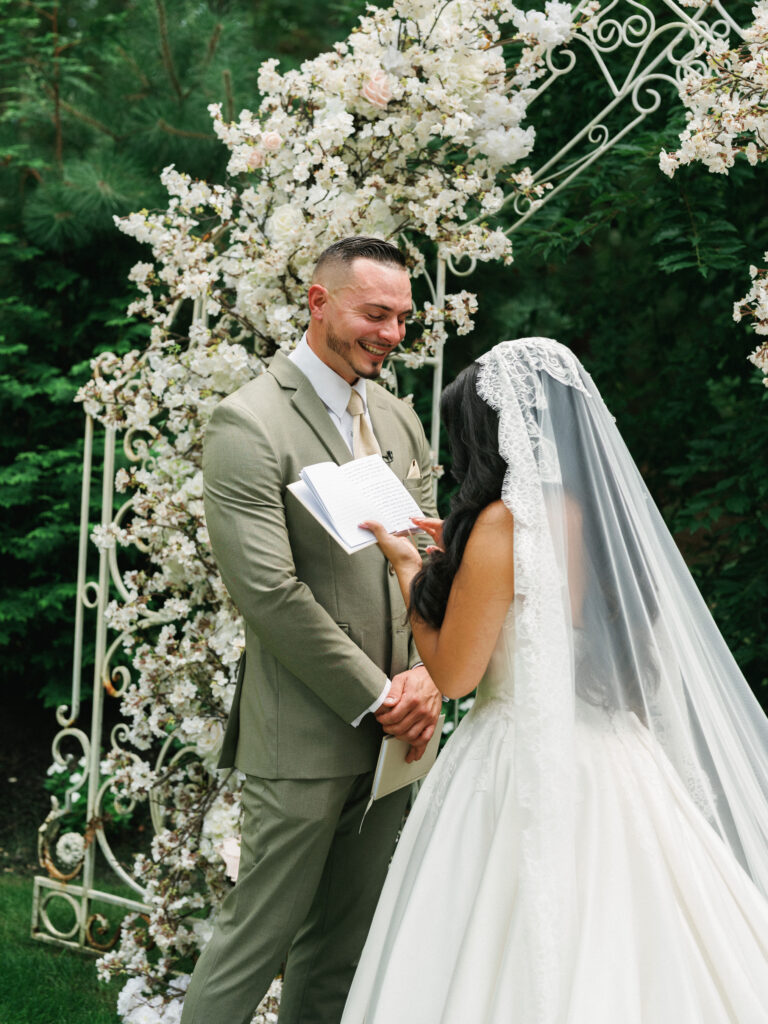
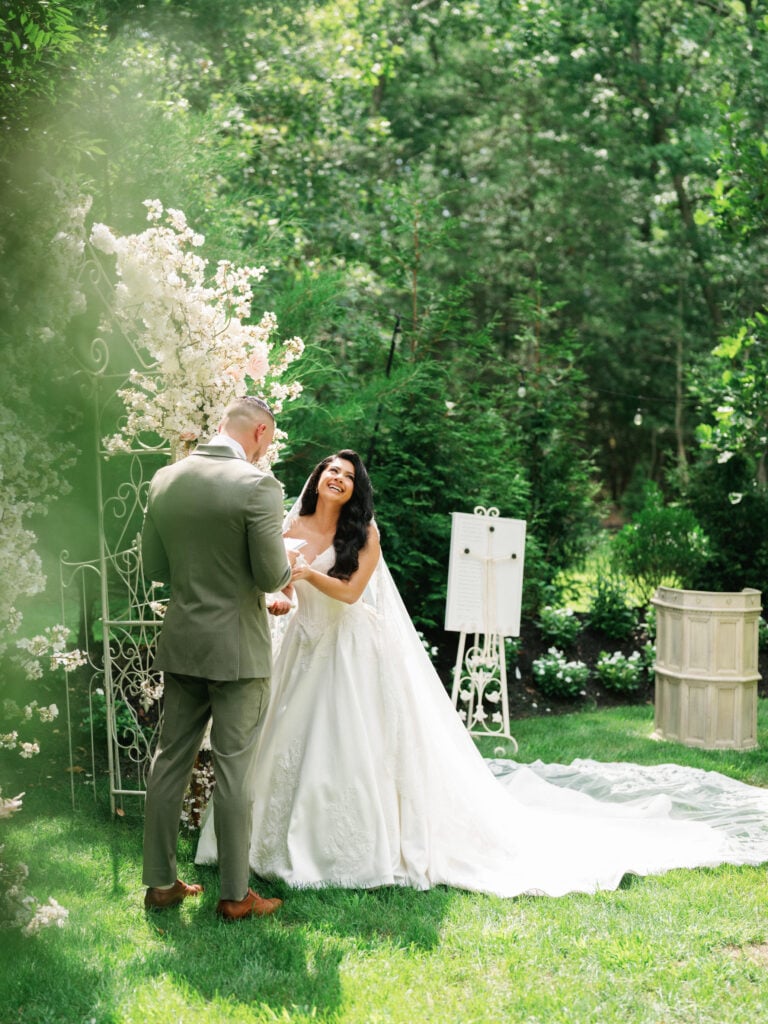
Tone is another useful point to discuss. Some couples prefer serious and direct promises; others naturally include humor, shared references, or stories that would only make sense to the two of them. The aim is not to make the words sound alike. It is to understand what kind of exchange each partner is preparing for.
A few questions can help each person begin writing without relying on a generic vow template:
- What do you appreciate about your partner that others may not always see?
- Which memory from your relationship best captures what you mean to each other?
- What have you learned about yourself through this relationship?
- What do you hope to carry into your marriage?
- Which promises feel meaningful and realistic for the life you are building together?
The answers can become a starting point for a letter, a short speech, or a set of personal promises. Each partner can write independently and decide how much to share in the final exchange.
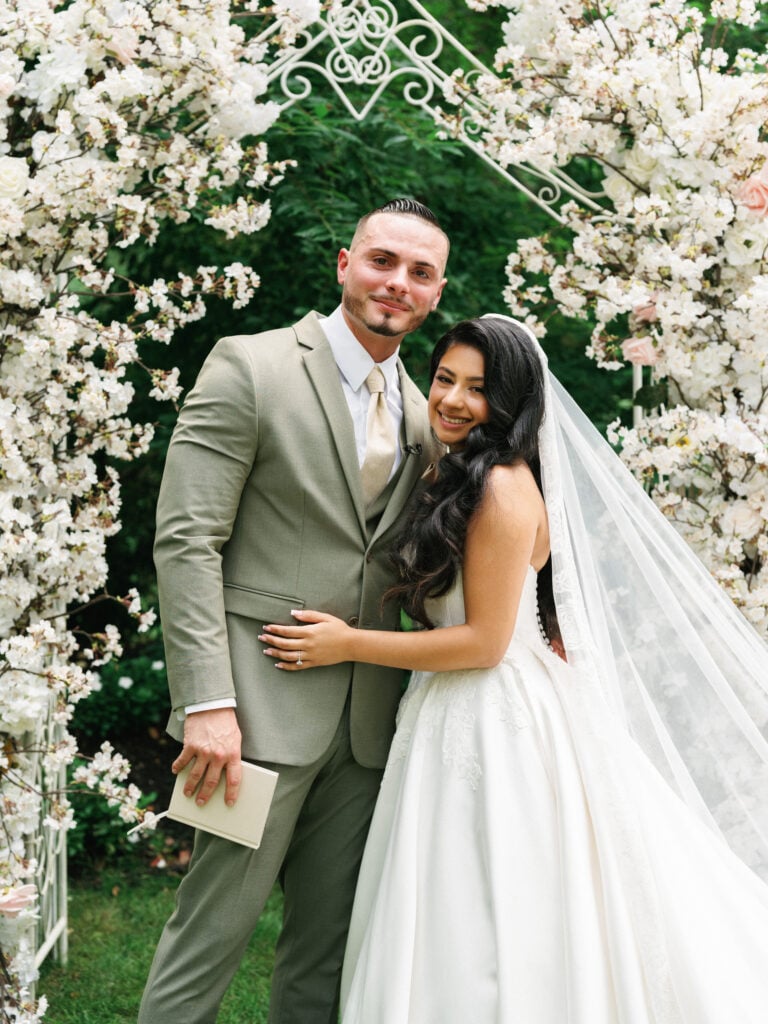
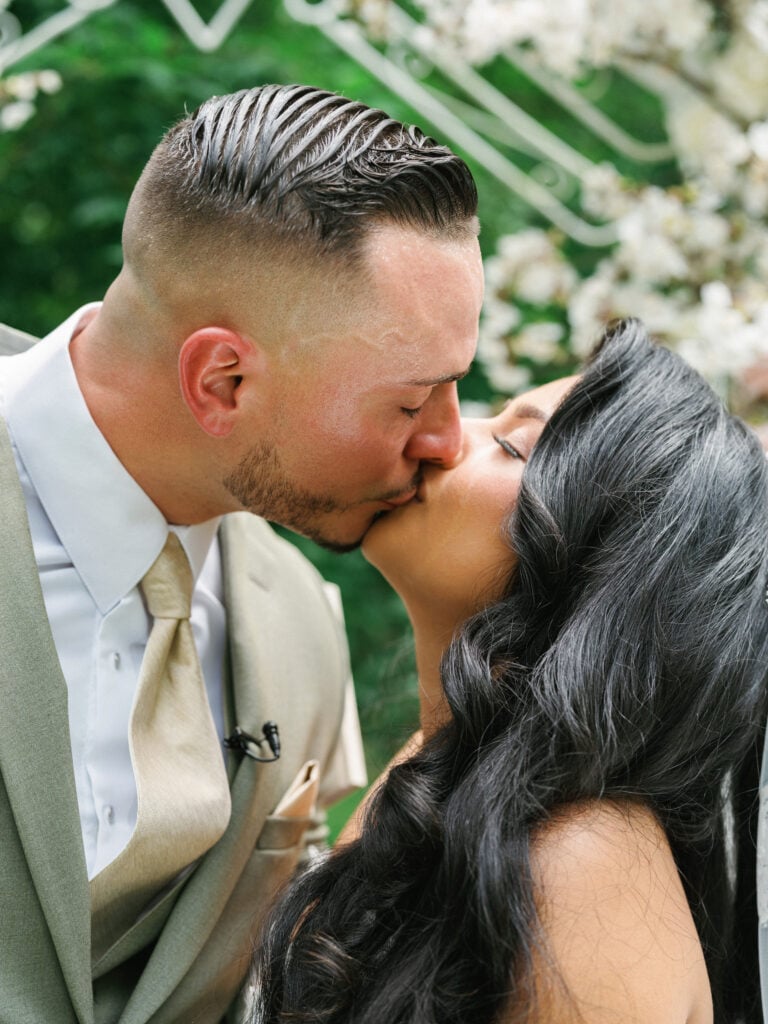
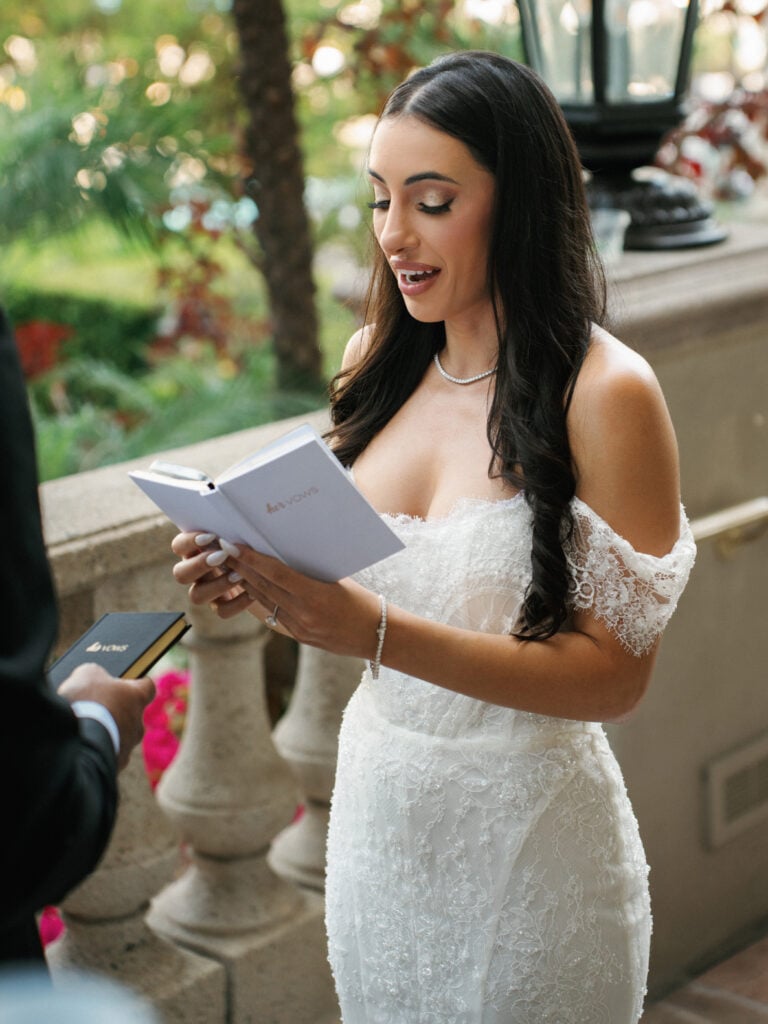
It is also worth deciding how to bring the words to the moment. Some people prefer handwritten cards, which can become keepsakes afterward. Others read from a phone or small notebook, while some choose to speak from memory. There is no need to memorize every sentence. Having the words available can make the exchange feel more relaxed, especially if emotions make it difficult to remember a prepared text.
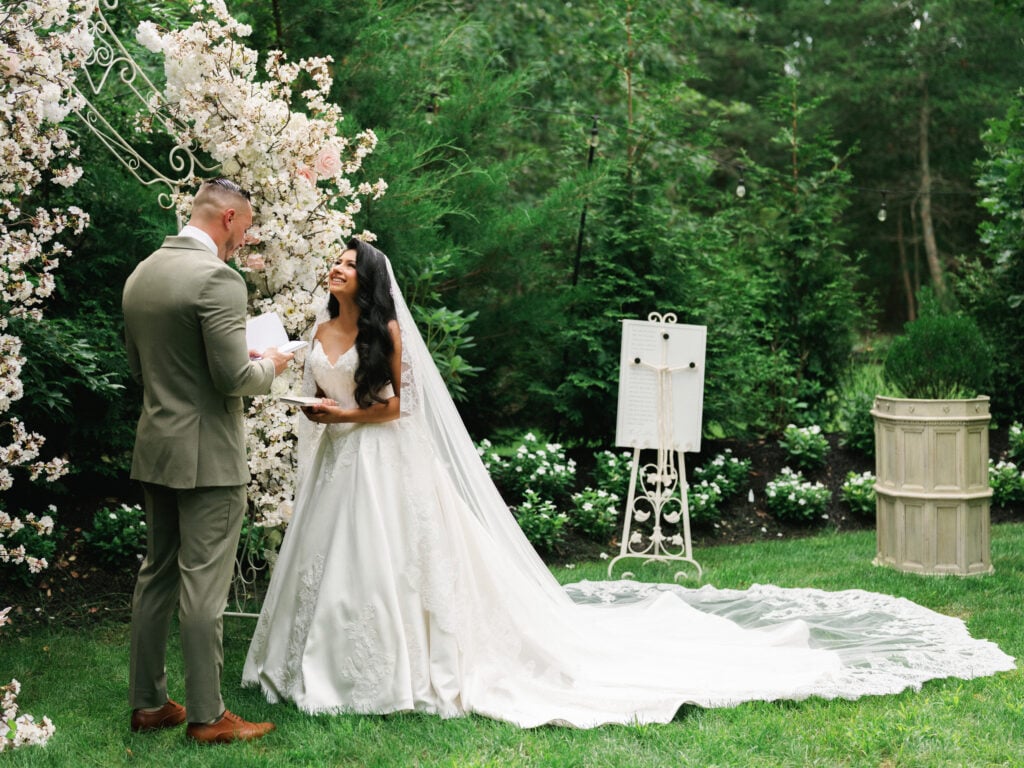
Timing of the Exchange Within the Wedding Day
Private vows can fit into several parts of the wedding schedule. The best timing depends on the couple’s priorities, the structure of the day, and how much privacy they want.
Before the ceremony is a common choice. The exchange can take place after both partners have finished getting ready, before guests arrive or while the rest of the wedding party is occupied. This gives the couple a personal moment before the ceremony and reception begin. It also means the words are shared before the formal vows, which some couples find meaningful.
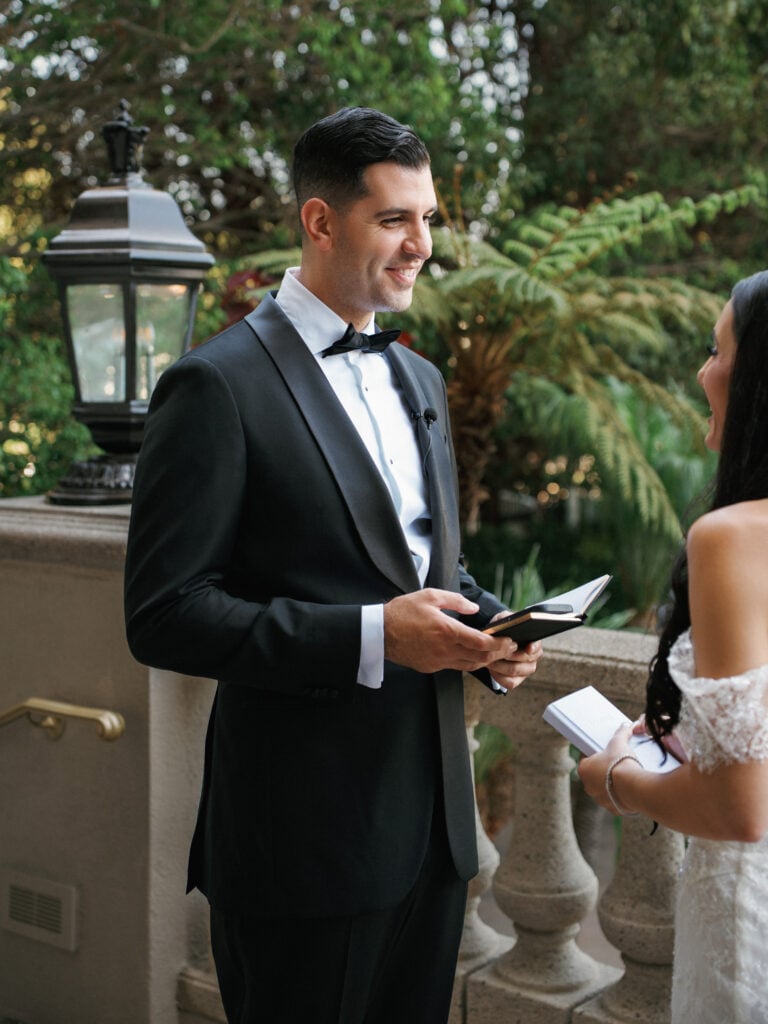
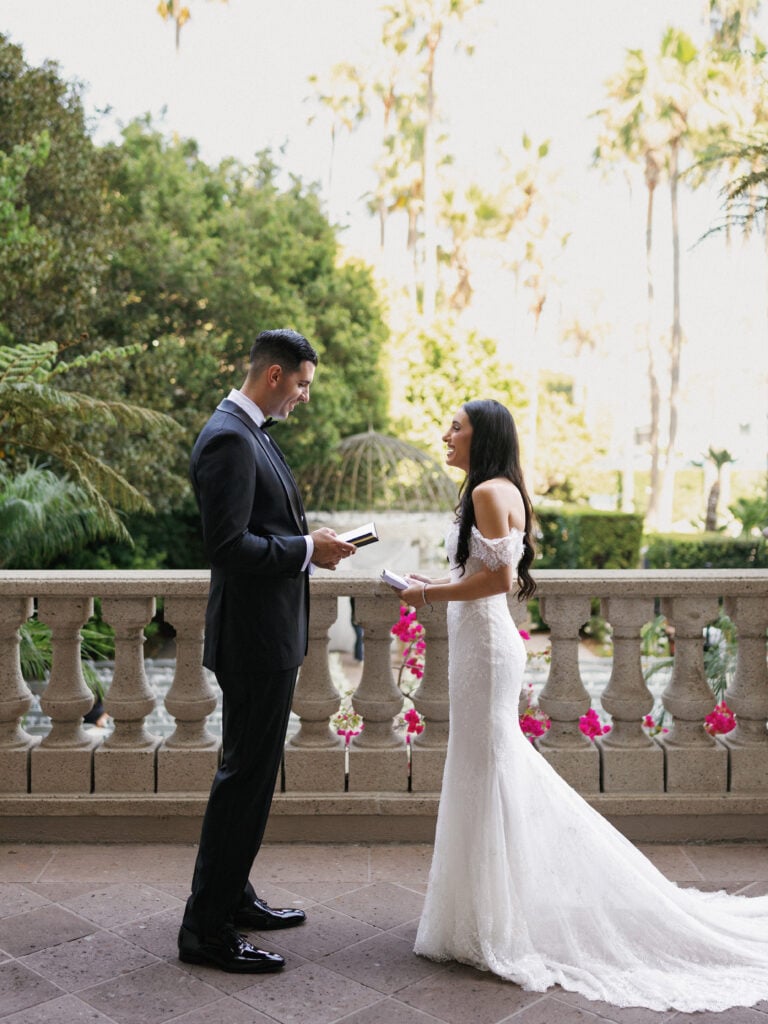
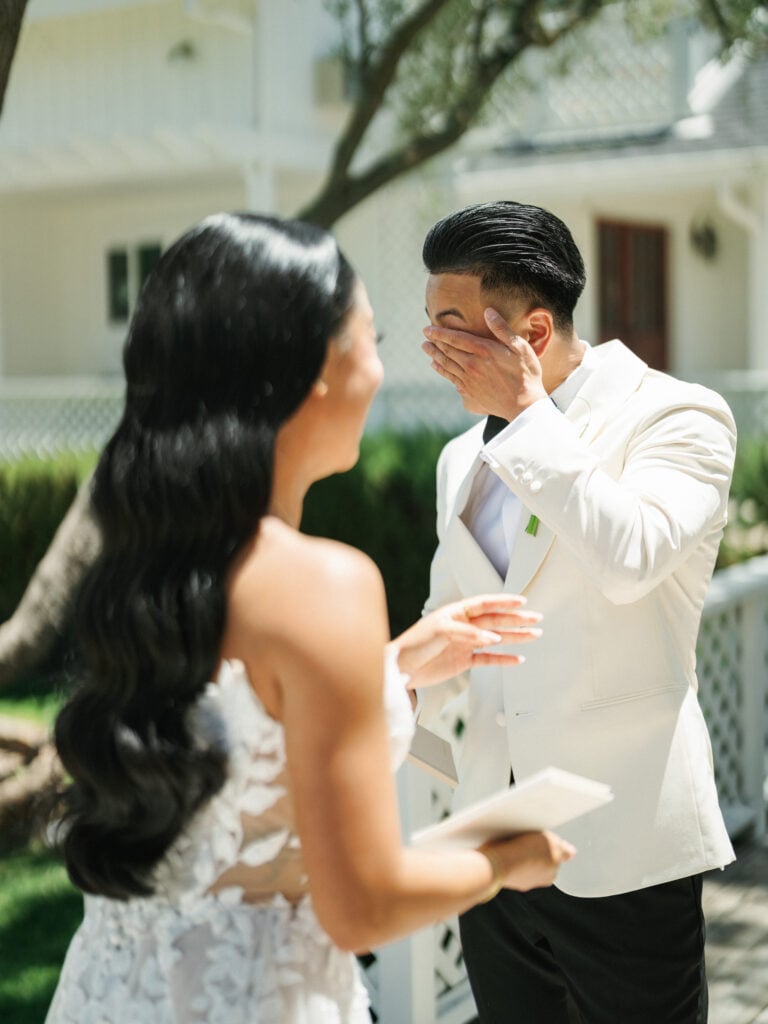
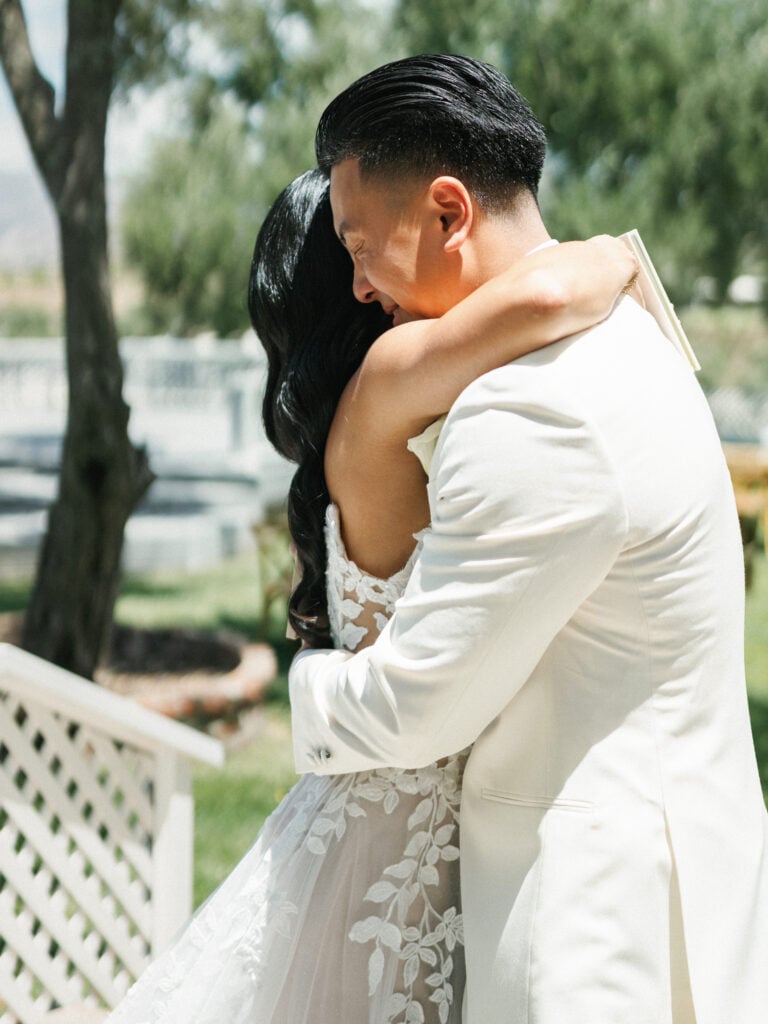
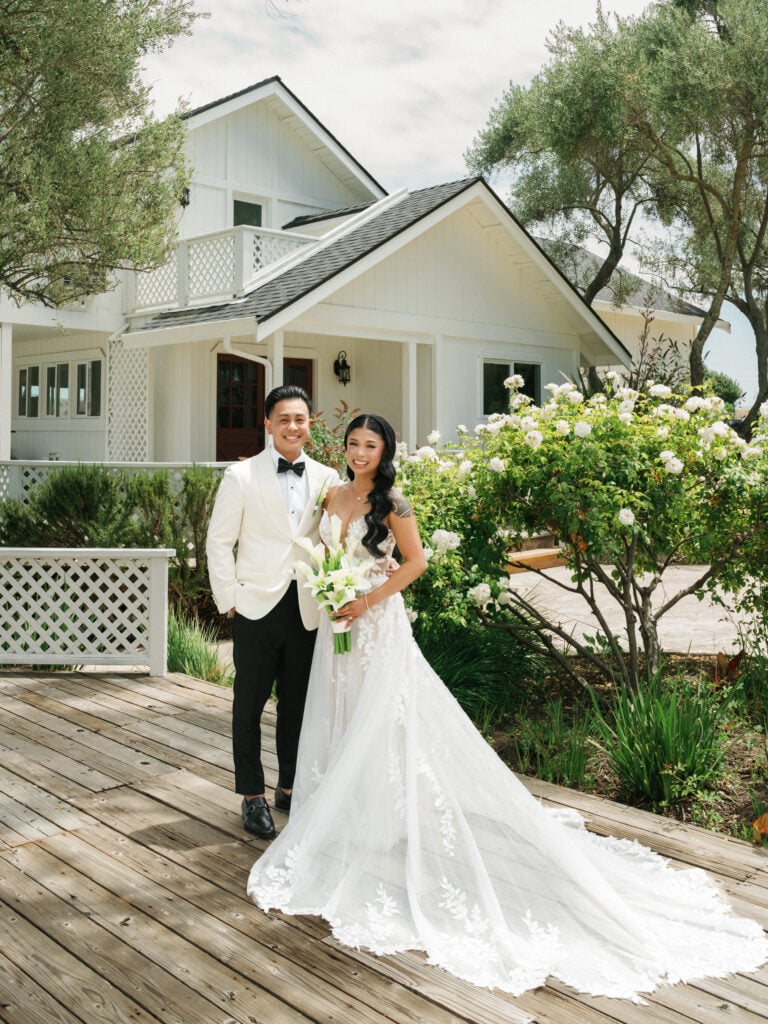
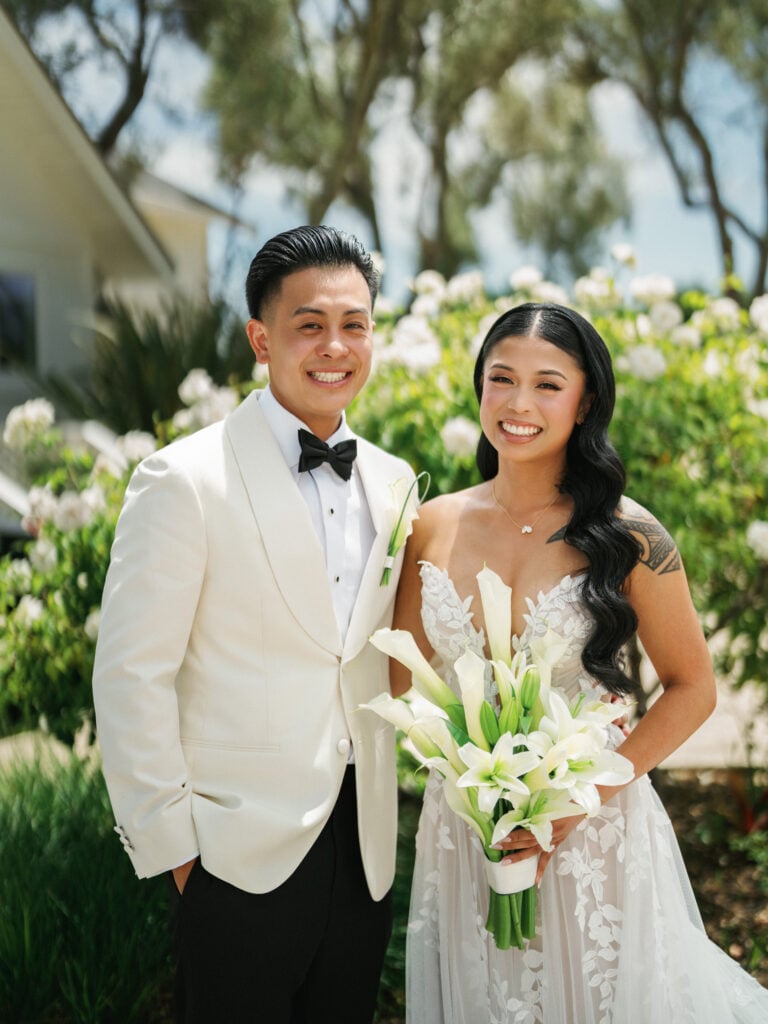
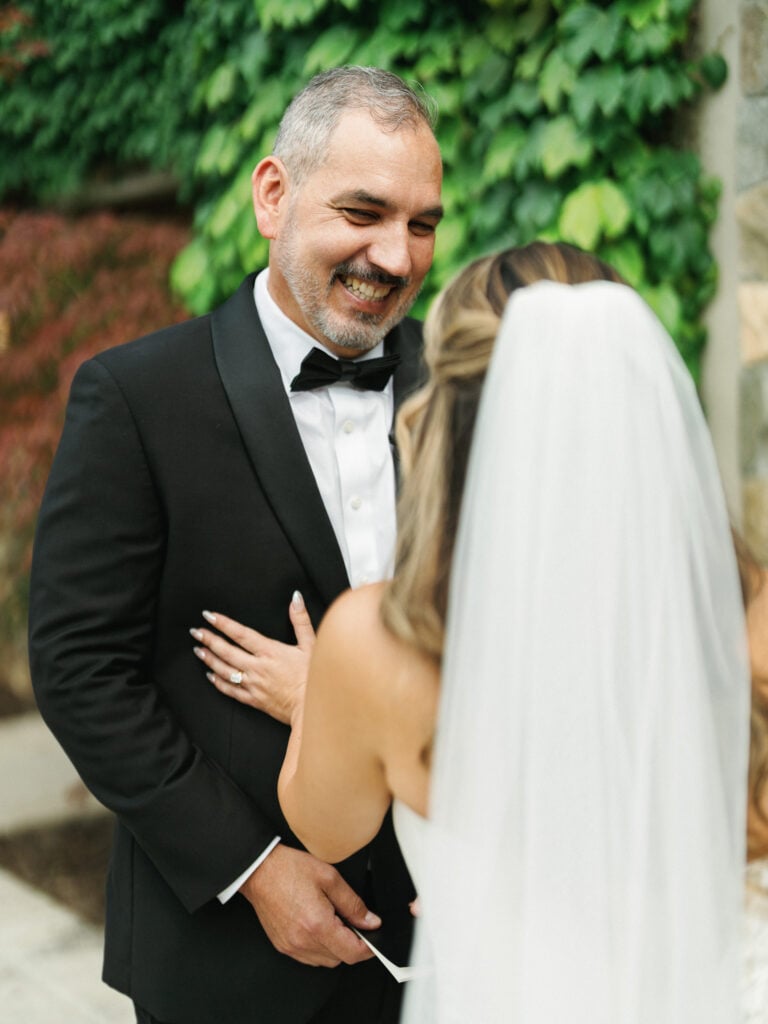
A first look can provide an opportunity for private vows, but the two do not have to happen together. A first look is already a distinct moment, usually planned around seeing each other before the ceremony. Adding a vow exchange makes it longer and changes its character. Couples who want to keep the first look brief can arrange their private words separately.
After the ceremony is another possibility. The couple may step away before joining guests for cocktail hour or take a quiet interval later in the afternoon. This timing allows the exchange to follow the formal ceremony, so the personal promises become a continuation of the day. The main consideration is the time available before the couple is expected elsewhere.
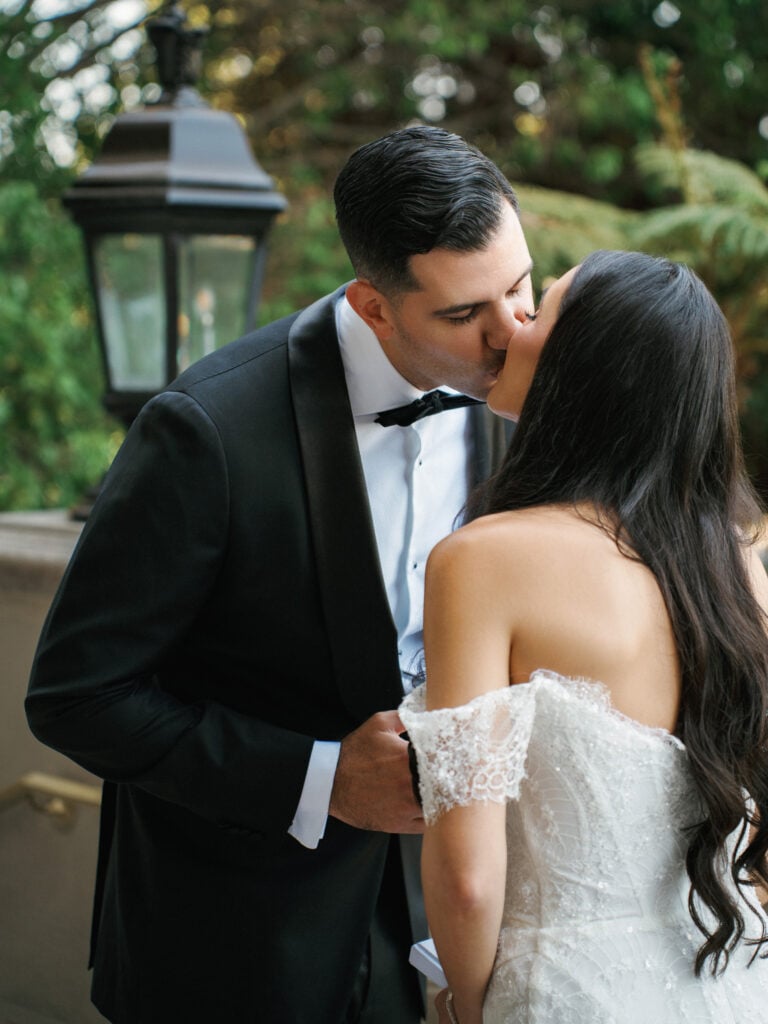
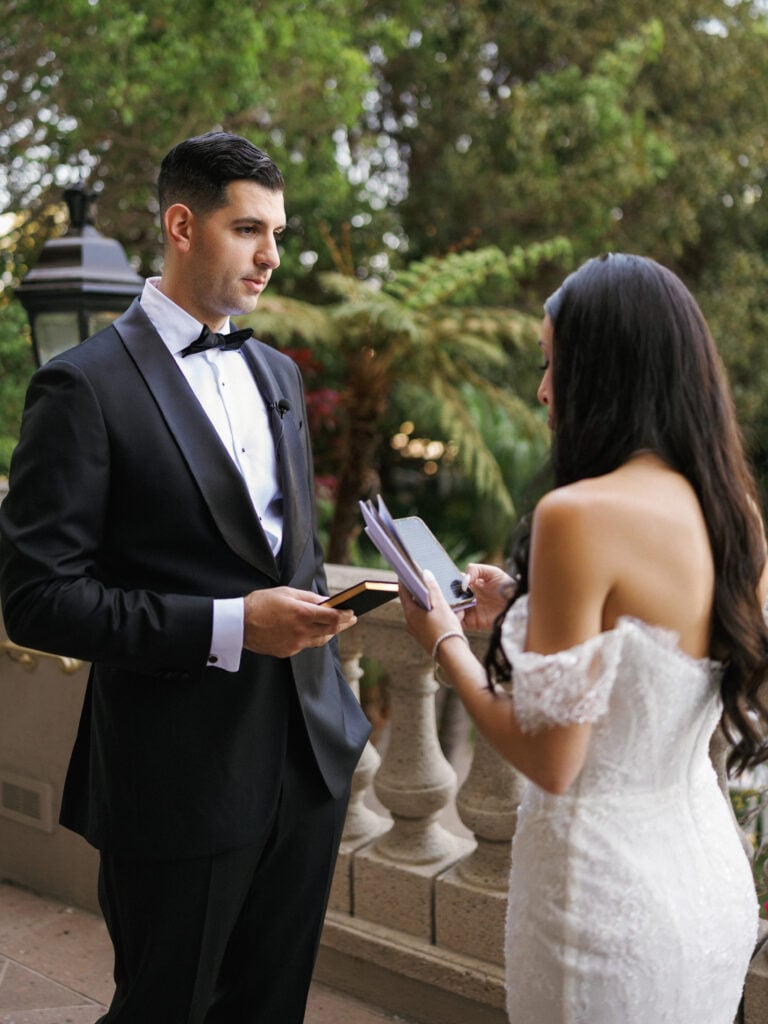
A quieter part of the day can work well too. For example, the exchange might take place after portraits or before the reception begins. This option can be useful when the couple wants to avoid the busy preparations of the morning but still have a moment away from guests.
Whichever time they choose, a small buffer helps. Hair and makeup may take longer than expected, preparations can run behind schedule, and the couple may need a few minutes to settle before beginning. It is also worth allowing time afterward to return to the celebration without feeling rushed. There is no standard duration for private vows: the schedule should accommodate the words and the experience the couple wants.
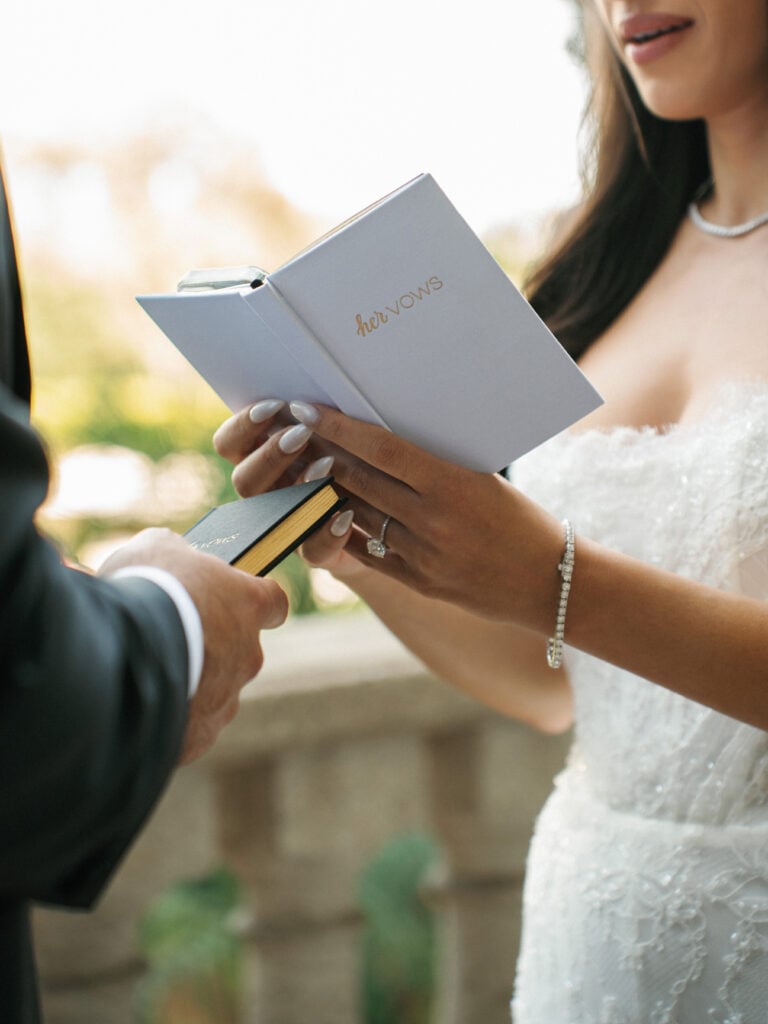
Expert Note
The time of day can influence the atmosphere of the exchange, especially if the couple wants photographs or film footage. Morning light through a large window may create a soft setting indoors, while an outdoor location with open shade can be comfortable in the afternoon. The creative team can help identify suitable options during a venue visit or planning conversation.
Light is only one consideration, however. A location should also offer enough privacy, easy access, and protection from interruptions. A beautiful spot that is exposed to guest traffic or difficult to reach may not be the best choice for a personal exchange.
Aster Films planning note
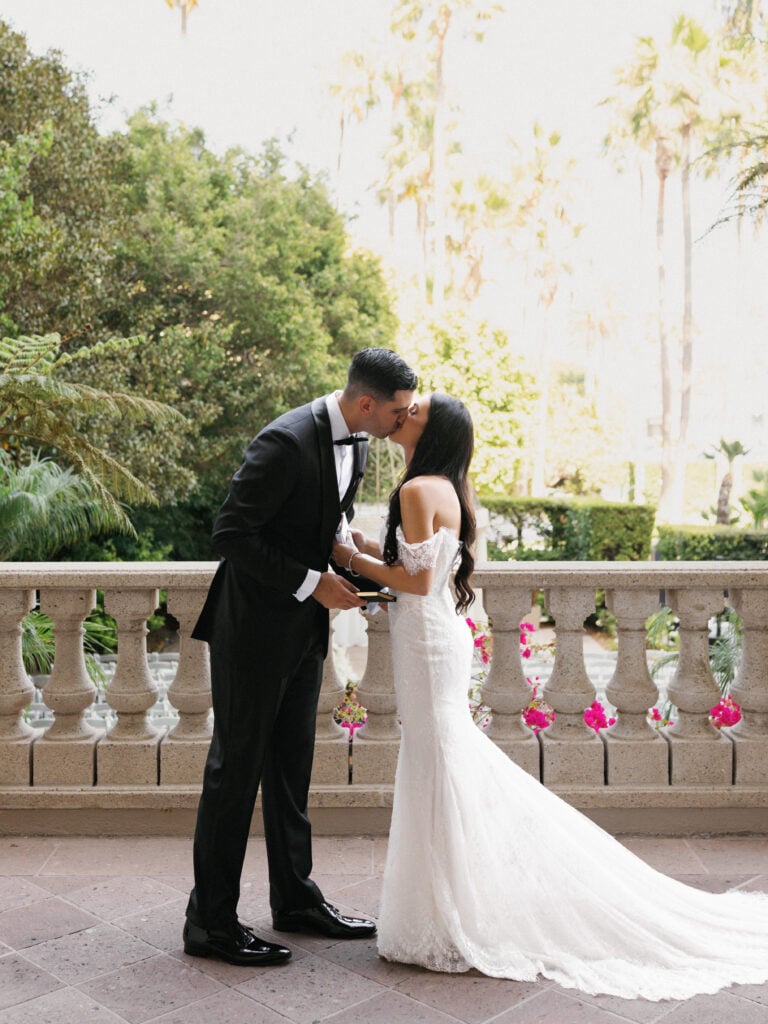
The Setting and the Level of Privacy
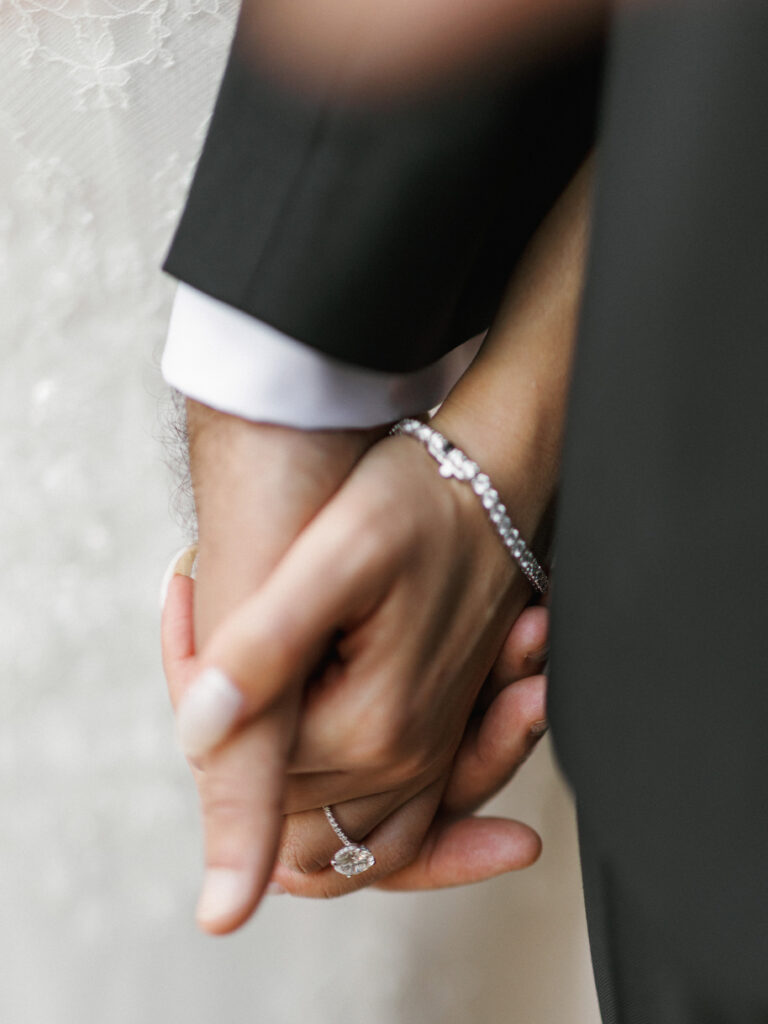
A suitable setting does not need to be elaborate. A quiet garden corner, private suite, library, covered porch, or secluded part of the venue can all work. The important qualities are that the couple feels comfortable, the location is accessible, and there is enough separation from the movement of guests and staff.
If the exchange is planned outdoors, arrange an indoor alternative in case of rain, strong wind, or uncomfortable temperatures. It is also worth checking whether the venue allows access to the chosen area and whether any restrictions apply. Some locations have private rooms or gardens that need to be reserved in advance.
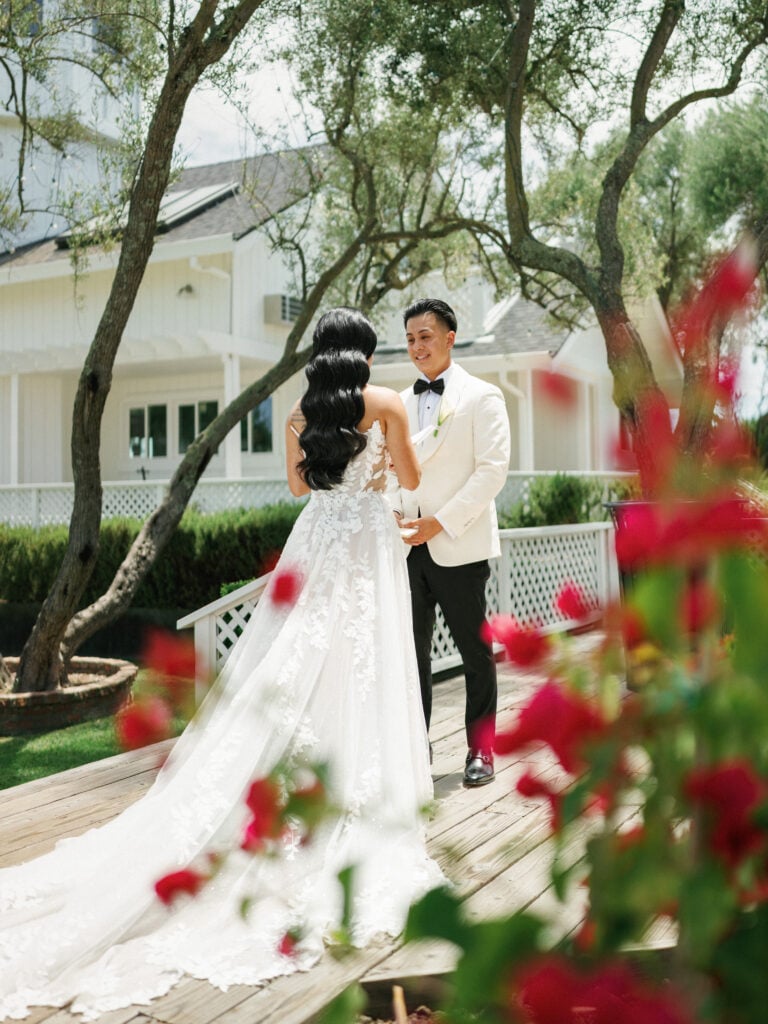
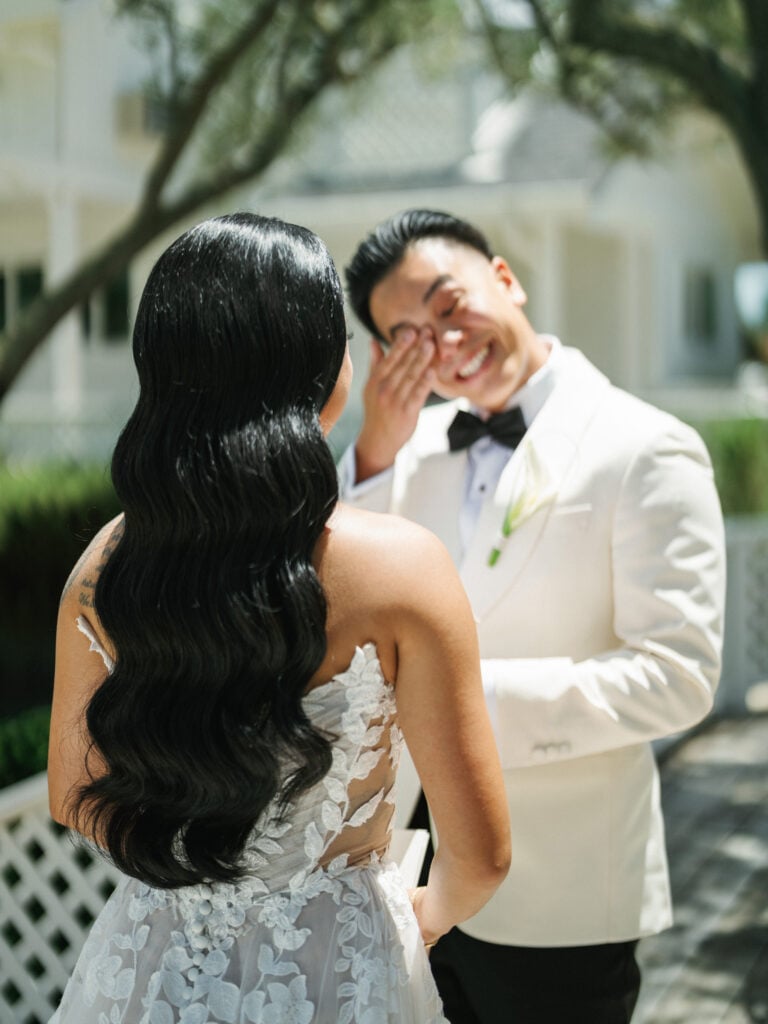
Privacy also depends on who knows about the plan. A trusted friend, planner, or other helper can make sure the couple is not interrupted, direct guests elsewhere, and let the venue team know that the area should remain clear. This person does not need to know the content of the vows. They only need the practical details: the time, the location, the expected duration, and who may be present.
Keeping guests away from the exchange does not automatically mean excluding the entire creative team. Couples can decide whether they want the moment to be completely private or whether they are comfortable with a photographer or videographer nearby.
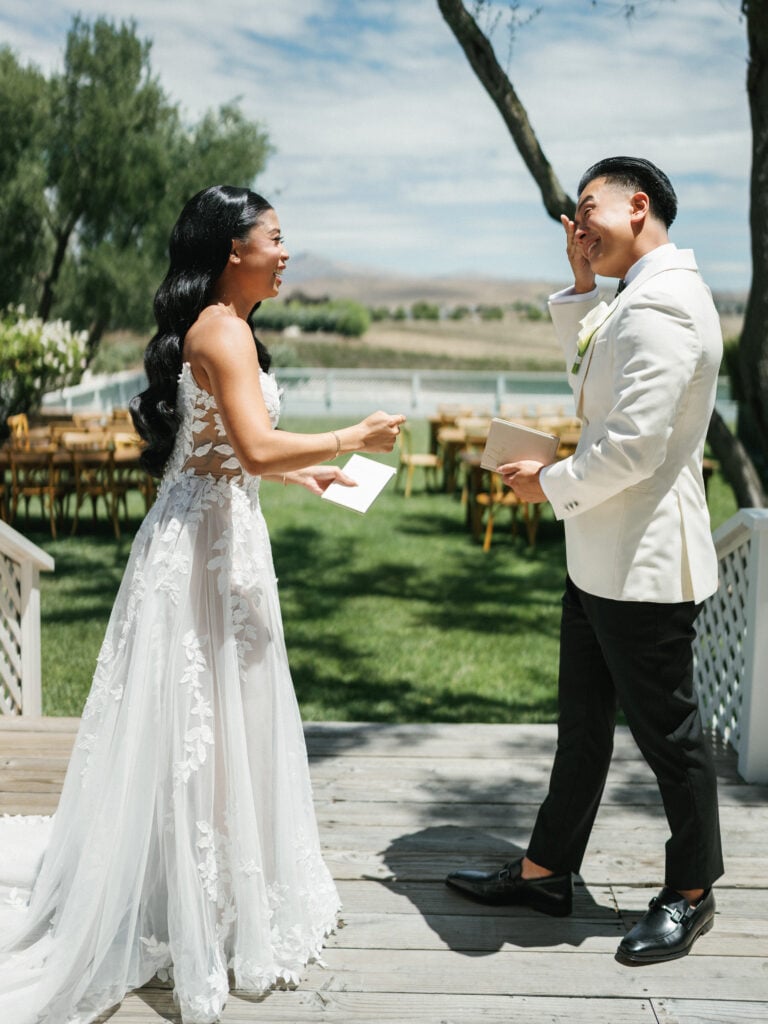
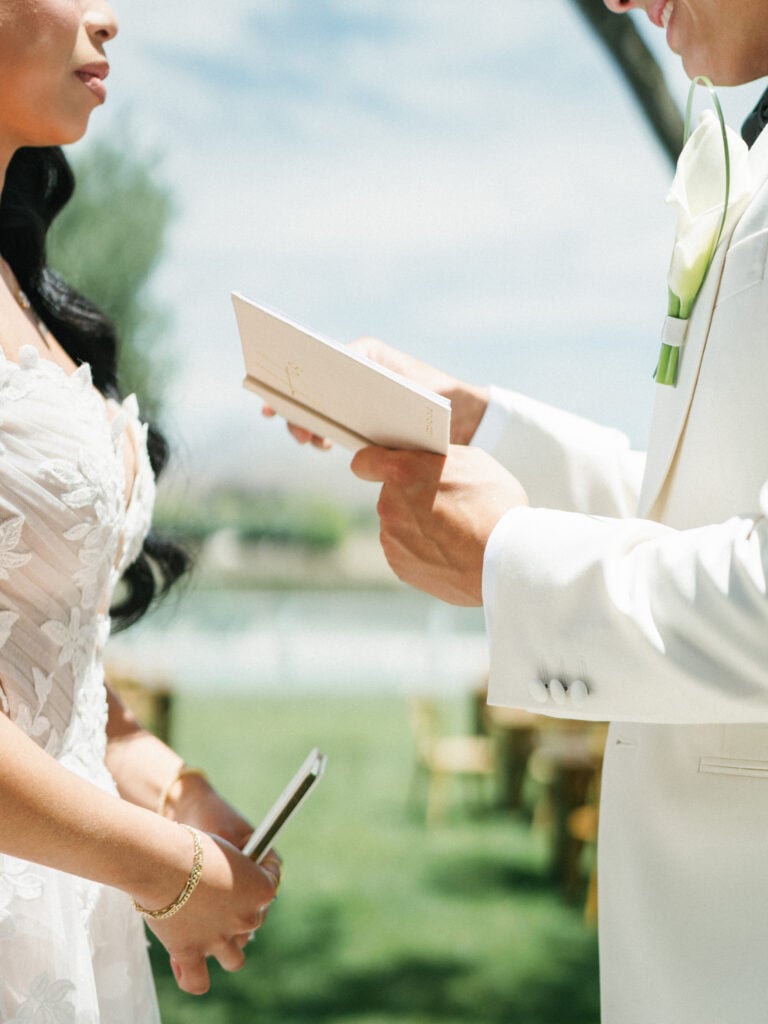
There are several ways to arrange this:
- The couple exchanges vows entirely alone, with no one recording the moment.
- The photographer observes from a distance and captures a few images without interrupting.
- The film team prepares its equipment in advance and records from outside the immediate space.
- A trusted person remains nearby for practical support but does not participate in the exchange.
These arrangements can be discussed with the photo and film team before the wedding. The couple should feel free to explain what would make them comfortable, including whether they want the team to leave the area completely once the exchange begins.
Recording, Film Use, and Sharing Preferences
Recording private wedding vows is optional. Some couples want the words to remain entirely between them, while others would like a personal record to revisit after the wedding. There is also the possibility of including selected parts of the exchange in the wedding film.
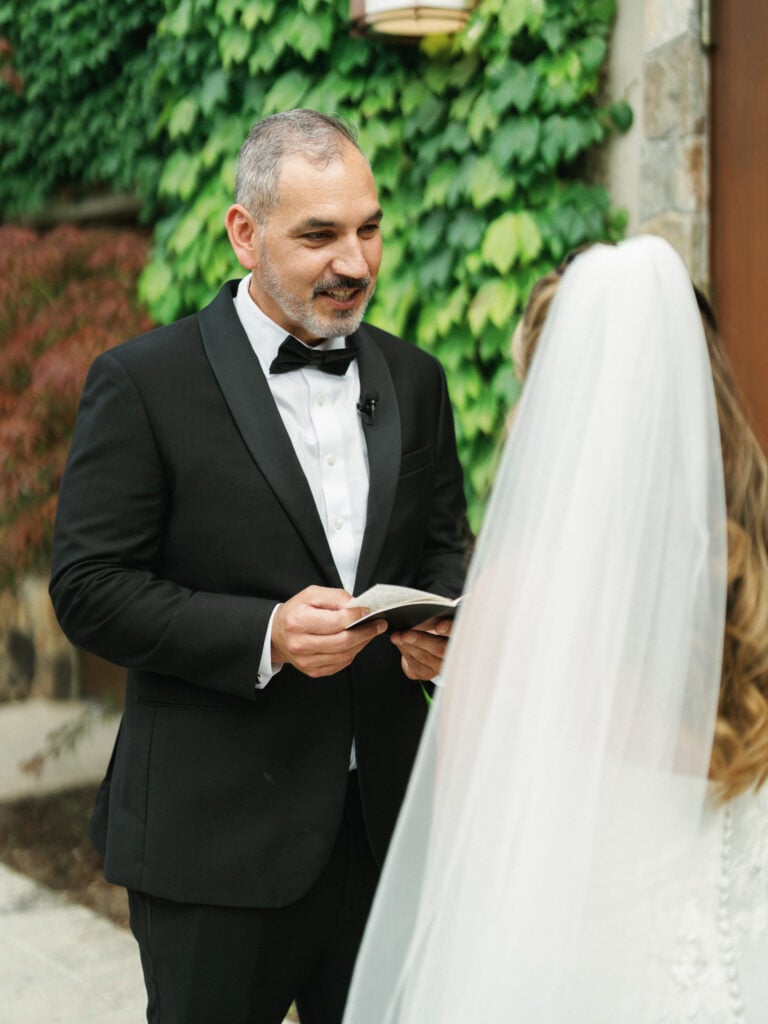
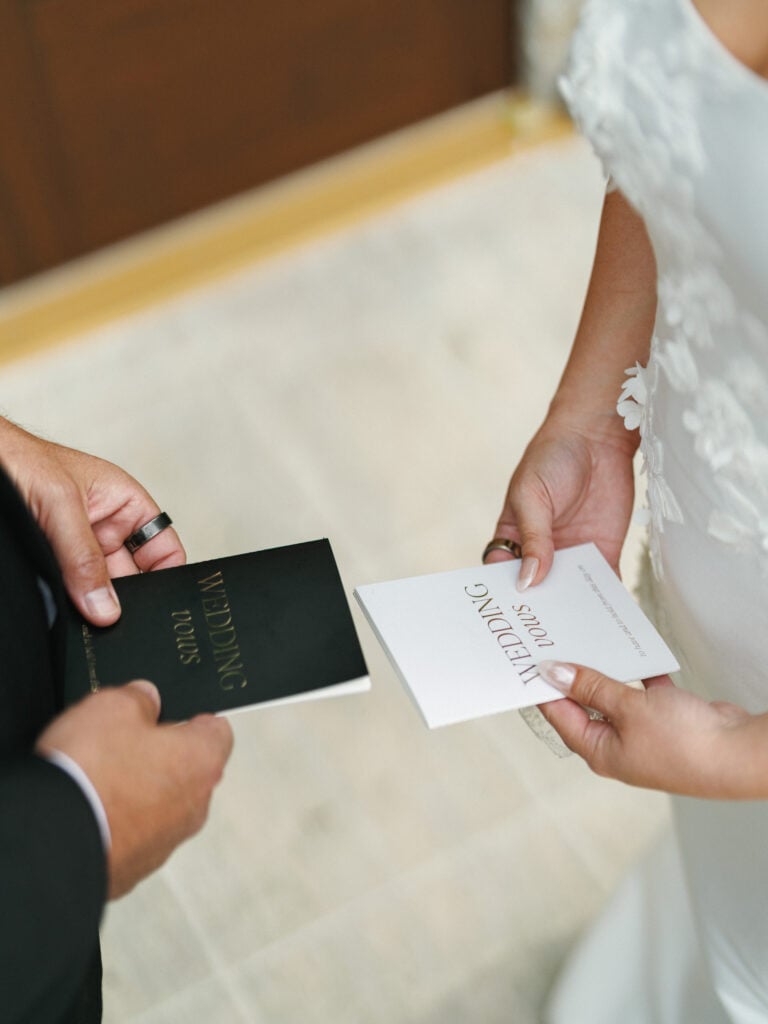
It helps to consider three separate choices.
Keep the exchange unrecorded. The couple can ask the creative team to leave the moment undocumented. They may still arrange photographs or film footage from other parts of the day, but the actual words and exchange remain private.
Make a private recording. The vows can be recorded for the couple to keep, without including the audio or video in the delivered wedding film. This can be useful for partners who want to revisit their words later but do not want them shared with guests or an online audience.
Include selected parts in the wedding film. Some couples may want a few lines from their vows to accompany images from the day. Others may prefer the film to show the exchange through gestures, expressions, and the setting, with music or ambient sound instead of the spoken words.
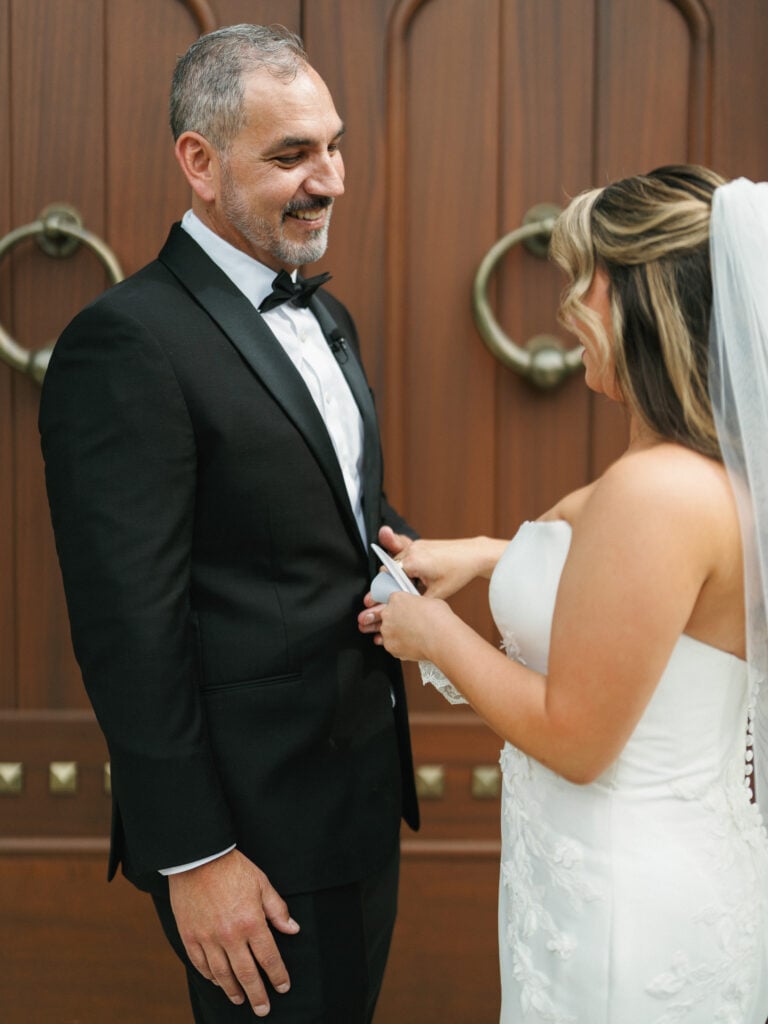
A film can preserve the feeling of the moment without revealing its content. The couple might appear together in a quiet location, exchange letters, or embrace after reading their vows. The images can communicate the significance of the exchange while the words remain between them.
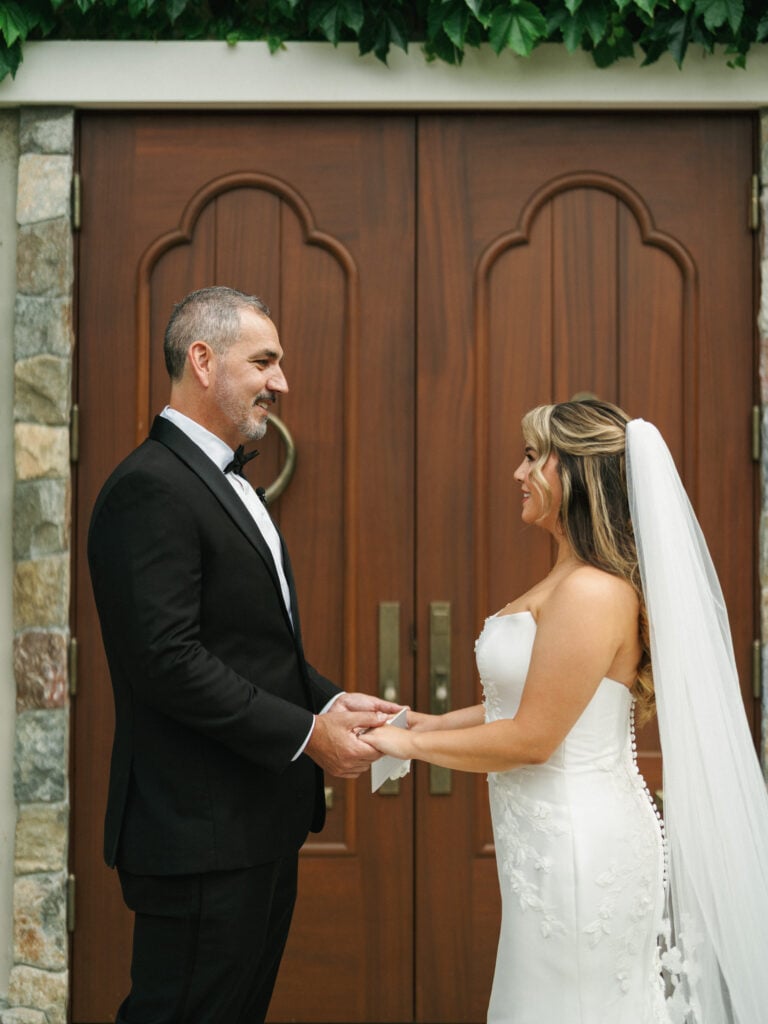
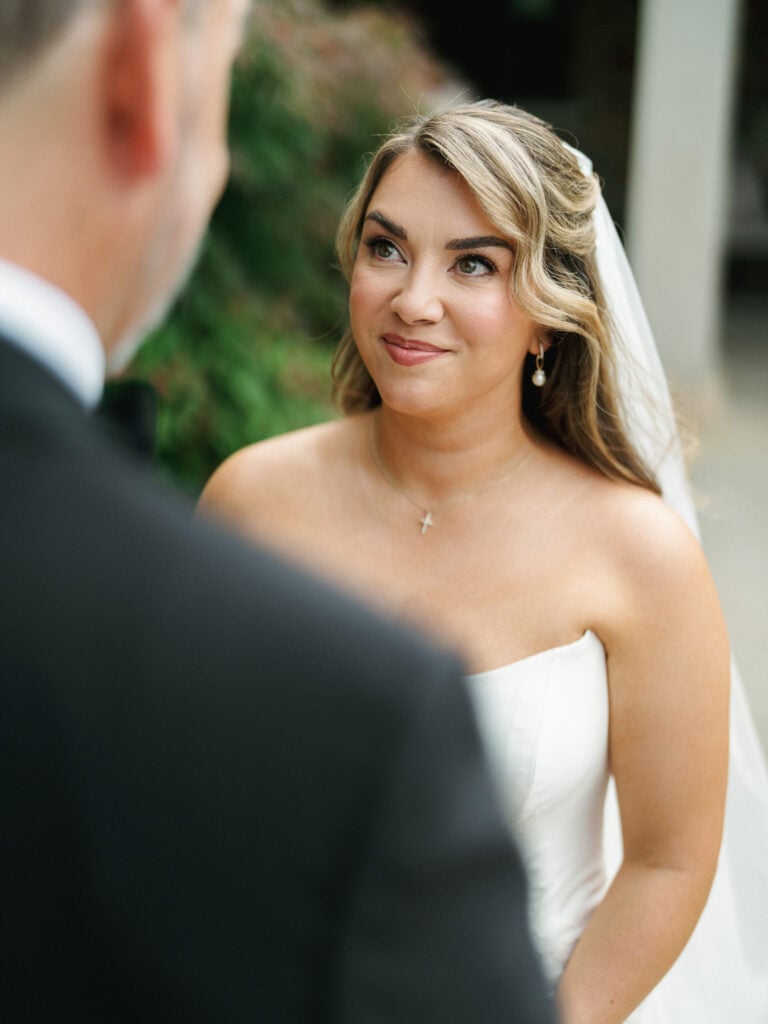
Recording and sharing should be treated as separate decisions. A couple may agree to have the vows recorded but want the file delivered privately. They may also allow a selected excerpt in the wedding film while keeping the full exchange out of any public version. Permission to record does not automatically mean permission to publish, and both partners should agree on how their words may be used.
If a short teaser is among the planned film deliverables, our wedding teaser video guide covers additional sharing and approval questions to discuss with the studio.
These preferences are best discussed with the creative team in advance and confirmed in writing. If one partner is uncomfortable with recording or sharing, the couple can choose an arrangement that respects that boundary. The purpose of the exchange is to give both people a moment they can experience comfortably.
A short handoff helps everyone involved understand the plan. It can include:
- The agreed time and location.
- Who may be present and where the creative team should stand.
- Whether photography, video, or audio recording is permitted.
- Whether the words may appear in the delivered film.
- Whether any part of the recording can be shared publicly.
For example, the couple might specify that they will exchange vows at 4:10 by the east garden entrance, with the photographer at a distance, no audio recording, and no public sharing. A few clear instructions are enough to make the boundaries understood without turning the moment into a production.
Frequently asked questions
Can we exchange private vows and still say vows during the ceremony?
Yes. Private vows can be an additional personal exchange, while the ceremony includes the wording required for the formal occasion. Couples can confirm the necessary elements with their officiant and decide separately what they want to say in private.
Do private vows have to happen during a first look?
No. A first look is one possible opportunity, but private vows can take place before the ceremony, after it, or during a quieter part of the day. The timing should reflect the couple’s preferences and leave enough room for the exchange.
Can we read letters instead of writing vows?
Yes. A couple can exchange letters, read them aloud in private, or save them to open later. Letters offer more flexibility in form and length, so it is useful to agree on whether each person plans to read their words during the wedding day.
Can our film include the moment without sharing the words publicly?
Yes. The film can show the couple exchanging vows through images, gestures, and the surrounding atmosphere without including the spoken words. Couples can also ask for a private recording that is delivered separately and excluded from the film.
What if one partner wants the vows recorded and the other does not?
Both partners should be comfortable with the decision. If one person prefers not to have the exchange recorded, the couple can keep the words private and still decide whether they want photographs or silent footage of the moment. Recording should never be assumed as part of the plan.
How long should private vows be?
There is no fixed length. Some couples exchange a few sentences, while others read longer letters. Agreeing on an approximate scope beforehand helps both partners prepare and gives the wedding schedule enough room for the moment.
Can we exchange private vows without anyone knowing?
Yes. Couples can keep the plan between themselves and arrange the timing and location discreetly. If the venue or schedule requires assistance, one trusted person can be given only the practical details needed to prevent interruptions.
CONTACT ASTER FILMS
Tell us about your wedding
We would be happy to talk through the timing, setting, and privacy preferences for your private vows, and clarify how the photo and film team can document the moment in keeping with your wishes.
Replace this line with a concise, factual video caption before publishing.