What Actually Counts as a Micro Wedding
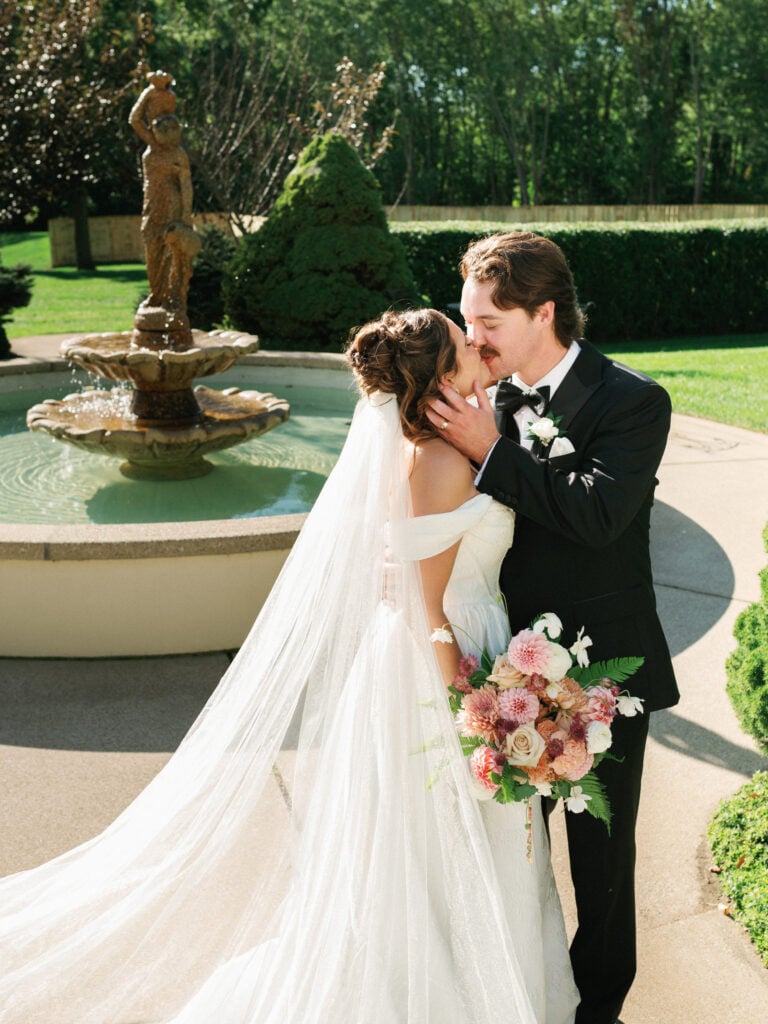
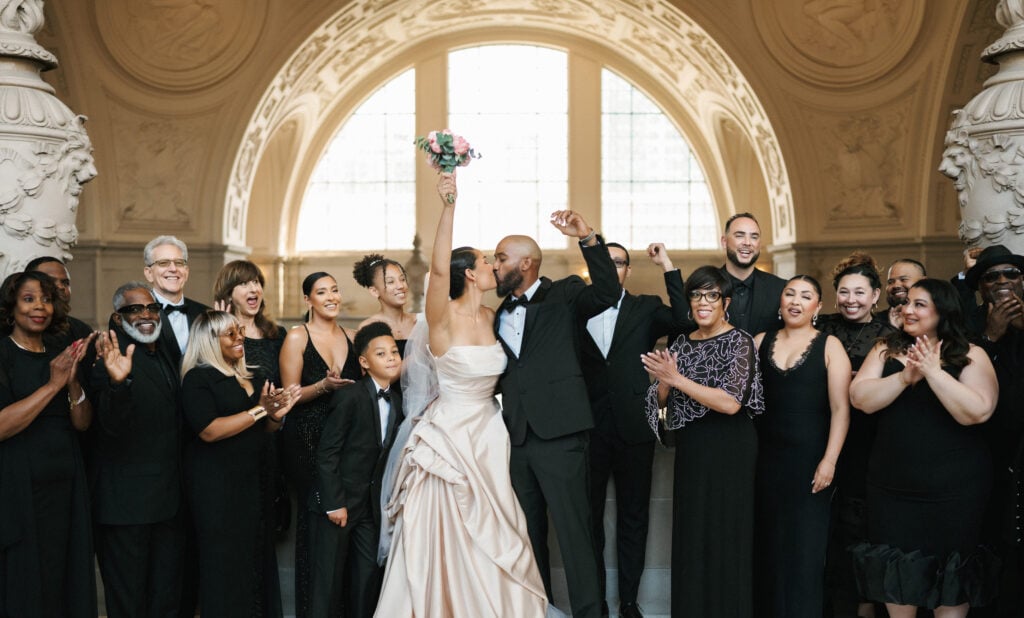
The term micro wedding is used for a smaller-scale wedding celebration, commonly with fewer than fifty guests and often with a guest list closer to fifteen or thirty people. It remains distinct from an elopement, which typically centers on the couple and a small number of witnesses, with no broader group of invited guests. A micro wedding still has the familiar shape of a wedding day: getting ready, a ceremony, portraits, dinner or another gathering afterward, speeches, family photographs, and time with guests who have traveled to be there.
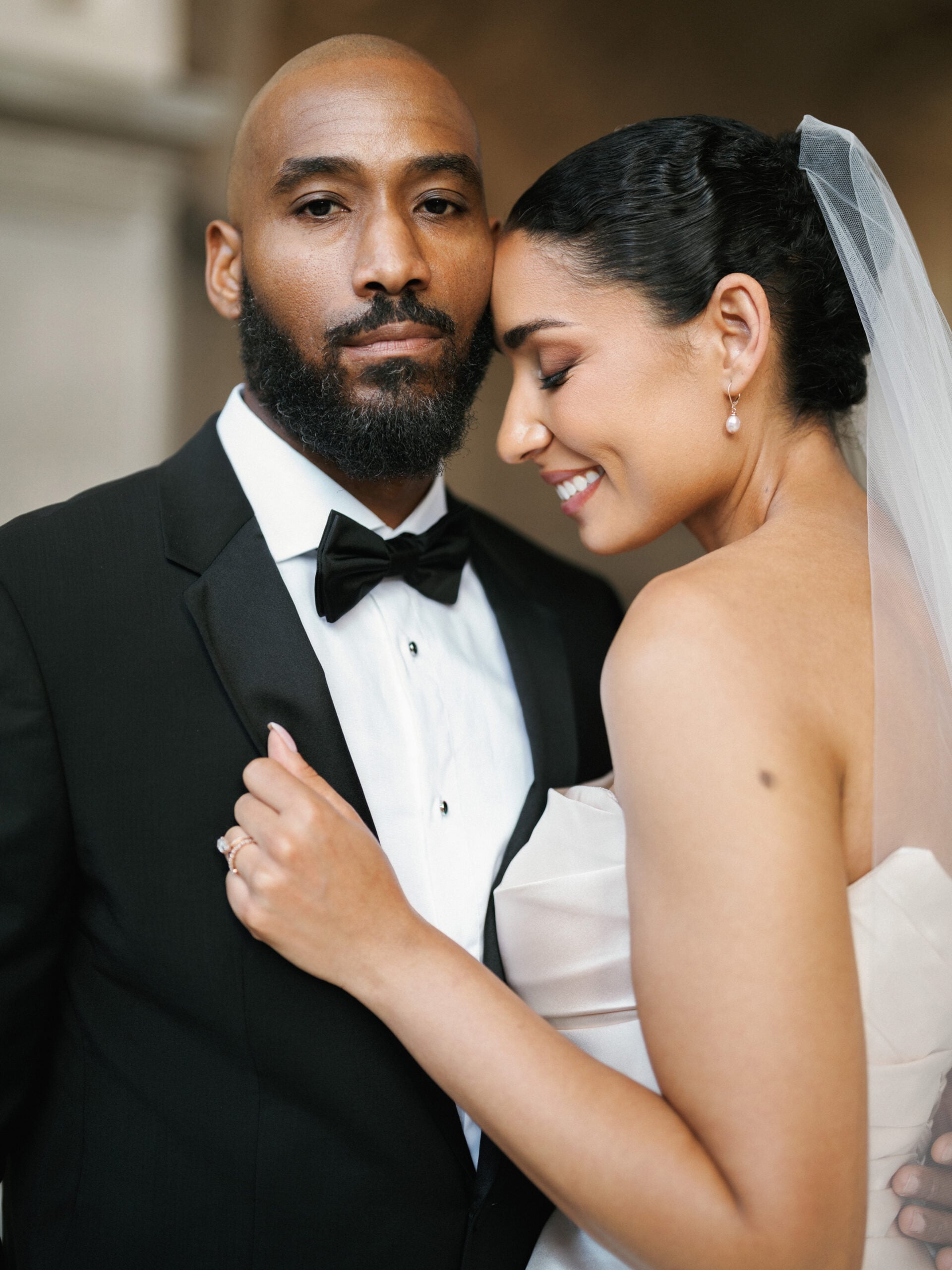
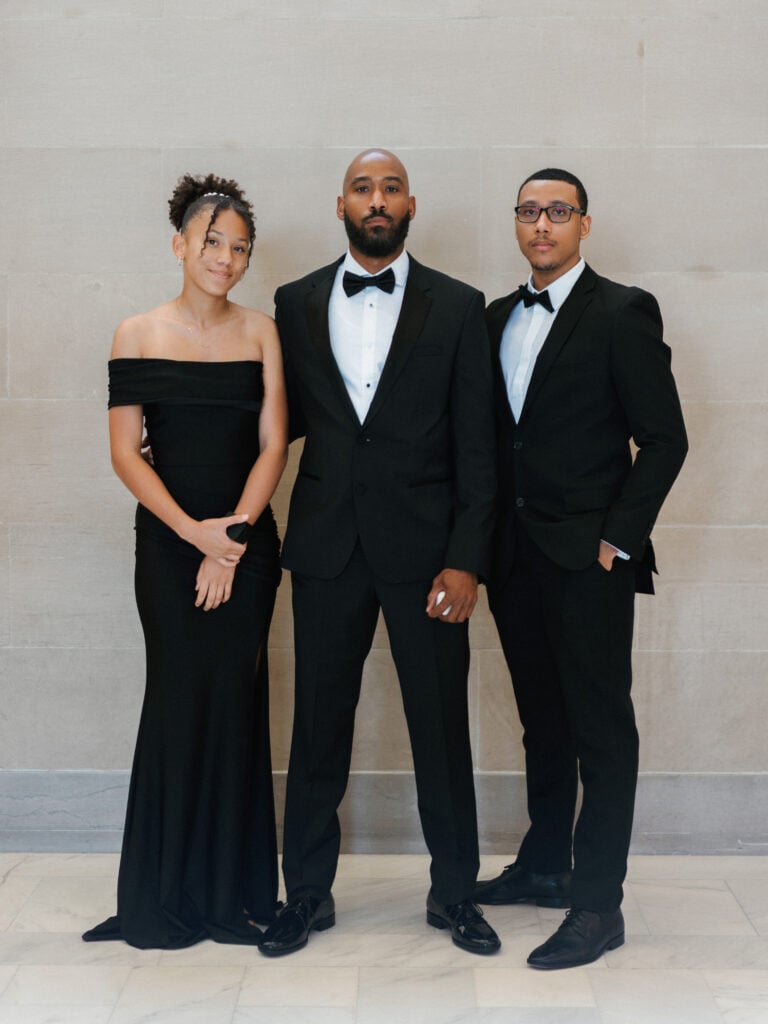
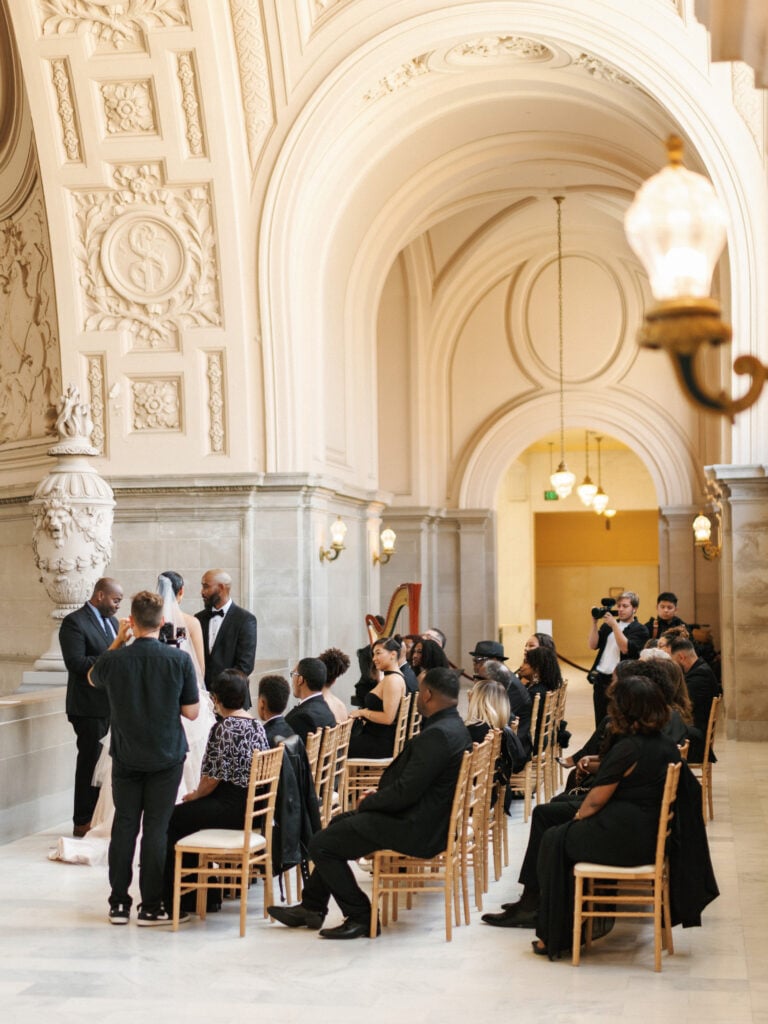
San Francisco City Hall, CA.
What Becomes More Intimate
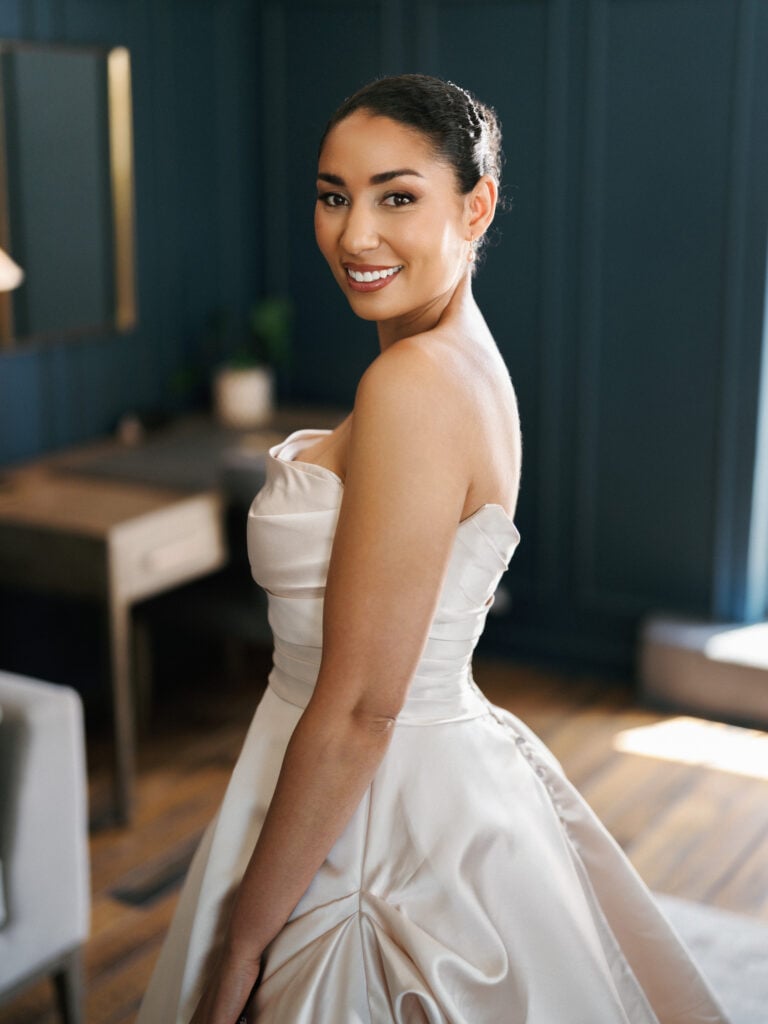
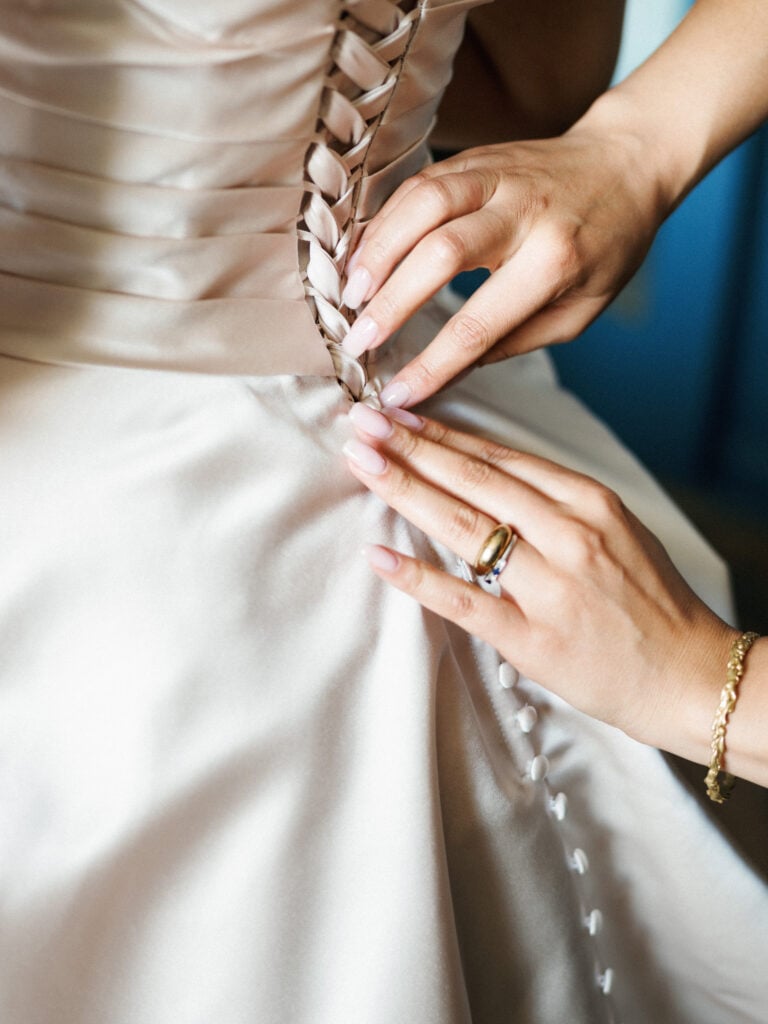
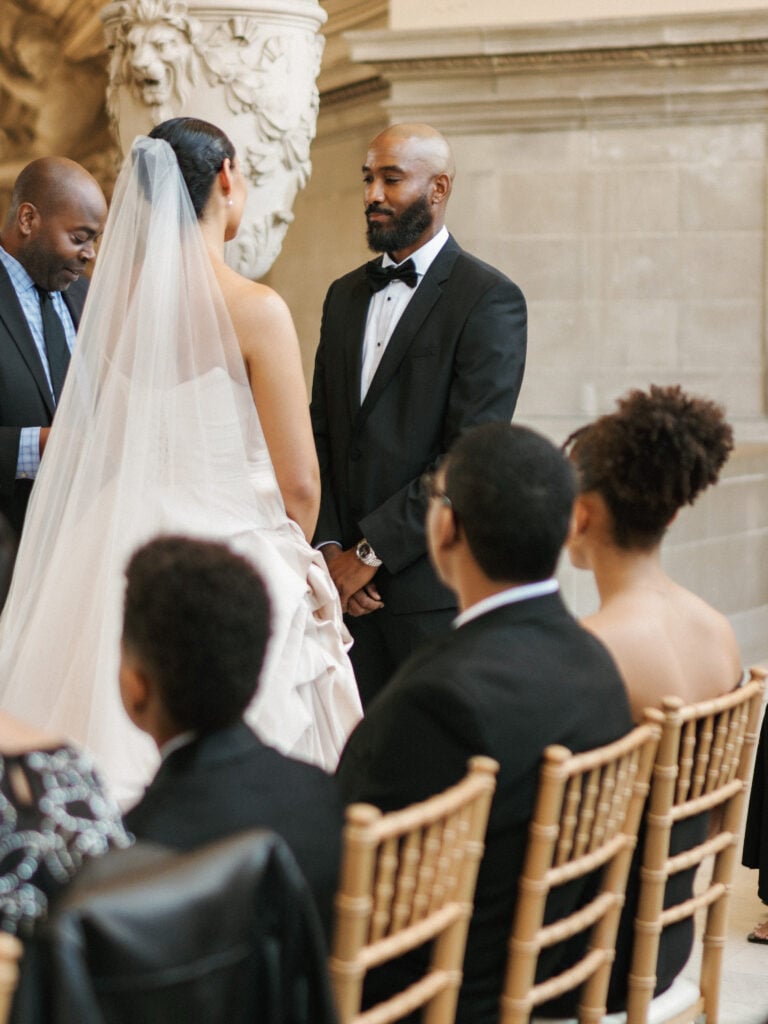
At a micro wedding, guests may be seated close enough for the photographer to capture an officiant’s expression, a parent’s reaction, or a hand reaching for a tissue from only a few feet away. The film team can stay within that same space, keeping those small exchanges alongside the ceremony.
A couple’s vows may be spoken at conversational volume, with family and friends seated close enough to hear each word. Depending on the room and microphone setup, individual voices can come through with a quiet, natural quality that suits the intimacy of the ceremony.
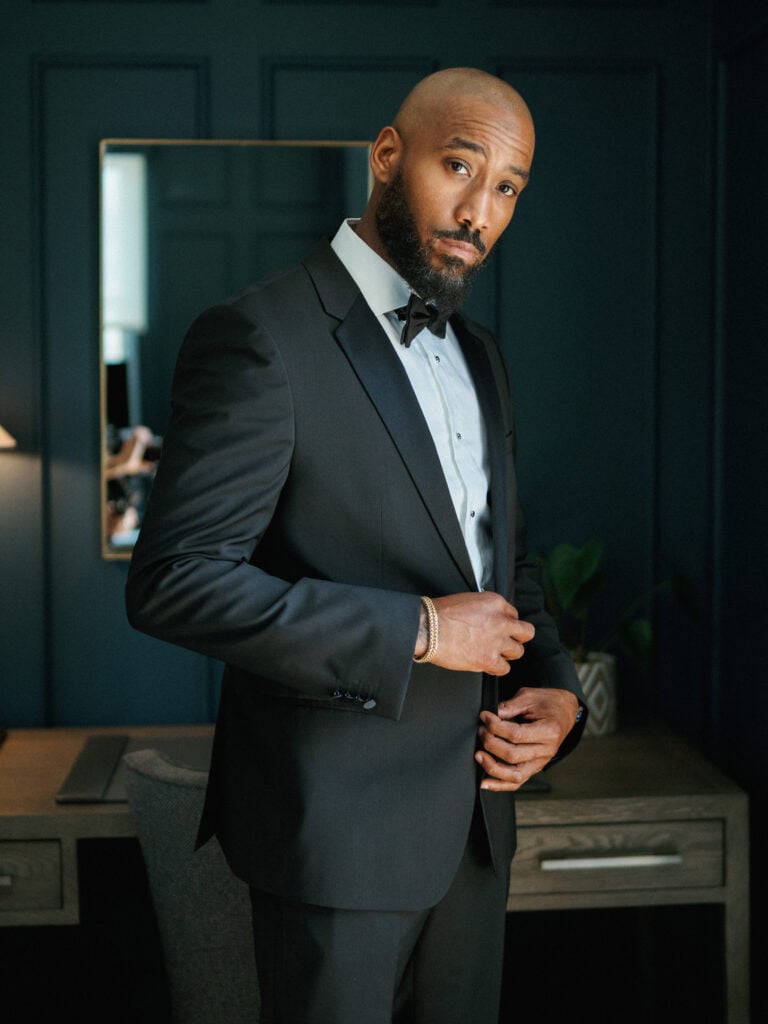
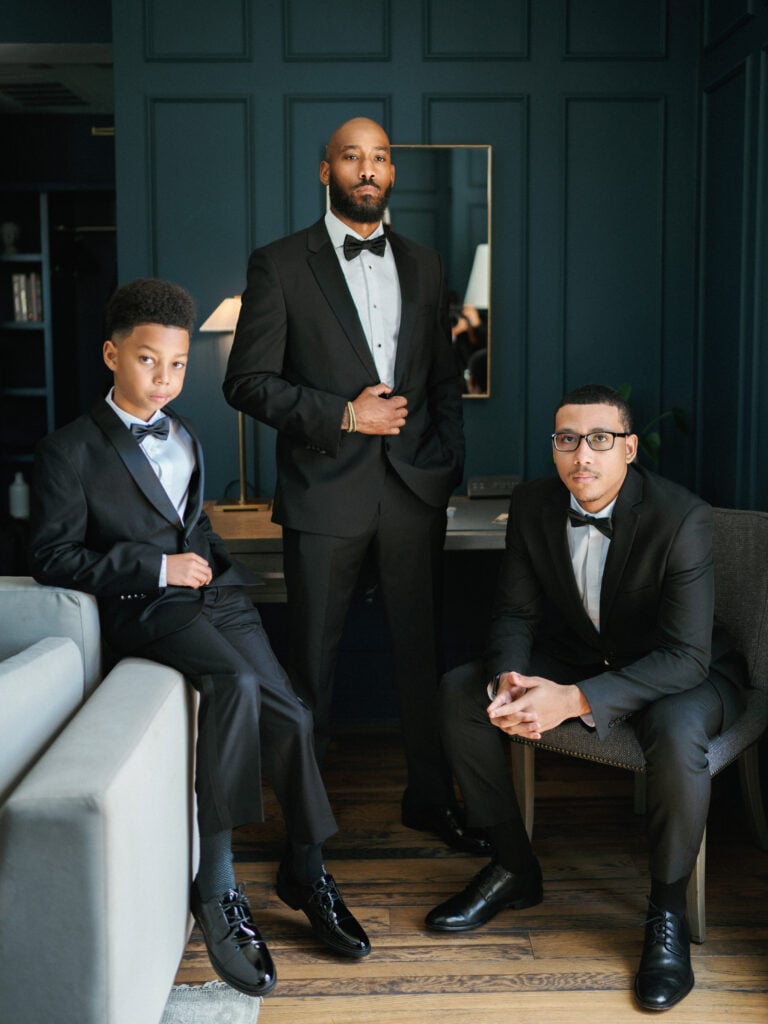
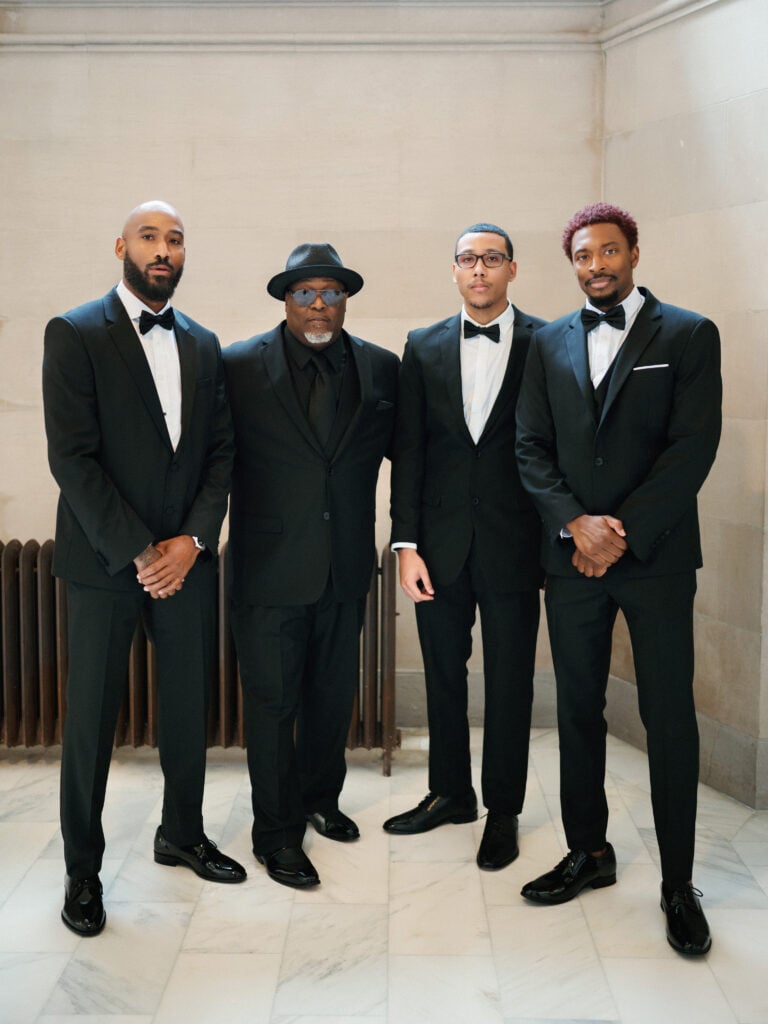
A smaller wedding party also leaves fewer group combinations to arrange.
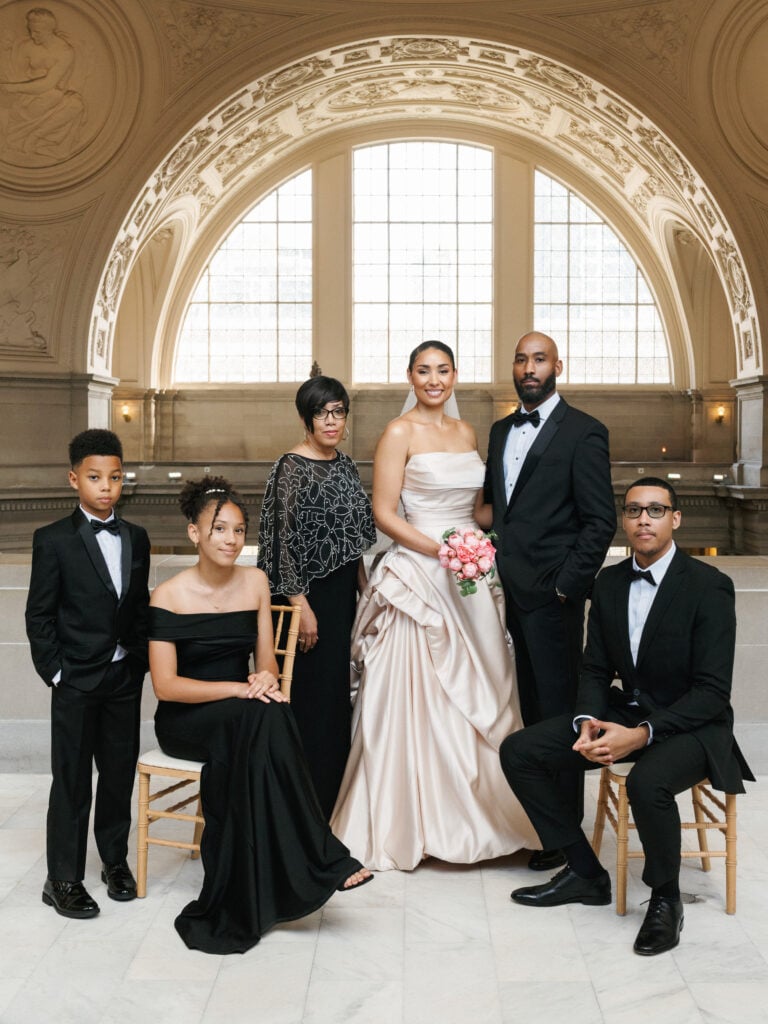
Family portraits and wedding-party photographs can move through their planned combinations efficiently, leaving more of the portrait session for the couple, additional family photographs, or another location.
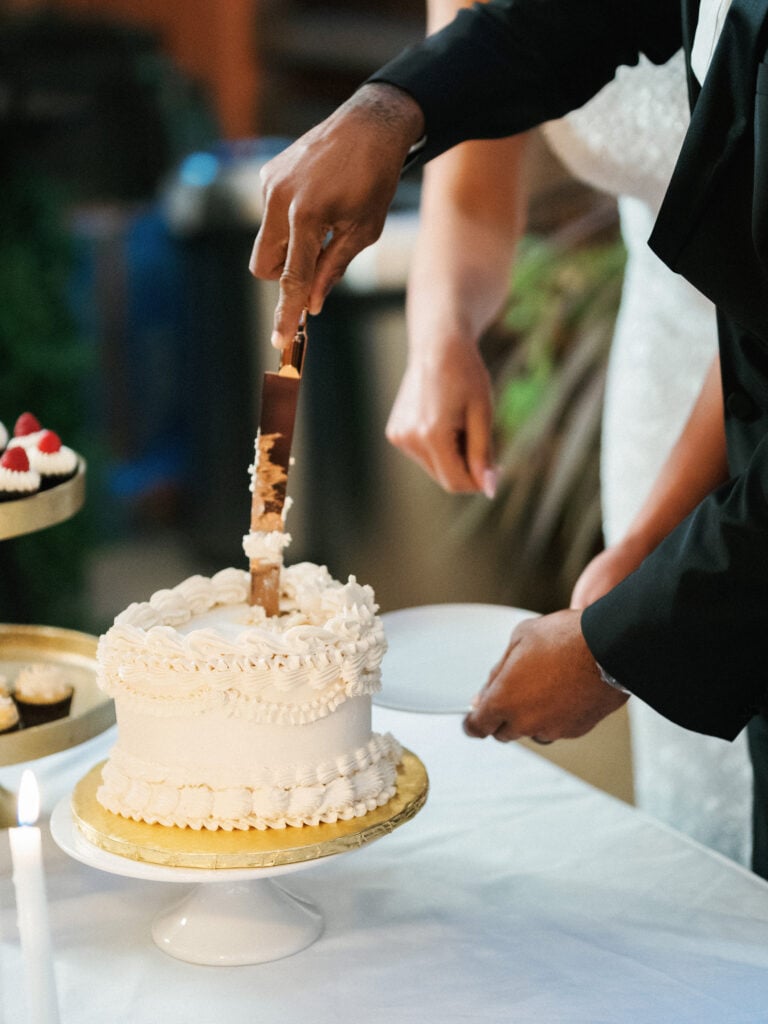
At dinner, the camera may remain close enough to notice the details around the couple’s table: a parent reacting to a story, a guest leaning over to speak with the couple, or a small exchange between friends between courses. Those interactions can become part of the gallery and film alongside the formal parts of the day.
What Does Not Shrink With the Guest List
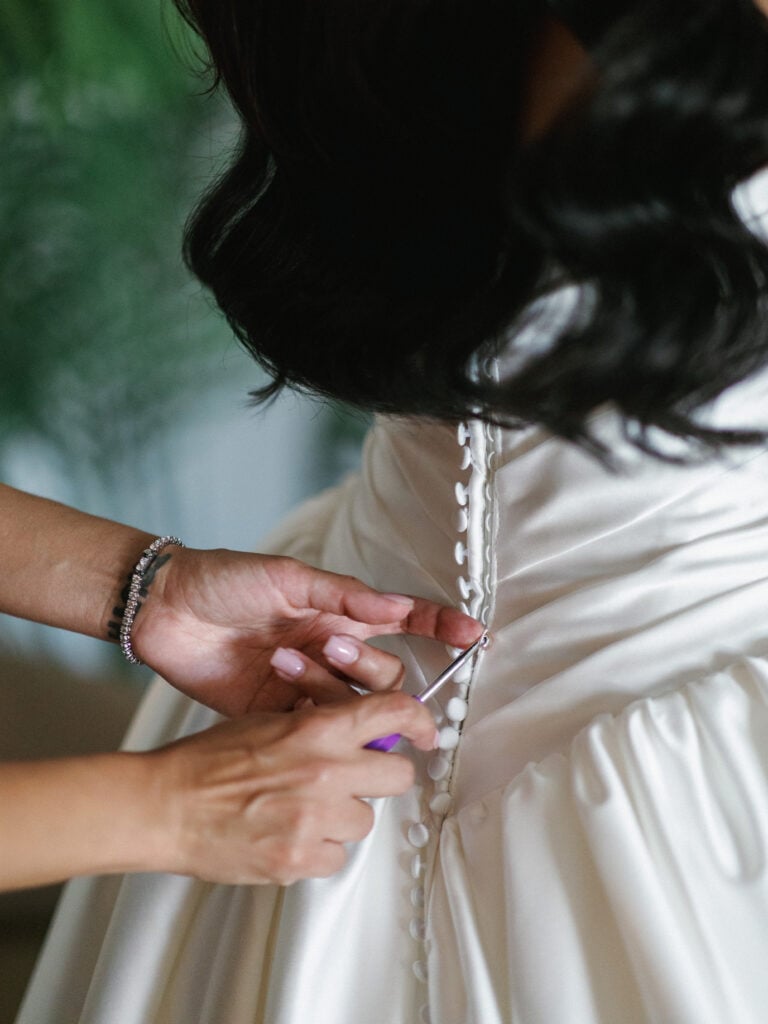
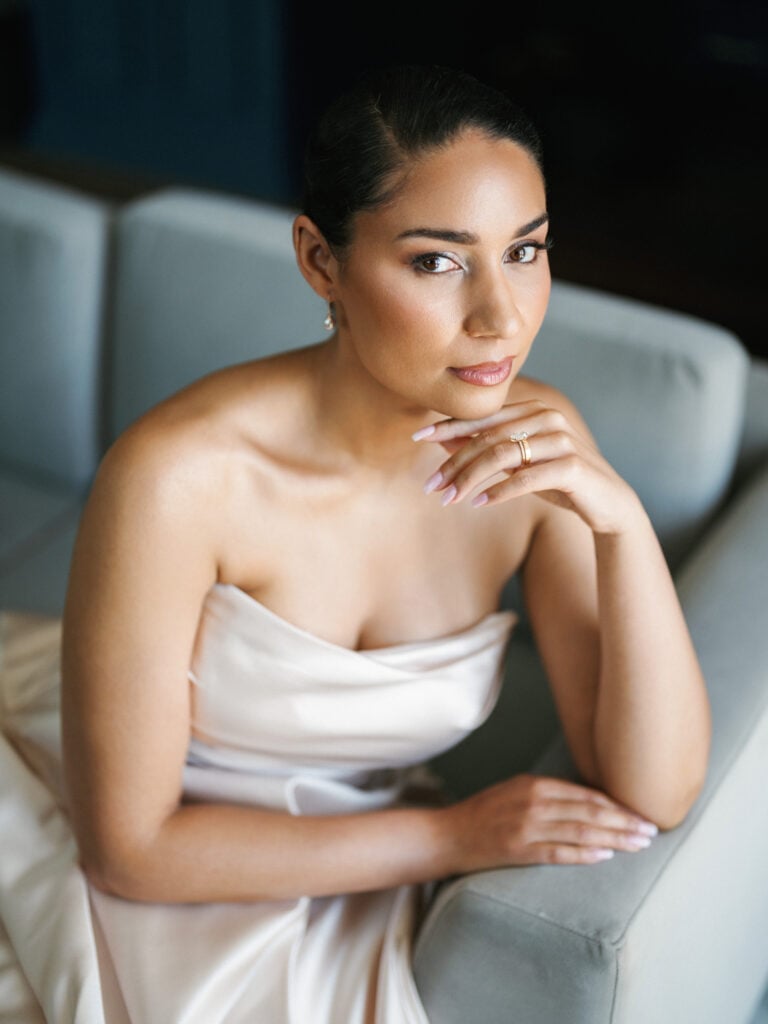
Hair and makeup follow their own schedule, with time needed for styling, final adjustments, and the light available in the getting-ready space that morning. The guest list has little bearing on any of it. A couple planning a compact wedding day still needs enough room for getting ready, portraits, and the transitions that connect them.
Travel follows the route selected for the day. A micro wedding may move from a private home to an outdoor ceremony, then to a portrait location and a restaurant for dinner. Each journey takes the time required by the distance, traffic, parking, and arrival at the next setting. The smaller guest list can make the day more flexible in other ways, but it does not change the route or the time required to move through it.
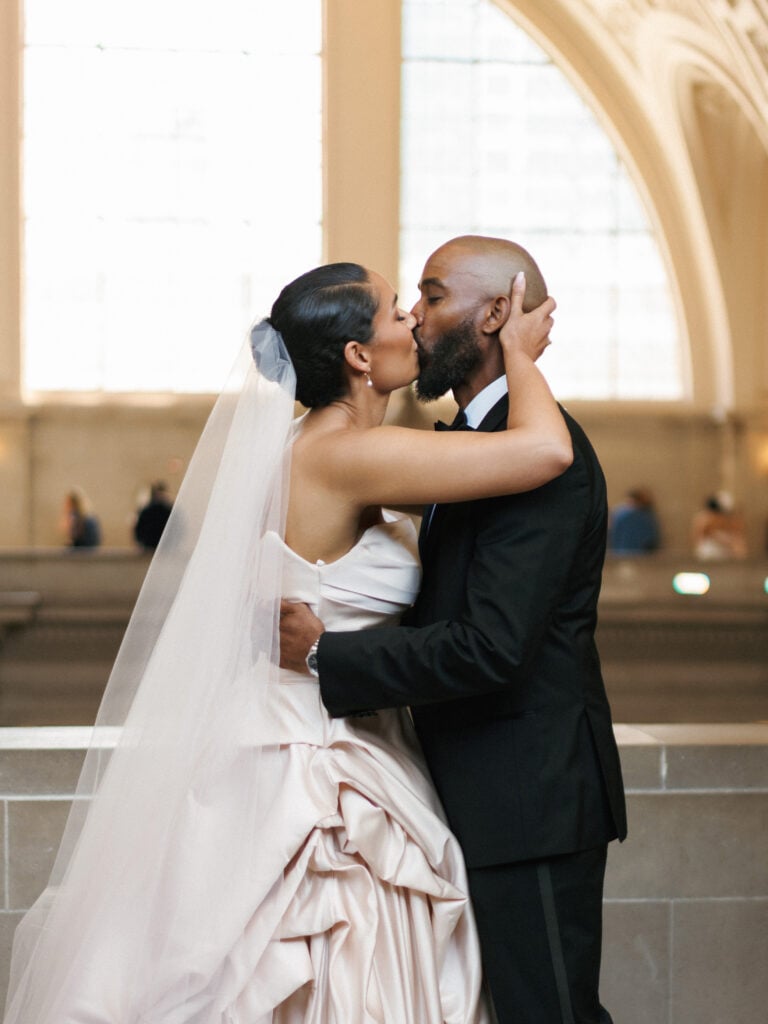
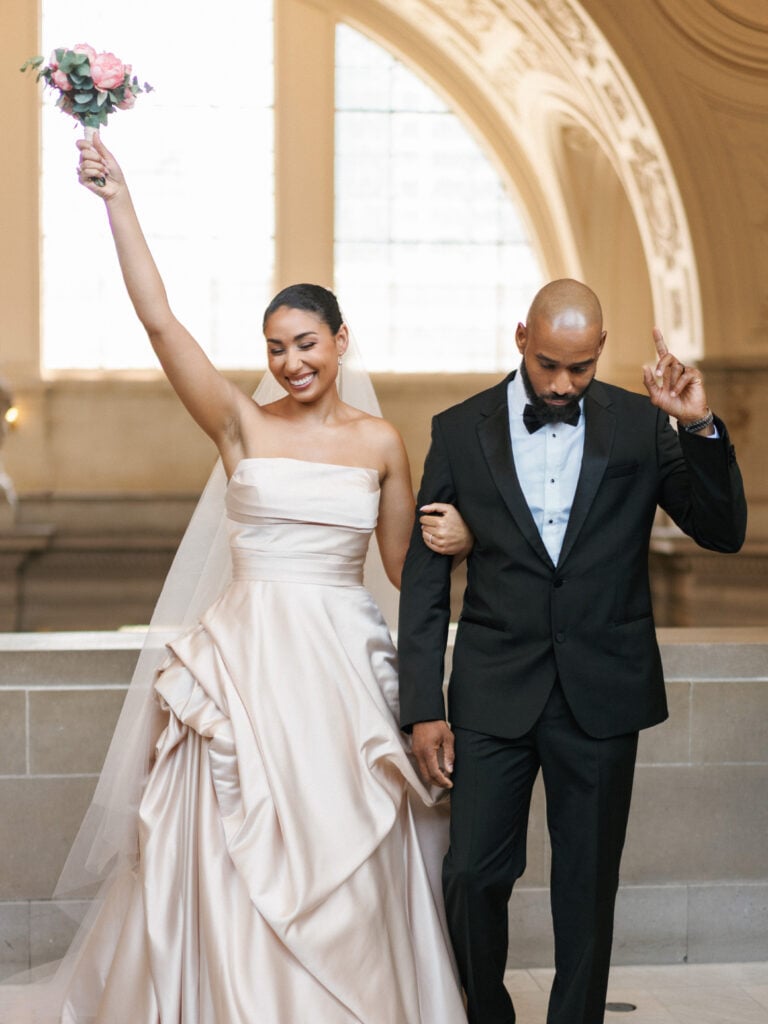
The ceremony and reception also retain their full sequence of moments: vows, readings, music, family photographs, dinner, speeches, and time with guests. Their emotional weight does not depend on the number of people present. The same care continues into post-production, where the ceremony and reception footage still need to be reviewed, photographs selected and refined, audio balanced, and the film shaped into a complete record of the day.
Expert Note
For the photo and film team, knowing the sequence in advance also affects where equipment needs to be ready and how the transition between settings is handled. A camera position for the ceremony, audio setup for the vows, and portrait equipment may each need to be prepared before the next part of the day begins. A well-paced micro wedding can feel effortless to the couple while still containing a carefully timed production sequence behind the scenes.
Aster Films planning note
Timeline Options
Some micro weddings suit a compact day, with getting ready, the ceremony, portraits, and dinner taking place within a few focused hours. This format works naturally when the locations are close together and the couple wants the day to move at an intentional pace.
Other celebrations use the smaller guest list to make more room within the day. A longer portrait session, several meaningful locations, extended time with family, or a relaxed afternoon before dinner can become part of the schedule. Fewer formal transitions can leave more space for the parts of the day that feel personal to the couple.
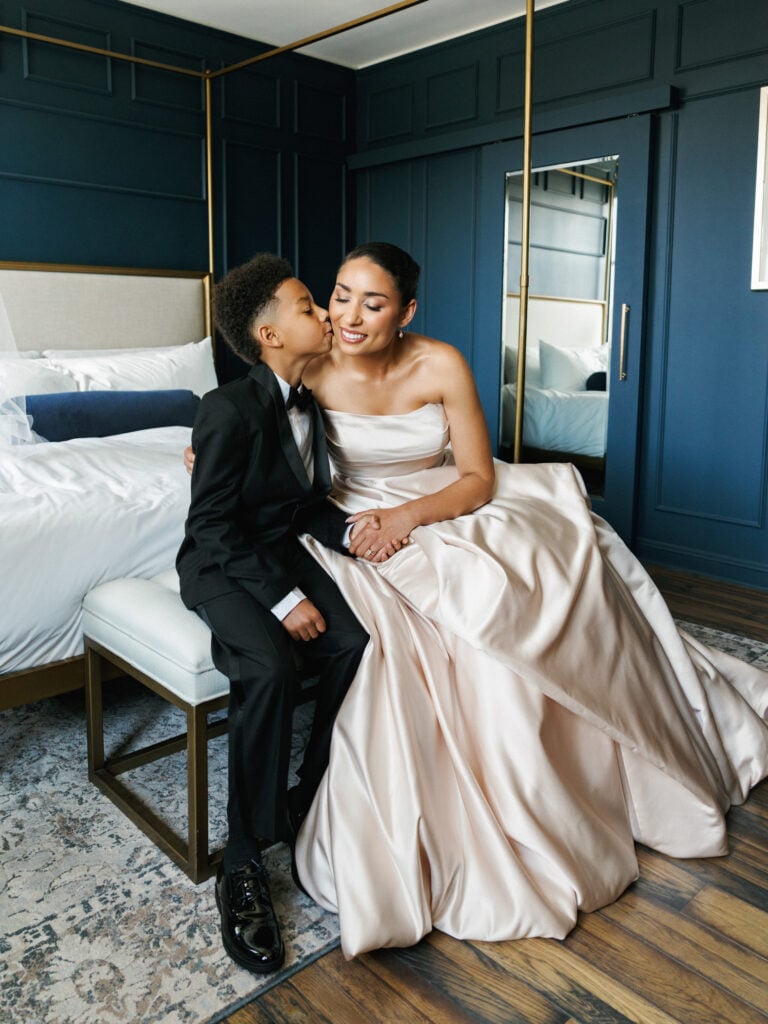
The timeline can also remain flexible when plans change. A ceremony may move indoors because of rain, or a portrait location may change on the day, with a smaller group able to adjust its route and timing more easily. For a micro wedding built around several locations, that flexibility can make it easier to keep a meaningful place in the day even when the original plan changes.
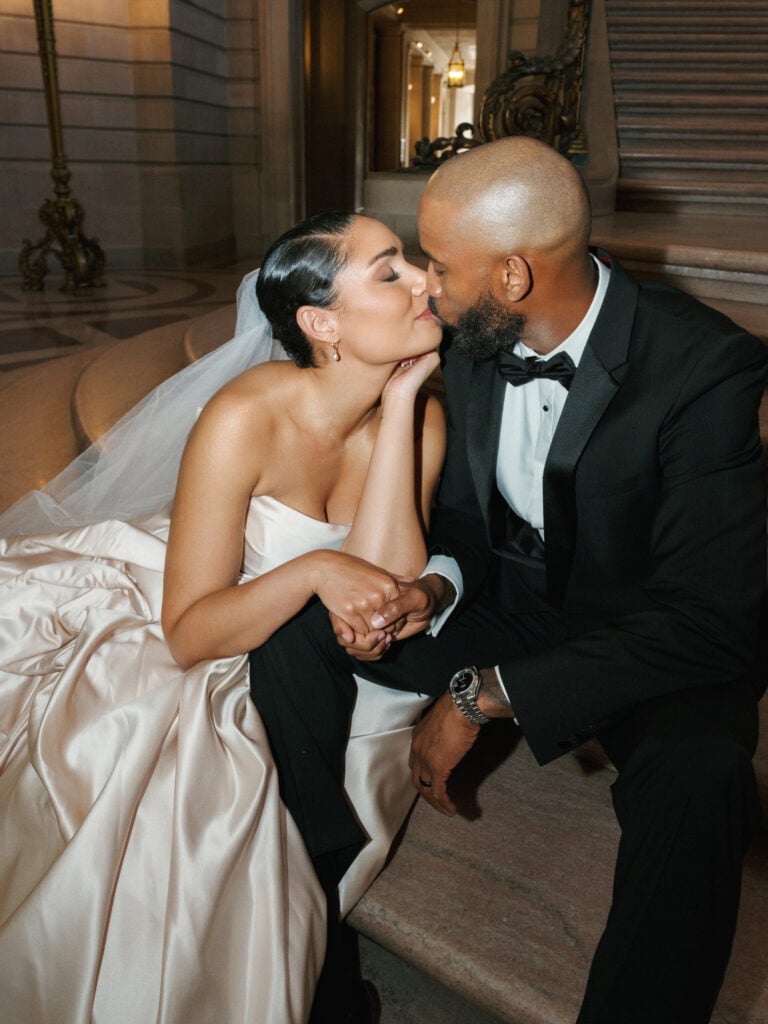
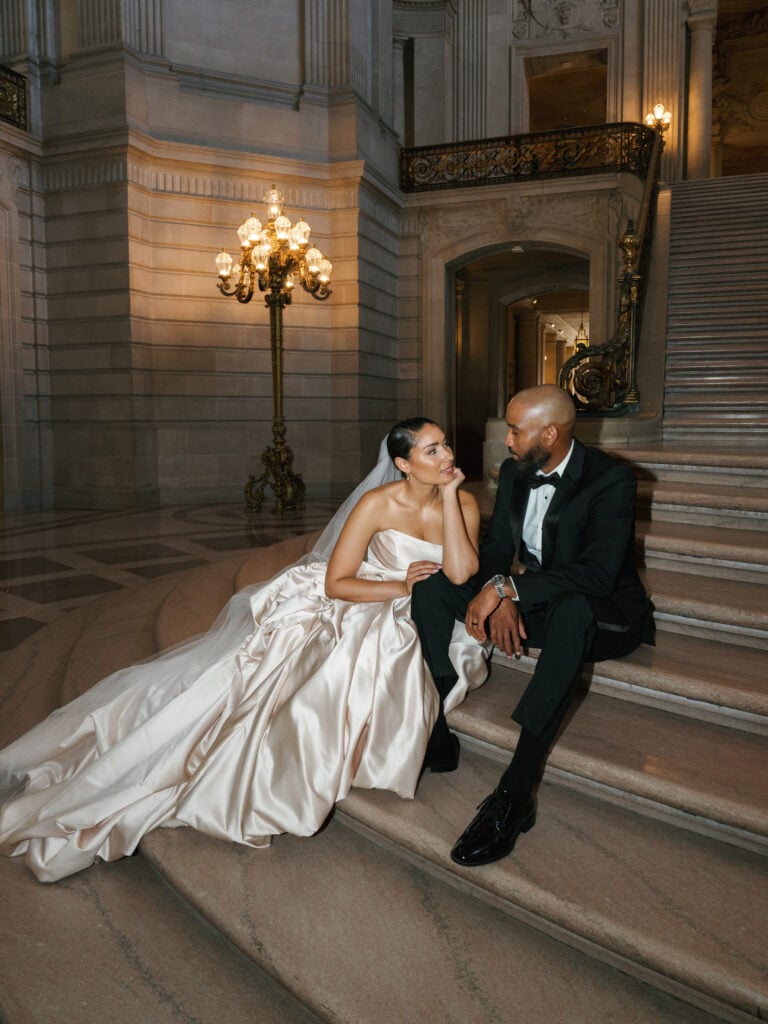
These two structures also shape the way photography and film coverage is paced. A compact day places more emphasis on clean transitions between getting ready, the ceremony, portraits, and dinner. A more open schedule can give the couple room for an extended portrait session, additional location, or time with family that sits outside the formal sequence. Both approaches can produce a complete record of the wedding; the difference lies in where the available time is placed.
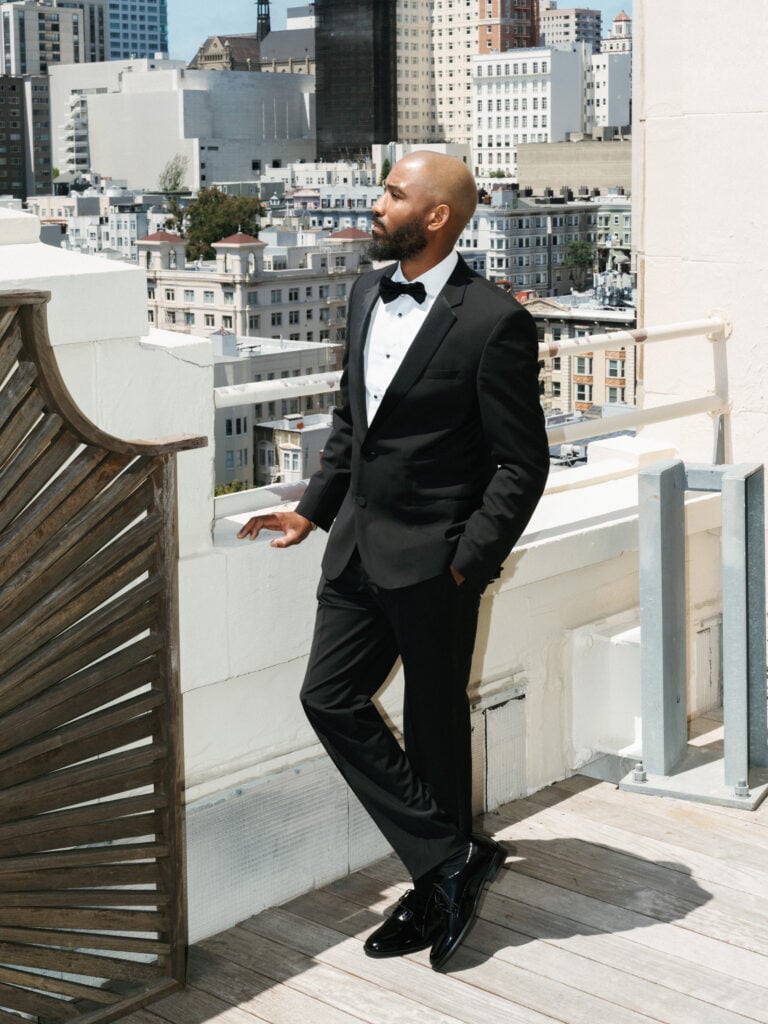
Photo and Film Tradeoffs
How the Gallery Changes
A smaller guest list means fewer group combinations and fewer individual guest interactions to photograph. That leaves more room in the gallery for couple portraits, immediate family, ceremony details, the venue, and photographs made across several locations.
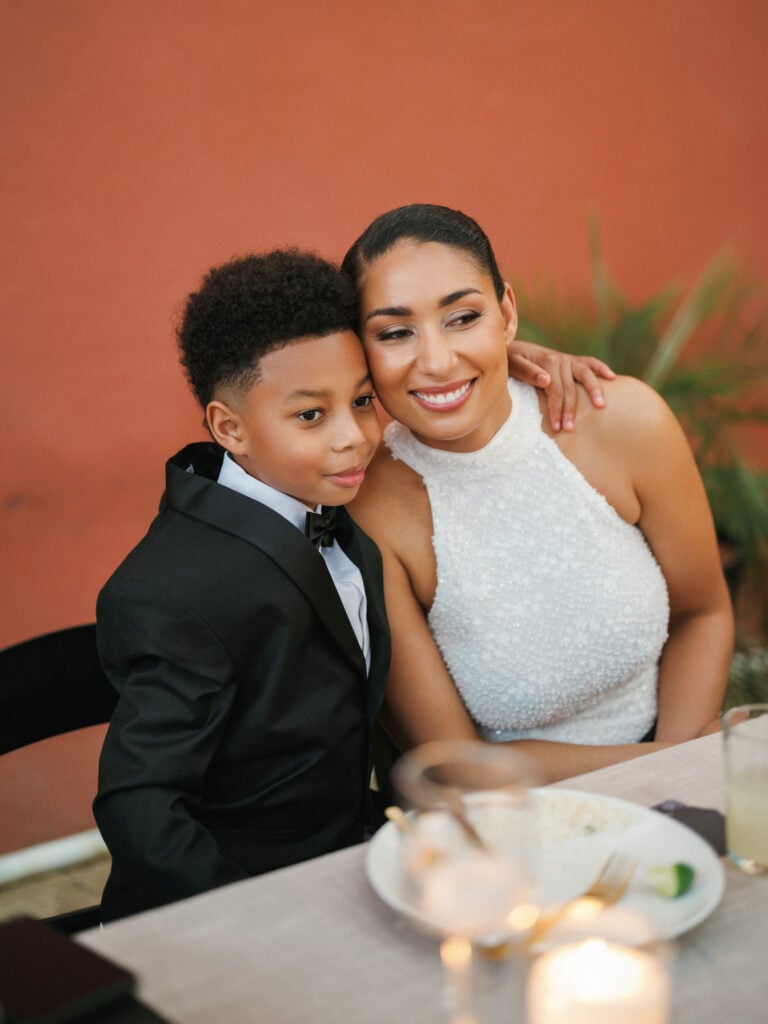
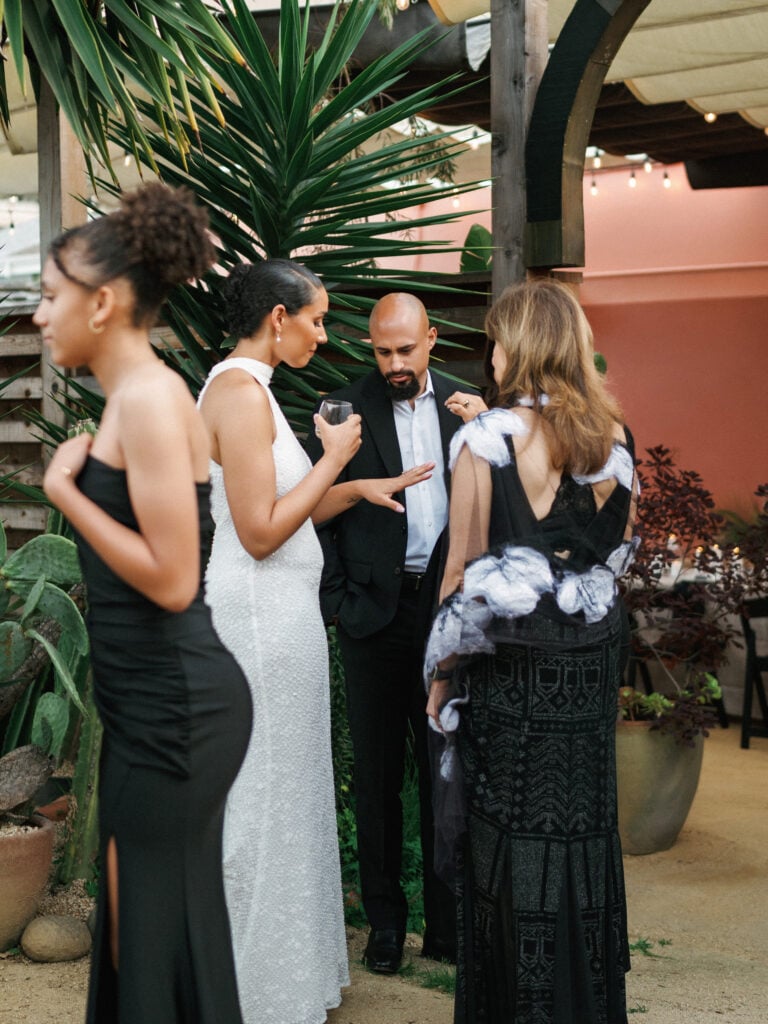
The final gallery does not necessarily become smaller in proportion to the guest list. There may be fewer photographs centered on individual guests, with more space devoted to the couple, family, the setting, and the quieter parts of the day. A micro wedding with several locations can also bring a wider range of backgrounds, light, and atmosphere into the finished gallery.
More Room for Portraits
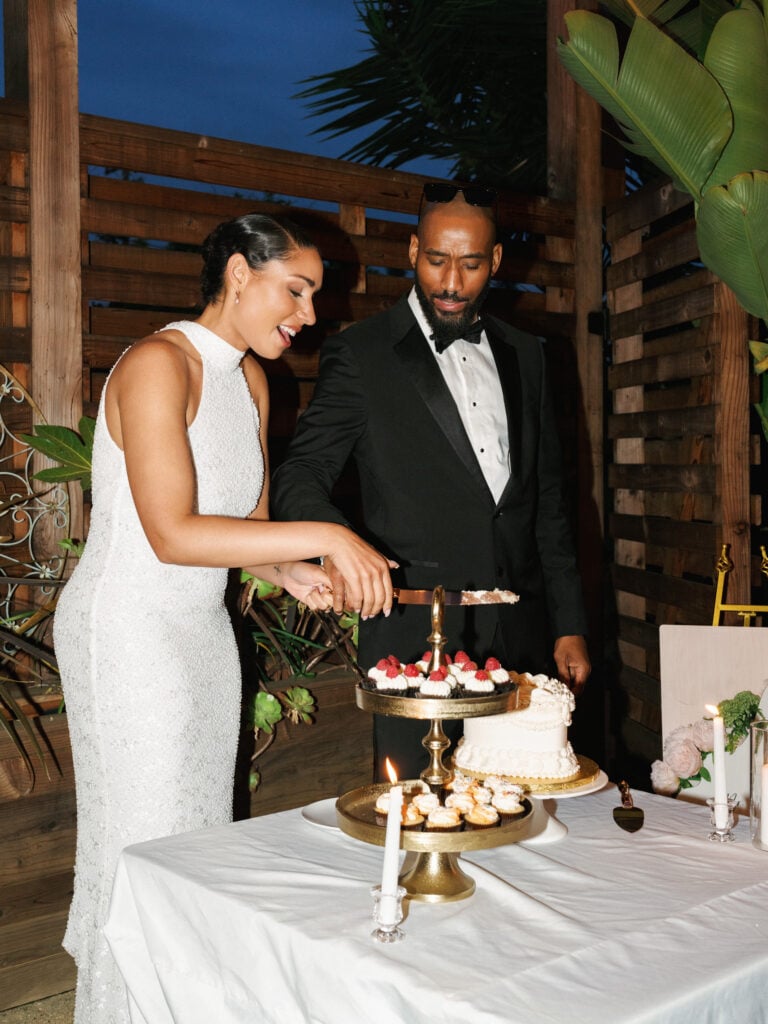
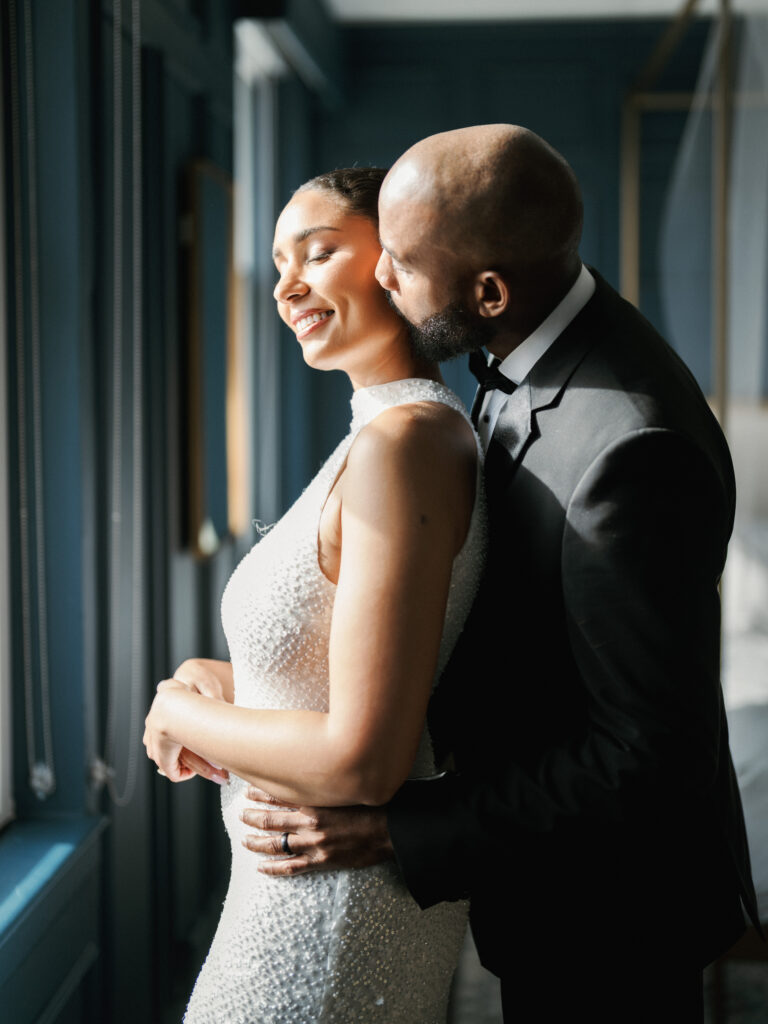
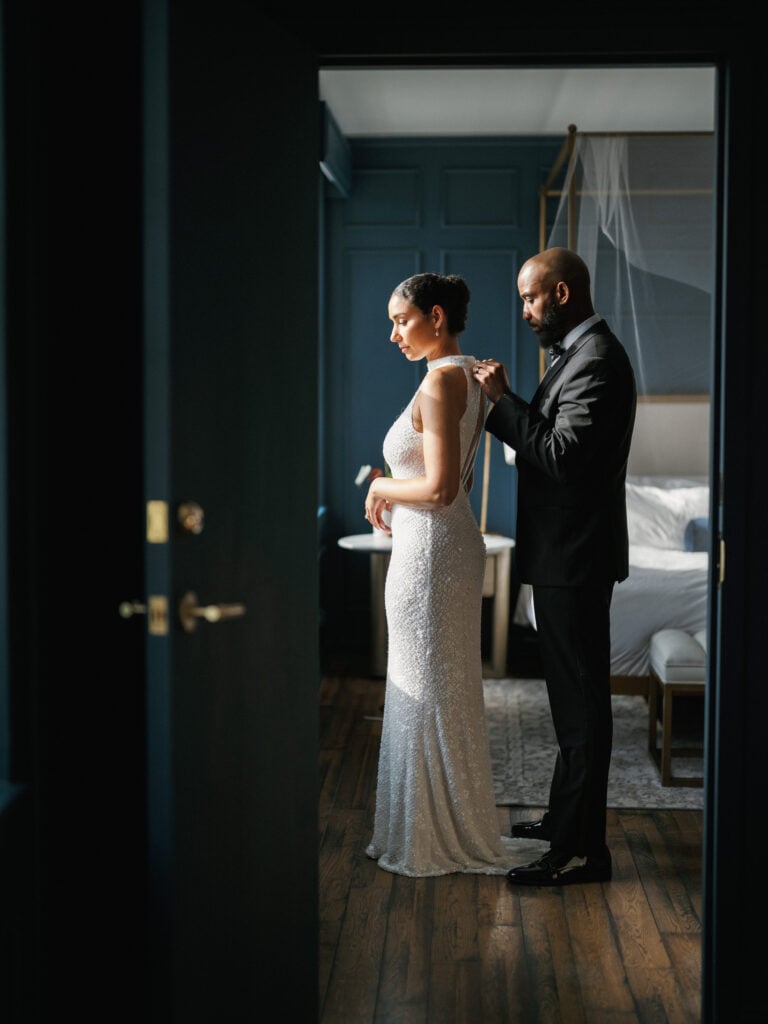
A smaller wedding party and a shorter family-photo list may leave more time for the couple’s portraits. The session might move through several areas of the venue, continue outdoors, or include a second location with personal significance.
When Sound Becomes Part of the Story
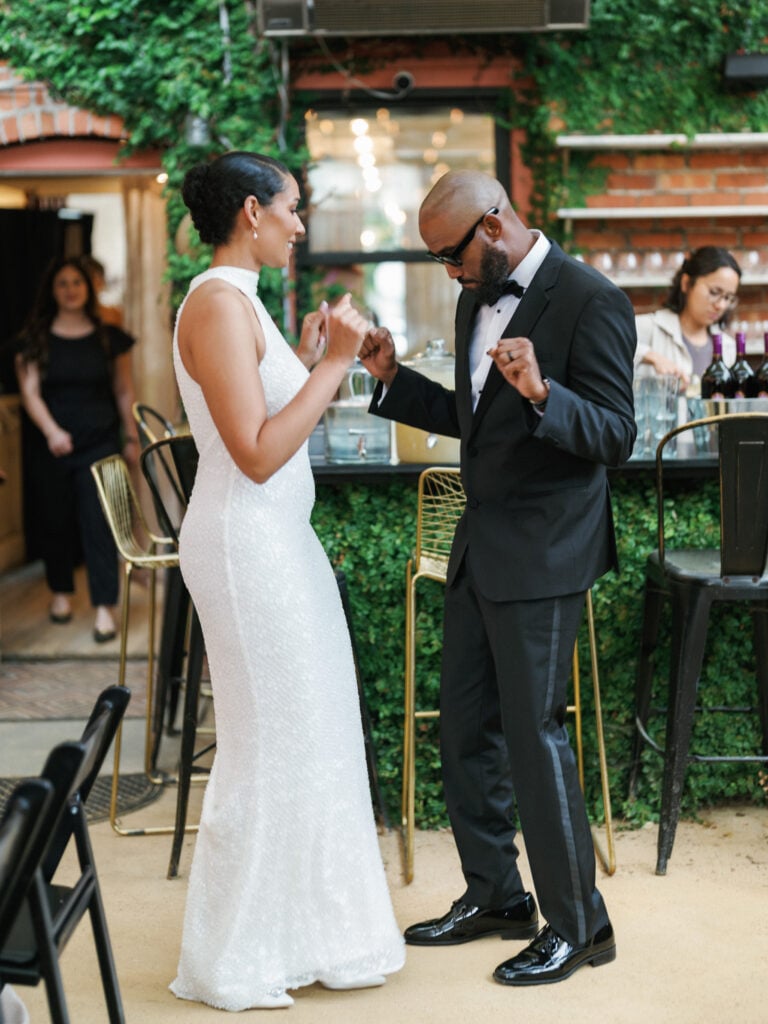
Film preserves voices, pauses, laughter, ambient sound, and the cadence of spoken words. At a micro wedding, vows may be spoken at conversational volume, speeches may feel personal and direct, and natural conversations can sit clearly within the sound of the room.
A parent’s speech during dinner, a private exchange before the ceremony, or guests reacting to a story can become memorable parts of the finished film. Those sounds bring back the character of the people and place in a way photographs cannot.
The audio setup follows the venue and the content being recorded. Acoustics, ceremony format, speeches, music, and the position of each speaker all affect the recording approach. A quiet ceremony may need fewer microphones, but the team still needs a clean primary recording and reliable backup sound.
Frequently asked questions
Does a micro wedding need less coverage than a larger one?
Coverage needs depend on the number of locations, the planned moments, and how the day is structured, not simply on the number of guests. A micro wedding with multiple locations can require as much coverage time as a larger celebration held at one venue.
Is video still worth having at a micro wedding?
Often, yes. The intimacy of a small ceremony can translate particularly well to film, where vows, speeches, laughter, and natural conversations remain part of the finished record. Couples who place importance on the voices and relationships within a small gathering may find that video preserves qualities that photographs cannot capture.
How should multiple locations be handled at a micro wedding?
Travel time should be included in the schedule from the beginning. Distances, traffic, parking, and realistic transitions between locations all affect the coverage timeline, even with a small guest list. Sharing the planned route with the photo and film team in advance gives the team a clear picture of how the day will move.
Does a smaller wedding always cost less for photo and film coverage?
Pricing typically reflects coverage hours, locations, and deliverables rather than guest count alone. A micro wedding with several locations, an extended portrait session, or full photo and film coverage can require a similar investment to a larger celebration with a simpler structure.
What is the difference between a micro wedding and an elopement?
A micro wedding includes a defined guest list, often somewhere between fifteen and fifty people, and retains a broader wedding-day structure with family and friends present. An elopement typically centers on the couple with a small number of witnesses and a more limited guest presence.