Choosing the Real Purpose First
Guest interviews can become either a standalone keepsake or a smaller part of the wedding film.
A standalone keepsake can bring together messages, memories, and well wishes from a broad circle of family and friends, giving those voices room to exist as a piece of their own. Guest interviews intended for the main wedding film take a more selective form, with a smaller number of voices appearing between the ceremony, portraits, reception events, and other scenes from the day.
A standalone keepsake has room for longer stories and a wider range of participants, while guest voices woven into the main film need a more considered selection.
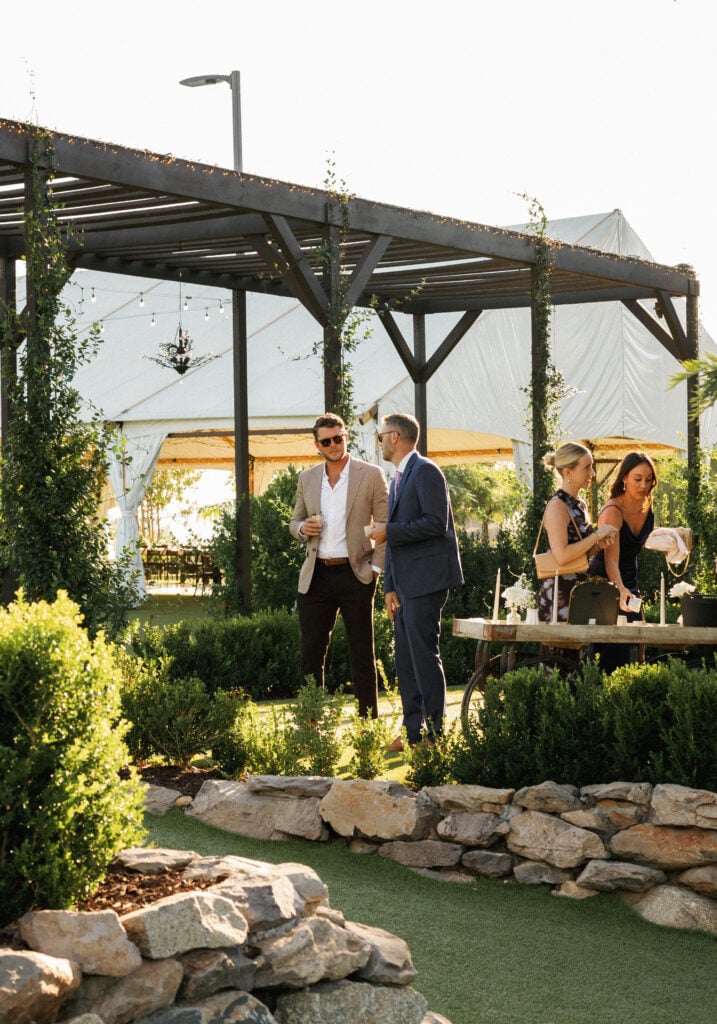
A close friend may offer a story from the couple’s early years, a parent may recall a family moment, or a longtime colleague may contribute a single observation that says something about the people being celebrated. Defining the format early gives the film team a clearer sense of whom to approach, how much interview coverage to capture, and how those voices may sit within the finished piece.
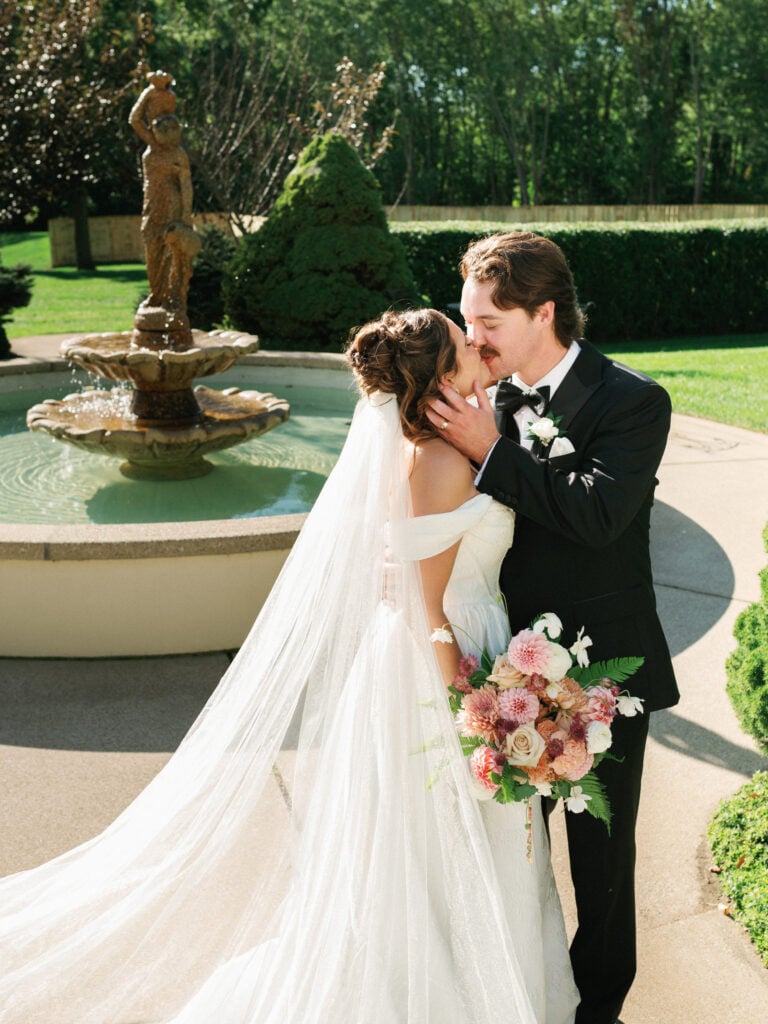
Trump National Golf Club in Rancho Palos Verdes, California, LA.
Expert Note
The intended format also affects how the filmmaker listens during the interview. A standalone guestbook can preserve the fuller arc of a story, while the main film may call for a concise thought that an editor can place naturally over photographs or footage from another part of the day.
Aster Films planning note
Scheduled Booth Versus Roaming Interviews
A scheduled interview area, with a camera, microphone, and simple lighting set up in a quiet corner, gives the production team greater control over framing, sound, and the pace of each conversation. Guests know where the interview will take place and what to expect, while the crew can work with consistent lighting and cleaner audio away from music and crowd noise. Cocktail hour often suits this format well, when guests have settled into the reception but dinner and dancing have yet to take over the room.
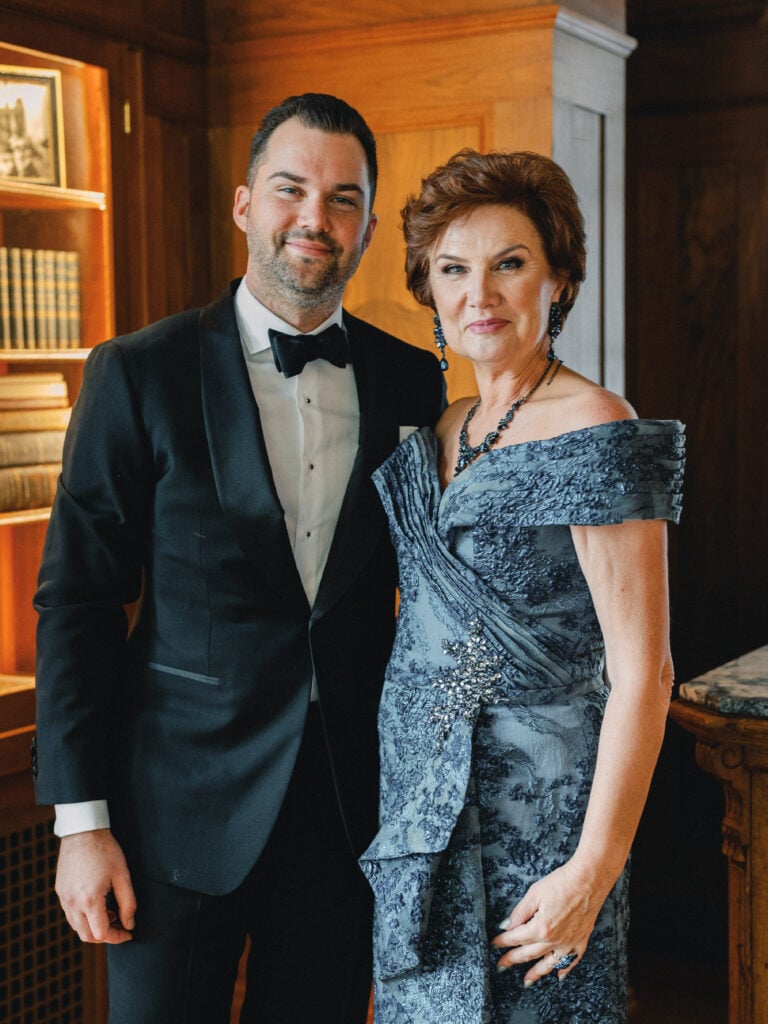
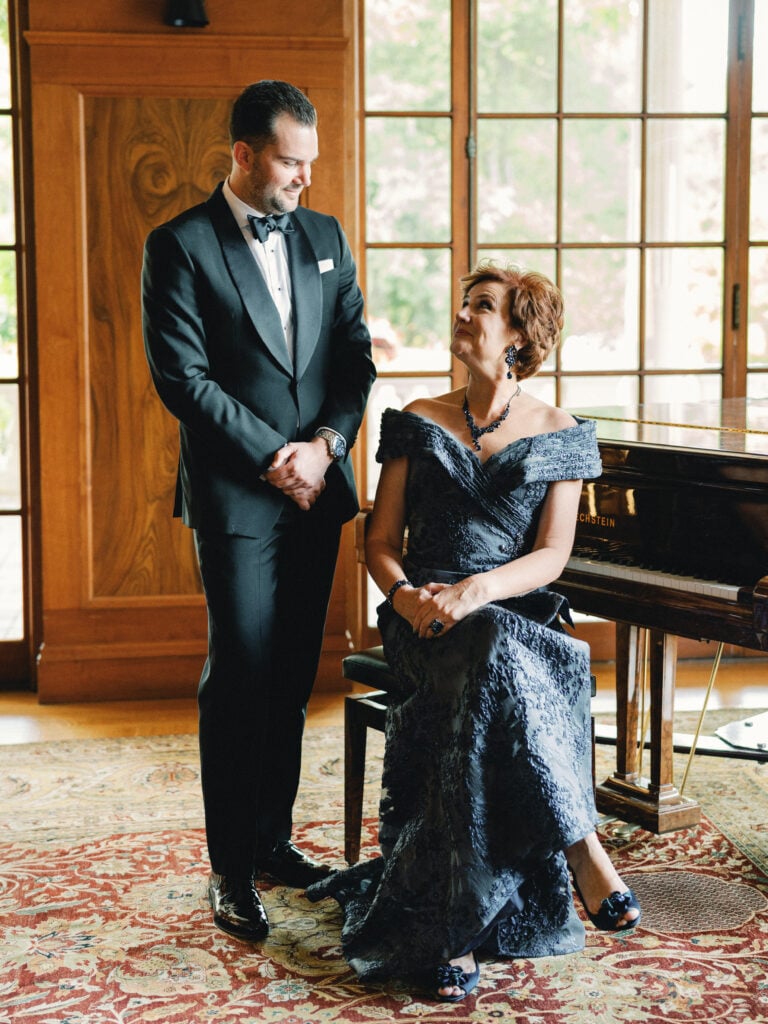
Roaming interviews trade some of that control for spontaneity. A filmmaker moving through the reception can catch a guest mid-conversation or in the middle of a laugh, capturing a quality that a designated interview area rarely produces. The format demands more from the crew, since changing backgrounds, ambient noise, and available light need to be managed as the team moves through the room, while guests need to feel comfortable being approached in the middle of the celebration. Many productions combine the two: a dedicated area for guests who want to record a considered message, with roaming coverage picking up a few spontaneous voices and exchanges throughout the reception.
Expert Note
The interview area needs to sit outside the main acoustic flow of the reception. A booth beside the dance floor or near the bar may look convenient during the venue walkthrough, yet once the room fills, music, conversation, and passing guests can overwhelm even a well-equipped recording setup.
Aster Films planning note
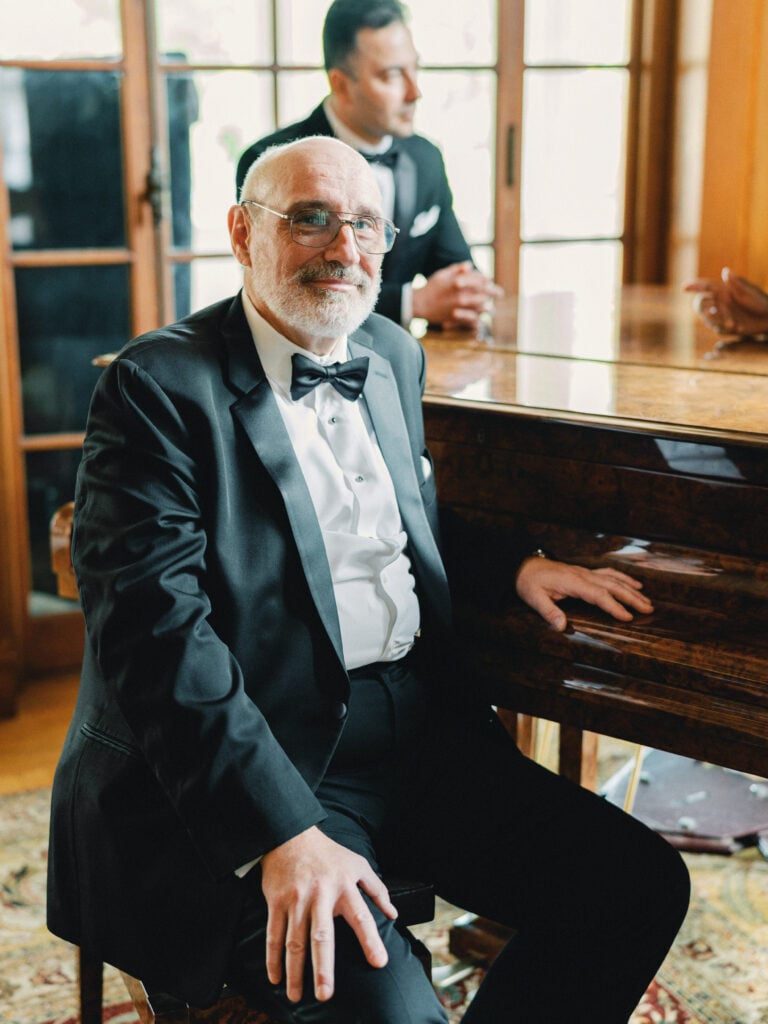
Wedding in Villa Montalvo, CA.
Designing Prompts That Feel Natural
Guests sometimes need a little guidance when they are invited to speak on camera. “Say something to the couple” may sound perfectly natural, yet it leaves the guest to decide what story, memory, or thought belongs in the moment.
A more specific prompt gives them an easy place to begin, whether that means recalling a particular memory, sharing a piece of advice, or talking about something they hope the couple experiences together in the years ahead. The wording can then follow the relationship between the guest and the couple.
A college roommate may have a story from their early years together, a grandparent may remember a family moment, and a close friend may have a particular memory that says something distinctive about the relationship.
Advice can work in a similar way when it connects to something the guest has actually seen or experienced with the couple. Even a small detail from the wedding day can give someone a natural opening for a more personal message.
One clear prompt is usually enough to begin. If an answer opens an interesting thread, the filmmaker can follow it with a brief second question and let the conversation develop from there.
Timing, Location, and Audio
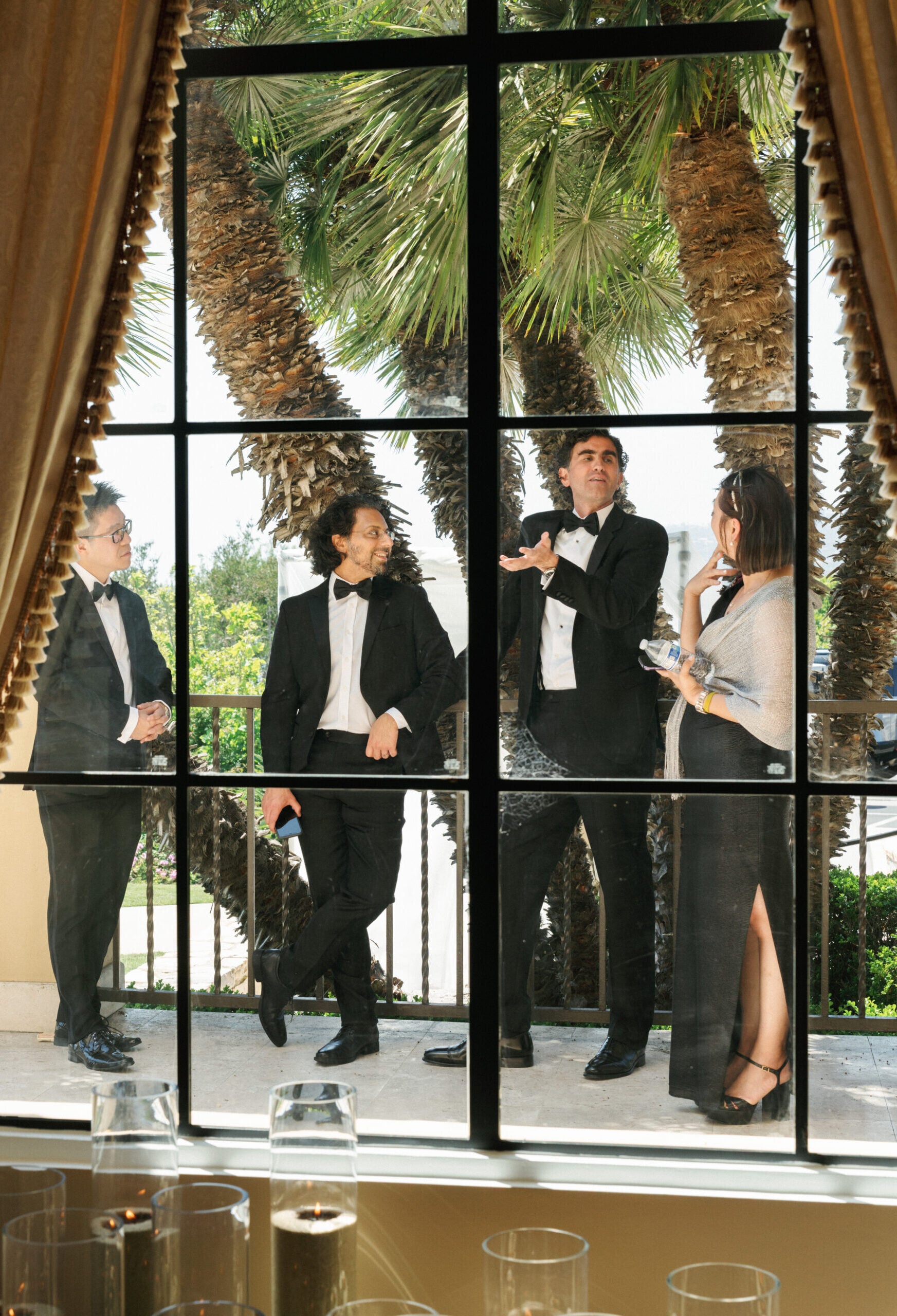
Cocktail hour often provides a natural window for guest interviews, with guests already gathered and settled into the reception while dinner service and dancing are still ahead. Earlier coverage may suit family members or friends who need to leave before the evening develops, while later interviews can bring a looser atmosphere at the expense of quieter conditions and easier access to guests.
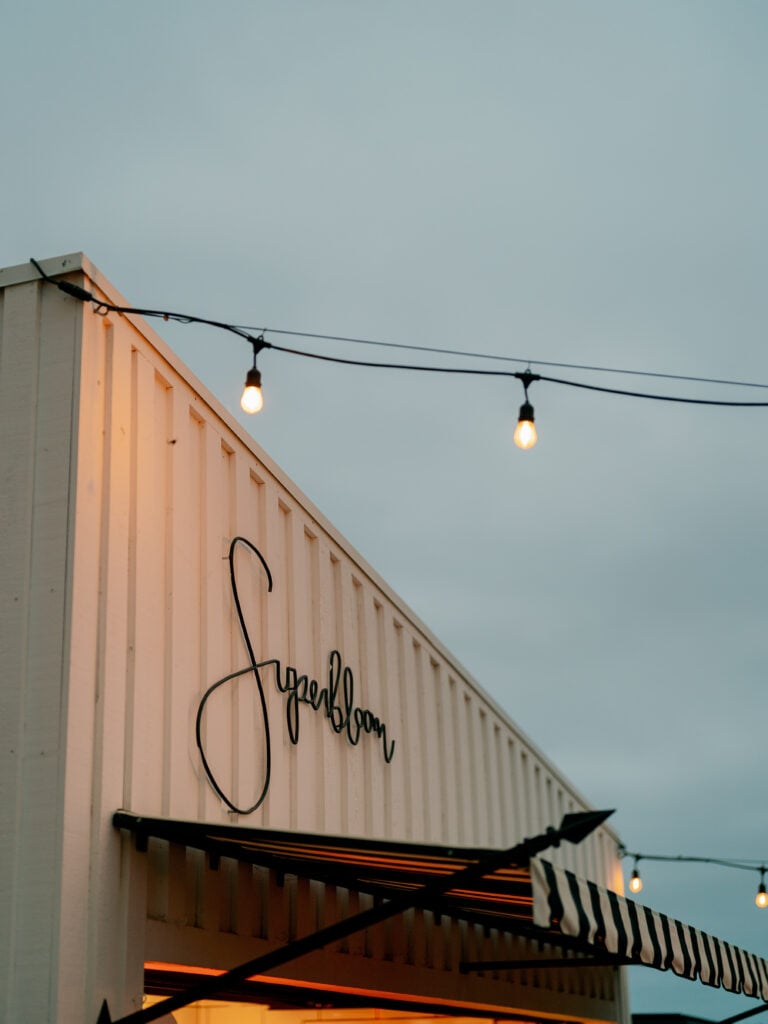

The location needs to work for both sound and light. A room or corner set apart from speakers, kitchen traffic, and heavy foot traffic gives the recording a quieter acoustic environment, while natural or supplemental light keeps the guest’s face clear and consistent on camera. The setup also needs enough space for the camera and microphone to sit comfortably outside the main flow of the reception, so recording a message does not turn into an interruption for everyone nearby.
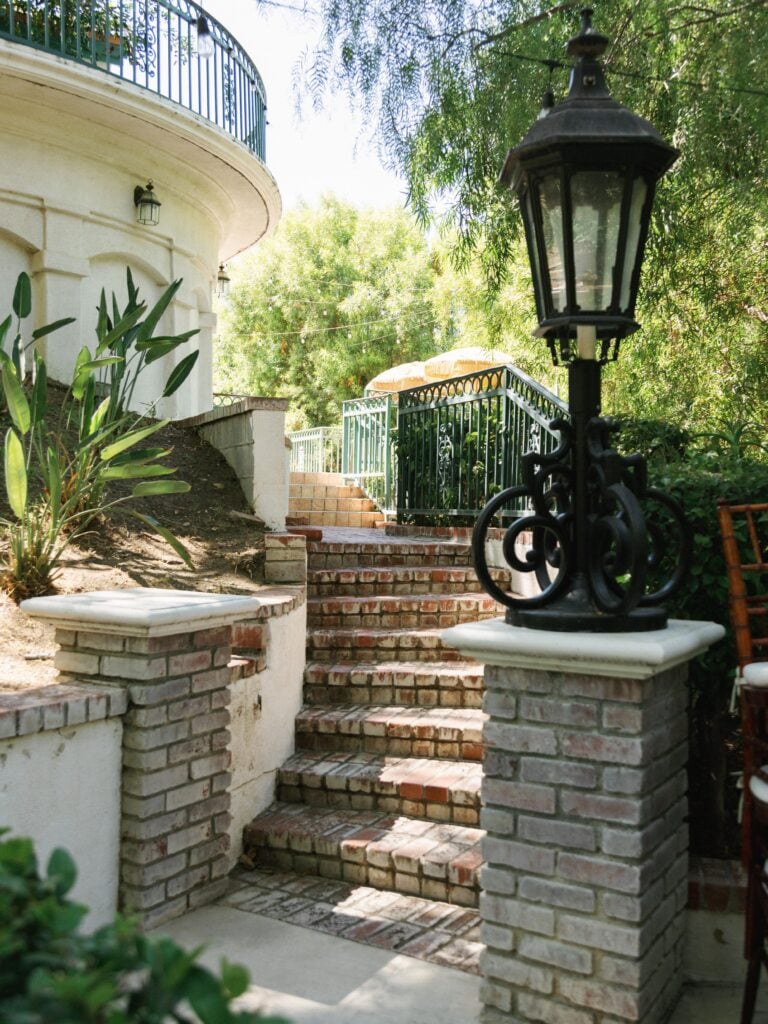
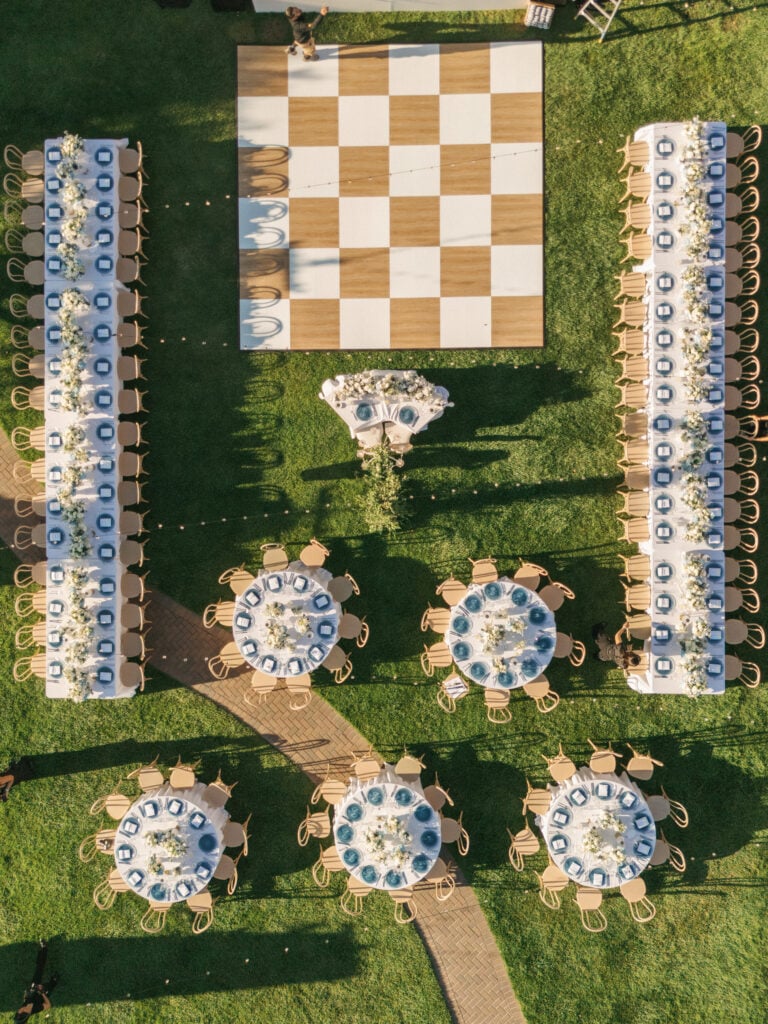
Audio deserves particular attention because a beautifully framed interview has little value in the final edit if the words are muffled or distant. A handheld or lavalier microphone placed close to the person speaking will generally produce cleaner speech, while a camera’s built-in microphone also picks up more of the surrounding room.
Monserate Winery, Fallbrook, CA.
Consent and Privacy
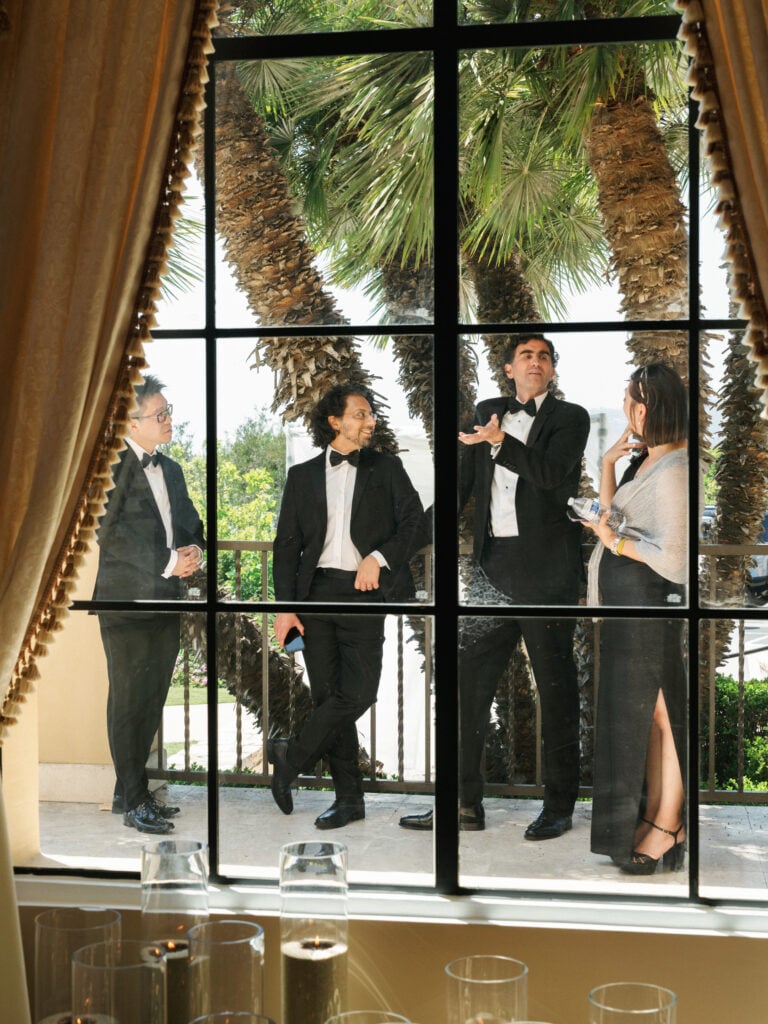
A guest who agrees to speak on camera should know that the conversation is being recorded and, at an appropriate level of detail, how the footage may be used in the finished wedding film or guestbook. A brief confirmation at the start of the interview keeps that understanding clear before recording begins.
Consent procedures can vary between productions and locations. The production team may use a verbal confirmation, a written release, or another established process. Attendance at the wedding does not by itself indicate consent to appear in a recorded interview.
When a guest declines, the filmmaker can simply move on to the next person. A relaxed invitation works better for this format than treating participation as an expected part of the reception, especially when the filmmaker is approaching guests individually instead of working from a designated interview area.
Privacy considerations extend to the finished edit. A guest may be comfortable contributing a message for a private wedding film while having different expectations about public sharing, social media, or other uses of the footage. The intended use of the recording should therefore be clear before the interview takes place.
Expert Note
Consent for recording and permission for later distribution can involve different considerations. A guest may agree to appear in a private wedding film while having separate preferences about public posting, so the intended use of the finished footage deserves clear treatment during planning.
Aster Films planning note
The San Diego Museum of Art wedding, SD.
What to Expect From Editing
Guest interviews are usually edited into shorter pieces instead of appearing as complete conversations in the finished film. An editor may take a distinctive line, a specific memory, or a few connected sentences from a longer response and place them alongside footage from another part of the wedding. Couples who want the complete interview recordings in addition to a curated guest message reel should clarify that during planning, since raw or lightly edited interview footage is not included with every collection.
Each recording needs to be reviewed, trimmed, and matched with the surrounding film, while differences in audio, background noise, framing, and recording length may require individual attention. Guest interview editing may follow the delivery schedule for the main wedding film, or a separate guest message reel may arrive on its own timeline.
The intended use of the finished piece can also influence the edit. A longer guest message reel may work as a private collection of voices and stories to revisit with family, while a shorter version may be prepared for playback at a rehearsal dinner, anniversary gathering, or another event. Sharing that intended use during planning gives the editor a clear sense of the required length and pacing before the footage reaches post-production.
Expert Note
A guest message does not have to appear on screen at the point where it was recorded. A filmmaker may record a message during cocktail hour, while an editor later places the guest’s voice over reception details, portraits, or another scene that connects naturally with the words.
Aster Films planning note
Terra (Formerly Heritage Hill),Murrieta, CA.
Questions Worth Clarifying Before Booking
A few details are worth clarifying during the planning process:
- Will guest interviews be recorded as a standalone video guestbook, incorporated into the main film, or offered in both formats?
- Is there a scheduled interview window, roaming coverage, or a combination of the two?
- Who coordinates the guests during the interview period?
- How much time is allocated to guest messages?
- What type of microphone and recording setup is used?
- Is a quiet interview location planned at the venue?
- How is guest consent handled before recording?
- Are complete interview recordings available in addition to the edited guestbook or wedding film?
- Does guest interview editing follow the same delivery timeline as the main wedding film?
Maravilla Gardens, Camarillo, CA.
Frequently asked questions
When should wedding guest interviews happen?
Cocktail hour is often a convenient period because guests have arrived and settled in while dinner and dancing are still ahead. The exact window depends on the wedding schedule, and another transition may work better when specific guests need to participate earlier or later in the day.
What questions work well for wedding guest interviews?
Specific prompts tend to produce more defined answers than a broad request to say something. Memories, advice, stories about the couple, and hopes for their future all provide useful starting points, with the wording adjusted to the guest’s relationship with the couple.
How long should a wedding guest interview be?
There is no fixed length. A short message may take less than a minute, while a meaningful story may take several minutes to record. A standalone guestbook has more room for longer contributions, while clips intended for the main wedding film usually need to fit a tighter edit.
What if a guest does not want to be interviewed?
A guest can decline and continue enjoying the wedding while the filmmaker moves on to someone else. A scheduled interview area can also give willing guests a chance to participate voluntarily instead of being approached individually.
Do all wedding guests need to participate?
No. A guest interview collection can include selected family members, friends, wedding-party members, or other people with a meaningful connection to the couple. The number of participants depends on the intended format and final edit.
Is a video guestbook the same as wedding guest interviews?
They can overlap, but the formats often have different purposes. A video guestbook is generally a standalone collection of guest messages, while guest interviews incorporated into the main wedding film are usually a smaller selection edited into the larger story.
Where should wedding guest interviews be filmed?
A location with clean audio, suitable light, and some separation from heavy guest traffic works well. Areas near speakers, bars, kitchens, and dance floors can introduce background noise that makes recordings harder to use in the final edit.
Do wedding guest interviews need a separate microphone?
A dedicated microphone is useful for recording clear speech in a reception environment with music and conversation in the background. The specific microphone and recording setup depend on the production approach and location.
Can guest interviews be included in the final wedding film?
Yes. Selected clips can be edited into the main film, while a larger collection can be delivered as a separate guestbook. The intended format should be established during planning so the production and editing workflow can accommodate it.
Are guest interviews the same as wedding speeches?
No. Formal speeches are planned reception events delivered to the room, while guest interviews are recorded conversations or messages made specifically for the camera. Interviews can take place separately from formal toasts and can include people who are not giving a reception speech.