What 4K Actually Means
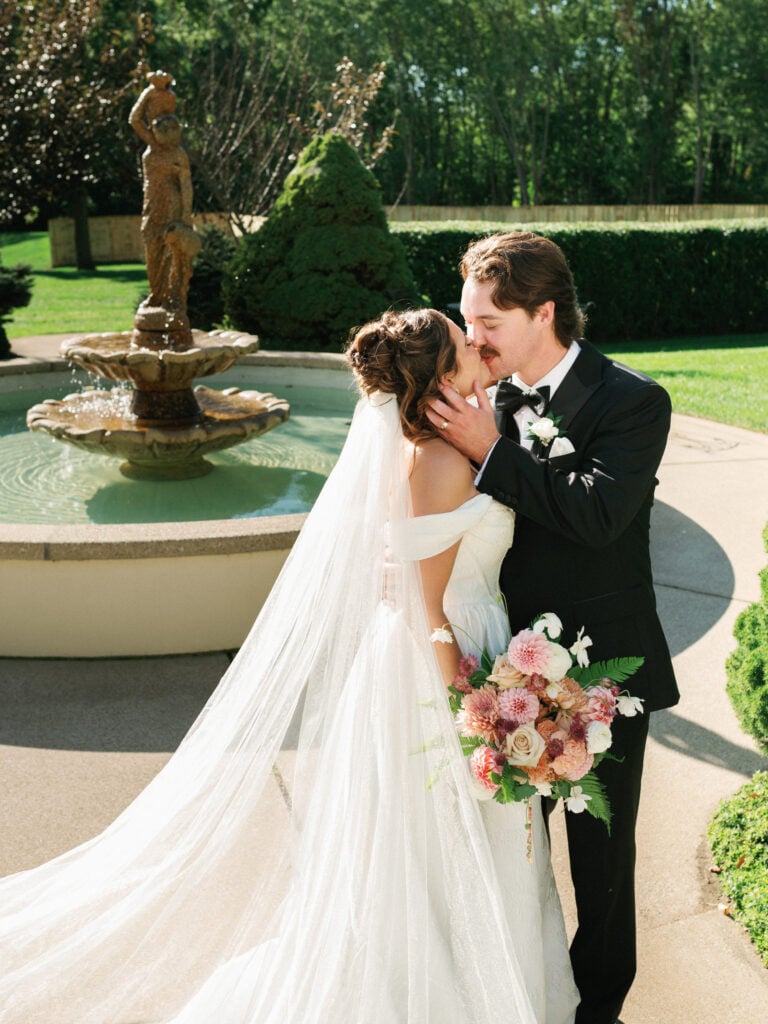
4K refers to a video resolution of roughly 3840 by 2160 pixels, close to four times the total pixel count of standard 1080p HD. More pixels mean more image detail within each frame: finer texture in lace or embroidery, more information in a wide shot of a full room, and more room for an editor to work with a single frame during post-production.
Resolution describes the dimensions of the image in pixels, not the overall quality of the finished film. Bitrate, lighting conditions, lens quality, focus, exposure, color grading, and compression all influence how that image appears on screen. A high-resolution file that is compressed heavily can lose visible detail even though its pixel dimensions remain unchanged.

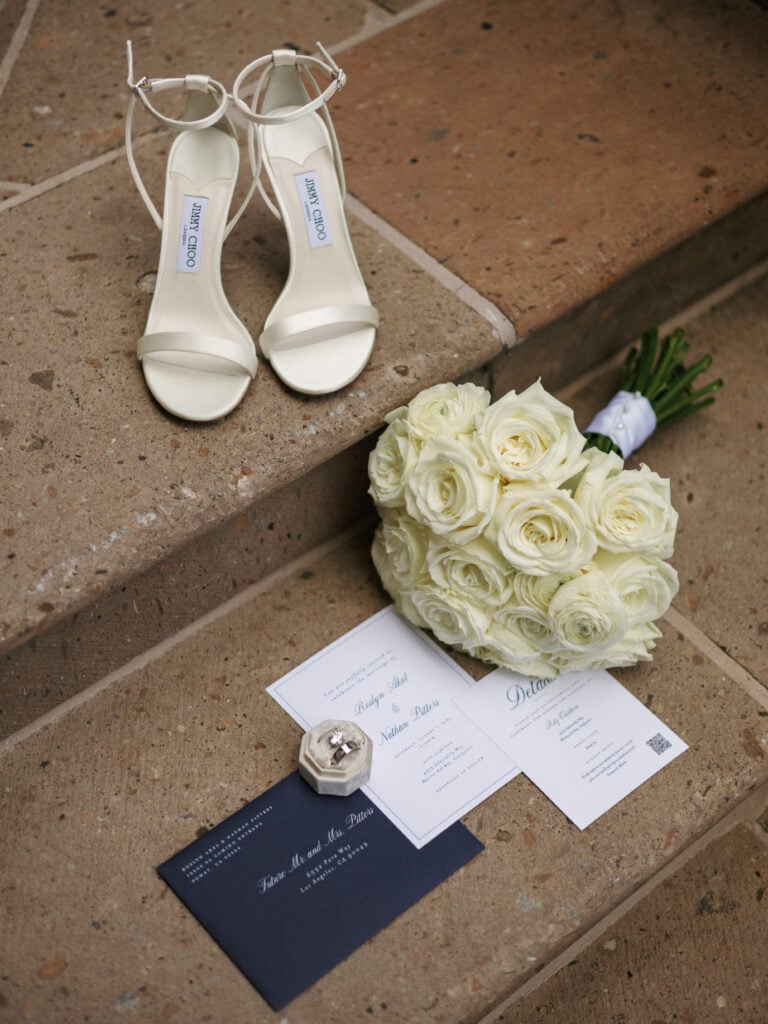
Resolution is also only one of several specifications that shape a video from capture through delivery. Frame rate determines how many frames are recorded or displayed each second, while the codec determines how the video is encoded and compressed. A standard wedding film may use 24 or 30 frames per second, while slow-motion footage is captured at a higher frame rate so it can be slowed during editing. Two video files with the same resolution can therefore differ in appearance and file size depending on how they were recorded and encoded.
The resolution used for recording does not necessarily have to match the resolution of the finished film.
A production team may capture footage in 4K and deliver the final film in HD, for example, depending on the editing workflow and intended use. The finished viewing experience then depends on the final file, the screen, viewing distance, cropping, streaming compression, and the platform through which the film is watched.
Jeune Perché, Fallbrook, CA.
Where the Difference Is Actually Visible
The difference between 4K and HD is easier to notice on a large screen. On a phone, tablet, or smaller laptop, the higher resolution may add little that is immediately visible during everyday viewing. A large television, especially at a closer viewing distance, gives fine details more room to register.
The difference tends to appear in small details: the texture of a wedding dress, foliage in an outdoor scene, architectural features, or a wide reception shot with many elements in the frame. These details have more pixels to work with in a 4K image, although the screen and the viewing distance still determine how much of that detail can actually be seen.
A 4K file can be played on an HD screen, but the screen displays it at its own resolution. The extra detail in the source becomes relevant again when the film is viewed on a 4K display.
For a wedding film, the viewing plan therefore has a direct bearing on the practical value of 4K. A couple planning to revisit the film on a large television may notice the difference more readily than someone who expects to watch it mainly on a phone or laptop.
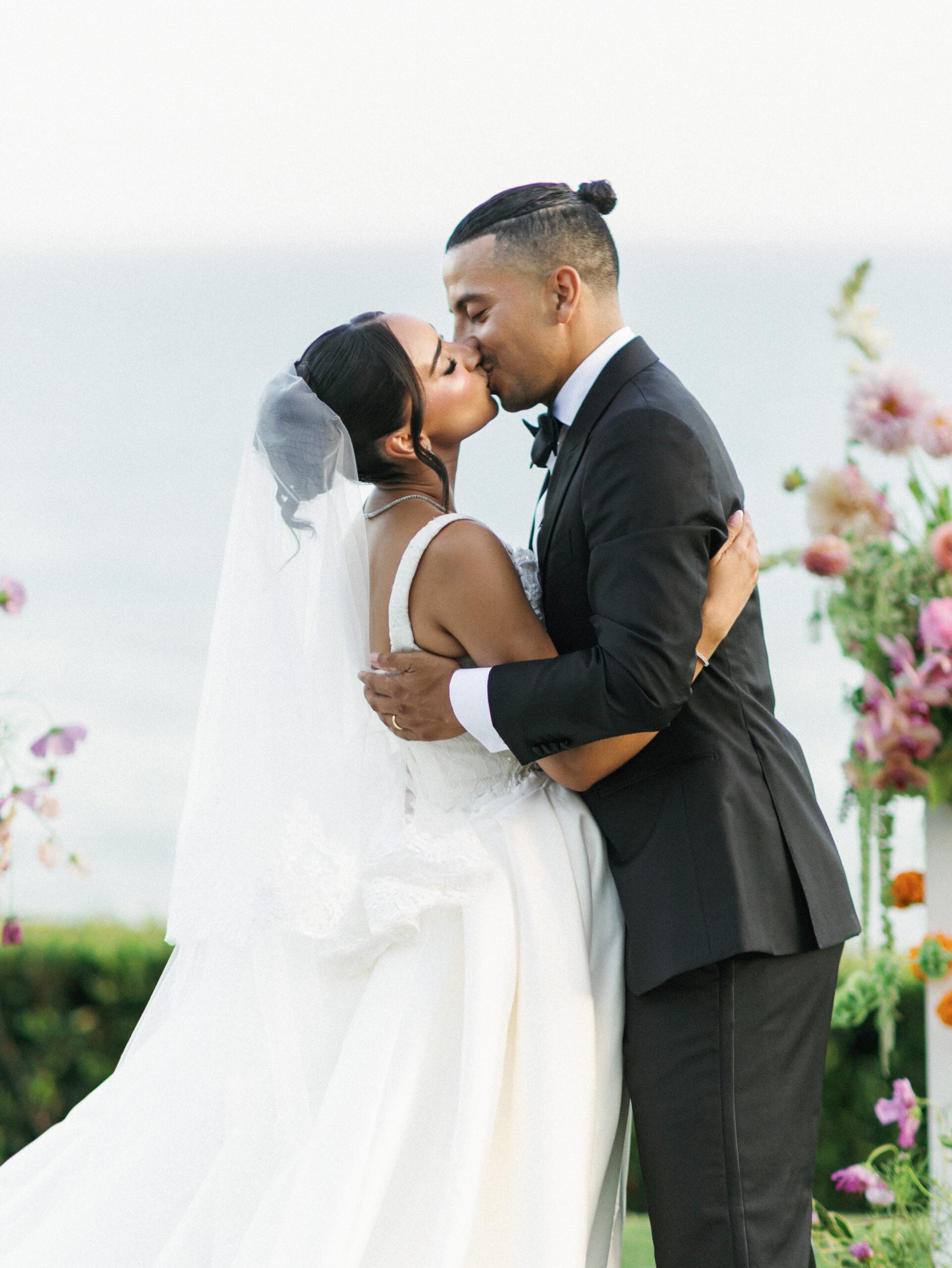
Marbella Country Club, San Juan Capistrano, CA.
4K and Cropping During Editing
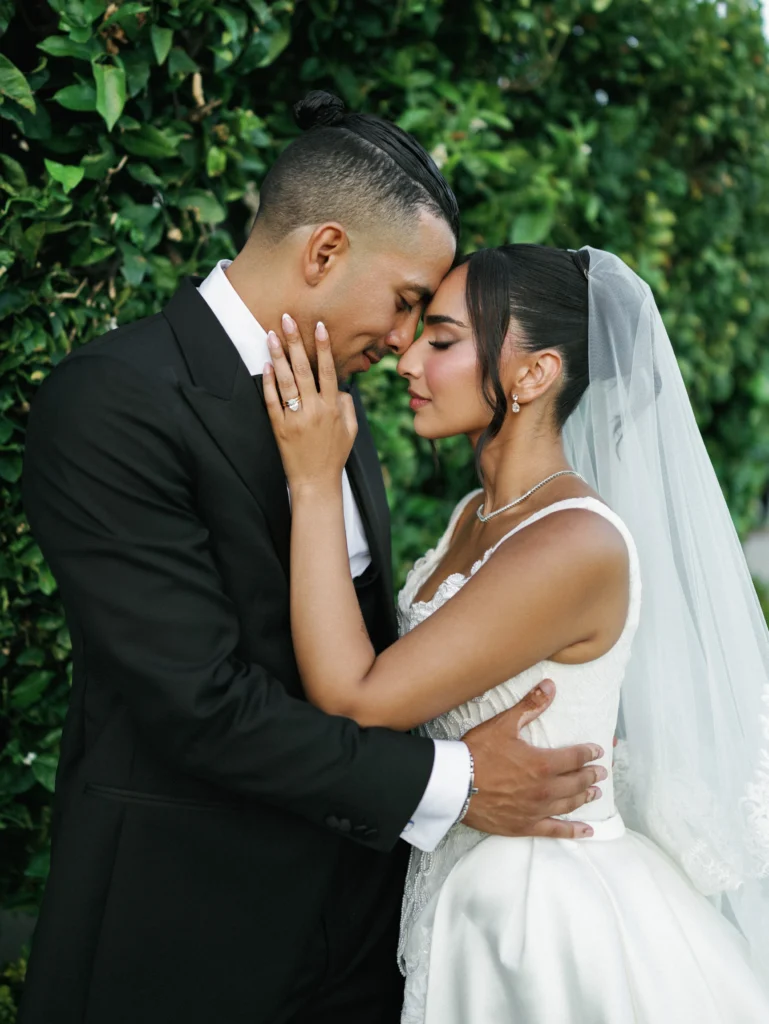
4K capture can give an editor more flexibility when a shot needs to be cropped or reframed during the edit. A 4K frame contains four times the total pixel count of a 1080p frame, so there is more image information available when a smaller area of the original frame becomes the final shot.
A wide ceremony shot may include several people across the frame, while the finished film calls attention to one person within that composition.
With 4K source footage and an HD final film, the editor has more room to crop toward that person while retaining enough detail for the final image.
The amount of usable cropping still depends on the original footage. Focus, movement, lens choice, composition, and the resolution of the final film all affect how far a shot can be reframed. A tighter crop also removes part of the original image, so 4K provides additional room for the adjustment, although it does not provide unlimited freedom to zoom.
Fairmont Copley Plaza Boston, MA.
Storage and File Size
Higher-resolution video generally requires more storage, although resolution is only one factor in the final file size. Codec, bitrate, frame rate, audio, duration, and encoding also affect how much space a finished film occupies. The original production footage can take up considerably more space than the completed wedding film. Several cameras may record for hours during a wedding day, while the final edit contains only the selected footage used in the finished film.
A delivered 4K film will generally require more storage than an equivalent HD version when both use comparable quality settings. This becomes relevant for local backups, external drives, cloud storage, and long-term archiving. A smaller HD version may be easier to keep on a phone or computer for everyday viewing, while a 4K version requires more space but retains the higher-resolution delivery format.
The way the film will be stored depends on how it will be used. A film kept mainly for online viewing has different storage needs from one that will be downloaded, backed up locally, and revisited on larger displays over time.
Maravilla Gardens, Camarillo, CA.
What Platform Compression Does to Resolution
A finished wedding film may go through another round of encoding when it is uploaded to an online gallery or streaming platform. The platform may generate different playback versions for different devices and connection speeds, which can reduce some fine image detail compared with the original delivery file.
A 4K film can therefore exist as a full-resolution download while the same film looks less detailed during online playback. Internet connection, device settings, and the platform’s available playback options all influence the version shown on screen.
A platform may offer 4K playback while still applying its own compression, while a direct download preserves the encoded file supplied with the final delivery.
For long-term storage, the downloaded file also has a different role from the online gallery. The gallery provides convenient viewing and sharing, while a downloaded copy can be stored independently and accessed later even if the gallery link is no longer available.
Andaz Maui at Wailea Resort, by Hyatt, Wailea, HI.
Does 4K Change the Wedding Story?
4K does not change the story of a wedding film. Vows, speeches, reactions, first dances, family moments, and the sequence connecting them come from the coverage and editing. Resolution determines how much visual detail each frame carries, while the creative decisions behind the film remain separate from the technical format of the finished file.
Aqua Turf Club, Plantsville, CT.
Questions Worth Clarifying About Resolution and Delivery
A few details are worth clarifying during the booking process, especially when 4K delivery is part of the package:
- Is the wedding captured in 4K, and what resolution will the final film use?
- Are 4K and HD versions available separately?
- Does the editing workflow use the additional resolution for cropping or reframing?
- Is the 4K delivery file provided as a downloadable file, an online streaming version, or both?
- Does the online gallery use a different playback resolution from the downloadable file?
- How large are the expected final files, and how long will the online gallery remain available?
- Which delivered file is intended for long-term personal storage?
Untermyer Gardens Conservancy. Zuppa Italian Restaurant, Yonkers, NY.
Explore recent wedding stories
Browse real celebrations photographed and filmed by Aster Films.
Frequently asked questions
Is 4K always better for a wedding video?
Not necessarily. 4K contains more image information than Full HD, but the visible difference depends on the display, viewing distance, source quality, compression, and other parts of the production workflow.
Will a phone show the difference between 4K and HD?
The difference may be less noticeable on a small phone display than on a large television or monitor. Screen size, viewing distance, display resolution, source quality, and platform compression all influence how much detail the viewer can see.
Does 4K change the storytelling of a wedding film?
No. Resolution affects image dimensions and pixel detail, while storytelling comes from the footage, editing, sound, pacing, and sequence of moments. The same film can retain its narrative structure at different delivery resolutions.
Is 4K useful if the final wedding film will be watched online?
It can be. Online platforms may compress uploaded video and provide different playback resolutions, while the downloadable file can retain the resolution supplied for delivery. The actual viewing quality depends on the platform, device, and connection.
Does 4K take more storage?
Yes. 4K video generally requires more storage than Full HD, although file size also depends on codec, bitrate, frame rate, audio, and duration.
Can 4K footage be cropped during editing?
Yes. A higher-resolution source can give the editor more room for cropping or reframing, especially when the final film is delivered in HD. The usable amount of cropping still depends on the original composition, focus, movement, and final output.
Does exporting HD footage as 4K make it true 4K?
No. Increasing the output dimensions does not recreate image detail that was not present in the original HD footage. Native 4K source material contains more pixel information from the start.
Does a 4K wedding video need a 4K television?
No. A 4K file can be viewed on a lower-resolution display, although the display cannot reproduce the full native resolution of the source. A 4K television or monitor can display the additional detail when the rest of the playback chain supports it.
Can a 4K wedding film look different on different platforms?
Yes. Online platforms may re-encode uploaded files into different playback versions. Compression, connection speed, device settings, and platform specifications can affect the version that reaches the viewer.
Does 4K matter for long-term storage?
It can. A higher-resolution delivery preserves more image information for future viewing on higher-resolution displays, while the larger files require more storage. The decision also depends on whether the finished film will be downloaded and kept independently of the online gallery.