Planning for Changing Weather
A thoughtful wedding rain plan keeps the day calm and organized long before the forecast becomes a concern. Rain changes the setting, but it does not have to change the way a wedding feels. With the right preparation, covered spaces, indoor options, and timeline adjustments can feel like intentional parts of the day instead of last-minute compromises.
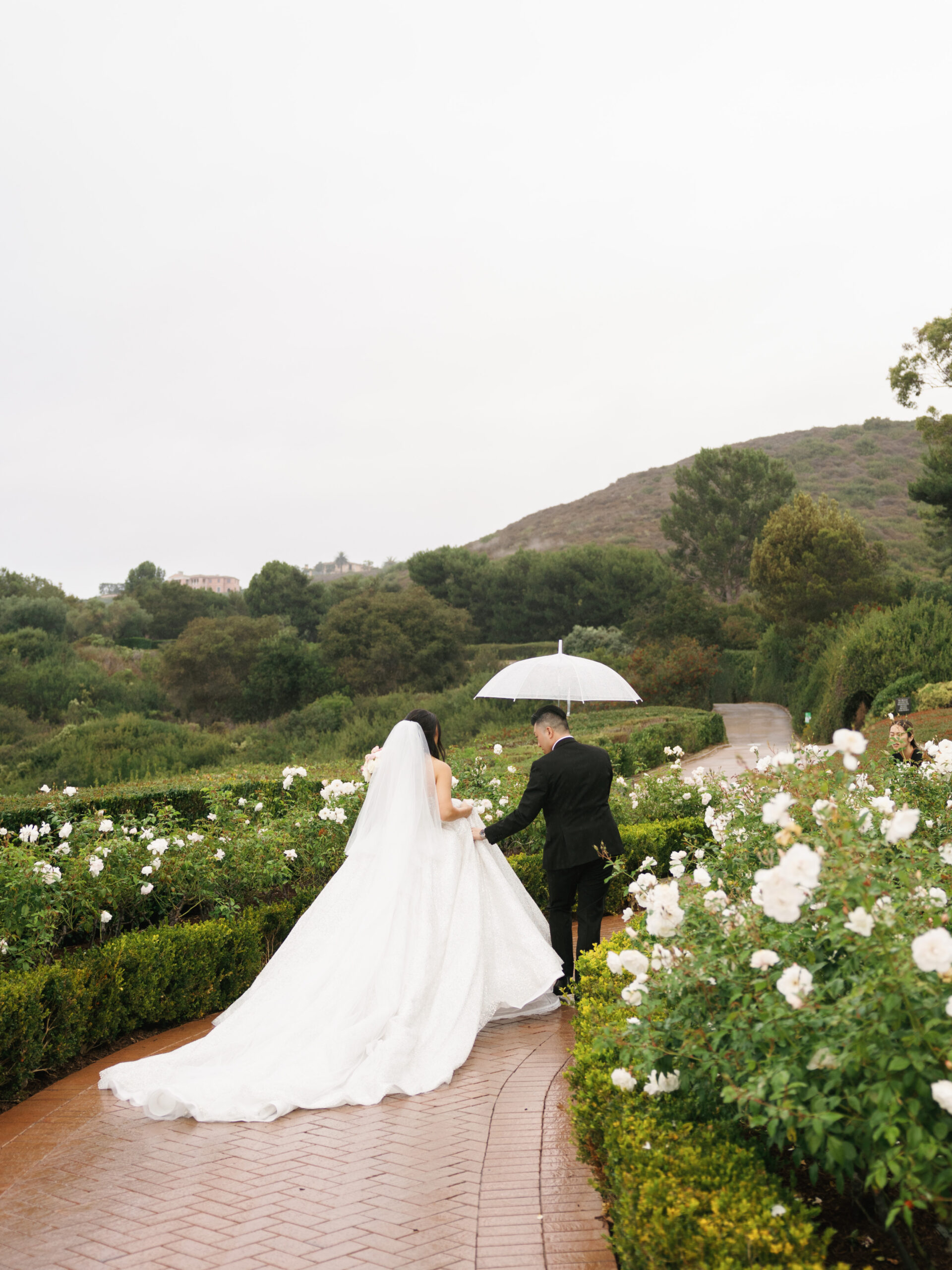
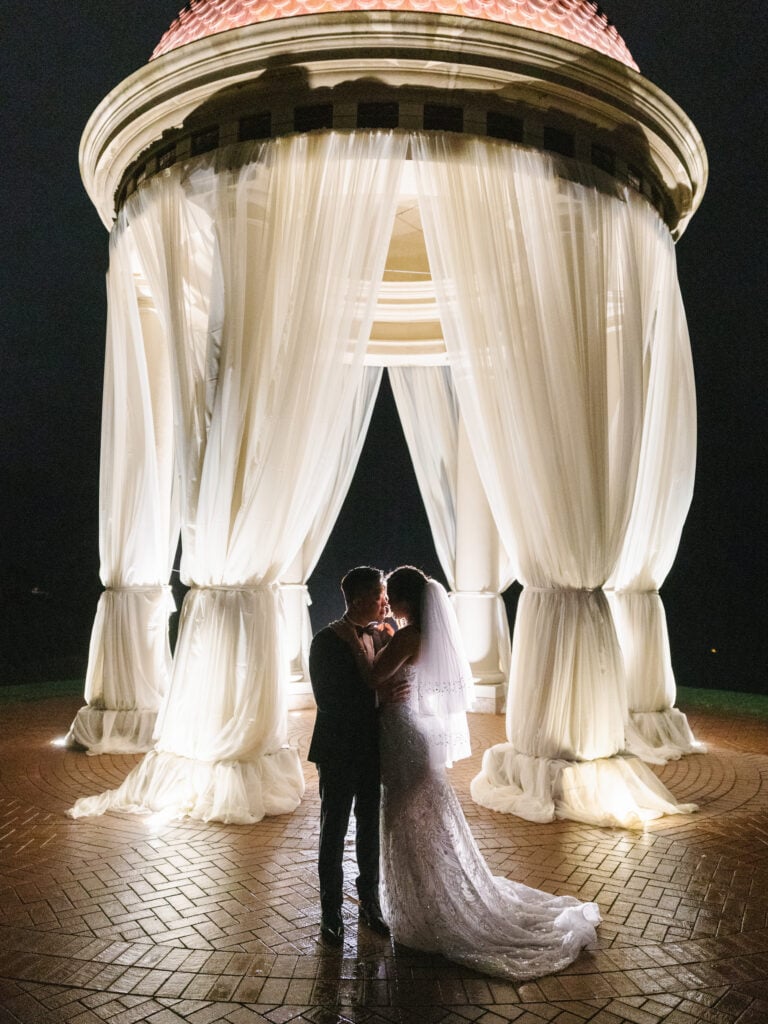
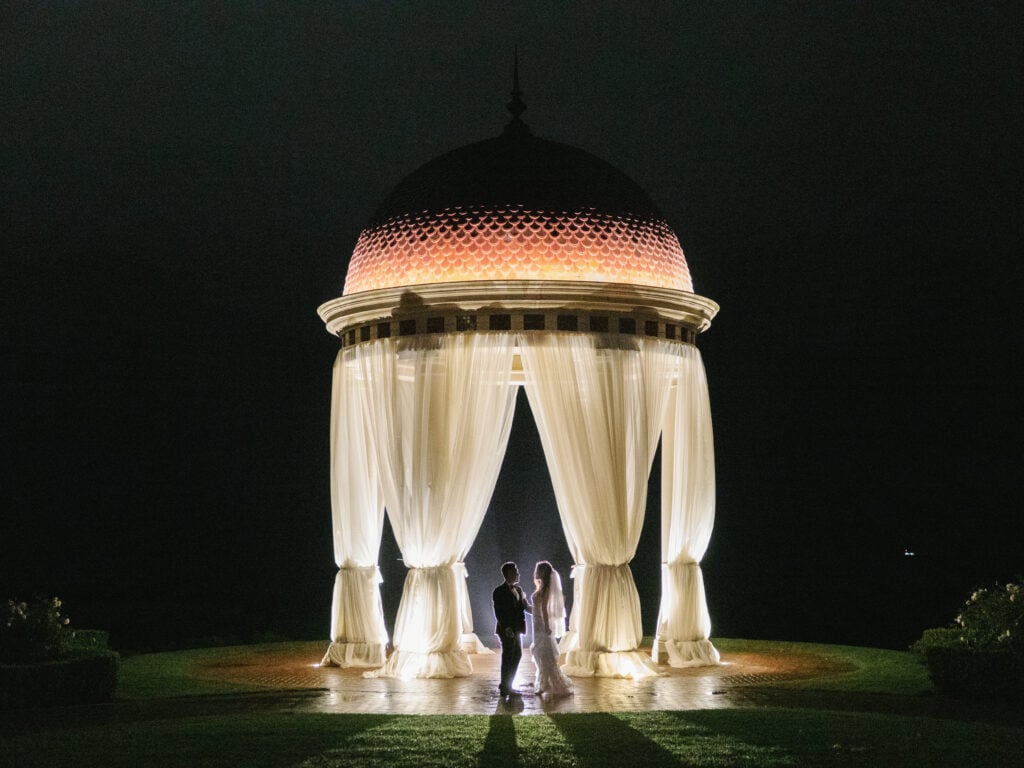
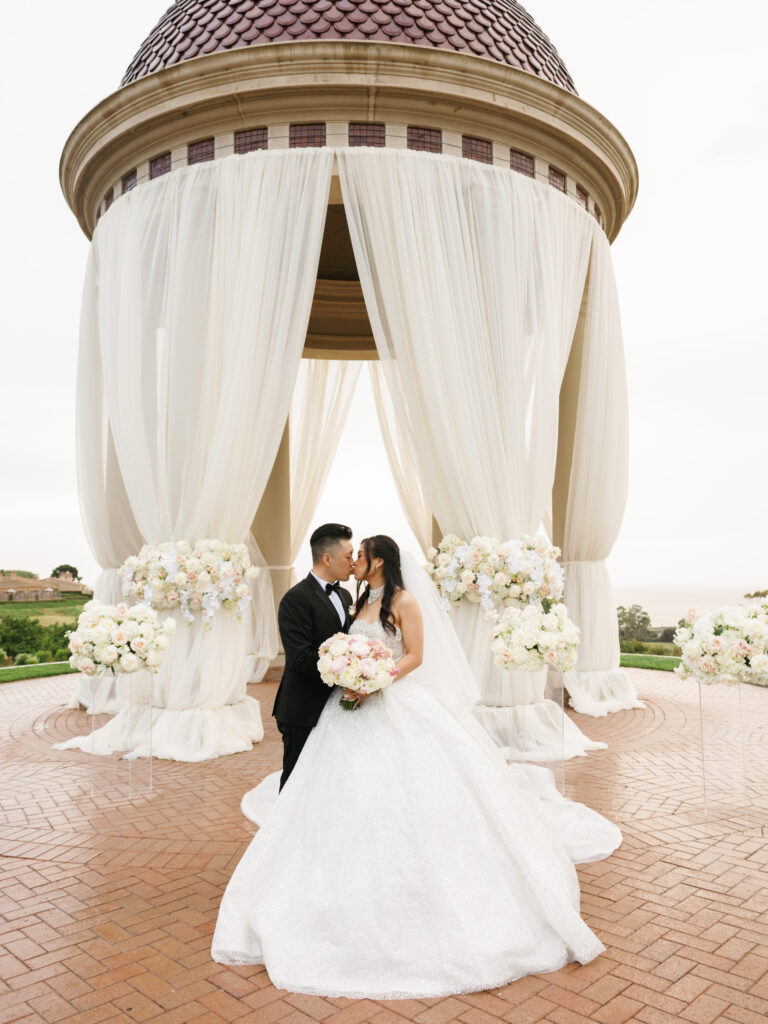
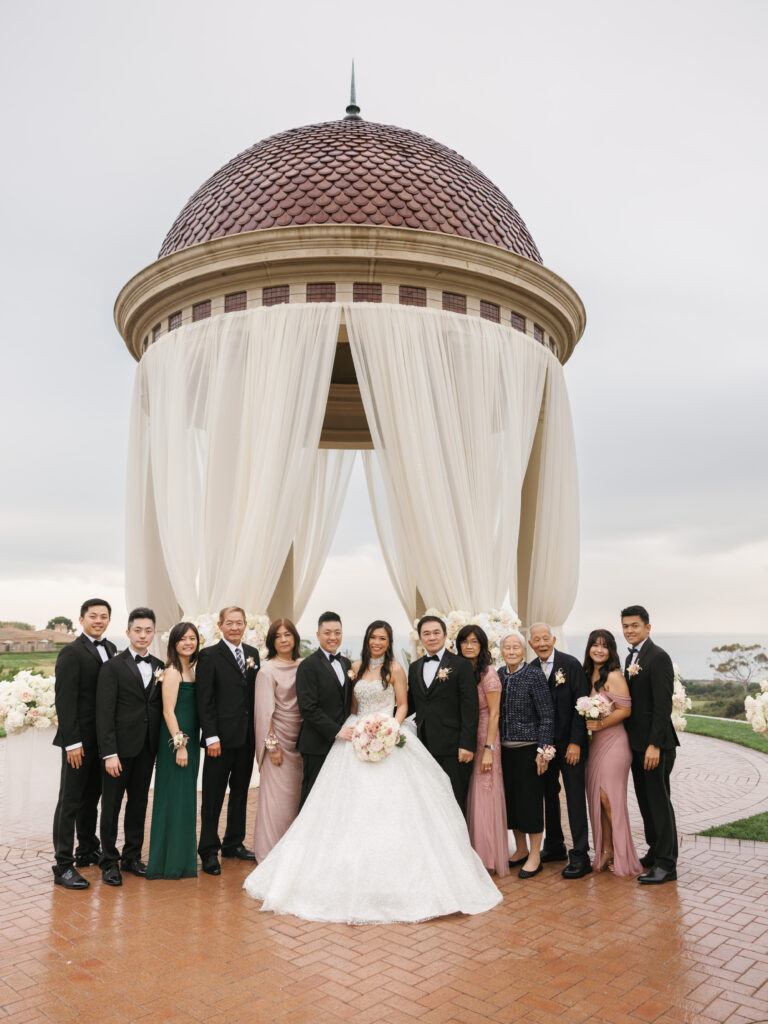
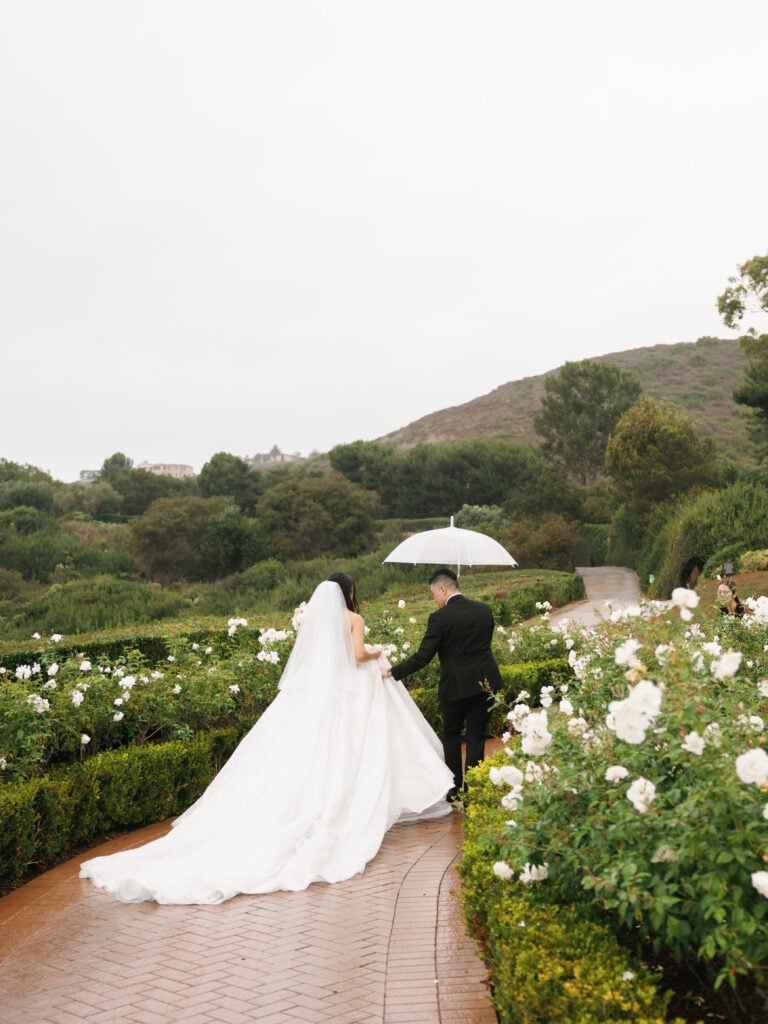
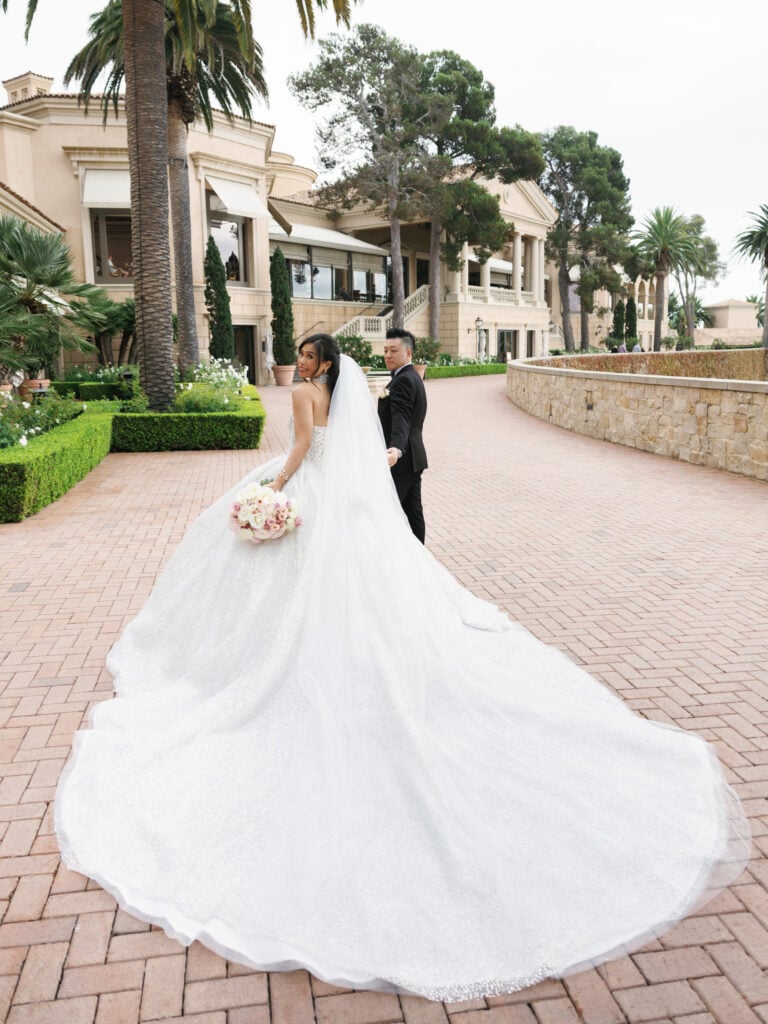
The Resort at Pelican Hill, Newport Beach. CA.
What a Real Rain Plan Should Cover
A complete rain plan goes beyond reserving a tent or choosing an indoor backup room. It should define where the ceremony moves, how guests travel between spaces, where portraits can take place, and how much extra time the weather may add to transitions.
The most effective plans are decided before the wedding day, with each person knowing their role. The venue coordinator may handle room changes and furniture adjustments, the planner may communicate updates to guests, and the photography and video teams may identify alternative locations that still support the visual style of the day.
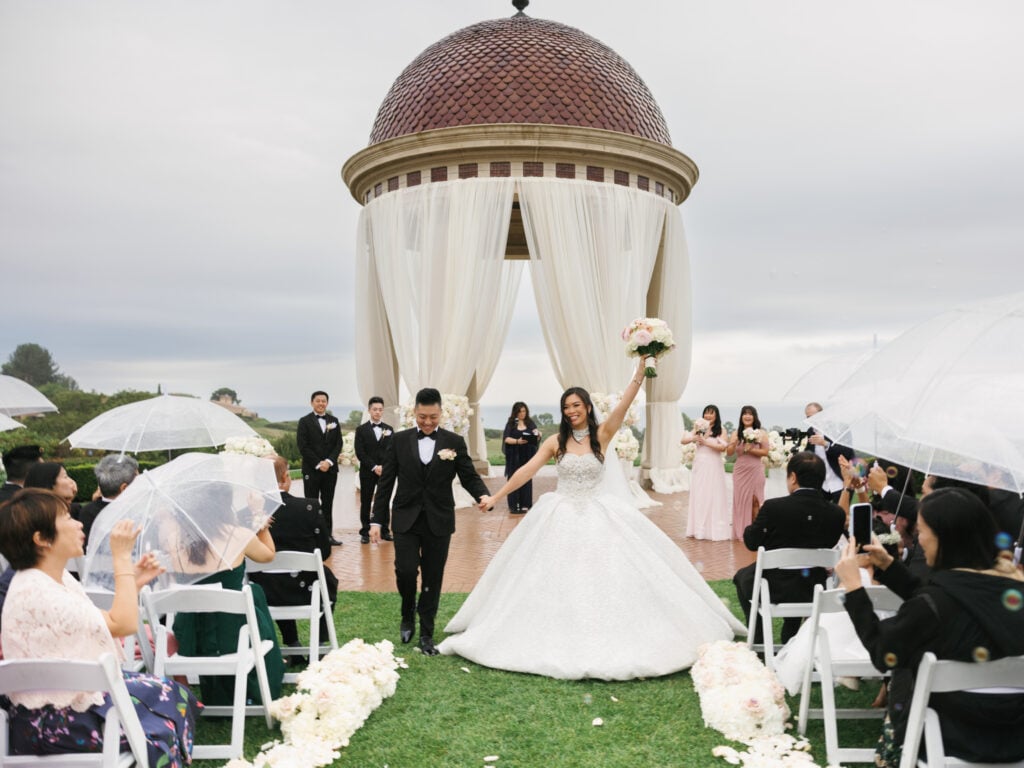
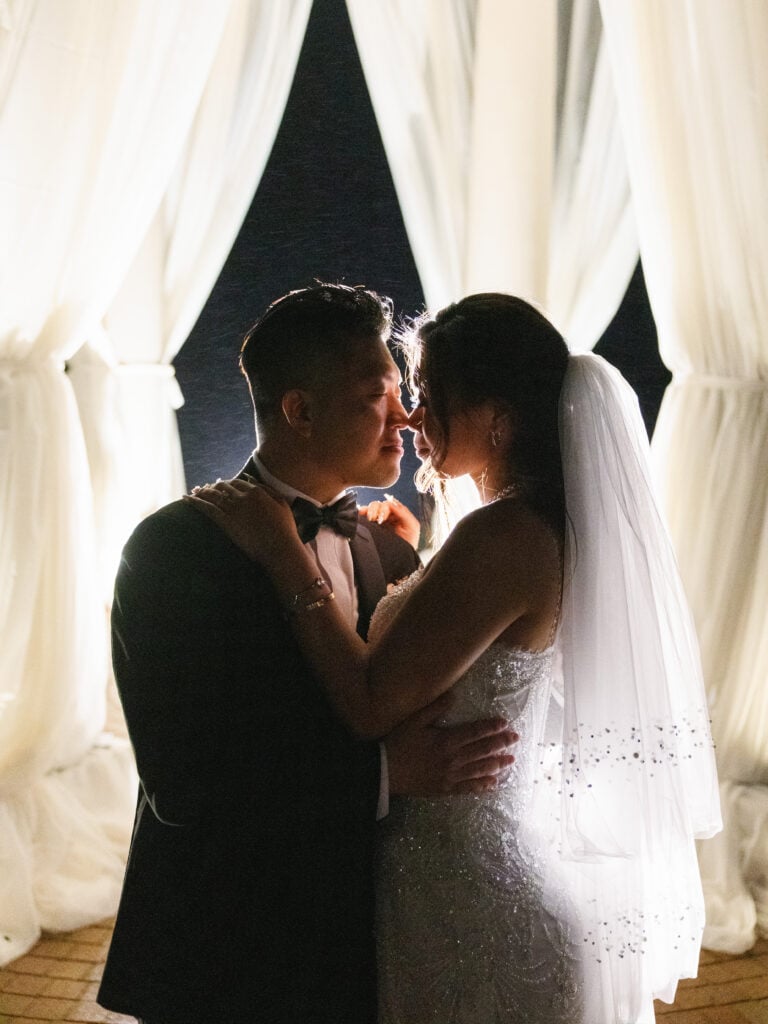
Rain can create unique photographic opportunities. Overcast skies soften direct sunlight and create even tones across portraits, while wet surfaces, reflections, and covered outdoor spaces can add depth and atmosphere to the gallery. A wedding planned around changing weather conditions can still produce images that feel intentional and complete.
Expert Note
Most venues and planners set a decision point for activating the rain plan, often the morning of the wedding or about twenty-four hours before, based on the latest forecast. Assigning one person, such as a planner or trusted family member, to make the final call keeps the process simple during a busy wedding morning.
Aster Films planning note
Ceremony Backup, Portrait Locations, and Guest Flow
- Ceremony Backup
A covered area with clear sides or open sections can preserve a connection to the outdoors while allowing natural light into the ceremony. Indoor backup spaces such as ballrooms, pavilions, or historic buildings often photograph better when they already have thoughtful lighting, windows, or architectural details. A windowless room with harsh overhead fixtures may work as a practical solution, but it creates a different atmosphere for both photography and video.
The ceremony location should also support movement. Guests need clear paths between entrances, seating, and reception areas, while vendors need enough space to work.
- Portrait Locations
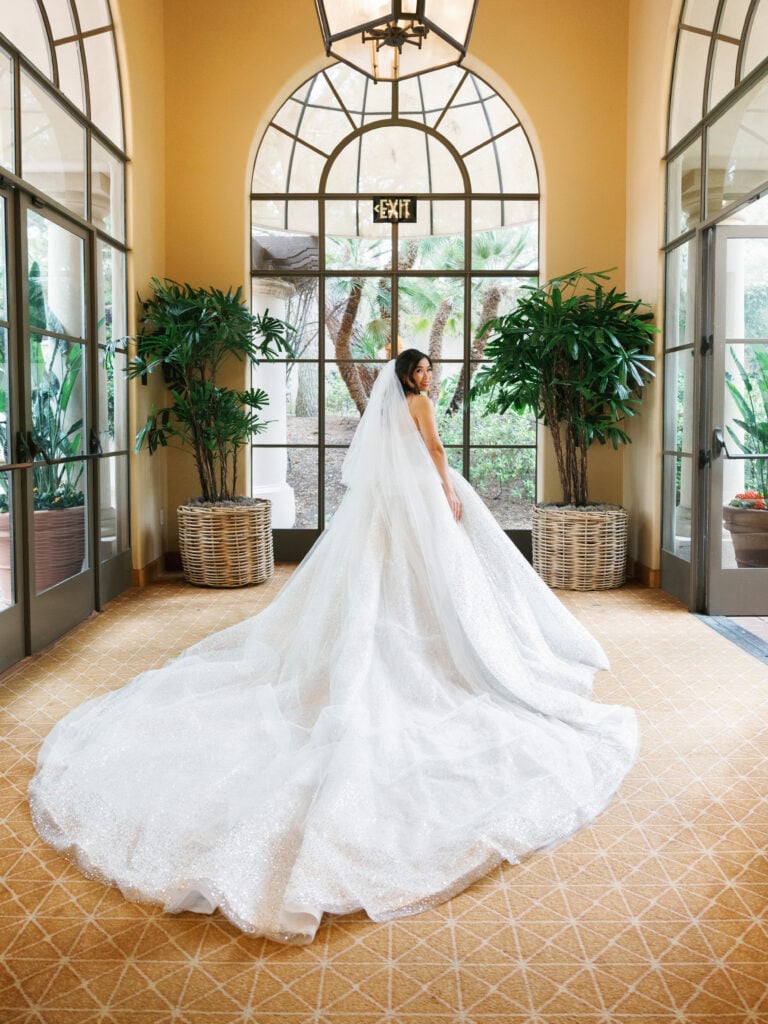
Covered porches, conservatories, greenhouses, porticos, and spaces near large windows can provide shelter while keeping natural light available.
Before the wedding, it helps to identify several possible portrait locations instead of relying on one backup spot. A covered walkway, an architectural detail inside the venue, or a quiet corner with good window light can create variety if outdoor areas become unavailable.A photographer can also use the weather itself as part of the setting. Reflections on wet pavement, misty gardens, and soft skies can create a different visual character from a sunny wedding day without taking away from the couple’s experience.
- Guest Flow
Moving guests between a ceremony space and a reception space in the rain takes coordination, umbrella escorts, a covered walkway, or a golf cart shuttle for a venue with more distance between buildings. This coordination usually belongs to the venue team or planner, since it involves timing, staffing, and guest comfort. When the logistics are handled quietly, couples can remain focused on the celebration instead of managing weather-related decisions.
Clear Umbrellas, Shoes, Hair/Makeup, and Timing Buffers
01
Clear Umbrellas
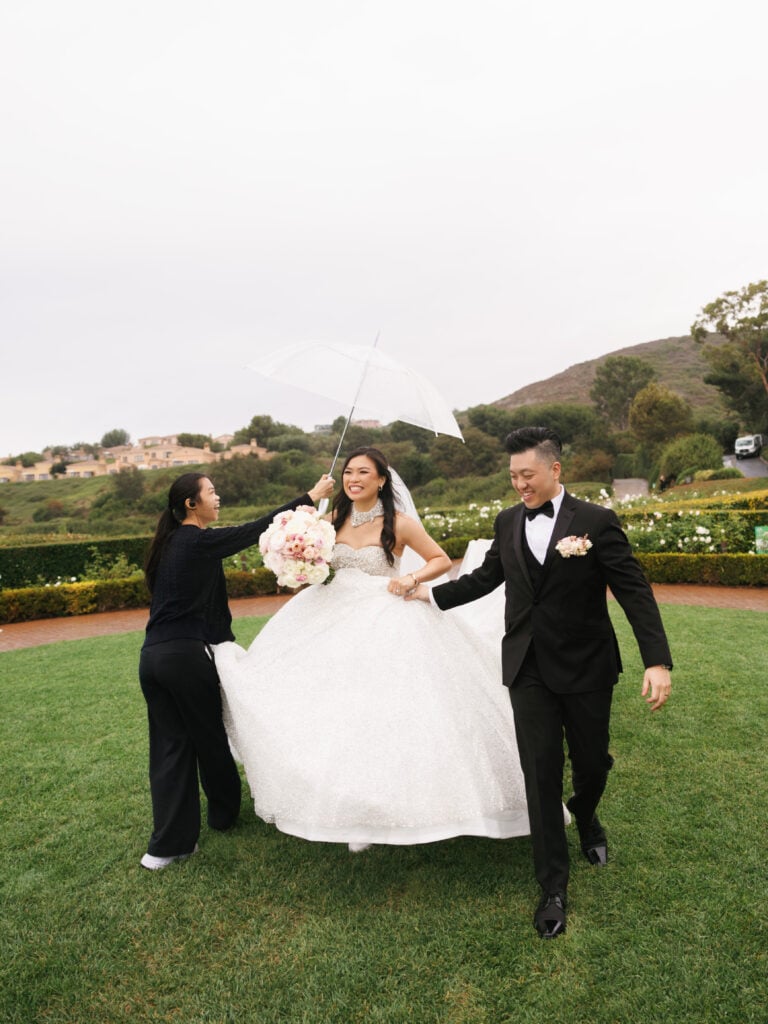
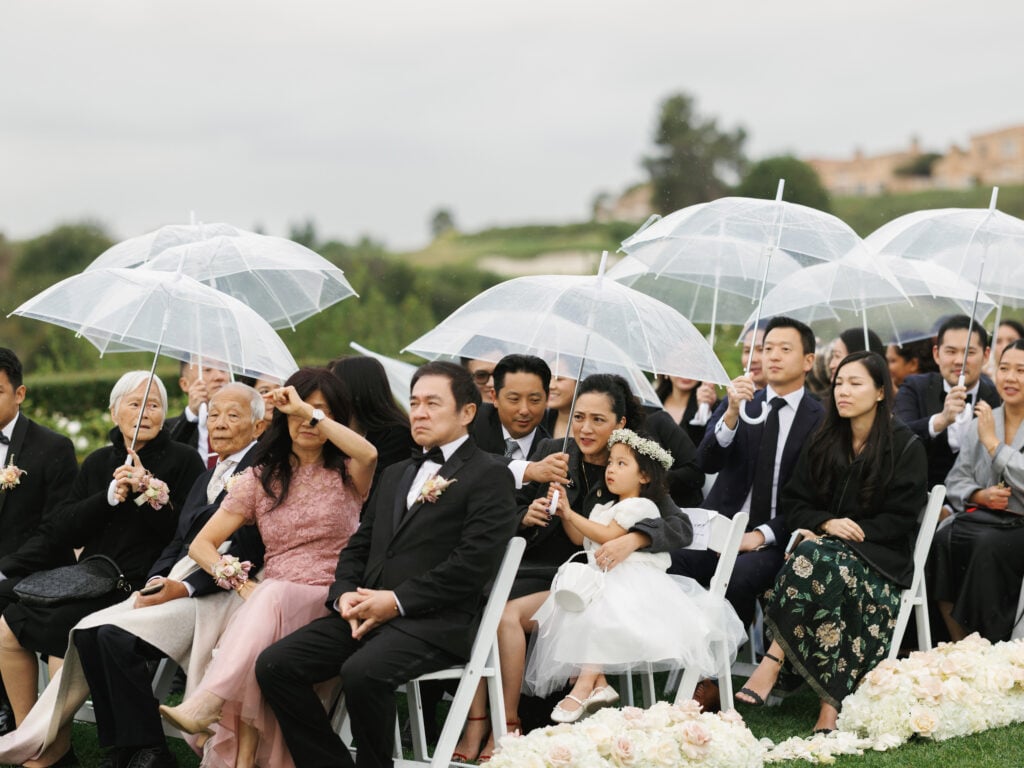
Clear umbrellas are one of the simplest additions to a wedding rain plan. They keep portraits practical while allowing the focus to remain on the couple, clothing, and surroundings.
Colored umbrellas can introduce unwanted tones into portraits, while clear umbrellas help preserve the natural colors of the scene. A small set for the couple and wedding party creates flexibility when outdoor portraits are still possible between showers.
02
Shoes
Wet grass, muddy paths, and uneven outdoor areas can quickly affect formal footwear. Many couples choose to keep their ceremony shoes protected and bring a second pair for portraits, such as simple flats or boots that are comfortable for walking outdoors.
This small adjustment gives the photography team more freedom to use different areas of the venue without worrying about damaged shoes or uncomfortable movement.
03
Hair and Makeup
Humidity and rain can affect hair and makeup throughout the day, especially during outdoor portraits or transitions between spaces. Building a small touch-up window into the timeline allows the couple to refresh before important photographs and video moments.
A compact kit with items such as blotting paper, hairspray, and bobby pins can be useful throughout the day. A hair and makeup artist can also suggest products suited to the expected weather conditions during the final planning stage.
04
Timing Buffers
Rain often affects transitions more than the main events themselves. Guests may need extra time to move between spaces, umbrellas may need to be distributed, and indoor portrait setups can take longer than an outdoor location.
Adding fifteen to thirty minutes around key transitions can prevent the timeline from feeling rushed. A short weather check with the photography and video team on the morning of the wedding can also help adjust the plan based on the actual conditions.
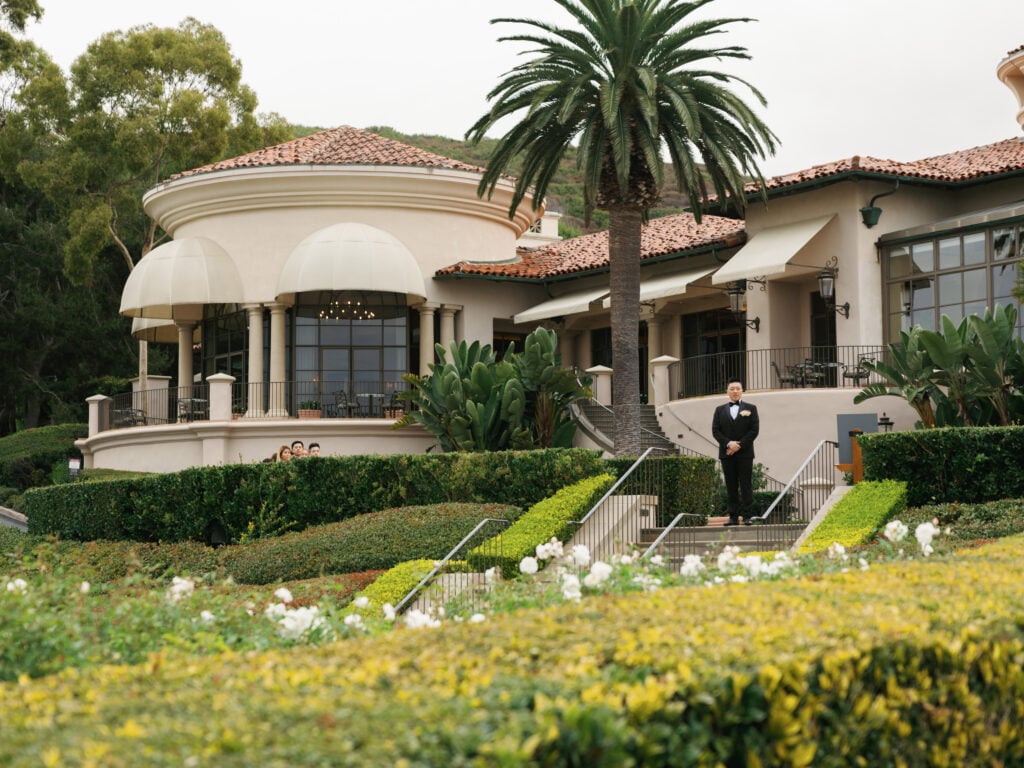
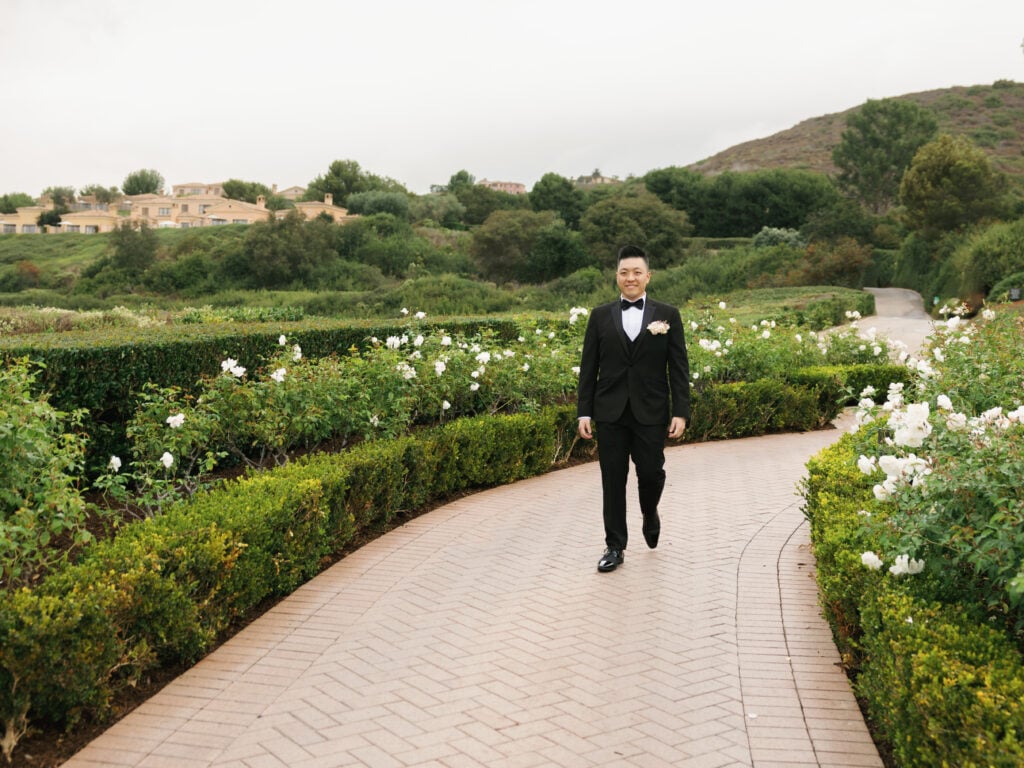
Photo and Video Choices in Indoor or Covered Spaces
Photo
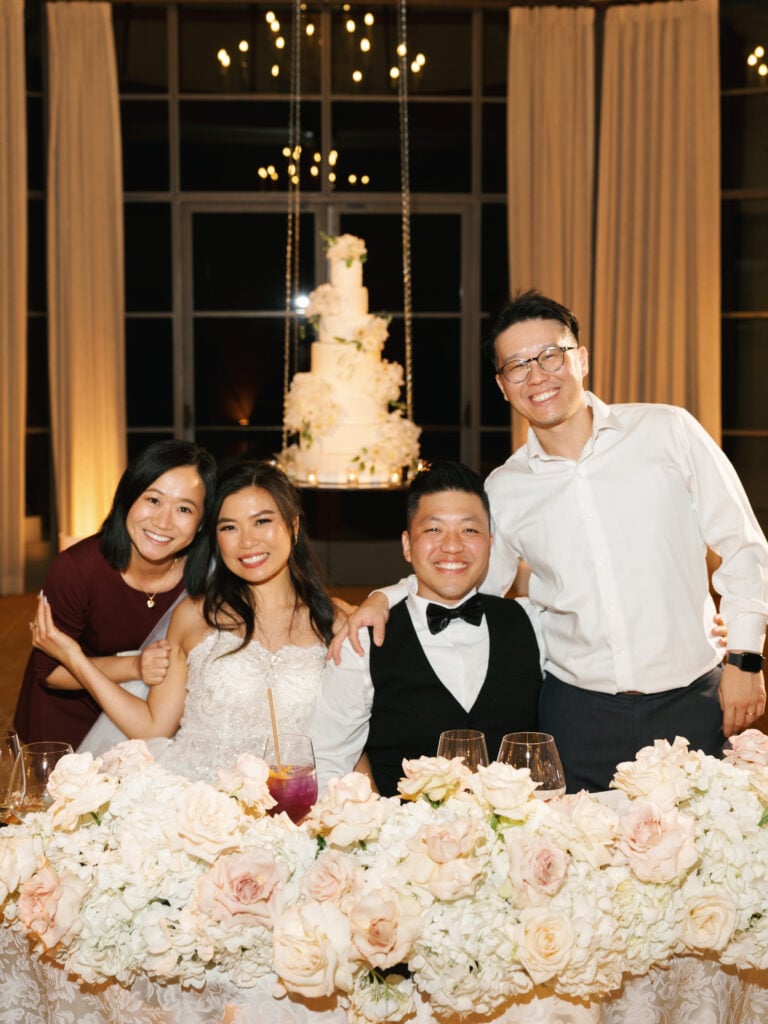
Photographers typically adjust for lower indoor light through equipment choices and shooting techniques that help preserve detail, natural tones, and movement without making every image feel heavily lit. Faster lenses, higher camera sensitivity, and carefully used flash can help maintain a natural look when available light becomes limited. Photography in a covered but open-air space, such as a tent with clear sides, often requires less adjustment than a fully enclosed room because daylight continues to shape the images.
Video
Video coverage in dim indoor spaces usually requires supplemental lighting, such as small LED panels positioned to soften shadows without creating a harsh look on camera. A videographer working in a covered outdoor space can often rely on available light longer into the evening than one working in a windowless interior, so the choice of backup location affects both photo and film coverage.
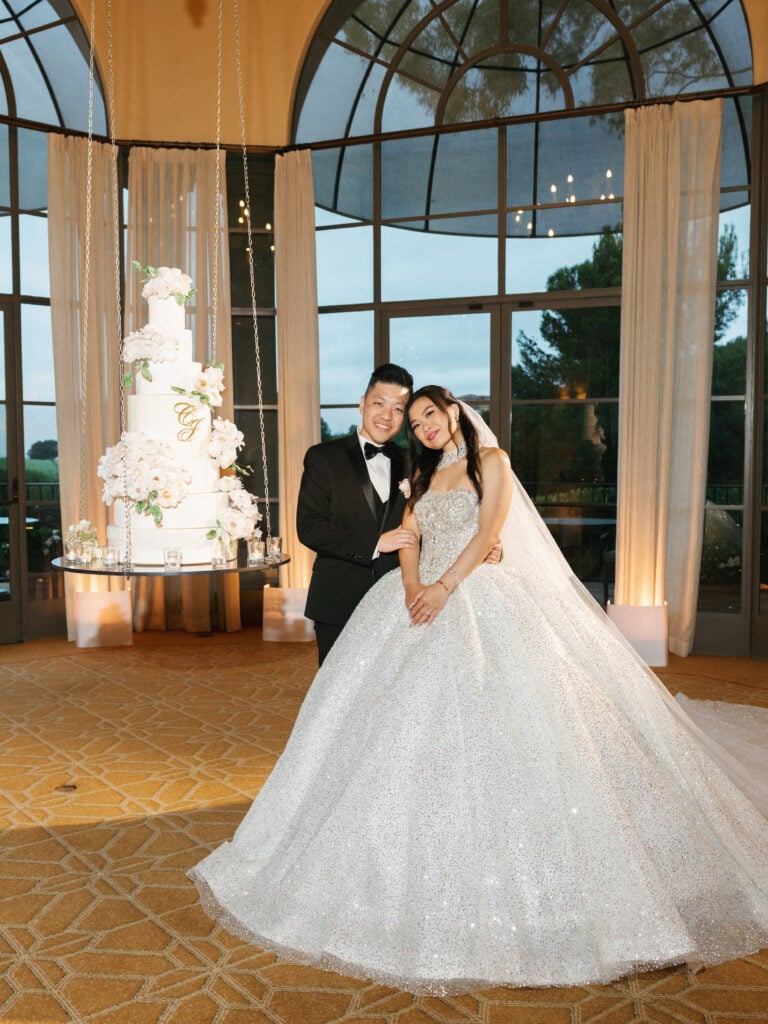
The Resort at Pelican Hill, Newport Beach. CA.
Audio
Audio should also be considered when choosing an indoor backup space. A room with hard floors and bare walls, common in some ballrooms and event halls, can introduce echo that affects vow and speech recordings more than it would in a room with carpet, drapery, or upholstered furniture. Mentioning the backup room to the videographer in advance gives them a chance to plan microphone placement accordingly.
Expert Note
Drone coverage depends on conditions beyond rain alone. Wind, visibility, and safety requirements determine whether aerial footage is possible on the wedding day. Couples who want drone footage should discuss realistic alternatives with their videographer before the event.
Aster Films planning note
How to Keep the Day Beautiful Instead of Rushed
01
Start with the timeline
Weather can add extra minutes to transitions, guest movement, and portrait setup. Building in small buffers allows the celebration to continue naturally instead of making every adjustment feel urgent.
02
Consider backup spaces
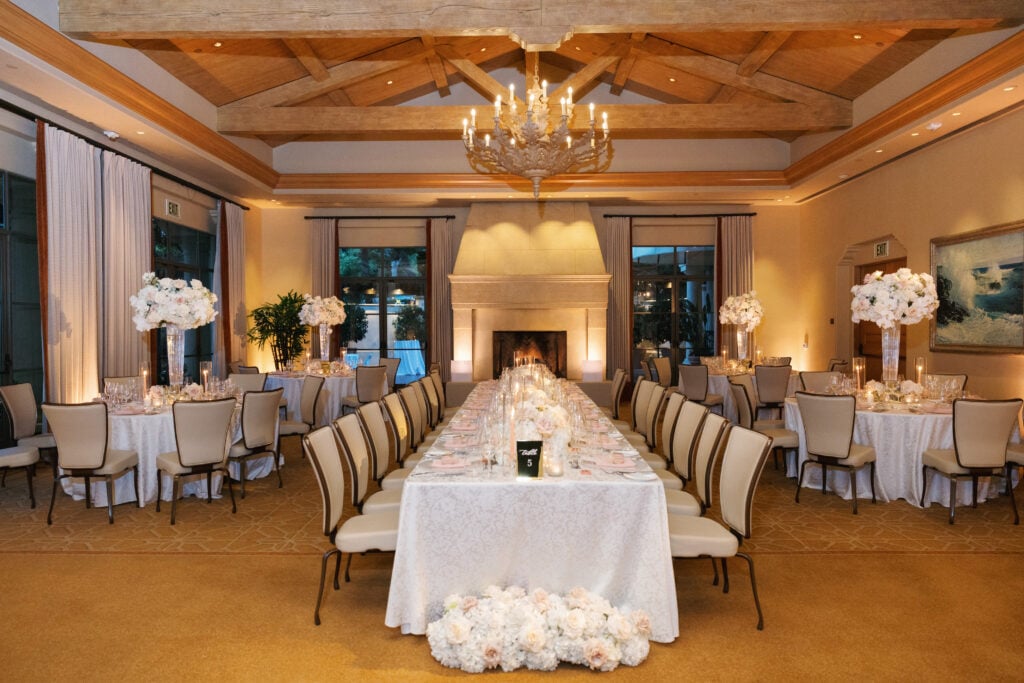
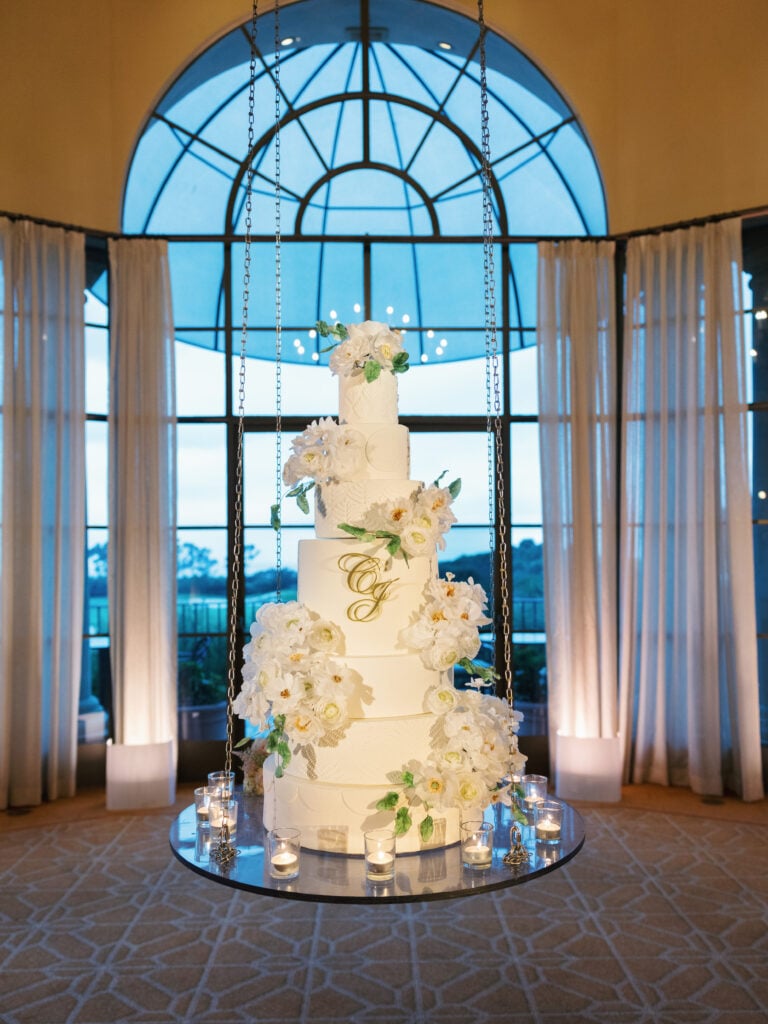
Choose backup spaces with the same care as the original locations. A covered area with beautiful light, interesting architecture, or a meaningful connection to the venue will usually photograph better than a room chosen only because it is available during bad weather.
03
Guest Care
Consider the guest experience as part of the plan. Clear communication about where guests should go, how they will move between spaces, and when changes will happen keeps everyone comfortable and allows the couple to remain focused on the celebration.
Frequently asked questions
Does rain actually ruin wedding photos?
Rain does not ruin wedding photos. Overcast skies create soft, even light that can be flattering for portraits, while rainy settings can add reflections, texture, and atmosphere to the gallery. The final result depends less on the weather itself and more on how well the venue, timeline, and photography plan adapt to the conditions.
When should we decide to activate the rain plan?
Most venues and planners set a decision point based on the latest forecast, often the morning of the wedding or about twenty-four hours before the event. Choosing one person to make the final call keeps the process organized and prevents weather decisions from becoming stressful during an already busy day.
What should we bring in case of rain?
Clear umbrellas for the couple and wedding party, a backup pair of shoes for outdoor portraits, and a small touch-up kit for hair and makeup cover most practical needs. A planner or venue coordinator can also arrange guest assistance, covered routes, or transportation between spaces when needed.
Can drone footage still happen if it rains?
It depends on the specific weather conditions. Light rain with calm wind may still allow limited drone use, while stronger rain, wind, or poor visibility usually prevents flights. Couples who want drone coverage should discuss possible alternatives with their videographer before the wedding.
Does a rain plan add much to the overall budget?
A rain plan is usually more about preparation than additional expense. Some elements, such as clear umbrellas, tent upgrades, transportation between spaces, or extra lighting for video, may involve additional costs depending on the venue and vendors. Confirming these details in advance helps avoid unexpected decisions closer to the wedding.
CONTACT ASTER FILMS
Let’s Build Your Rain Plan Together?
We would be happy to review your venue, timeline, and coverage plans with you, offering a photography and film perspective to help your wedding day feel effortless.