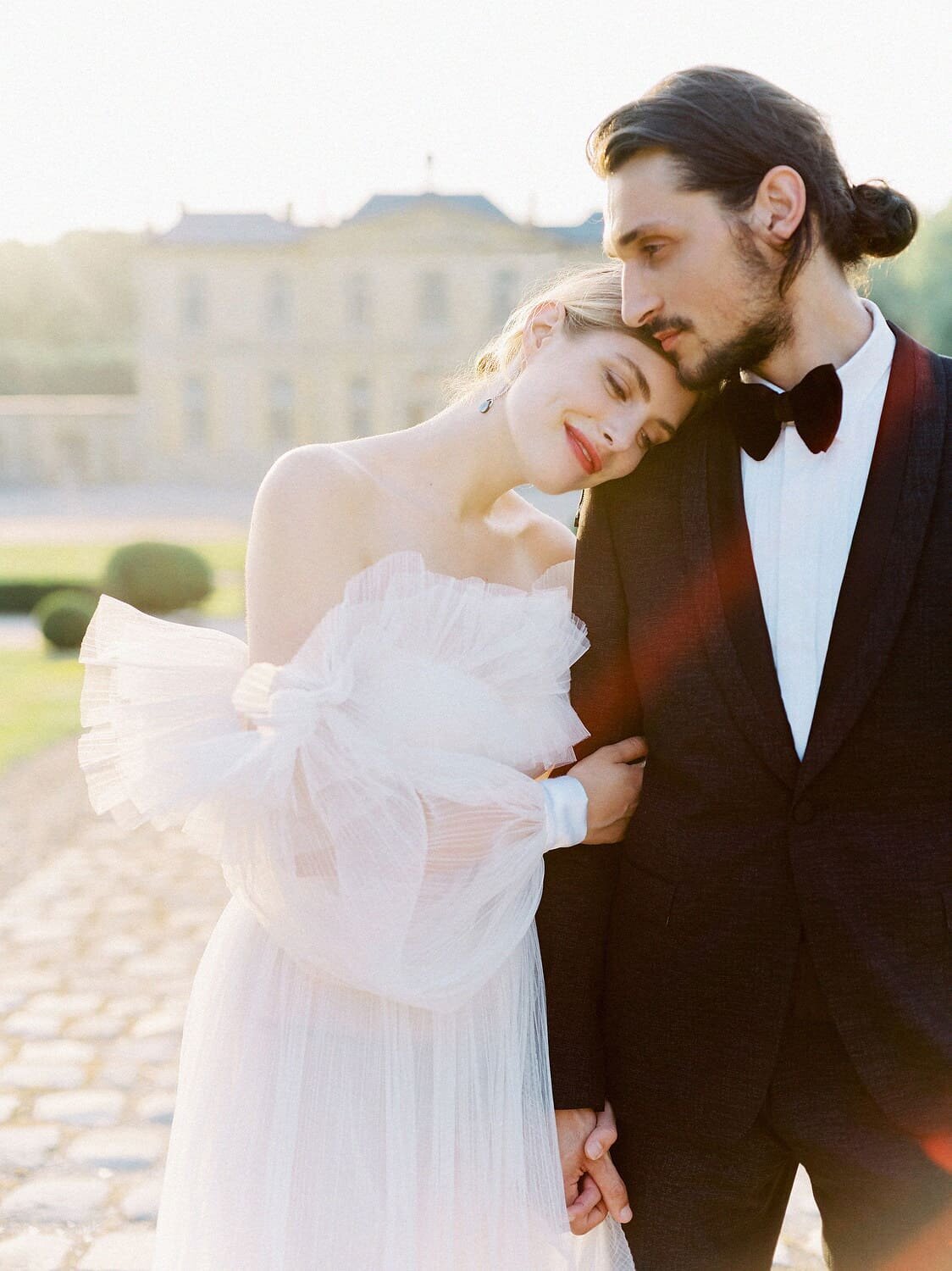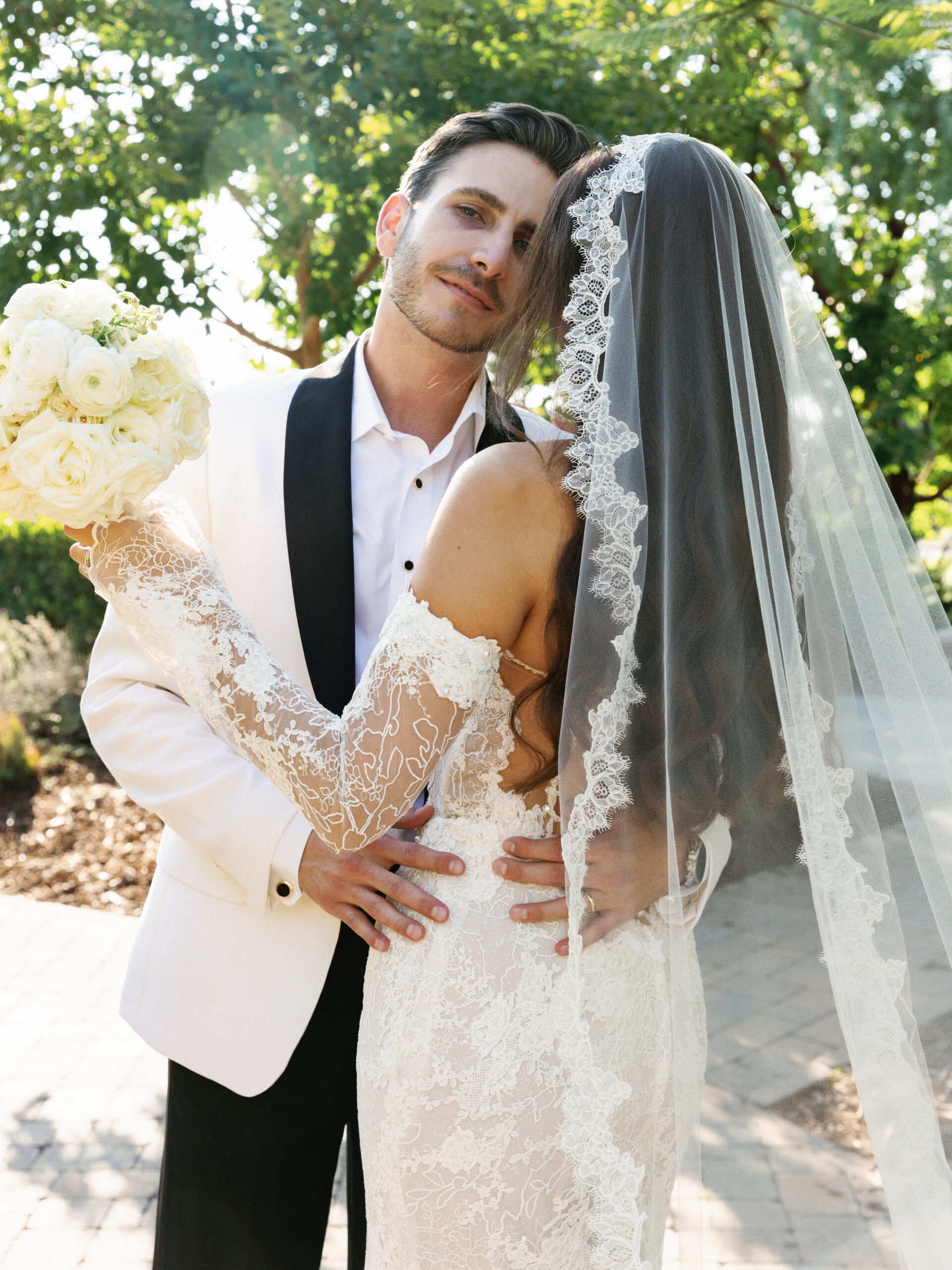
Planning Wedding Coverage Around the Timeline
Coverage planning works backward from your wedding schedule: where preparation takes place, how far locations are from each other, how long the ceremony lasts, whether portraits happen before or after the ceremony, and how late the reception continues.
A six-hour wedding, an eight-hour wedding, and a twelve-hour wedding can all be the right choice depending on the timeline, locations, traditions, and moments you want preserved.
A wedding with one venue, a short ceremony, and an early dinner requires a very different approach from a celebration with separate getting-ready locations, a religious ceremony, a long cocktail hour, and a late-night reception.
Photography and videography also use coverage time differently. Photography can sometimes focus on specific parts of the day, while video usually needs a continuous sequence to build a complete story.
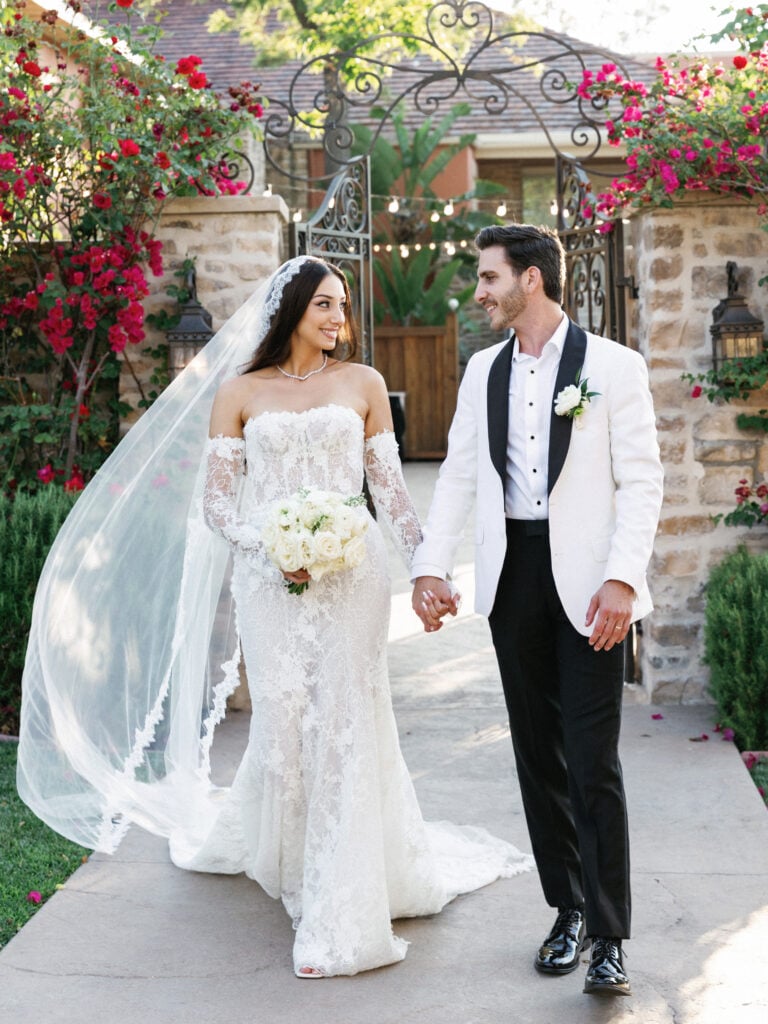
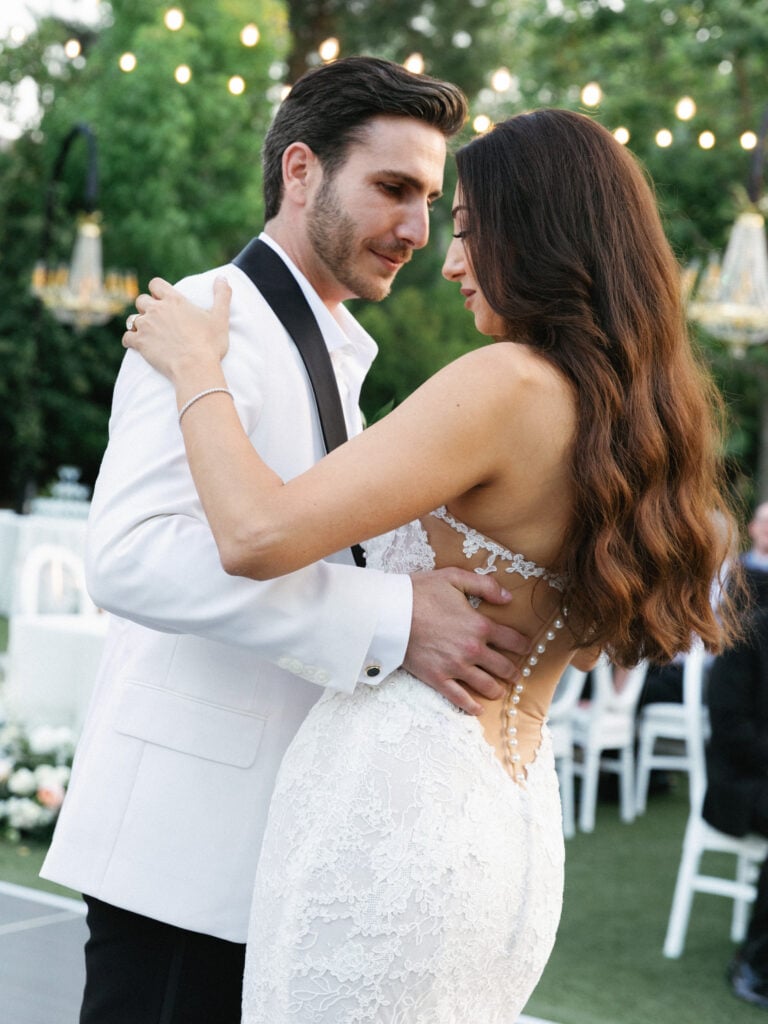
Why Coverage Hours Are Not One-Size-Fits-All
Many studios offer packages built around common options: six, eight, ten, or twelve hours. These numbers provide a starting point, but they do not automatically match every wedding timeline.
The same number of guests can require completely different coverage depending on the structure of the day. A 150-person wedding at one venue may run smoothly with eight hours of coverage. A smaller destination wedding with multiple locations may require ten or twelve hours because of travel time between events.
Guest count usually affects specific parts of the timeline, especially family portraits, group combinations, and reception events, while the total number of hours depends more on the overall structure of the day. A larger guest list may require additional time for these moments, but it does not necessarily mean every part of the day needs extended coverage.
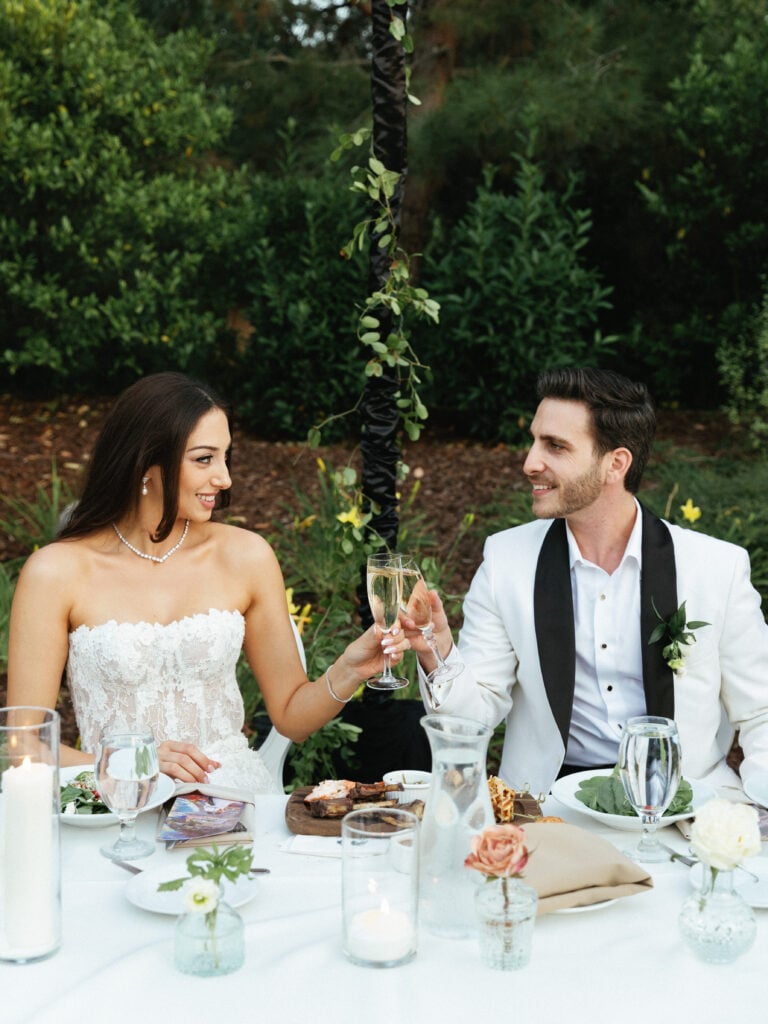
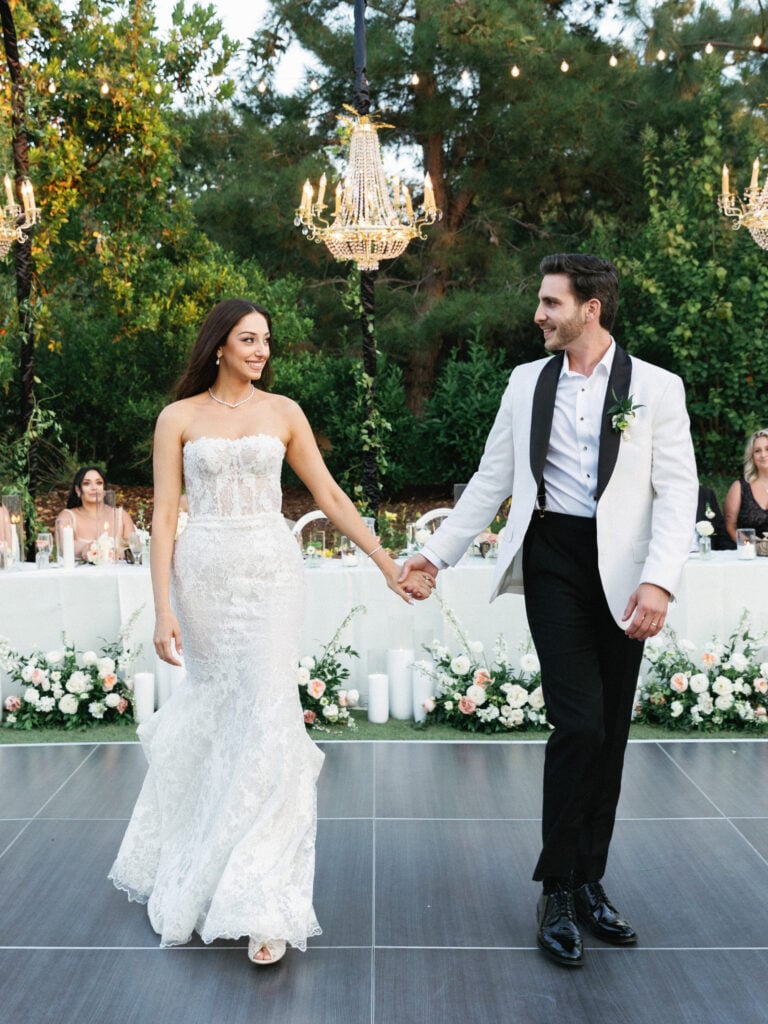
Location is often the bigger factor.A wedding with hotel preparation, a separate ceremony venue, transportation between locations, outdoor portraits planned around sunset, and a reception ending with a special exit will naturally need more coverage than a celebration where everything happens in one place.
The best way to choose hours is to create a wedding coverage timeline and identify which moments are important enough to preserve.
For example, couples who want getting-ready moments, private letters or first looks, full ceremony coverage, family portraits, cocktail hour, speeches, first dance, open dancing, and a final send-off need enough time to connect those moments into one complete story.
A shorter package may still work perfectly for couples who only want the ceremony, portraits, and the beginning of the reception documented.
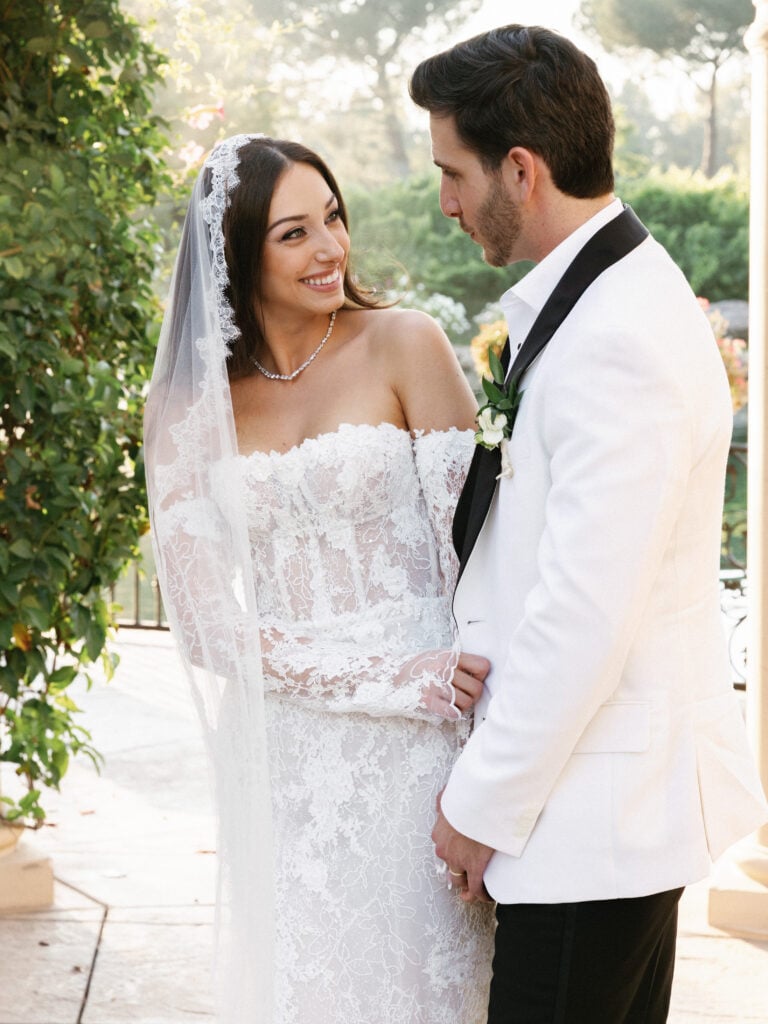
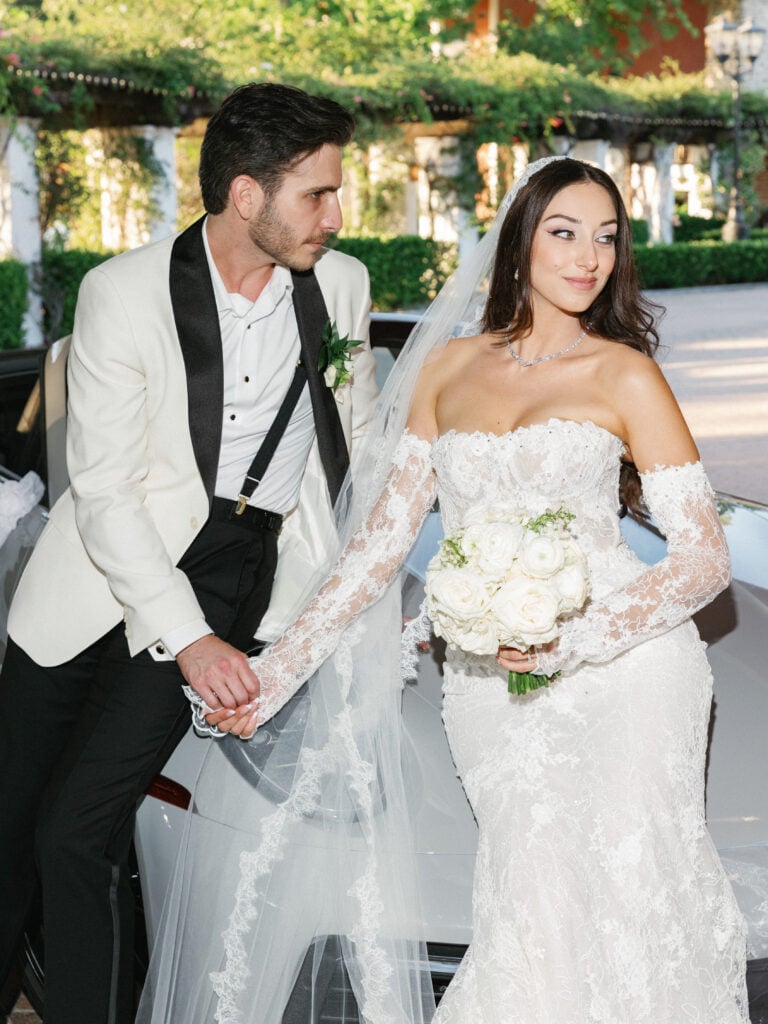
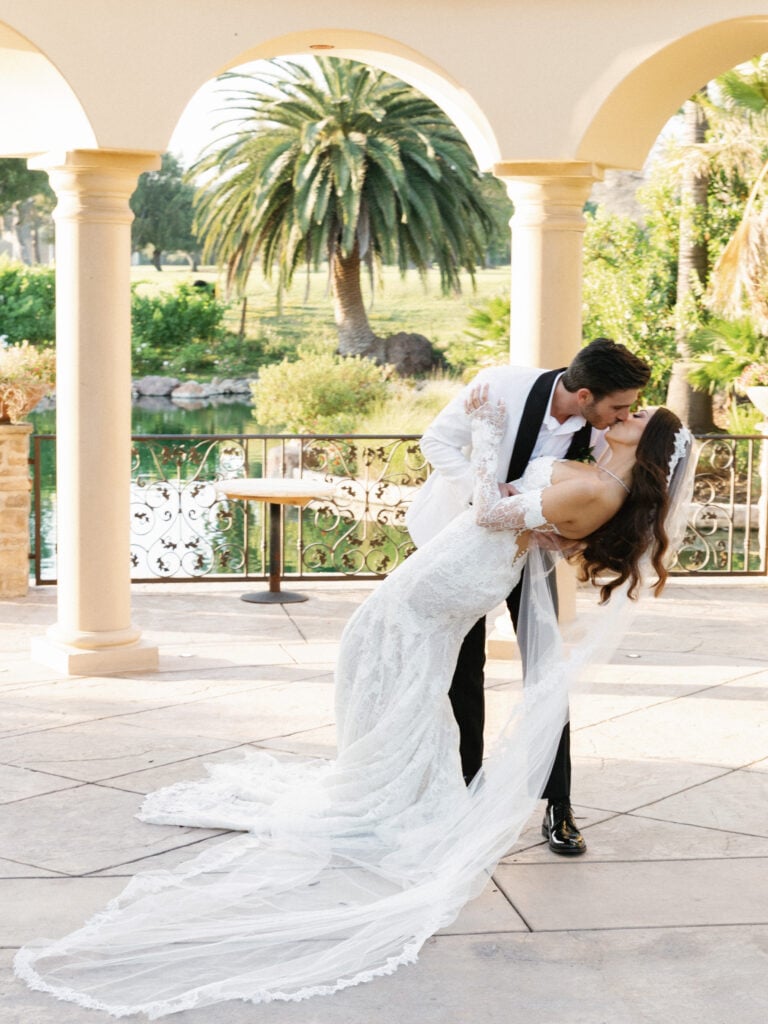
Many contracts include overtime coverage if the wedding continues beyond the booked hours.
Overtime rates vary by studio and package, but booking additional time in advance is usually more predictable than adding hours on the wedding day when the timeline has already shifted.
A realistic timeline review before booking helps avoid paying for unused hours or losing important moments because coverage ends too early.Aster Films planning note
Small Weddings, Full Weddings, and Multi-Day Events
Small and intimate weddings
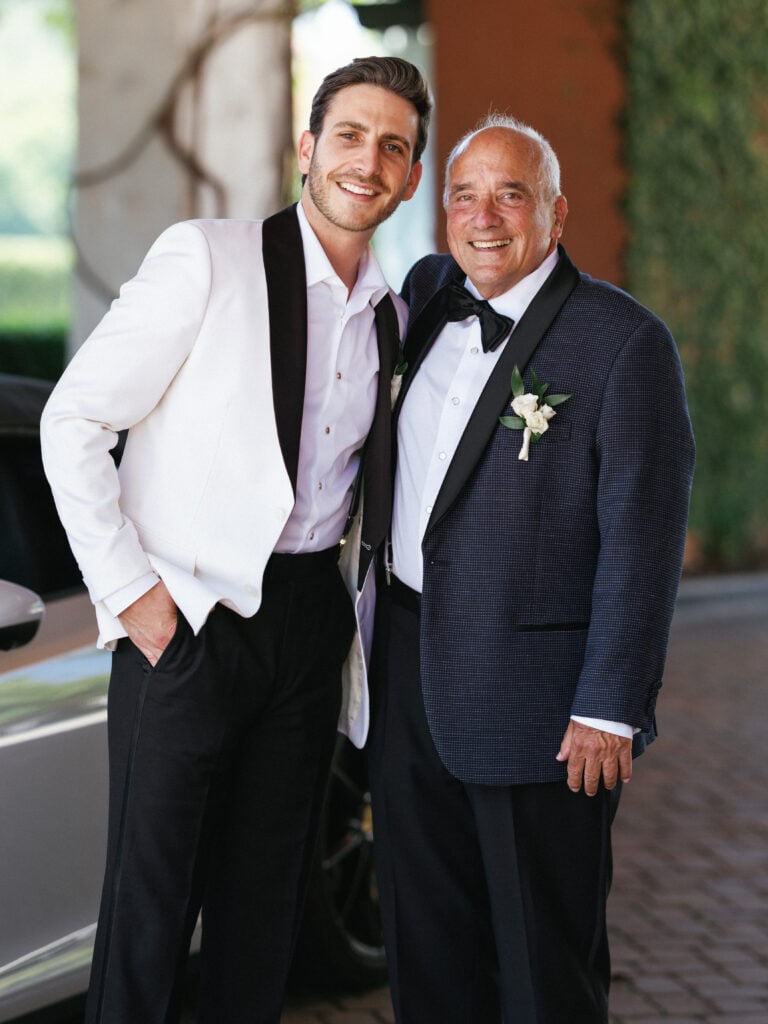
Small and intimate weddings, a courthouse ceremony, an elopement, or a gathering under thirty guests tend to fit inside four to six hours. These days usually involve one location, a short ceremony, and a dinner or small gathering without the extended dancing typically associated with a full reception. A four-hour package typically covers final preparation, the ceremony, and a short portrait session, while a six-hour package can stretch to include an earlier getting-ready block or a longer dinner afterward.
Full weddings
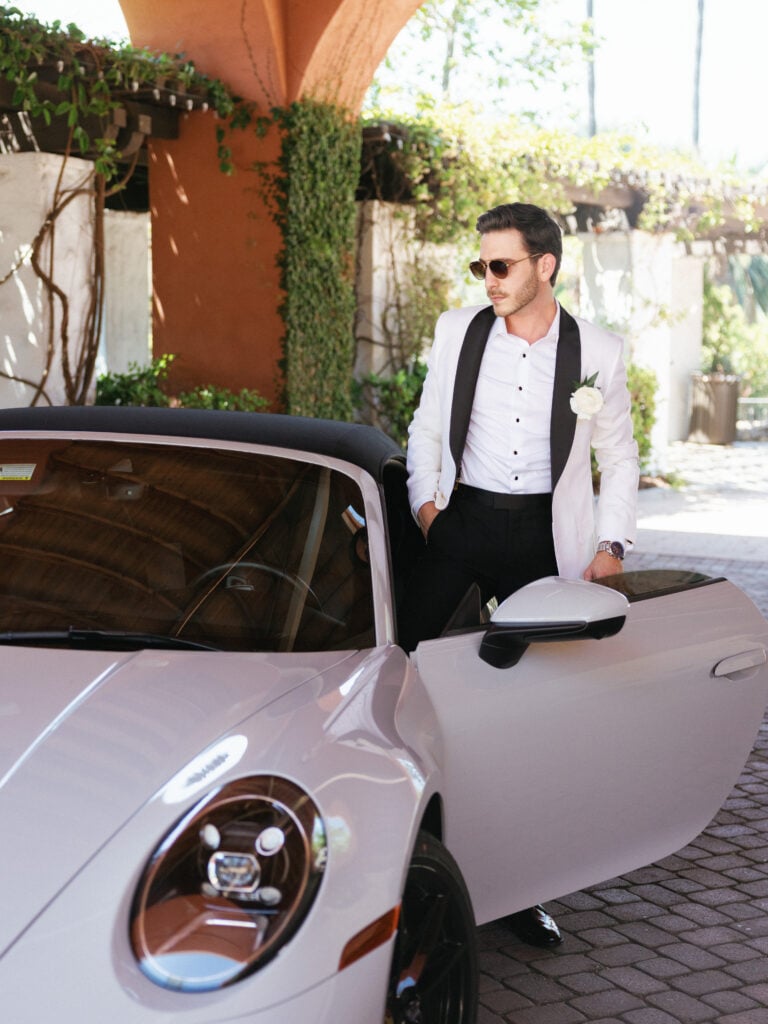
Full weddings with getting ready, a ceremony, cocktail hour, and a reception through dancing typically need eight to ten hours of full-day wedding coverage. This range covers the sequence most couples picture when they think about their wedding day: morning preparation, the ceremony itself, portraits, and the reception through the first several hours of dancing. An eight-hour package generally starts around the time hair and makeup are finishing and ends a few hours into the reception, while a ten-hour package can start earlier in the morning and carry through to a later send-off.
Multi-day events
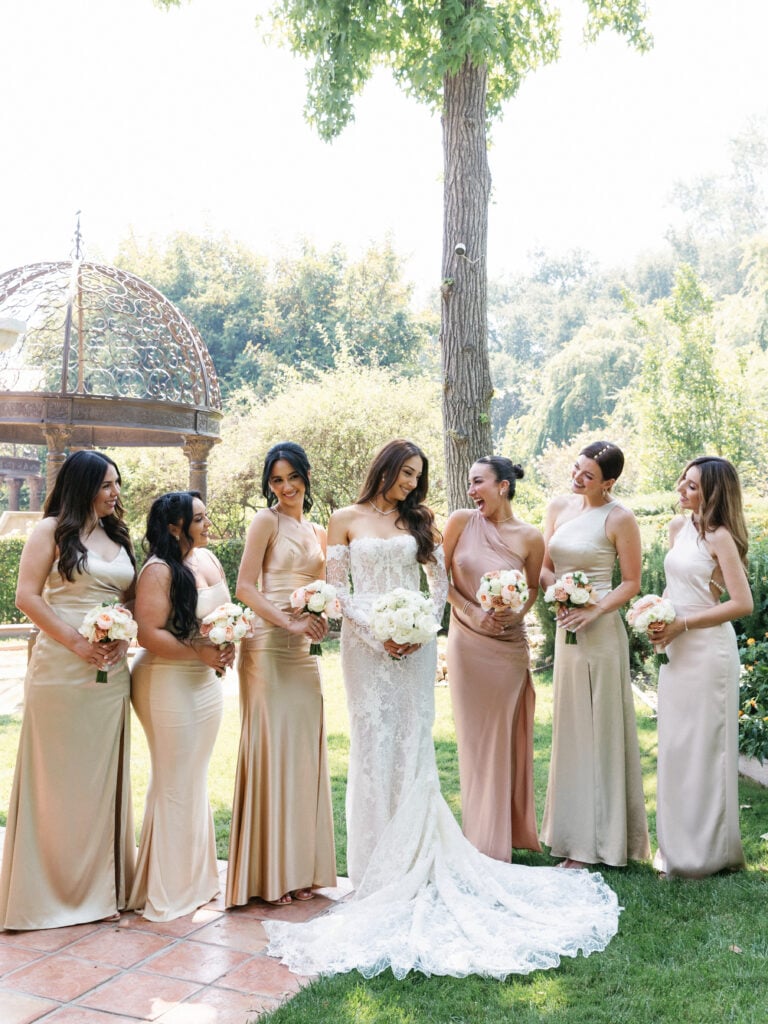
Multi-day events, weddings with a welcome dinner the night before, a rehearsal, or cultural celebrations that stretch across two or three separate days need coverage planned day by day, with each event considered separately instead of combined into a single block. South Asian weddings with a mehndi, a sangeet, and separate ceremony and reception days are a common example, and destination weddings with a welcome party the evening before the ceremony are another. Each day typically needs its own three-to-six-hour block depending on how much of that day is programmed, and packages built for multi-day events are priced and scheduled separately from a single twelve-hour day.
Getting Ready Through Reception: What Each Block Requires
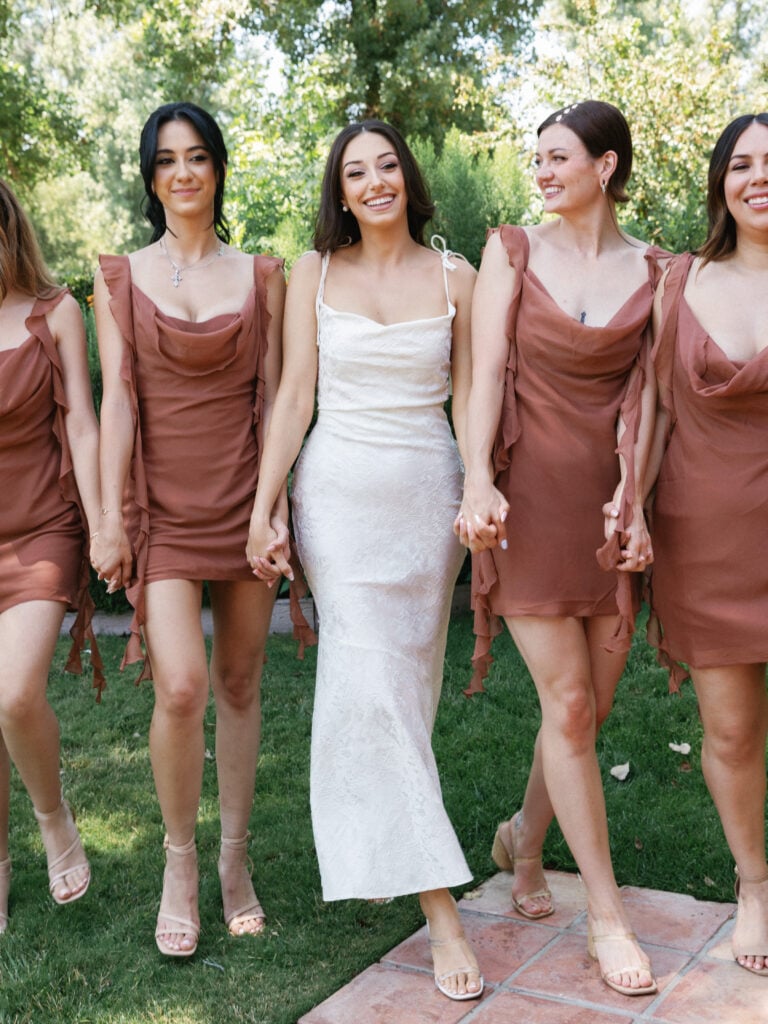
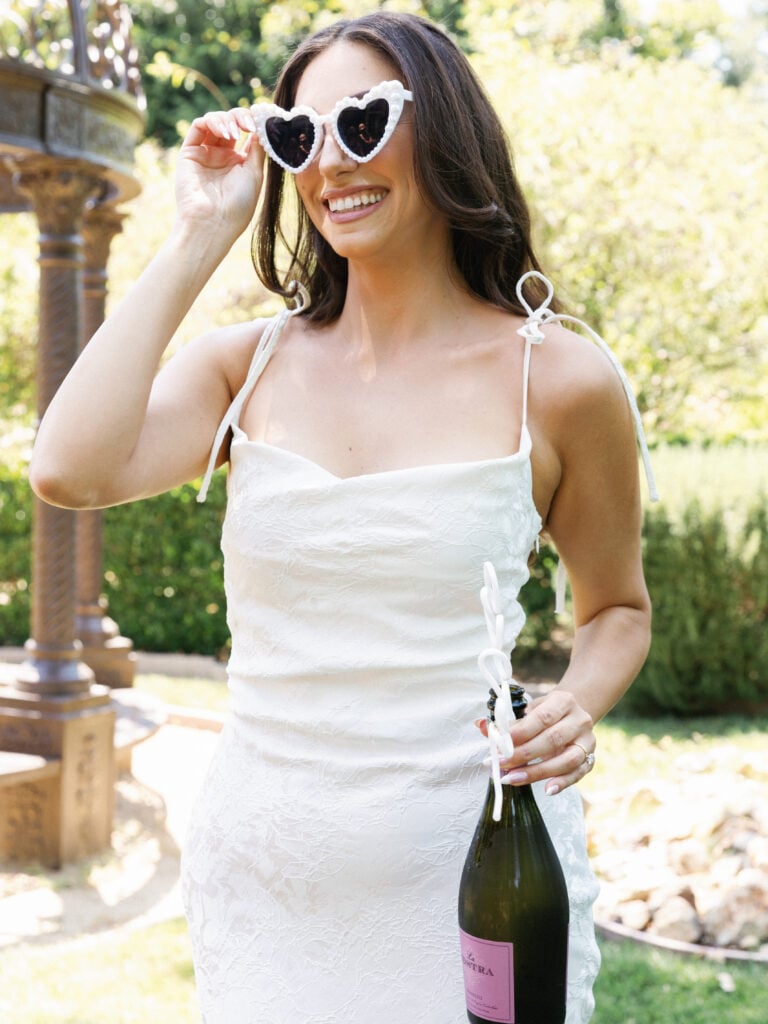
Getting ReadyGetting-ready coverage typically runs sixty to ninety minutes per location. When both partners are getting ready in different places, a two-person team or two separate arrival times keeps both moments covered without one missing the other. This block usually includes candid preparation shots, detail photos of the dress and rings, and a short window for any first-look moment planned before the ceremony.

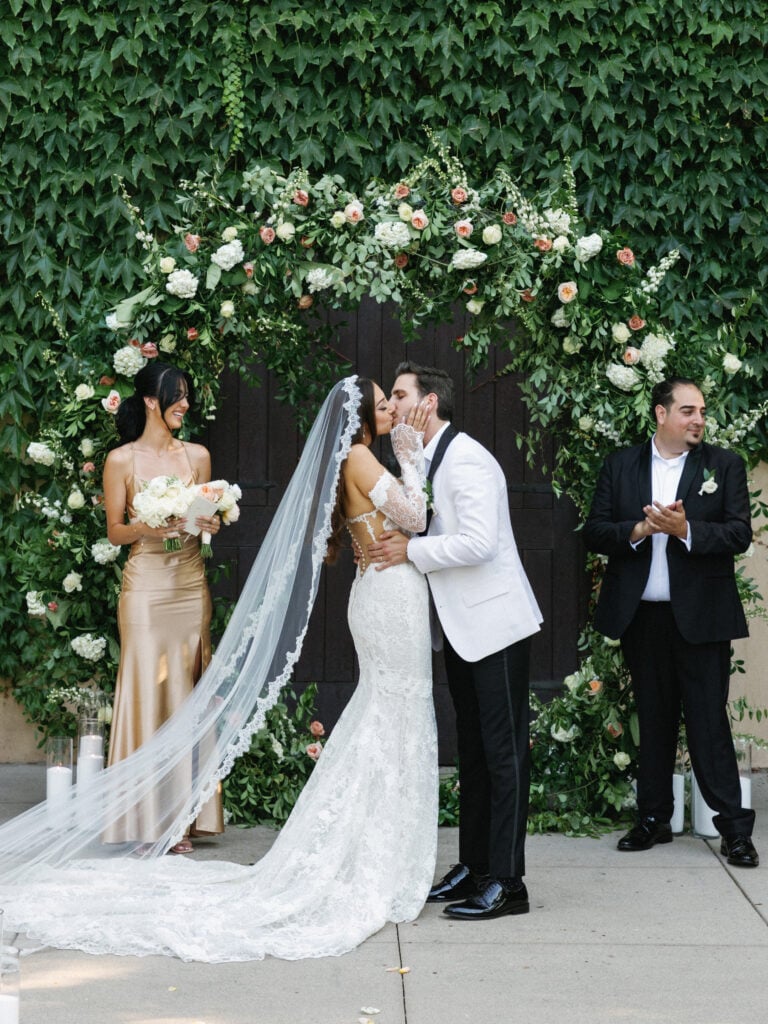
CeremonyCeremony length varies widely by tradition. A civil ceremony often runs twenty to thirty minutes. Catholic and Orthodox ceremonies commonly run sixty to ninety minutes with a full mass or liturgy. Hindu ceremonies frequently run two to three hours with multiple ritual segments. Coverage time for the ceremony should match its actual length instead of relying on a generic thirty-minute assumption.
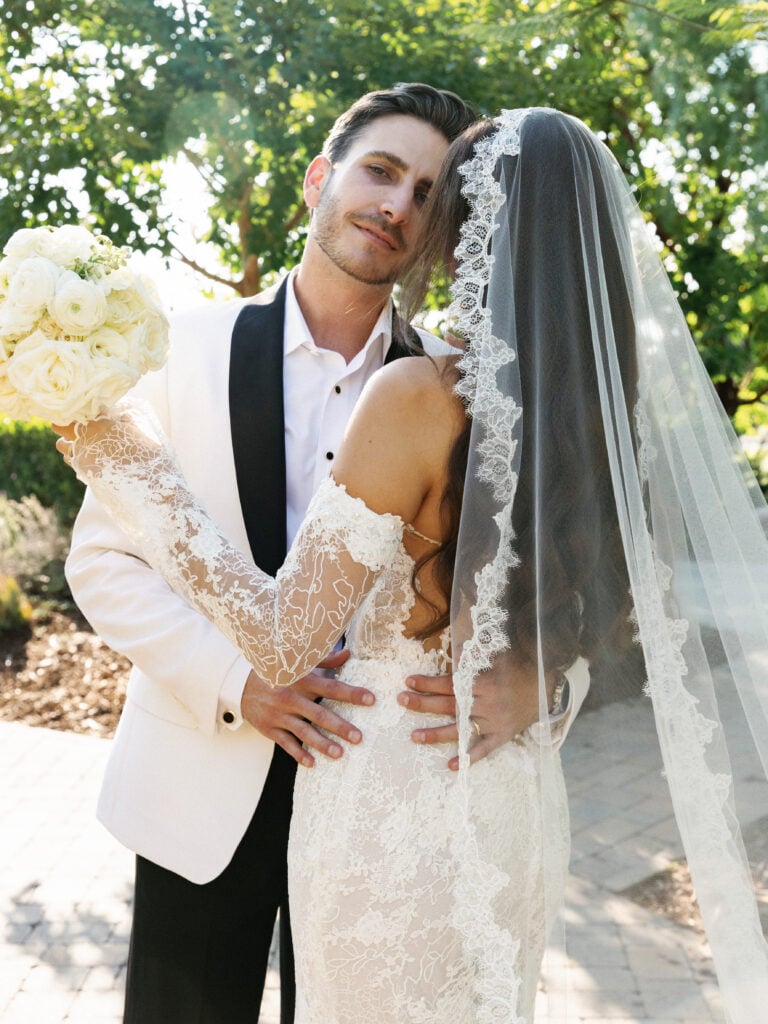
Cocktail Hour and PortraitsCocktail hour typically runs about an hour and often overlaps with couple and family portraits, since guests are occupied and the light is frequently still good. Formal family portraits run roughly five minutes per grouping, so a list of ten family combinations adds close to an hour on its own. Couples with large or blended families sometimes benefit from scheduling formal portraits earlier in the day, before the ceremony or during a first-look window, so cocktail hour remains available for candid coverage.
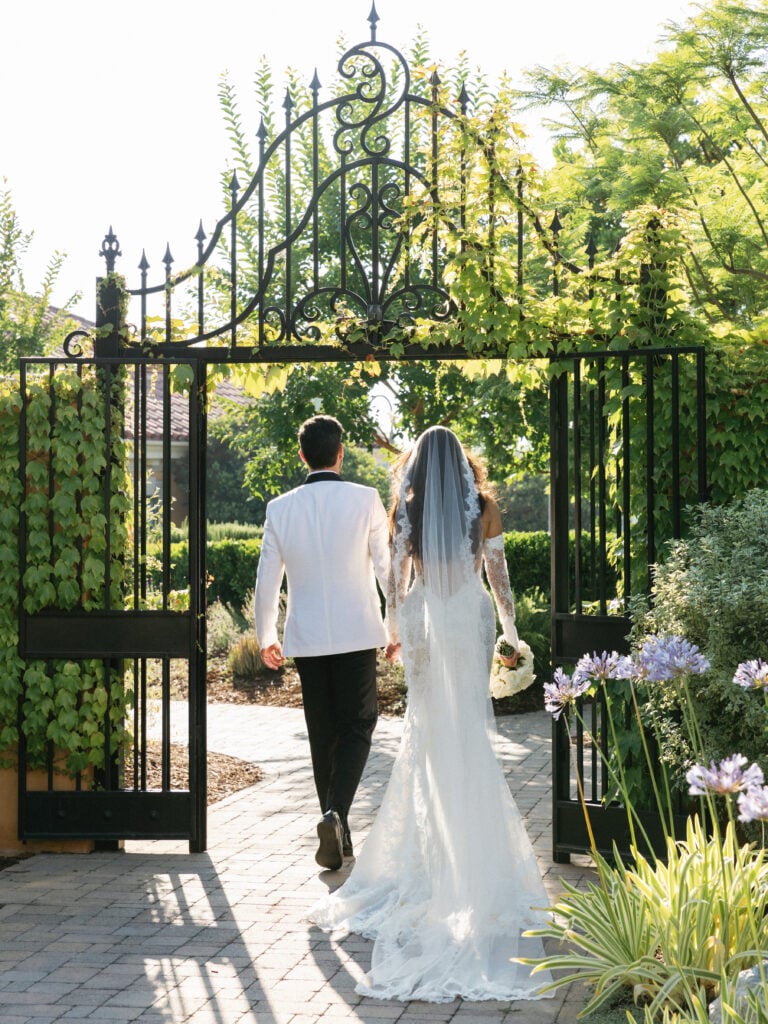
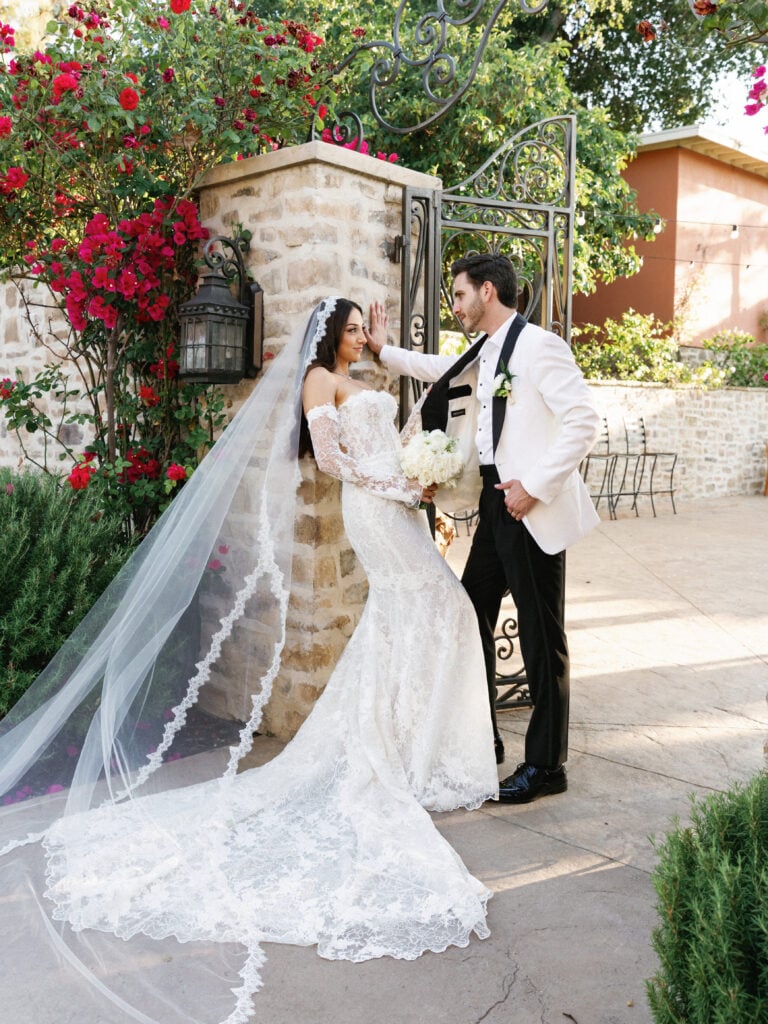
ReceptionReception coverage commonly runs four to five hours from entrance through dancing, covering speeches, the first dance, dinner service, and open dancing. Couples who want the send-off, a sparkler exit, or a late departure covered as well should add that time explicitly instead of assuming it fits inside a standard reception block.
A reception with an unusually long dinner service, multiple speeches, or additional traditions like a cake-cutting ceremony or a special dance sequence tends to run longer than a standard timeline, and accounting for that in advance keeps coverage from ending before the moments the couple actually cares about.
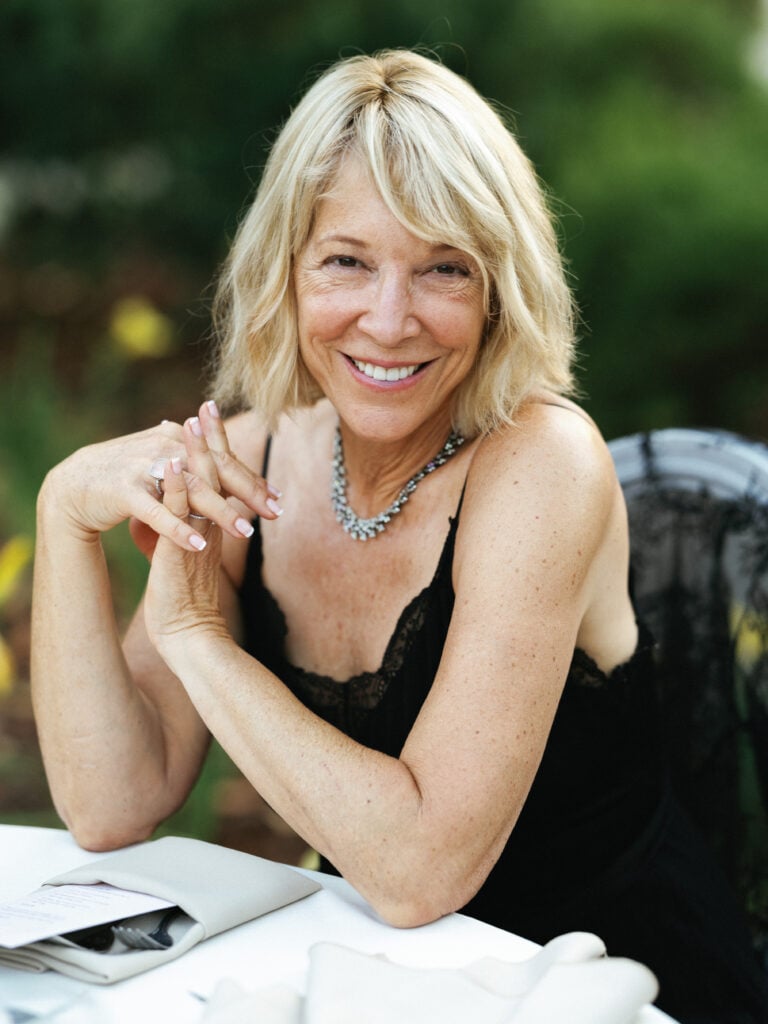
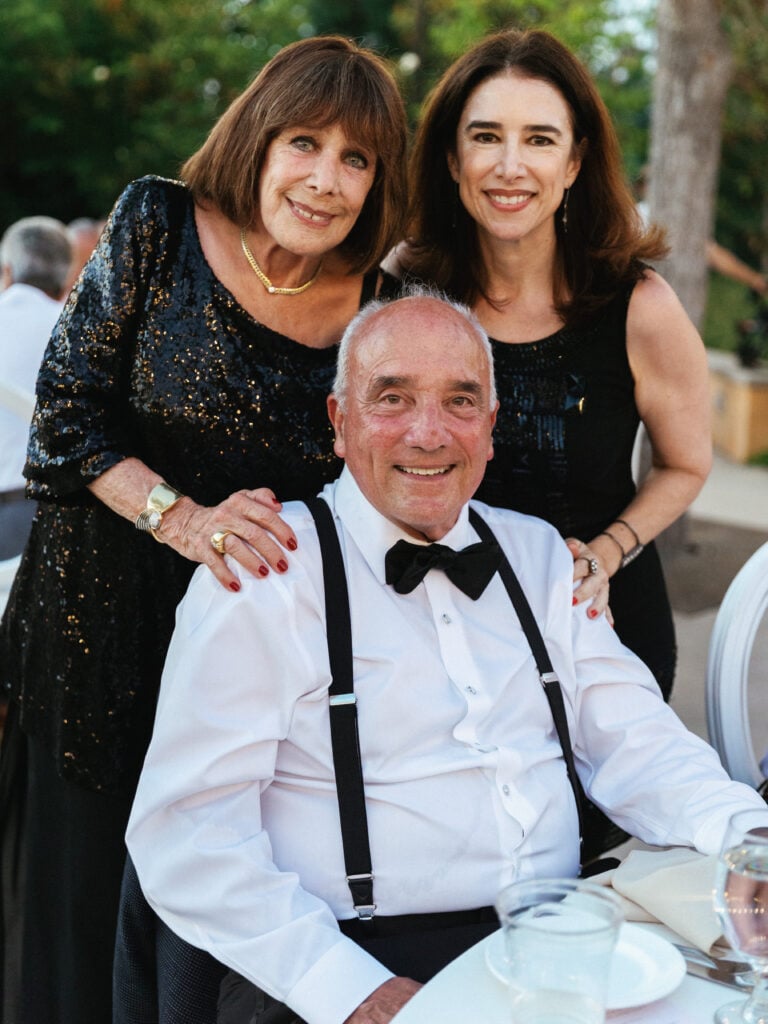
Photo and Video Coverage Needs That Differ
Wedding photography coverage and wedding videography coverage often require different amounts of time, even when booked from the same studio. A photographer can often provide shorter, targeted coverage, such as an hour of golden hour portraits the next morning, without requiring continuous coverage throughout the day. A videographer generally needs to be present for a connected sequence of the day to build a coherent film, since a highlight film relies on a narrative arc that a few isolated hours cannot fully support.
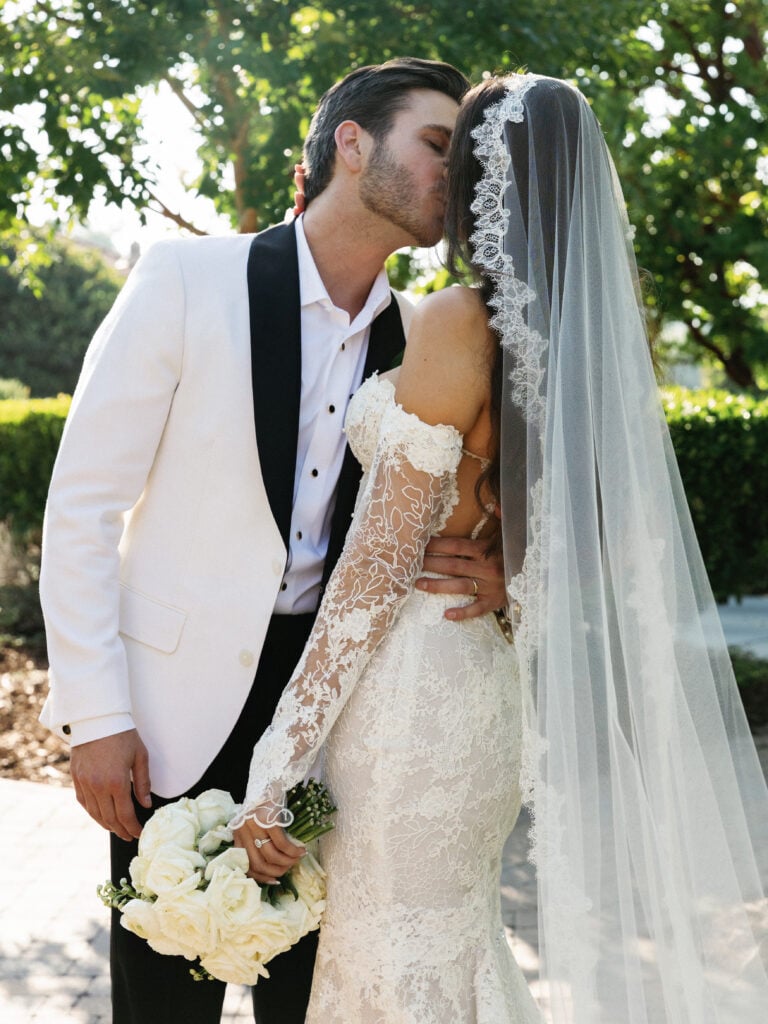
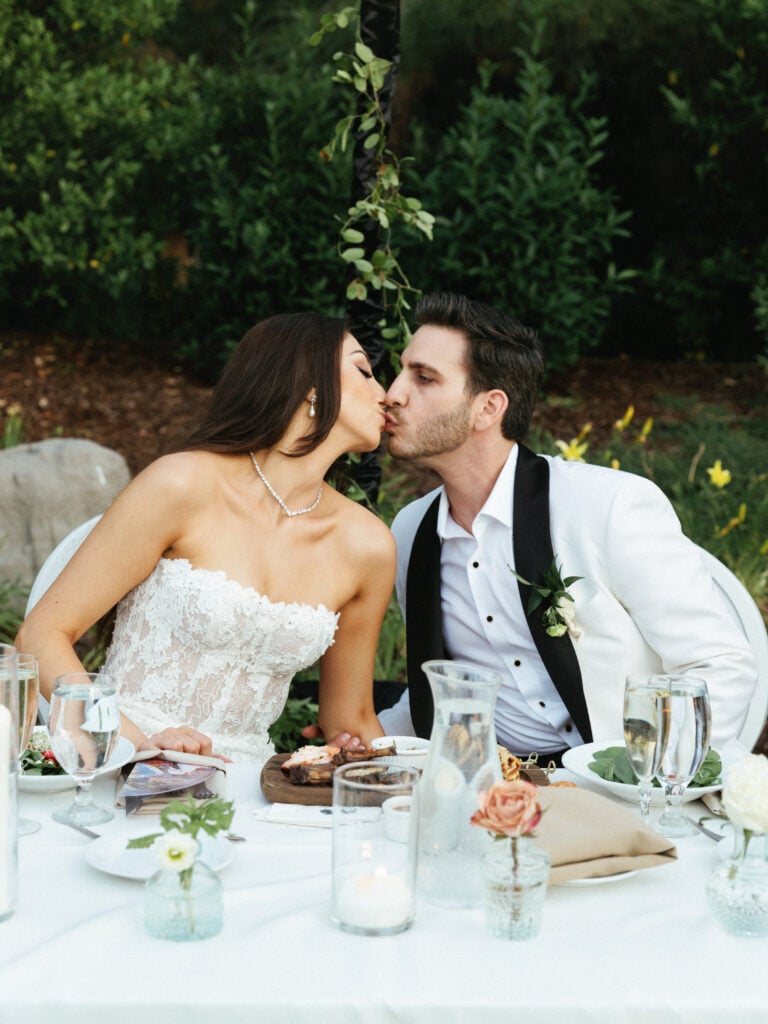
Video crews also carry setup and equipment needs that add time on either end of a block: microphone placement before the ceremony, audio checks with the DJ or band before speeches, and drone flights that are restricted to daylight hours and require a few minutes of setup and airspace clearance around each flight. A ceremony scheduled right at sunset can limit how much drone coverage a videographer can capture, which is worth discussing with the team in advance rather than assuming it will happen automatically.
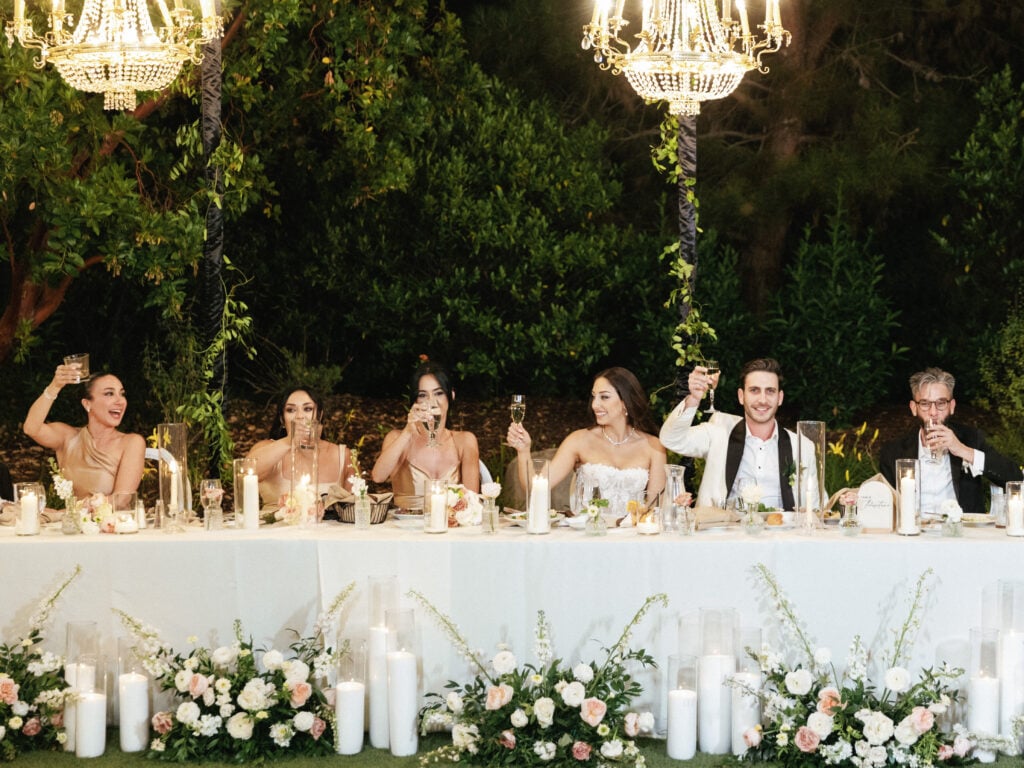
Couples booking photography and video from separate teams should confirm each team’s hour count independently, since a photography package and a videography package covering the same day do not always start and end at the same times. It also helps to confirm whether both teams plan to be present for the same blocks, since some couples choose to have video coverage focus on the ceremony and reception while photography extends earlier into getting ready, or the reverse, depending on which moments each partner cares about preserving in each medium.
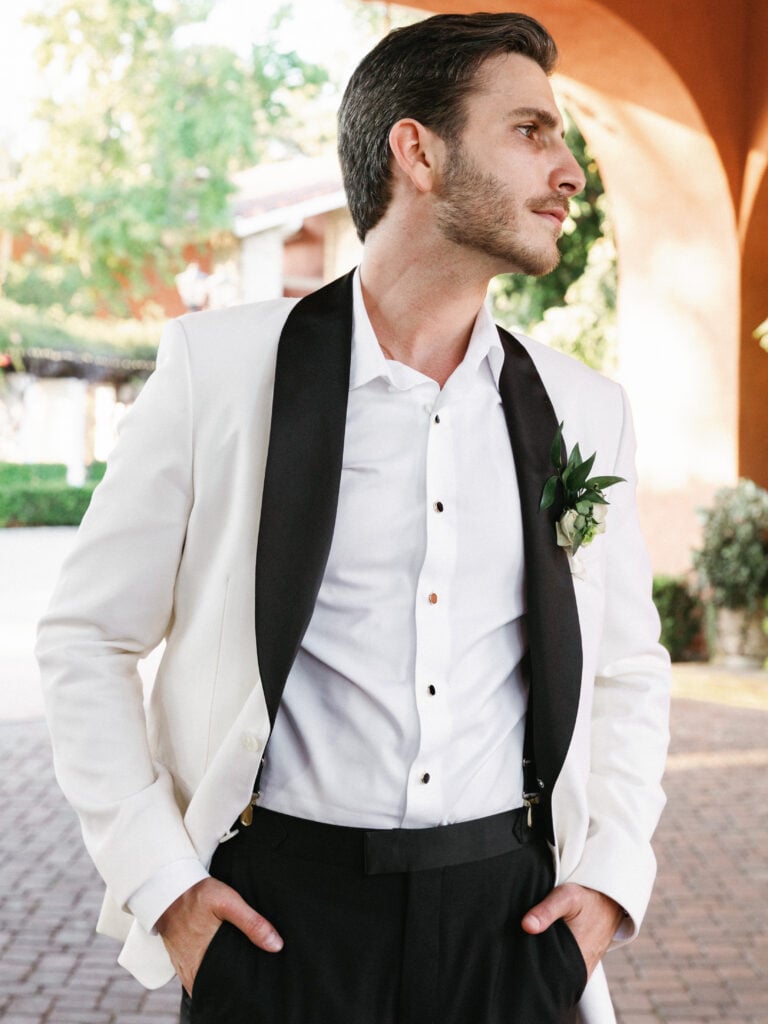
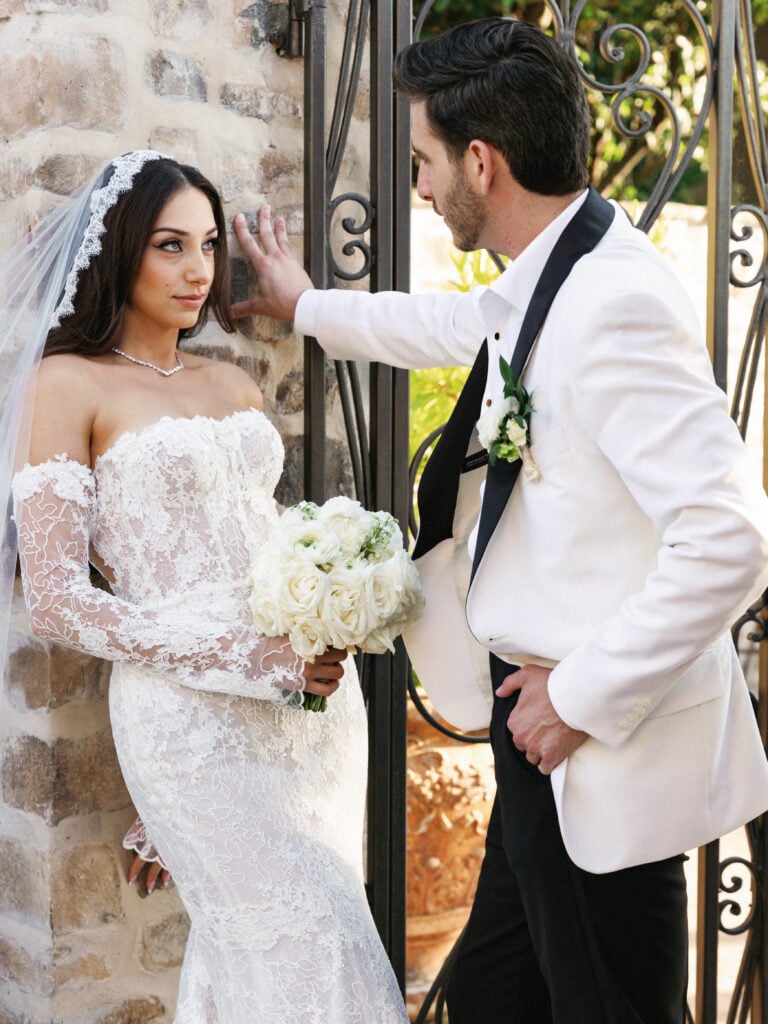
A few situations consistently make extra coverage hours worth the added cost.
01
A long gap between the ceremony and reception, common when a religious ceremony finishes mid-afternoon and the reception doesn’t start until evening, can leave a hole in coverage unless hours are planned to bridge it.
02
A second getting-ready location for the other partner, when both are preparing separately and some distance apart, needs its own block of time instead of being included within a single hour.
03
A late-night send-off, after-party, sparklers, a getaway car, or continued dancing past the scheduled end time only appear in the final film or gallery if coverage is booked to include them.
04
A late-night send-off, after-party, sparklers, a getaway car, or continued dancing past the scheduled end time only appear in the final film or gallery if coverage is booked to include them.
Expert Note
Sunset time shifts significantly by season, sometimes by two to three hours between summer and winter in the same location, which changes when golden hour actually falls on the day. Couples planning portraits around this light should confirm the expected sunset time for their wedding date specifically instead of assuming it will match a wedding they attended at a different time of year.
Aster Films planning note
Frequently asked questions
How many hours of wedding photography do I actually need?
Wedding photographer coverage depends on the structure of the day, including locations, ceremony length, traditions, and the moments couples want preserved. Most full-day weddings, from getting ready through several hours of reception dancing, need eight to ten hours of coverage. Smaller weddings with a shorter guest list and a single location can work well with four to six hours, while multi-day or destination weddings need coverage planned separately for each day.
Do photography and videography need the same number of hours?
Not always. Photography can sometimes work in shorter, targeted sessions, while videography usually needs a more continuous block to build a coherent film. Couples booking both should confirm each team’s hours independently rather than assuming identical coverage windows.
What happens if the wedding runs past the booked coverage hours?
Most contracts include an overtime rate, commonly $200 to $500 per hour, billed if the day runs past the scheduled end time. Booking a slightly longer package in advance is often more cost-effective than paying overtime for a portion of the day that could have been planned for.
How much time should be planned for family formal portraits?
A reasonable estimate is about five minutes per family grouping. A list of ten combinations adds close to an hour, so couples with a long formal portrait list should include that time within the cocktail hour or portrait block because a few spare minutes are rarely enough for larger group combinations.
Should couples book more hours than they initially expect?
A small buffer is usually worth it. Extra hours booked in advance typically cost less per hour than overtime billed on the day, and they protect against a ceremony running long, a longer-than-expected family portrait list, or weather delays without forcing a hard cutoff on coverage.
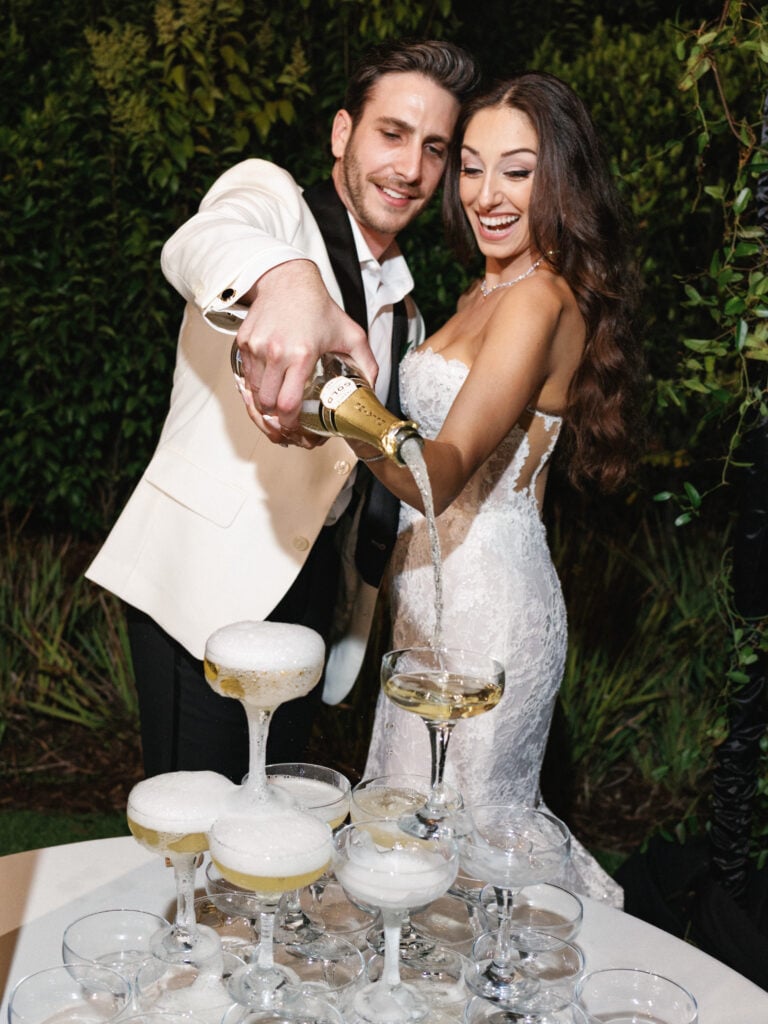
CONTACT ASTER FILMS
Let’s Plan the Right Coverage for Your Wedding
Choosing the right number of hours starts with your timeline, locations, and the moments you want preserved.
Our team can help you review your wedding schedule, select the right approach, and plan photography and videography that fit your day.