Editorial Wedding Photography Without Stiff Posing
Want the editorial look without spending your wedding holding a pose? The difference is in the direction: where you stand, how you move and when the photographer steps back. This guide shows how light, wardrobe and location support portraits that sit naturally beside the candid photographs of your day.
What Editorial Wedding Photography Really Means
01
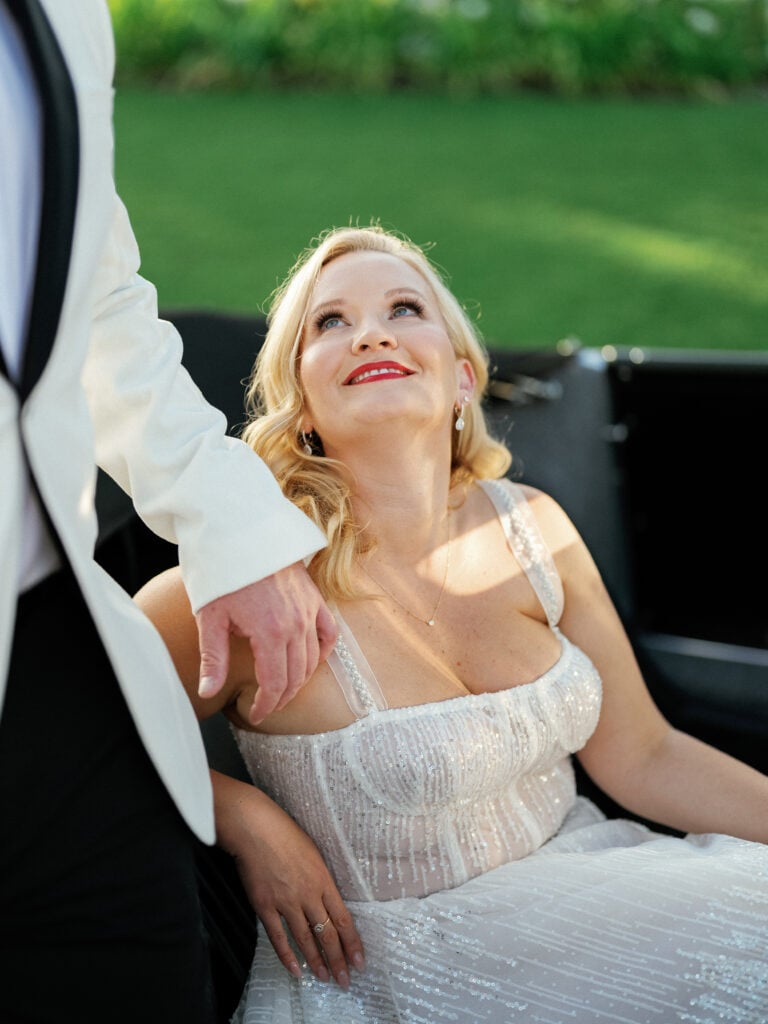
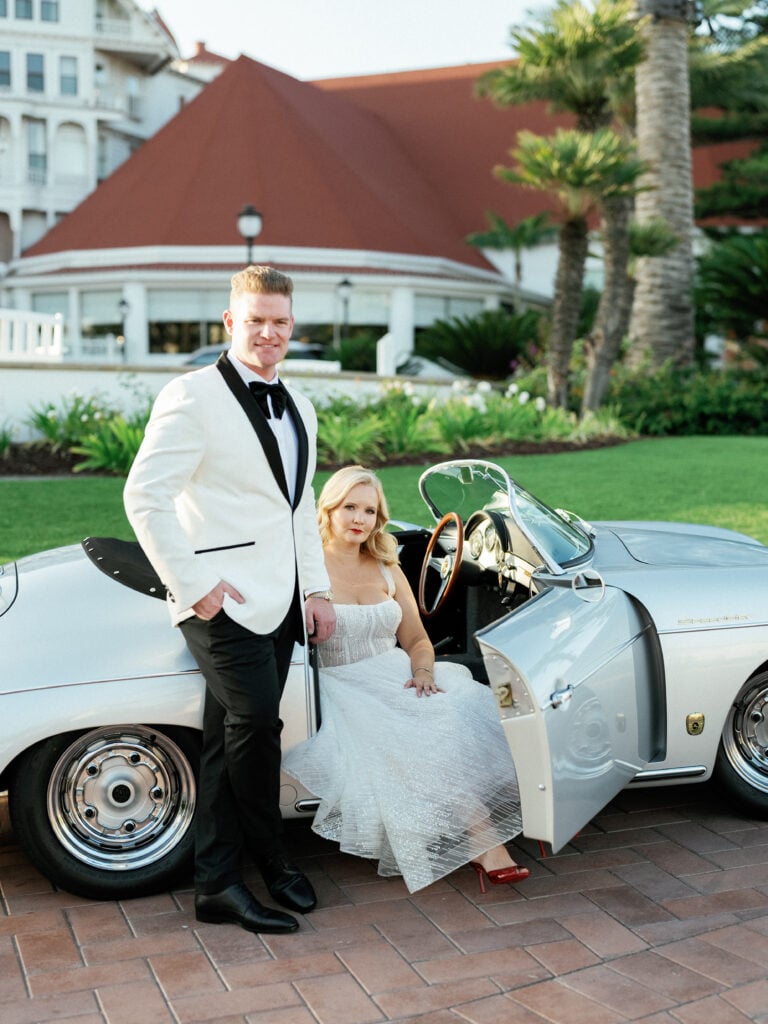
Editorial wedding photography uses the principles of fashion and magazine photography: intentional composition, thoughtful use of light, and a considered relationship between the couple and their surroundings. It creates images with a distinct visual style while preserving the emotions and atmosphere of the wedding day.
02
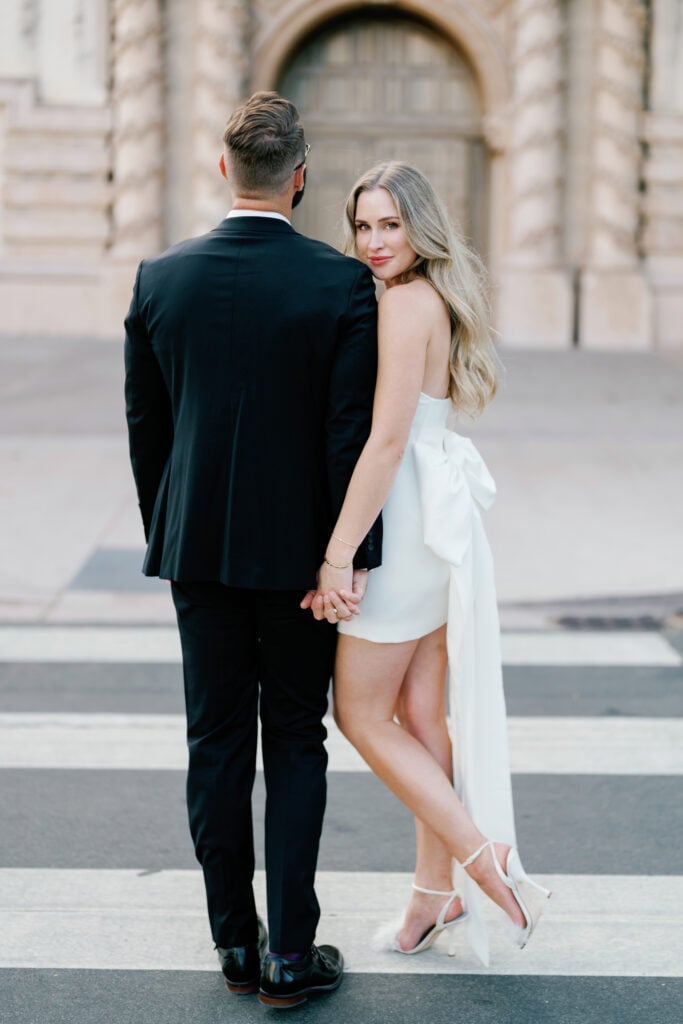
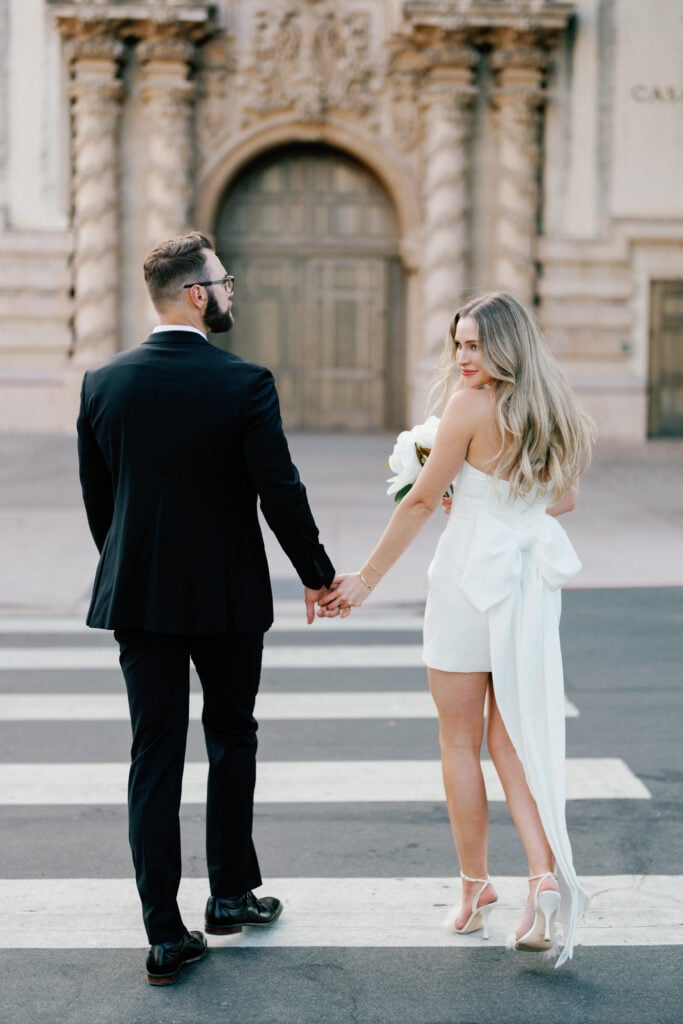
Editorial photography combines the intention of portrait work with the observation of documentary coverage. Traditional portraits often rely on familiar posing structures, while documentary photography focuses on observing moments as they naturally happen. Editorial photography brings more intention into the frame through composition, location, movement, and direction without turning the couple into models following a script.
03
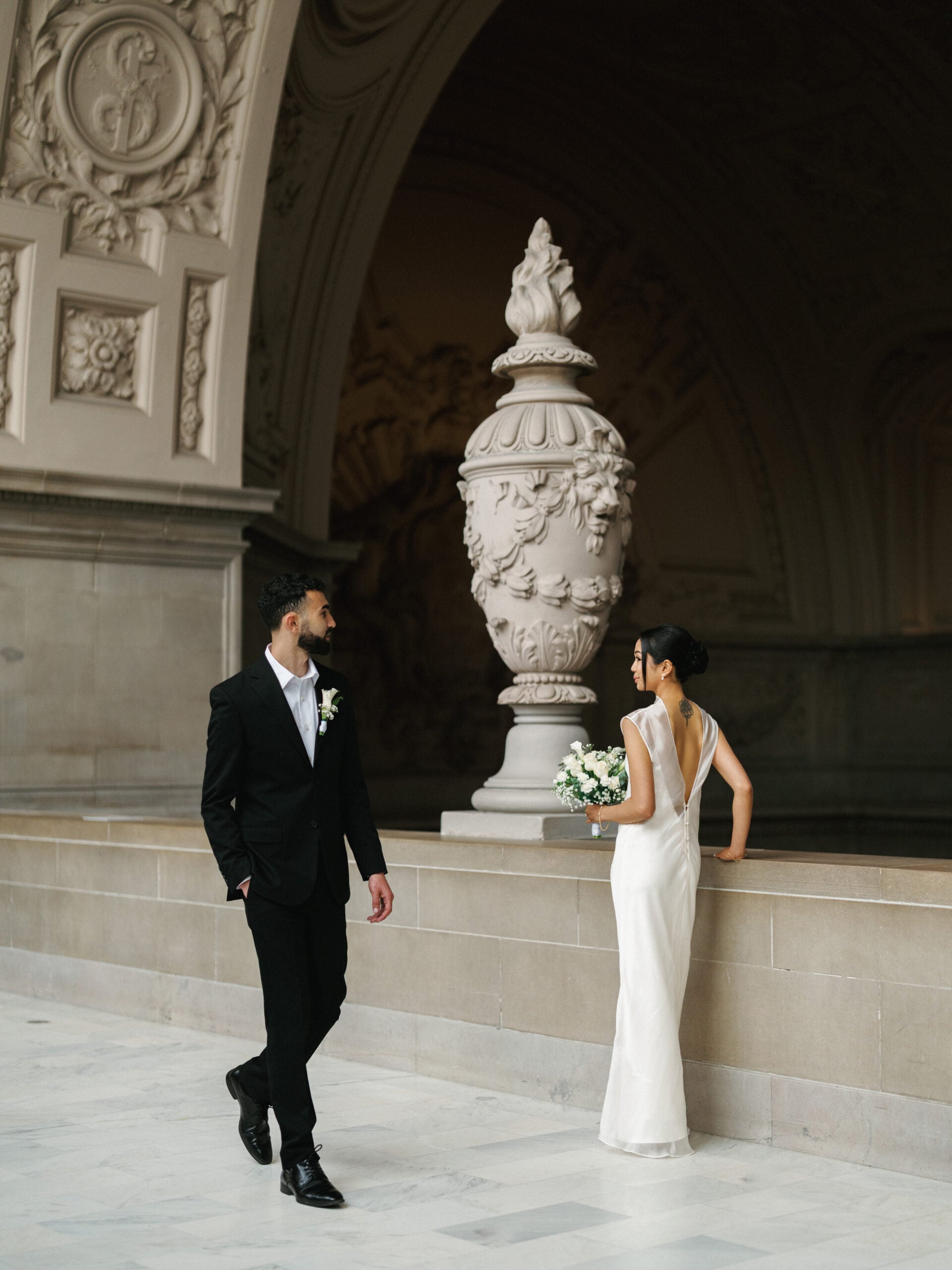
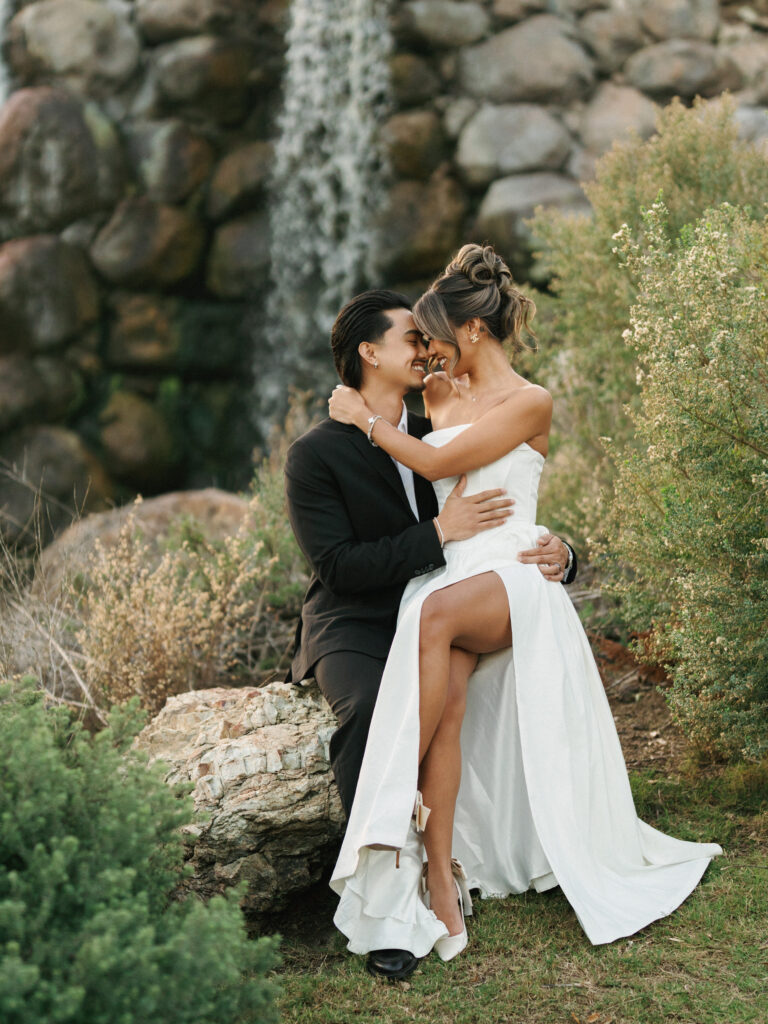
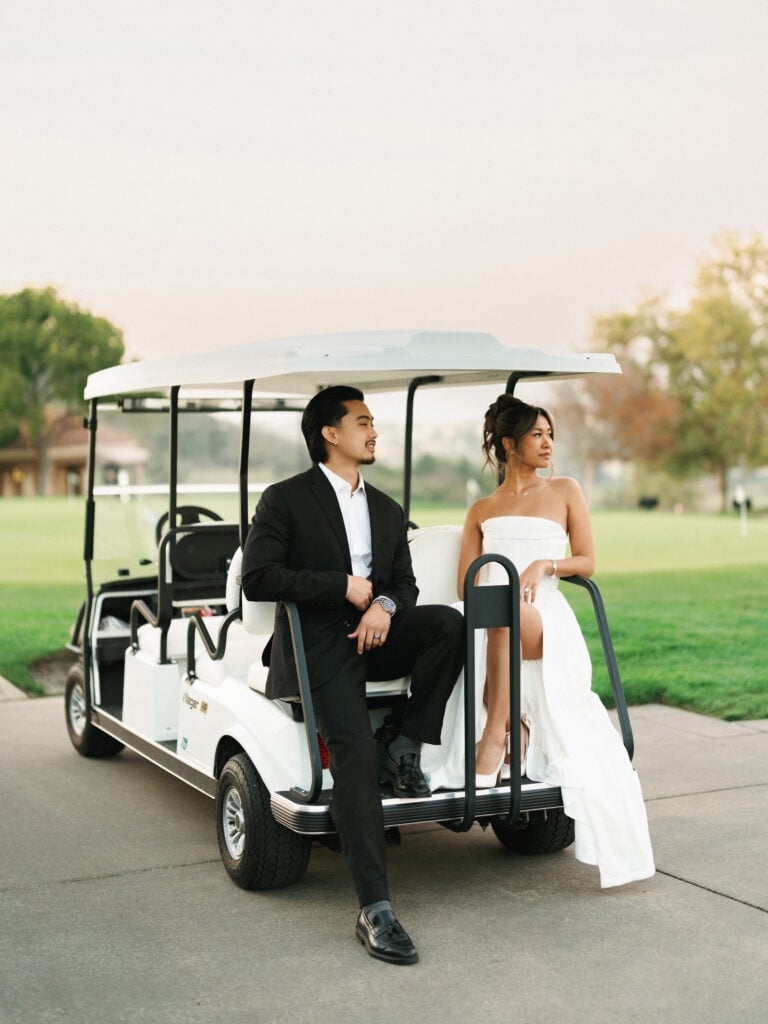
Fashion-inspired wedding portraits borrow techniques such as using negative space, emphasizing architectural details, choosing angles that create stronger lines, or allowing fabric and movement to become part of the image. Applied thoughtfully, these elements create editorial wedding portraits that still feel connected to the couple and their relationship.
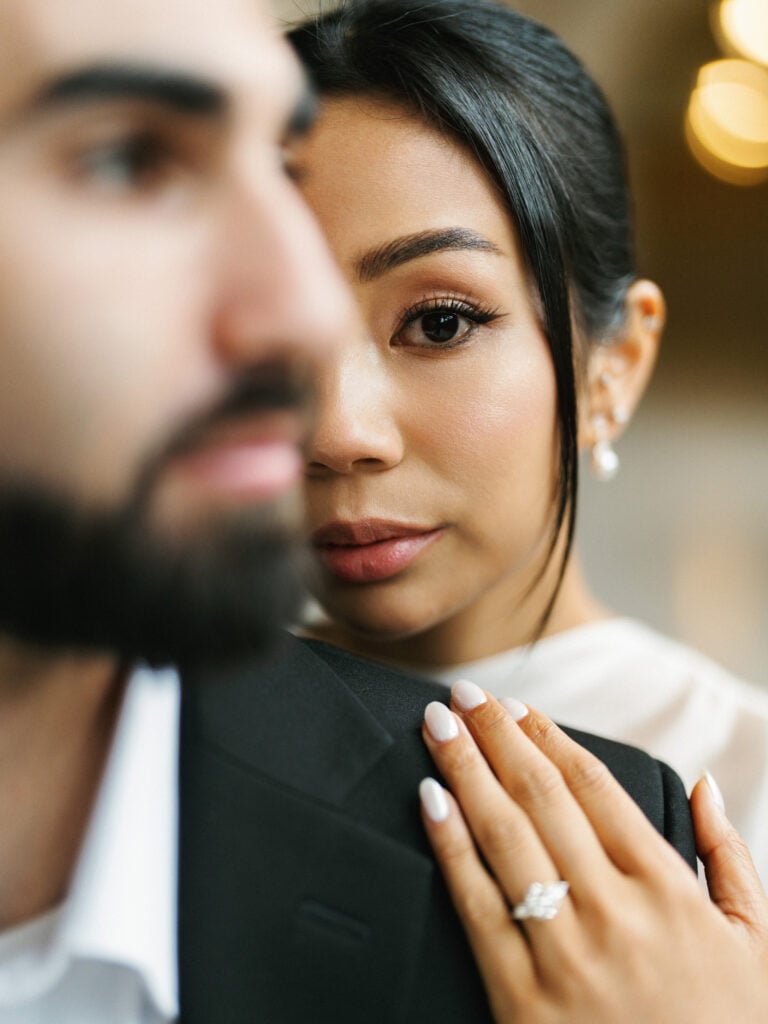
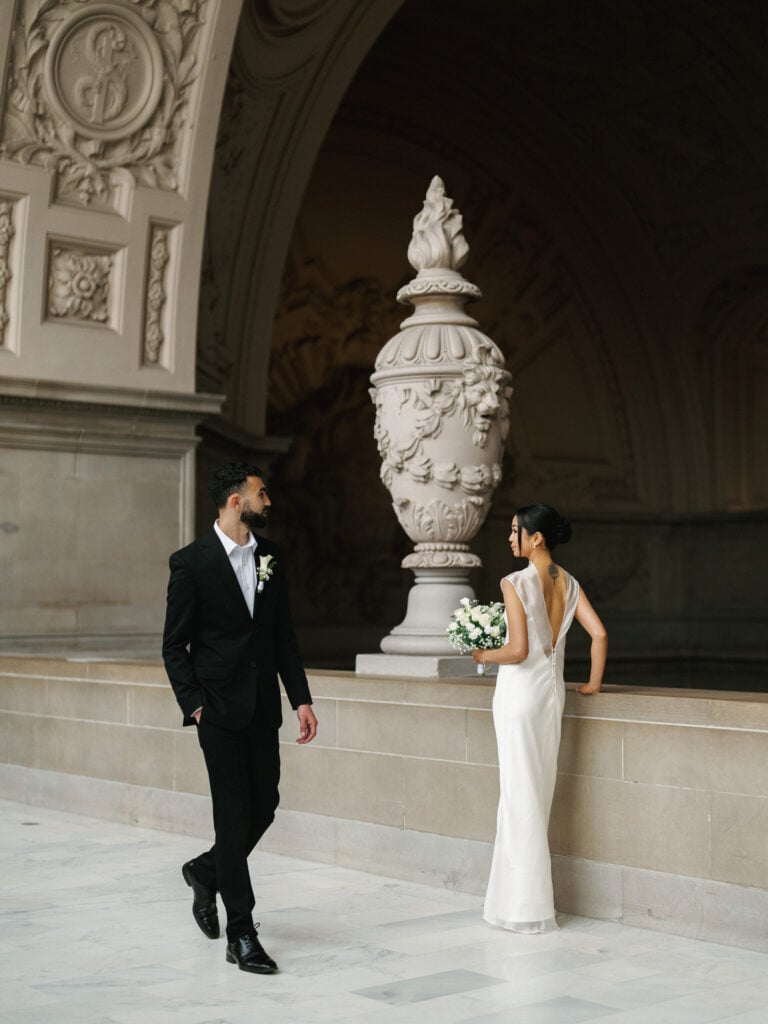
The goal is not to create something artificial. Editorial photography uses visual tools from fashion work and applies them to real moments. A couple laughing together in a doorway, framed by architecture and natural light, is still genuine. The difference is the level of intention behind the composition
Expert Note
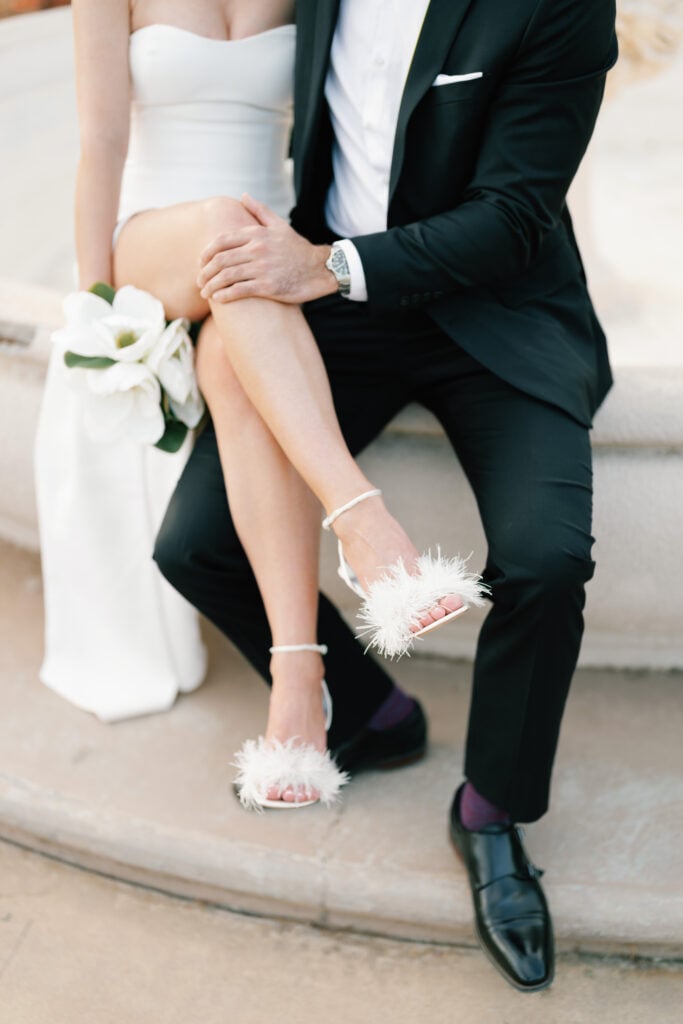
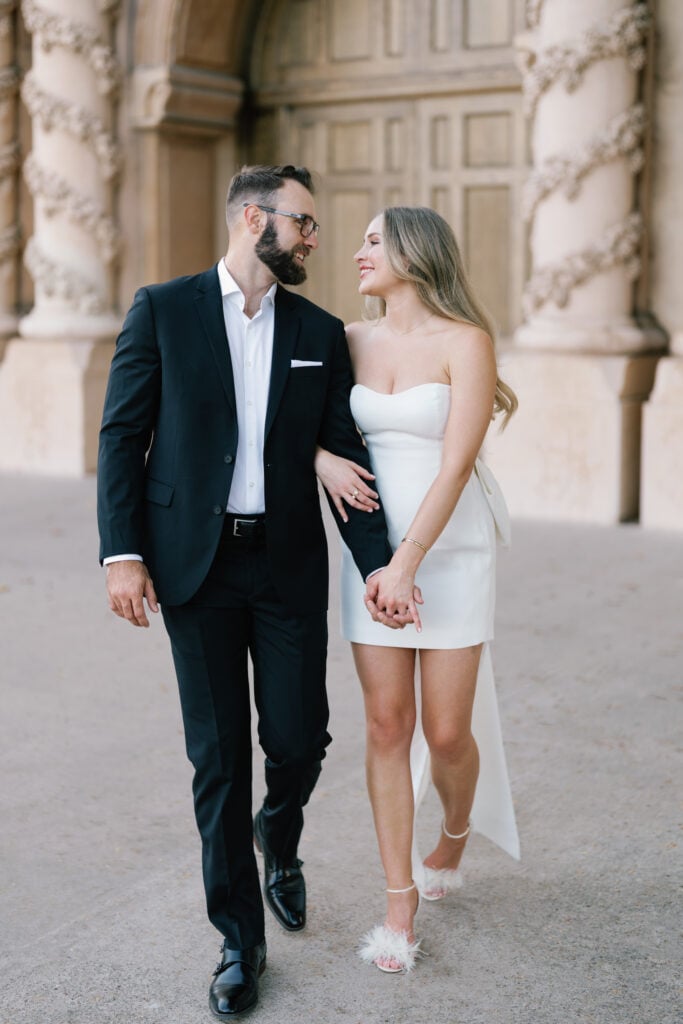
Editorial photographers often work with wider frames than traditional portrait photography, allowing the environment to become part of the story. Architecture, landscapes, and surrounding details create context around the couple while leaving space for natural movement within the image.
Aster Films planning note
Explore Ana & Andrei’s Saratoga wedding as a complete photography story.
How Direction Differs From Stiff Posing
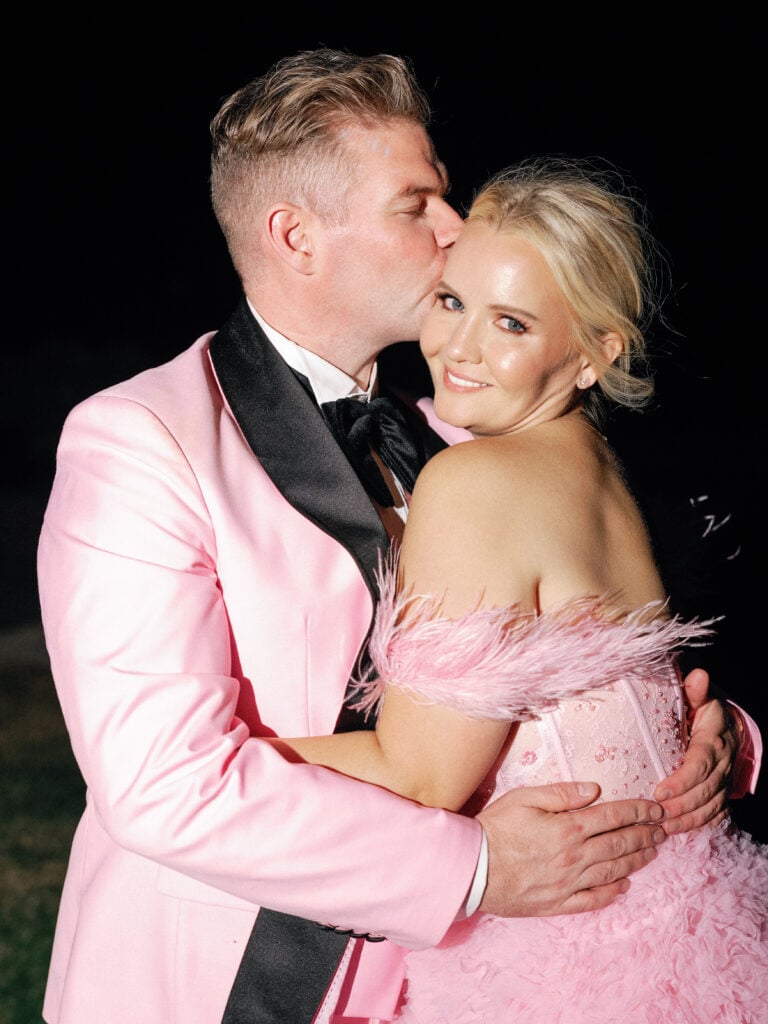
Stiff posing asks a couple to hold a specific position: a certain hand placement, angle, or expression maintained until the photograph is taken. While this approach can create a technically polished image, it often feels disconnected from how people naturally interact.
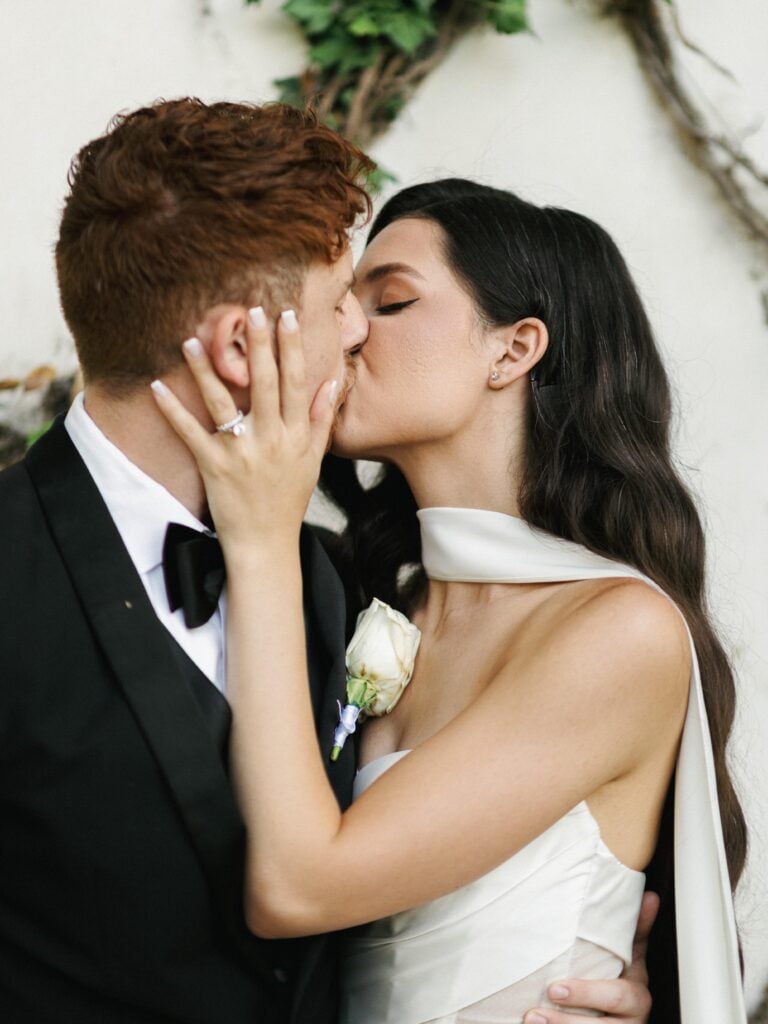
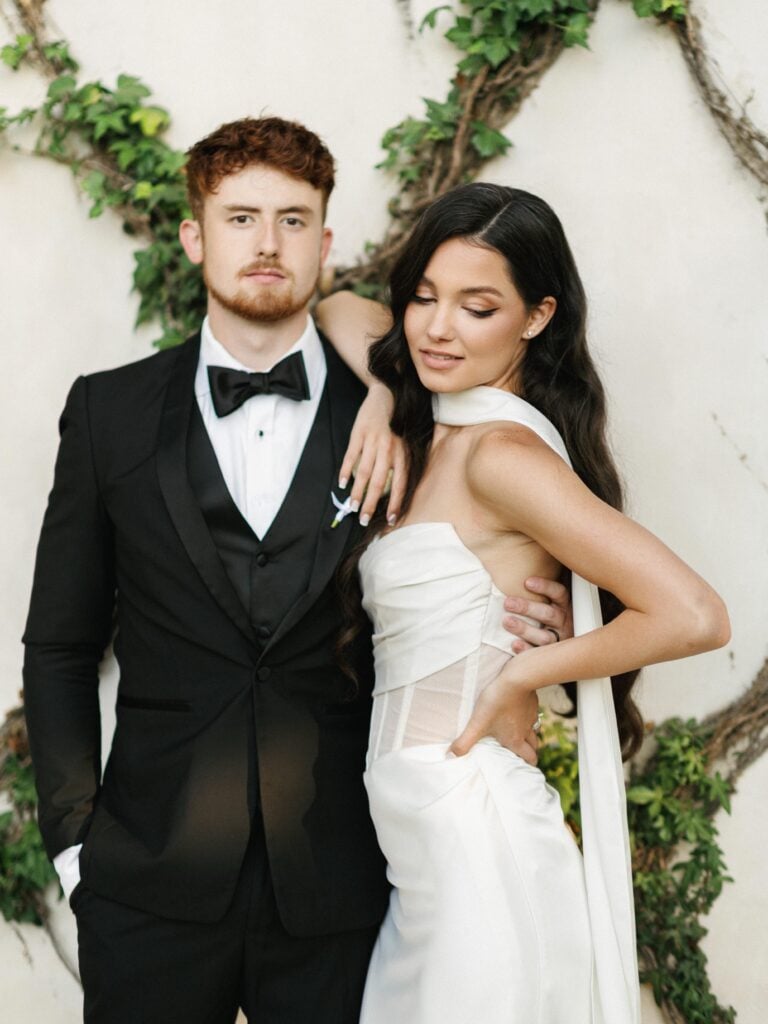
Editorial direction works differently. Instead of asking couples to hold a pose, photographers create situations that encourage natural movement. They may ask a couple to walk together, turn toward each other, adjust their position in the light, or simply have a quiet conversation while the camera continues working.
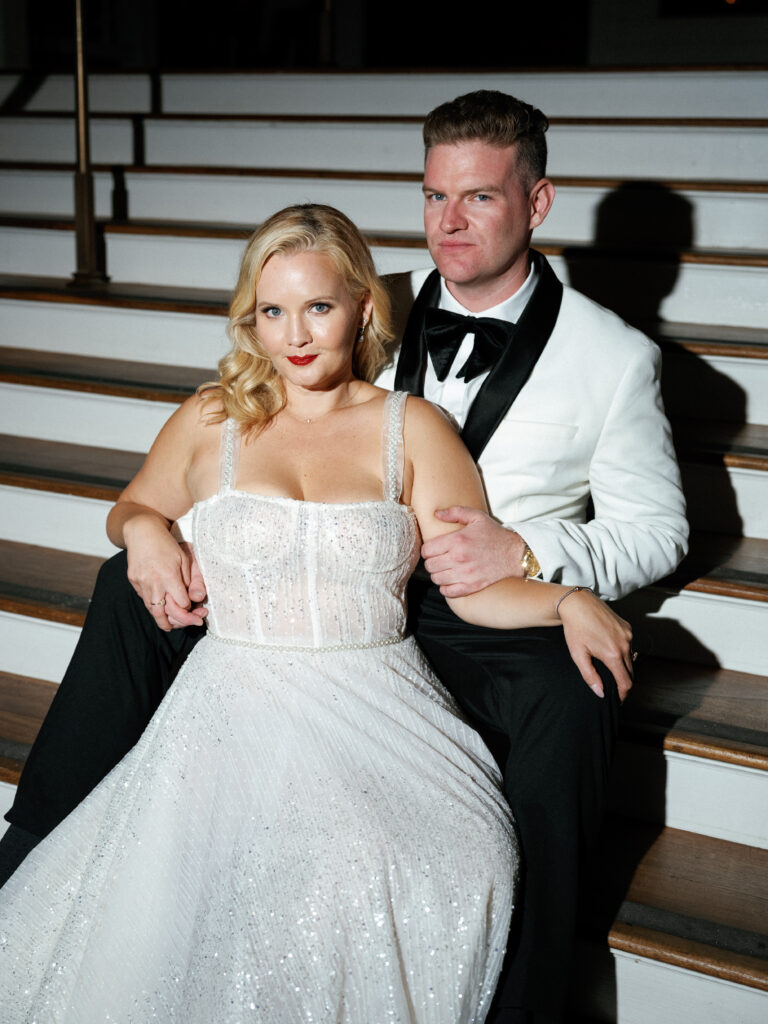
The Result
The result is an image that feels intentional without appearing controlled. The photographer shapes the conditions, chooses the location and composition, then allows the couple’s personality to come through.
Good editorial direction gives couples enough guidance for a thoughtful composition while leaving room for genuine reactions.
Documentary Moments and Styled Portraits in One Gallery
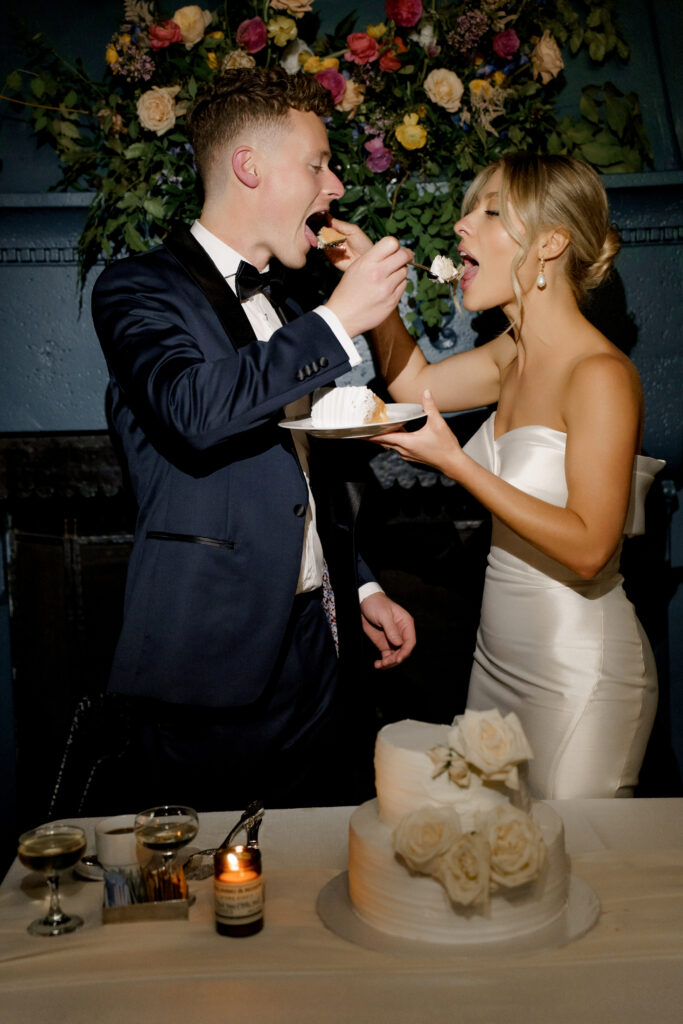
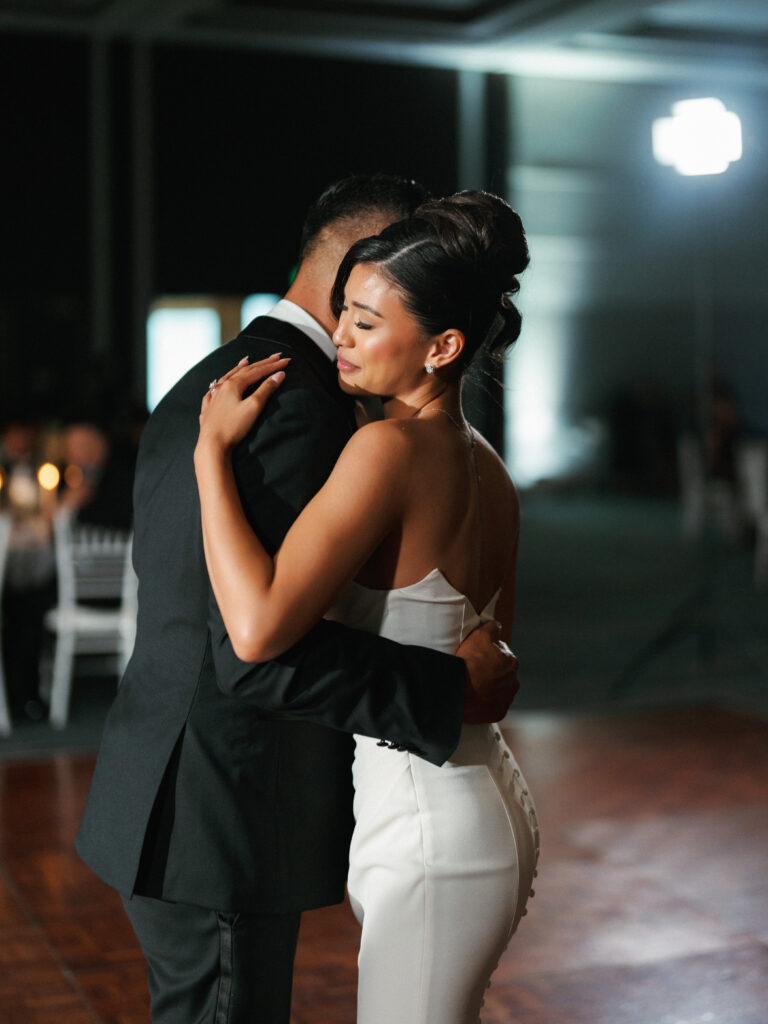
A wedding gallery can combine documentary wedding photography with editorial portraits while still feeling cohesive. The connection comes through consistent editing, color, composition, and the photographer’s overall visual approach.
Candid moments from the ceremony, emotional reactions, reception celebrations, and spontaneous interactions can exist alongside carefully composed portraits. A grandmother laughing during dinner and a fashion-inspired portrait beneath an architectural backdrop can feel like part of the same story when they share the same visual language.
Some couples worry that choosing editorial wedding portraits means losing the natural feeling of documentary coverage. In reality, editorial technique usually applies to specific parts of the day, such as a dedicated portrait session, while the rest of the celebration continues to be documented as it unfolds.
Every couple can choose how much direction feels comfortable for their day. Some galleries lean heavily toward documentary storytelling with a smaller collection of editorial portraits, while others include more fashion-inspired imagery throughout. The important part is understanding how much direction and styling feels authentic for the wedding experience.
Kohl Mansion, Burlingame, CA.
Light, Location, Wardrobe, and Movement
Light
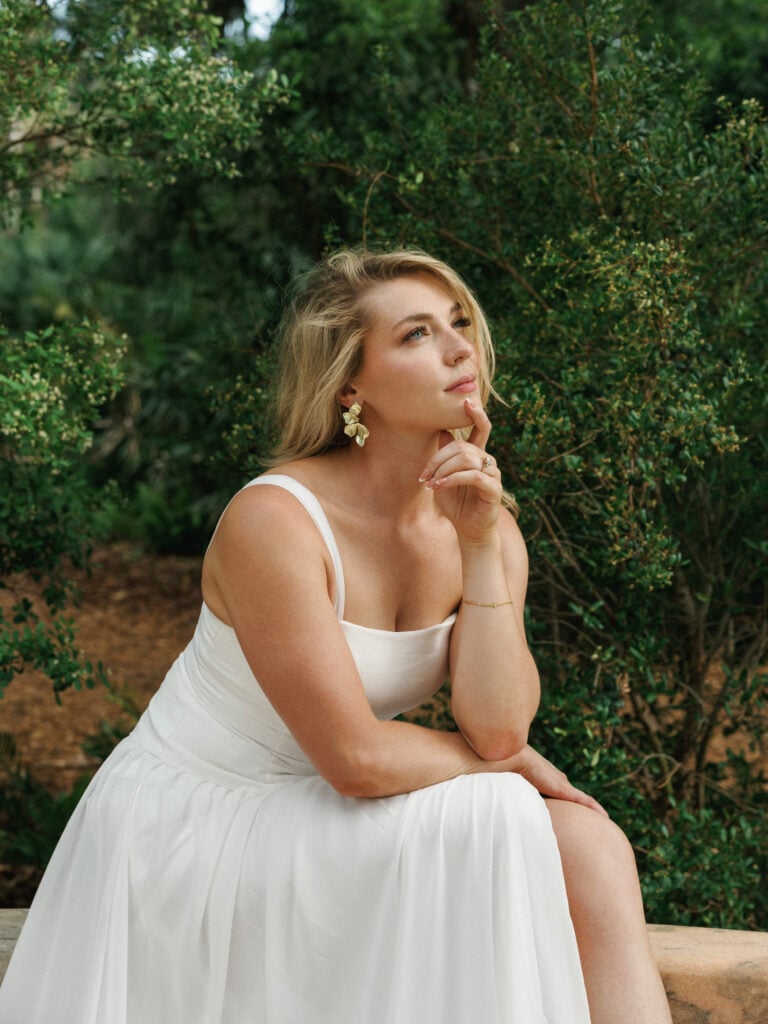
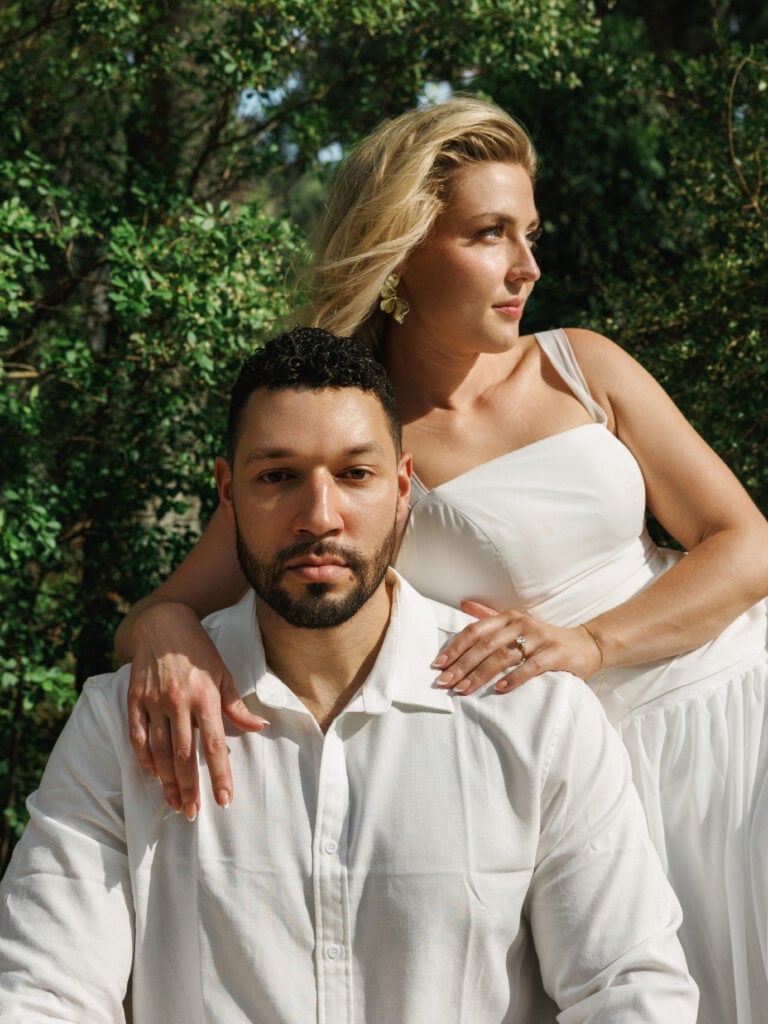
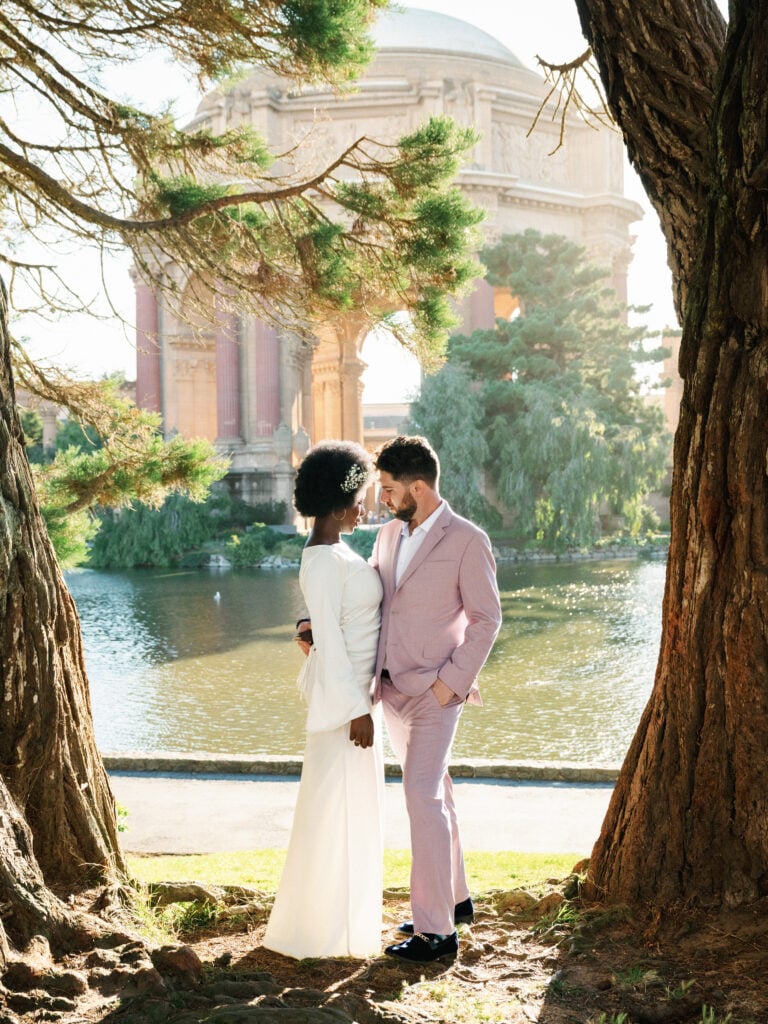
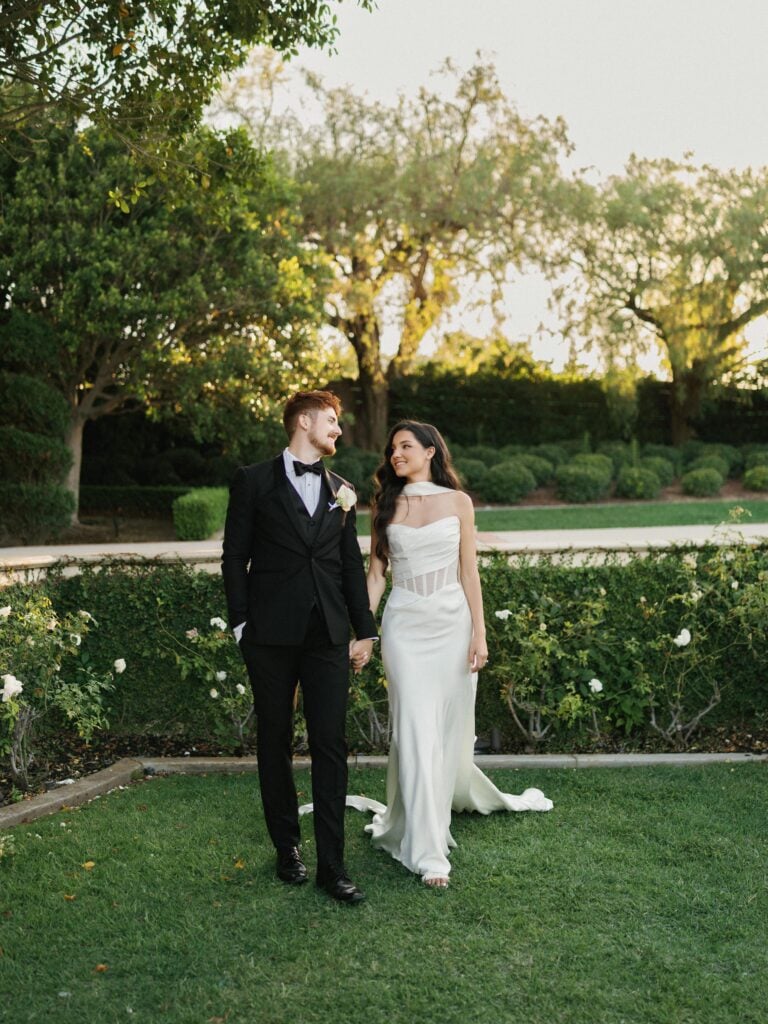
Editorial portraits often rely on intentional use of natural light. Backlighting can create a soft atmosphere around the couple, side light can add depth and dimension, and open shade can create balanced, flattering tones.
Golden hour remains a favorite for editorial wedding portraits because the lower position of the sun naturally adds warmth and dimension to the images.
Location
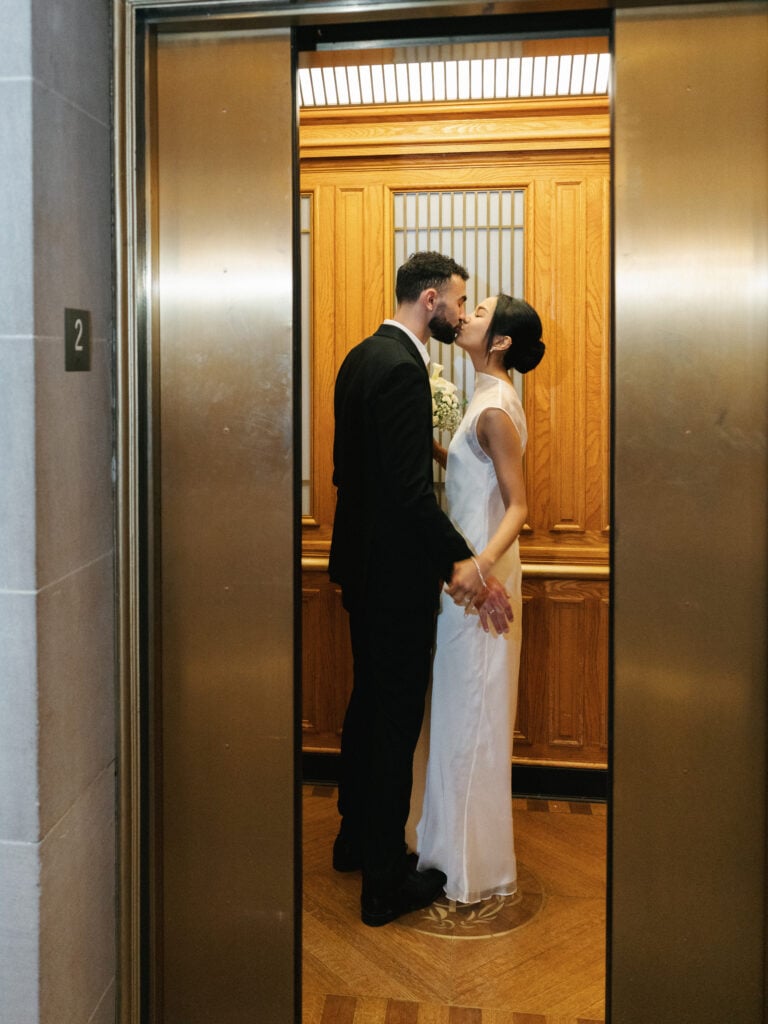
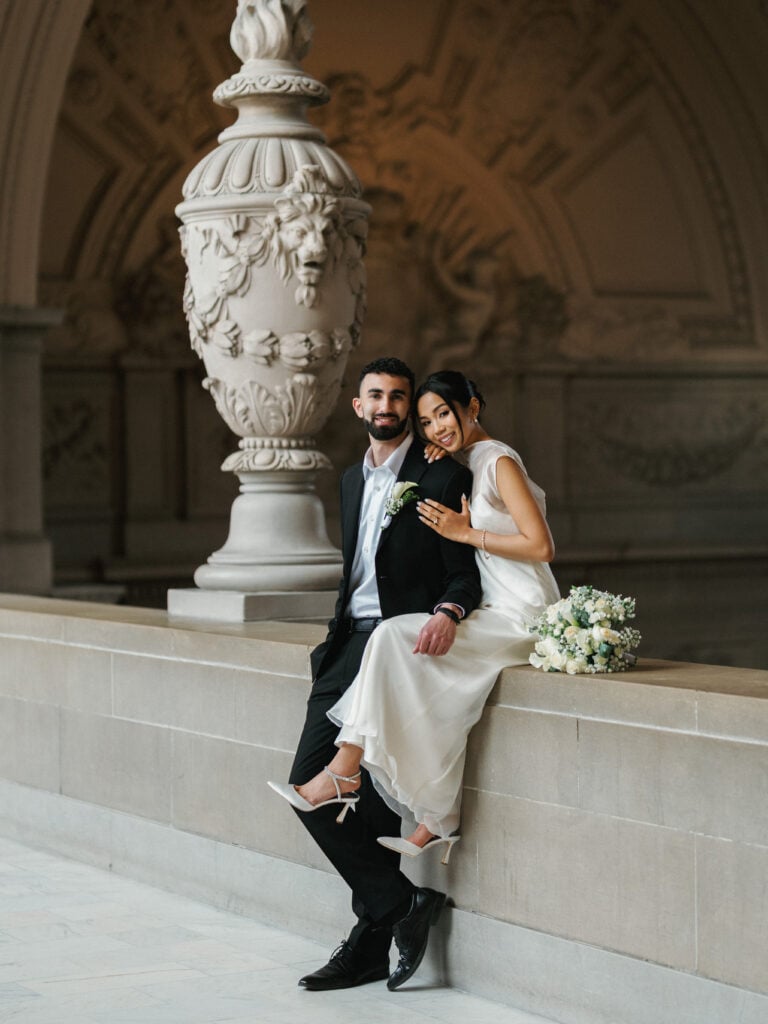
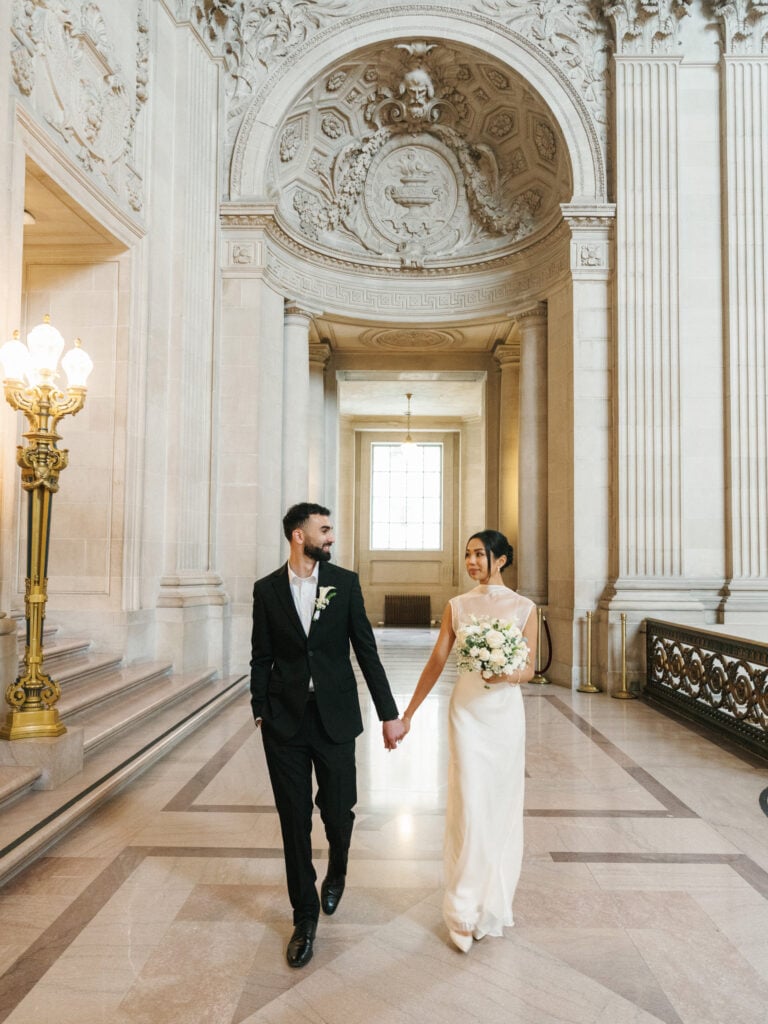
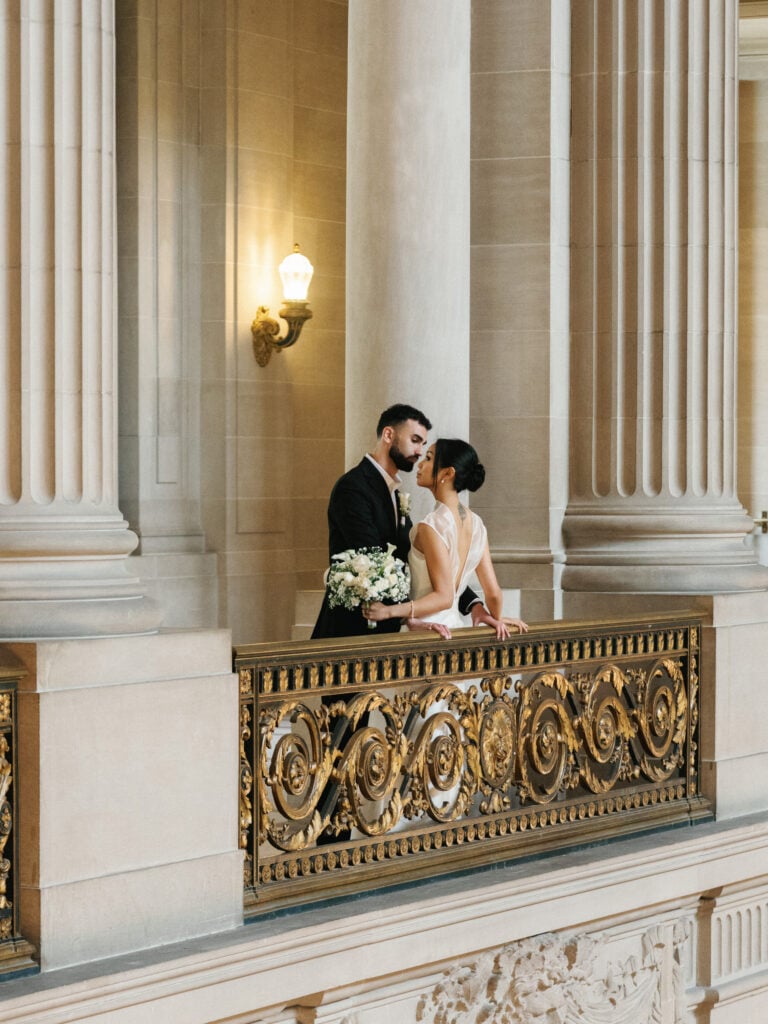
A meaningful location can transform a portrait. Architectural details, textured walls, staircases, landscapes, and spaces with interesting light create stronger visual backgrounds than simple, undecorated settings.
Scouting locations in advance helps photographers understand how the light changes throughout the day and choose the moments when each space works best. One thoughtfully selected location often provides more variety than several rushed stops.
Wardrobe
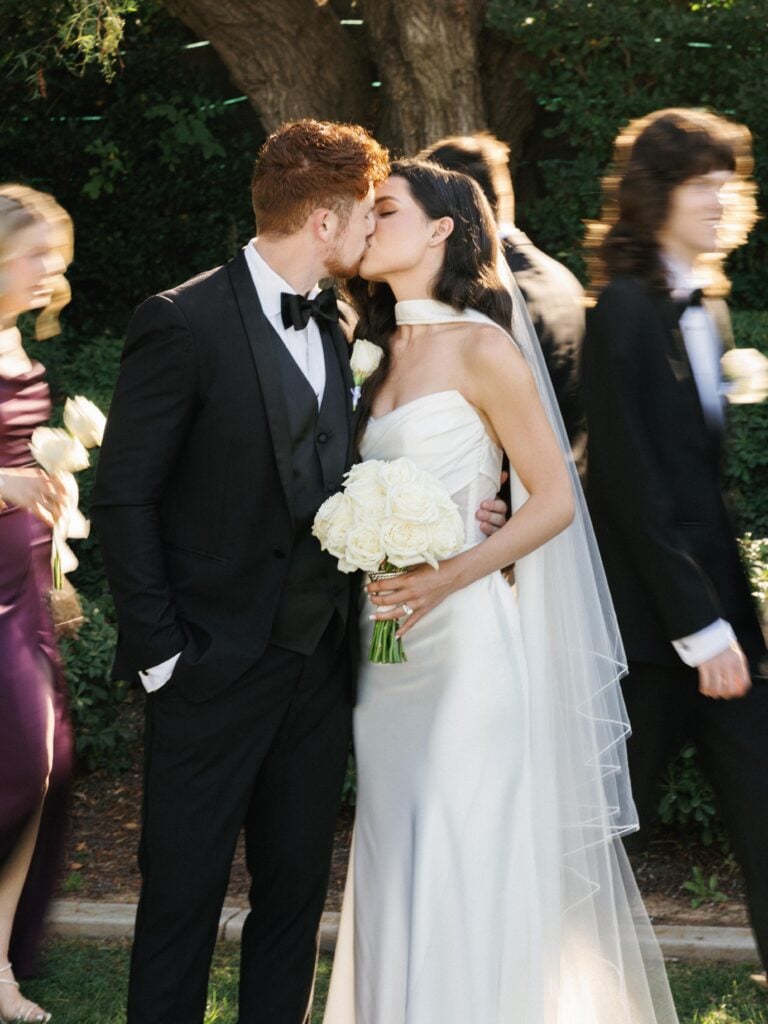
Wedding attire naturally influences the feeling of editorial portraits. A flowing veil, a moving skirt, textured fabric, or a tailored suit creates opportunities for movement and visual interest.
The goal is not to choose clothing only for photographs, but to understand how the chosen wardrobe interacts with the environment. A breeze, movement through a staircase, or a simple turn can reveal details that remain invisible in a static pose.
Movement
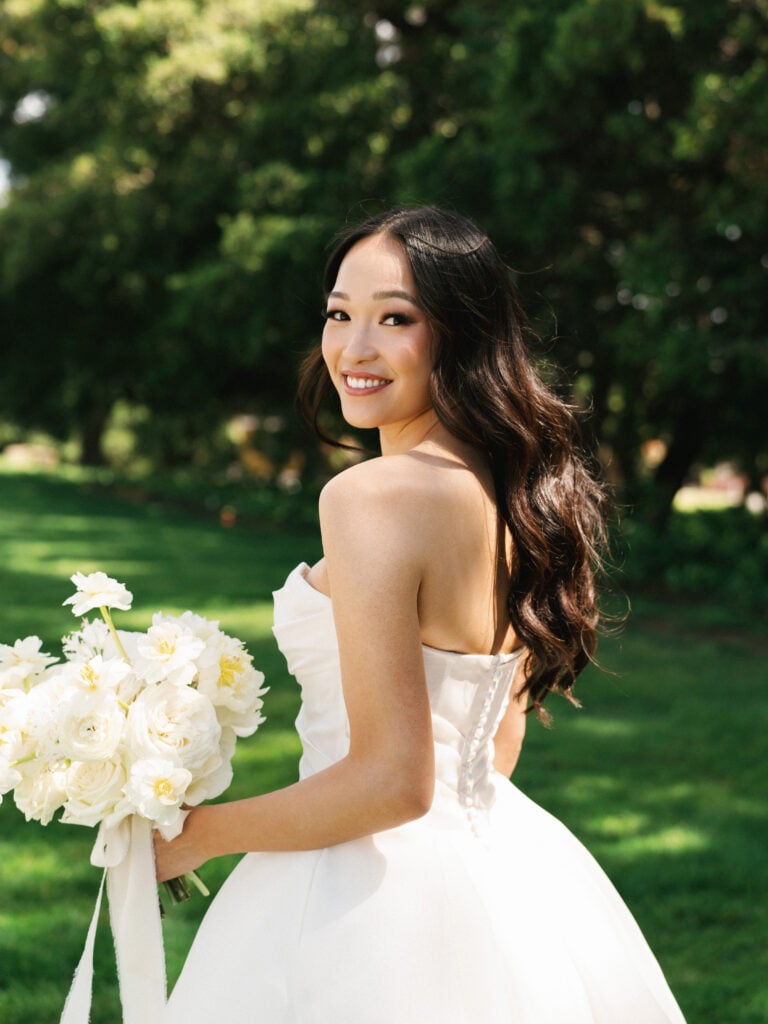
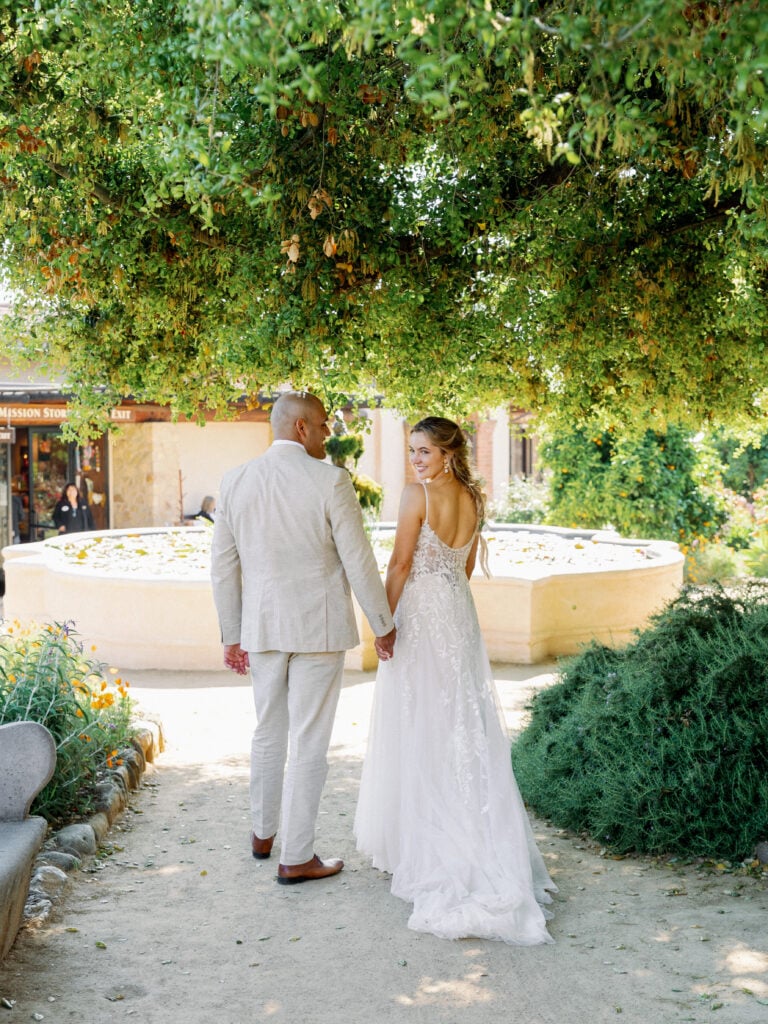
Movement often creates the most natural editorial images. Walking, turning, adjusting a veil, or sharing a quiet moment while moving allows expressions to appear more naturally than holding a fixed position.
Small actions give couples something to do, making the experience more comfortable while giving the photographer opportunities to capture authentic reactions.
Expert Note
Photographers working in this style often ask couples to repeat small movements several times: walking through a space, turning toward each other, or adjusting an accessory. This allows the photographer to capture the most natural version of the movement and refine the composition at the same time.
Aster Films planning note
How Couples Can Prepare Without Over-Controlling the Day
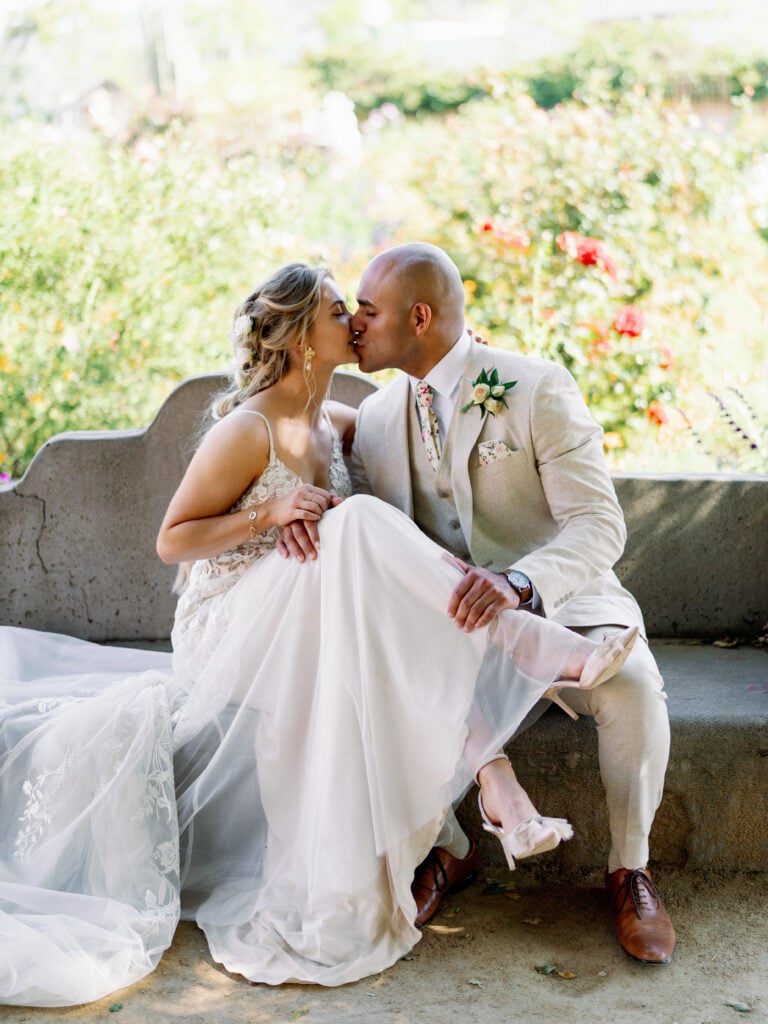
- Editorial wedding photography feels most natural when couples share their preferences while leaving room for creative decisions. Sharing a few reference images that communicate a feeling, such as warm and relaxed, cinematic and atmospheric, or bright and airy, gives the photography team a clear understanding of the desired mood.
- A reference board works best as inspiration, not as a list of photographs to recreate. Trying to reproduce specific images frame by frame can limit the photographer’s ability to respond to the couple, the location, and the natural conditions of the wedding day.
- Trusting the team with small creative decisions also creates stronger results. Choosing when to move to a different location, waiting for a change in light, or allowing a spontaneous moment to continue often leads to more varied and personal images than following a strict sequence of planned shots.
- Time also plays an important role. Editorial portraits need enough space for the photographer to explore different angles, allow movement to develop, and capture moments that feel effortless. A relaxed portrait window usually creates more variety than a tightly scheduled list of poses.
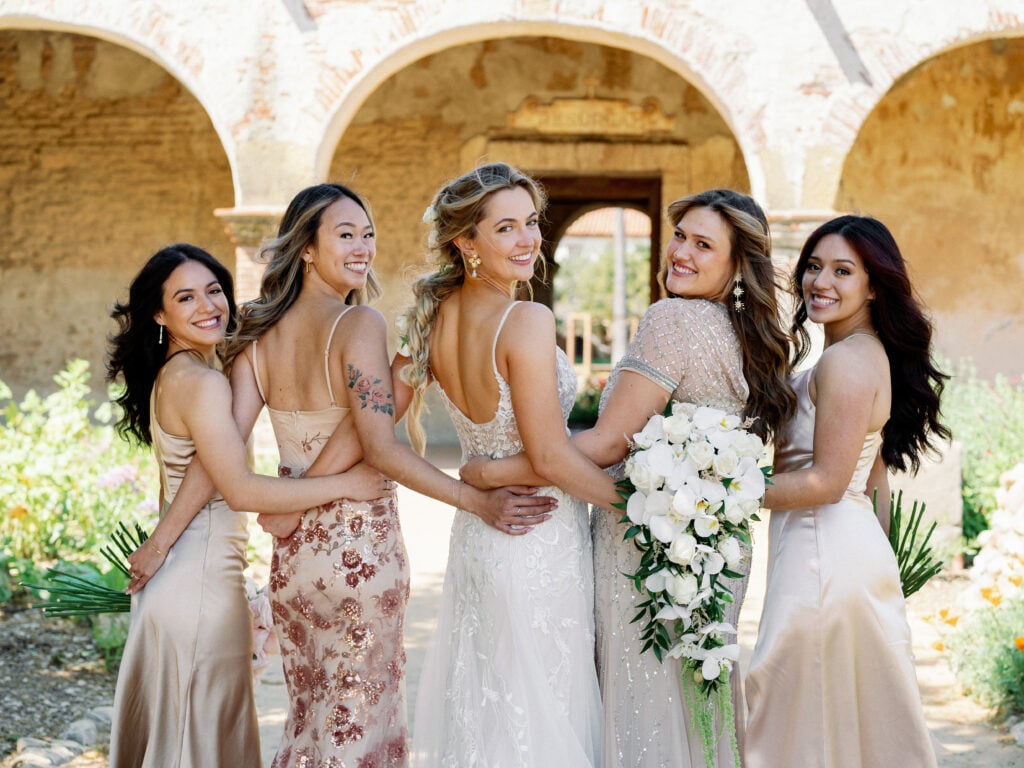
Creating the Conditions for Editorial Wedding Portraits
Editorial portraits depend on more than the photographer’s direction. The setting, timing, and pace of the wedding day all influence how naturally these images come together.
Small timeline and location choices can significantly influence the final images. Planning portraits around the best available light, leaving enough time to move through the venue without rushing, and considering the privacy of the location can create a completely different atmosphere. A quiet hallway before guests arrive, an open terrace during golden hour, or a moment away from the reception energy often gives a couple more space to relax.
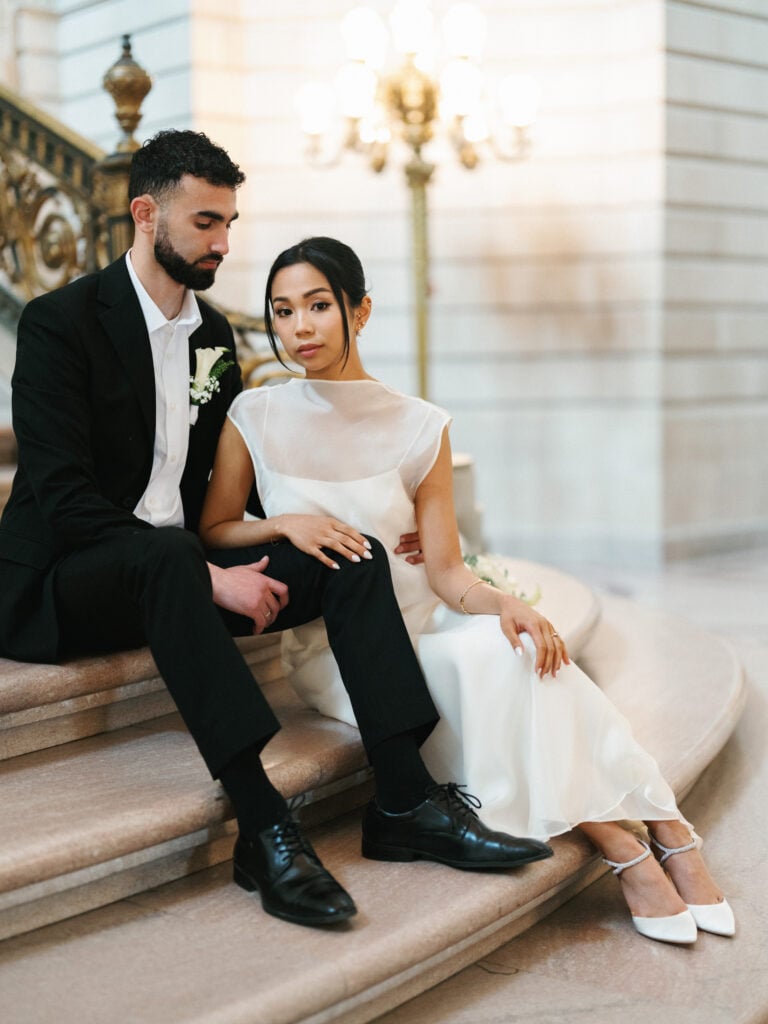
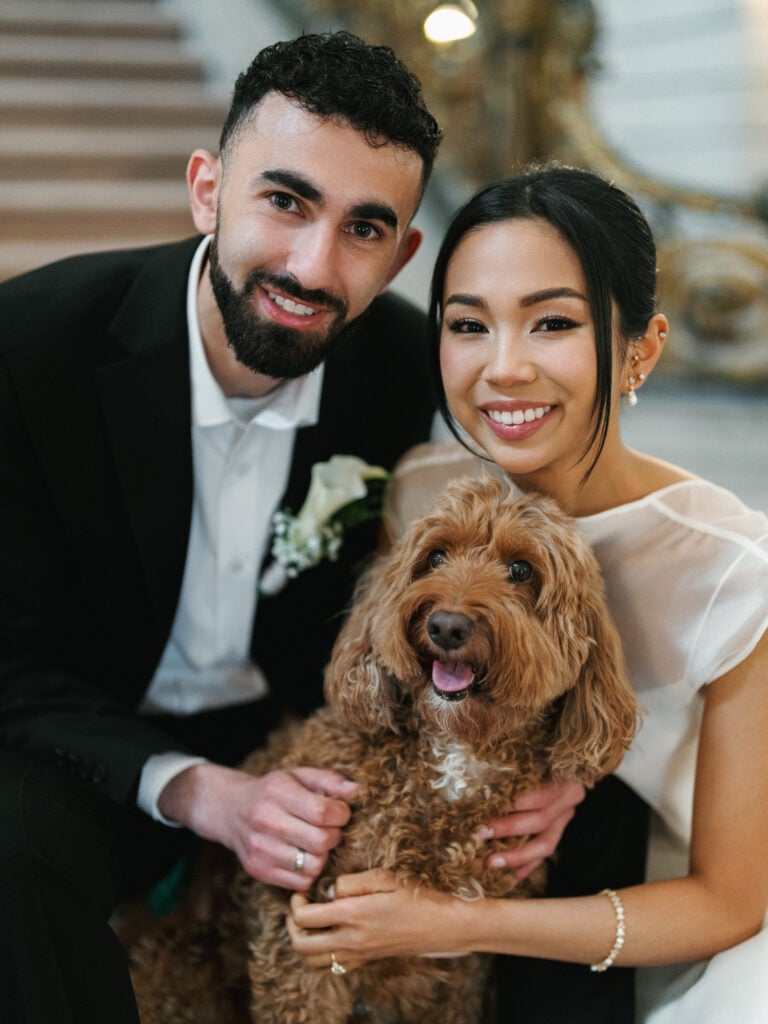
The same applies to the wedding timeline. Building portraits into the day as intentional pauses allows the photographer to work with changing conditions instead of creating pressure to capture everything within a few minutes. More time allows the photographer to adjust the composition, wait for the right light, or let a small interaction unfold naturally.
Couples can also think about the visual elements already present in the celebration. A meaningful venue, thoughtful wardrobe choices, architectural details, and personal objects all become part of the final imagery. Editorial photography does not require adding elements that do not belong to the couple’s story. It comes from noticing and shaping what is already there.
Frequently asked questions
Is editorial wedding photography the same as posed photography?
Not exactly. Editorial wedding photography uses intentional composition, light, and direction, but it focuses on creating natural movement and emotion instead of asking couples to hold fixed positions. The final images feel considered without looking stiff.
Can editorial and documentary styles work together in one wedding gallery?
Yes. Many wedding galleries combine documentary coverage of the ceremony, reception, and candid moments with editorial wedding portraits created during a dedicated portrait session. A consistent editing style and visual approach help the entire collection feel connected.
Do we need a stylist for editorial-style wedding photos?
No. Editorial photography is primarily shaped by the photographer’s approach to light, location, composition, and direction. Thoughtful wardrobe choices and a meaningful setting can be enough to create a fashion-inspired feel without additional styling.
How long should we plan for editorial-style portraits?
A portrait session of around thirty to forty-five minutes usually provides enough time to create a variety of images without making the day feel rushed. Additional time allows the photographer to explore different compositions and work with changing light.
What if we feel awkward in front of the camera?
Movement-based direction often feels more comfortable than traditional posing. Walking together, talking quietly, adjusting toward each other, or interacting naturally gives couples something to focus on besides the camera. Most couples settle into the process once their attention shifts toward the interaction and away from the camera.
CONTACT ASTER FILMS
Let’s Talk About Your Portrait Style
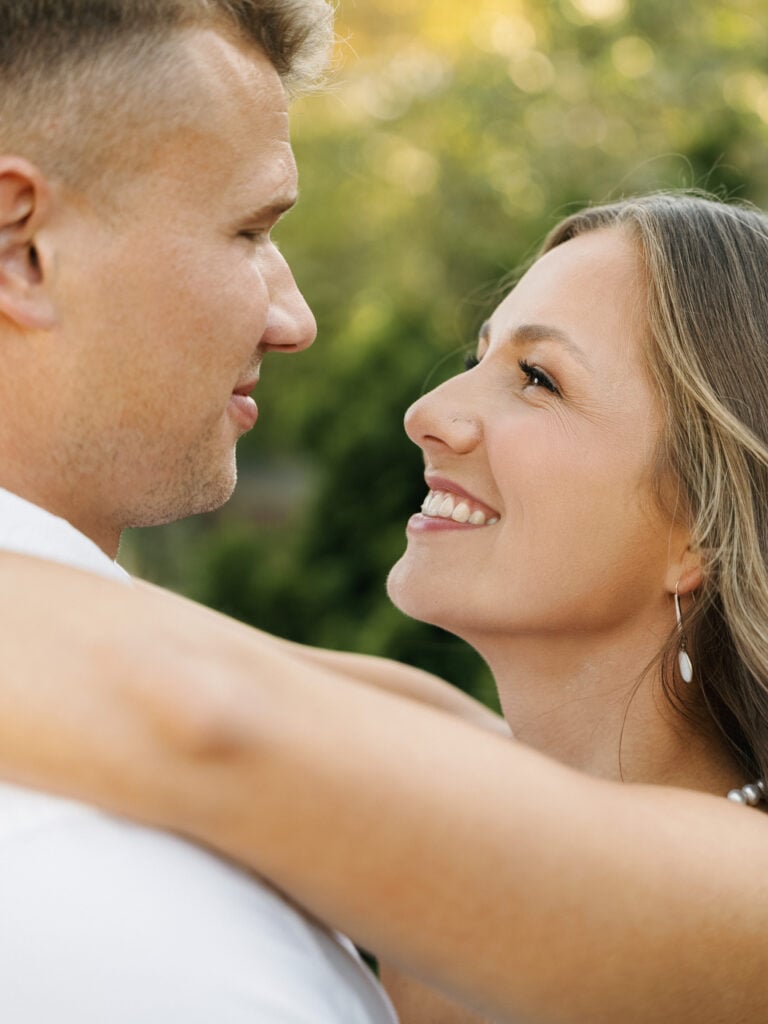
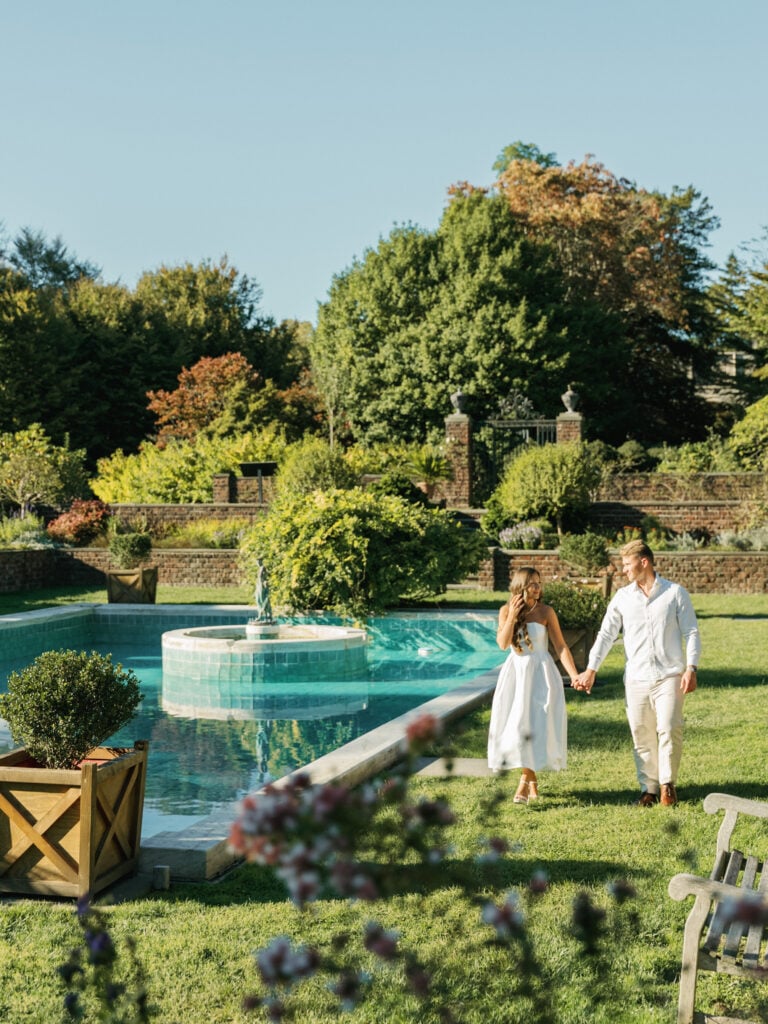
If the calm, intentional feel of editorial wedding photography matches the way you want your wedding memories to look and feel, we would love to show you more. Explore full weddings in our gallery or reach out to discuss how this approach can fit your celebration.